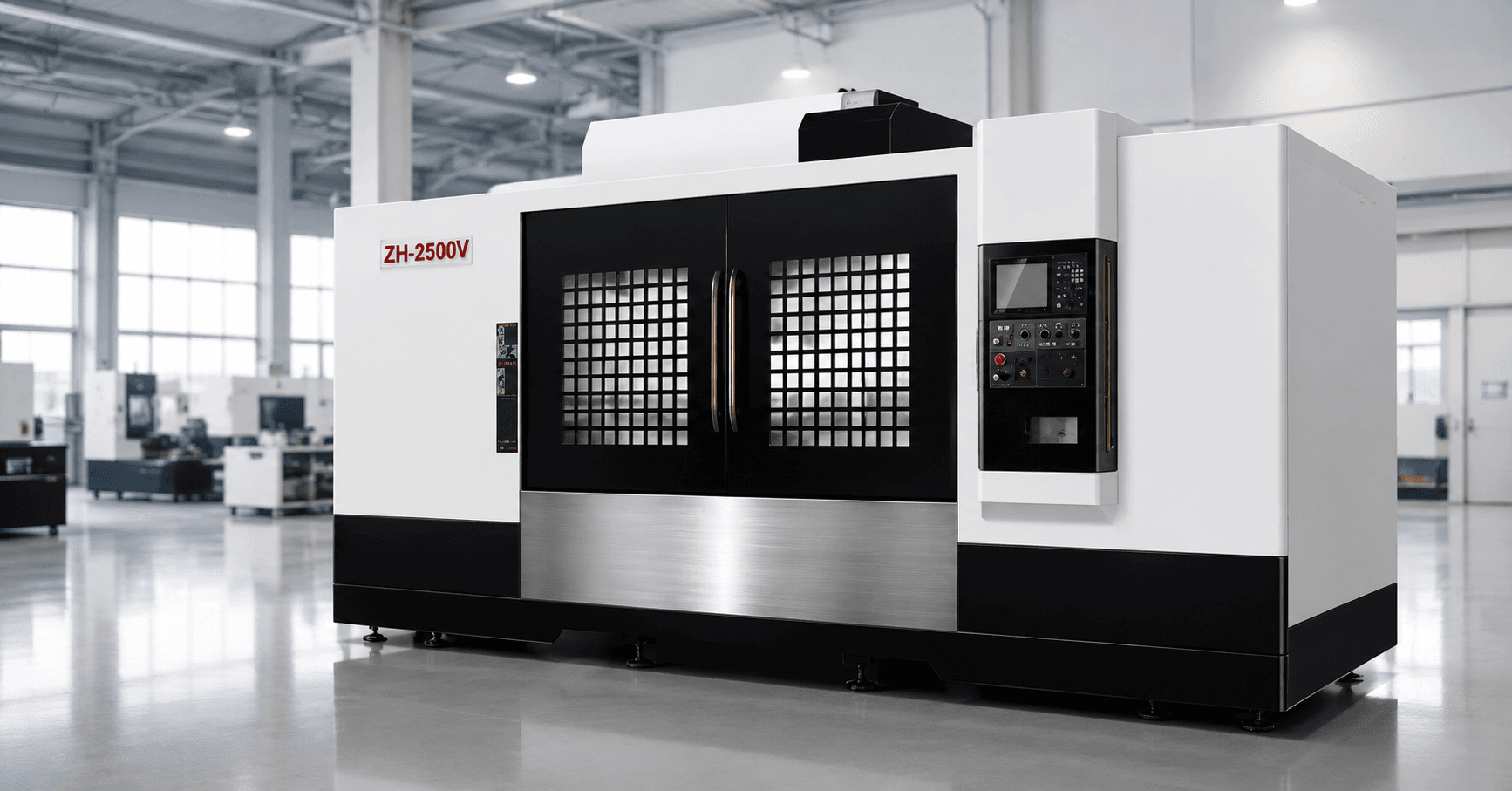
Why a Milling Machining Center Matters in Real Production
When buyers search for a milling machining center, they are usually not looking for a decorative machine description. They are trying to solve a practical production problem: how to machine parts faster, keep dimensions stable, reduce repeated setups, and make daily output more predictable.
In job shops and batch manufacturing plants, one CNC machine often needs to handle several tasks. A part may require drilling, tapping, face milling, pocket machining, contour cutting, or repeated light-to-medium metal removal. If the machine is not matched correctly to the part family, the result can be familiar: longer cycle times, unstable quality, difficult fixture changes, and operators spending too much time adjusting instead of producing.
For engineers and sourcing managers, the decision is rarely about one specification. A CNC milling machine supplier should help buyers check whether the machine fits the material, part size, tolerance target, production volume, and floor-space conditions. A machine that looks strong in a brochure may still be inconvenient in daily use if the enclosure, control layout, workholding method, or service plan does not match the real job.
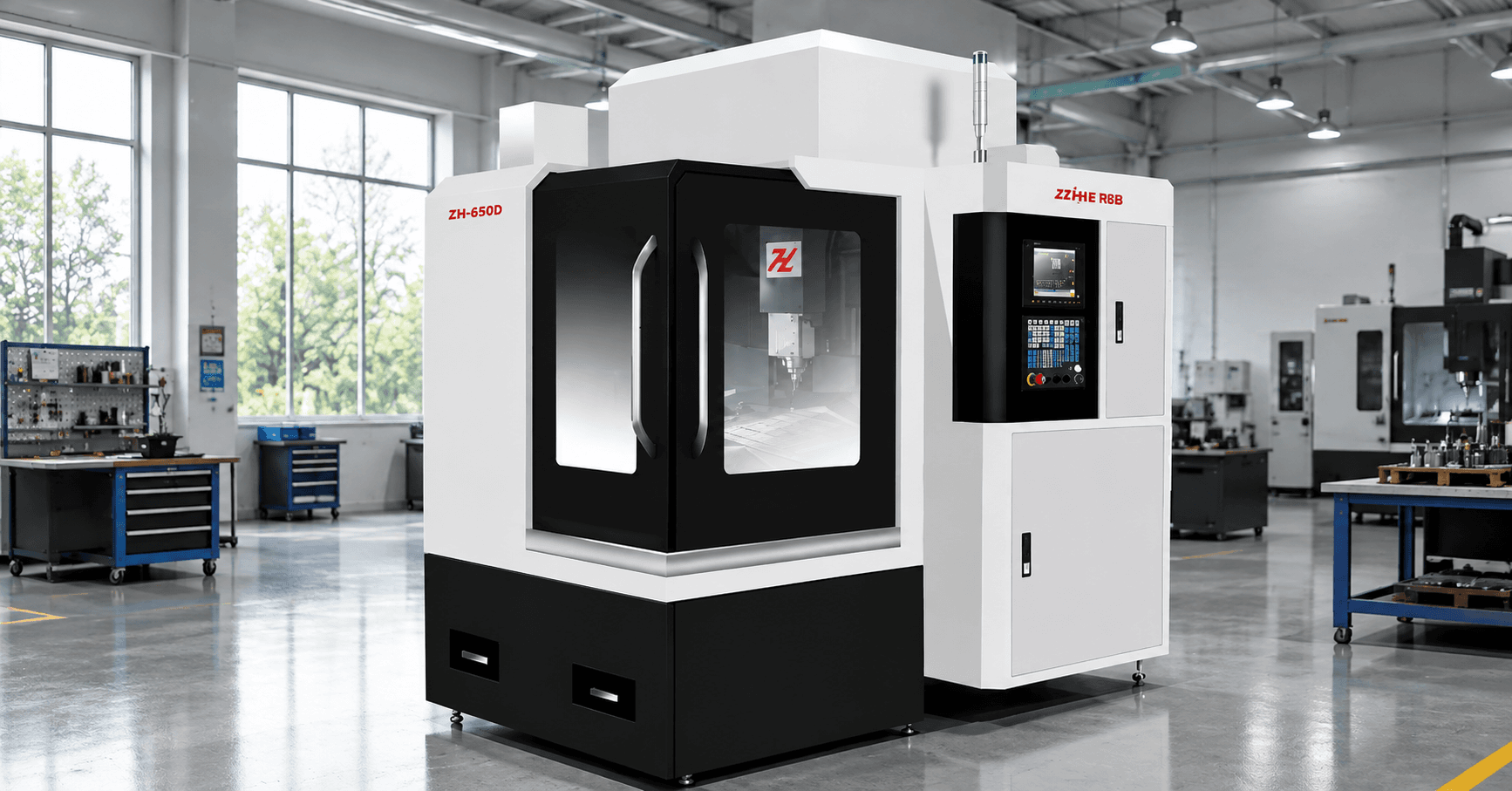
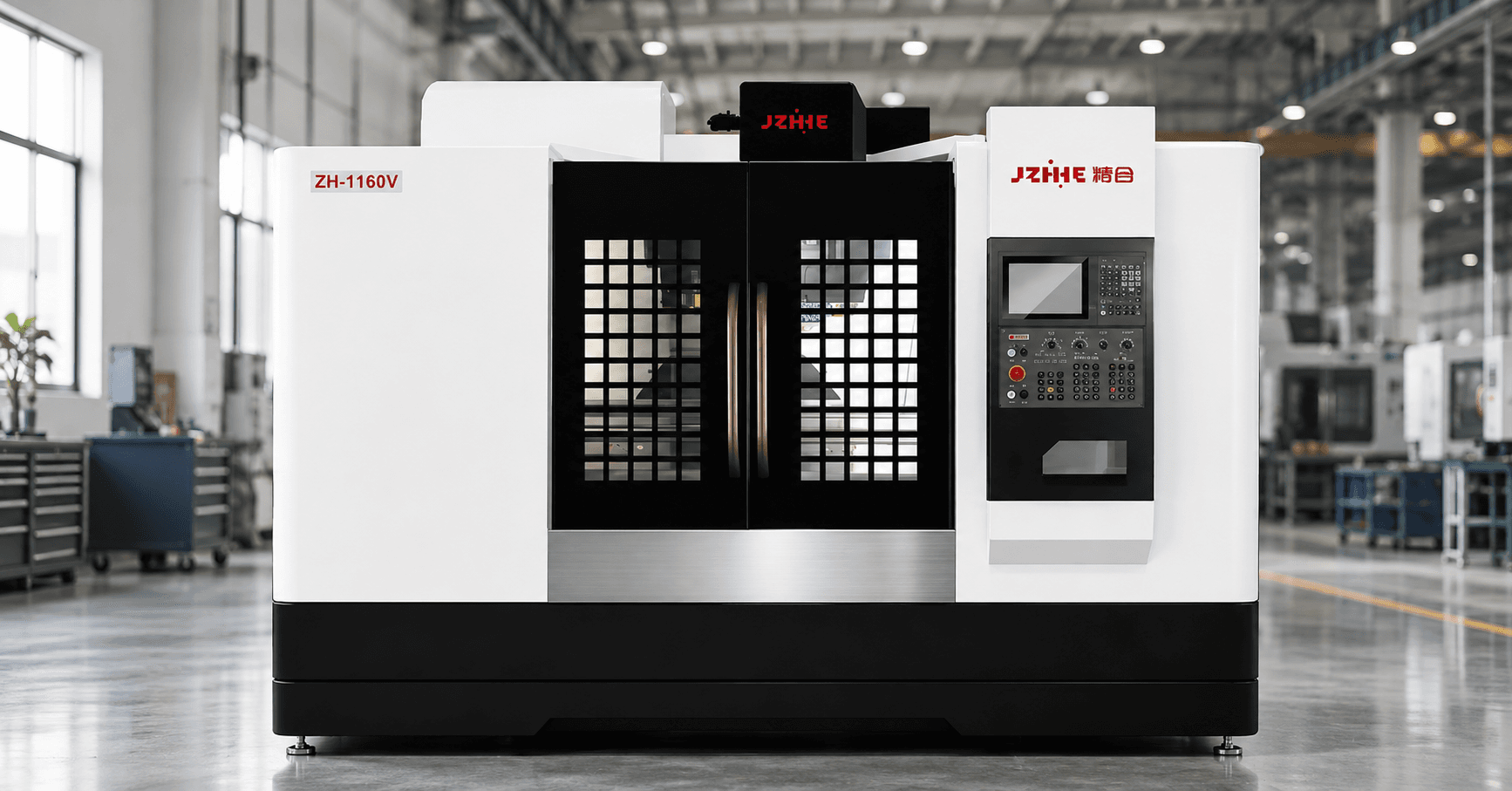
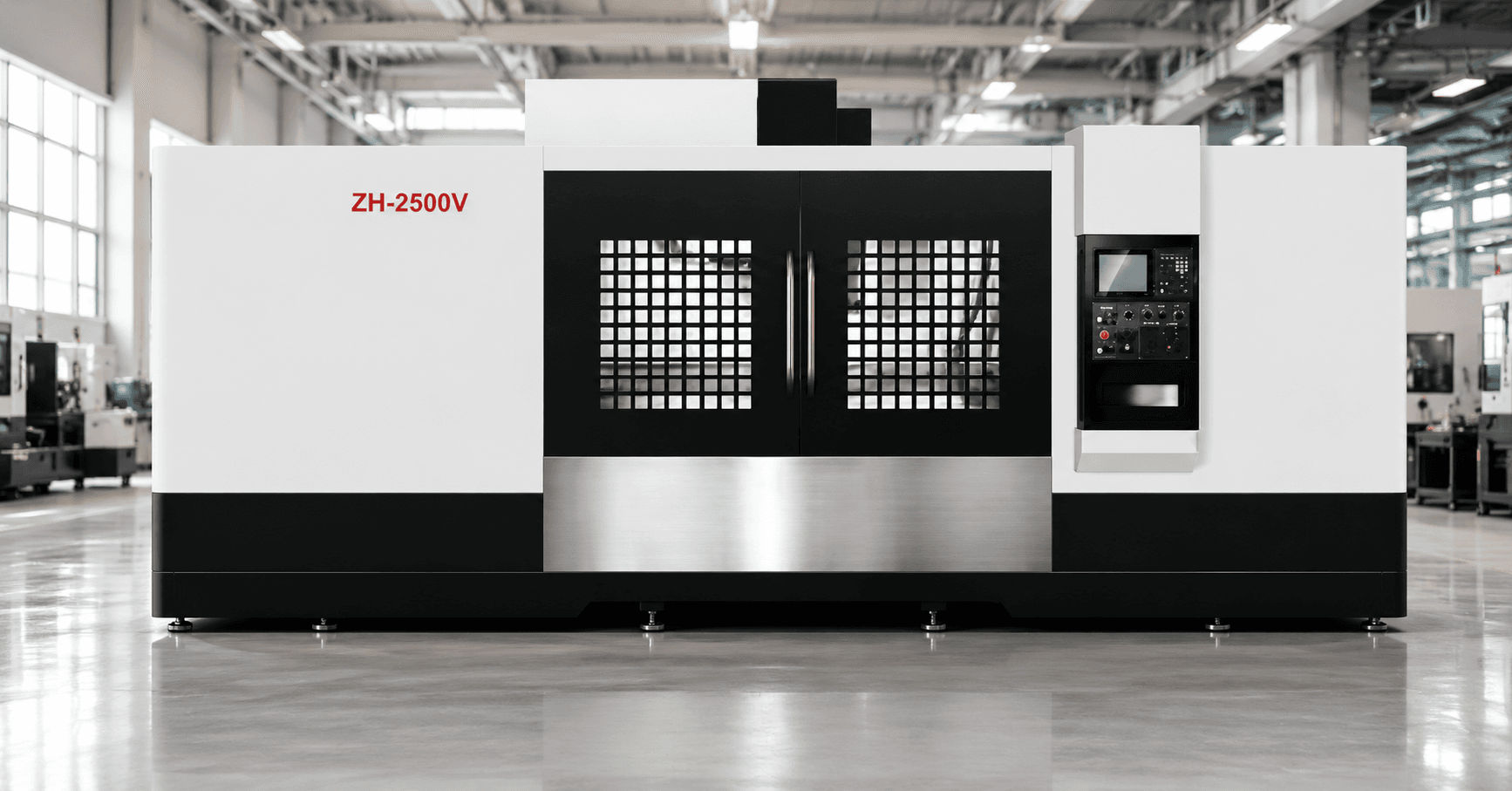
Zhongshan Zhihe CNC Technology Co., Ltd. provides CNC equipment including vertical machining centers, horizontal machining centers, gantry machining centers, drilling and tapping centers, CNC milling machines, and five-axis machining centers. This wider product range helps buyers compare different machining solutions instead of forcing every workpiece into one machine category.
CNC Milling Center or Drilling and Tapping Center?
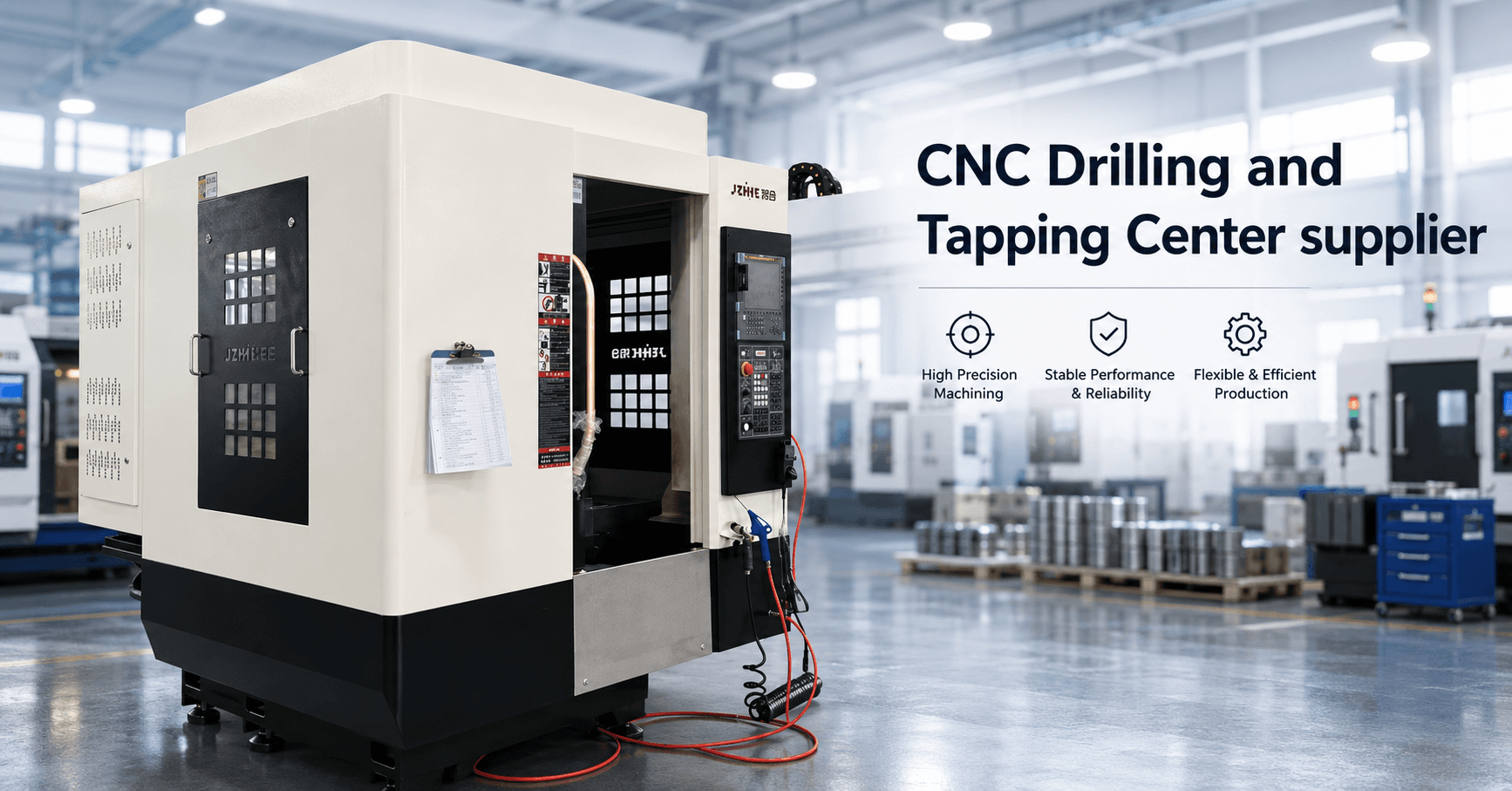
Not every buyer who searches for a CNC milling center needs a heavy-cutting machining platform. In many factories, the main workload is repeated drilling, tapping, and light milling on aluminum parts, steel parts, brackets, plates, or precision hardware components. In that case, a drilling and tapping center may offer a better balance of speed, compact layout, and production efficiency.
If the workpiece requires deeper cutting, larger tool engagement, broader milling flexibility, or heavier material removal, a CNC milling machine for metal parts may be the better choice. If the work is mostly hole-making, threading, and light face milling, a drill-tap platform may deliver a cleaner business case.
The real question is not “which machine sounds more advanced?” The better question is: which machine matches the part family and weekly production rhythm?
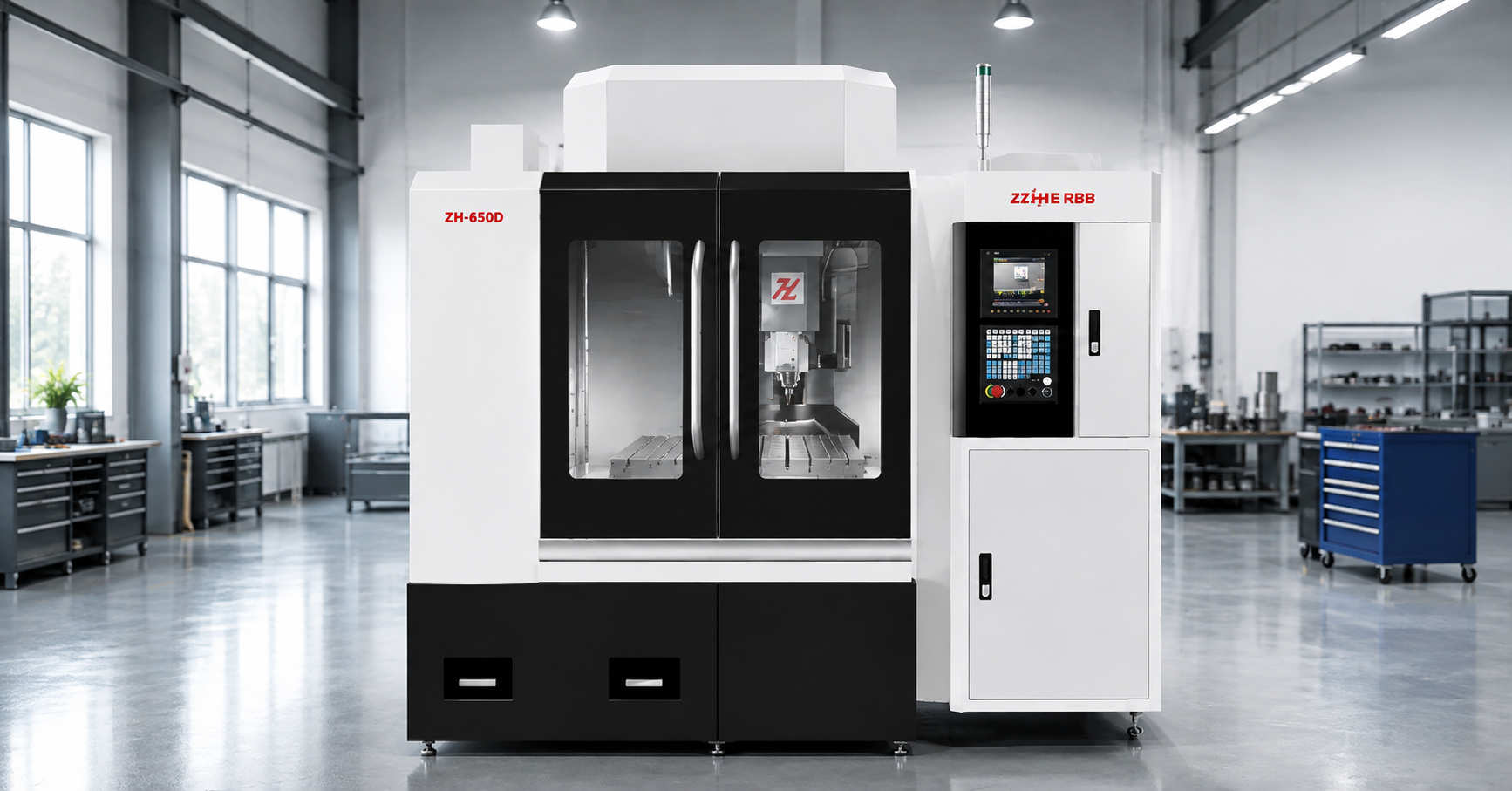 What Buyers Should Compare Before Purchase
Before comparing models, buyers should start with the workpiece. Machine selection becomes clearer when the supplier understands the part drawing, material, dimensions, tolerance target, machining process, and expected output.
| Buyer Requirement | Why It Matters |
|---|---|
| Part material | Aluminum, steel, copper alloys, and castings need different cutting strategies |
| Part size | Determines worktable size, travel range, and fixture layout |
| Machining process | Drilling, tapping, milling, pocketing, and contouring require different machine capability |
| Accuracy target | Affects machine structure, spindle choice, and inspection method |
| Production volume | Helps decide whether speed, flexibility, or automation matters most |
| Fixture method | Poor clamping can reduce accuracy even on a good machine |
| Operator workflow | Control access, door design, and maintenance access affect daily efficiency |
For shops handling automotive components, 3C electronics parts, precision hardware, communication equipment parts, lithium battery equipment components, or aluminum parts, repeatability is often more important than a single headline speed figure. A high speed milling center may reduce cycle time, but speed alone cannot fix weak fixturing, poor tool selection, or the wrong machine format.
Why Machine Structure and Safety Matter
An enclosed machine is not only about operator protection. It is also a production feature.
A cabinet-style enclosure helps control chips, coolant mist, and cutting debris. This keeps the surrounding area cleaner and makes the machine easier to place in a workshop where several machines run side by side. For factories running repeated jobs, this kind of layout can improve both safety and workflow.
Buyers should also review:
-
Door access
-
Operator control position
-
Visibility into the machining area
-
Maintenance access
-
Chip removal method
-
Coolant management
-
Fixture loading path
These details may not look exciting during the quotation stage, but they strongly affect daily production. A machine that is difficult to load, inspect, clean, or maintain can quickly reduce the value of a lower purchase price.
How to Choose the Right CNC Milling Machine Supplier
Choosing a CNC milling machine supplier is not only about comparing machine prices. It is about finding a supplier that can match the machine to the application.
A reliable supplier should ask about:
-
Workpiece drawings
-
Material type
-
Dimensions
-
Accuracy requirements
-
Surface finish target
-
Main machining process
-
Daily or monthly output
-
Existing fixture method
-
Operator skill level
-
Future production changes
If a supplier recommends a machine before understanding the part, buyers should be careful. A good recommendation should be based on real production requirements, not only on catalog availability.
Supplier Support That Improves Production Value
For many buyers, supplier support matters as much as machine structure. A CNC machine may be mechanically suitable, but the project can still struggle if installation, fixture setup, operator training, or spare parts support is weak.
| Supplier Support | Why Buyers Care |
| Machine recommendation | Helps avoid overbuying or underbuying capacity |
| Control system selection | Improves operator familiarity and programming efficiency |
| Fixture support | Improves clamping stability and machining repeatability |
| Trial cutting | Helps verify machine fit before final production |
| Installation guidance | Reduces commissioning problems |
| Operator training | Helps the machine reach stable output faster |
| Warranty service | Protects the buyer after delivery |
| Spare parts support | Reduces downtime during long-term use |
For first-time buyers or factories adding new capacity, these services can reduce risk. A machine that enters production smoothly is usually worth more than a low-price machine that requires repeated correction after installation.
Common Mistakes Buyers Should Avoid
One common mistake is buying for the highest specification instead of the real job. A larger or faster machine is not always the better machine. If the main workload is repeated drilling, tapping, and light milling, a compact production-focused machine may be more efficient than a heavy platform with unused capacity.
Another mistake is ignoring the daily rhythm of production. If operators need frequent access to the work area, the enclosure and door layout matter. If the part generates heavy chips, chip evacuation matters. If multiple shifts use the machine, control simplicity and maintenance access matter.
A third mistake is skipping application review. A precision CNC milling machine performs best when the process around it is stable: correct fixture, suitable tooling, clear drawing requirements, proper coolant use, and reasonable cutting parameters. Without those basics, even a well-built machine can produce inconsistent results.
A Practical Buyer’s View
If your operation needs flexible milling, heavier cutting, or broader part compatibility, a CNC milling center or vertical machining center may be the better choice. If your workload is dominated by drilling, tapping, and repeated hole patterns, a drilling and tapping center may provide stronger efficiency.
For many buyers, the decision comes down to this:
Do you need a machine that can handle many different processes, or a machine tuned for the production pattern you run every week?
There is no universal answer. That is why part-based selection is important.
What to Send When Requesting a Quote
Before asking for a proposal, prepare:
-
Part drawing
-
Material type
-
Part dimensions
-
Required tolerance
-
Surface finish target
-
Main machining operations
-
Daily or monthly output
-
Fixture requirements
-
Current production problem
-
Preferred delivery destination
The more precise the input, the more accurate the recommendation. A professional supplier can then suggest whether a milling machining center, drilling and tapping center, vertical machining center, or another CNC solution fits the job better.
FAQ: High-Conversion Questions Buyers Often Ask
1. How do I know whether I need a milling machining center or a drilling and tapping center?
If your parts mainly require drilling, tapping, and repeated hole patterns, a drilling and tapping center may be more efficient. If your parts require broader milling, pocket machining, contour cutting, or heavier material removal, a milling machining center or vertical machining center may be a better choice.
2. What information should I provide before requesting a quotation?
You should provide part drawings, material, dimensions, tolerance requirements, surface finish targets, machining process, and expected output. This helps the supplier recommend a machine based on your actual production needs rather than a general model list.
3. Can the supplier help choose the right machine configuration?
A professional CNC milling machine supplier should help review the workpiece, material, process, fixture method, and output target. The supplier should also explain whether the recommended machine is suitable for your current parts and future production plans.
4. What industries commonly use milling machining centers?
Milling machining centers are widely used in automotive components, 3C electronics, aluminum parts, precision hardware, communication equipment, mold-related components, machinery parts, home appliance parts, and lithium battery equipment manufacturing.
5. What affects the final machining accuracy?
Final accuracy depends on machine rigidity, spindle performance, guideway stability, fixture design, tool selection, cutting parameters, coolant control, thermal stability, and operator setup. The machine is important, but the process around the machine also matters.
6. Can one CNC machine handle drilling, tapping, and milling together?
Yes, depending on the machine configuration. Many CNC machining centers can support drilling, tapping, and milling operations. However, buyers should confirm spindle capability, tool capacity, travel range, controller function, and fixture layout before purchase.
7. How can I reduce buying risk before placing an order?
Start with application review. Share your drawings and production requirements, then ask the supplier for model recommendation, configuration explanation, fixture suggestions, and trial cutting support if available. This helps confirm whether the machine fits the real job before shipment.
Final Advice for Buyers
Choosing a milling machining center is not only about buying a CNC machine. It is about choosing a production tool that must fit your parts, operators, workflow, and output target.
The best supplier is not always the one offering the most impressive specification list. It is the one that helps you choose the correct machine for your actual workpiece.