What a Vertical Profile Machining Center Solves on the Shop Floor
A vertical profile machining center is usually chosen when a shop needs accurate vertical cutting, stable contour work, and a practical setup path for long-profile workpieces or complex components. For engineers and sourcing teams, the real question is not whether the machine can cut material. Most CNC machines can. The more useful question is whether the machine can keep that process stable across repeated parts, different materials, and daily production pressure.
This is where machine structure becomes important. A profile part may look simple, but length can magnify small problems. A little vibration affects surface finish. Slight axis instability may show up as dimensional drift. Poor clamping can turn drilling and tapping into a rework issue. A vertical profile machining center is meant to reduce those risks by giving the shop a more rigid, controlled CNC platform.
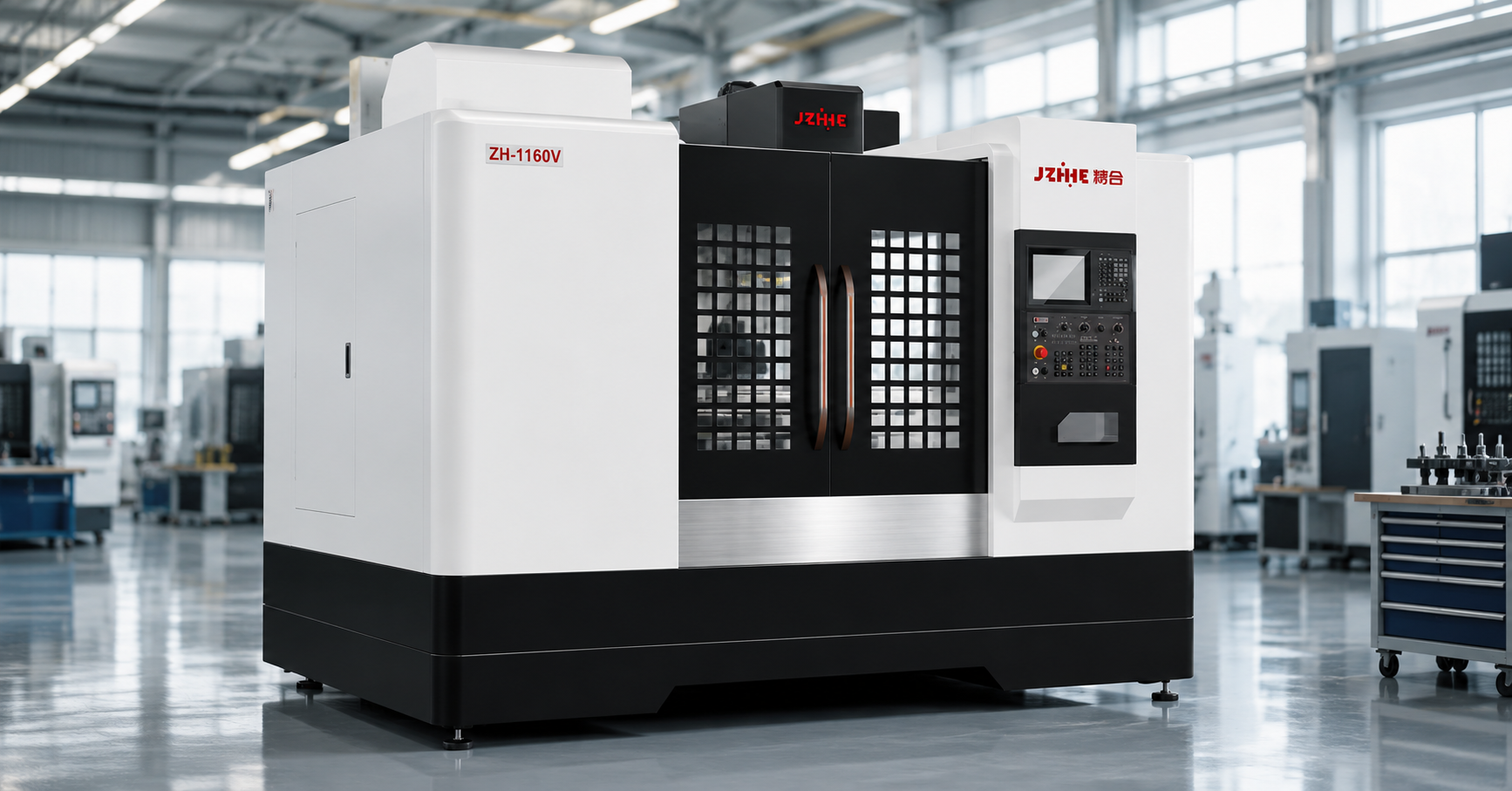
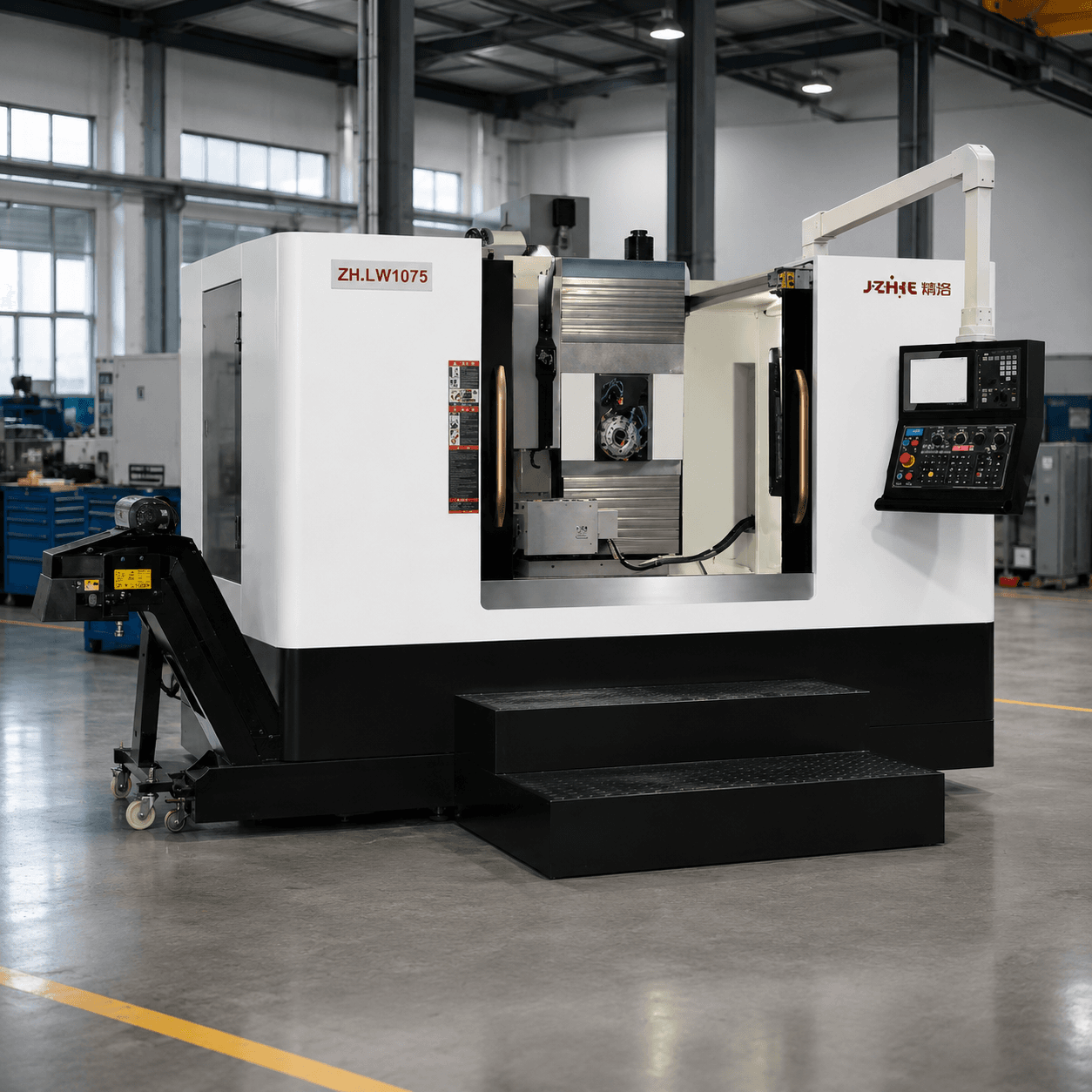
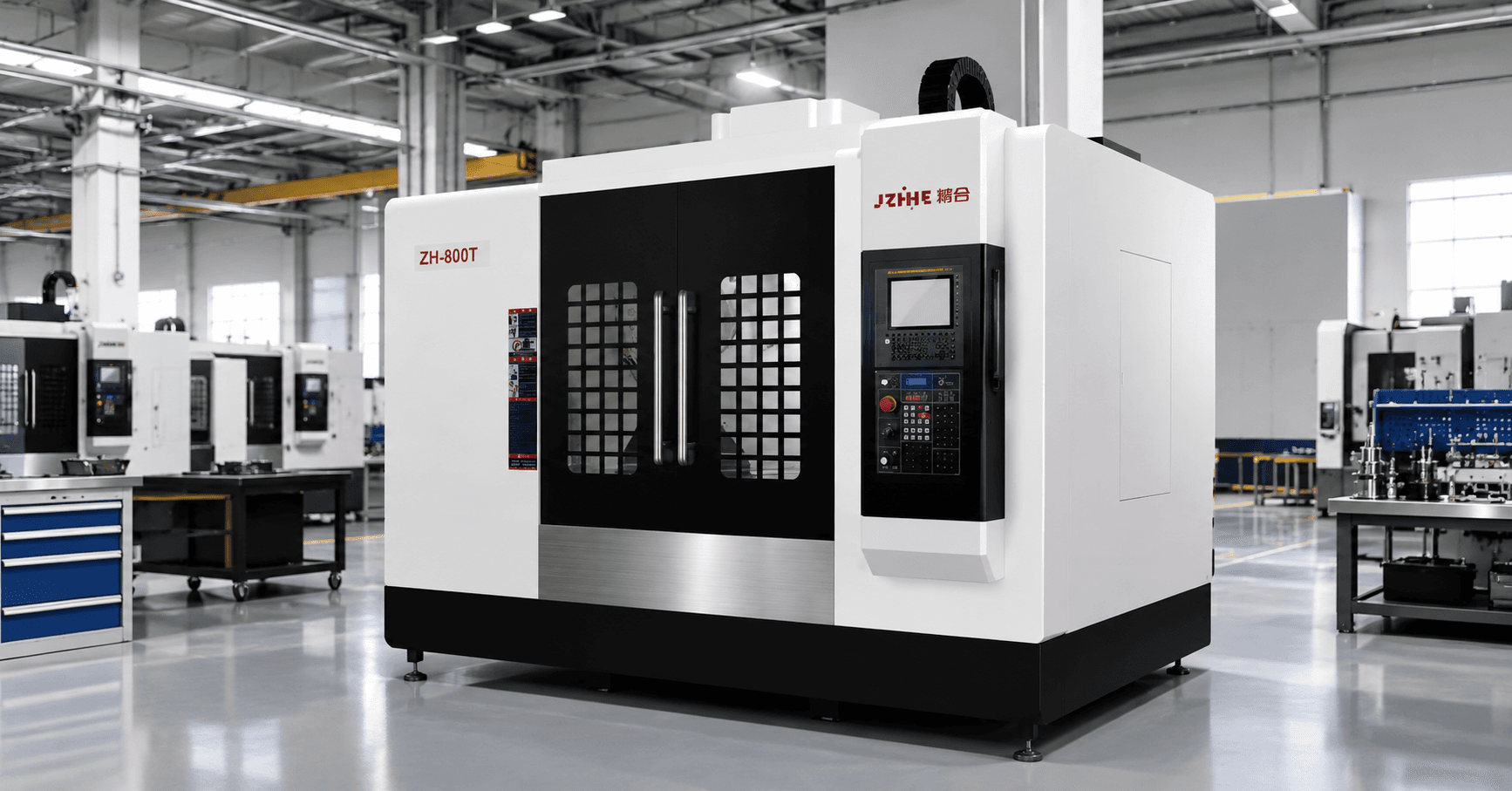
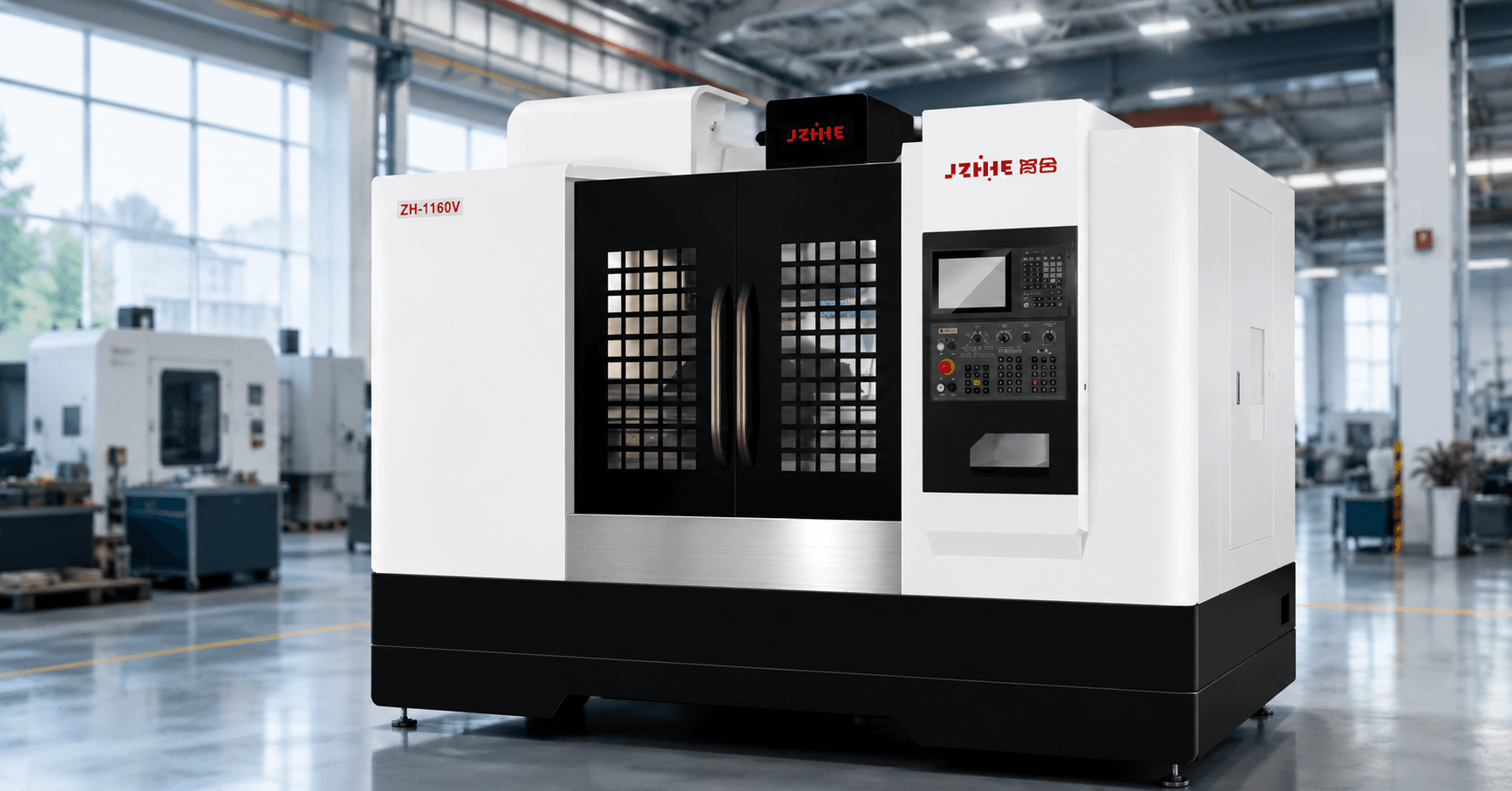
The linked Zhihe CNC product page describes this machine as being engineered for high-precision processing of long-profile workpieces and complex components. It uses a high-rigidity cross-slide table structure combined with an integrated monolithic base, a design intended to improve machine stability and vibration resistance during high-speed machining.
Why This Machine Type Is Often the Practical Choice
For many factories, a vertical machining center is the first serious step beyond manual milling, light drilling equipment, or scattered single-process machines. It gives the shop one controlled CNC platform for milling, drilling, tapping, contour machining, and surface finishing.
A vertical profile machining center takes that logic further when the part family includes profile-shaped workpieces, long components, or parts that need good contour accuracy. It is especially useful when the buyer wants a balance between accessibility, stable cutting, and repeat production.
The product page highlights that the machine is suitable for materials including aluminum, copper, stainless steel, and engineering plastics. That material range makes it relevant for shops that do not only work with one simple material category.
Quick Reference: What Buyers Should Check
| Buying Point | Product Page Data | Why It Matters |
|---|---|---|
| Machine structure | High-rigidity cross-slide table structure | Helps improve stability during machining |
| Base design | Integrated monolithic base | Supports vibration resistance and long-term accuracy |
| Axis transmission | C3-grade large-pitch ball screw drive systems on X/Y/Z axes | Improves dynamic response and repeat positioning accuracy |
| Workpiece type | Long-profile workpieces and complex components | Fits profile machining and longer precision parts |
| Material range | Aluminum, copper, stainless steel, engineering plastics | Supports mixed industrial production |
| Application fields | Precision electronics, automotive, medical devices, automation, 3C, robotics, new energy | Matches common B2B manufacturing sectors |
| Supplier support | Customization solutions and after-sales support | Helps buyers match machine configuration to real applications |
The product page states that the C3-grade large-pitch ball screw drive systems help improve dynamic response and repeat positioning accuracy, while reducing acceleration and deceleration time compared with conventional moving-column machining structures. For buyers, this matters because profile machining often depends on smooth axis movement and contour precision, not only spindle power.
Where a Profile Machining Center Fits Best
The phrase profile machining center is often used when buyers are dealing with long or shaped workpieces rather than simple compact blocks. These parts may require milling, drilling, tapping, and contouring along a longer structure. In this situation, the machine must do more than remove material. It must hold the part steadily, control vibration, and keep repeatability through the batch.
According to the product page, this machine is used across precision electronics, automotive components, medical devices, automation equipment, 3C electronics, robotics, and new energy industries. These industries often need stable dimensional control, cleaner surfaces, and repeatable production quality rather than one-off cutting ability.
Typical applications may include aluminum profile components, automation equipment parts, precision electronic structures, automotive brackets, robotics-related components, medical device parts, new energy components, and engineering plastic precision parts.
Why Structure Matters More Than the Enclosure Alone
An enclosed CNC machine helps with chip control, coolant containment, operator safety, and shop cleanliness. Those are useful benefits, especially for daily production. But enclosure alone does not make a machine suitable for profile work.
The more important question is how the machine behaves under cutting load. A long-profile workpiece can expose weaknesses quickly. If the machine lacks rigidity, the shop may see poor surface finish, inconsistent hole quality, reduced tool life, or unstable contour accuracy.
That is why the product page’s emphasis on a cross-slide table structure, monolithic base, and C3-grade ball screw transmission is important. These are the types of features buyers should review before making a decision.
Selection Criteria That Actually Matter
Buyers should not start with marketing language. They should start with the workpiece.
Before requesting a quotation, prepare the part drawing, material, maximum length, tolerance requirement, surface finish target, fixture method, batch quantity, and current machining problem. A supplier cannot recommend the right configuration from a general description alone.
For this machine category, buyers should especially ask:
- Can the machine handle the full profile length without unstable support?
- Is the structure rigid enough for the material and cutting load?
- Does the transmission system support repeatable contour machining?
- Can the machine process the main material mix, such as aluminum, stainless steel, copper, or engineering plastics?
- Is the setup practical for daily loading, clamping, and inspection?
- Can the supplier provide customization or after-sales support if the part requires a specific configuration?
The product page states that Zhongshan Zhihe CNC Technology Co., Ltd. provides diversified customization solutions and professional after-sales support for global industrial customers. That support is relevant because profile machining applications often require more than a standard catalog selection.
Common Mistakes Buyers Should Avoid
One common mistake is treating a vertical profile machining center as just another vertical machining center. The two categories may overlap, but profile machining places more pressure on part support, axis stability, and vibration control.
Another mistake is focusing only on spindle speed or exterior appearance. A clean machine enclosure is helpful, but it does not replace structural rigidity or transmission accuracy.
A third mistake is assuming the machine is only for aluminum. The product page clearly lists aluminum, copper, stainless steel, and engineering plastics as suitable materials, so buyers should define their real material mix before asking for a quote.
Who Should Consider This Machine Category?
A vertical profile machining center is a sensible option for manufacturers that need stable CNC processing of long-profile parts, complex components, and precision industrial workpieces.
Good-fit buyers include precision electronics manufacturers, automotive component suppliers, automation equipment factories, robotics parts producers, new energy component manufacturers, medical device part suppliers, 3C electronics manufacturers, and shops processing aluminum, stainless steel, copper, or engineering plastic components.
It may not be necessary for very small parts, loose-tolerance work, or simple prototype jobs. In those cases, a smaller standard VMC may be more economical. The stronger case for this machine appears when the workpiece is longer, more accuracy-sensitive, or more dependent on stable contour machining.
FAQ
Is a vertical profile machining center different from a vertical machining center?
In many buyer conversations, the terms overlap. A vertical machining center describes the machine orientation, while a vertical profile machining center usually emphasizes the application: long-profile workpieces, profile-shaped parts, and stable contour processing.
What materials can this machine process?
The product page lists aluminum, copper, stainless steel, and engineering plastics as suitable materials. Actual results still depend on tooling, fixture design, cutting parameters, and production requirements.
What industries is it suitable for?
The product page lists precision electronics, automotive components, medical devices, automation equipment, 3C electronics, robotics, and new energy industries.
What should buyers confirm before purchase?
Buyers should confirm machine structure, axis transmission, workpiece size range, material compatibility, fixture access, repeat positioning needs, surface finish requirements, customization options, and after-sales support.
Next Step for Sourcing Teams
If you are comparing a vertical profile machining center against other CNC equipment, start with the part drawing instead of the machine badge. The right choice is the one that fits the geometry, material, tolerance, fixture method, and production rhythm.
The linked Zhihe CNC machine is worth evaluating when the factory needs a high-rigidity CNC platform for long-profile workpieces and complex components. Its cross-slide table structure, integrated monolithic base, C3-grade large-pitch ball screw transmission, material flexibility, and broad industry application range make it a practical reference for buyers looking beyond a standard vertical machining center.