What Buyers Really Need from a Drilling Machine Partner
When sourcing a Drilling Machining Center Supplier, most engineers are not shopping for a shiny enclosure or a long list of brochure claims. They are trying to reduce production risk.
A drilling and tapping machine has to hold up in daily use. It needs to produce clean holes and threads, fit the real part mix on the floor, and keep the line moving without constant operator intervention. That is true whether the shop is making automotive brackets, aluminum housings, hardware parts, fixture plates, 3C components, or automation-related parts.
This is where a supplier decision becomes more than a price comparison. A capable supplier should help match the machine to the workpiece, material, accuracy requirement, and expected throughput. If that sounds basic, it is. Still, many buying problems start when those points are skipped in the rush to compare model names.
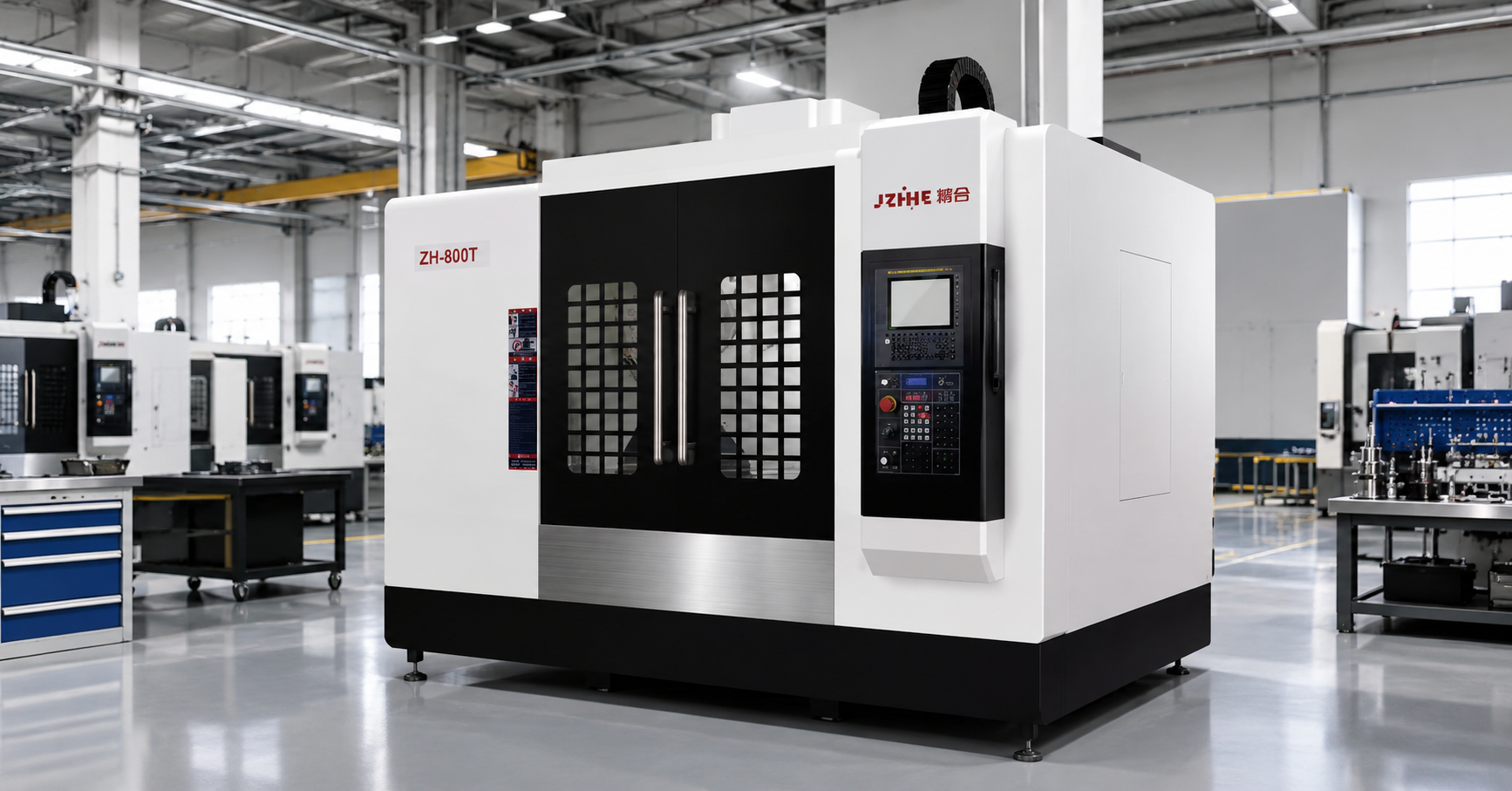
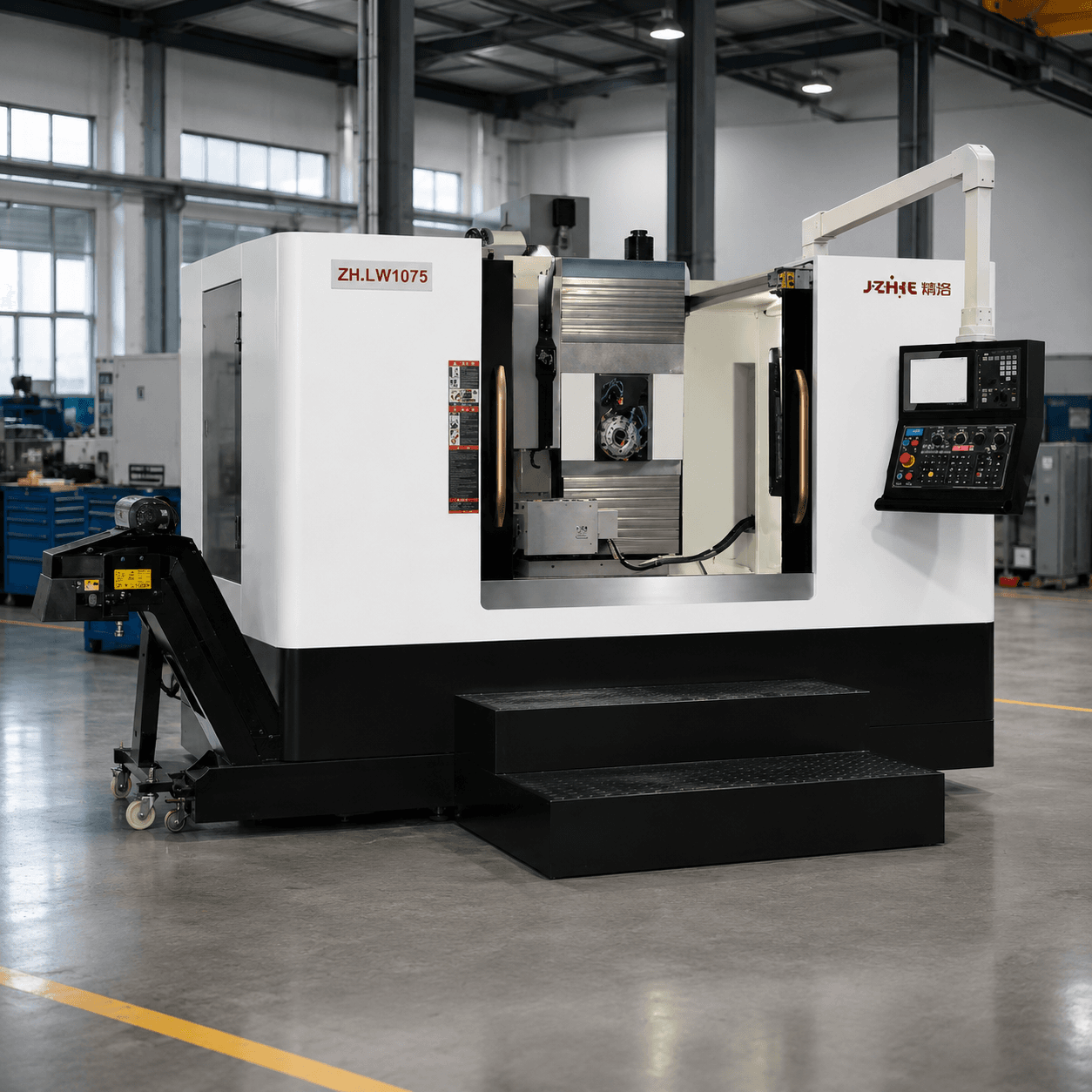
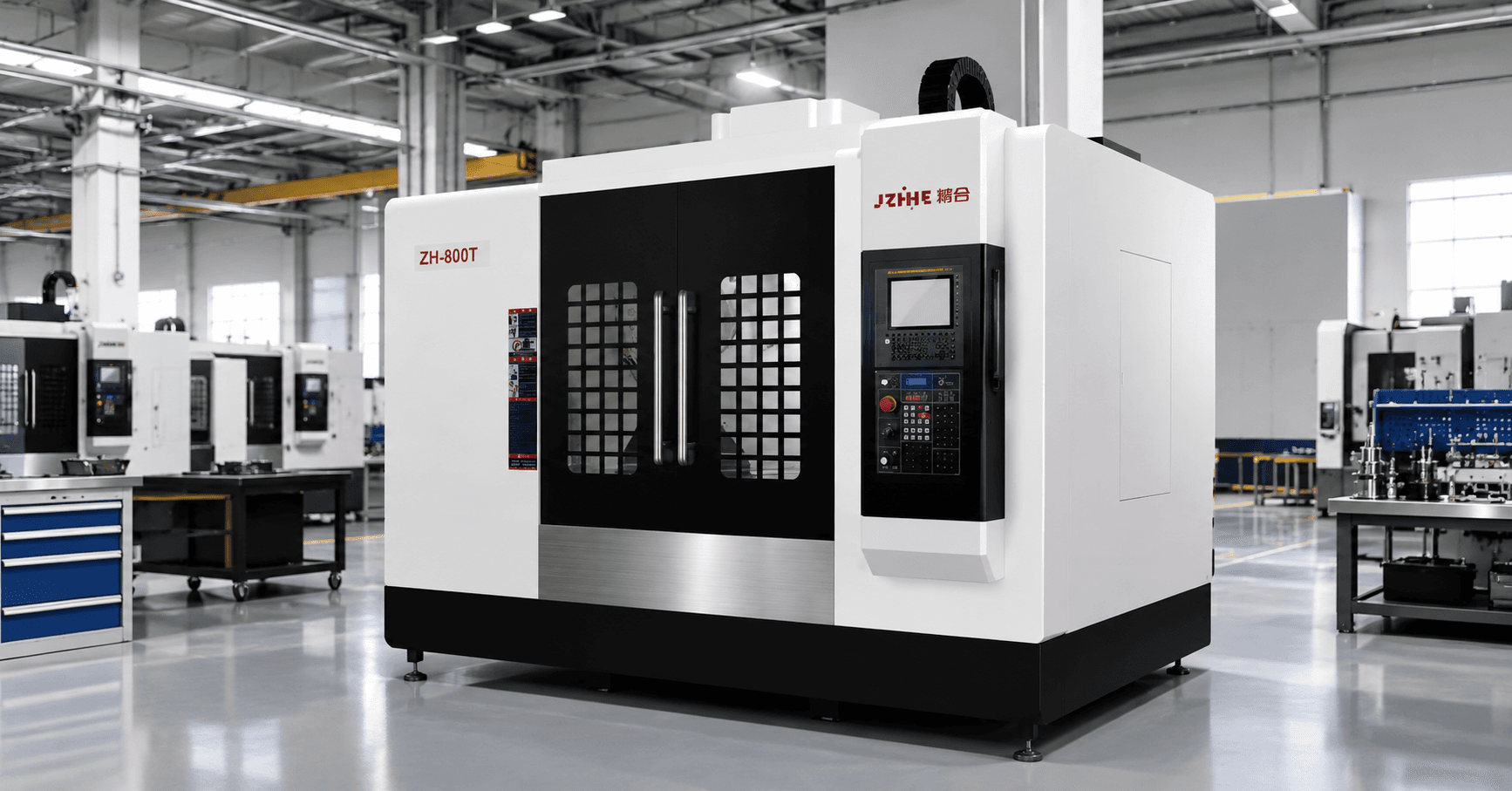
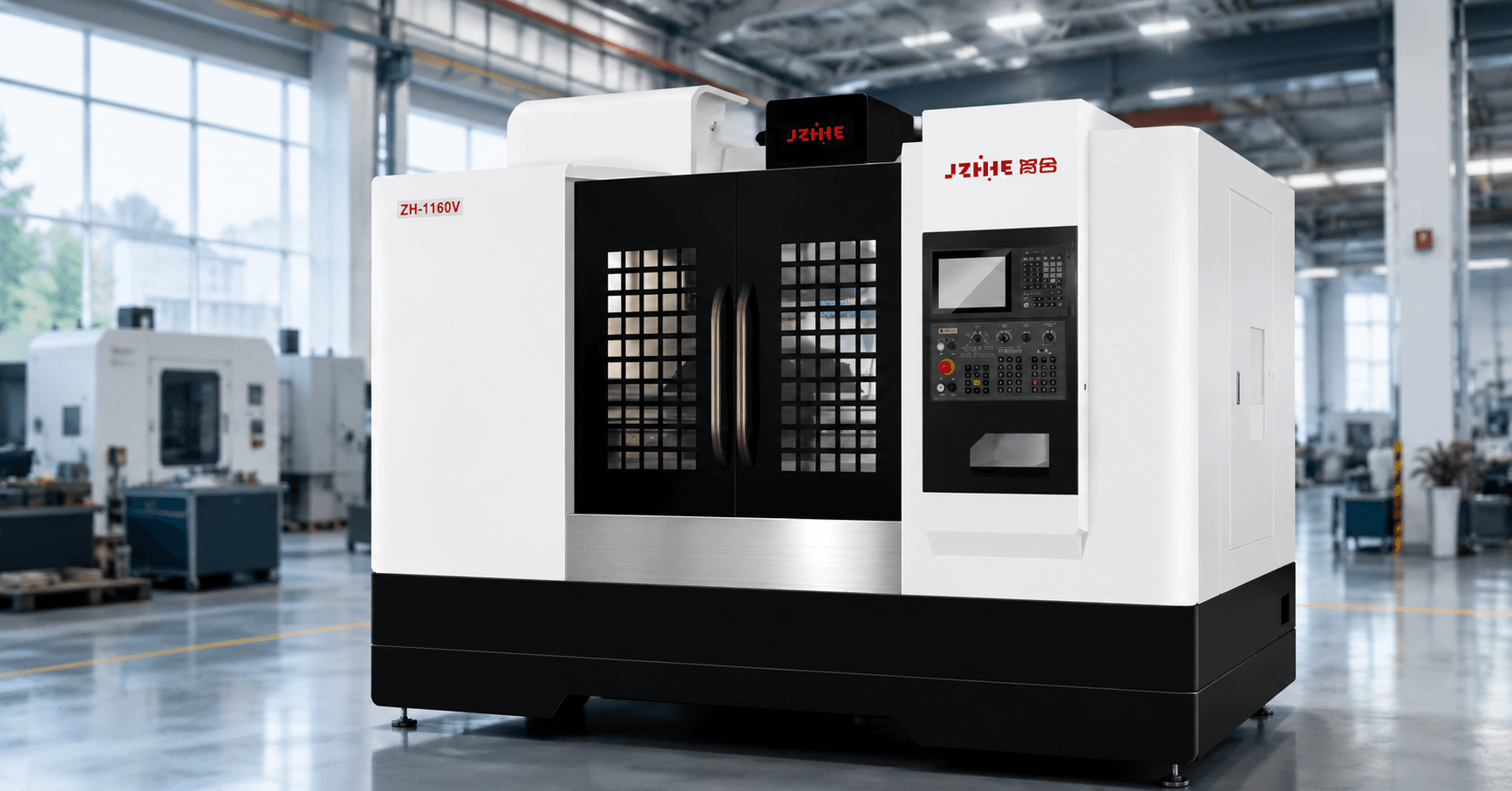
The linked Zhihe CNC product page presents the machine as a High-Speed Drilling Machining Center for Precision Batch Production, designed for high-efficiency manufacturing where stable performance and tight dimensional tolerance are important.
Quick Takeaways Before You Request a Quote
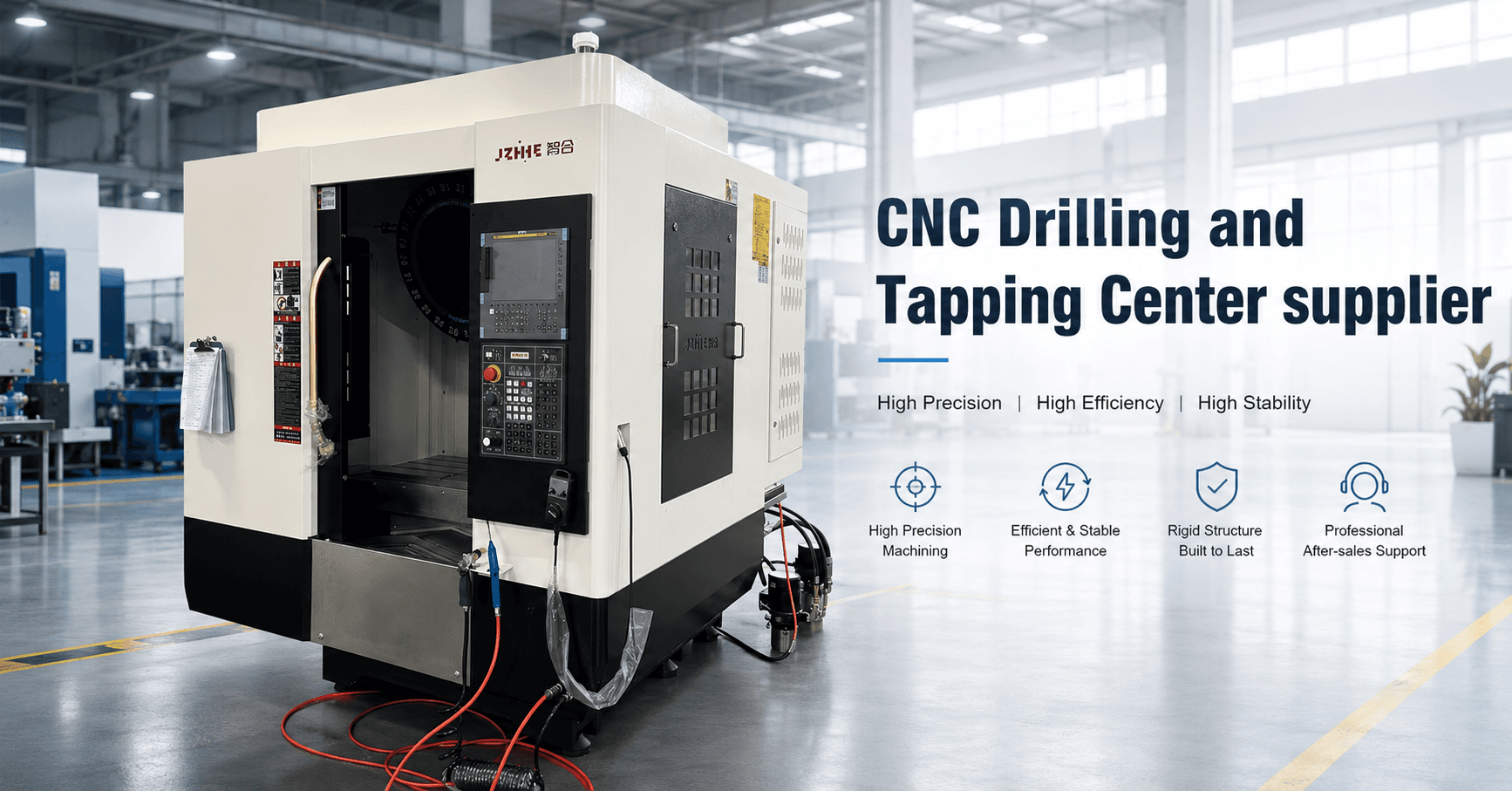
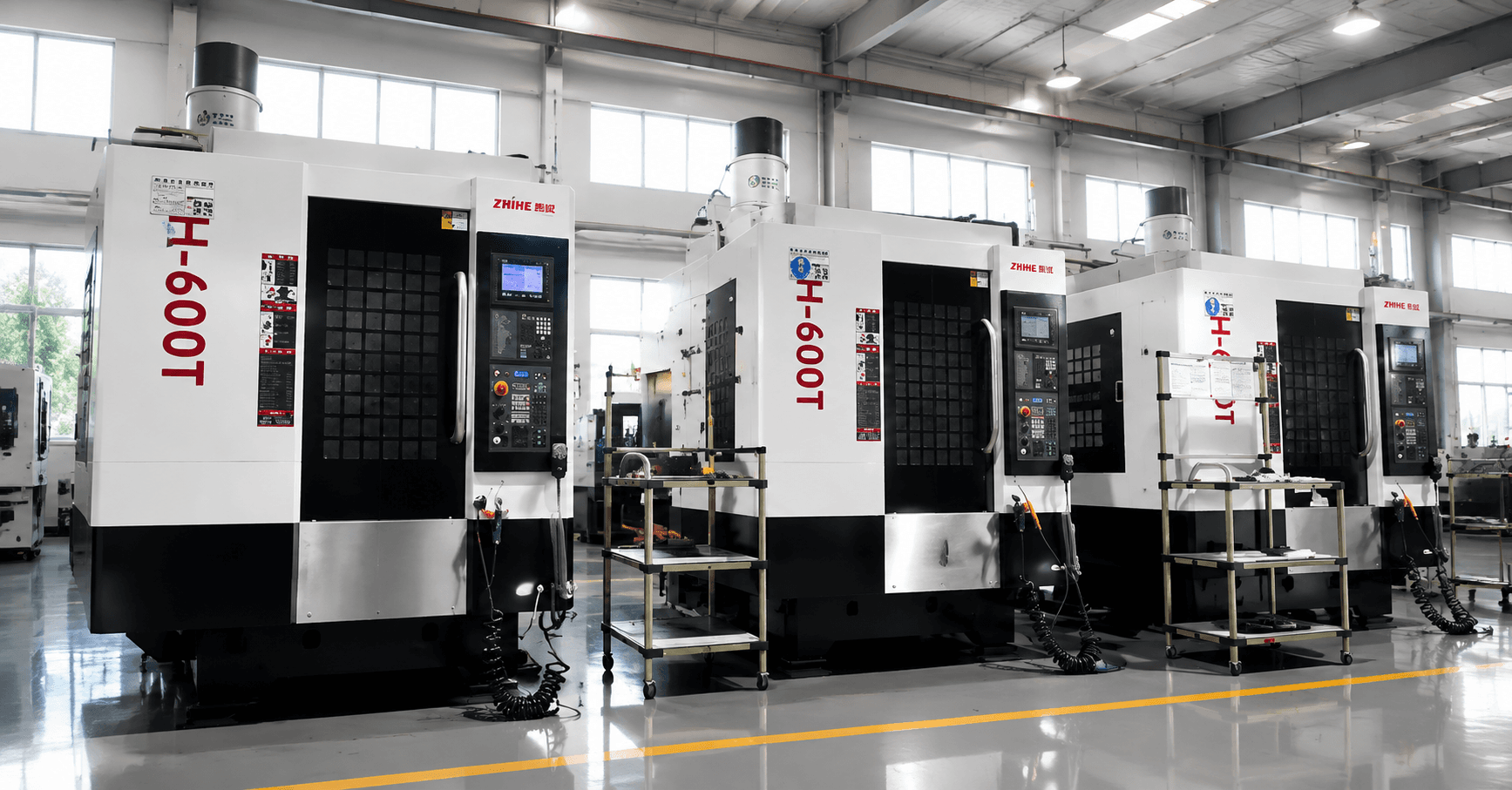
A CNC drilling and tapping center is usually chosen for repetitive hole-making tasks where consistency matters more than one-off flexibility. In practical terms, the machine needs to support drilled features, threaded holes, and light machining with stable performance, efficient tool changing, and reliable process control.
The product page highlights four areas buyers should notice early:
| Buyer Concern | Product Page Information | Why It Matters |
|---|---|---|
| Machine structure | High-rigidity cross-slide table configuration | Helps support stable machining during repeated cycles |
| Column rigidity | Wide-span A-shaped column structure | Improves bending and torsional rigidity |
| Spindle capability | Medium-to-high speed mechanical spindle | Supports rough machining and high-precision finishing |
| Tool changing | High-speed servo-driven automatic tool changer | Reduces non-cutting auxiliary time |
| Production focus | Optimized for high-efficiency manufacturing | Fits batch production with tight tolerance needs |
| Application fields | Automotive, precision molds, machinery, automation, 3C, robotics, new energy | Matches common industrial part production |
These points are more useful than general words like “stable” or “efficient.” They tell buyers where the real evaluation should begin: rigidity, spindle behavior, tool-change speed, process stability, and application fit.
How a Vertical Drilling Center Fits Production Work
A Vertical Drilling Center is often used when parts can be loaded from the front or top and when the shop wants shorter cycle times for drilling, tapping, and light milling. In small and medium batch production, it can simplify the process compared with using a larger machining center for every hole-making job.
For repetitive parts, the appeal is straightforward: load the part, run the program, inspect the result, repeat. No drama. No constant transfer between machines. Less dependence on manual drilling and tapping.
The Zhihe CNC product page describes the machine as suitable for modern manufacturing industries, including automotive components, precision molds, general machinery, automation equipment, 3C electronics, robotics, and new energy industries.
That application range matters because these industries often need repeatability more than a one-time perfect sample. A drilled hole that is slightly off, a poor thread, or an unstable finish can affect assembly and batch acceptance.
Where a Drilling and Tapping Center Is a Better Choice
For parts with many holes, frequent threaded features, or a need for reliable batch production, a drilling and tapping center can be more efficient than a general-purpose machine that is overbuilt for the task.
It is commonly used for:
- Automotive components
- 3C electronics parts
- Precision hardware
- Mold support parts
- Automation components
- Robotics-related parts
- New energy components
- General machinery parts
- Aluminum housings and brackets
If the job is mostly repetitive drilling, tapping, and light machining, this type of machine can be a smart production tool. If the work involves heavy milling, large castings, deep cavities, or complex multi-face machining, another CNC machine family may be more suitable.
A good supplier should be honest about that distinction.
Why Structure Comes Before Speed
Many buyers ask about speed first. That is understandable. A drilling machining center is often purchased because the current process is too slow.
But speed only helps when the machine structure can support it.
The linked product page states that the machine uses a high-rigidity cross-slide table configuration and a wide-span A-shaped column structure. This layout is described as improving bending and torsional rigidity while reducing vibration and deformation during high-speed cutting.
For buyers, this is important. Poor rigidity can affect hole location, tapping quality, surface finish, tool life, and batch consistency. If the machine vibrates during repeated cycles, the shop may see burrs, chatter marks, thread issues, or unstable dimensions.
So, before asking only about spindle speed, ask how the machine structure supports your part material, hole pattern, fixture layout, and tolerance target.
Why the Spindle and Tool Changer Affect Real Output
A drilling machining center is judged by accepted parts per shift, not by one impressive number on a catalogue page.
The product page describes the machine as using a medium-to-high speed mechanical spindle with torque output and fast dynamic response. It also states that the spindle system can support a range of operations from rough machining to high-precision finishing.
Tool changing is another detail that directly affects cycle time. The page highlights a high-speed servo-driven automatic tool changer, designed for fast tool changing and repeat positioning accuracy. Together with rapid spindle start-stop control, this system is intended to reduce non-cutting auxiliary time and improve cycle efficiency in mass production.
That is where many shops quietly lose time. The cutting itself may be fast, but the cycle still slows down if every part requires long tool changes, extra checking, unstable clamping, or repeated chip clearing.
What to Ask a CNC Drilling Machine Supplier
When evaluating a CNC Drilling Machine Supplier, ask questions that expose real application fit, not just catalogue features.
Start with the part:
- What material will be machined most often?
- How many holes and threaded features are on each part?
- What hole depth and thread size are required?
- What tolerance is actually needed?
- Is the work mostly drilling and tapping, or does it include light milling?
- What is the expected daily or monthly output?
- Does the part need a special fixture?
- Is the current problem cycle time, scrap, burrs, thread quality, or operator workload?
Then ask the supplier how the machine configuration addresses those issues.
A supplier should be able to explain how the control system, fixture approach, spindle system, machine structure, and tool-changing method affect the result. If the discussion stays vague, that is a warning sign. A machine may look suitable in a product image, but the real test happens when the first fixture is mounted and the first batch is inspected.
Selection Criteria That Matter More Than Brochure Language
Marketing phrases such as “high precision,” “stable performance,” and “efficient production” are common. They are not proof by themselves. Treat them as prompts to ask for the details underneath.
For buyer-facing decisions, the most useful criteria are:
| Selection Point | What Buyers Should Confirm |
| Part size range | Can the machine handle the actual workpiece and fixture? |
| Material mix | Is the spindle and structure suitable for the main materials? |
| Hole pattern density | Will the machine reduce cycle time on repeated hole-making work? |
| Thread quality | Can tapping remain stable across batches? |
| Tooling needs | Does the tool changer support the full process? |
| Operator workflow | Is loading, inspection, and daily operation practical? |
| Maintenance access | Can the machine be cleaned and serviced without wasting time? |
| Supplier support | Can the supplier help with selection, setup, trial cutting, and training? |
The linked product page identifies Zhongshan Zhihe CNC Technology Co., Ltd. as a national high-tech enterprise specializing in CNC machine tool R&D, manufacturing, customization, and technical service for global industrial customers. For buyers, that background is relevant when the project needs more than a standard machine quote.
Common Mistakes When Comparing Suppliers
The first mistake is over-buying. A machine with capabilities far beyond the job can tie up capital and floor space without improving output. If the workload is mostly repetitive drilling and tapping, a more complex platform may add cost without much practical value.
The second mistake is under-specifying the work. Buyers sometimes focus on machine category, spindle claims, or automation language, but overlook fixture design, tool access, chip evacuation, and operator workflow. In drilling and tapping, those details can make the difference between a smooth shift and an annoying one.
Another frequent problem is ignoring service. A machine that looks good on arrival but lacks support for installation, operator training, or spare parts can become expensive quickly. This is especially true for overseas buyers who need reliable coordination on transport, documentation, commissioning, and after-sales support.
Who This Type of Machine Fits Best
This machine type is usually a good fit for manufacturers that need stable drilling, tapping, and light machining in repeated production.
It is especially relevant for:
- Automotive component manufacturers
- 3C electronics part suppliers
- Precision mold shops
- General machinery part producers
- Automation equipment manufacturers
- Robotics component suppliers
- New energy component manufacturers
- Precision hardware factories
- Bracket, housing, plate, and fitting suppliers
The linked product page lists automotive components, precision molds, general machinery, automation equipment, 3C electronics, robotics, and new energy industries as typical application fields.
If the parts are mostly repetitive, hole-dense, and tolerance-sensitive, this class of equipment is worth reviewing. If the work involves heavy rough milling, unusually large parts, or complex multi-face machining, a different CNC platform may be safer.
Practical Next Step for Engineers and Sourcing Teams
If you are comparing a High Precision Drilling Center for your line, prepare a simple request package before contacting suppliers:
- Part drawings
- Material
- Dimensions
- Hole and thread requirements
- Tolerance or fit requirements
- Surface finish expectations
- Expected daily or monthly output
- Current cycle time
- Current quality problem
- Fixture or tooling constraints
- Delivery destination
- Installation and training requirements
This information helps the supplier recommend the right machine family and avoids vague back-and-forth.
A good Drilling Machining Center Supplier should respond with a practical match, not just a price quote. The linked Zhihe CNC high-speed drilling machining center is worth evaluating when the buyer needs a high-rigidity cross-slide table, wide-span A-shaped column, medium-to-high speed mechanical spindle, fast servo automatic tool changer, and a machine platform designed for precision batch production.
FAQ
Is a drilling and tapping center only for one kind of part?
No. It is usually selected for repetitive hole-making and threading work, but the exact fit depends on the part geometry, material, tolerance target, and output requirement.
Should I choose based on precision claims alone?
No. Precision matters, but it is the result of structure, spindle behavior, axis movement, fixture quality, tooling, cutting parameters, operator training, and inspection.
Why does the automatic tool changer matter?
Many drilling and tapping parts require several tools in one cycle. A fast servo automatic tool changer can reduce non-cutting time and improve cycle efficiency in batch production.
What industries use this type of drilling machining center?
The product page lists automotive components, precision molds, general machinery, automation equipment, 3C electronics, robotics, and new energy industries.
What should I send to get a useful recommendation?
Send drawings, material, dimensions, precision requirements, hole and thread details, machine type preference, and production volume. That gives the supplier a realistic basis for recommendation.
Final Thought
If you are evaluating equipment for drilling, tapping, or batch metalworking, contact the supplier with your part data and production targets first. A solid recommendation should make the buying decision clearer, not more complicated.
For buyers working across automotive, electronics, aluminum, hardware, mold, automation, robotics, and new energy parts, the right drilling machine partner is the one that can connect machine structure, spindle performance, tool-changing efficiency, and support to the actual production problem.