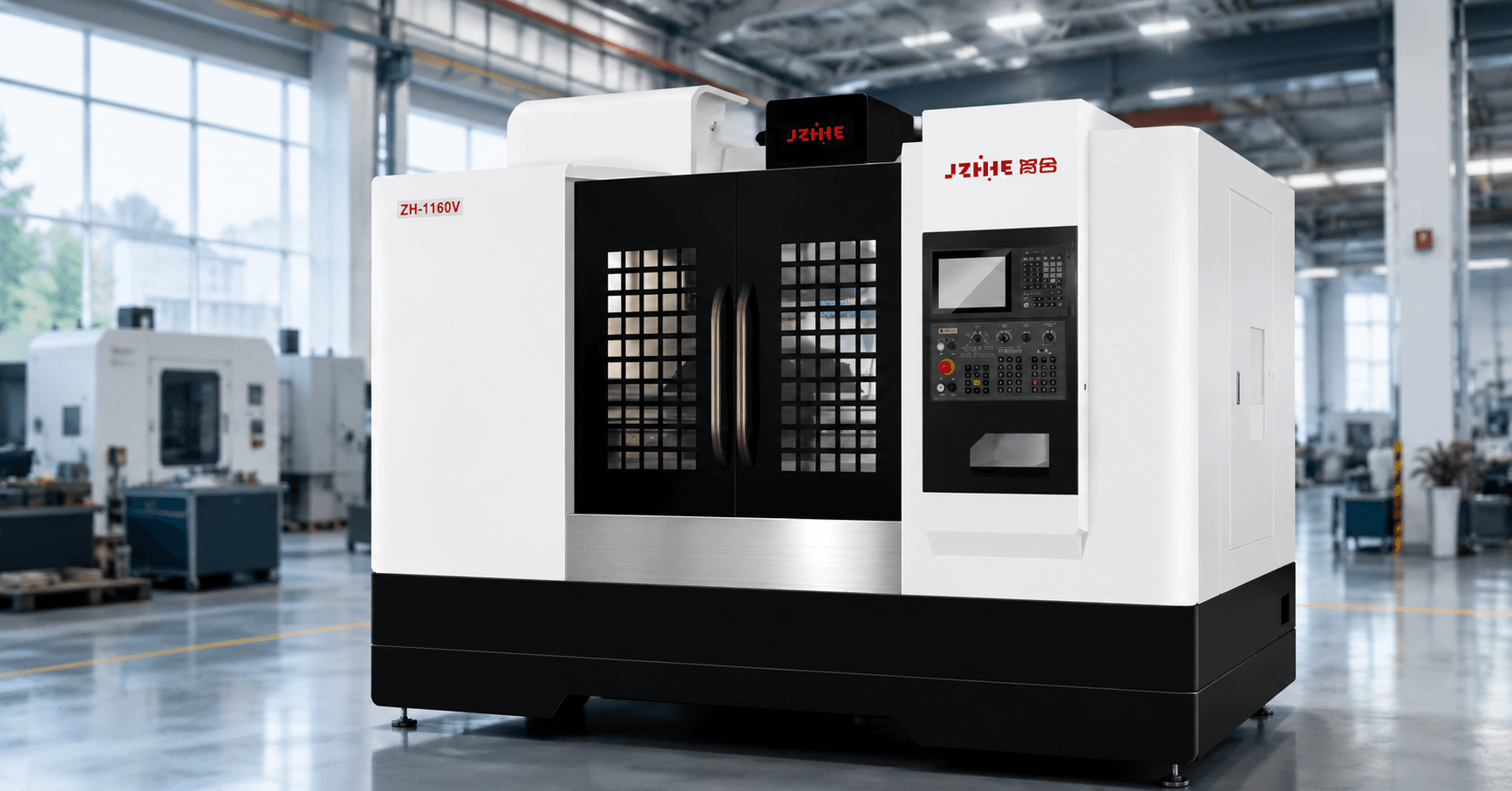
China CNC Machining Center for Manufacturers: Specifications, Applications and RFQ Checklist
Buyer question: Can a horizontal machining center complete our box-type part in one setup?
A China CNC machining center can be a practical production solution for manufacturers, but a one-setup claim should never be accepted from a machine name alone. Whether a horizontal machining center can complete your box-type part in one setup depends on feature access, datums, fixture and pallet geometry, spindle reach, tool length, chip evacuation, probing, tolerance relationships and the amount of material to remove. The correct answer comes from a drawing-based process review and a controlled trial, not from a general brochure statement.
This guide helps engineering and procurement teams define the specifications to request, match machine architecture to applications, and build an RFQ that exposes limitations early. It explains what “one setup” should mean, when a horizontal machine is appropriate, when a vertical or other configuration may be better, and how to plan acceptance. Model-specific specifications must be checked against the current datasheet and agreed test conditions.
Request a Machine Recommendation

What one setup should mean
In a technical proposal, define one setup as one stable workholding arrangement in which the part is located and clamped once while the machine completes the agreed features, including any indexed pallet positions. This definition is different from one program, one loading cycle or one pallet. If the operator must unclamp, flip, re-locate, manually drill an inaccessible face or transfer the part to another machine, the process is not one setup in the engineering sense.
One setup can reduce handling, datum transfer and inspection variation, but it does not guarantee that every feature can be made without a tool change, probing cycle or rotary index. A horizontal machine may complete four faces after indexing the pallet while keeping the workpiece on the same fixture. That may be a valuable one-fixture process, even though the machine uses multiple coordinate orientations. State the exact definition in the RFQ so suppliers do not quote different meanings.
Direct answer for box-type parts
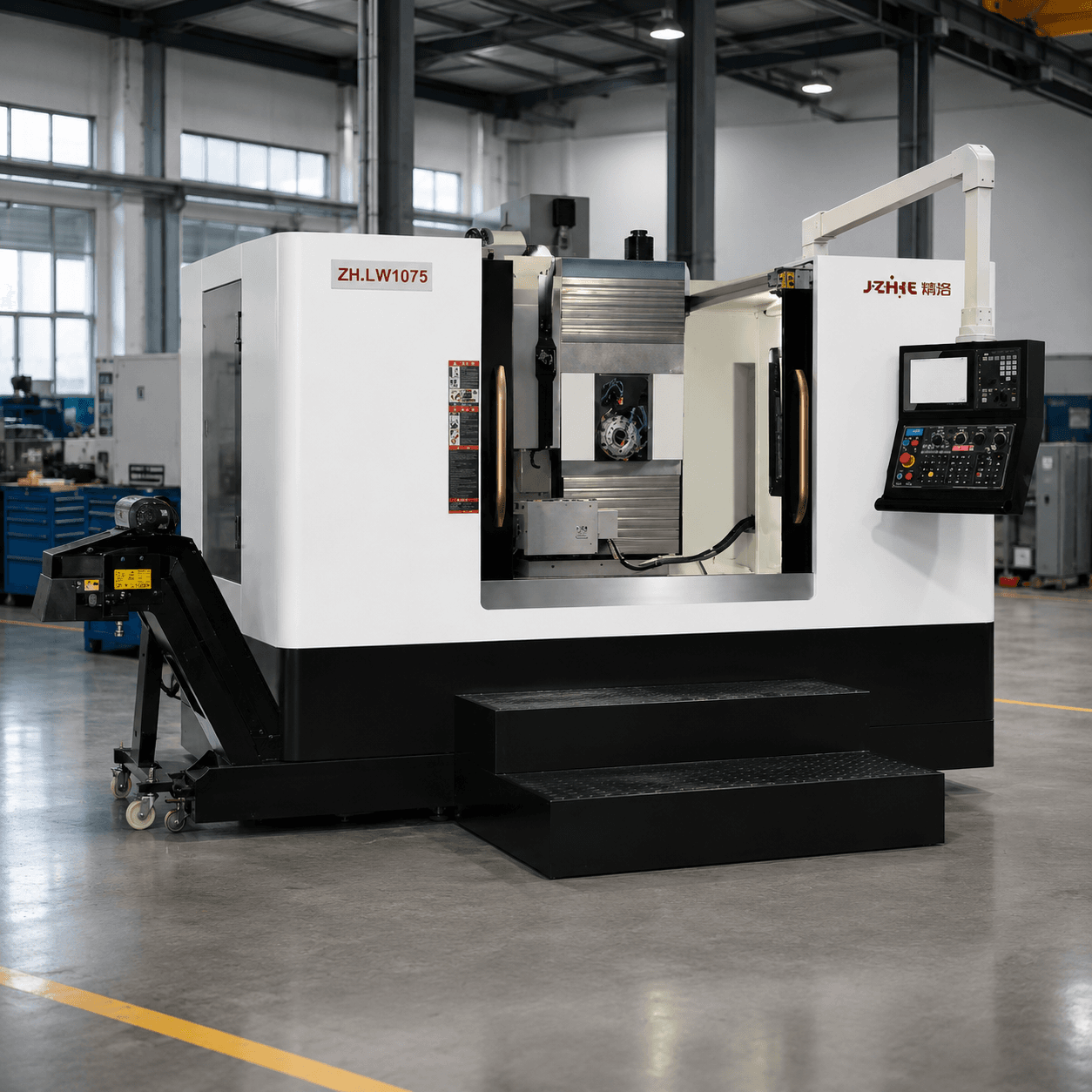
A horizontal machining center is a strong candidate when the box-type part has side faces, intersecting bores, deep cavities, cross-holes, ports or bolt patterns that are easier to reach from a horizontal spindle. Chip fall can be more favorable in deep pockets, and a rotary pallet can present several faces without removing the part. But completion in one setup is feasible only if every critical feature is reachable with safe tool and holder clearance, the fixture supports the cutting forces, the machine envelope covers the part and pallet combination, and the tolerances can be controlled through the proposed datum strategy.
Request a marked-up drawing showing the workholding datums, feature approach directions, tool gauge lengths, holder diameters, index angles, probe positions, retract planes and chip paths. Ask the supplier to identify the features that remain inaccessible or that require a second operation. If the supplier cannot explain the one-setup route on the drawing, treat the claim as unverified.
Use a one-setup feasibility test
| Feasibility question | What to verify | Risk if omitted |
|---|---|---|
| Can the blank be clamped without blocking features? | Jaw, fixture, tombstone, pallet, clamp and tool-clearance envelope | Accessible features become inaccessible after workholding is installed |
| Can every face be reached? | Spindle orientation, rotary index, tool axis, holder diameter and collision envelope | Manual reclamping or long unstable tools are required |
| Can datums remain controlled? | Primary, secondary and tertiary locating surfaces plus probing plan | Face-to-face and bore relationships drift during a later setup |
| Can chips and coolant leave the part? | Pocket orientation, flush lines, conveyor, filtration and access for cleaning | Recutting, packed chips, poor finish or manual intervention |
| Can the cutting forces be supported? | Fixture stiffness, support points, clamping force and part wall strength | Vibration, distortion or movement during roughing |
| Can inspection prove the result? | Probe reach, in-process checks, external measurement and datum transfer | One setup is achieved but the critical result cannot be verified |
Make this a go or no-go review before comparing price. A “yes” requires evidence for every row. A “not yet” is a normal engineering result; it tells the supplier which drawing, model, fixture or trial must close the gap.
Specifications to request from a China CNC machining center supplier
Work envelope and load path
Request X, Y and Z travel, spindle centerline height, table or pallet dimensions, maximum workpiece envelope, payload, allowable center of gravity, pallet repeatability and rotary indexing range. Ask for a 3D envelope that includes the fixture, tombstone, clamps, probe, tool changer and guard. The blank may fit inside the nominal work zone while the actual tool and fixture combination does not.
For heavy box parts, ask how the load travels through the fixture, pallet, rotary table, table bearings and machine structure. Verify loading access, lifting points, floor capacity, foundation requirements and the route from receiving to installation. A payload rating is not a universal permission to put any mass at any offset. The supplier should state the assumptions behind the limit.
Spindle, torque and cutting system
Ask for spindle taper, speed range, rated and peak power, rated and peak torque, torque curve, tool retention, cooling, runout measurement, warm-up sequence and service access. Match the values to the hardest material and largest credible cutter in your job set. A high maximum speed may help finishing, while a deep steel pocket may require stable torque at lower speed.
Request the proposed tool list with cutter diameters, holder types, gauge lengths, insert grades, coolant delivery, feeds, speeds and depth of cut assumptions. Check whether long tools fit in the magazine and whether the holder interferes with the part or fixture at every index. Tool length and holder diameter are often the hidden limit in a one-setup proposal.
Axes, rotary pallet and probing
Confirm rapid and cutting feed ranges, acceleration, interpolation, rotary positioning method, clamp or unclamp sequence, pallet-change repeatability and probing options. Ask how the control manages rotated work offsets, tool-length compensation, pallet identification and recovery after an interrupted cycle. If a rotary axis is optional, show the cost and lead-time effect.
Probe reach and visibility matter. A probe that can find the top datum may not reach a side bore or a recessed feature. Request a probing sequence with protected approaches, calibration artifacts, update rules and inspection records. In-process probing can reduce setup variation, but it must be integrated into a controlled measurement plan.
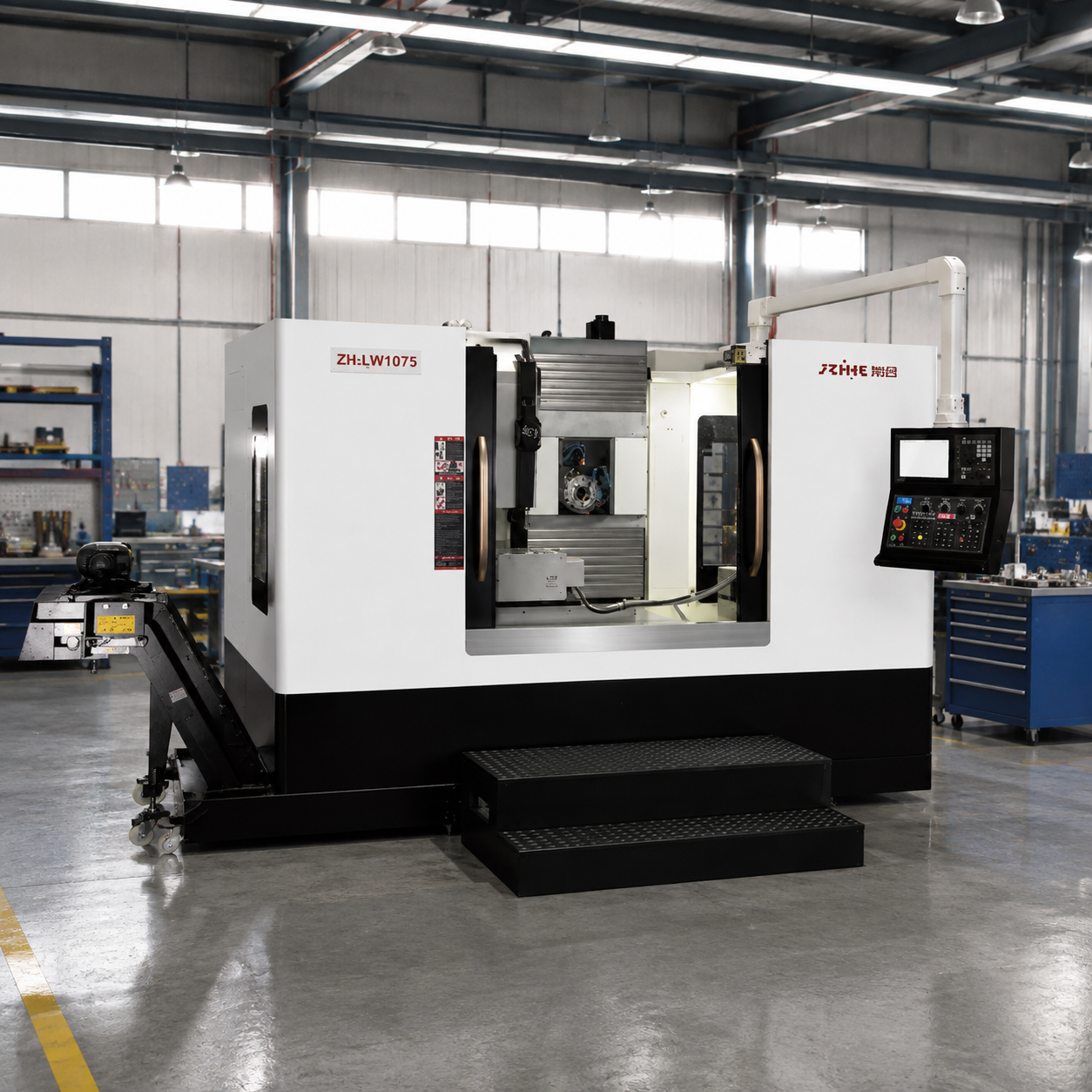
Applications that commonly favor horizontal machining
Gearbox and transmission housings
Housing work often includes bearing bores, oil passages, mounting pads, threaded holes and faces that must relate around the casting. A horizontal process can reduce reclamping and let chips fall away from deep bores. However, casting variation, interrupted cuts, thin walls and sealing faces require a fixture that supports the part without distorting it. The RFQ should state whether rough casting stock and datum pads are included in the cycle estimate.
Valve bodies and manifolds
Valve bodies may contain intersecting bores, seats, ports, threads and pressure-boundary surfaces. A one-fixture process may be attractive, but access to sealing features, tool length, burr control, cleaning and inspection must be explicit. Pressure testing usually remains a separate operation unless the process plan says otherwise. Never imply a public machine image proves pressure-boundary capability; request a part-specific review and trial.
Automotive and industrial box components
Medium-sized automotive or industrial components may benefit from palletized production when the family, volume and fixture standard are stable. Ask for takt assumptions, pallet buffer, loading method, tool sistering, chip conveyor capacity and response to a rejected or incomplete pallet. Automation can improve flow, but only when the part identification and offset-control system is reliable.
When a vertical machine may be better
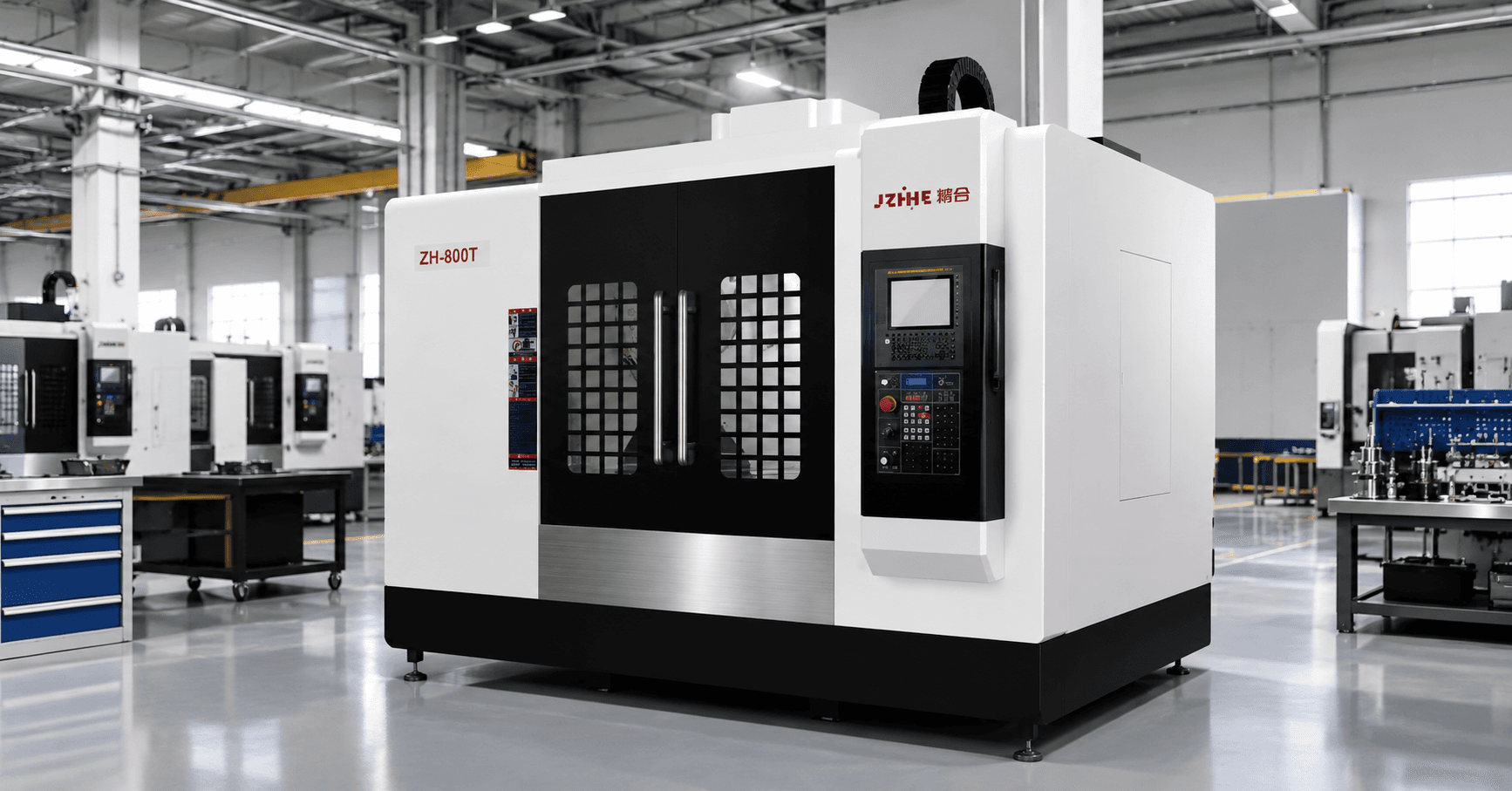
Choose a vertical machining center when most features are top-access, when parts are plates or molds, when the mix is broad and low-to-medium volume, or when the cost and complexity of palletized horizontal work cannot be justified. A vertical machine may also be better for a box part that has one dominant top face and only a small number of side features. Let the feature-access map decide.
Accuracy, datum strategy and the limitation of one setup
One setup can reduce datum-transfer error, but it does not make a weak machine, flexible fixture or unstable material behave accurately. Accuracy depends on machine geometry, thermal state, workholding, tool condition, program strategy, probing, coolant, material and inspection. The same machine can produce different results with different loads, tool reaches and ambient conditions.
Discuss positioning accuracy, repeatability, squareness, spindle runout, circular interpolation, rotary positioning and thermal drift using defined test conditions. ISO 230-2 is a useful reference for axis positioning and repeatability; the ISO 10791 series provides relevant machining-centre test conditions. These references support a measurement conversation but do not replace your part-specific capability plan.
Define the drawing datums and the inspection path before the trial. If the part is probed from a casting surface that is not stable, the one-setup process can repeat the wrong reference. If a long tool deflects during roughing, the finishing pass may inherit an error that a final measurement finds too late. A good supplier will identify these limitations and propose a way to control or measure them.
RFQ checklist for a China CNC machining center
Use one RFQ package for every supplier. Include the latest drawing, 3D model where appropriate, material, hardness, blank dimensions, casting or forging condition, annual quantity, batch size, shift pattern, critical tolerances, inspection method, available utilities and floor constraints. Ask suppliers to quote the requested configuration and list alternatives separately.
| RFQ section | Buyer request | Supplier response |
|---|---|---|
| One-setup definition | State which features, faces and index positions must be completed without reclamping | Marked-up drawing and setup sequence |
| Machine configuration | Specify travel, pallet, rotary, spindle, control, magazine, probing and chip equipment | Model-specific datasheet and option list |
| Reach and interference | Include fixture, tombstone, holders, probe, guards and retract planes | Reach study, 3D review or collision assumptions |
| Cutting proposal | Identify material, tools, feeds, speeds, stock removal and coolant | Tool list and cycle-time worksheet |
| Accuracy evidence | Define machine tests and critical part features | Calibration reports, trial plan and acceptance limits |
| Workholding | Require locating, clamping, support, utilities and loading details | Fixture concept, forces and responsibility split |
| Inspection | State probing, gauges, CMM or external inspection required | Measurement sequence and records |
| Site and service | Require foundation, power, air, delivery, training, warranty and spare parts | Site-readiness list and support plan |
| Commercial scope | Separate equipment, options, freight, installation, tooling and exclusions | Line-item quotation and assumptions register |
Ask the supplier to identify features that cannot be completed in one setup. A transparent “second operation required” can be more valuable than an optimistic promise that later fails at the fixture or inspection stage. The RFQ should also define what happens when a trial part does not meet an agreed feature or when the proposed tooling cannot achieve the declared cycle.
Estimate total cost, not only machine price
Horizontal equipment can reduce handling and secondary setup cost, but it usually adds pallet, fixture, tombstone, chip management, foundation, installation and training requirements. Model the total cost over the expected life. Include acquisition, freight, duties, electrical and air service, foundation, lifting, workholding, tools, probes, coolant, conveyor, software, installation, training, maintenance, spare parts, energy, floor space, downtime and scrap risk.
For the one-setup decision, calculate the cost of the alternative process. Compare one horizontal fixture with two vertical setups, including loading, datum transfer, probing, inspection, manual cleaning, deburring, scheduling and quality risk. A horizontal machine does not win by default; it wins when the measurable reduction in handling and variation outweighs the additional interfaces and capital.
Productivity should be stated as accepted parts per available hour. Include pallet loading, probing, tool changes, index moves, chip removal, inspection, tool presetting, changeover and recovery. If the part family is not yet stable, show a sensitivity range rather than a single utilization promise.
Trial cutting and acceptance for one-setup claims
Require a trial when the one-setup claim controls the business case, when the part has expensive material, when the tolerances relate several faces, or when fixture access is difficult. Agree the drawing revision, material, blank, fixture, tools, program, warm-up, coolant, inspection equipment, sample quantity and acceptance limits. Record which features are measured on the machine and which are measured externally.
Factory acceptance should include identity, completeness, safety, machine geometry, calibration, rotary positioning, probing, tool change, pallet change and the declared cutting test. Site acceptance should confirm leveling, utilities, software, fixture, training, representative parts, inspection records and corrective-action ownership. Keep machine-level and process-level evidence separate.
Supplier evidence and practical limitations
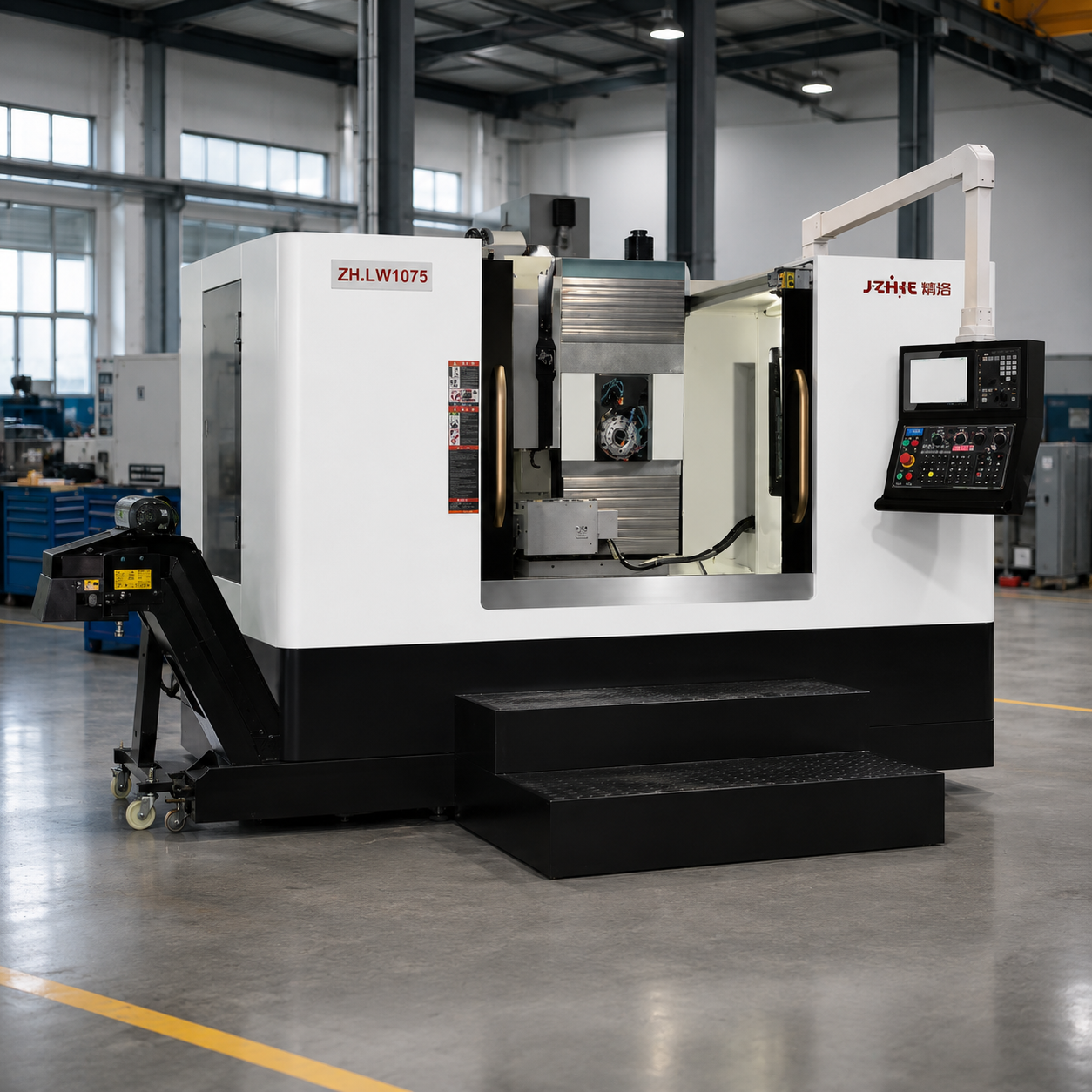
A capable China CNC machining center supplier should be able to connect factory assembly, calibration, process engineering, application support, installation, training and spare parts. Ask for the legal manufacturer identity, factory location, responsible technical contact, current datasheet, option matrix, utility requirements, foundation drawing and service route. Request only references the supplier is authorized to share, and reject unsupported customer-result claims.
Zhihe CNC describes model selection based on workpiece material, size, accuracy and production requirements, followed by technical proposal, quotation, optional trial cutting, delivery, installation, training and after-sales support. Use this as a starting workflow and ask for a named deliverable at each stage. The official machine pages are useful for orientation, but they do not replace model-specific specifications, drawing review or acceptance testing.
Keep these limitations in the article and in the RFQ: nominal travel does not equal usable reach; a pallet rating does not cover every center of gravity; positioning accuracy is not finished-part capability; a one-fixture process may still require multiple indexed orientations; and a successful sample is not a substitute for production controls. Precision claims should be qualified by test conditions and current documentation.
Application selection matrix
| Part or application | Likely starting architecture | Questions that decide |
|---|---|---|
| Box housing with four machined faces | Horizontal machining center | Can all bores and ports be reached with safe holder clearance? |
| Plate with mostly top-face features | Vertical machining center | Do side features or volume justify a pallet process? |
| Deep cavity casting | Horizontal or vertical, drawing-dependent | Which orientation controls chips, tool reach and support? |
| Large mold or structural plate | Gantry or large vertical | What are span, load, foundation and long-tool risks? |
| Complex curved part | Five-axis or multi-axis solution | Are programming, verification, probing and inspection ready? |
| High-volume small aluminum parts | Drilling and tapping or vertical center | Do spindle, tool change, coolant and automation match cycle demand? |
Start with the workpiece and process, then choose the machine family. If the part mix is changing, choose a configuration that is flexible enough without paying for automation or axes that cannot be used. If one setup is the key benefit, make the fixture and acceptance plan part of the capital decision rather than an afterthought.
Review the Zhihe CNC horizontal machining center page for multi-face and box-type applications, the vertical machining center page for plates, molds and flexible work, and the Zhihe CNC homepage for the broader machine range.
Commissioning checklist for the first production month
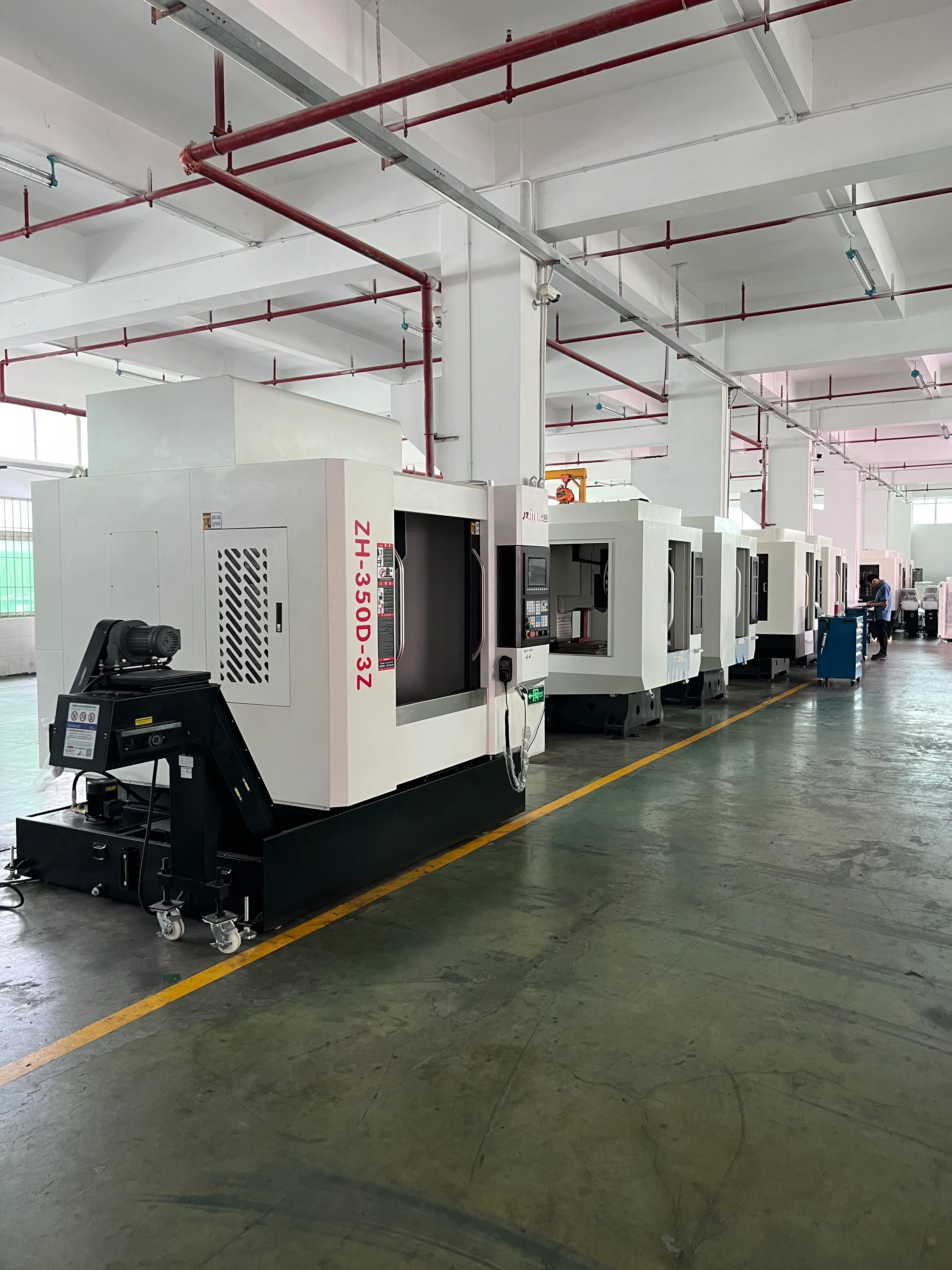
Plan the first month before the machine arrives. Name the person responsible for machine geometry records, fixture release, tool library, program backup, coolant checks, chip-conveyor cleaning and first-piece approval. Freeze the drawing revision and create a controlled folder for the datasheet, utility plan, calibration report, acceptance record, postprocessor version, fixture drawings and inspection results. This prevents a good trial part from becoming an undocumented exception.
Start with a warm-up and reference routine that the supplier has approved. Record spindle and axis conditions before running the representative part. Check pallet identification, work offsets, probe calibration and tool length data. During the first batch, record tool wear, coolant condition, chip behavior, manual interventions, alarm recovery and accepted-part results. These records show whether the one-setup process is practical on a shift, not just possible once in a factory demonstration.
At the review meeting, separate issues into machine, fixture, tooling, program, material and inspection causes. Do not solve every deviation by changing offsets without understanding the cause. If a critical feature cannot be measured in-process, define the external inspection route and how production will react to a failed result. A stable commissioning plan is part of the machine investment because it turns an RFQ promise into a repeatable production method.
Update and repurpose note
Update this article when the machine series, fixture standard, controller, inspection method, production volume or accepted drawing revision changes. The feasibility table can become a design-review form, the RFQ table can become a supplier questionnaire, and the acceptance section can become a commissioning checklist. Keep sources, links and the responsible review date current.
Authoritative sources and references
- ISO 230-2, for positioning accuracy and repeatability tests for numerically controlled machine tools.
- ISO 10791 series, for test conditions for machining centres and acceptance planning.
- ASME Y14.5, for datum, dimensioning and tolerancing concepts used in drawing review.
- ISO 9001 quality management, for evaluating controlled processes; certification does not prove a particular machine result.
- Zhihe CNC contact page, for current model data and drawing-based technical discussion.
FAQ for manufacturers
Can a horizontal machining center really finish a box-type part in one setup?
Sometimes, but only when the fixture, pallet, spindle, holder, rotary access, tool paths, probing and inspection plan reach every agreed feature. “One setup” should be defined as one clamping and locating arrangement, even if the pallet indexes several faces. Require a marked-up drawing and trial evidence.
What makes a box part a good horizontal machining candidate?
Several critical faces, intersecting bores, deep cavities, side ports, chip-management problems or high-volume repeated loading usually strengthen the case. A part with mostly top-face features may be cheaper and simpler on a vertical machine.
What specification is most important for one-setup machining?
There is no single number. Usable envelope, fixture and holder clearance, pallet repeatability, spindle torque, tool reach, probing access, rigidity and chip evacuation must work together. Ask for a model-specific reach and process review.
Does one setup guarantee higher accuracy?
It can reduce reclamping and datum-transfer variation, but it does not guarantee accuracy. Machine geometry, thermal state, fixture stiffness, tools, material, probing and inspection still control the result. Validate the critical features under agreed conditions.
Should a horizontal machine include a rotary pallet?
It depends on the faces and features in the drawing. A rotary pallet can reduce reclamping, but it also adds payload, clearance, repeatability, fixture and cost questions. Specify the required index angles and tolerance relationships before selecting it.
What should be included in the RFQ?
Include the drawing and model, material, blank, volume, tolerances, one-setup definition, feature map, fixture concept, machine envelope, spindle and tool data, probing, chip control, cycle-time basis, acceptance tests, site requirements, service and exclusions.
How should we verify a China CNC machining center before shipment?
Use a written factory acceptance plan with machine tests, calibration, pallet and rotary checks, tooling, probing, safety, documentation and a representative trial. Then repeat the agreed process at site after installation and training.