High Speed Machining Center Manufacturer: How B2B Buyers Evaluate Precision CNC Solutions
When buyers search for a high speed machining center manufacturer, they are usually not only looking for a machine. They are looking for confidence.
A machine may look strong in a product image. The spindle may list a high rpm range. The enclosure may look clean and modern. But a serious B2B buyer knows that a CNC machine becomes valuable only when it fits the part, the process, the operator, and the production target.
That is why the manufacturer matters.
A good supplier should be able to explain the machine structure, spindle design, application fit, enclosure logic, customization options, and service support. It should not only send a price list. For precision parts, 3C electronic housings, optical molds, medical devices, precision hardware, composite materials, and high-precision molds, a weak recommendation can cost more than a higher machine price.
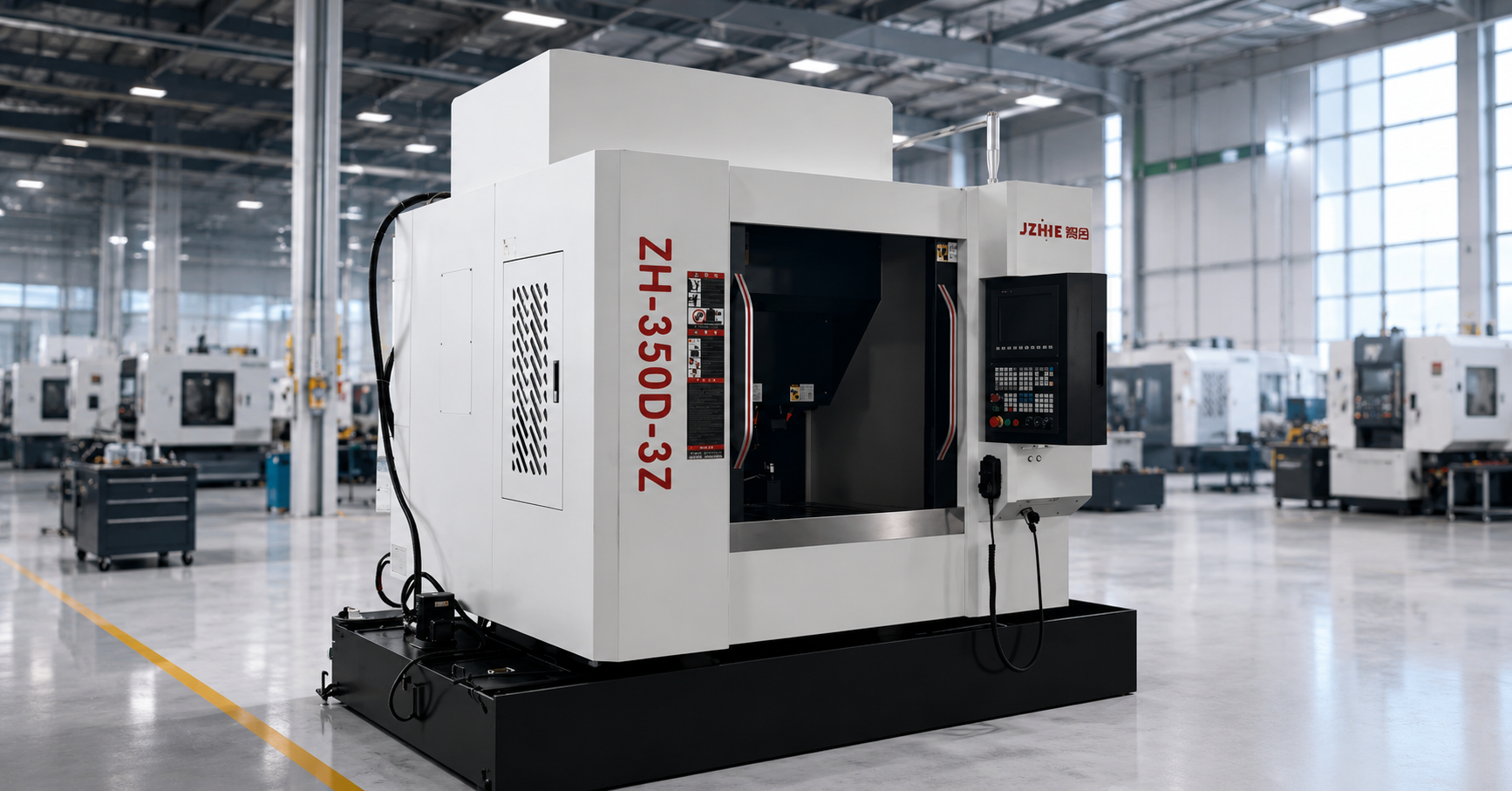
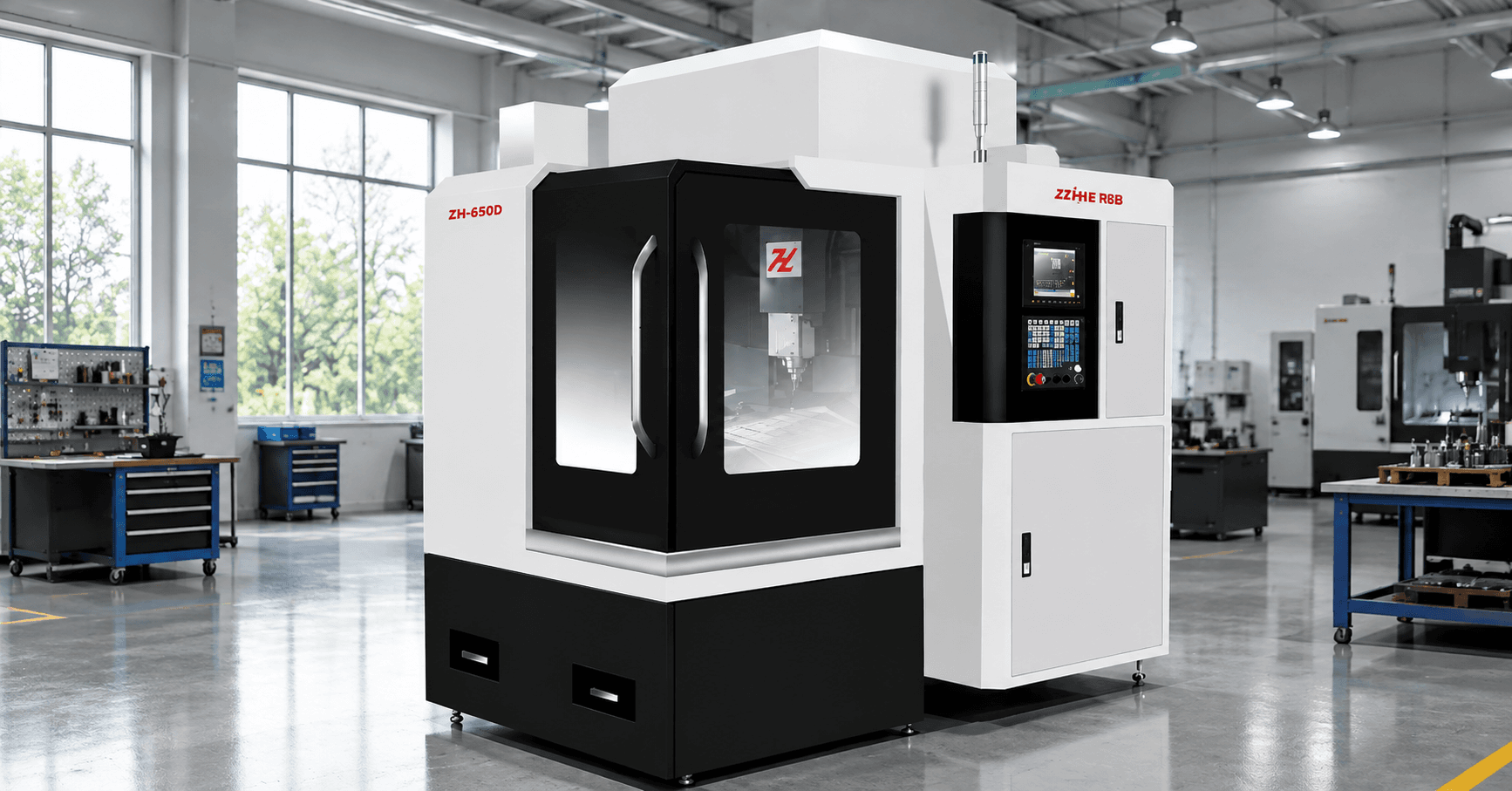
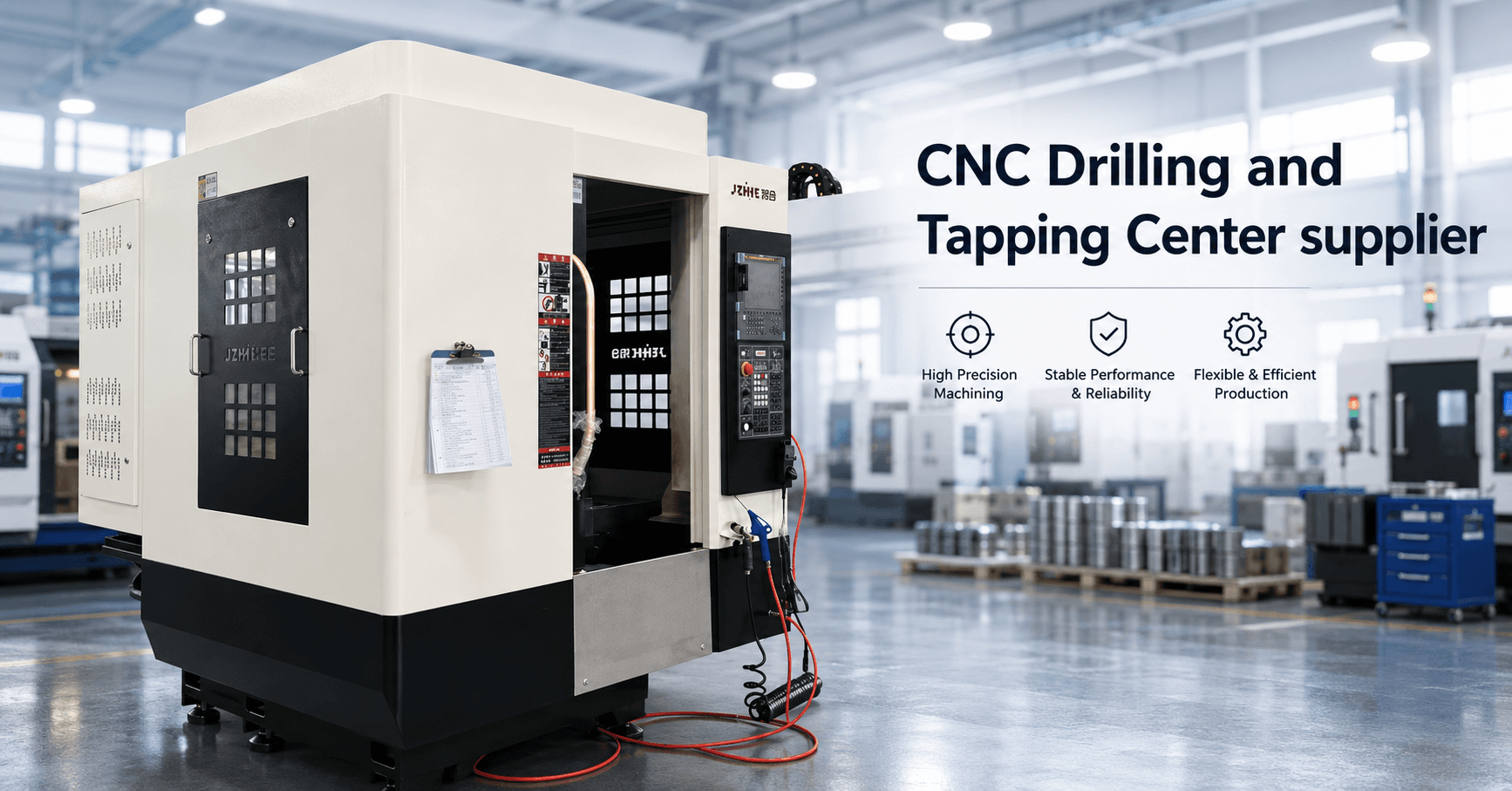
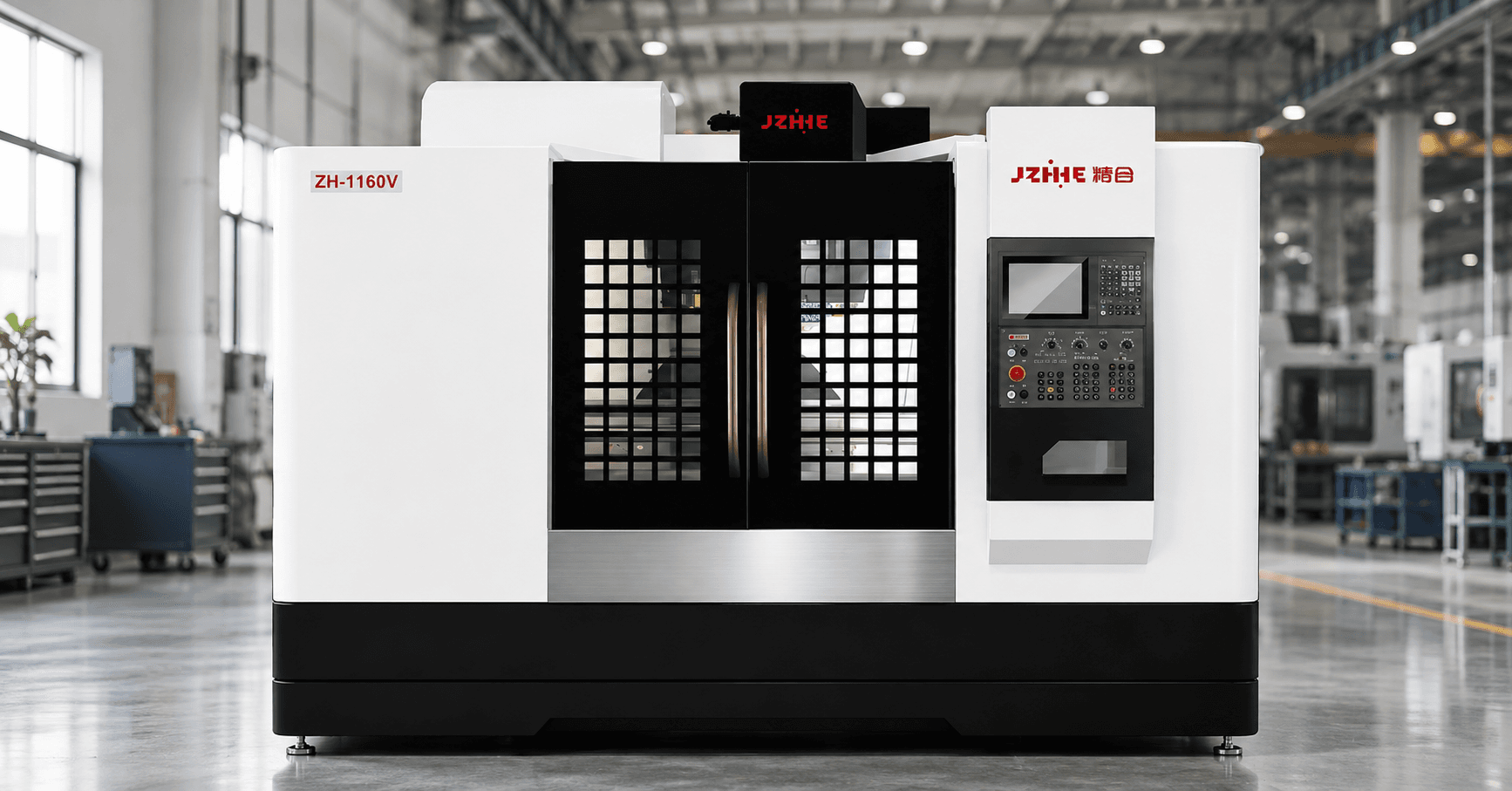
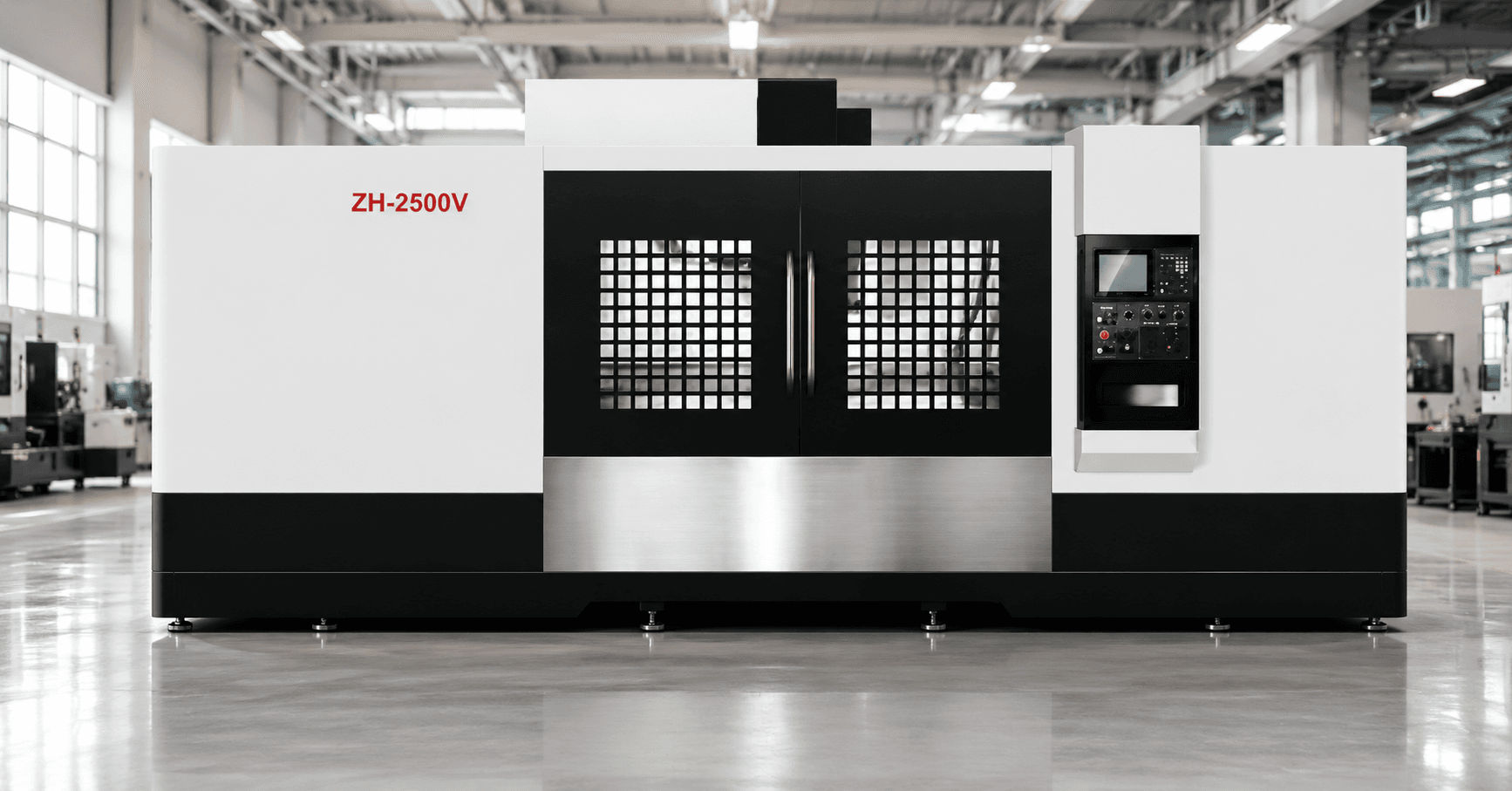
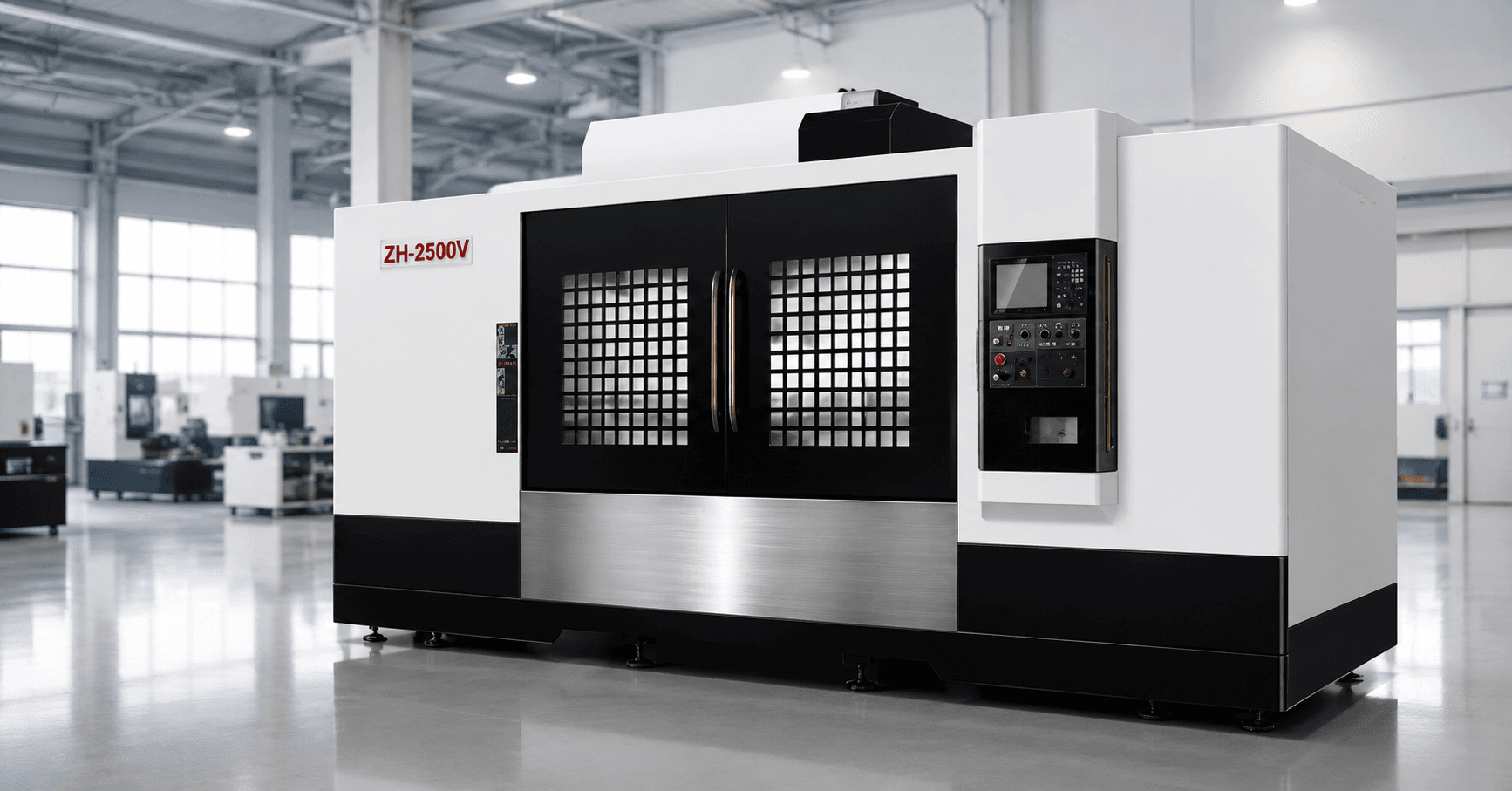
The Zhihe CNC High-Speed Milling Machining Center is manufactured by Zhongshan Zhihe CNC Technology Co., Ltd., which the product page describes as a national high-tech enterprise specializing in CNC machine tool R&D, manufacturing, customization, and technical services for global industrial customers.
For B2B sourcing teams, that manufacturer profile is a useful starting point.
Why Manufacturer Capability Matters
A high speed milling machining center is not a simple commodity purchase. The machine must match specific production needs.
One buyer may need high-gloss finishing for optical molds. Another may need fine engraving for precision hardware. A third may need stable machining for 3C housings. Another may care about composite material processing and dust isolation.
All of these buyers may search for the same keyword, but they do not need the same process.
This is where manufacturer experience becomes important. A capable manufacturer should ask about:
- Workpiece material
- Part dimensions
- Surface finish target
- Tolerance requirements
- Feature size
- Tool diameter
- Current process problem
- Output requirement
- Inspection standard
- Delivery and service expectations
Without this information, the recommendation is only a guess.
What the Machine Structure Tells Buyers
A high speed machining center manufacturer should be able to explain why the machine is built the way it is.
The Zhihe CNC product page describes a high-rigidity fixed-beam gantry architecture combined with an internally reinforced keel support structure. It states that the design enhances rigidity and long-term operational stability, while suppressing vibration and thermal deformation during high-speed machining.
That matters because high speed machining can expose machine weakness quickly. The spindle may rotate fast, but if the machine frame is unstable, buyers may see chatter, surface marks, or inconsistent accuracy.
A fixed-beam gantry structure is relevant for precision milling because it supports a more stable machining platform. For buyers, the key is not the structure name alone. The key is how that structure affects the actual parts.
A buyer should ask: will this structure help my machine hold repeatability during long finishing cycles? Will it reduce vibration on fine surfaces? Will it support continuous production without thermal drift?
Those are practical questions.
The Spindle System Is Only One Part of the Decision
The Zhihe CNC machine uses a high-performance electric spindle with a typical speed range of 18,000–24,000 rpm. The page also mentions precision dynamic balancing, efficient cooling, and low-vibration control technologies.
This is an important selling point, but B2B buyers should avoid treating spindle speed as the entire decision.
A high-speed spindle must be matched with:
| Related Factor | Why It Matters |
|---|---|
| Tool holder quality | High rpm magnifies imbalance and runout |
| Cooling system | Heat affects accuracy during long cycles |
| Machine rigidity | Weak structure reduces surface quality |
| Toolpath strategy | Sudden direction changes can leave marks |
| Material behavior | Aluminum, copper, mold steel, composites, and plastics cut differently |
| Operator training | Incorrect spindle use can shorten service life |
| Maintenance support | Spindle service affects long-term uptime |
A good manufacturer should be willing to discuss these details. A weak supplier may only repeat the rpm number.
For precision buyers, that is not enough.
Enclosure Design and Component Protection
The Zhihe CNC product page highlights a fully enclosed protection system with dustproof, waterproof, and chip isolation performance. It also says the enclosure helps maintain cleanliness and the lifespan of key transmission components.
This is especially relevant for high speed machining. Fine chips, coolant spray, dust, and debris can affect the machine environment. Composite material work may also create dust concerns. Precision mold machining may require a cleaner work zone to protect surfaces.
Dual-side hinged protective doors are also mentioned on the product page, improving loading, unloading, and process observation.
For buyers, door design is not a small thing. It affects operator access, fixture loading, inspection, cleaning, and safety. A machine that is awkward to open, clean, or observe will slow production even if the core cutting capability is strong.
Matching the Machine to the Application
The product page lists the machine as suitable for precision manufacturing applications in 3C electronic housings, optical molds, medical devices, precision hardware, composite materials, and high-precision mold manufacturing.
A sourcing team should turn that application list into a technical discussion.
| Application | What Buyers Should Confirm |
|---|---|
| 3C electronic housings | Thin-wall stability, burr control, surface appearance |
| Optical molds | Surface finish, thermal stability, fine contour accuracy |
| Medical devices | Material compatibility, precision, cleanliness, repeatability |
| Precision hardware | Batch consistency, tool life, small feature accuracy |
| Composite materials | Dust isolation, cutting strategy, enclosure protection |
| High-precision molds | Roughing/finishing balance, curved surface quality |
A manufacturer that understands these differences can recommend more effectively. A supplier that gives the same answer for every inquiry may create risk.
Customization and Technical Service
For B2B buyers, customization support can matter as much as the base machine. A buyer may need specific spindle options, workholding guidance, tool recommendations, enclosure adaptations, probing options, or process verification.
The Zhihe CNC product page identifies the company as specializing in CNC machine tool R&D, manufacturing, customization, and technical services for global industrial customers.
That is useful language, but buyers should still ask for specifics.
Questions to ask include:
- Can the supplier review drawings before recommending a model?
- Can the spindle configuration be matched to the material?
- Can the supplier discuss fixture support?
- Can trial cutting be arranged?
- What training is provided?
- What spare parts are available?
- How is after-sales service handled for overseas buyers?
- What documentation is provided with the machine?
The more specific the buyer’s questions, the more useful the supplier’s answers become.
Evaluating Total Cost, Not Only Purchase Price
A high speed machining center can affect cost in several ways.
It may reduce polishing time. It may improve part consistency. It may reduce scrap on precision molds. It may shorten finishing cycles. It may support more demanding product orders. These benefits can justify a higher investment.
But the opposite is also true. If the machine is bought for the wrong application, it may become expensive underused capacity.
Buyers should compare:
| Cost Area | What to Consider |
|---|---|
| Machine price | Base investment |
| Tooling | Balanced holders and quality cutters may be required |
| Fixtures | Precision parts may need better workholding |
| Training | Operators may need high-speed machining habits |
| Maintenance | Electric spindle care should be planned |
| Inspection | Surface finish and microfeatures need verification |
| Downtime | Service response affects real cost |
| Rework reduction | Better surface quality may reduce manual correction |
A serious buyer should build the purchasing case around real production value, not only purchase price.
What Buyers Should Ask Before Choosing a Manufacturer
Before selecting a high speed milling machining center supplier, buyers should ask:
| Question | Why It Matters |
|---|---|
| What applications is this machine best suited for? | Confirms whether it matches the buyer’s parts |
| What spindle range is available? | Supports material and tool selection |
| How is rigidity achieved? | Helps judge stability during high-speed cutting |
| How is thermal deformation controlled? | Important for long finishing cycles |
| What enclosure protection is included? | Affects safety, cleanliness, and component life |
| Can the supplier support customization? | Reduces mismatch risk |
| Can trial cutting be discussed? | Verifies real process performance |
| What service support is available? | Protects long-term machine value |
These questions help separate a capable manufacturer from a basic machine seller.
Common Mistakes in Manufacturer Selection
One mistake is choosing the supplier that gives the fastest quotation. Speed is useful, but a fast quote based on incomplete information may not be reliable.
Another mistake is comparing only machine price. A lower price may hide weaker service, unsuitable configuration, or limited support.
A third mistake is ignoring application fit. A machine that works well for 3C aluminum parts may not automatically be ideal for optical molds or composites.
Some buyers also fail to ask about documentation, training, and maintenance support. That is risky, especially for overseas projects.
The last mistake is assuming a product page answers everything. It does not. It gives a starting point. The buyer still needs a technical conversation.
FAQ
What should buyers look for in a high speed machining center manufacturer?
Buyers should check machine structure, spindle capability, application fit, customization support, trial cutting support, service response, and experience with similar parts.
Why is Zhihe CNC relevant for this type of machine?
The product page identifies Zhongshan Zhihe CNC Technology Co., Ltd. as a national high-tech enterprise specializing in CNC machine tool R&D, manufacturing, customization, and technical services for global industrial customers.
What spindle speed does the machine use?
The page lists a high-speed electric spindle with a typical speed range of 18,000–24,000 rpm.
What applications are suitable?
The page lists 3C electronic housings, optical molds, medical devices, precision hardware, composite materials, and high-precision mold manufacturing.
Should buyers request trial cutting?
For high-value precision parts, trial cutting is strongly recommended because it helps verify surface finish, tool behavior, cycle time, and process stability.
Conclusion
Choosing a high speed machining center manufacturer is not only about finding a machine with a fast spindle. It is about choosing a supplier that can connect machine structure, spindle performance, enclosure design, customization, and technical service to the buyer’s real production needs.
The Zhihe CNC High-Speed Milling Machining Center offers a practical example. Its high-rigidity fixed-beam gantry structure, reinforced internal support, fully enclosed protection system, and 18,000–24,000 rpm electric spindle are designed for demanding precision applications such as 3C housings, optical molds, medical devices, precision hardware, composite materials, and high-precision mold manufacturing.
For sourcing teams, the next step should be simple but detailed: send drawings, material, tolerance, surface finish target, production volume, and current process pain points. A good manufacturer will use that information to recommend a CNC solution. A weak one will only send a price.