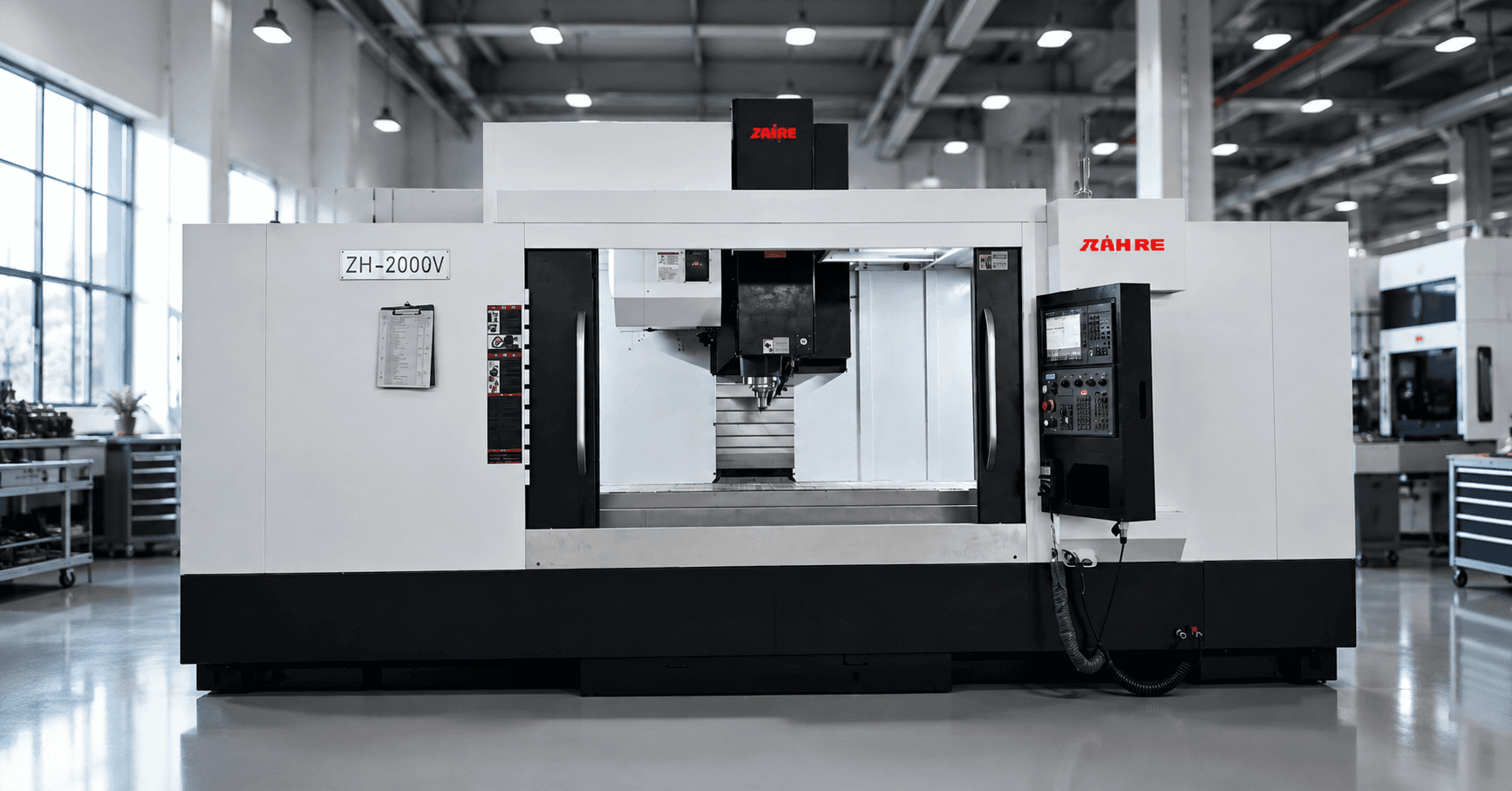
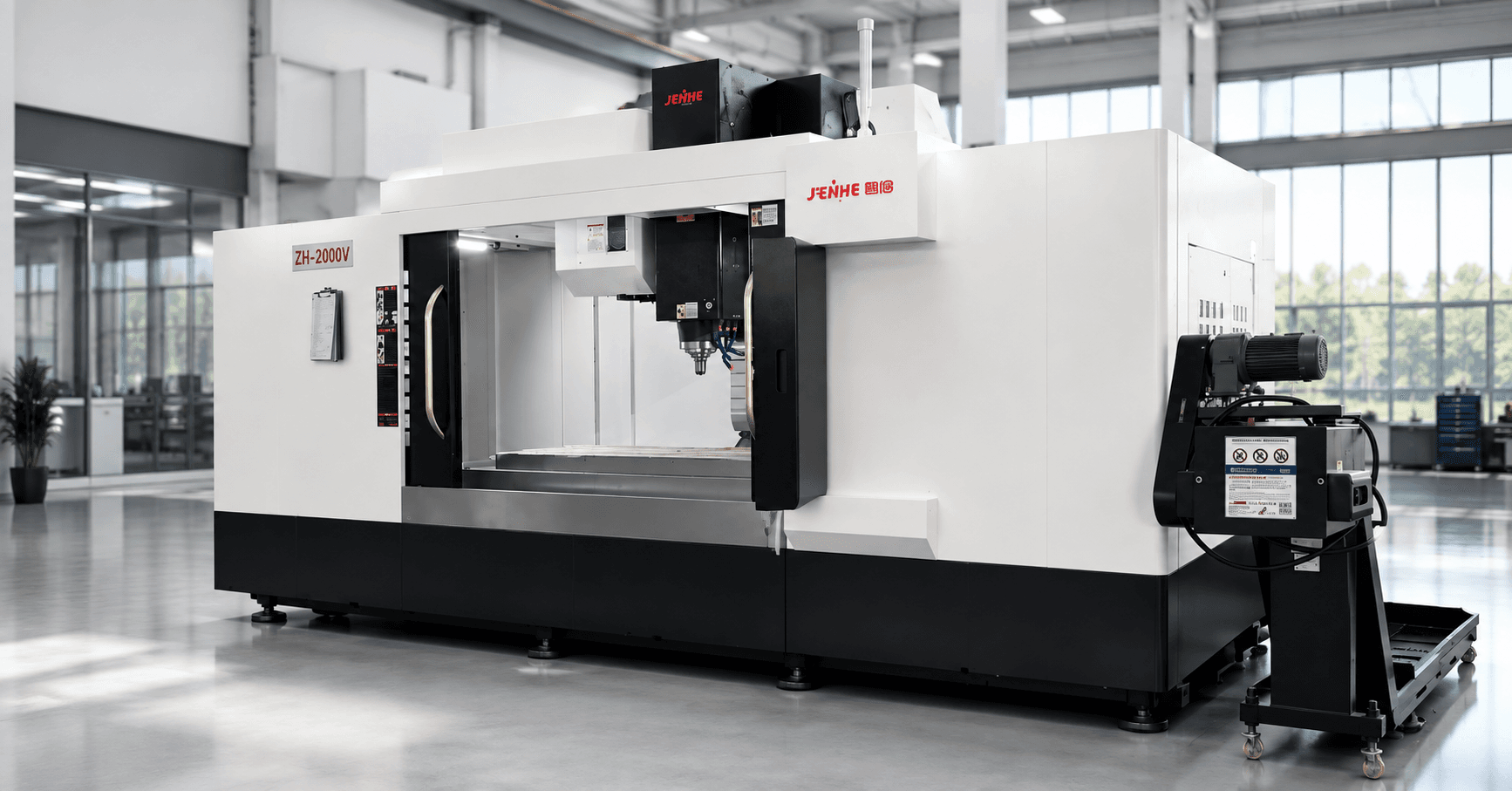
Five axes are valuable only when the part uses them. A flat plate with top-side holes does not become a better job because it sits on a more complex machine. A blisk, impeller, deep cavity, or housing with angled faces may be a different story: fewer setups, shorter tools, and better access can justify the added investment.
The useful 3 axis vs 5 axis machining center comparison starts with tool access. Mark every feature on the drawing and ask whether the cutter can reach it from one direction. Then count the rotations and reclamps required to finish the part. This reveals whether the extra rotary motion solves a recurring production problem or simply increases the purchase price.
This guide is for engineers and buyers deciding between a standard vertical machine, a 3+2 positional process, and simultaneous five-axis capability. It focuses on the finished part, setup risk, programming workload, and cost per acceptable component.
3 Axis vs 5 Axis Machining Center: The Short Answer
- Choose three axes for plates, brackets, mold bases, fixtures, and parts that are completed mainly from above.
- Consider 3+2 machining when the part has several angled faces but each cutting operation can be completed with the rotary axes locked in position.
- Consider simultaneous five-axis machining when the tool orientation must change during the cut, or when complex surfaces and deep access make shorter tools valuable.
- Compare the complete route when the part can be made either way. Setup time, inspection, fixture cost, programming, and annual volume can change the financial answer.
A five-axis machine is not automatically faster. It may spend more time calculating and moving on a simple part. Its advantage appears when two rotary axes remove handling, improve access, or keep the tool in a better cutting orientation.
What the Axes Actually Change
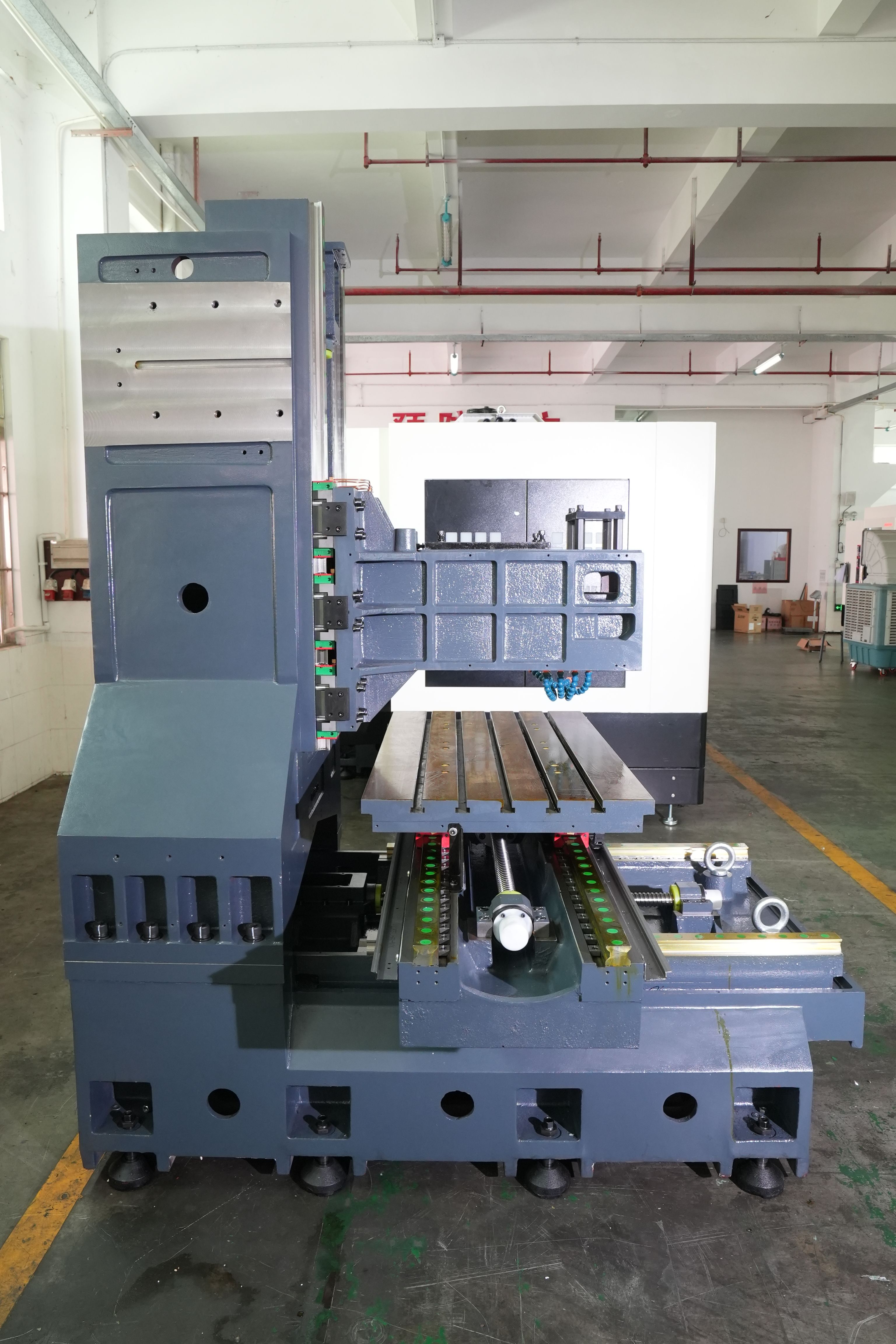
A three-axis machining center moves along X, Y, and Z. The tool approaches the work from one fixed orientation, normally above the table on a vertical machine. Side features require the part to be rotated manually or with an added rotary axis.
A five-axis machining center adds two rotary axes. Depending on the machine design, the table, head, or both may rotate. Autodesk's overview of the axes in five-axis machining explains the three linear axes and two additional rotational directions.
The key benefit is orientation. The cutter can approach another face without the operator removing the workpiece. On simultaneous five-axis work, the orientation can continue changing while the tool cuts.
Part Geometry Should Lead the Decision
Draw a line from each machined feature in the direction the tool must approach. If most lines point upward, a three-axis route is a strong candidate. If the lines point toward several sides, the process may need a rotary table, multiple fixtures, or five-axis motion.
Deep cavities deserve special attention. A fixed vertical tool may require a long holder and long cutter to reach past walls. That increases deflection and vibration risk. Tilting the part or tool can create clearance for a shorter assembly, although the rotary envelope and collision zones must be checked.
Complexity by itself does not require five axes. A part can look complicated and still be completed through two simple indexed positions. Conversely, a visually simple component with strict relationships between angled bores may benefit from one five-axis setup.
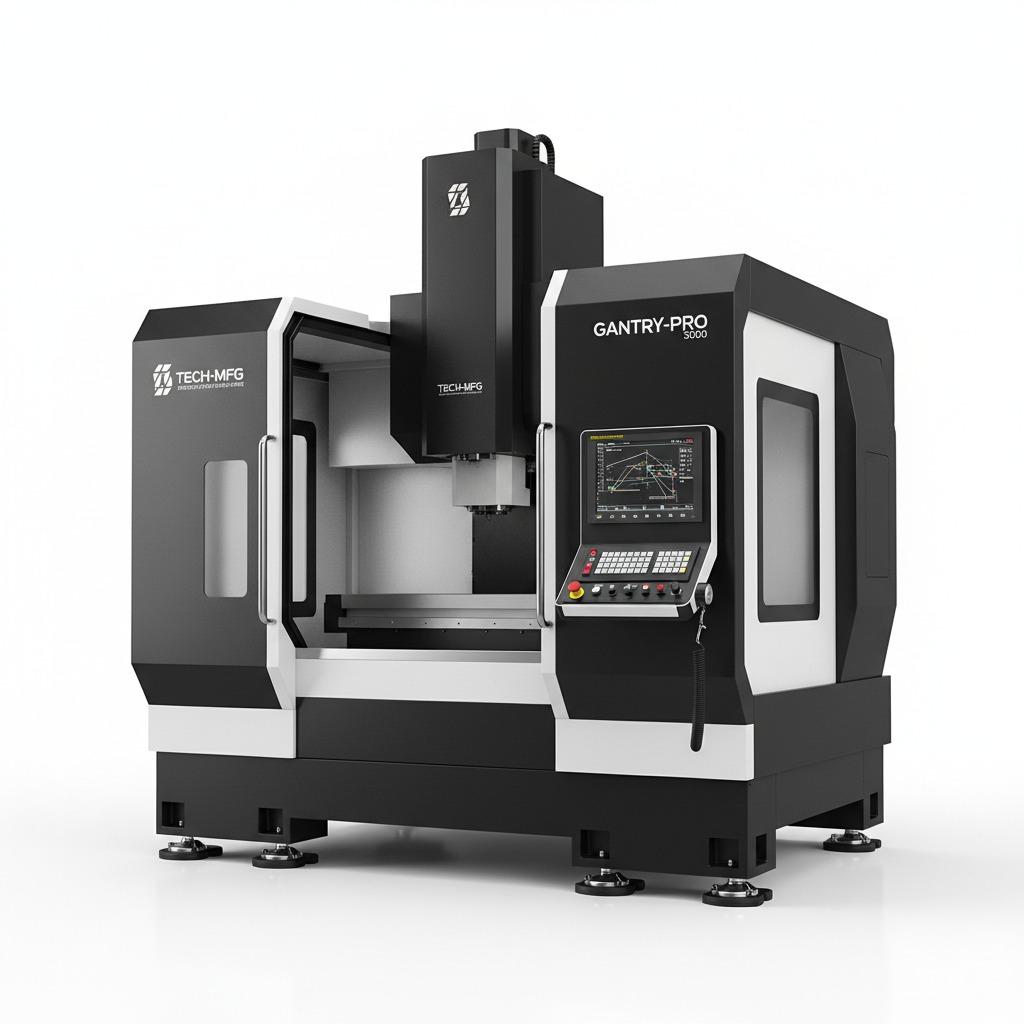
Setup Reduction Is Often the Strongest Business Case
Every reclamp adds handling, cleaning, indicating, probing, and first-piece verification. It also introduces another opportunity for a datum shift. When features on different faces must remain tightly related, setup reduction can matter more than raw cutting speed.
Imagine a compact aerospace-style bracket with pockets on the top, holes on two sides, and an angled mounting face. A three-axis route may use several fixtures. A five-axis route may complete most features from one base. The advantage is not that every cut is faster; the advantage is that the datum stays with the part.
That benefit must repeat. For one prototype, a skilled operator may rotate the part more economically. For a stable family produced every month, the saved setups can accumulate into a stronger case for rotary capability.
3+2 Machining and Simultaneous Five-Axis Are Different
In 3+2 machining, the rotary axes position the workpiece or head, then lock while X, Y, and Z perform the cut. This is useful for angled holes, faces, and pockets that do not require the orientation to change during cutting.
Simultaneous five-axis machining moves linear and rotary axes together. It can follow sculpted surfaces, maintain tool orientation, avoid obstacles, and control contact on complex geometry. It also requires more advanced programming, collision checking, post-processing, calibration, and operator understanding.
Do not pay for simultaneous capability merely because the part has five sides. Ask the programmer to identify which operations truly require continuous rotary motion. Many parts gain most of the setup benefit through 3+2 positioning.
Tool Reach and Surface Finish Can Change With Orientation
Long tools bend more easily than short tools. They can chatter, limit feed, shorten tool life, and make fine surface requirements harder to hold. Five-axis orientation may allow a shorter tool to enter a deep or angled feature.
For sculpted surfaces, controlling the tool angle can also avoid cutting near the center of a ball end mill, where effective cutting speed is low. The practical result may be a more stable finish or a different step-over strategy. This depends on the geometry, cutter, path, and machine dynamics, so it should be proven with representative programming or a trial cut.
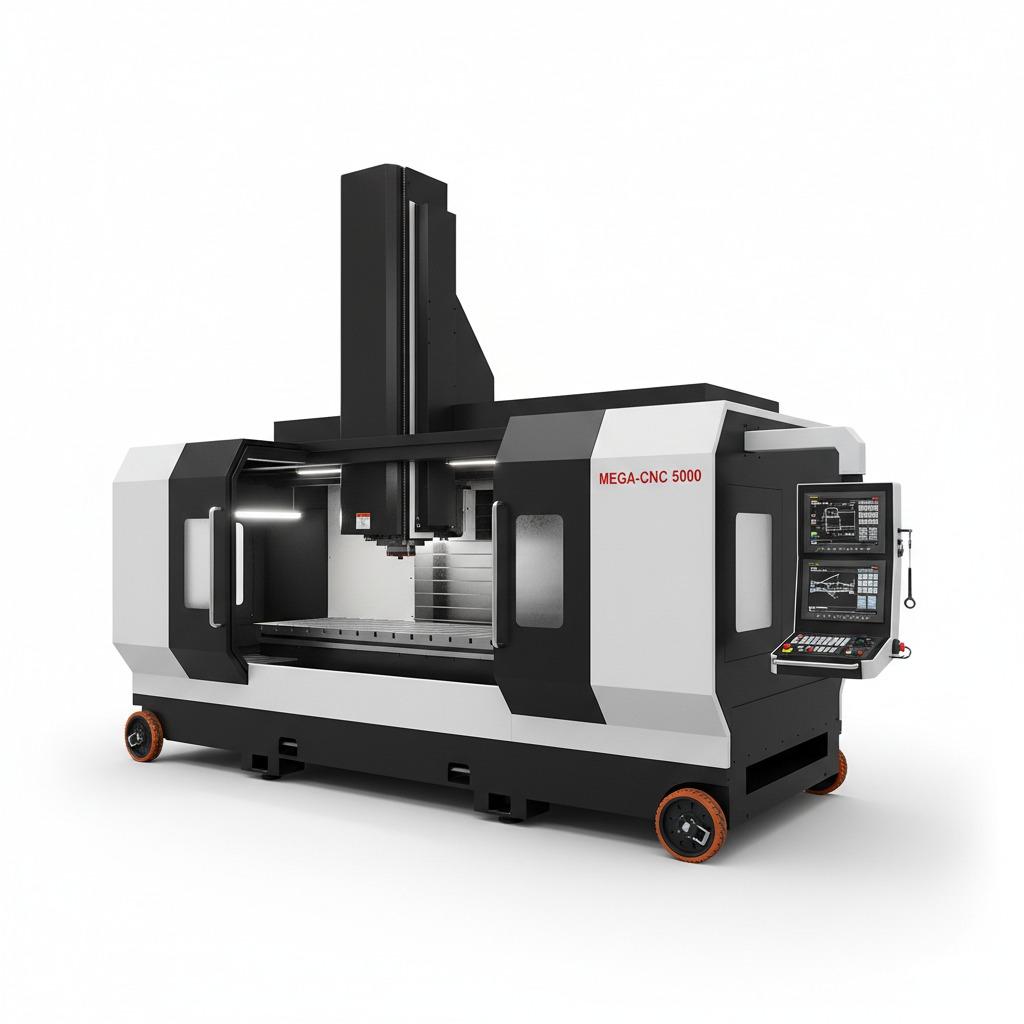
Programming and Collision Control Need a Realistic Budget
A three-axis program is usually easier to create, simulate, prove, and transfer between machines. Five-axis work adds rotary limits, singularities, tool-center-point control, post-processor quality, fixture models, and more collision possibilities.
The machine purchase should therefore include a software and skills review. Confirm whether the CAM system supports the required strategies, whether a validated post-processor is available, and who will own future edits. Simulation should include the machine, spindle, tool holder, fixture, and stock, not only the cutting tool.
Operator recovery also matters. A process may run well until a broken tool, interrupted cycle, or manual restart occurs. The team needs a safe method for returning to the program without losing rotary position or hitting the fixture.
Accuracy Depends on Calibration, Workholding, and the Acceptance Part
Adding rotary axes adds more geometry to control. The machine must know the relationship between linear axes, rotary centers, spindle, tool length, probe, and workpiece. Calibration and warm-up procedures become important parts of repeatable production.
A five-axis machine may improve finished-part relationships by reducing setups, while a poorly calibrated rotary system can create its own errors. A three-axis machine with stable workholding can outperform a five-axis process that has not been proven.
Define acceptance around the part risk. For three-axis work, this may be a hole pattern, bore, or flatness requirement over travel. For five-axis work, include features that test angled positions and relationships between faces. Review the inspection method before the trial begins.
Compare Total Process Cost, Not the Number of Axes
| Cost factor | Three-axis route | Five-axis route |
|---|---|---|
| Machine investment | Usually lower | Usually higher |
| Fixtures and setups | May require several fixtures | Can consolidate several orientations |
| Programming | More widely available and easier to prove | Higher CAM, post, simulation, and skill demands |
| Tool reach | Long tools may be needed for deep access | Tilting may allow shorter tools |
| Datum transfer | More risk when the part is reclamped | Fewer reclamps can preserve relationships |
| Maintenance and calibration | Simpler axis system | Rotary systems add calibration and service needs |
Estimate both routes over a full year. Include programming, fixtures, setup qualification, handling, probing, cycle time, inspection, rework, scrap, maintenance, training, and machine utilization. A five-axis machine can be less expensive per acceptable part even when its purchase price is higher. It can also be an expensive way to drill holes in a plate.
Choose Three Axes When Simplicity Is Productive
A three-axis vertical machining center is a sensible choice when the work is accessible from above, product mix changes often, standard fixtures can be reused, and the shop needs broad programming and operator familiarity.
It also makes sense when the secondary setups are short and low risk. A second vise operation is not automatically a problem. The question is whether it limits output or feature relationships enough to justify a different process.
Choose Five Axes When Access and Datum Control Repeat
A five-axis machining center becomes attractive when several angled faces must remain related, long tools create instability, complex surfaces need changing orientation, or setup reduction repeats across valuable production.
Before buying, confirm the usable rotary envelope with the real fixture and tool. A nominal part diameter does not guarantee clearance at every angle. Review controller functions, CAM, post-processor, probing, calibration, collision simulation, and training as one package.
How Zhihe CNC Compares Three-Axis and Five-Axis Routes
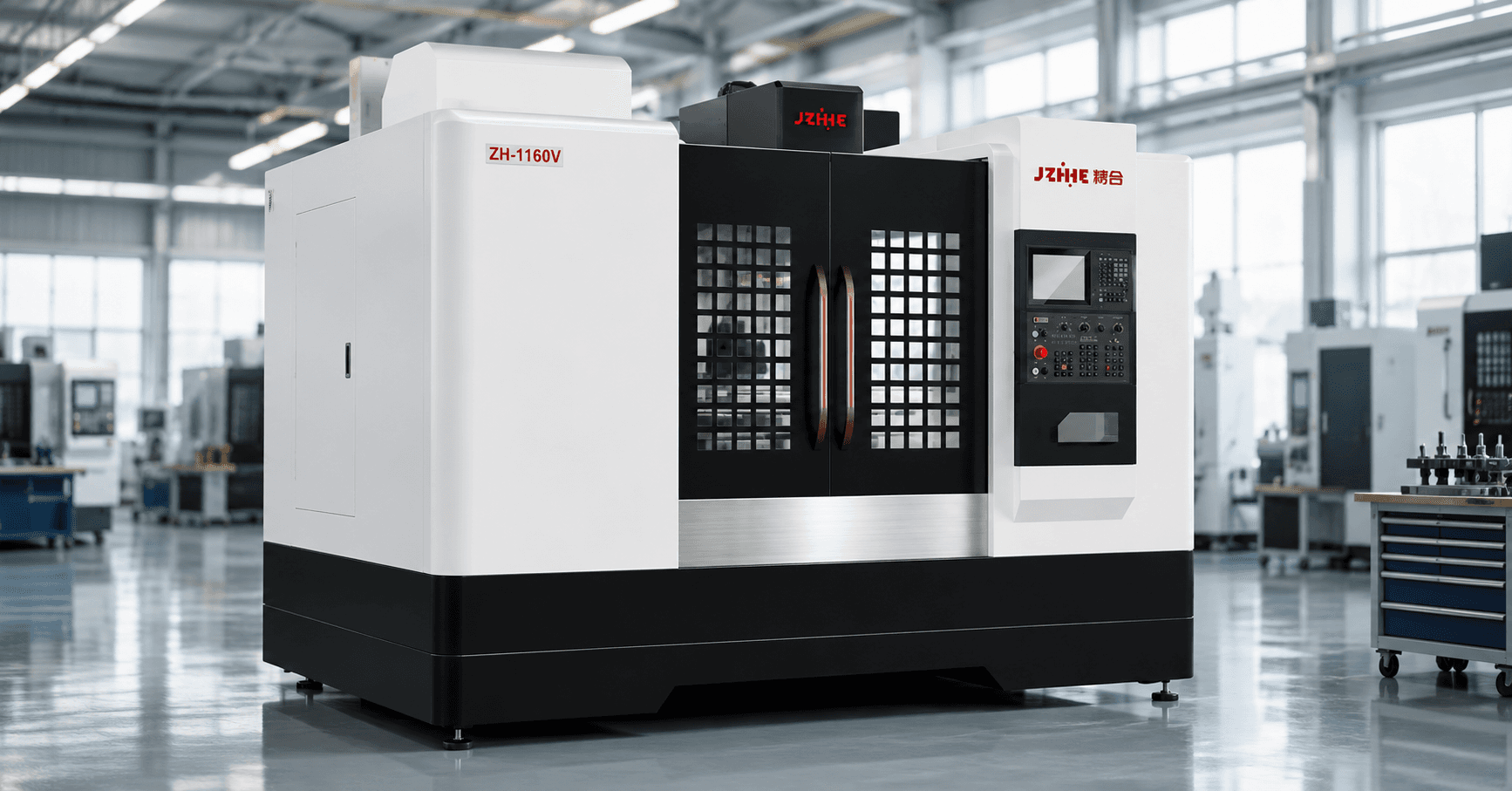
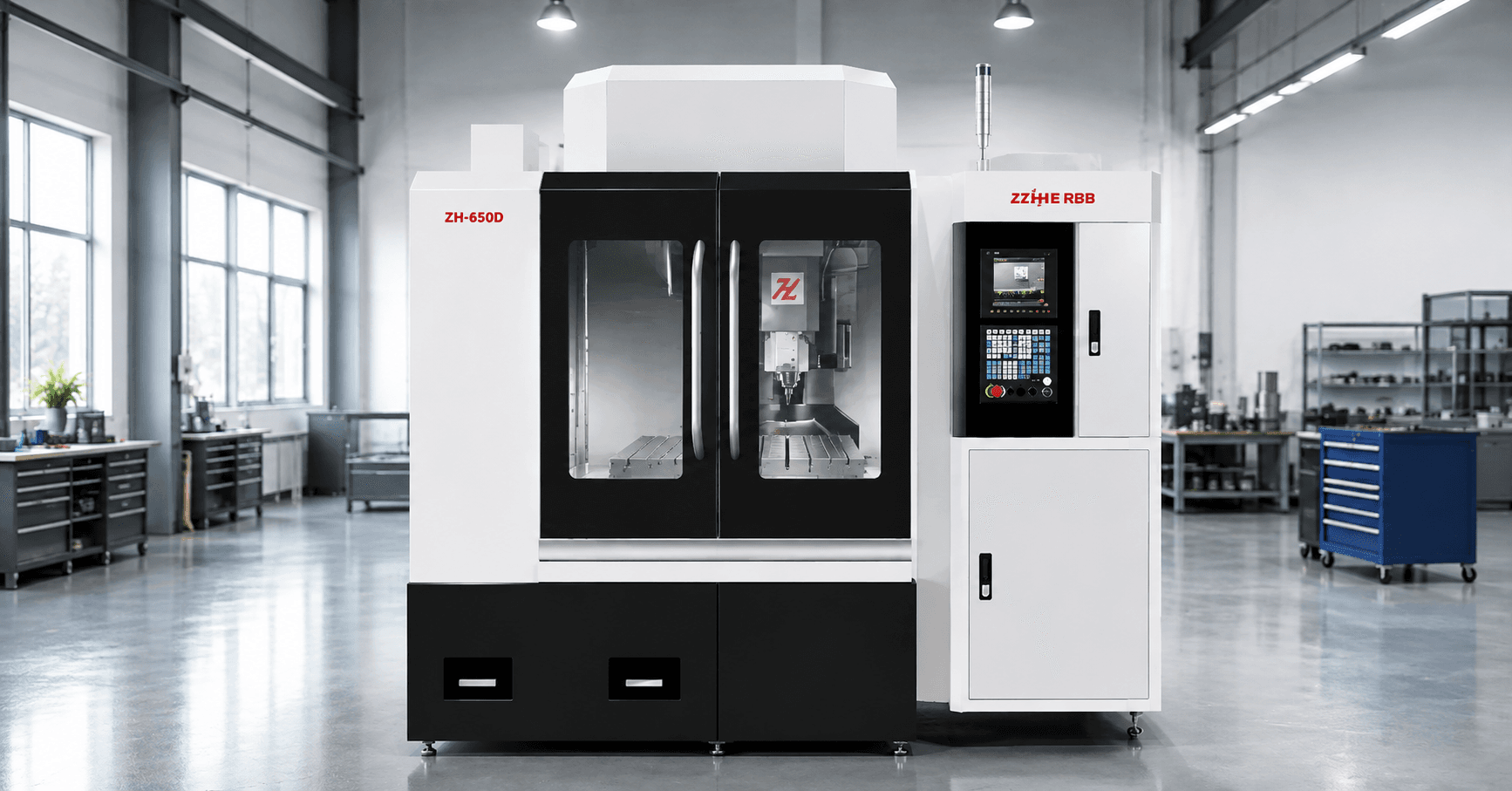
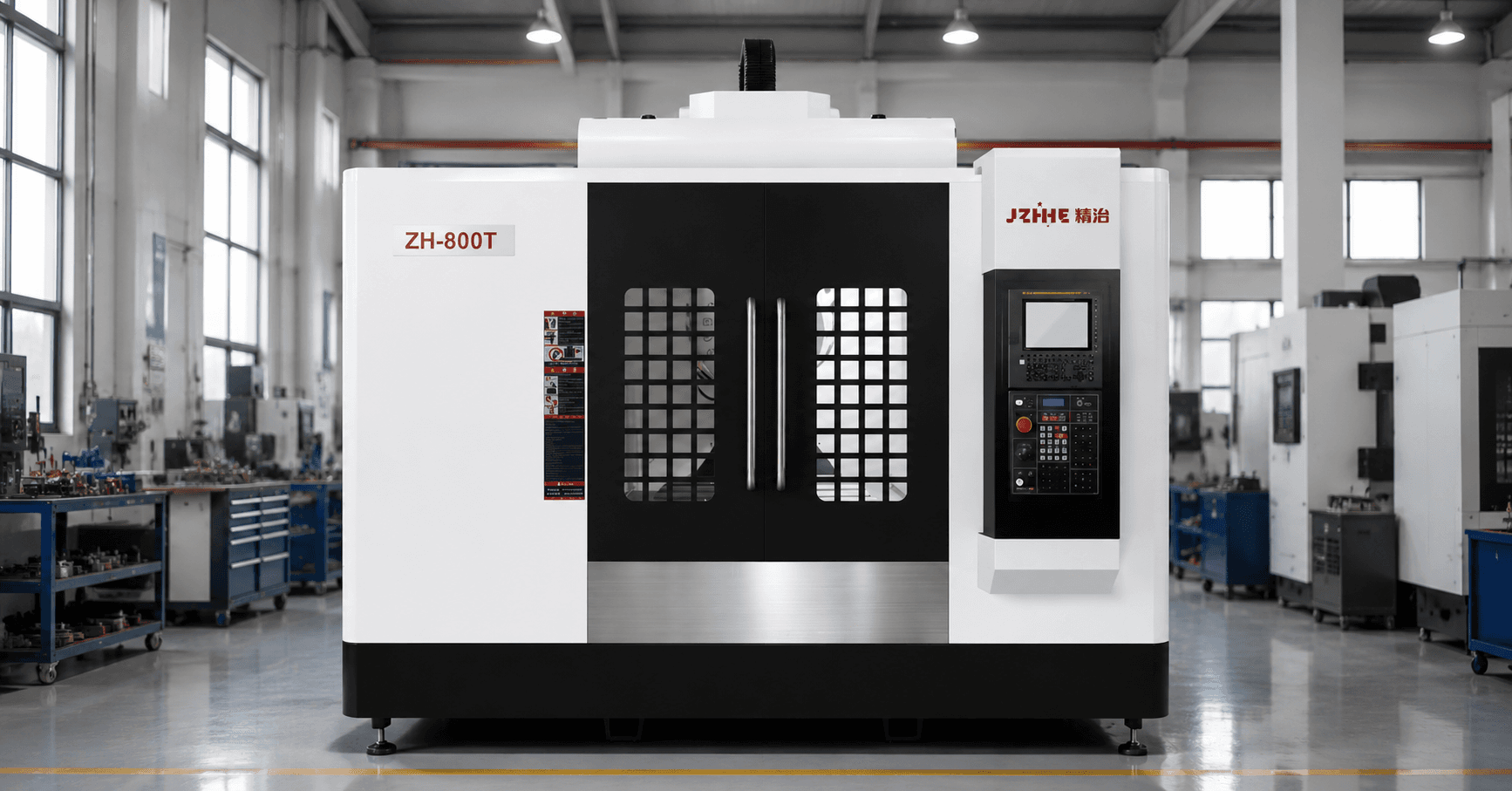
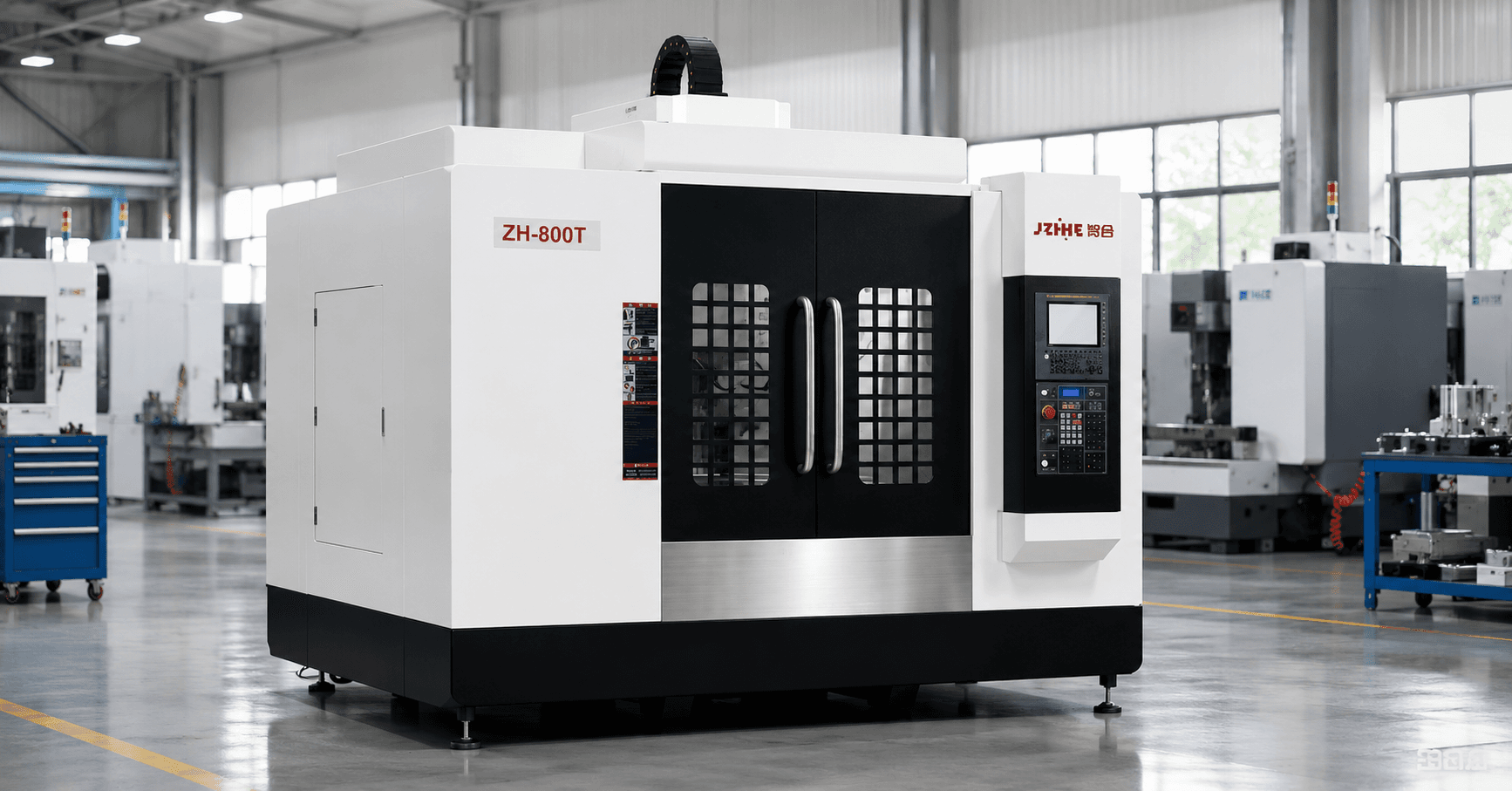
Zhihe CNC's product range includes vertical, horizontal, gantry, drilling and tapping, milling, and five-axis machining centers. That allows the engineering team to compare a straightforward three-axis process with rotary and five-axis alternatives around the same drawing.
For selected models, published positioning accuracy may reach +/-0.005 mm and repeatability +/-0.003 mm, depending on machine series, travel, and configuration. Five-axis projects also need rotary calibration and a suitable part-based verification plan. Laser interferometer measurement, ballbar testing, and trial cutting can be discussed during acceptance planning.
For a meaningful 3 axis vs 5 axis machining center review, send Zhihe CNC the drawing, material, volume, and critical features. Ask for setup count, fixture approach, tool reach, programming assumptions, and the operations that specifically justify the added axes.
Questions Buyers Ask About Three-Axis and Five-Axis Machines
Can a three-axis machine make a five-sided part?
Yes. The part can be reclamped in different orientations or placed on a rotary fixture. The decision depends on handling time, datum risk, fixture cost, access, and production volume.
Is 3+2 machining the same as simultaneous five-axis machining?
No. In 3+2 machining, the rotary axes position and lock before cutting. In simultaneous machining, linear and rotary axes move together during the cut.
Does a five-axis machine always improve accuracy?
It can improve relationships by reducing reclamps, but accuracy still depends on calibration, thermal behavior, workholding, tooling, programming, and inspection. Extra axes are not a guarantee.
Will a five-axis machine reduce cycle time?
It often reduces setup and handling time. Cutting time may be shorter, similar, or occasionally longer depending on the toolpath and machine movement. Compare the full route.
Which machine is easier to operate?
Three-axis work is generally easier to program, prove, and recover. Five-axis work requires stronger simulation, calibration, collision awareness, and process discipline.
When is a five-axis machine excessive?
It may be excessive for simple top-side parts, low-value work, very short runs with easy fixtures, or shops that do not have the programming and inspection resources to use it productively.
What should be included in a five-axis trial cut?
Include angled features, relationships between faces, a deep-access feature, and any critical surface. Use the intended fixture, tool holders, and inspection method when practical.
What information should I send for a machine recommendation?
Send the drawing, material, stock size, tolerances, annual volume, current setup route, target cycle, and available CAM and inspection resources.
Choose the process before the axis count. Ask Zhihe CNC to compare three-axis, 3+2, and five-axis routes using the part that creates the most setup or access risk in your current production.