What Buyers Really Mean When They Search for a Drilling Machine Supplier
If you are looking for a Drilling Machining Center Supplier, you are usually not just buying a machine. You are trying to solve a production problem: how to make holes, threads, and light machined features faster, more consistently, and with less dependence on manual adjustment.
In many factories, this decision sits between a standard drilling machine and a full machining center. The shop may not need a large heavy-duty VMC for every part, but it still needs CNC repeatability, stable motion, tool-change efficiency, and enough rigidity to protect quality through repeated batches.
That is why buyers often search for terms such as drilling machine supplier, CNC drilling machine supplier, drilling tapping machine supplier, or high speed drilling machining center. The real goal is not a brochure. It is a practical machine match.
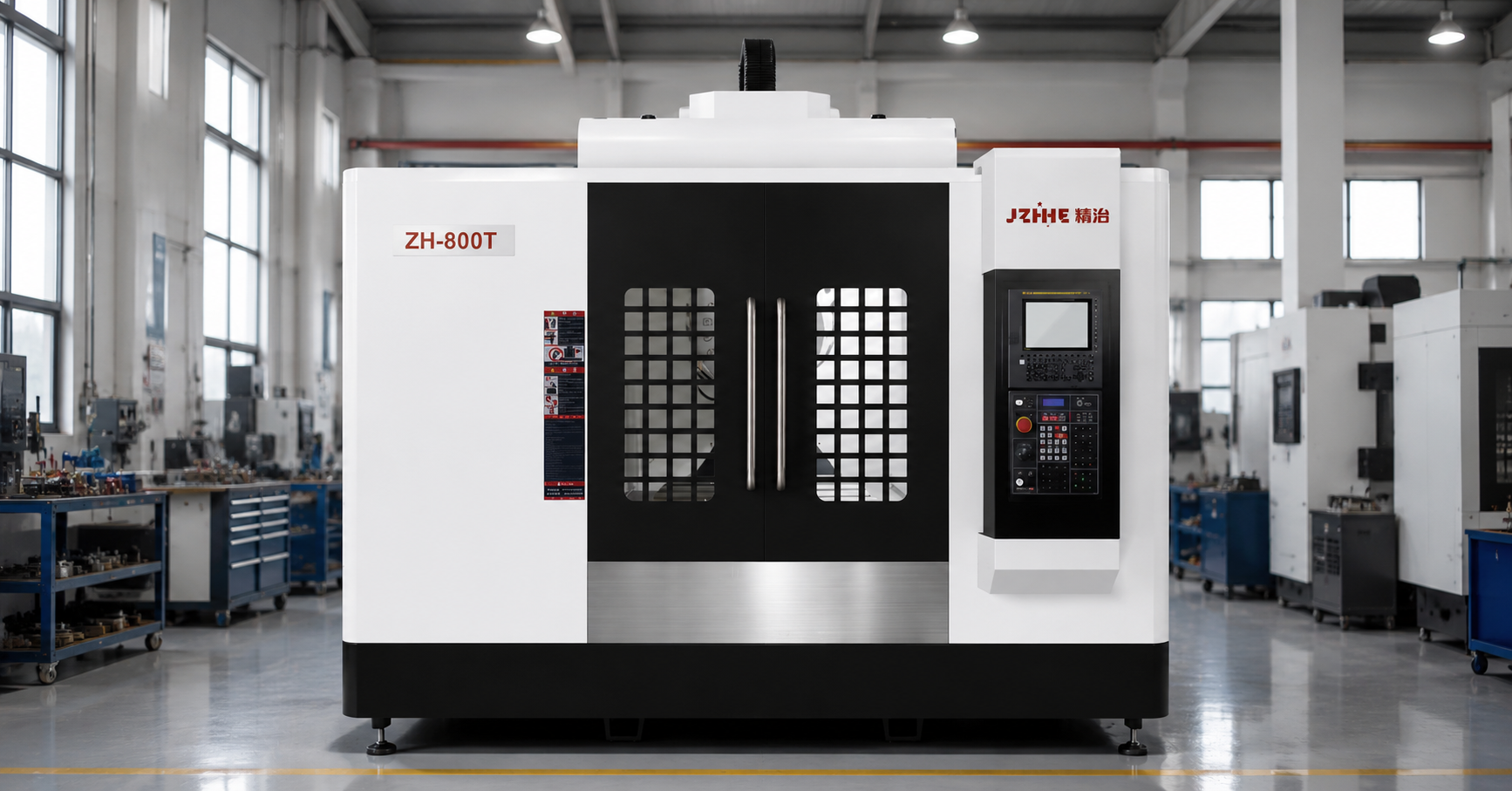
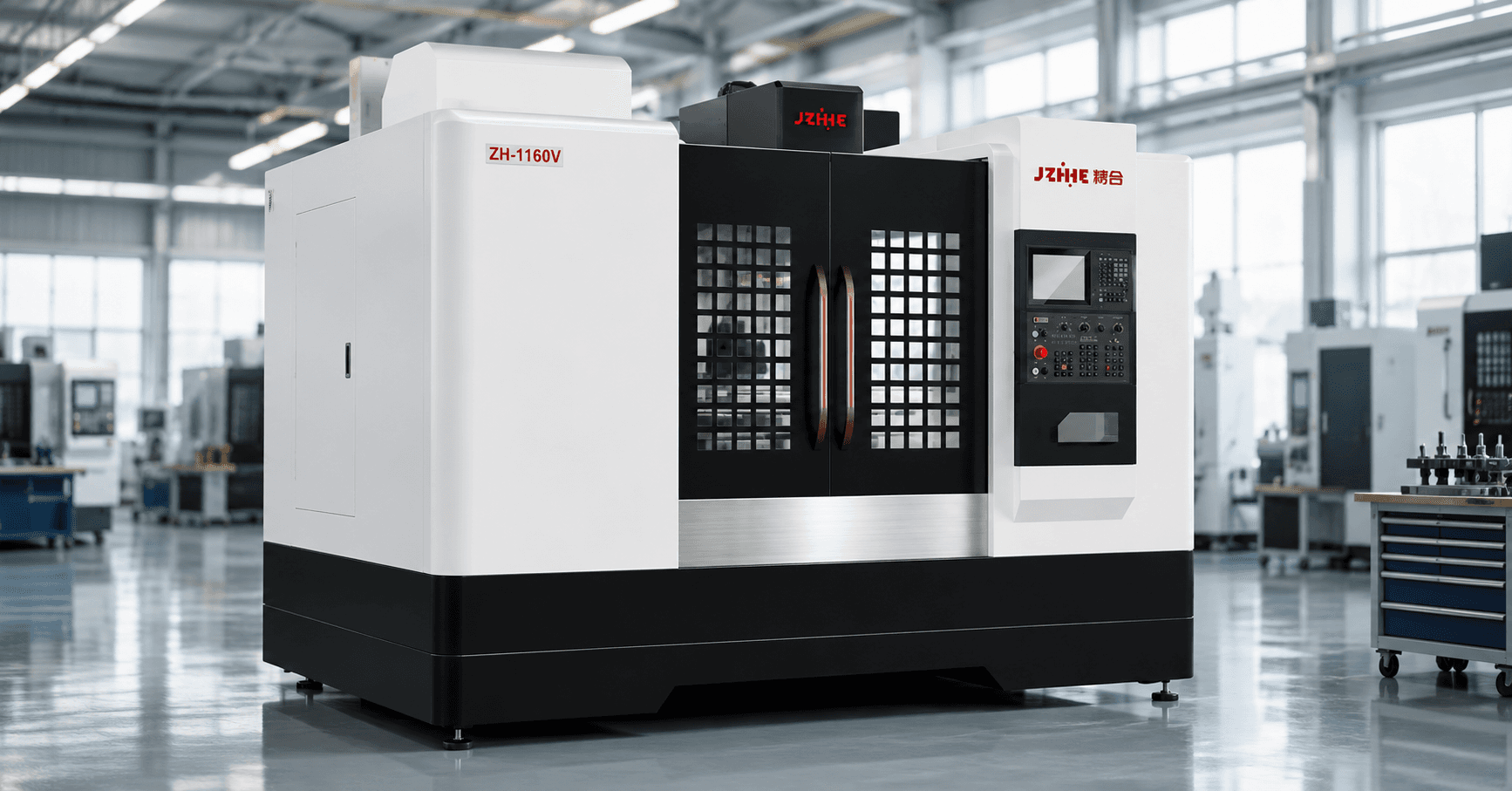
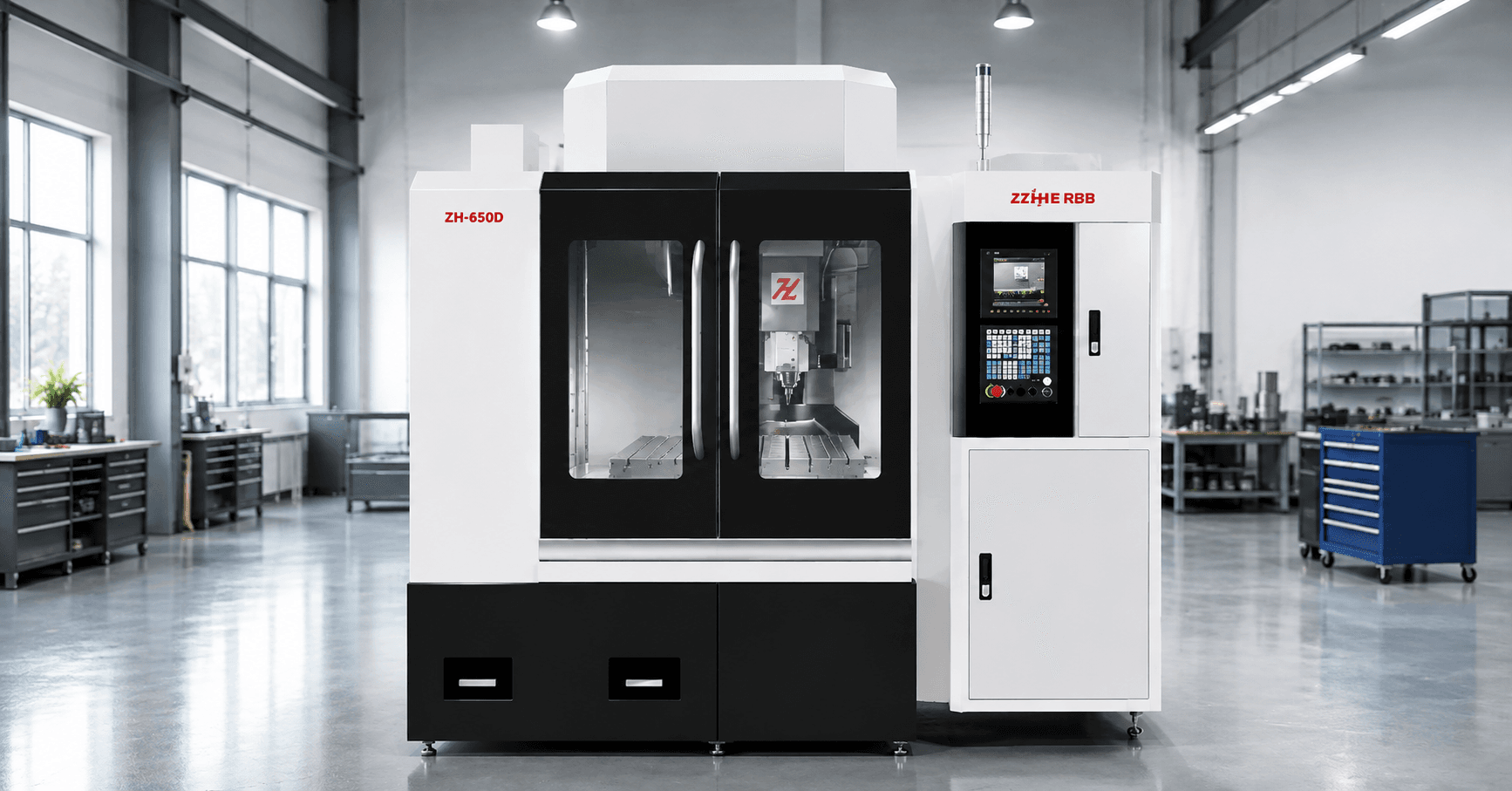
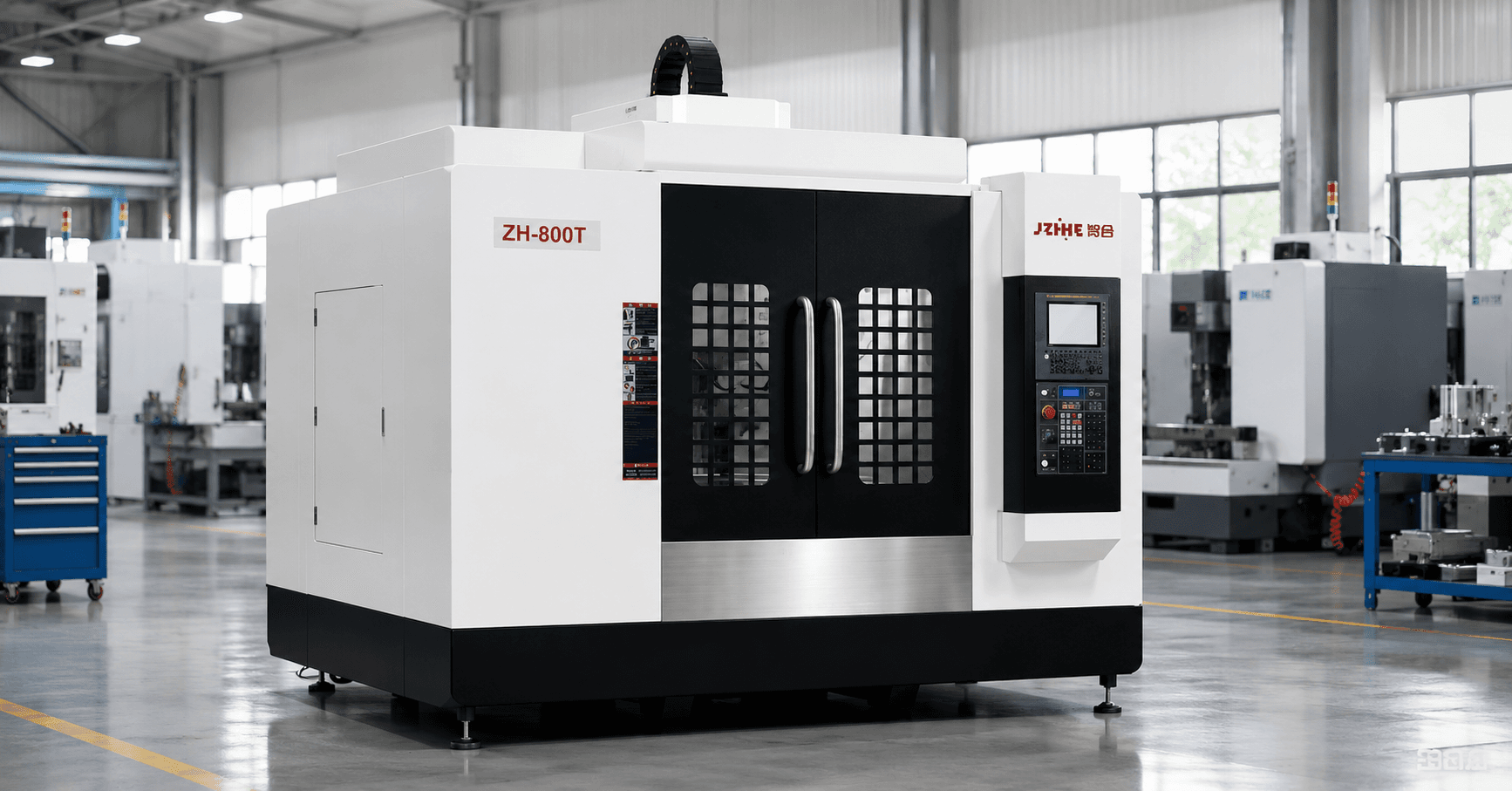
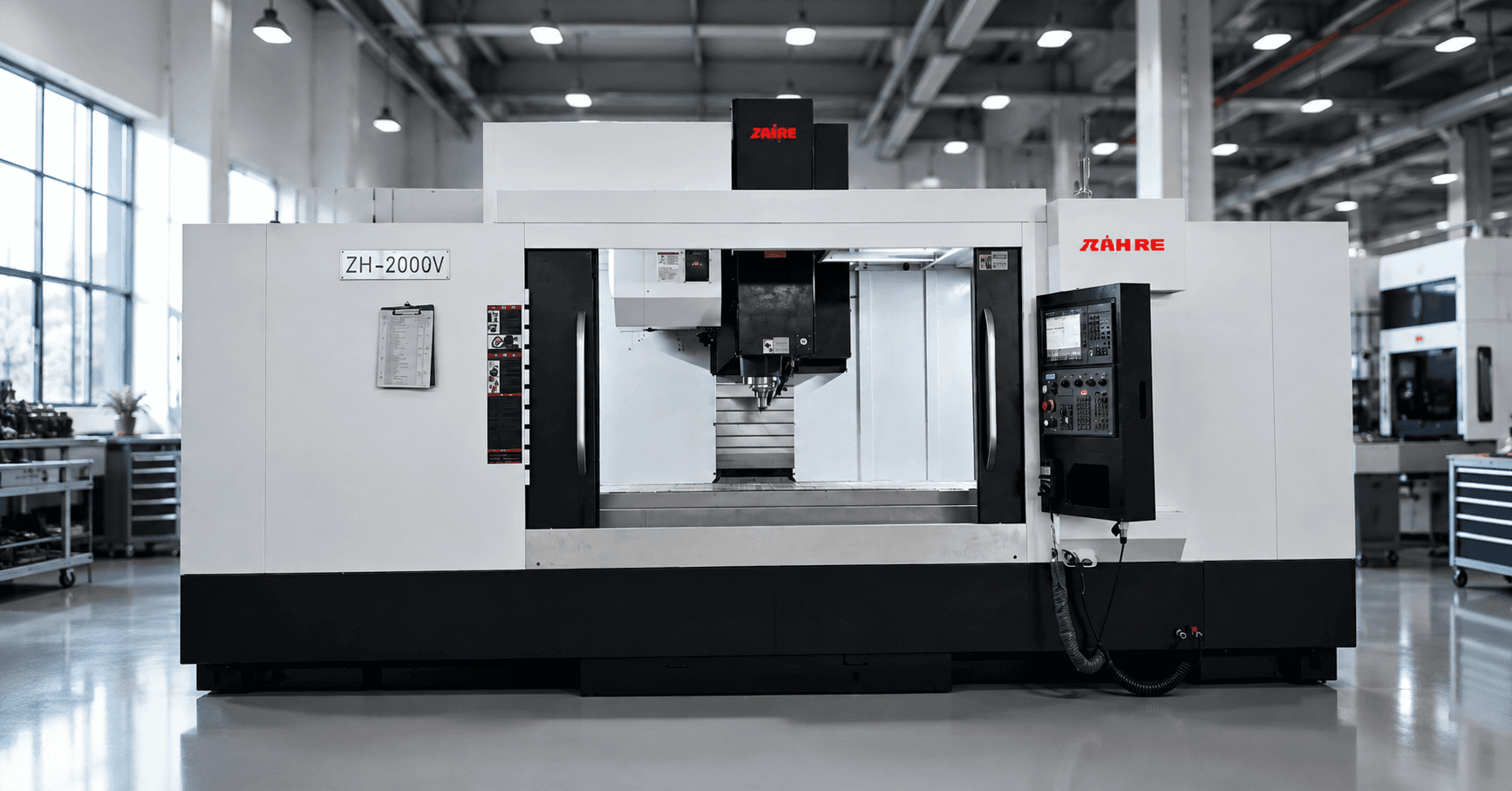
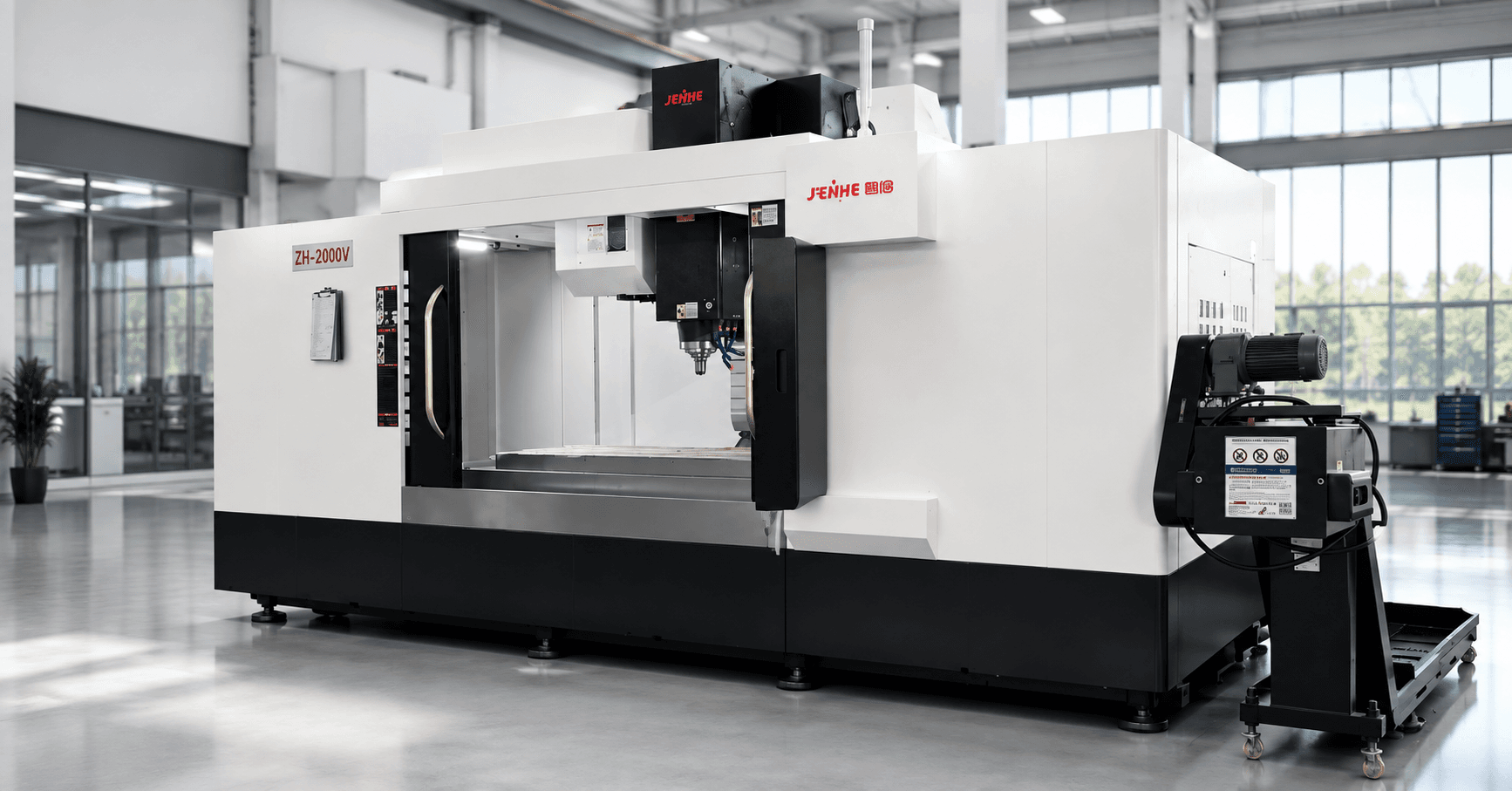
The linked Zhihe CNC product page introduces a High-Speed Drilling Machining Center for Precision Batch Production. The page describes the machine as a drilling machining center designed for efficiency, precision, and operational reliability in batch production environments requiring stable performance and tight dimensional tolerances.
What a Drilling Machining Center Is Built to Do
A drilling machining center is commonly used for automated drilling, tapping, and light machining operations on metal workpieces. It is especially useful when the part has repeated holes, threaded features, small milled surfaces, or batch-production requirements.
The practical appeal is clear. A good CNC drilling machine should reduce manual handling, shorten non-cutting time, improve hole consistency, and help operators run repeat parts with fewer adjustments. Parts such as brackets, housings, plates, fittings, mold support components, automotive parts, 3C components, and precision hardware are common examples.
The Zhihe CNC product page positions this machine for modern manufacturing industries, including automotive components, precision molds, general machinery, automation equipment, 3C electronics, robotics, and new energy industries.
Product Information Buyers Should Notice First
| Product Area | Product Page Information | Why It Matters to Buyers |
|---|---|---|
| Machine structure | High-rigidity cross-slide table configuration | Helps support stable machining during repeated production |
| Column design | Wide-span “A”-shaped column structure | Improves bending and torsional rigidity |
| Cutting stability | Designed to minimize vibration and deformation | Helps protect machining accuracy and surface quality |
| Spindle system | Medium-to-high speed mechanical spindle | Supports rough machining and high-precision finishing |
| Tool changing | High-speed servo-driven automatic tool changer | Reduces non-cutting auxiliary time |
| Production focus | Optimized for high-efficiency manufacturing | Suitable for batch production with tight tolerance needs |
| Application industries | Automotive, molds, machinery, automation, 3C, robotics, new energy | Matches common B2B manufacturing sectors |
These are the details that matter more than a general machine label. A drilling center should not only drill holes. It should help the factory stabilize a process.
Why Structure Matters More Than the Brochure
In drilling and tapping work, the cutting load may look lighter than heavy milling, but weak structure still creates problems. Hole position can drift. Tapping quality may become inconsistent. Surface finish can change from batch to batch. Thin or small components may show vibration marks if the machine and fixture are not stable enough.
The linked Zhihe CNC page states that the machine uses a high-rigidity cross-slide table configuration together with a wide-span A-shaped column structure. The page explains that this layout is intended to improve bending and torsional rigidity while reducing vibration and deformation during high-speed cutting operations.
For buyers, that means structure should be part of the quotation discussion. Do not only ask for price, spindle speed, or delivery time. Ask how the machine structure supports your part material, hole pattern, tolerance target, and expected production volume.
Why Spindle and Tool Change Efficiency Affect Daily Output
A drilling machining center is often purchased for cycle time. But cycle time is not only cutting time. It also includes spindle start-stop behavior, tool changes, rapid movements, setup handling, chip control, inspection interruption, and operator response.
The product page describes the machine as using a medium-to-high speed mechanical spindle with torque output and fast dynamic response. It also states that the spindle system supports a range of machining operations from rough machining to high-precision finishing.
Tool changing also matters. The product page highlights a high-speed servo-driven automatic tool changer, designed for fast tool changing and repeat positioning accuracy. Combined with rapid spindle start-stop control, the system is intended to reduce non-cutting auxiliary time and improve cycle efficiency in mass production.
That is exactly where many shops lose time. The cutting itself may be short, but the process slows down when tool changes, repositioning, chip clearing, or setup checks take too long.
Quick Selection Guide: What to Compare First
When comparing a Vertical Drilling Center or High Precision Drilling Center, start with the part rather than the machine spec sheet.
1. Hole and thread requirements
Confirm hole quantity, hole spacing, thread sizes, depth, tolerance, and whether tapping quality has been a recurring issue. A supplier cannot recommend the right machine if it does not understand the hole-making workload.
2. Material type
Aluminum, steel, copper alloys, and mixed materials behave differently. Chip formation, tapping torque, coolant demand, tool wear, and surface finish all change with material. A serious supplier should ask about material before giving a final recommendation.
3. Batch size and takt time
If the job is low-volume and changes constantly, flexibility may matter more than maximum speed. If the job is repeated every day, non-cutting time and tool-change efficiency become more important.
4. Machine structure
Ask about rigidity, table structure, column design, vibration control, transmission layout, and maintenance access. The Zhihe product page’s emphasis on cross-slide structure and A-shaped column design is relevant here because rigidity directly affects machining stability.
5. Supplier support
A good supplier should help with model recommendation, configuration matching, process review, trial cutting, installation, training, and after-sales service. The machine itself is only part of the project.
Why Supplier Support Matters as Much as the Machine
Zhongshan Zhihe CNC Technology Co., Ltd. is described on the product page as a national high-tech enterprise specializing in CNC machine tool R&D, manufacturing, customization, and technical service for global industrial customers.
For buyers, this matters because many production issues appear during setup, not during the sales conversation. A drilling machine may look suitable in a product photo, but the real test comes when the first fixture is mounted, the first program is tested, and the first batch is inspected.
A supplier with technical support can help buyers avoid simple but costly mistakes: wrong machine type, weak fixture concept, poor chip evacuation planning, unrealistic takt time, or missing training for operators.
Common Buyer Mistakes to Avoid
The first mistake is buying for one sample part instead of the full production mix. A machine that performs well on a light aluminum bracket may not be the best choice for heavier steel components or parts with deeper holes and more demanding tapping.
The second mistake is comparing only machine names. “Drilling machine,” “drilling center,” and “drilling and tapping center” may sound similar, but the configuration can vary widely. Buyers should confirm structure, spindle system, tool changer, work envelope, coolant system, chip removal, accuracy, and service support.
The third mistake is assuming “high precision” means the same thing across all suppliers. Precision is not a slogan. It comes from machine structure, spindle stability, axis movement, fixture quality, tool selection, process control, and inspection.
The fourth mistake is ignoring non-cutting time. The Zhihe product page specifically highlights servo-driven automatic tool changing and rapid spindle start-stop control as ways to reduce auxiliary time. That is important because many drilling and tapping jobs lose more time between cuts than during the cut itself.
Who This Type of Machine Fits Best
This machine category is often a good fit for manufacturers that need stable drilling, tapping, and light machining in repeated production.
Good-fit buyers may include:
- Automotive component manufacturers
- 3C electronics part suppliers
- Precision mold shops
- General machinery part producers
- Automation equipment manufacturers
- Robotics component suppliers
- New energy component manufacturers
- Precision hardware factories
- Bracket, housing, plate, and fitting suppliers
The linked product page identifies automotive components, precision molds, general machinery, automation equipment, 3C electronics, robotics, and new energy industries as typical application areas.
If your parts are mostly repetitive, hole-dense, and tolerance-sensitive, this is the right class of equipment to review. If the work involves heavy rough milling, very large workpieces, or complex multi-face machining, another machine family may be more suitable.
What to Request from a Supplier Before You Buy
Before asking for a final quote, send the supplier:
- Workpiece drawing
- Material
- Part dimensions
- Hole size and thread requirements
- Tolerance requirements
- Surface finish expectations
- Monthly or daily output target
- Current cycle time
- Current production issue
- Fixture concept
- Machine type preference
- Delivery destination
- Training and service expectations
This information shifts the discussion from general machine promotion to real manufacturing fit. It also helps the supplier judge whether a drilling machining center is the right choice or whether a different CNC platform would be safer.
FAQ
What is a drilling machining center mainly used for?
It is mainly used for CNC drilling, tapping, and light machining on small-to-medium industrial parts that need repeatable hole quality and efficient batch production.
Is it different from a vertical machining center?
Yes, although the functions can overlap. A drilling machining center is usually more focused on high-speed hole making, tapping, and light machining. A vertical machining center is usually broader and may be better for heavier milling or more varied machining tasks.
What industries use this type of machine?
The linked Zhihe CNC product page lists automotive components, precision molds, general machinery, automation equipment, 3C electronics, robotics, and new energy industries.
What product features should buyers ask about?
Buyers should ask about structure, spindle system, tool changer, work envelope, table size, axis travel, controller, coolant system, chip removal, accuracy verification, fixture support, trial cutting, installation, training, warranty, and spare parts support.
Why does tool changing matter?
Many drilling and tapping parts require several tools in one cycle. A high-speed automatic tool changer can reduce non-cutting time and improve batch efficiency, especially when combined with fast spindle start-stop control.
Next Step for Sourcing Teams
If your production line is ready for a CNC drilling upgrade, prepare one representative part drawing and a short description of your material mix, hole requirements, tolerance targets, and expected output. Then ask the supplier for a machine recommendation, configuration advice, and fixture guidance.
A good Drilling Machining Center Supplier should respond with a practical match, not just a price quote. The linked Zhihe CNC high-speed drilling machining center is worth evaluating when the buyer needs a rigid machine structure, medium-to-high speed spindle, fast servo automatic tool changing, and a CNC platform designed for precision batch production.