When a Shop Needs One Machine to Handle Long Profiles and Medium Parts
A Vertical Machining Center is often the turning point between general-purpose milling and a more controlled, repeatable production setup. For engineers and sourcing managers, the question is rarely whether a VMC can cut metal. It can. The more important question is whether the machine fits the part mix, operator workflow, fixture strategy, and production rhythm without creating hidden bottlenecks.
For factories machining long aluminum profiles, automation beams, robot guide rails, battery tray structures, 3C electronic frames, and medium-sized industrial parts, travel length becomes especially important. A standard compact VMC may complete part of the job, but if the workpiece must be segmented, re-clamped, and re-indicated, the process can quickly become inefficient.
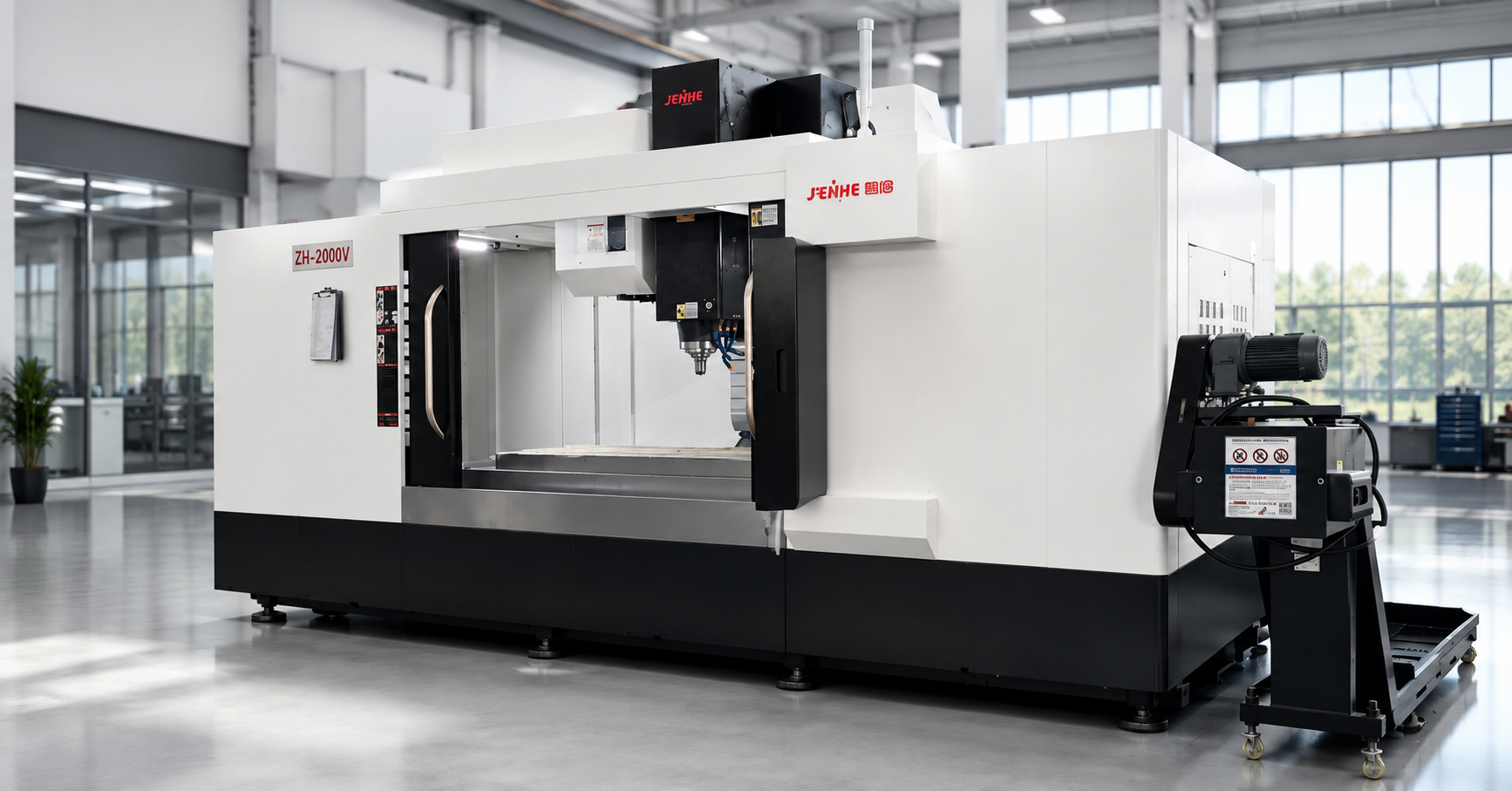
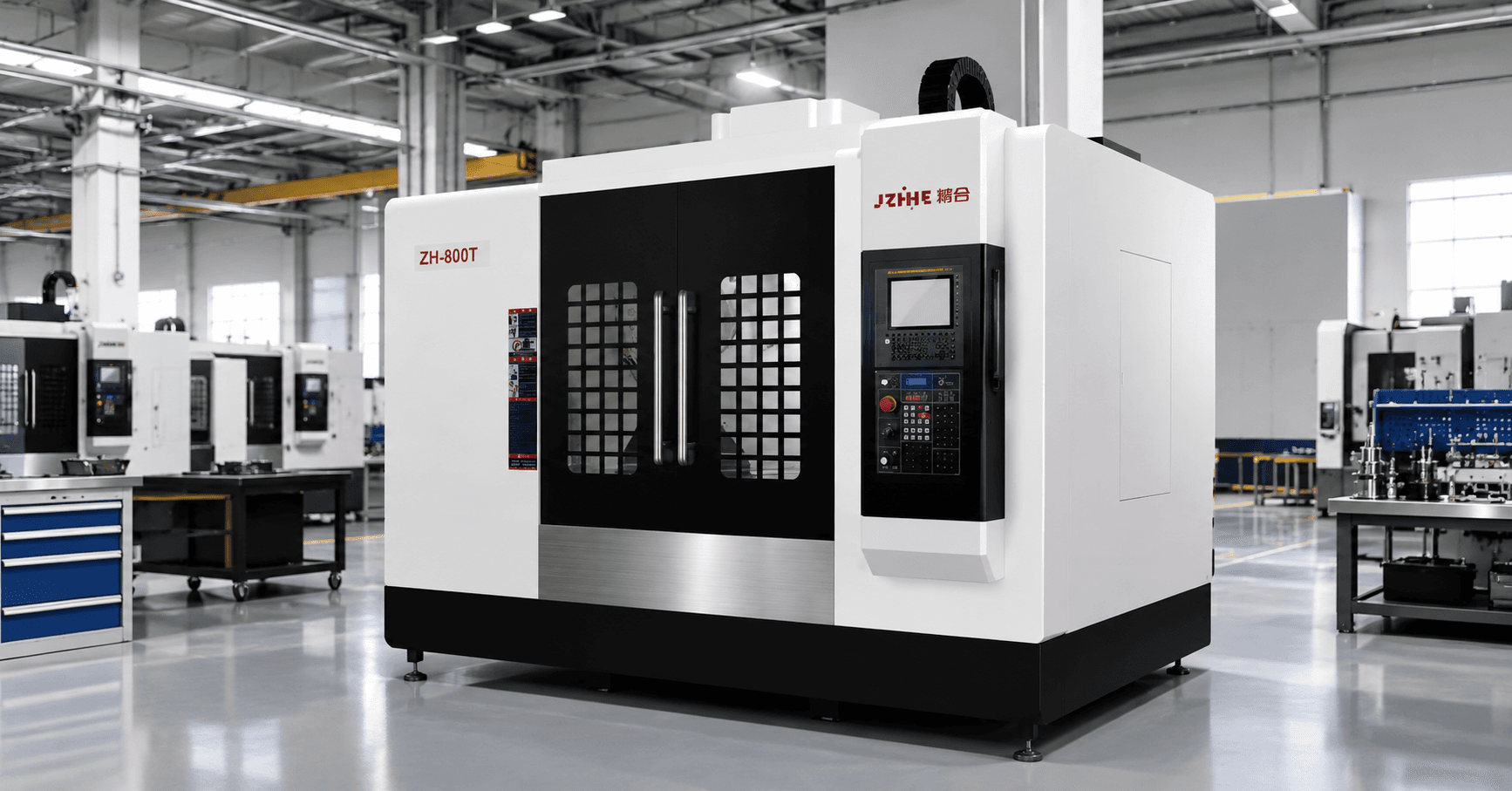
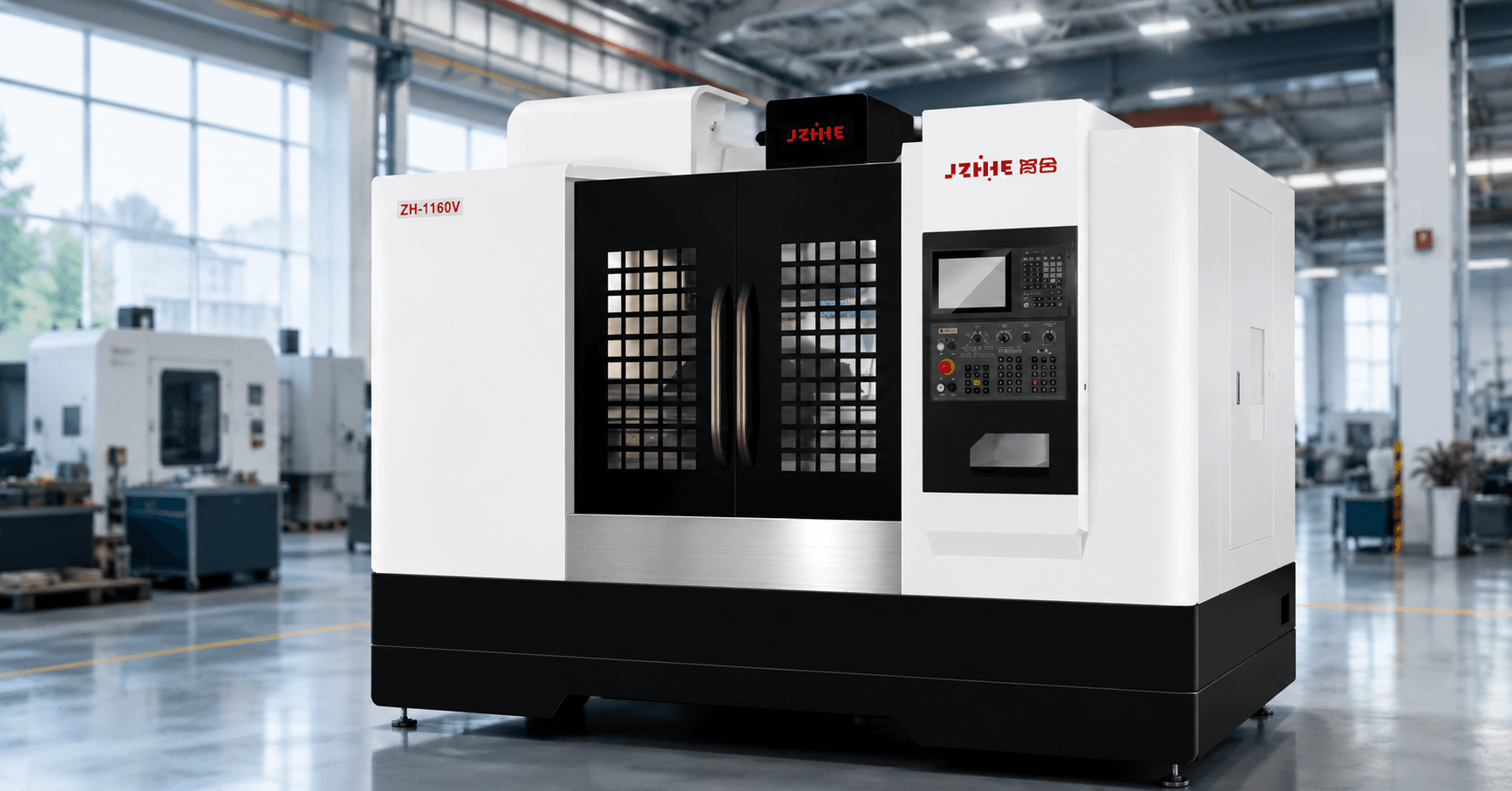
The linked Zhihe CNC model is designed for this kind of long-profile and medium-part production. Its product page lists 2000 / 500 / 500 mm X/Y/Z travel, a 2000 × 500 mm worktable, 500 kg maximum table load, BT40 belt-drive spindle, 7.5 kW spindle motor, 10,000 rpm maximum spindle speed with optional 12,000 rpm, and MITSUBISHI M80VB CNC controller.
What This Type of Machine Is Trying to Solve
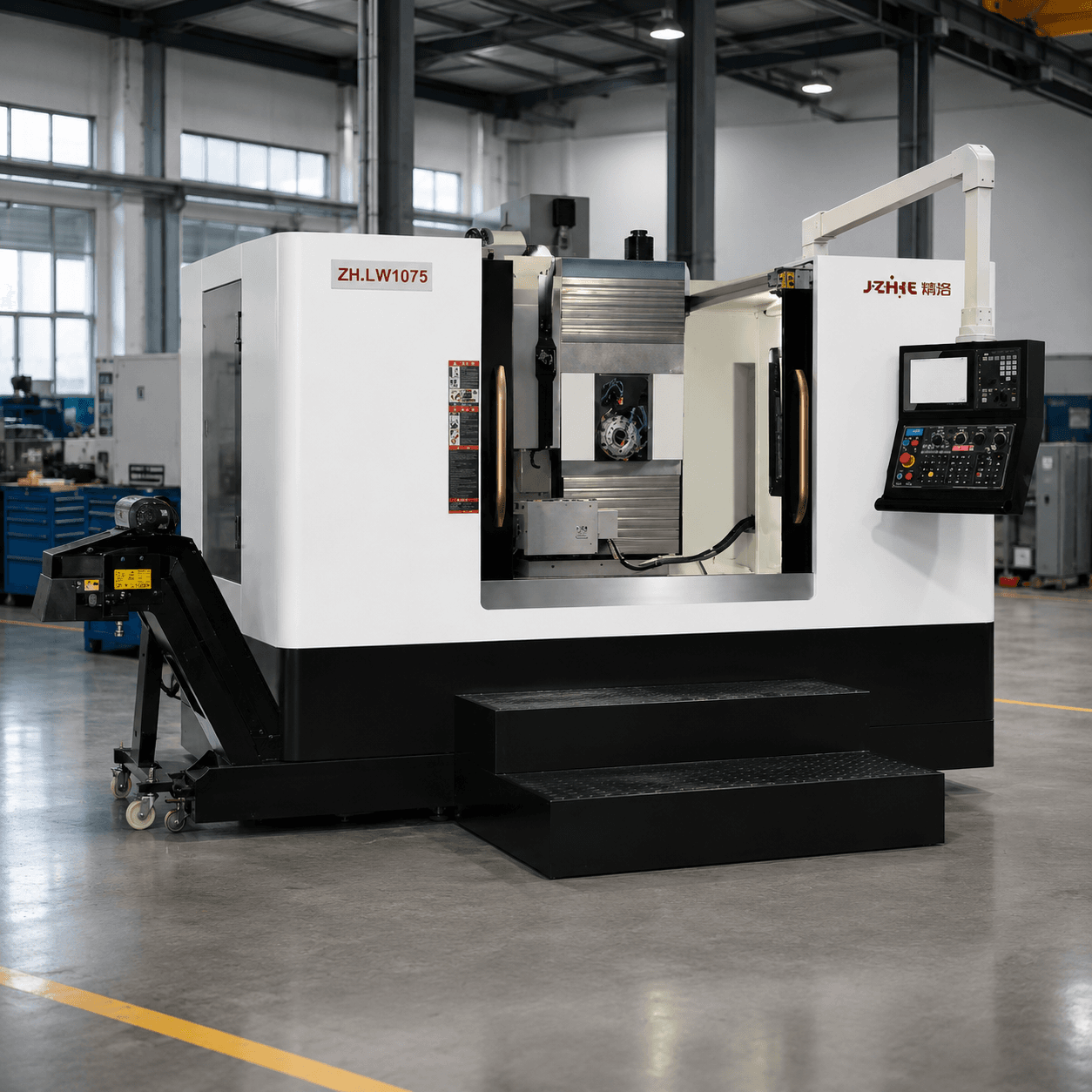
The appeal of a CNC Vertical Machining Center is straightforward. It can support drilling, tapping, milling, contouring, and general precision machining on metal workpieces. For many factories, the vertical format is easier to load, easier to observe, and easier to integrate into existing production than more specialized machine types.
The difference with a long-travel VMC is the workpiece range. The linked machine is listed for maximum workpiece capacity of 2000 × 500 × 500 mm and is positioned for high-precision batch production of long-profile and medium-sized parts. Its target industries include 3C electronic frames, lithium battery and PV aluminum structures, robot guide rails, automotive parts, and automation equipment.
That makes it more suitable for factories where the bottleneck is not simply cutting capability, but part length, clamping consistency, long-distance hole accuracy, and batch repeatability.
Why Long-Profile Machining Needs a Different Buying Logic
A smaller VMC may be enough for short plates, compact housings, brackets, fixtures, and small-batch work. But long profiles create different problems.
If the machine travel is too short, the operator may need to machine one section, loosen the part, move it, re-clamp it, reset the datum, and continue. This adds labor and increases accumulated positioning error. For parts such as battery tray aluminum profiles or robot guide mounting beams, that error may affect assembly.
This is why the 2000 mm X-axis travel is the most important feature to review. It allows many long parts to be machined in one setup instead of segmented clamping. The product page gives a case involving a 6061 aluminum alloy new energy battery tray aluminum profile, sized 1800 × 300 × 80 mm. The previous process required segmented clamping and caused cumulative positioning error of ±0.08 mm; after using the machine, segmented clamping was eliminated and cumulative positioning error was controlled within ±0.015 mm.
For buyers, that is a practical advantage. It is not just about having a longer machine. It is about reducing process risk.
Quick Takeaways from the Machine Configuration
| Buying Point | Product Data | Why It Matters |
|---|---|---|
| X/Y/Z Travel | 2000 / 500 / 500 mm | Supports long-profile and medium-sized parts |
| Worktable | 2000 × 500 mm | Gives space for long fixtures and profile clamping |
| Table Load | 500 kg | Suitable for many medium-sized parts and fixtures |
| Spindle | BT40 belt drive | Common tooling interface for milling, drilling, tapping |
| Spindle Motor | 7.5 kW | Supports profile machining and general metal cutting |
| Spindle Speed | 10,000 rpm, optional 12,000 rpm | Useful for aluminum profiles and precision machining |
| Tool Magazine | 24-tool arm-type BT40 magazine | Reduces tool-change interruptions |
| Controller | MITSUBISHI M80VB | Supports batch machining and rigid tapping |
| Accuracy | ±0.010 mm positioning, ±0.005 mm repeatability | Helps maintain consistency over long travel |
These specifications should be checked against real drawings. A machine may look suitable by model name, but the final decision still depends on workpiece length, material, tolerance, fixture method, and output target.
Where This Machine Fits Best
This type of VMC is most useful for companies that repeatedly machine long or medium-sized metal parts. The product page lists applicable materials including aluminum alloys, copper alloys, carbon steel, and low-carbon alloy steel.
Good-fit buyers include aluminum profile machining factories, battery tray manufacturers, PV aluminum structure suppliers, robot guide rail manufacturers, automation equipment factories, 3C electronic frame suppliers, automotive component shops, and contract machining suppliers handling long-profile parts.
It may not be necessary for shops that mainly machine small blocks, simple brackets, or loose-tolerance parts. In those cases, a smaller vertical machining center may be more economical. But when long parts create setup loss, accuracy drift, or assembly problems, a long-travel machine becomes easier to justify.
Product Case: Battery Tray Aluminum Profile
The product page case for the 6061 aluminum alloy battery tray profile shows the kind of production problem buyers often face. The previous process had insufficient travel, segmented clamping, vibration during long-overhang cutting, hole concentricity issues, and cycle time of about 45 minutes per piece.
The reported solution used the machine’s 2000 mm X-axis travel, BT40 spindle with 7.5 kW motor, and ±0.010 mm / 300 mm positioning accuracy. The result was cumulative positioning error controlled within ±0.015 mm, cycle time reduced to 28 minutes, efficiency increased by 38%, yield improved from 85% to 97%, and daily output increased from 12 to 20 pieces.
These results should not be treated as automatic guarantees for every factory. They are useful as a reference for buyers with similar long-profile machining issues.
Product Case: Automation Equipment Linear Guide Mounting Beam
Another product-page case involves an automation equipment linear guide mounting beam made from 45# carbon steel, sized 1950 × 180 × 120 mm. The customer’s previous machine lacked rigidity for nearly 2-meter parts, with flatness deviation reaching 0.05 mm/m, frequent tool changes causing more than 30% non-cutting time, and batch precision fluctuation causing hole misalignment during assembly.
The reported solution used the machine’s cross-slide structure, X/Y precision linear guides, C3-grade ball screws, 24-tool BT40 arm-type magazine, and MITSUBISHI M80VB system for rigid tapping and pitch error compensation. The results included flatness controlled within 0.02 mm/m, auxiliary time reduced by 65%, cycle time shortened from 52 minutes to 35 minutes per piece, precision fluctuation kept within ±0.008 mm after 100 consecutive pieces, and assembly pass rate improved to 99.2%.
For buyers, this case is especially relevant if their current process creates long-beam flatness problems or assembly misalignment.
What Buyers Should Confirm Before Quoting
Looking at a VMC from the outside only gets you part of the way. A machine can appear similar to another from across the shop floor, yet behave very differently once it is asked to hold dimensions through long production runs.
Before requesting a quotation, buyers should confirm the full specification and send real production data. Important items include part drawings, material, maximum length, fixture method, table load requirement, tolerance target, flatness requirement, hole-position requirement, current cycle time, current setup count, batch quantity, and expected daily output.
The product page lists a standard 4th-axis interface, optional indexer or rotary table, optional Renishaw / Marposs probe for automatic alignment and in-process measurement, chain-type chip conveyor with chip cart, flood coolant, coolant tank, high-pressure wash gun, rear flush, and optional spindle center through-coolant. These options should be selected based on actual production needs, not added only because they sound advanced.
One small note: the product page’s key specification area lists rapid traverse as 30 / 30 / 30 m/min, while the parameter table lists 48 / 48 / 48 m/min. Buyers should confirm the final rapid traverse value in the quotation or technical agreement before ordering.
Common Mistakes When Sourcing This Type of VMC
One common error is choosing only by machine size. A longer travel machine is useful only if the workpiece, fixture, and process actually need it.
Another mistake is ignoring table access and fixture planning. A part may fit the travel range but still be difficult to clamp properly. For long profiles, support along the full length is often important.
A third mistake is focusing only on spindle speed. The linked machine offers 10,000 rpm maximum spindle speed with optional 12,000 rpm, but buyers should also check spindle taper, motor power, tool holder system, material, cutting load, and coolant strategy.
The fourth mistake is skipping trial cutting. The product page states that buyers may conduct pre-acceptance trial cutting at the supplier’s facility after assembly and commissioning, followed by final acceptance trial cutting after delivery, installation, and commissioning at the buyer’s facility. The 12-month warranty begins after final acceptance is confirmed.
Service, Delivery, and Support Details
A machine purchase is not only about the machine itself. Delivery, installation, training, and spare parts support affect how quickly it starts producing.
The product page lists delivery time of approximately 45–60 working days after down payment and signed contract, export wooden case packaging with moisture-proof, shock-proof, and rust-proof treatment, sea or air freight options, on-site installation and commissioning by supplier engineers, free 2–3 days on-site training, 12-month warranty from final acceptance, and long-term genuine spare parts supply.
For overseas buyers, these points should be confirmed early. Foundation, power supply, and lifting assistance are listed as buyer responsibilities, so factory preparation should begin before the machine arrives.
FAQ
Is this machine only for long aluminum profiles?
No. The product page lists aluminum alloys, copper alloys, carbon steel, and low-carbon alloy steel as applicable materials. It is positioned for long-profile and medium-sized parts, including 3C frames, lithium battery and PV aluminum structures, robot guide rails, automotive parts, and automation equipment.
Why is 2000 mm X-axis travel important?
It helps reduce segmented clamping for long parts. In the battery tray profile case, one-time clamping helped control cumulative positioning error within ±0.015 mm.
Should buyers choose optional probing?
Optional probing is worth considering if the factory frequently changes setups, machines long parts with alignment sensitivity, or needs in-process measurement.
What should buyers send before requesting a quote?
Send part drawings, material, dimensions, tolerance target, fixture plan, current cycle time, batch quantity, and any existing machining problems.
Next Step for a Serious Buyer
If you are comparing a Vertical Machining Center for long profiles, automation beams, robot guide rails, battery tray structures, or medium-sized parts, treat the machine as part of the process rather than a standalone asset.
The linked Zhihe CNC model is worth evaluating when your current process suffers from segmented clamping, long-part flatness issues, excessive non-cutting time, hole-position variation, or assembly misalignment. A useful recommendation should start with the workpiece: drawings, material, dimensions, tolerance, fixture method, and capacity target.