5-axis machining center manufacturer: how to choose the right CNC machine
Choosing a 5-axis machining center manufacturer is less about a name on a casting and more about whether the supplier can match part geometry, material, and production rhythm. That matters because a shop buying for brackets and plates has very different needs from a shop cutting contoured aerospace-style surfaces, and the wrong machine family can look capable on paper while wasting time on the floor.
For many buyers, the real decision is not simply between one brand and another. It is between machine categories: a true multi-axis machining platform, an enclosed vertical machining center for prismatic parts, or even a CNC router manufacturer if the work leans toward lighter materials and larger sheet-based formats. The differences show up in enclosure design, rigidity, chip control, fixture strategy, and the type of parts that can be run with confidence.
What the buyer is actually comparing
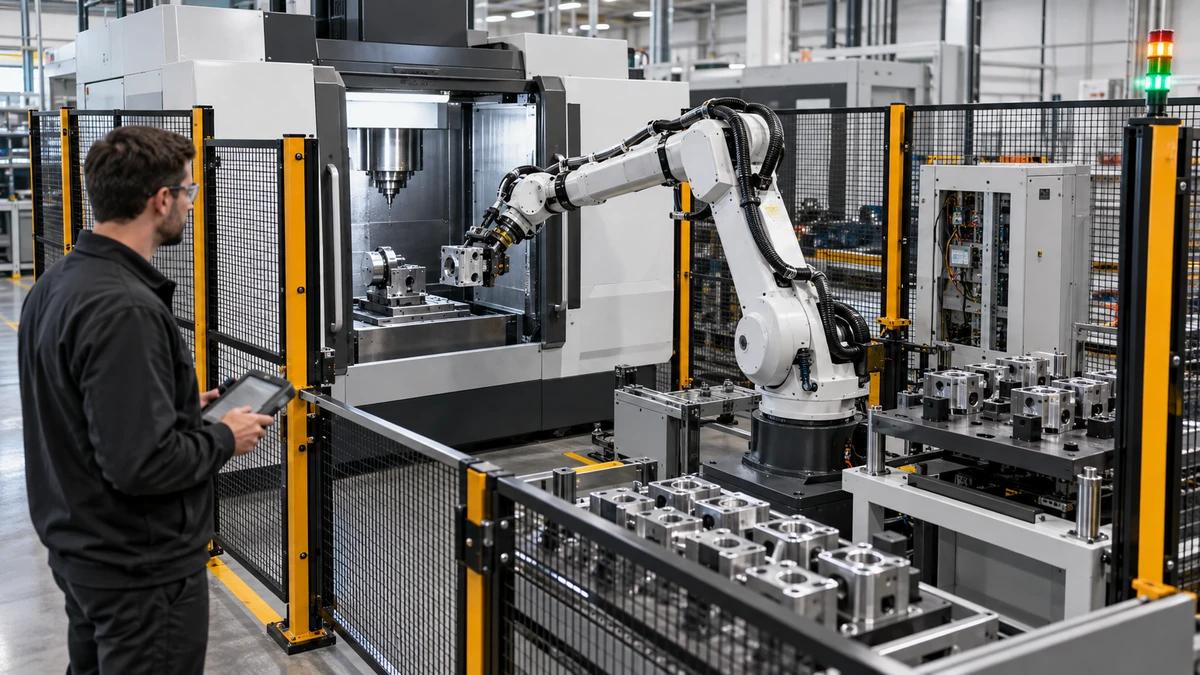
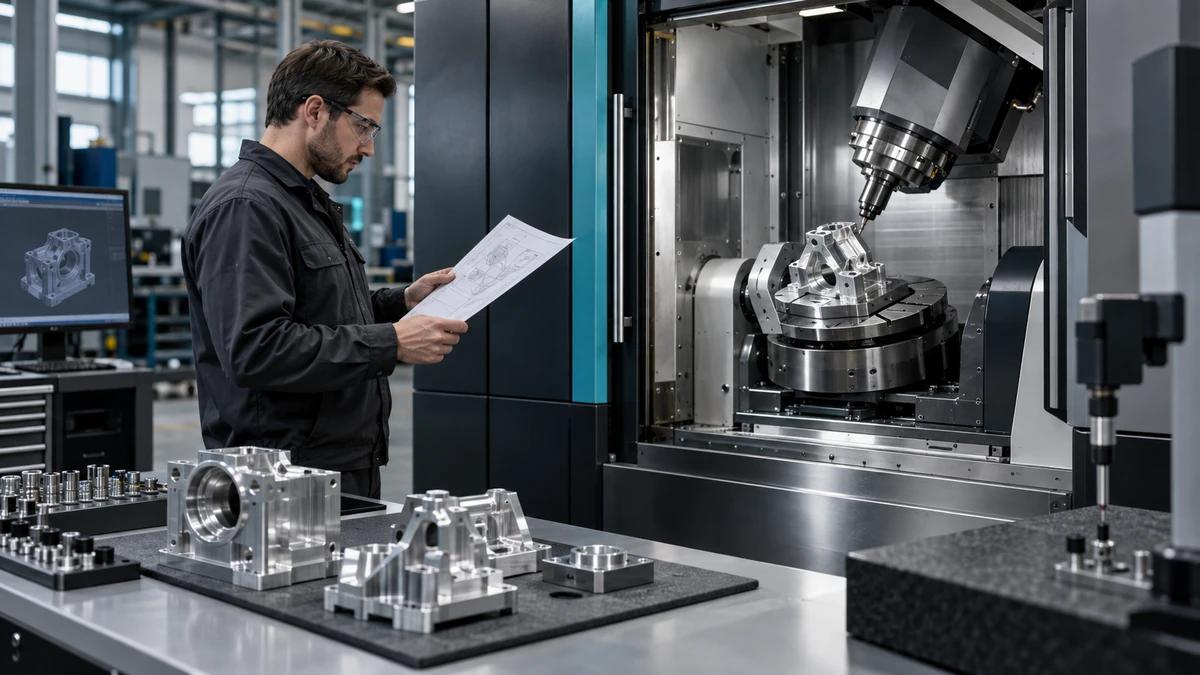
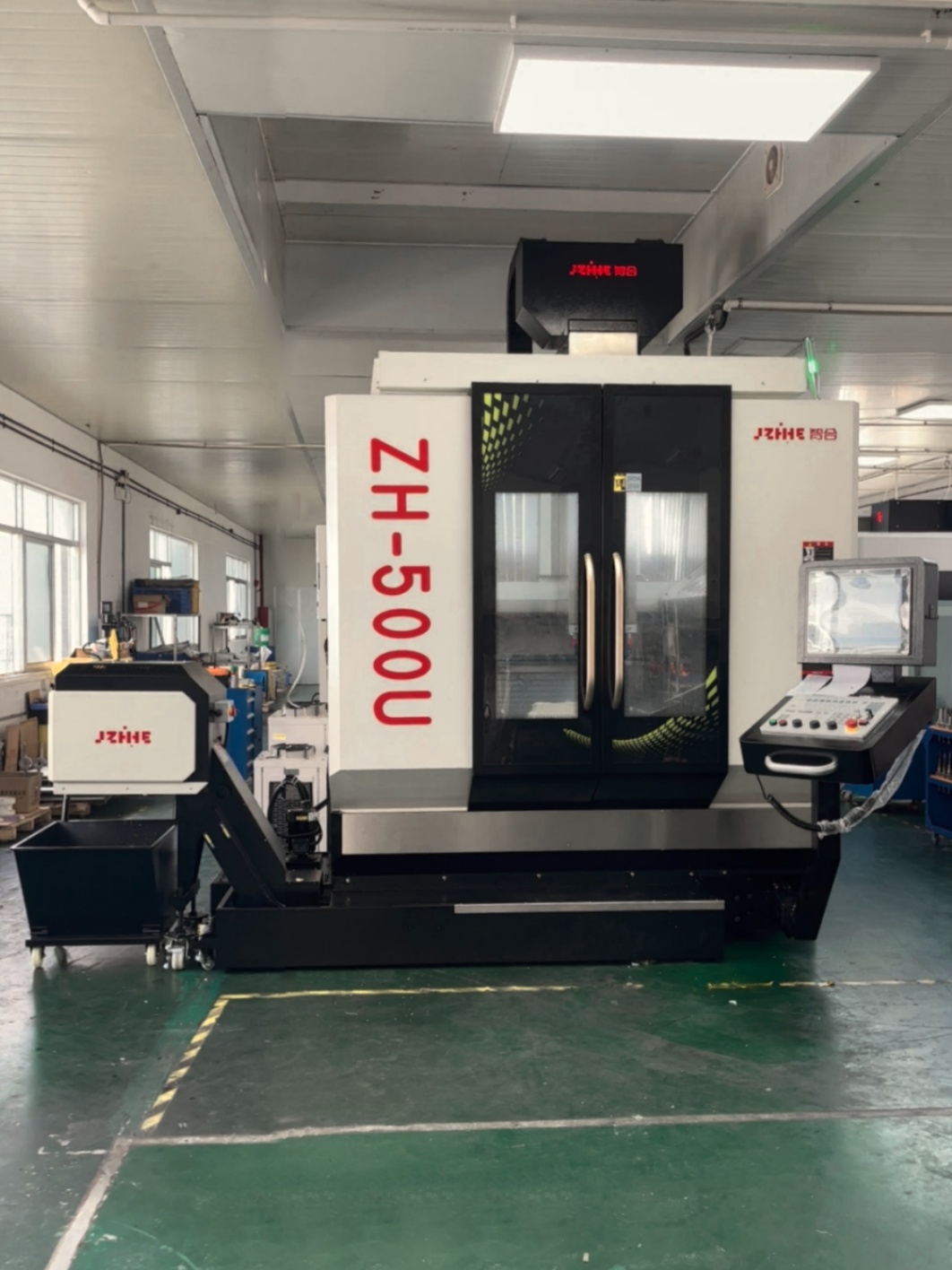
A 5-axis machine is usually selected when a part needs several faces machined in one setup, or when tool access becomes the bottleneck. That makes sense for complex geometry, deep cavities, and parts where clamping loss has a direct cost. A vertical machining center, by contrast, is often the practical choice for brackets, housings, fixtures, molds, plates, and other prismatic parts that benefit from stable holding and clear access from above. The enclosed ZH-855V layout visible in the product information fits that second category more closely than a full 5-axis machine, so buyers should be careful not to read too much into a model label alone.
This is where a CNC milling center for sale listing can be useful but also misleading. The phrase covers a wide range of equipment, from basic vertical mills to high-spec production centers. A buyer who only compares table size or door style can miss the real differences in axis count, control options, tool handling, and how well the machine supports the actual workpiece mix.
Comparison by job type
Complex parts and reduced setups
If the job involves multi-face machining on a single clamped part, a 5-axis machine usually has the advantage. Fewer re-clamps reduce accumulated positioning error and shorten part handling time. That can matter a great deal in precision work, especially when the cost of a mistake is not just scrap but also a lost production slot.
General metalworking and repeatable prismatic parts
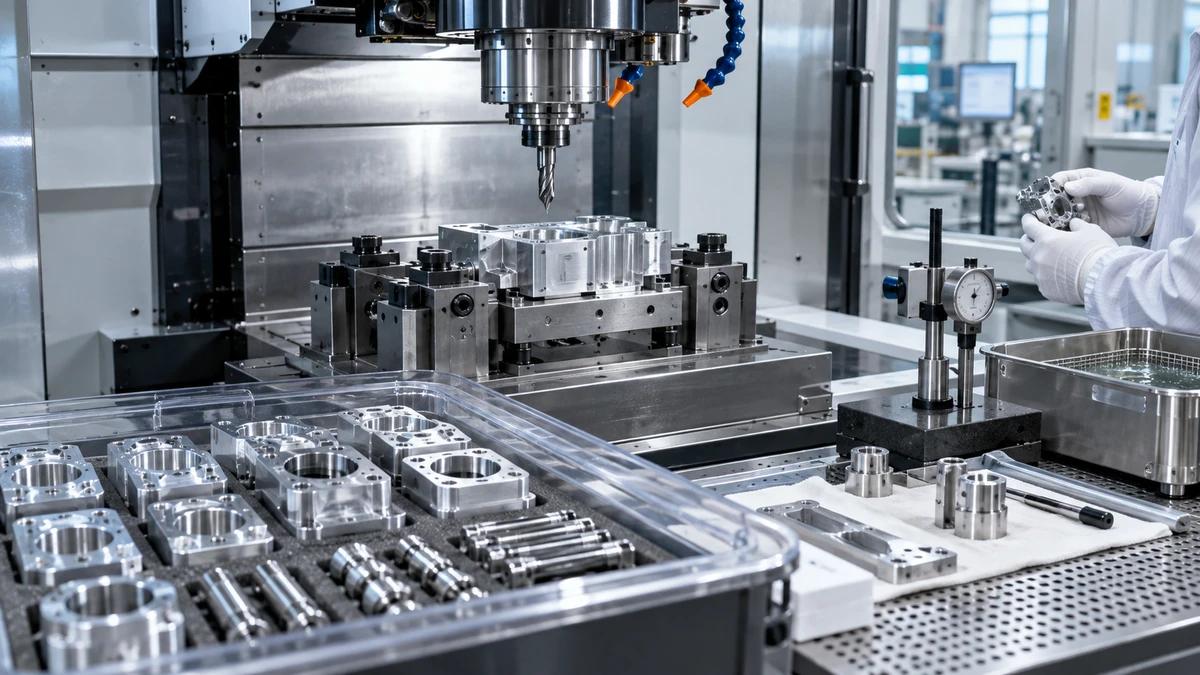
For general machining of metal parts, the enclosed vertical machining center remains the workhorse. The visible box-style body, front sliding double doors, integrated control cabinet, and chip-containment enclosure are all signs of a machine designed for shop-floor practicality. These machines are often favored in job shops and small-batch production because they are straightforward to fixture, easier for operators to monitor, and better suited to drilling, tapping, milling, and finishing work on standard workpieces.
Large flat parts and lighter materials
A CNC router manufacturer may be the better fit when the material is wood, plastic, foam, or light composite sheet, and when the part format is broad rather than heavy. Routers are useful in their own lane, but they are not a substitute for a rigid metal-cutting machining center. Buyers sometimes cross-shop the two categories because both can carry a programmed spindle, yet the intended cutting duty is very different.
Why enclosure and structure matter
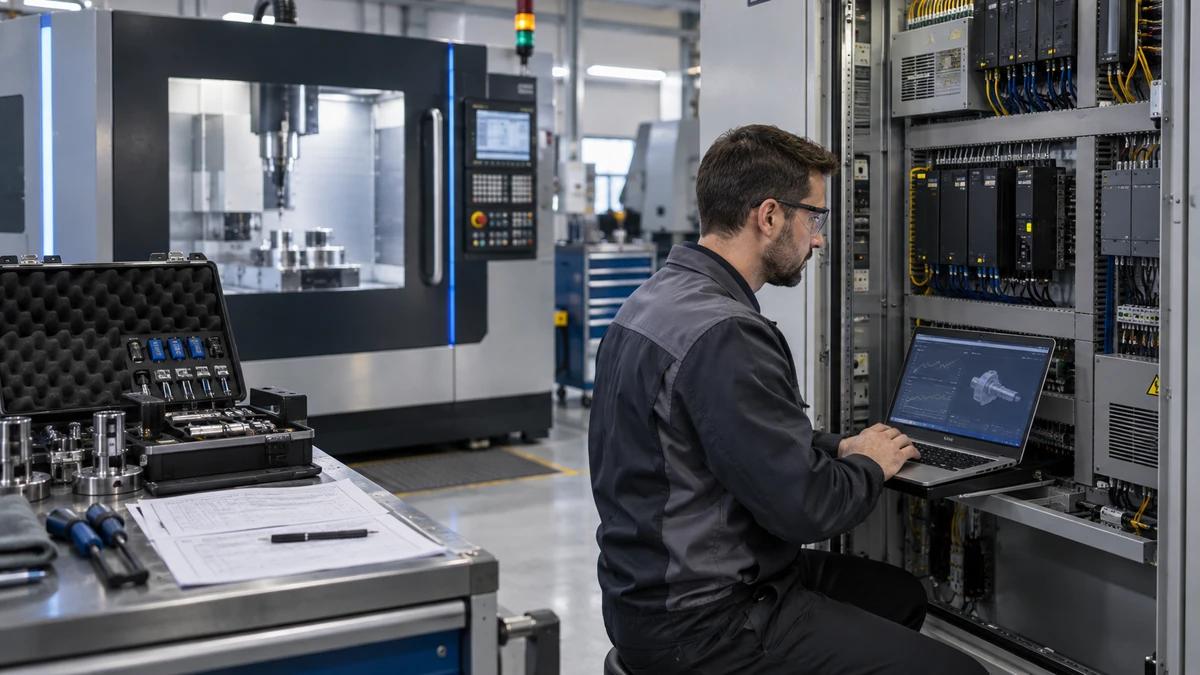
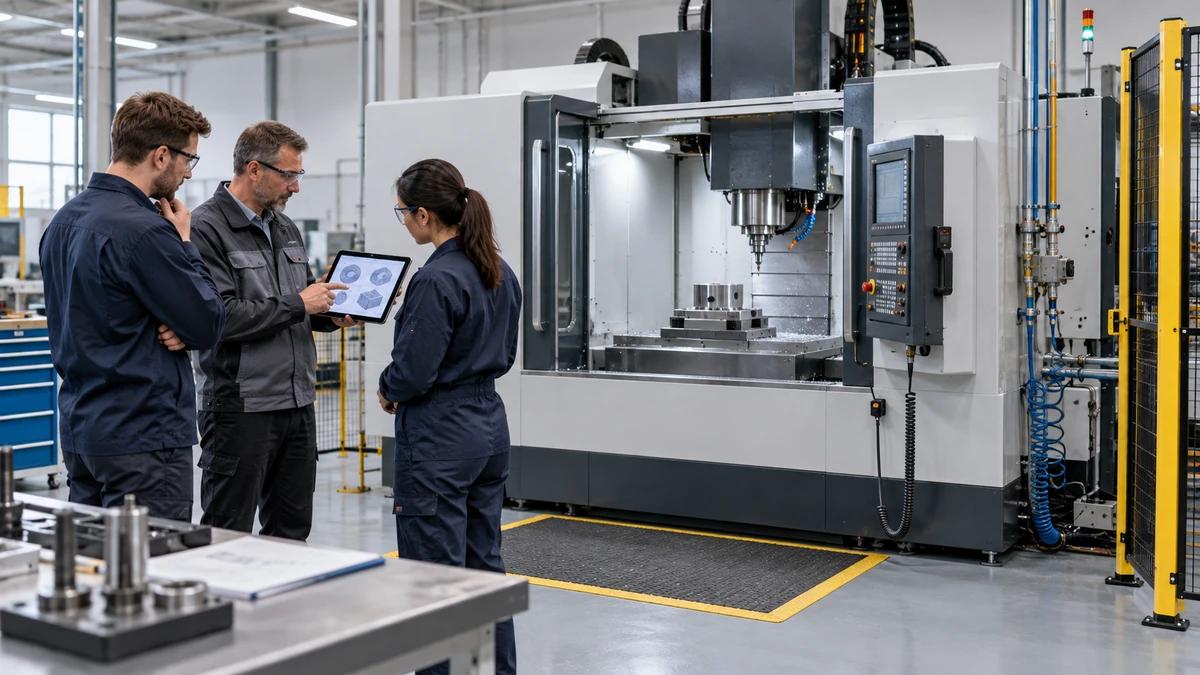
The ZH-855V marked machine shows an enclosed work area, spindle head inside the enclosure, T-slot table, coolant hoses, and an operator panel with emergency stop and manual controls. Those details matter because they speak to containment, operator protection, and day-to-day cleanup. In metal cutting, chips and coolant are not side issues; they affect visibility, cycle confidence, maintenance burden, and even whether the machine can stay in service for long runs without constant intervention.
Zhongshan Zhihe CNC Technology Co., Ltd. says its products are positioned around practical performance, stable structure, and configuration flexibility. That is the kind of claim a buyer should interpret in context: not as a promise that one machine fits every workshop, but as an indication that the supplier expects to help with machine selection, control-system choice, fixture support, trial cutting, installation guidance, training, and spare-parts support. For plants balancing new programs and limited operator time, that surrounding support can matter as much as the iron itself.
How to narrow the shortlist
Start with the part, not the catalog. If the work is mostly aluminum housings, steel plates, fixtures, or small-batch production pieces, an enclosed vertical machining center may be the right baseline. If the work requires frequent multi-face access or complex contours, the conversation should move toward a true 5-axis solution. If the project is mostly signboard material, wood, or light composite panels, then a CNC router manufacturer may be the more sensible source.
Ask for the details that affect production, not just brochure features. Buyers should request confirmation of axis configuration, spindle specification, travel range, table size, tool magazine capacity, controller brand, coolant setup, and any accuracy data that can be backed by documentation. In a market where machine names can sound similar, that level of clarity avoids expensive assumptions.
Common mistake: buying for the brochure
One practical warning is worth repeating. An enclosed machining center with a modern panel and rigid appearance is not automatically a 5-axis machine, and a machine labeled for broad applications may still be optimized for standard vertical work. The image of the JZHE / 智合 ZH-855V points to a dependable vertical machining platform, but the buyer still needs to verify the actual configuration before matching it to a job. That sounds obvious, yet it is exactly where procurement teams get caught when speed matters.
What to ask before requesting a quote
Zhongshan Zhihe CNC Technology Co., Ltd. asks buyers to provide workpiece drawings, material, dimensions, accuracy requirements, machine type needs, and production volume. That is the right starting point. It allows the supplier to recommend a suitable machine family, not just a catalog number. For buyers in automotive parts, 3C electronics, aluminum processing, precision hardware, communications equipment, molds, home appliances, or lithium battery equipment, that matching step can save weeks of trial and error.
If you are comparing a 5-axis machining center manufacturer against an enclosed vertical machining center supplier, or weighing a CNC milling center for sale against a router-based option, define the part first and the machine second. Then ask the supplier to explain why one structure is better than another for that specific job. The best answer should sound practical, not promotional.
Next step
If you are sourcing for prismatic metal parts, send the drawing package and production targets to Zhongshan Zhihe CNC Technology Co., Ltd. The company can help with model selection, configuration matching, fixture support, trial cutting, and after-sales service. For overseas buyers, it also offers packaging photos, shipping documents, and delivery support, which can make the handoff a little less uncertain than usual.