Choosing Between a 5-Axis Supplier and a Standard Milling Vendor
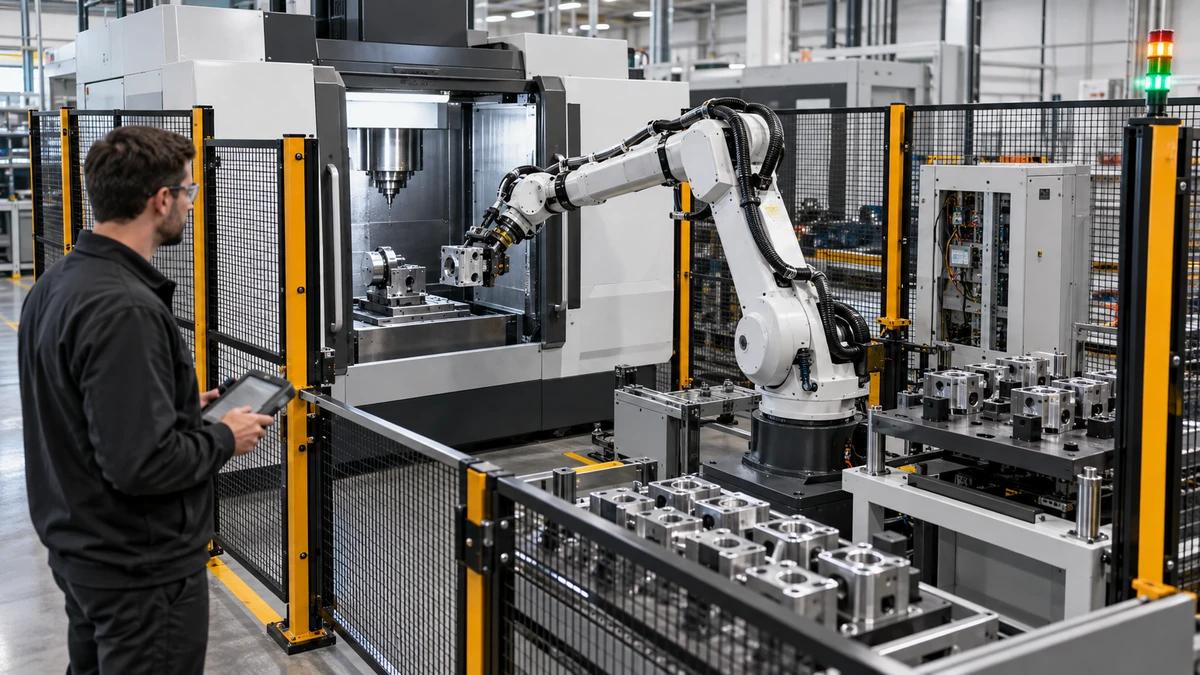
When buyers search for a 5-axis machining center manufacturer, they are usually not shopping for a machine in the abstract. They are trying to solve a production problem: fewer setups, tighter geometry control, better access to complex surfaces, and less time lost moving parts from one fixture to another. That is a different decision from buying a general vertical machine, and it is even farther from choosing a CNC router manufacturer, where the priorities may lean toward lighter materials, larger sheet processing, or faster profiling rather than rigid metal cutting.
This difference matters. A machine that looks strong on paper can still be the wrong fit if the workpiece mix, part size, or process flow do not match the machine class. Buyers need to decide not only what axis count they want, but what kind of production discipline they need from the supplier.
What the Visible Machine Tells Us
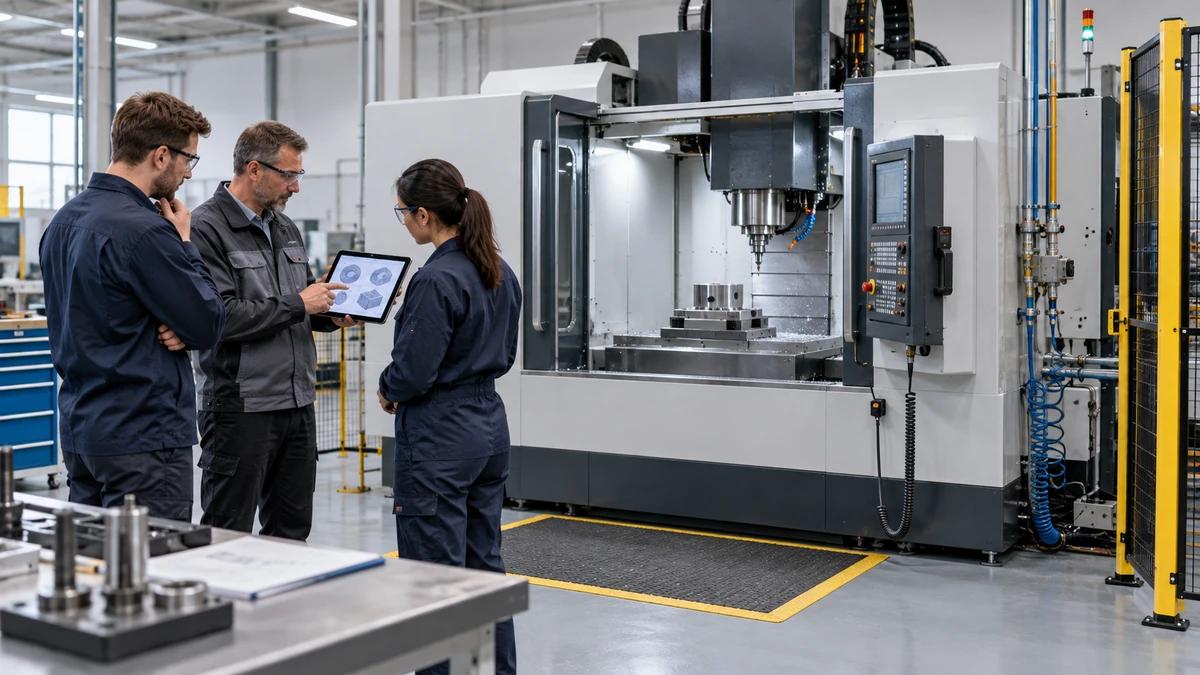
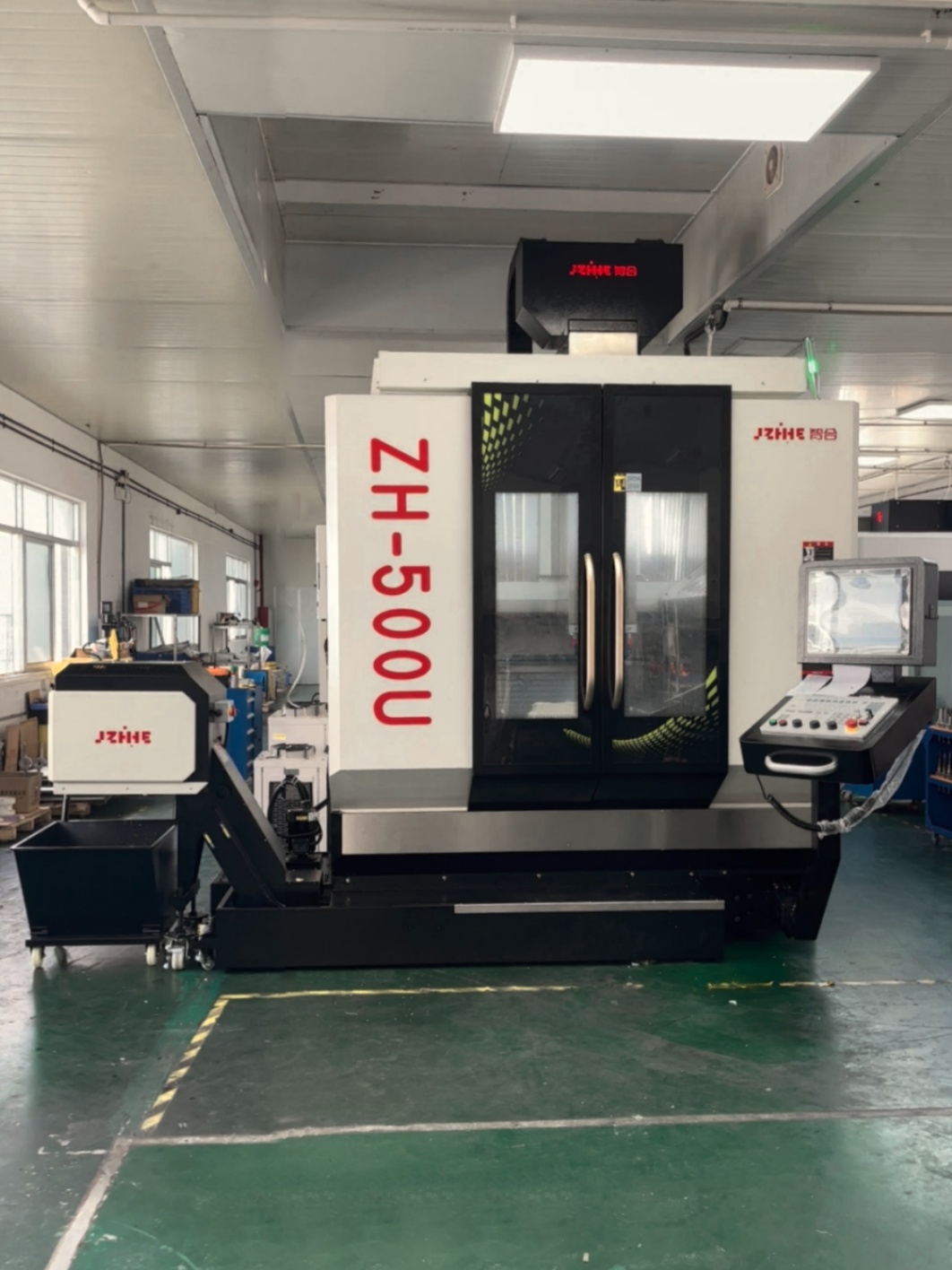
The product information here points to an enclosed vertical CNC machining center, model marking ZH-855V, with a rigid cabinet, front access doors, a vertical spindle, a T-slot table, and an operator panel mounted on the right side. That is a familiar layout for precision milling, drilling, tapping, and general 3-axis work in a job shop or toolroom.
It is worth being precise about that. The visible machine is not presented as a 5-axis unit, and the exact axis count is not something to guess from a photo. Still, the design tells a useful story. An enclosed vertical machine is built around chip containment, operator safety, and repeatable part setup. For many manufacturers, that is the everyday workhorse. For more complex components, a 5-axis platform becomes attractive because it can reduce re-clamping and improve access to angled features.
Comparison: 5-Axis vs Vertical Machining Center vs Router
5-axis machining center
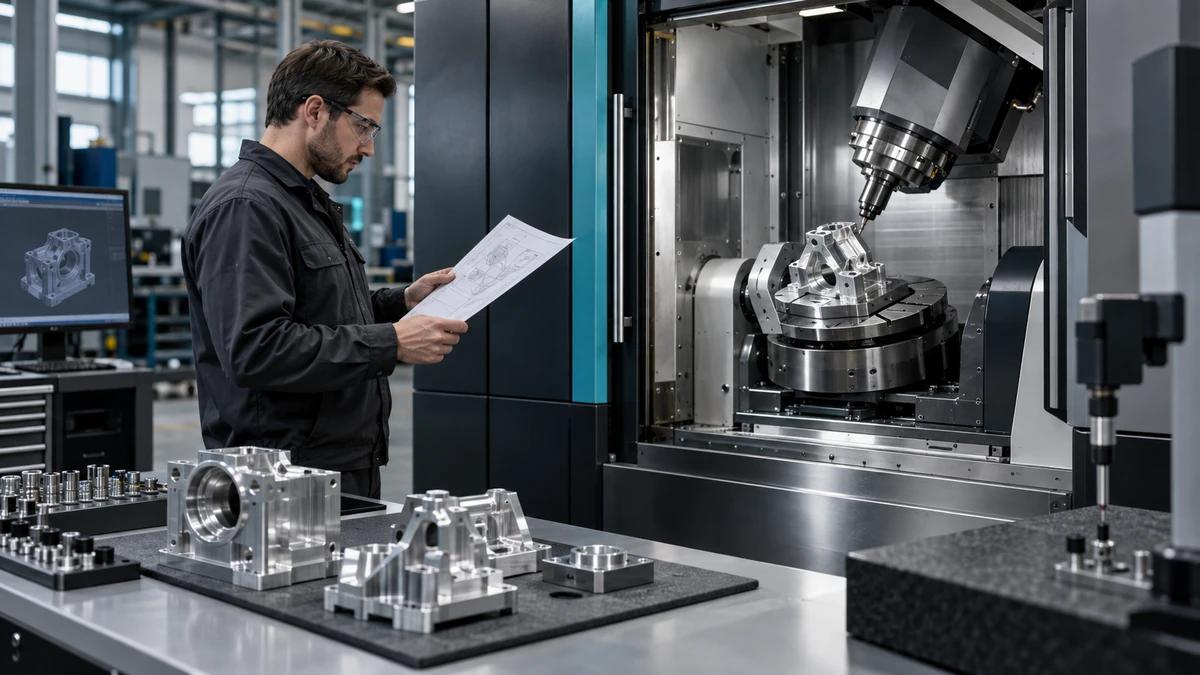
A 5-axis machine is usually chosen for parts with multiple faces, contoured surfaces, deep features, or tight positional relationships between surfaces. It can help reduce manual intervention and simplify fixturing, but it also asks more from the buyer: programming skill, process planning, and a supplier that understands machine structure, control options, and application support.
Enclosed vertical machining center
A vertical machining center such as the visible ZH-855V-style configuration is often the more practical choice for flat parts, housings, plates, fixtures, and general metal components. It is easier to understand, easier to integrate into a conventional production line, and often easier to justify when a factory is scaling capacity without changing its entire process model.
CNC router manufacturer
A CNC router manufacturer may be the right conversation for wood, plastics, composites, or some light-duty nonferrous work. But buyers should not mistake a router for a rigid metal-cutting center. The frame, spindle behavior, enclosure philosophy, and cutting priorities are different. That distinction is simple, but it is still one of the most common sourcing mistakes.
What to Ask a Manufacturer Before You Buy
The best manufacturers do more than quote a model number. They help match the machine to the part. Zhongshan Zhihe CNC Technology Co., Ltd., for example, says its scope includes vertical machining centers, horizontal machining centers, gantry machining centers, drilling and tapping centers, CNC milling machines, and 5-axis machining centers, along with engineering, assembly, inspection, and service support. That broader catalog matters because it suggests the supplier can compare machine types instead of pushing one answer for every application.
For buyers, the useful questions are practical:
Can the machine fit your part family without constant re-fixturing? Does the enclosure and chip management suit your shop environment? Is the control panel intuitive for the operators who will actually use it? Can the manufacturer recommend a model based on workpiece material, accuracy target, and production volume rather than just selling a headline specification?
Those questions sound basic, but they separate a machine broker from a process-minded manufacturer.
Selection Criteria That Actually Affect Production
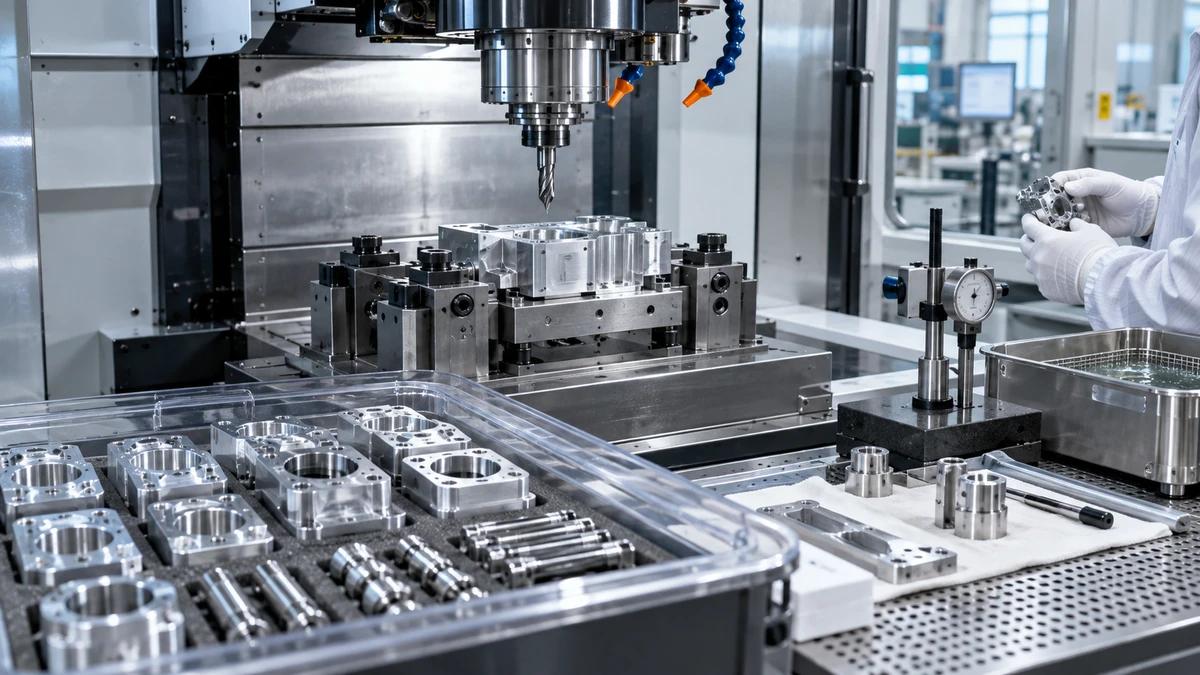
Start with the workpiece. A precision aluminum housing, a steel fixture plate, a mold component, and a mixed-batch job shop part all stress the machine differently. Then look at the process. If the job depends on drilling, tapping, and face milling in repeated cycles, a robust vertical platform can be the most economical answer. If the part needs access from multiple angles, a 5-axis machine may justify its higher complexity by cutting out handling steps.
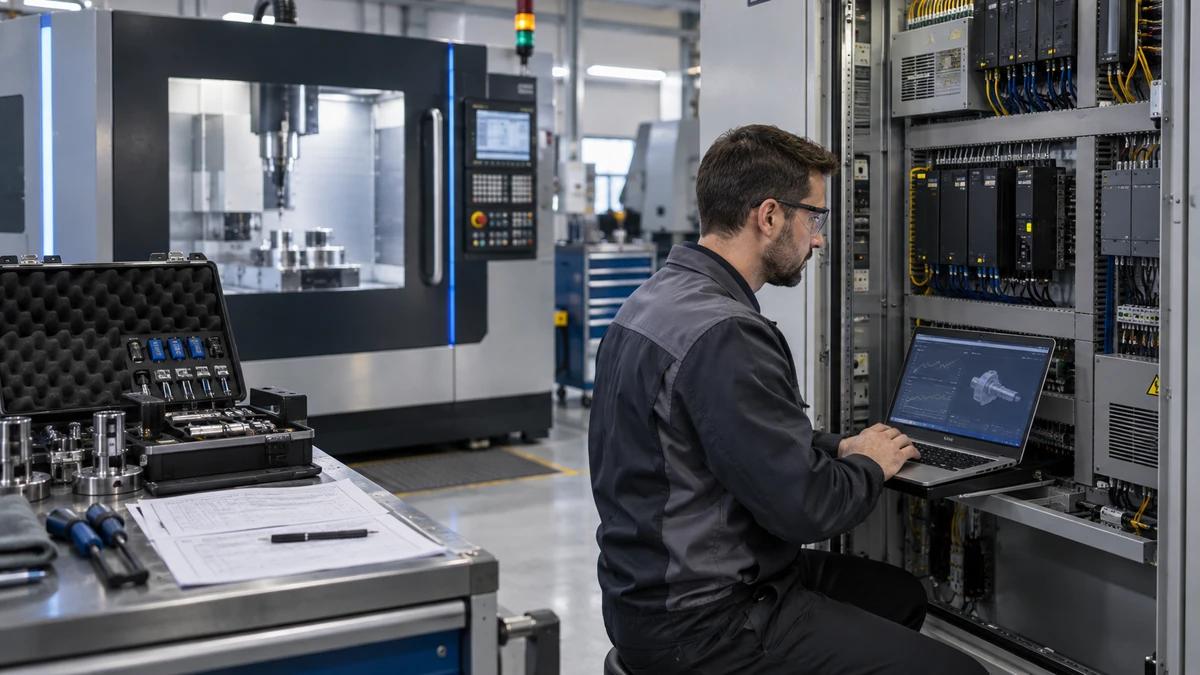
Also consider the support package. Zhongshan Zhihe CNC Technology Co., Ltd. notes that it can support machine selection, control system choices, fixture support, test cutting, installation guidance, operator training, warranty service, and spare parts support. That kind of support is often more valuable than a brochure full of unverified claims. In real production, the machine is only one part of the purchase.
Common Buyer Mistakes
One mistake is overbuying axis count for simple work. Another is underbuying rigidity for difficult metal cutting. A third is assuming every enclosed machine is interchangeable. Even visually similar machines can differ in table layout, accessibility, and how comfortably they handle daily loading and unloading.
Buyers also sometimes focus on a single spec and ignore the rest of the system. A machine that looks attractive as a CNC milling center for sale still needs to fit your tooling habits, operator skill level, and maintenance expectations. That is especially true in factories where uptime matters more than novelty.
FAQ for First-Time Buyers
Do I need a 5-axis machine for every complex part? Not always. Some parts can be completed efficiently on a vertical machining center with good fixturing and process planning.
Is an enclosed vertical machine mainly for safety? Safety is part of it, but the enclosure also helps with chip and coolant containment, which supports cleaner, more controlled operation.
Should I choose a supplier with multiple machine categories? Often yes. A supplier that offers different machine types is usually better positioned to recommend a fit based on your actual application instead of a generic pitch.
Next Step for Buyers
If you are comparing machine options, send the supplier your part drawing, material, dimensions, accuracy requirements, and expected output. That is the fastest way to separate a serious manufacturer from a vague quote. For buyers evaluating 5-axis and vertical machining options, the right decision is rarely about the flashiest configuration. It is about matching the machine class to the part, the operator, and the production rhythm you already run.
For inquiries, Zhongshan Zhihe CNC Technology Co., Ltd. provides contact support through Liu Xiaobang, and the company says it can help with recommendation, packaging, shipping coordination, and after-sales service for domestic and overseas customers.