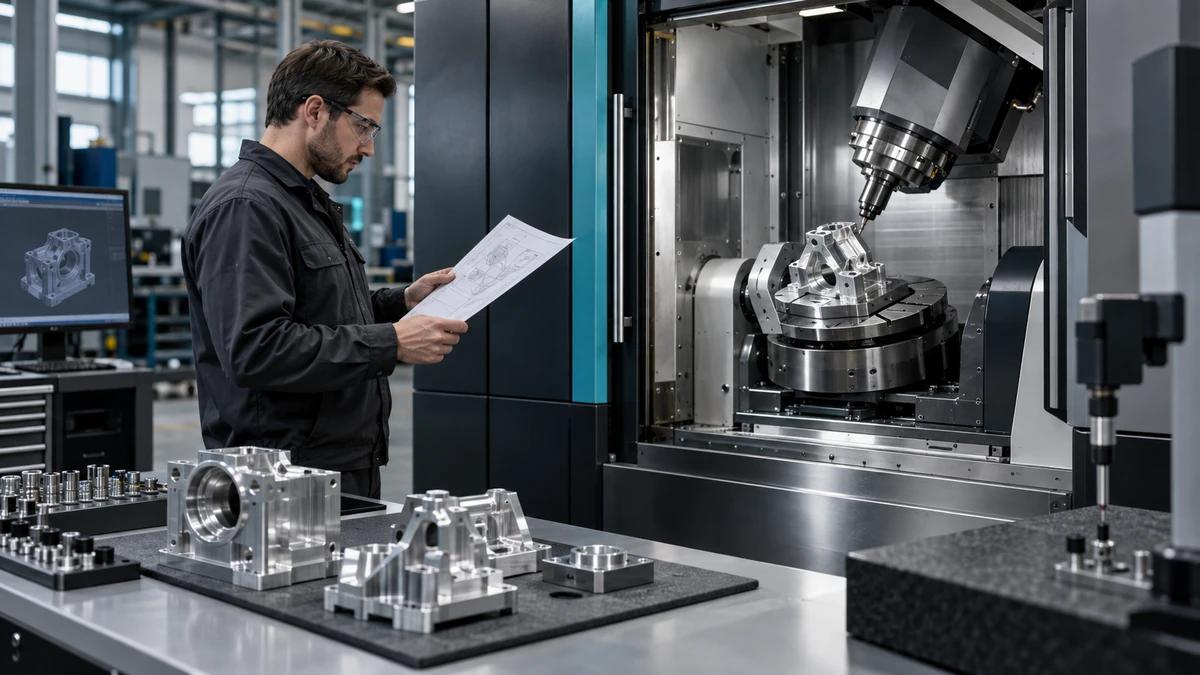
Choosing a 5-axis machining center manufacturer is really a comparison exercise
When buyers start looking for a 5-axis machining center manufacturer, they are rarely shopping for a machine in isolation. They are comparing how much complexity they can justify, what kind of parts they actually run, and whether the supplier can support the machine after it lands on the shop floor. That matters because a machine that looks impressive in a brochure can still be the wrong fit if the workpiece mix, fixture strategy, or operator skill level does not match the process.
This is where the real decision starts: not with a headline about speed, but with a comparison between machine types, control requirements, and the manufacturer’s ability to guide selection. A buyer might also be looking at a CNC router manufacturer or a CNC milling center for sale, yet those options serve very different production realities. The best choice depends on whether the shop is cutting aluminum, steel, molded parts, multi-face components, or simpler prismatic work.
What a 5-axis machine offers that a standard vertical machine does not
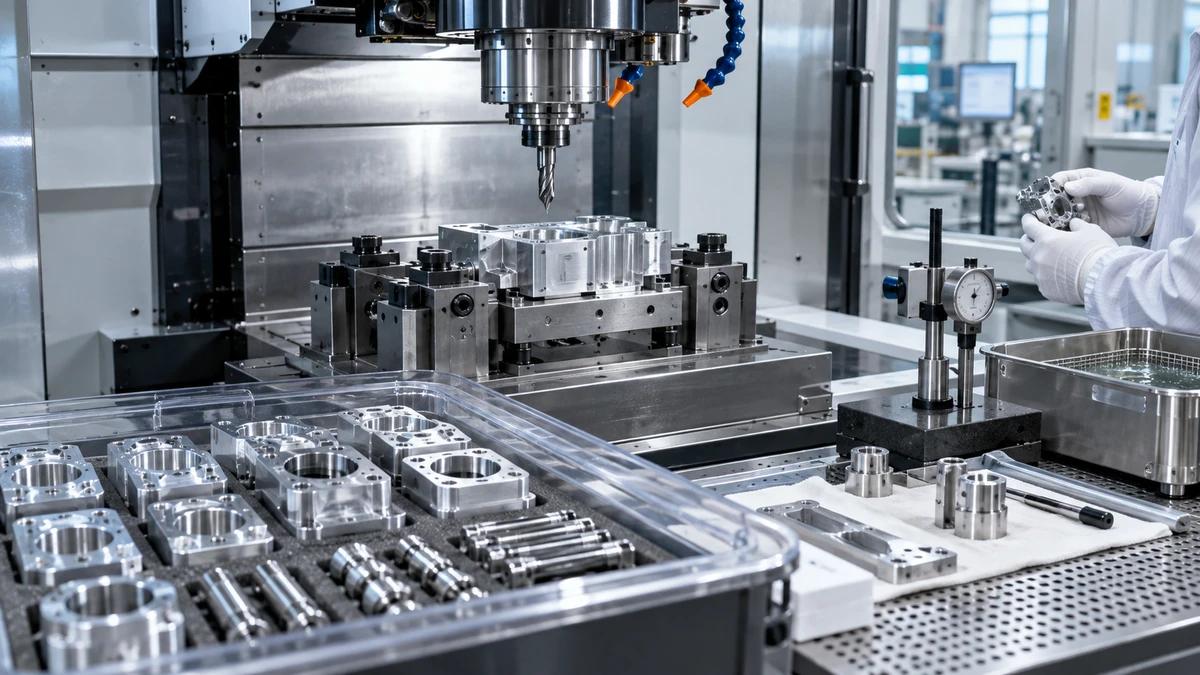
A 5-axis machine is usually chosen for parts that need more access in fewer setups. That can reduce clamping changes, improve surface continuity, and make awkward geometries more manageable. For mold work, aerospace-style components, and certain medical or precision parts, those advantages can be decisive. The catch is that five axes also bring more programming complexity, more setup discipline, and a higher need for collision awareness.
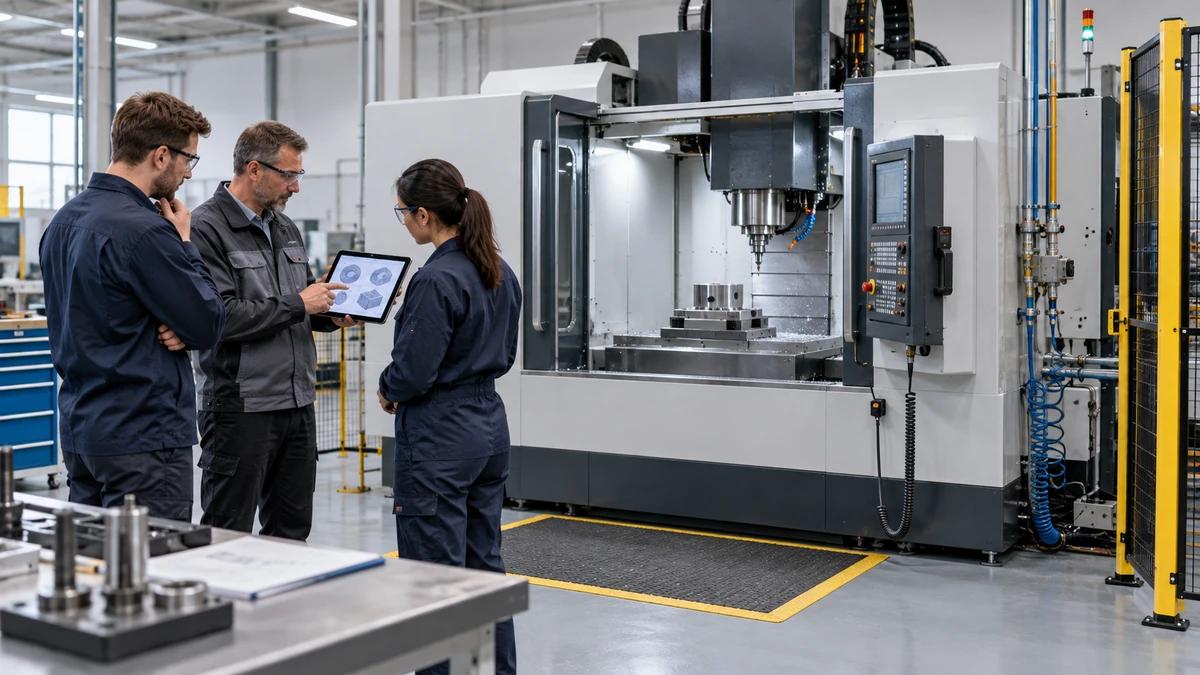
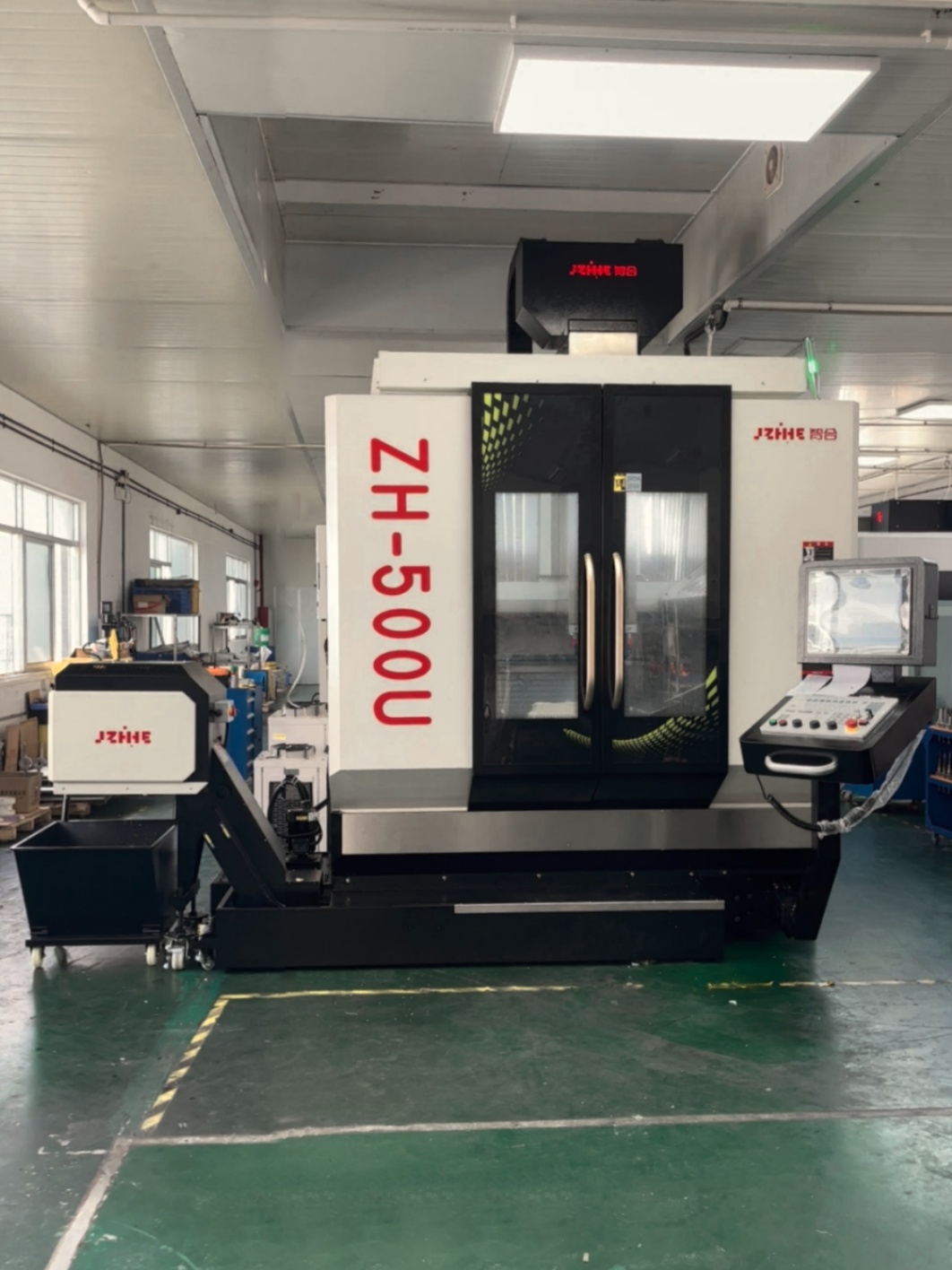
By contrast, a vertical machining center is often the more practical option for job shops and general industrial production. The visible ZH-855V model from Zhongshan Zhihe CNC Technology Co., Ltd. is an enclosed vertical CNC machining center with a front-access cabinet, integrated control panel, and coolant delivery lines inside the chamber. That design points to a machine built for controlled metal cutting, chip containment, and repeatable production work. It is not trying to be everything at once, and that is often a strength.
Comparing machine types against real shop needs
Buyers sometimes ask whether they should move directly to a 5-axis platform, but the better question is what their part mix demands. If most jobs are drilling, tapping, contour milling, and face machining on aluminum or steel, a vertical machining center may be the cleaner answer. If the parts require multiple angled surfaces in one clamping, then five-axis capability can save labor and reduce cumulative error.
A CNC router is a different conversation again. A CNC router manufacturer usually serves panel materials, composites, plastics, wood, and lighter routing applications. Routers can be fast and efficient for large sheet work, but they are not a direct substitute for a rigid metal-cutting machining center. In practice, confusing the two leads to bad procurement decisions: a router may look economical, while a machining center may look heavier than necessary, yet only one will suit the material and tolerance demands of the job.
Likewise, a CNC milling center for sale can describe many things, from compact shop-floor machines to more capable enclosed production centers. The phrase is broad, which is why buyers should look beyond the sale listing and compare the machine structure, control interface, enclosure, coolant handling, and service support. A low-friction purchase is not always a low-risk one.
Where Zhongshan Zhihe fits in the decision
Zhongshan Zhihe CNC Technology Co., Ltd. was established in 2018 and focuses on vertical machining centers, horizontal machining centers, gantry machining centers, drilling and tapping centers, CNC milling machines, and 5-axis machining centers. That mix matters because it suggests a supplier that can compare machine families instead of pushing one category for every application.
The company describes its equipment as practical, stable in performance, structurally reliable, and flexible in configuration. It also supports selection based on workpiece, material, precision requirements, and production capacity. For buyers, that kind of application guidance is often more useful than a one-size-fits-all pitch, especially when the real challenge is choosing between a vertical machine and a more advanced multi-axis option.
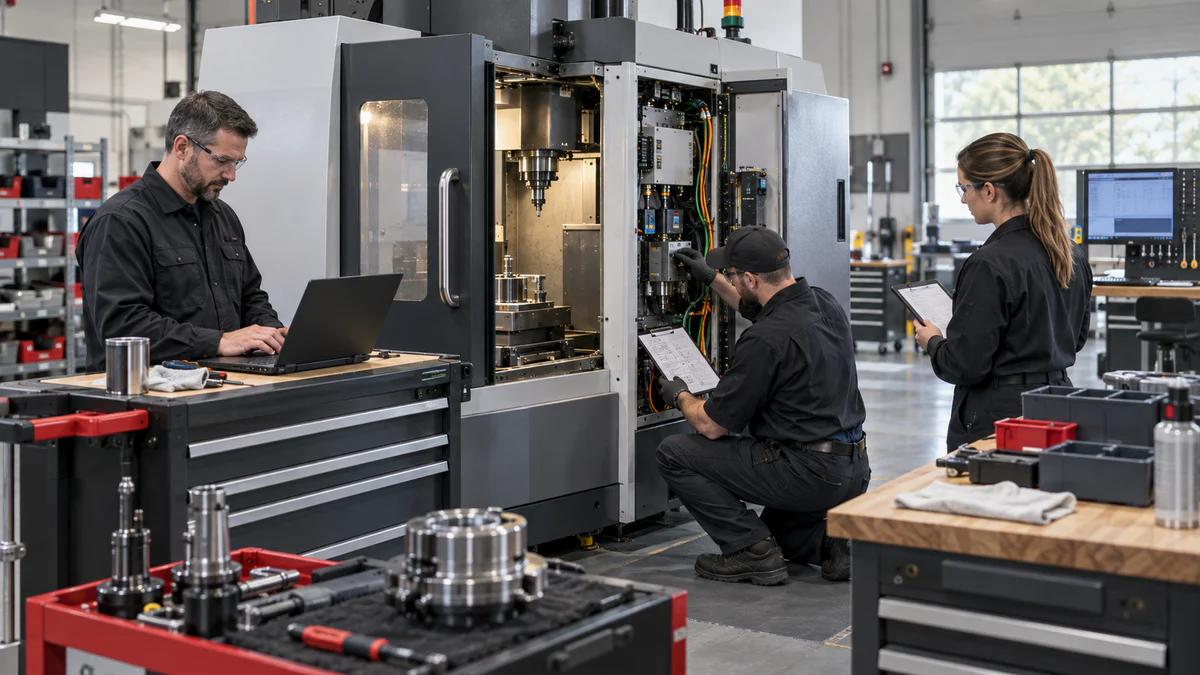
Its service scope includes engineering, assembly, inspection, sales, technical support, installation guidance, operator training, warranty service, and spare parts support. For overseas buyers, the company also mentions safe packaging, transport coordination, shipping photos, and dispatch documents. Those details may sound administrative, but in machine tool procurement they are part of the machine’s real value.
Selection criteria that matter more than marketing language
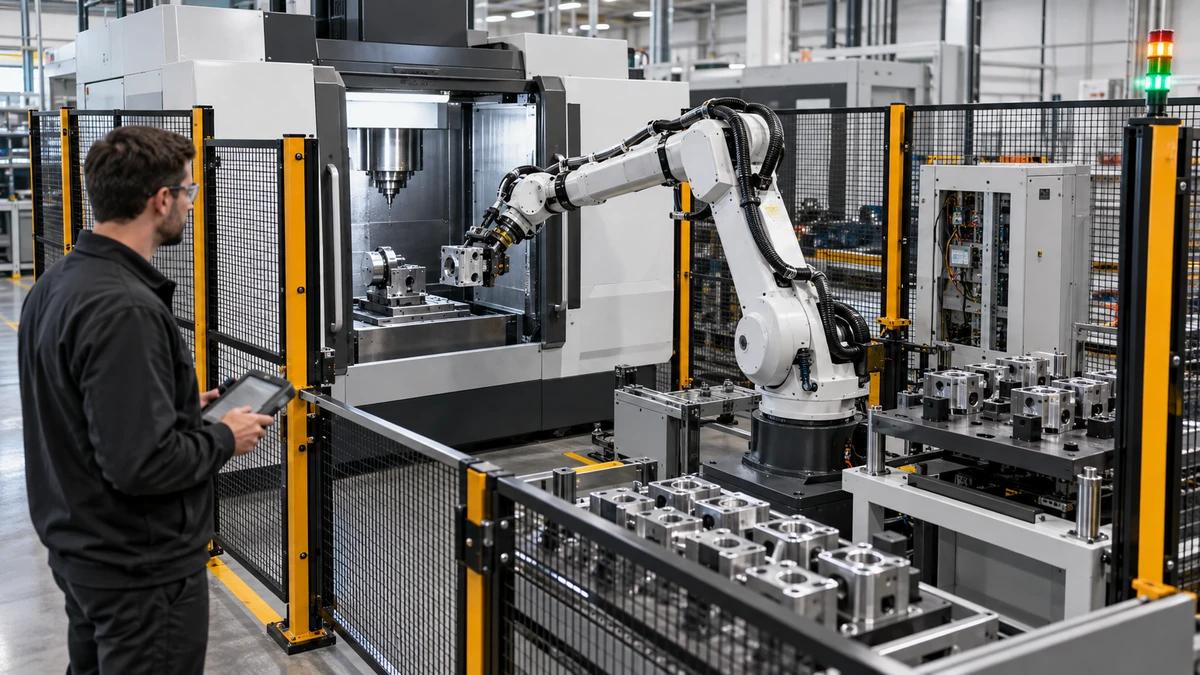
One practical way to compare manufacturers is to ask what problem each machine solves. If a shop mainly needs enclosed chip control, repeatable CNC operation, and a straightforward production workflow, a vertical machine like the ZH-855V is a sensible starting point. If the work involves difficult access, compound angles, or fewer setups, then a five-axis machine may justify its extra complexity. If the parts are non-metal sheet goods, a router may be enough, but only if the material and rigidity requirements truly fit.
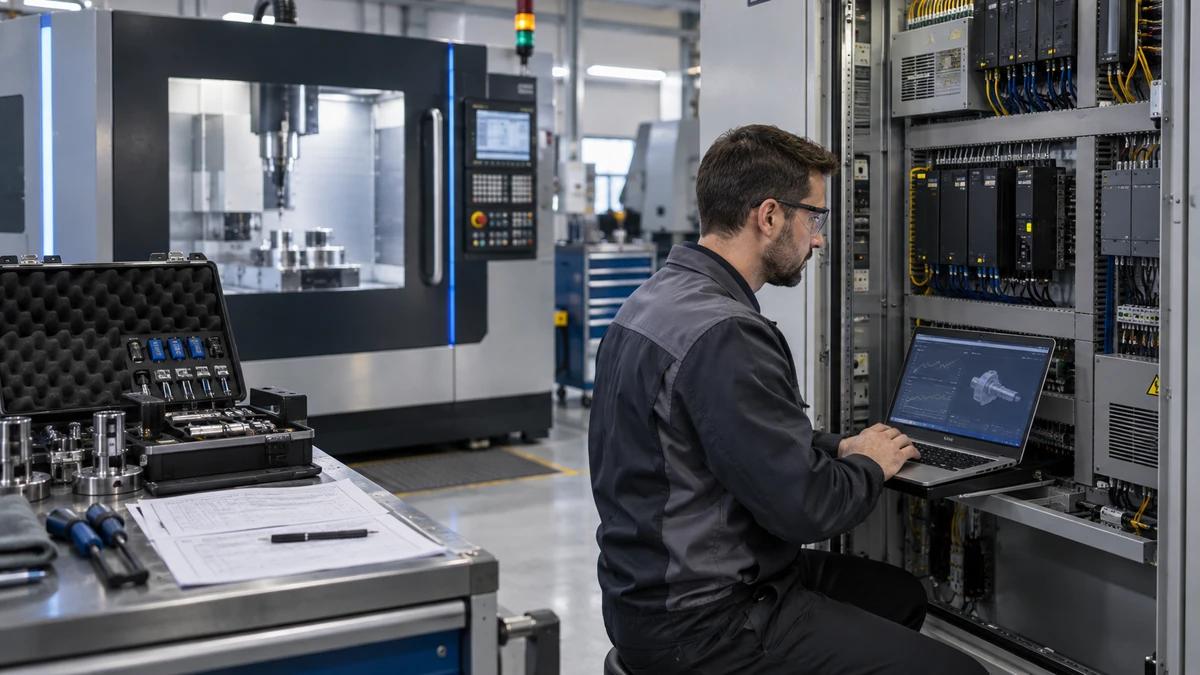
Another useful filter is support. A supplier that helps with fixture advice, trial cuts, controller selection, and post-sale troubleshooting reduces the risk of a machine sitting idle. That is especially important for small and medium batch production, prototype work, and job shops where the same machine may switch between parts every week. In those environments, uptime and setup speed can matter more than the top-line specification sheet.
Common mistakes buyers still make
The most common mistake is overbuying axis count before understanding the part mix. Five-axis capability is valuable, but it is not automatically profitable. Another mistake is treating an enclosed vertical machining center as a universal answer for every metalworking need. A rigid vertical machine is excellent for many jobs, but some components will still benefit from additional access or a different machine layout.
Buyers also sometimes compare vendors only by price. That approach misses the less visible factors: enclosure design, control ergonomics, coolant management, installation help, and whether the manufacturer can recommend a model that matches the actual workpiece. On the shop floor, those are the details that separate a convenient machine from a complicated one.
A practical way to narrow the choice
If the decision is still unclear, start with part geometry, material, and batch size. Then ask whether the work can be completed in one or two setups, whether chip evacuation is a concern, and how much operator skill is available for programming and fixturing. From there, compare the machine categories honestly rather than by headline specification.
For many buyers, that process leads back to a vertical machine for general production, a five-axis machine for complex geometry, or a router only when the material and rigidity demands are lighter. The supplier matters because a knowledgeable manufacturer can help translate those needs into a practical machine choice, not just a sales quotation.
Next step for buyers
If you are evaluating a 5-axis machining center manufacturer and still weighing the alternatives, prepare a part drawing, material list, tolerance target, and expected daily output. Zhongshan Zhihe CNC Technology Co., Ltd. says it can use that information to recommend a suitable CNC model, which is the right starting point for a serious comparison. In this market, the best purchase is usually the one that fits the job cleanly, not the one that looks strongest on paper.