5-axis machining center manufacturer: what buyers are really comparing
When people search for a 5-axis machining center manufacturer, they are usually not looking for a brochure. They are trying to settle a practical question: which supplier can deliver the right machine structure, the right control setup, and the right level of support for their parts, their operators, and their production pace. That matters because a five-axis purchase is not a one-off equipment buy. It changes how jobs are programmed, how fixtures are designed, and how much rework the shop can tolerate.
In that sense, buyers are often comparing more than machine specs. They are comparing bed rigidity, enclosure design, service response, and whether the manufacturer understands the difference between a general-purpose machining center and a machine that will spend its days on a specific mix of metal parts, molds, or multi-face work. The wrong choice can look fine on paper and still become a bottleneck on the shop floor.
Why five-axis and conventional machining centers are not bought the same way
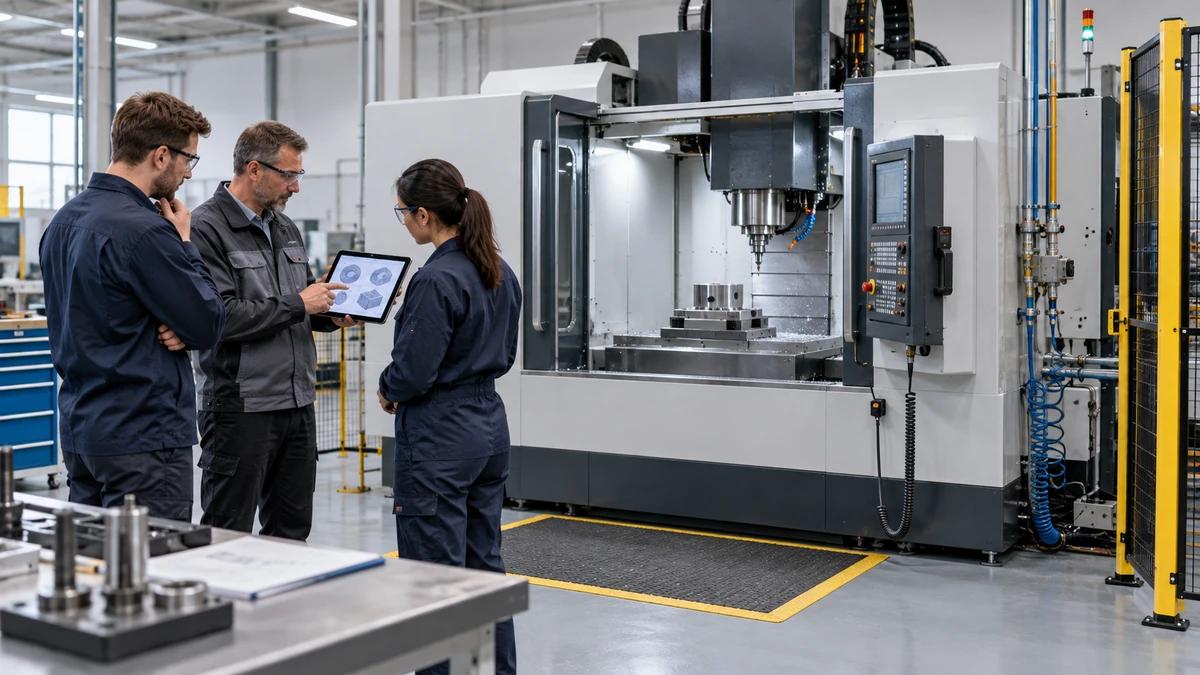
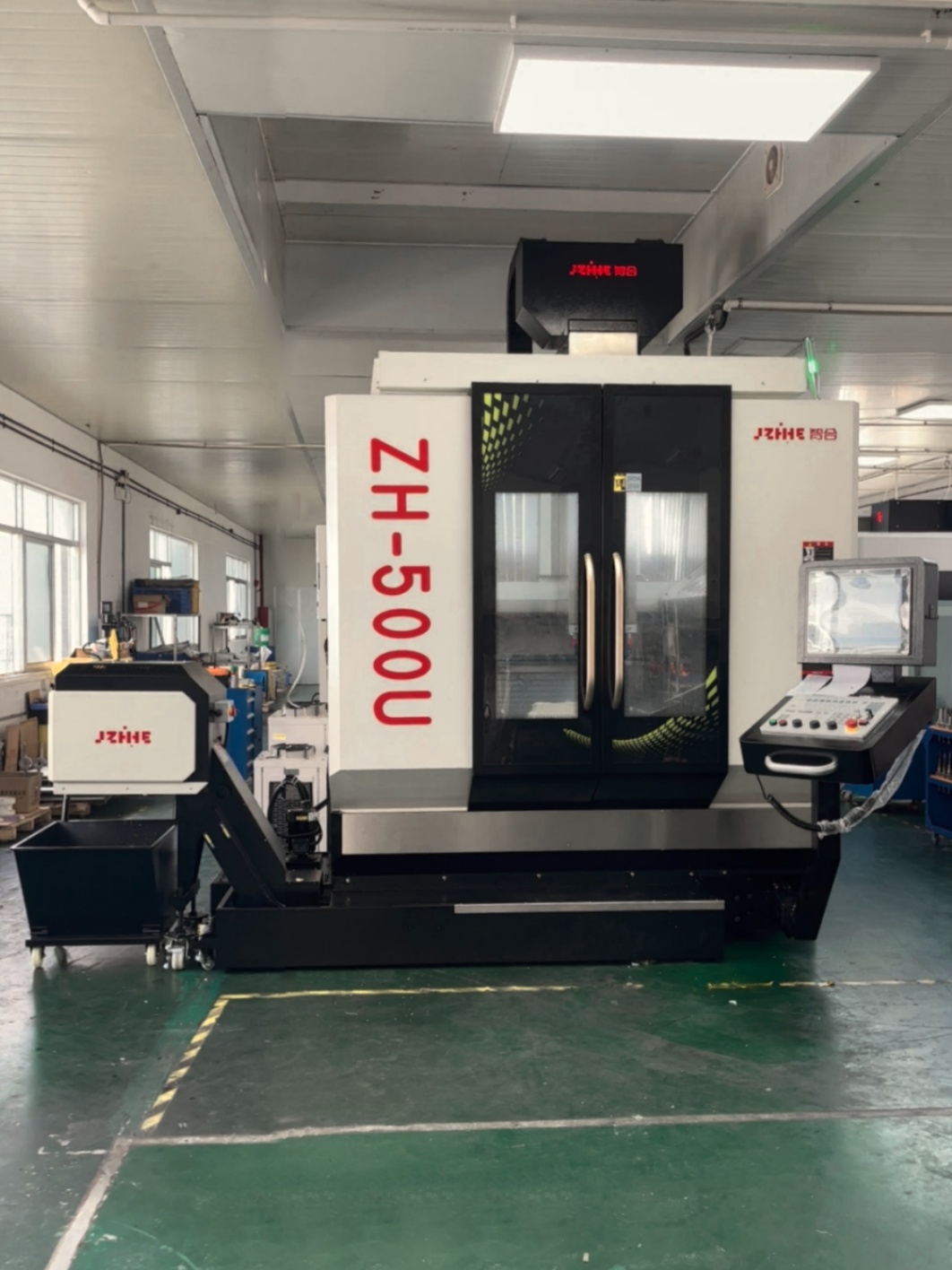
A conventional vertical machining center can handle a lot of everyday production well: drilling, tapping, milling, and repeatable part processing. The enclosed CNC vertical machining center described in the available product data reflects that familiar format: rigid box-style cabinet, sliding front doors, a vertical spindle head, flat worktable, and an integrated operator console. For many shops, that is a practical, proven layout for controlled chip removal and safer coolant containment.
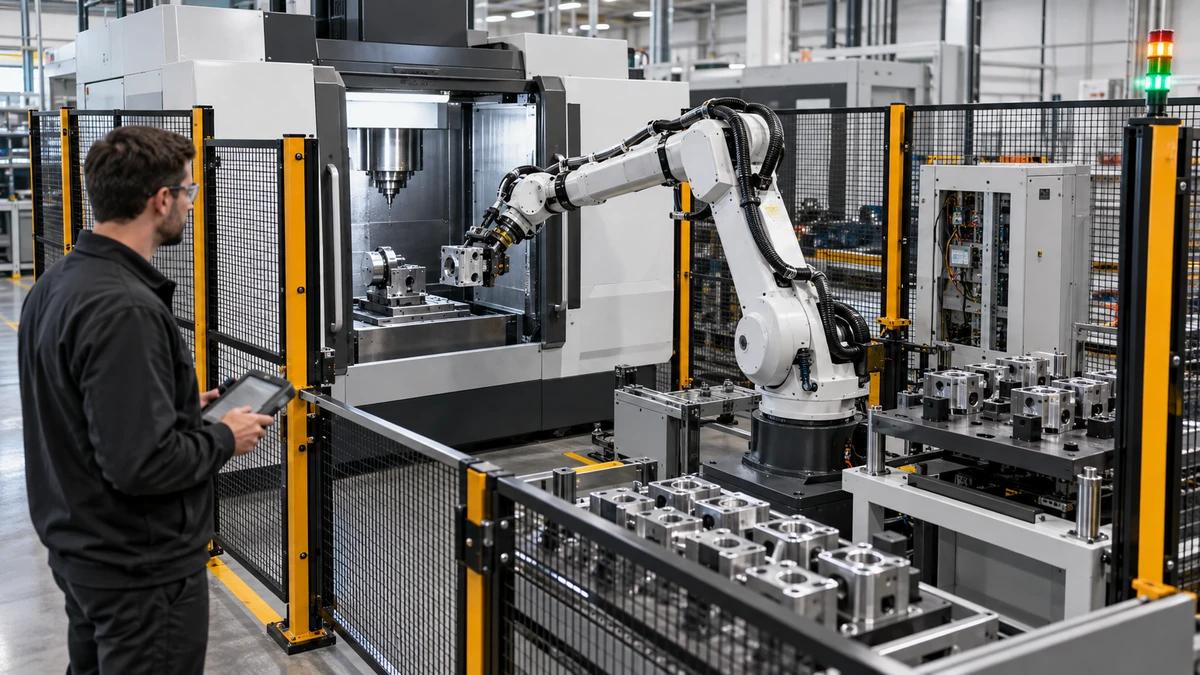
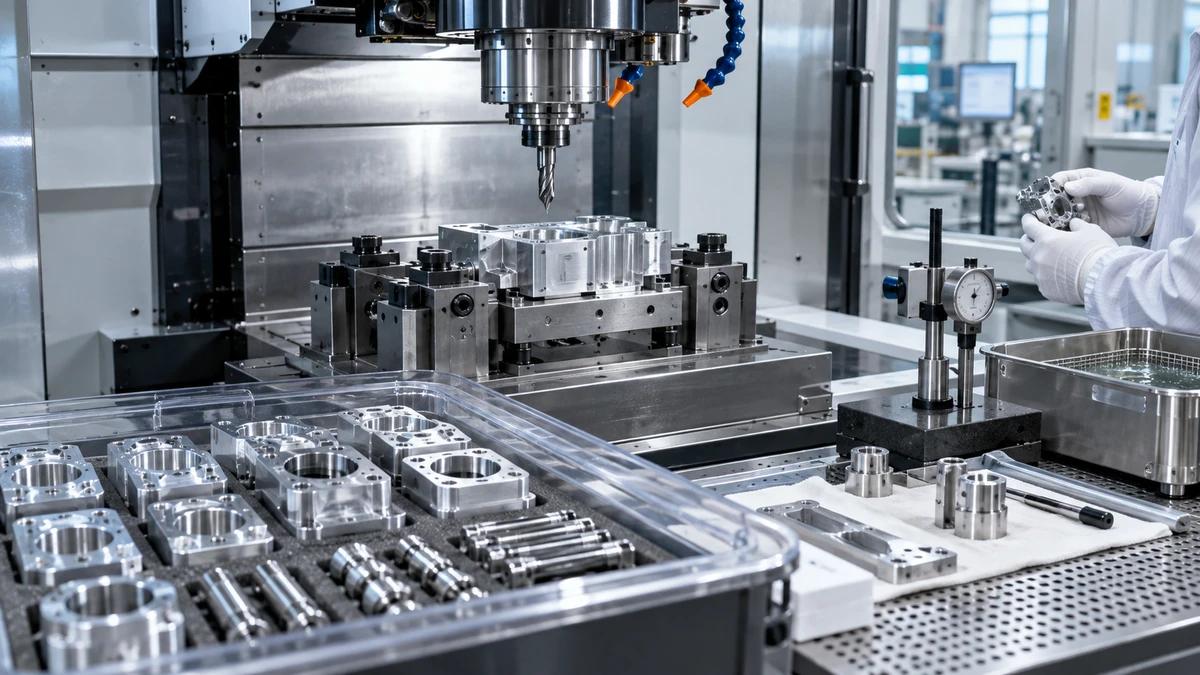
A five-axis machine, by contrast, is usually selected when geometry becomes the challenge. Instead of simply increasing speed, the buyer is trying to reduce setups, reach complex surfaces, and maintain consistency across multiple faces. That is why the phrase CNC milling center for sale can be misleading if it is taken too broadly. Two machines may both be “milling centers,” but their value to the plant may be completely different.
Quick comparison at buyer level
A shop buying a standard enclosed machining center often cares most about throughput, enclosure safety, and ease of operation.
A shop buying a five-axis machine usually cares more about part access, fixture strategy, programming capability, and whether the machine can actually shorten the process route instead of complicating it.
That is also why some suppliers cross over from one category to another. A company that builds vertical machining centers, horizontal machining centers, gantry machines, drilling and tapping centers, and five-axis systems can often help a buyer compare applications more honestly than a supplier that only pushes one machine type.
What to look for in a manufacturer, not just the machine
Zhongshan Zhihe CNC Technology Co., Ltd. says its product range includes vertical machining centers, horizontal machining centers, gantry machining centers, drilling and tapping centers, CNC milling machines, and five-axis machining centers. That broader lineup is useful to buyers because it suggests the supplier can recommend a machine based on the workpiece rather than forcing every job into the same format.
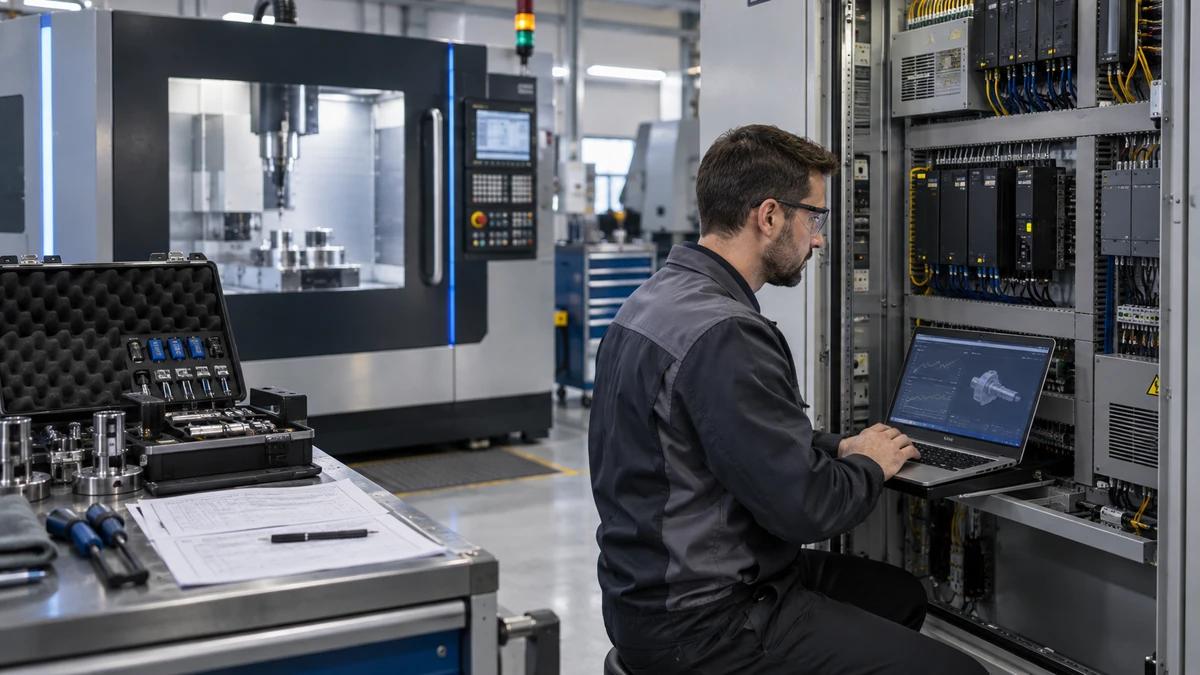
The company also describes support that covers selection, delivery, installation guidance, operator training, and after-sales service. For industrial buyers, this is not a side note. In real production, setup help and post-sale support often determine whether a machine becomes a stable asset or an expensive learning project.
For example, if a customer is processing automotive parts, aluminum components, precision hardware, communication equipment, molds, household appliances, or lithium battery equipment, the right answer may not always be five-axis. Sometimes the better choice is an enclosed vertical machining center with the right configuration. Sometimes it is a drilling and tapping center. A good manufacturer should be willing to say that plainly.
How the visible machine details inform the buying discussion
The available product information shows model marking ZH-855V, branded control area labeled JZHE, a fully enclosed working area, an integrated CNC console, spindle head, worktable, and visible coolant hoses near the spindle zone. Those are all signs of a machine built for controlled metal cutting environments, where chip containment and operator safety matter.
That does not tell us everything. It does not confirm axis count, travel, spindle power, or tolerance capability, and it would be unwise to pretend otherwise. But it does tell the buyer something useful: this is not a bare-bones open machine for light duty. It is designed as a production enclosure, which is the kind of starting point many buyers want when they are evaluating a CNC router manufacturer alternative or moving from routing-style equipment into metalworking.
That comparison is worth stating carefully. A CNC router manufacturer typically serves wood, plastic, composites, or lighter-duty cutting tasks. Shops moving into aluminum or steel part production often need a different structure entirely: better enclosure, stronger spindle arrangement, more serious chip handling, and a control system built for repetitive metal machining rather than panel work.
Selection criteria buyers should not skip
The best purchasing conversations usually focus on the workpiece first.
What material is being cut?
How many setups does the current process require?
Does the part need multi-face machining?
What is the expected batch size?
How much floor space is available?
Once those questions are clear, the manufacturer can recommend a machine family and configuration. Zhihe CNC states that it can provide model recommendations, control system selection, fixture support, trial cutting validation, and service support based on workpiece, material, precision needs, and production capacity. That kind of application-based approach is more useful than a one-size-fits-all catalog pitch.
Common mistakes when comparing suppliers
The first mistake is comparing only table size or the headline machine type. A second mistake is assuming every enclosed machining center is ready for the same workload. A third is ignoring training and spare-part support, then discovering later that the machine is technically capable but operationally awkward for the team.
One practical caution: if a supplier is vague about controller details, accuracy data, or supported process limits, ask again before you get too far into the quote stage. A serious manufacturer should be able to explain what is confirmed and what still depends on configuration.
What to ask before requesting a quote
A good inquiry is specific. Send the part drawing, material, dimensions, precision requirement, machine type you are considering, and your expected output. That is exactly the sort of information Zhihe CNC says it wants in order to recommend suitable CNC models.
If you are comparing a five-axis machine against an enclosed vertical machining center, say so. If you are weighing a CNC milling center for sale against a router-style solution, say that too. The answer will be better when the manufacturer understands the production problem instead of only the equipment title.
Next step for buyers
If your team is shortlisting a 5-axis machining center manufacturer, start with the parts, not the showroom language. Ask for machine recommendations tied to the job, ask what support is included, and ask what is still unknown until the final configuration is defined. For direct project discussion, Zhongshan Zhihe CNC Technology Co., Ltd. provides contact support and requests drawings, material data, and production targets before making a recommendation.