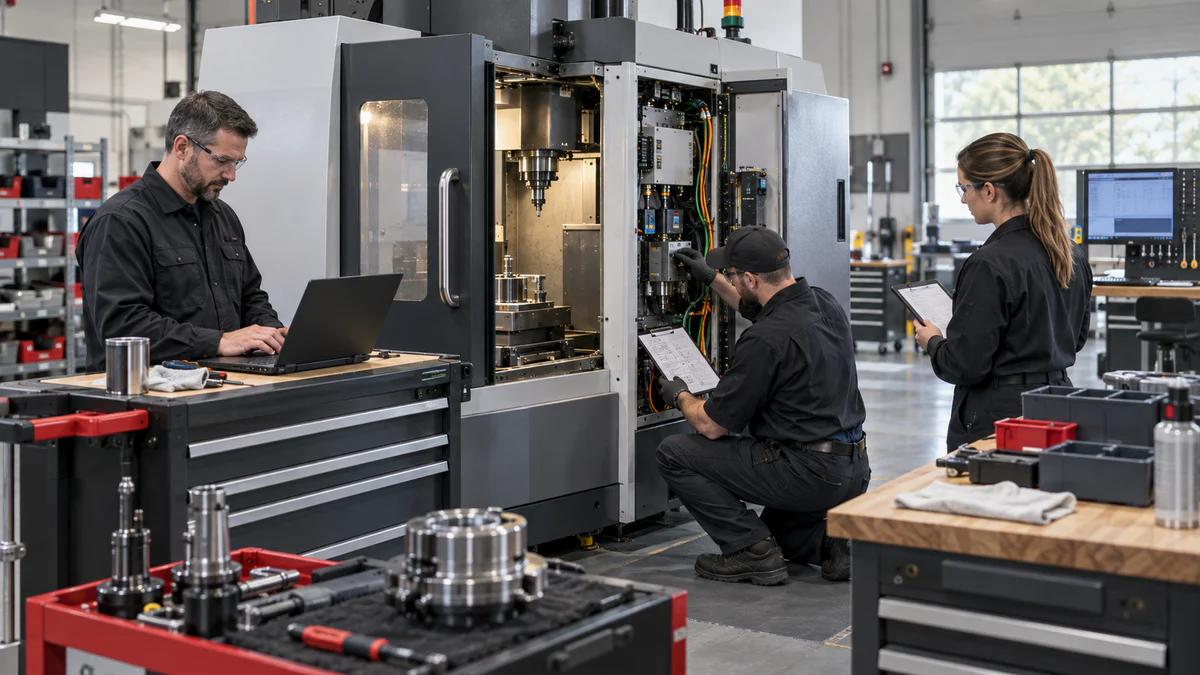
Release Dossier: What Must Be Traceable
Zhihe CNC frames medical implant machining around traceable revisions, freeform access, burr boundaries, inspection and controlled release. A 5 axis machining center for medical implants project needs a dossier that links revision, material, freeform access, edge limits, inspection and change control without crossing into unsupported clinical claims.

Dossier Index
| Dossier section | Question before release | Record |
|---|---|---|
| Revision | Which drawing, model and program are effective? | Revision register |
| Geometry | Which freeform or datum features control fit? | Aligned inspection data |
| Edges | What burr, radius and finish limits apply? | Marked edge report |
| Traceability | Can material, tool and operator be reconstructed? | Lot and process file |
| Boundary | Which biological or regulatory claims remain separate? | Release memo |
Start With the Effective Revision
A 5 axis machining center for medical implants should be reviewed with the drawing, CAD, process revision, material identity and inspection method frozen together. Zhihe CNC avoids treating a machine demonstration as a product release decision.
Create a revision register that names the model, fixture, postprocessor, program, tools, gauges and approval owners. Reopen only the evidence affected by a controlled change.
Map Freeform Access
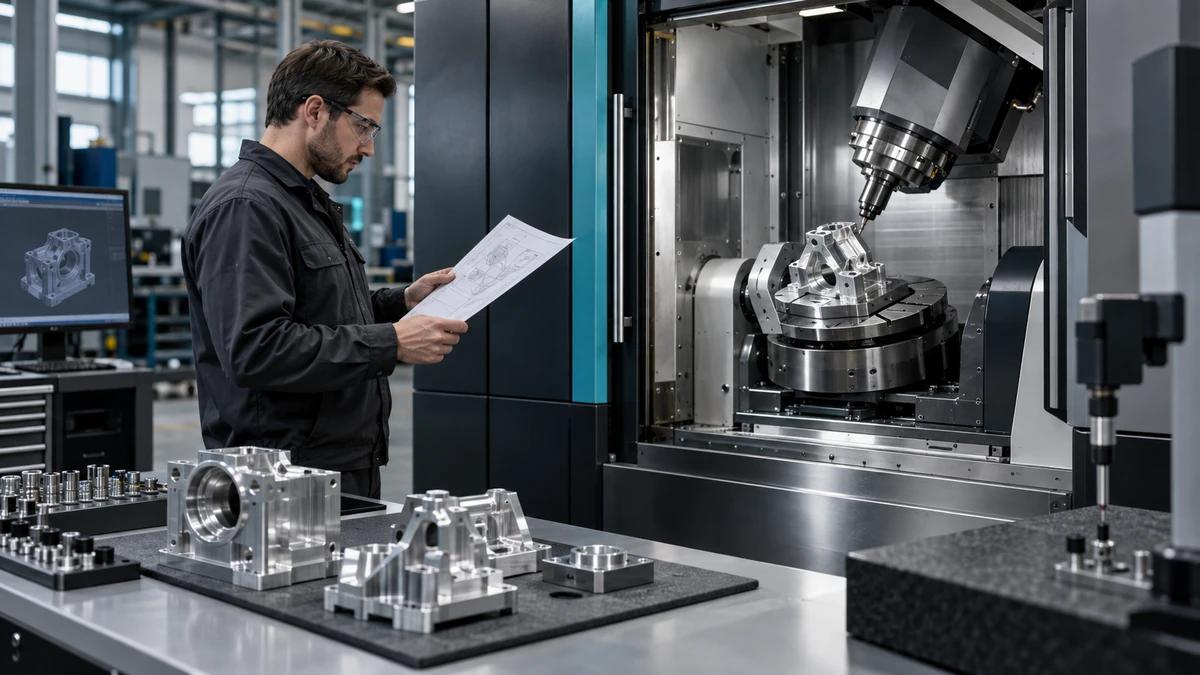
Identify surfaces, holes, radii, undercuts, approach vectors, holder clearance, fixture contact and inspection alignment. A five-axis path is useful only when the actual implant geometry is accessible and measurable.
Run representative and boundary geometry. Keep simultaneous, indexed or mixed motion clearly labeled, along with the tested tool-vector envelope.
Control Material and Lot Identity
Record material grade, heat or lot identity, stock, blank preparation, surface condition and any declared upstream treatment. Do not infer biocompatibility or clinical suitability from machining evidence.
Keep material certificates and process records linked to the part identity. A change in material or supplier lot should trigger a defined review.
Make Burr and Edge Limits Visible
Classify edges, radii, burr limits, permitted manual work, tool path, inspection lighting or gauge and disposition. Small burrs can matter even when a surface looks polished.
Use marked edge samples and preserve accepted, held and reworked pieces. If manual work is allowed, name the tool, operator, limit and approval.
Five-Axis Verification Record
| Record | Minimum fields | Why it matters |
|---|---|---|
| Model | Revision, CAD, post and program | Prevents version drift |
| Axes | Zero, transforms, vector envelope | Makes access reproducible |
| Edges | Zone, limit, method and disposition | Controls burr boundary |
| Inspection | Gauge, alignment, raw data and reviewer | Supports reconstruction |
Dossier Review Cards
Align Five-Axis Inspection
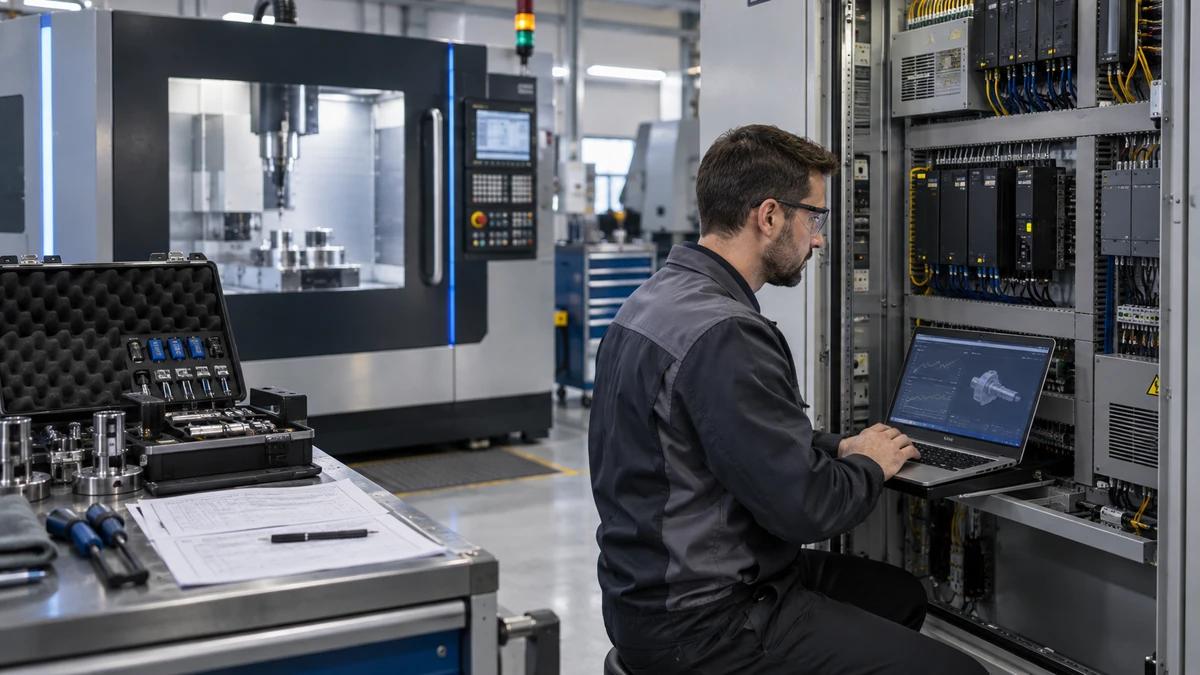
State rotary zero, coordinate transforms, probing, fixturing, measurement system, temperature and raw-data location. A part can be machined in one frame and inspected in another without a documented relationship.
Repeat a reference feature after a planned tool event. Keep the inspection alignment and machine state in the dossier.
Separate Machining From Cleaning
Define what machining releases: geometry, edges, surfaces, holes and declared cleanliness. Keep passivation, sterilization, biological evaluation, packaging validation and regulatory release outside unless separately contracted.
The 5 axis machining center for medical implants trial should show its boundary in the final report. This protects the buyer from over-reading a cutting result.
Build a Change-Control Route
Plan a revision, tool, software, fixture, gauge, supplier or site change. Record impact assessment, affected evidence, new trial, approval and effective date.
Do not overwrite the prior dossier. Preserve the superseded baseline so a reviewer can see what changed and why.
Rehearse a Quality Hold
Use a planned measurement disagreement, tool-life event or documentation hold. Record part identity, state, affected quantity, containment, correction, retest, disposition and owner.
Demonstrate restart with approved backups, offsets, gauges and permissions. Keep held parts protected from unintended mixing.
Invite the Downstream Quality Owner
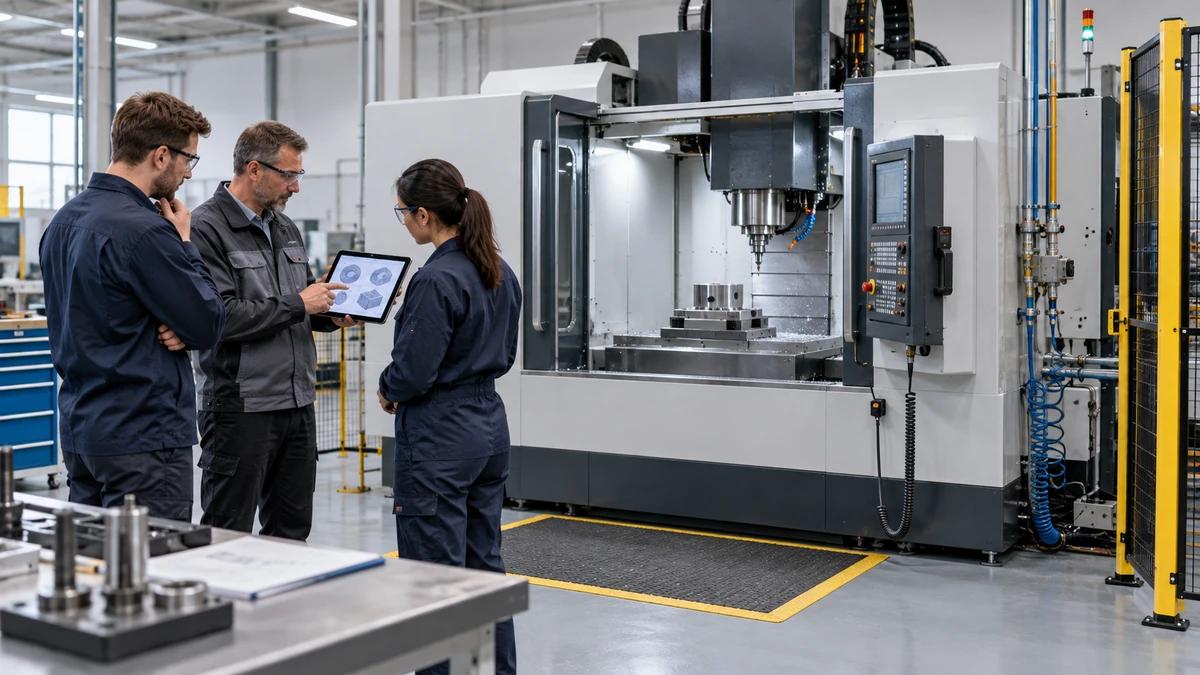
Ask quality, manufacturing engineering and the customer or regulatory owner to confirm the acceptance boundary, records, sampling and escalation.
Document open questions rather than filling them with broad claims. Zhihe CNC prefers a visible limitation with an owner and date.
Close the Release Dossier
Summarize revision, material, fixture, tools, axes, inspection, edges, cleaning boundary, released quantity, exclusions and next review.
Calculate complete accepted hours separately from any clinical, regulatory or product-performance decision. A clear dossier remains useful after the original project team changes.
Audit a Clean Handoff
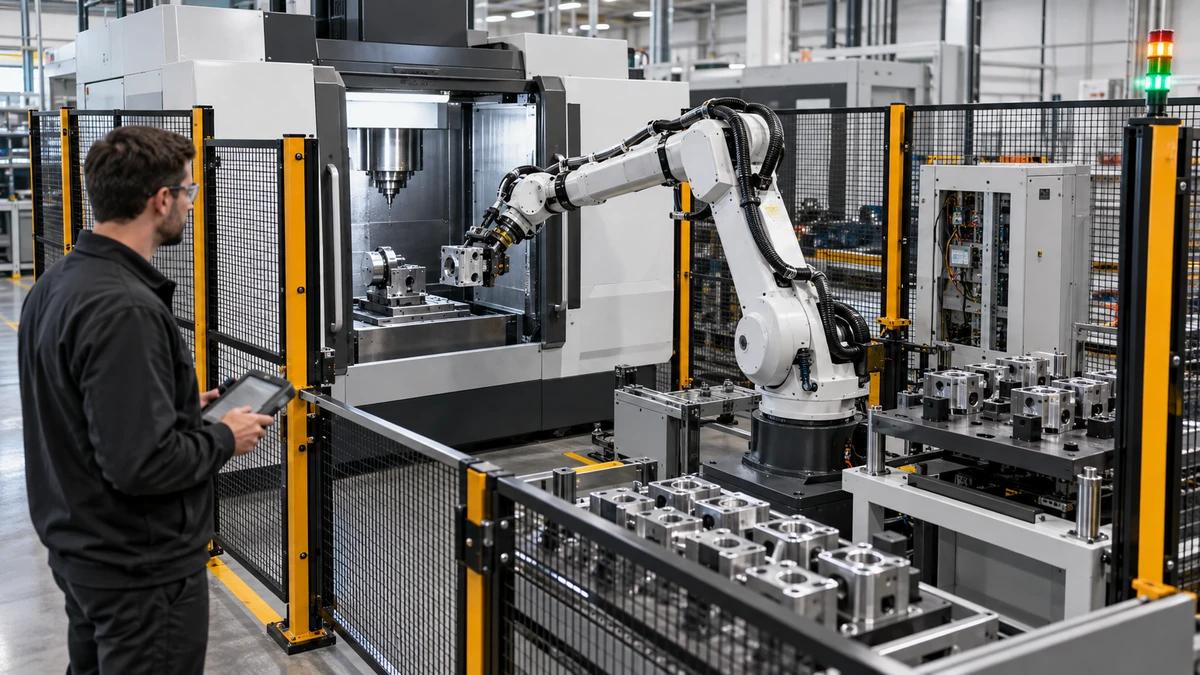
For a 5 axis machining center for medical implants, walk one accepted part from machine completion through deburring, cleaning, inspection and protected transfer. Identify every contact surface, temporary cover, cleaning material and record that travels with the part.
Ask the receiving quality owner to sign the handoff condition. If a residue, edge, packaging or document question remains open, hold the part and record the owner rather than silently assuming downstream work will correct it.
Review Lot Traceability
Reconcile material lot, part identity, fixture, tool assemblies, program revision, inspection record, operator and disposition across a representative lot. Keep accepted, held, reworked and scrapped pieces distinguishable.
The lot review should show where evidence is stored and how a later reviewer can reconstruct one part without searching scattered messages. Zhihe CNC treats traceability as a practical release feature, not paperwork added after machining.
Medical Implant Buyer FAQ: 5 axis machining center for medical implants
What should be frozen first?
Drawing, CAD, revision, material identity, fixture, program, tools, gauges and approval owners.
Does five-axis motion prove implant suitability?
No. Clinical, biological, sterilization and regulatory evidence require separate ownership.
Why test boundary geometry?
It exposes tool-vector, holder, fixture, inspection and edge limits.
How should burrs be released?
Use marked edges, defined limits, permitted manual work and traceable disposition.
What belongs in a change-control route?
Impact assessment, affected evidence, new trial, approval, effective date and prior baseline.
How does Zhihe CNC count capacity?
Zhihe CNC counts setup, cutting, inspection, holds, cleaning and released parts under declared conditions.
Why preserve raw inspection data?
It lets reviewers reconstruct alignment, sampling, result and disposition.
What is a quality hold?
A controlled stop with identity, containment, correction, retest, disposition and owner.
When should the implant baseline reopen?
After changes to revision, material, fixture, tool, software, gauge, supplier or site.
What should buyers provide?
Send CAD, material, tolerances, edge limits, inspection, traceability and downstream release needs.
Turn the Review Into a Zhihe CNC Decision
Send Zhihe CNC the controlled drawing or CAD, material and stock, critical features, annual volume, batch mix, fixture concept, tool constraints, inspection method, site conditions and service region. Review the Zhihe CNC product portfolio, the company and factory profile, and the engineering inquiry route. For 5 axis machining center for medical implants, ask for a dated configuration, representative trial, acceptance boundary, open assumptions and named support owner.
Reference Boundary and Responsible Use
The first reference and second reference offer method, safety or quality context. They do not replace drawing-specific acceptance, local risk assessment, product certification, regulatory release, customer specifications or the buyer's operating procedures.