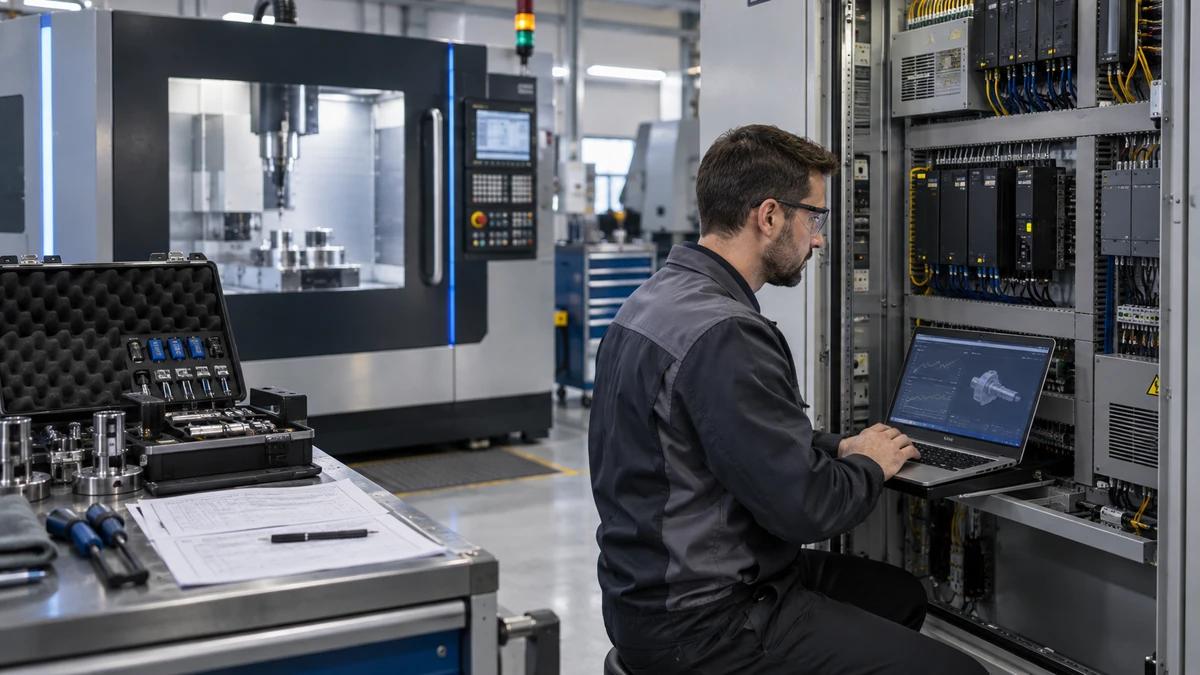
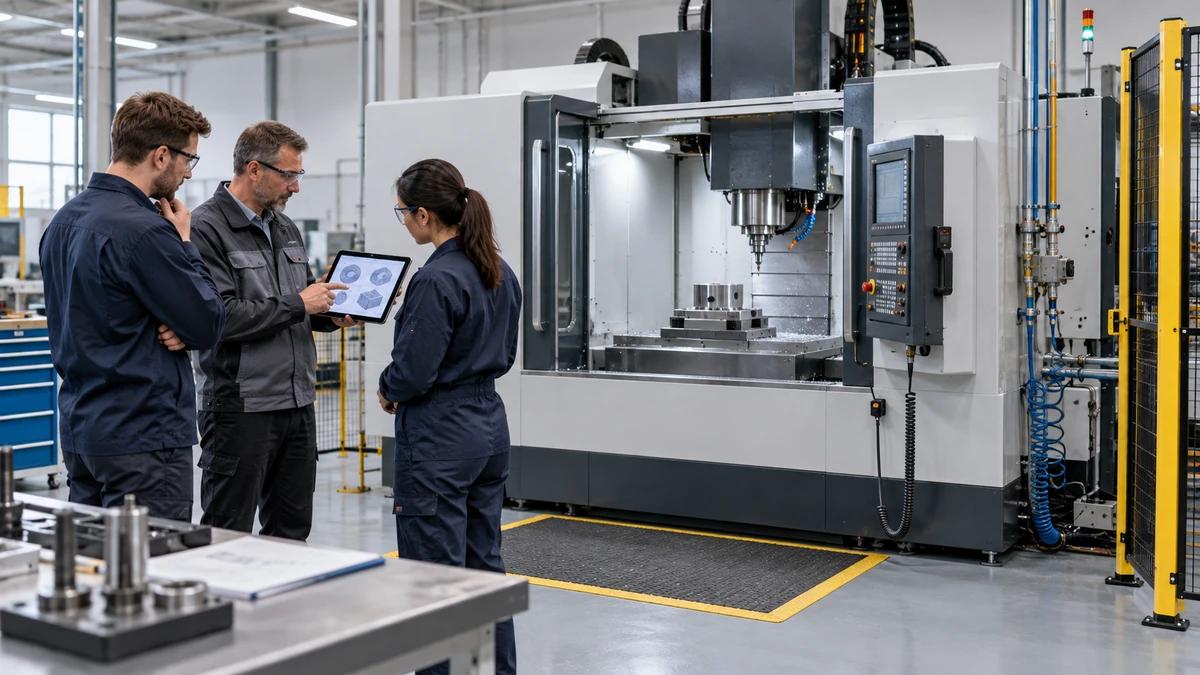
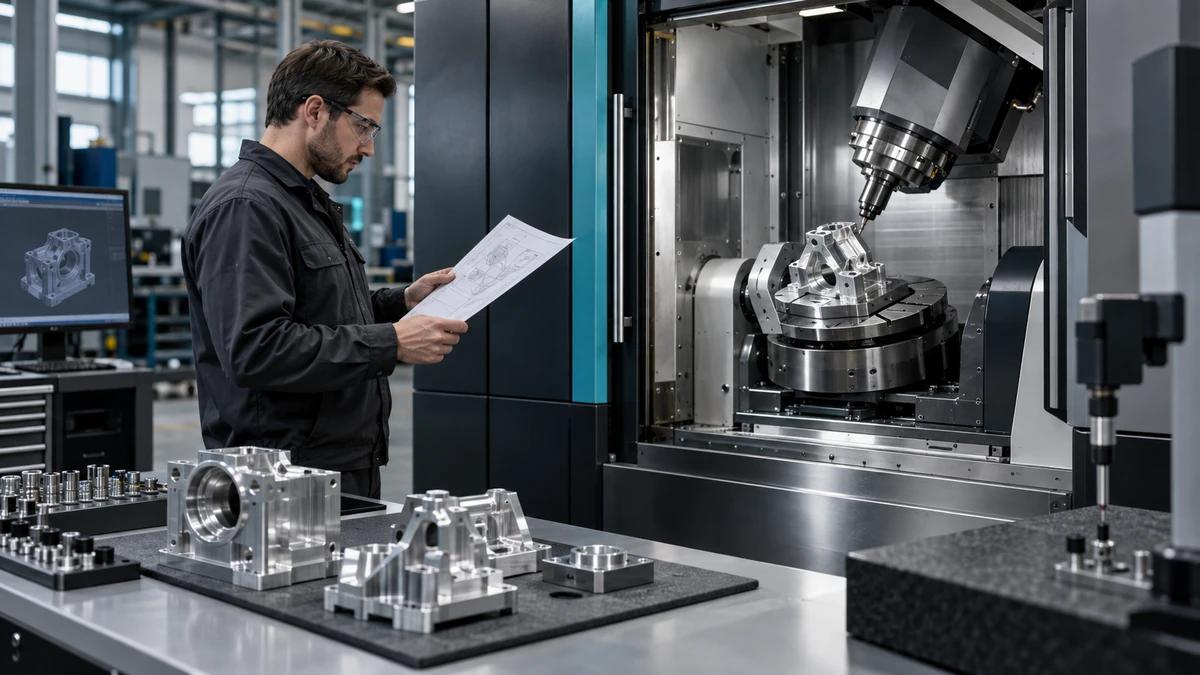
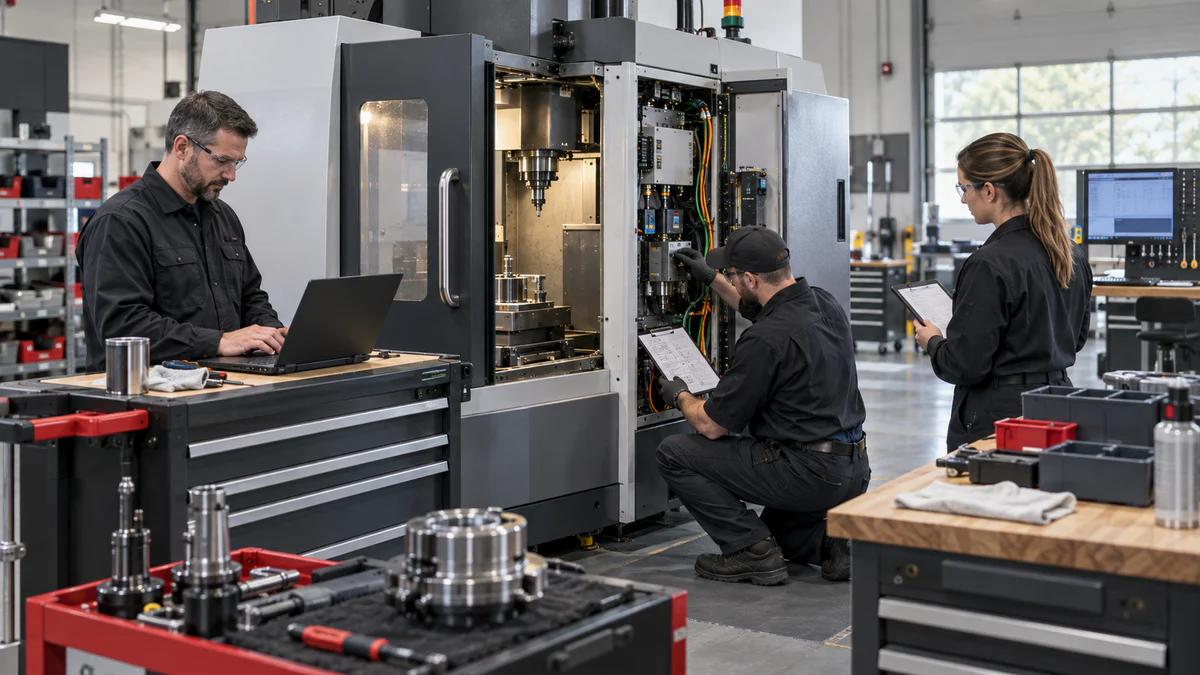
A box way vertical machining center is best judged by following cutting force from the tool tip through the spindle, axes, workholding, bed, leveling points, and foundation. Zhihe CNC uses this load-path audit to separate a useful structural choice from a vague claim that heavier construction is always better.
The audit is intended for buyers machining steel, cast iron, molds, large fixtures, or parts with interrupted engagement. It also makes tradeoffs visible: damping and support can help a demanding cut, while friction, lubrication, heat, speed, maintenance, and installation still shape accepted output.
Start at the Cutting Edge, Not the Machine Label
Freeze the workpiece family, material, hardness, stock route, cutting features, tool assemblies, reaches, removal rates, tolerances, surfaces, batch size, cycle target, inspection method, and expected duty. Mark which operation creates the highest force, longest leverage, sharpest reversal, or most sensitive finish.
Zhihe CNC asks buyers to distinguish occasional overload from sustained production duty. A structure selected around one dramatic roughing cut may be inefficient for a family dominated by drilling, short finishing passes, and frequent tool changes.
Draw the Seven-Link Load Chain
| Link | Question | Evidence |
|---|---|---|
| Tool assembly | Where does leverage begin? | Projection, holder, runout |
| Spindle | How is force carried? | Duty and condition |
| Head and column | Where can bending appear? | Feature test |
| Axis guideway | How is sliding load supported? | Design and lubrication |
| Table and fixture | Where does the part move? | Clamp and datum study |
| Base and level | How does force reach the floor? | Installation record |
| Foundation | Does the site preserve geometry? | Civil and leveling plan |
The chain prevents one component specification from standing in for the complete process.
Put the Box Way Vertical Machining Center Under Reversal
Choose a representative path containing direction changes, corner loading, entry and exit, an interrupted region, and both rough and finish passes. Record program state, acceleration settings, feed, spindle load, sound, vibration clues, tool wear, surface transition, size, and cycle loss. Do not change multiple variables during the same comparison.
A box way vertical machining center should demonstrate stable results across the actual path, not only during a straight cut chosen to flatter the machine.
Separate Damping From Static Mass
Machine mass can influence behavior, but mass alone does not prove damping, local stiffness, geometry retention, spindle condition, workholding quality, or process stability. Compare the complete tool-machine-fixture-part system at the feature where the buyer needs evidence.
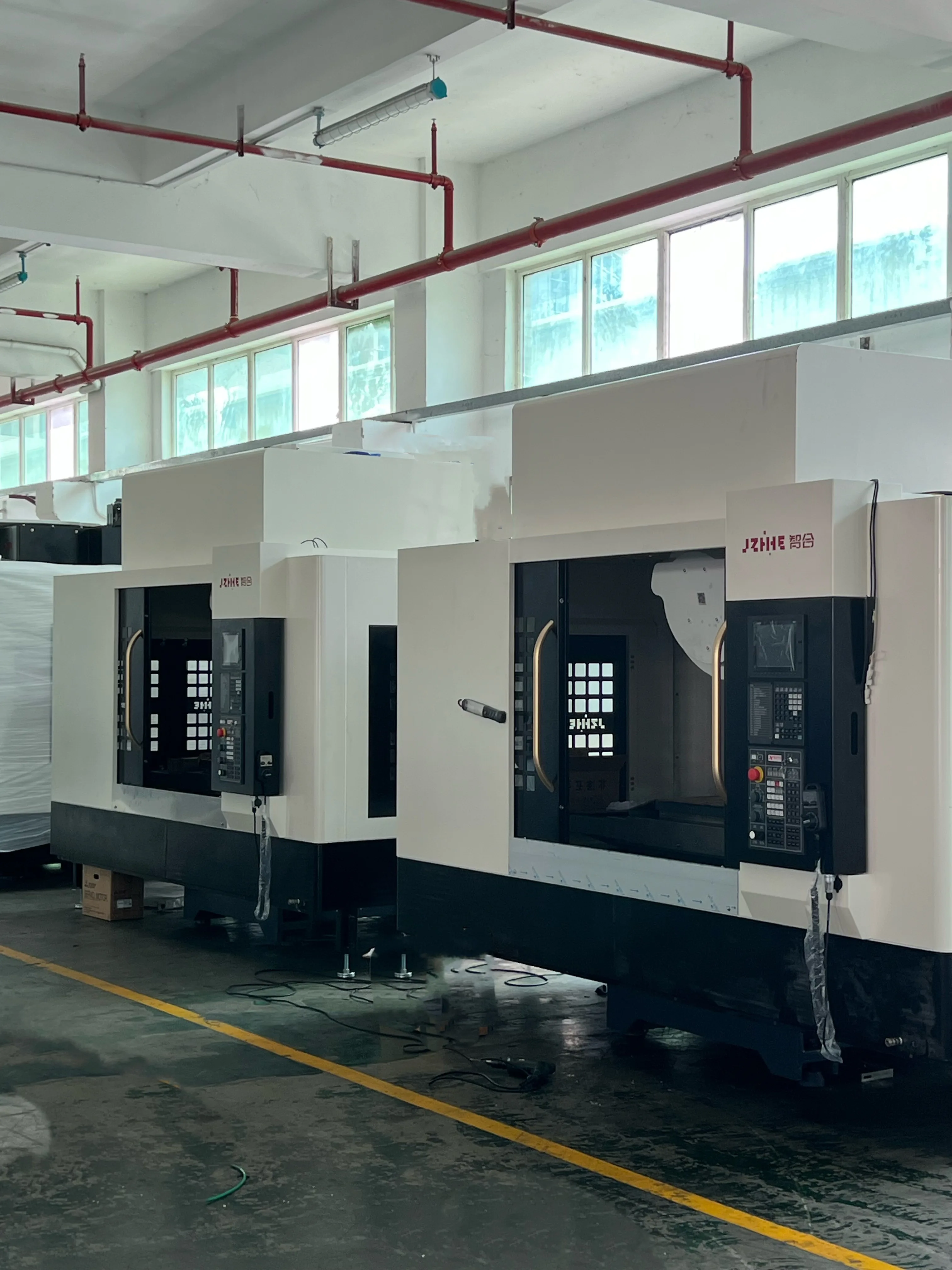
Treat Lubrication as a Production Variable
Record lubricant specification, delivery method, metering points, alarms, warm-up, inspection, contamination controls, service access, and response to a suspected blockage. Confirm that maintenance can identify each point and verify flow without unsafe improvisation.
Zhihe CNC recommends including lubrication state in acceptance and shift checks. A guideway concept only delivers its intended support when installation, lubricant, distribution, cleanliness, and maintenance remain controlled.
Map Friction, Heat, and Motion Together
| Condition | Possible signal | Control question |
|---|---|---|
| Cold start | Size or position shift | What warm-up is required? |
| Long roughing duty | Heat accumulation | Where and when is temperature checked? |
| Frequent reversals | Following or surface change | Which motion evidence is reviewed? |
| Idle interruption | State changes before restart | What requalification is needed? |
| Lubrication concern | Friction or alarm change | Who stops and inspects? |
These signals require diagnosis; none should be treated as proof of one cause in isolation.
Make Chips Reveal the Real Work Zone
Use the tallest fixture, widest part, deepest pocket, and most obstructed clamp arrangement expected in production. Observe coolant access, chip evacuation, recutting, way protection, washdown, conveyor delivery, filtration, tank service, and safe cleanout. A chip conveyor cannot recover material trapped on the part or fixture.
The load-path audit should include the time and intervention needed to keep the cut repeatable, because accepted throughput includes cleaning and recovery rather than spindle motion alone.
Measure Geometry Under Declared Conditions
Record foundation, leveling, ambient range, machine temperature, warm-up, spindle duty, axis positions, direction, compensation state, instruments, calibration, repeats, limits, and report identity. The ISO 230-2 search reference supplies positioning-test context, but every result remains tied to its test conditions.
Compare cold, stabilized, and representative duty states where the part family makes those distinctions relevant.
Run a Feature-Led Acceptance Trial
Freeze material, stock, fixture, tools, holders, program, controller state, coolant, thermal sequence, measurement, sample size, limits, exceptions, and retest. The ISO 10791 series reference provides machining-centre test context. The buyer still needs a trial that exposes the intended force, reach, reversal, surface, and datum risks.
Inspect accepted work rather than relying on one best part or an unloaded motion display.
Score Structural Fit Against Its Costs
Compare acquisition, foundation, floor loading, installation, energy, lubrication, warm-up, axis behavior, tool-change demand, maintenance access, spare strategy, chip handling, inspection, cycle, tool life, yield, and recovery. Apply buyer-specific weights and keep mandatory gates separate from scored preferences.
Zhihe CNC recommends comparing a box-way proposal with any alternative under the same workload and evidence rules. The winner is the configuration that produces the strongest accepted-output case, not the largest number on a brochure.
Operate a 30-Day Load-Path Review
During launch, log the tool, feature, material lot, stock, fixture, program, thermal state, load clues, tool wear, surface, measurement, alarm, cleaning, intervention, and accepted quantity. Review trends by operation rather than averaging the entire cycle.
Trace any recurring mark or deviation backward through the seven links. Check the tool and holder before blaming the spindle; check fixture contact before changing compensation; check leveling and site conditions when geometry changes after installation. Preserve the evidence before adjustment.
At the end of each week, compare promised and observed duty. Confirm lubrication consumption and alarms, way-protection condition, chip behavior, warm-up adherence, inspection capacity, maintenance effort, and operator interventions. Zhihe CNC uses this review to convert an acceptance result into a controlled production baseline.
When a material, fixture, tool projection, program, acceleration setting, lubricant, foundation, or production schedule changes, identify which evidence must reopen. Do not borrow confidence from a different load path.
Prove the Box Way Vertical Machining Center at Three Load Levels
Build three declared load levels from the buyer's real process. Level one uses a short, stable assembly and moderate engagement to establish the baseline. Level two introduces the production reach, stock variation, and reversal pattern. Level three uses the most demanding credible feature inside approved tool, fixture, spindle, axis, and safety limits. Keep the same material route, datum logic, inspection method, and reporting format.
At every level, capture more than a single dimension. Record setup time, warm-up, tool identity, projection, runout, cutting parameters, spindle and axis observations, coolant, chip clearing, surface transitions, feature relationships, inspection timing, and operator intervention. Repeat enough parts to distinguish a repeatable condition from one favorable result. Failed evidence remains in the file with the correction and retest.
Review the box way vertical machining center after the cut as carefully as during it. Inspect tool and insert condition, fixture contacts, clamping marks, way protection, lubrication indications, chip accumulation, coolant contamination, alarms, overrides, and dimensional trend. Reconcile every manual adjustment with the approved method. An unexplained correction may hide a process limit even when the final part passes.
Finish with a decision table that labels each production claim as demonstrated, conditional, open, or outside scope. State the tested material, tool, reach, fixture, program, thermal sequence, sample, measurement, and limit next to the result. This prevents the team from extending evidence to larger parts, harder stock, longer tools, different foundations, or higher duty without review.
Know What the Structural Audit Cannot Promise
The method cannot guarantee cycle, accuracy, finish, tool life, uptime, or payback for every part and site. It organizes representative evidence. A box way vertical machining center still depends on configuration, manufacturing condition, installation, tools, workholding, programming, coolant, environment, inspection, operators, and maintenance.
FAQ
What does box way mean in this review?
It refers to the sliding guideway concept, which must be evaluated as part of the complete machine and process.
Is a heavier machine automatically more stable?
No. Mass is only one factor alongside local stiffness, damping, spindle condition, tools, fixtures, installation, and process state.
Which cut should be used for comparison?
Use a production-representative feature that exposes force, reach, reversal, finish, datum, and chip risks.
Why audit lubrication?
Guideway behavior depends on correct lubricant, distribution, cleanliness, monitoring, and maintenance.
How should thermal behavior be checked?
Declare the warm-up and duty sequence, then measure meaningful features in relevant cold and stabilized states.
Does positioning data prove part accuracy?
No. It provides machine evidence under stated conditions; part results also depend on the complete process.
Why include the foundation?
Leveling and site support can influence machine geometry and its retention after installation.
What should a 30-day review record?
Track tool, feature, stock, fixture, program, heat, loads, wear, surfaces, measurements, alarms, intervention, and accepted output.
When should acceptance be repeated?
Repeat affected checks after meaningful configuration, site, tool, fixture, process, software, or maintenance changes.
What should a buyer send Zhihe CNC?
Send controlled parts, materials, stock, fixtures, tools, duty, tolerances, inspection, site conditions, and known failure modes.
Trace the Load Path With Zhihe CNC
To evaluate a box way vertical machining center, send Zhihe CNC your controlled drawings, CAD, material, stock, fixture, tool assemblies, critical operations, cycle, inspection, site, and maintenance expectations. Review the vertical machining center range, the Zhihe CNC profile, and the contact route before defining the trial.