A China gantry machining center succeeds only when the project crosses four borders without losing requirements, configuration, condition, or responsibility. Zhihe CNC treats the purchase as a journey from the buyer's workpiece to the selected machine, from factory release to shipment, from port and road to the prepared site, and from installation to stable production.
This border model suits large-part manufacturers and project teams because a gantry machine is not a parcel. The machine, accessories, foundations, lifting plan, utilities, geometry, tooling, software, acceptance, and training move through different owners. Each border therefore needs a passport: controlled inputs, release evidence, open issues, and a named receiver.
Border 1 Begins at the Workpiece Envelope
Build a three-dimensional envelope containing the largest blank, finished part, fixture, clamps, tool assemblies, spindle head, probe, chip clearance, loading path, and safe service access. Include mass, center of gravity, support points, turning or reposition needs, and how much of the table remains usable.
Zhihe CNC recommends modeling the hardest access feature rather than the largest rectangular size. A bridge may clear the part while a long holder, head orientation, clamp, or tool-change movement does not.
Issue a Border Passport for Every Critical Feature
| Passport field | Required entry | Receiver check |
|---|---|---|
| Feature | Datum, tolerance, surface | Matches controlled drawing |
| Access | Head, tool, holder, approach | Collision and reach reviewed |
| Load | Cut, duration, stock | Spindle and structure mapped |
| Inspection | Method, sample, uncertainty | Acceptance can be executed |
| Recovery | Reference and restart rule | Process can resume safely |
The passport prevents one general machine claim from replacing feature-level engineering. It also shows where a special head, extension, fixture, probe, or process change is genuinely required.
Cross From Part Geometry to Machine Architecture
Compare fixed table, moving table, fixed beam, moving beam, head type, travel, distance under the beam, column spacing, table load, guide concept, spindle, magazine, coolant, chip handling, probing, and optional axes. State why the selected architecture closes the dominant constraints better than at least one alternative.
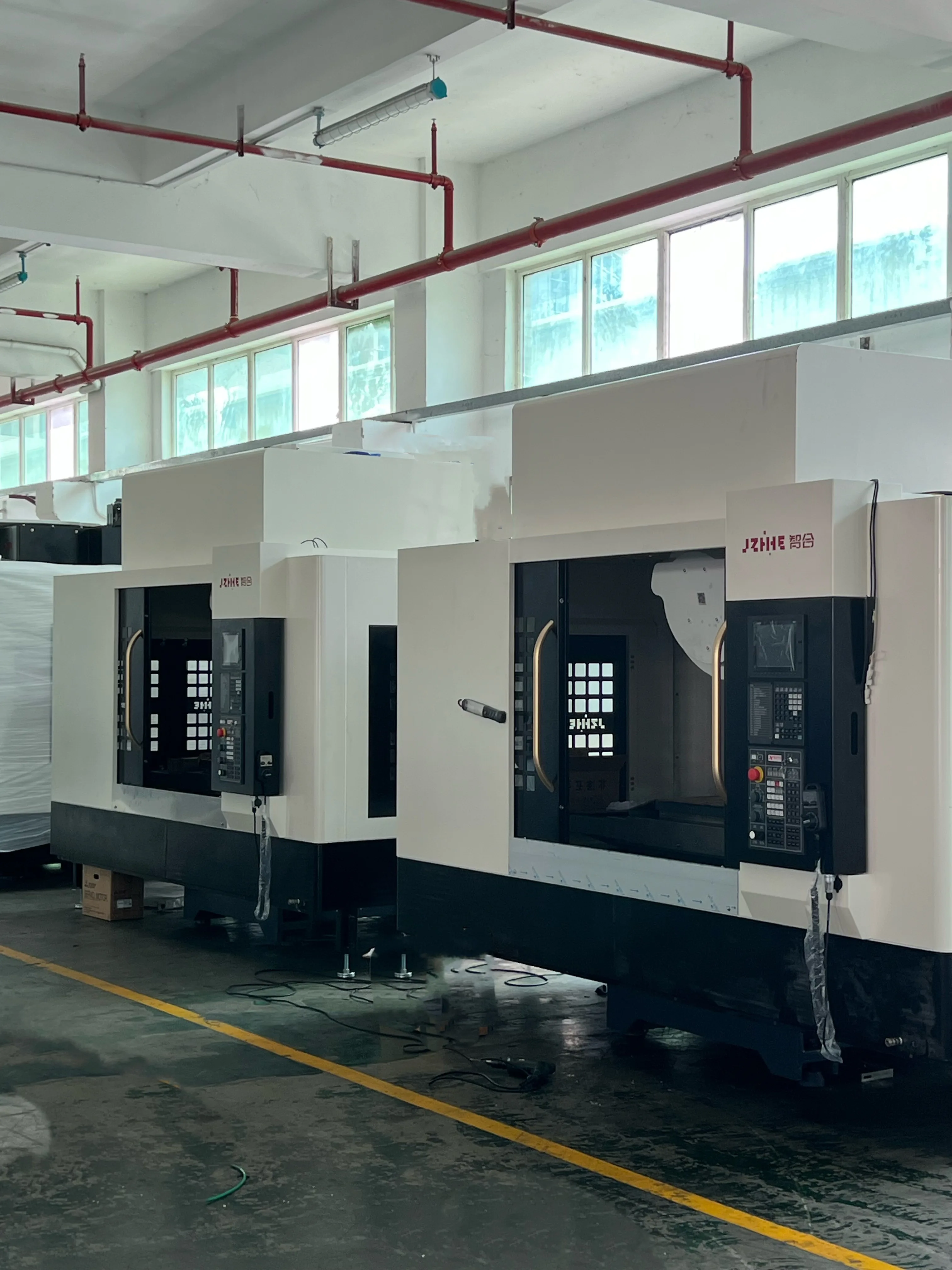
Border 2 Freezes the Factory Configuration
Create a serial build sheet covering the base model, travels, spindle and head, controller, motors and drives, scales, magazine, coolant, filtration, conveyor, probe, electrical supply, guarding, extraction, accessories, software, manuals, and spare package. Link every option to the requirement it serves.
A China gantry machining center should not leave the factory with undocumented substitutions or open configuration questions. Differences need formal approval and updated acceptance.
Run Factory Acceptance as a Release Gate
Freeze test conditions, leveling state, warm-up, machine geometry, functional checks, safety checks, option checks, trial material, fixture, tools, programs, inspection, limits, sample, exceptions, and retest. The ISO 10791 series reference can frame machining-centre tests, while the buyer's project defines the part evidence.
Zhihe CNC uses the factory gate to create a transport baseline. Results must be specific enough to compare after installation.
Pack the Baseline, Not Just the Hardware
Archive controller and software versions, parameters, PLC and NC backups, compensation, option licenses, drawings, electrical information, manuals, calibration and test reports, tool and fixture files, trial programs, photos, packing list, loose-item register, preservation method, and lifting instructions.
The backup pack travels separately under controlled access so a damaged or delayed crate does not erase the technical baseline.
Border 3 Maps Every Physical Transfer
| Transfer | Key constraint | Release evidence |
|---|---|---|
| Factory to port | Road, height, axle, weather | Route confirmation |
| Port handling | Lifting and storage | Handling instruction |
| Ocean or land freight | Blocking and moisture | Packing record |
| Destination customs | Documents and classification | Import file |
| Site unloading | Crane, floor, access | Approved lift plan |
Record package dimensions and masses by piece, lifting points, center of gravity, forbidden support zones, storage conditions, and inspection on receipt. Logistics assumptions should be verified early enough to change packaging or route without delaying shipment. Include document lead times, holiday calendars, port free days, temporary storage limits, and the communication path for damage or customs questions.
Use a Transfer-Risk Heat Map
Rank each transfer by consequence and detectability: shock, tilt, moisture, corrosion, contamination, lost accessories, documentation gaps, route blockage, crane shortage, floor loading, weather, customs delay, and uncontrolled storage. Assign preventive action, receiver check, and response.
Zhihe CNC recommends photographing seals, blocking, sensitive assemblies, indicators, and crate condition at each custody transfer.
Border 4 Starts Before the Machine Arrives
Close the foundation, pit, anchors, route, door opening, floor loading, crane plan, staging space, power, grounding, transformer, air, coolant, drainage, chips, extraction, network, lighting, temperature, safety review, and staff availability. Mark every prerequisite with an owner and due date.
A site-ready certificate should be issued before dispatch or before the machine reaches the point where delay becomes expensive.
Recover Geometry After Transport
Inspect arrival condition, inventory loose items, place the machine, complete assembly, settle and level, connect utilities, verify lubrication and functions, restore controlled software, and repeat agreed geometry checks. Compare results with the factory baseline and record every adjustment.
A China gantry machining center should not enter trial cutting while leveling, utilities, or alarm conditions remain provisional.
Integrate Safety at the Site Boundary
The ISO 16090-1 search reference provides safety context for machining centres. The responsible parties must evaluate the installed machine, fixtures, platforms, access, doors, interlocks, ejection, chips, coolant, lifting, maintenance, and local rules.
Imported equipment may meet a factory specification while the complete plant process still requires local guarding, procedures, signage, training, or integration work.
Use Three Waves for Production Ramp
Wave one confirms reference, motion, tools, fixtures, probing, inspection, and a controlled first piece. Wave two runs a representative batch to expose warm behavior, tool events, chip handling, cleaning, inspection queue, and operator interventions. Wave three tests planned output, changeover, maintenance, and recovery without relaxing quality.
Zhihe CNC recommends separating launch learning from the stable cycle baseline.
Close Each Border With a Receiver Signature
The receiver confirms that the input pack is complete, the physical condition is acceptable, open issues are classified, prerequisites are met, and responsibility has transferred. A signature without evidence or exceptions is not a controlled handover.
What Makes a China Gantry Machining Center Project Ready
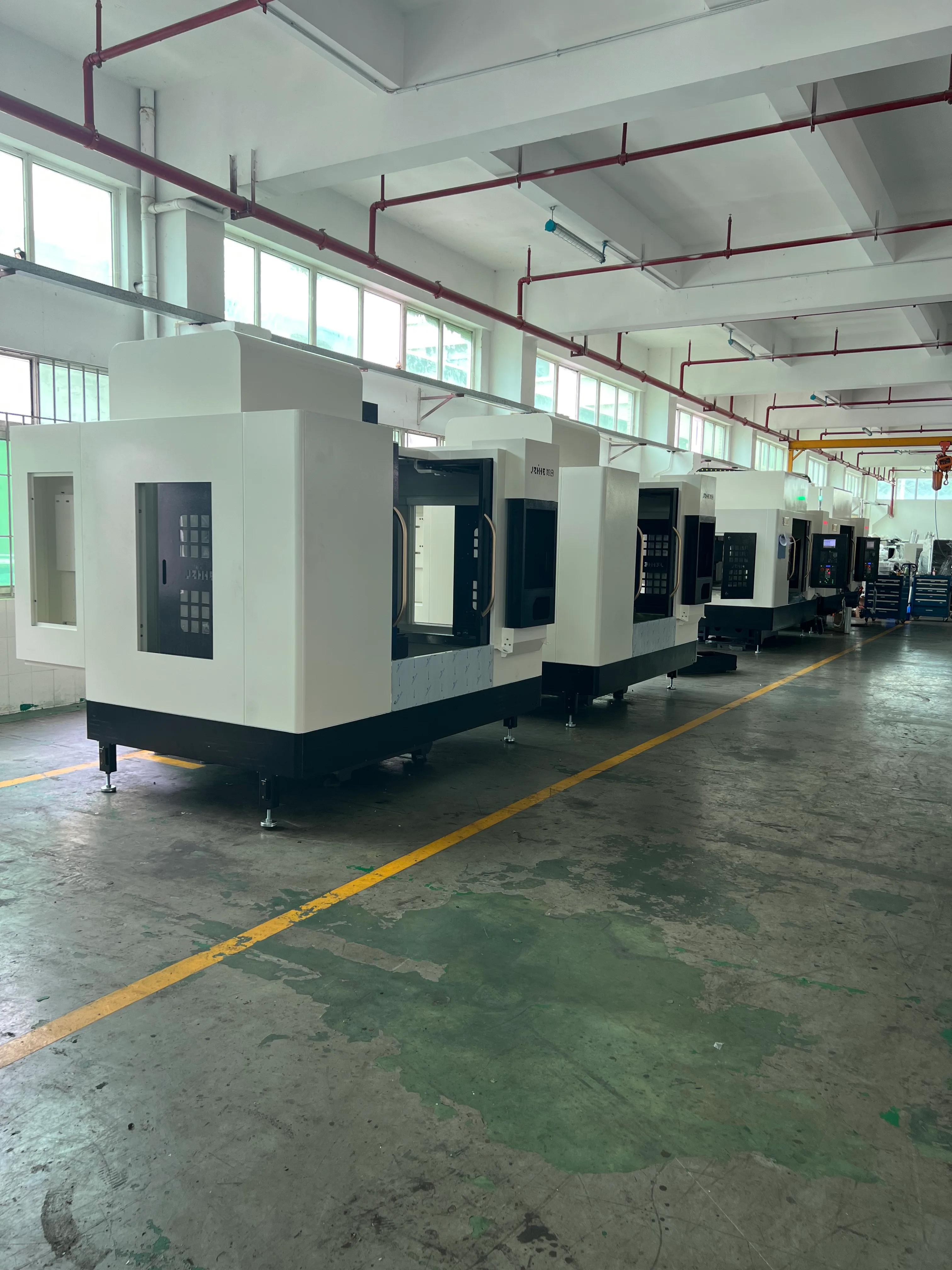
Project readiness exists when all four border passports point to the same workpiece, configuration, route, site, acceptance plan, and responsibility map. A technically capable machine is not ready if the crane is unconfirmed, the foundation is provisional, the packing list omits accessories, or the site team cannot restore the factory baseline.
A China gantry machining center project should have one integrated readiness review before shipment. Zhihe CNC recommends checking blocking issues, expiry dates, interfaces, lifting data, route permits, utility measurements, receiver availability, trial material, inspection equipment, backups, and open deviations. Each item should have objective release evidence rather than a verbal status.
The China gantry machining center is ready for production only after site geometry, functions, safety, tools, programs, inspection, training, and recovery have been demonstrated together. This definition prevents delivery completion from being confused with production completion.
Know What the Four-Border Map Cannot Guarantee
The map cannot guarantee customs timing, site readiness, machine uptime, part yield, cycle, surface, or payback. External carriers, weather, authorities, buyer utilities, foundations, tools, fixtures, programs, staffing, maintenance, and inspection all influence the result. The map controls transfers and exposes dependencies; it cannot remove every project risk or replace accountable local management.
FAQ
Why use four borders instead of one project schedule?
Borders expose ownership transfers where requirements, condition, documents, or responsibilities are most likely to be lost.
What is the most common envelope mistake?
Using nominal part size without fixture, clamps, tools, spindle head, loading path, and safe clearance.
Should factory acceptance repeat at site?
Repeat the checks needed to recover and compare the baseline; not every factory activity needs identical duplication.
Who owns the rigging route?
The contract should name owners for route data, permits, cranes, unloading, floor protection, placement, and verification.
What belongs in the serial build sheet?
Include model, travels, spindle, controller, options, electrical supply, accessories, software, documents, and approved substitutions.
How is transport damage separated from setup error?
Use packing evidence, arrival inspection, indicators where appropriate, factory baseline, installation records, and controlled geometry checks.
When can trial cutting begin?
Begin after placement, leveling, utilities, lubrication, functions, safety, options, references, tools, fixtures, and inspection are ready.
Why run a representative batch?
One part may not expose thermal drift, tool life, chips, cleaning, inspection queues, or recovery losses.
What should survive the final handover?
Preserve serial data, backups, drawings, manuals, tests, programs, training, maintenance, spares, open issues, and contacts.
What should buyers send Zhihe CNC first?
Send part models, mass, material, tolerances, setup, tools, production, site route, utilities, destination, and target date.
Map the Four Borders With Zhihe CNC
To source a China gantry machining center, send Zhihe CNC the largest and most difficult workpieces, blank masses, setup concepts, tools, tolerances, surfaces, production pattern, factory acceptance needs, destination route, foundation and utility data, and ramp target. Review the gantry machining center range, the Zhihe CNC profile, and the project contact page before freezing the border passports.