

CNC machine electrical requirements should be agreed before shipment, not discovered while an electrician waits beside an unopened crate. The useful document is a signed interface sheet: supply characteristics, connection point, protection, conductor route, isolation, auxiliary loads, evidence, and ownership. A catalog voltage alone cannot tell a factory whether the site is ready. For a Zhihe CNC project, send the installation country, measured incoming supply, facility drawings, local rules, transformer arrangement, planned options, and responsible electrical contractor. Zhihe CNC can then confirm the delivered configuration and machine-side connection information. The buyer's qualified team remains responsible for the facility installation, local compliance, and safe working procedures. Start at the Point Where Ownership Changes Hands Draw a vertical line at the machine's designated supply connection. On one side sit the facility feeder, upstream protection, cable route, local disconnect decisions, and site authorization. On the other side sit the delivered electrical equipment, control cabinet, drives, motors, and machine documentation. Put a person's name against every item that crosses the line. This boundary matters because phrases such as "power included" hide several different questions. Does the quote include a transformer? Who selects the upstream protective device? Who provides cable glands, conduit, or a lockable isolator? Who verifies protective bonding? What changes when a chip conveyor, mist collector, coolant chiller, or robot is added? IEC 60204-1 describes electrical equipment of machines beginning at the point where the supply connects to that equipment. That scope is a sound way to organize a procurement conversation. It is not a substitute for the applicable edition, national rules, a site design, or work by qualified people. Build a One-Line Diagram Before a Shopping List A one-line diagram should show the source, transformer where applicable, distribution board, protective device, disconnecting means, conductor route, connection point, and auxiliary branches. Add nominal supply information and the prospective conditions that the facility engineer must assess. Keep revision and approval fields visible. Do not copy the circuit from a similar machine. Options change load and interfaces. A machine with a different spindle package, coolant arrangement, chip conveyor, extraction unit, or automation cell may create a different facility task even when the enclosure looks identical. The diagram also prevents double counting. An accessory may be powered from the machine cabinet, from a separate facility branch, or from a supplier-provided panel. Record which arrangement is actually quoted. The CNC machine electrical requirements sheet should point to the same configuration as the commercial offer. Read Electrical Data as Operating States One maximum figure is not an operating story. Ask the supplier to identify the information needed for connection and to explain which loads are simultaneous in the selected configuration. The facility team can then model normal production, startup, standby, maintenance, and planned expansion without inventing a universal demand factor. State to review Loads or events to identify Evidence to retain Decision owner Energized standby Controls, cabinet cooling, pumps that remain active Delivered configuration and observation plan Production and facilities Normal representative cycle Spindle, axes, coolant, chip handling, tool changes Trial program, option list, measured site record Applications and facilities Short operating peak Acceleration, spindle change, accessory start Supplier connection data and site design check Qualified electrical designer Planned stop Controlled shutdown and retained services Shutdown sequence and state record Operations Service isolation Electrical and other stored energy Site energy-control procedure Employer and authorized staff This table is for collecting facts. It is not a wiring instruction and does not assign protective-device settings. Confirm Supply, Frequency, Phase, and Tolerance Together Record the actual facility supply and the required machine input on the same page. Include nominal voltage, frequency, phase arrangement, and any supplier-stated tolerance or transformer condition. If the facility has generators, weak distribution, frequent switching, or known disturbance history, disclose it before the configuration is frozen. The measured value at an idle panel is only one observation. Production loading elsewhere in the plant may change conditions. The responsible engineer should decide what survey is needed and what evidence is acceptable under local requirements. Zhihe CNC should receive the approved site data rather than a guess based on the building's address. Separate Connection Rating From Energy Use Connection planning and energy-cost planning answer different questions. The former supports a safe, suitable installation. The latter estimates resource use across a defined production window. Neither should be inferred from the other without the required measurements and assumptions. A high connection rating does not mean the machine continuously consumes that amount. Conversely, a low average meter reading does not prove the feeder, protection, or conductors are correctly designed. Keep both records, label their purpose, and prevent a purchasing spreadsheet from becoming an accidental electrical design. Treat Bonding, Grounding, and EMC as Interfaces Protective bonding, grounding arrangements, shielding, cable separation, and electromagnetic compatibility depend on the delivered equipment and the site. Ask for the connection instructions and identify who approves the facility method. Include network, measurement, and automation cables in the route review; an untidy retrofit can create a reliability problem even when the main feeder is correct. Do not use a production trial as the only proof of these interfaces. Inspection, required tests, documentation, and local acceptance have their own owners. If an external transformer, filter, stabilizer, or power-conditioning device is proposed, record the engineering reason, rating basis, heat and access needs, maintenance owner, and effect on the documented configuration. Add Every Option That Draws Power Freeze a bill of electrical consumers. Start with the selected machine, then add chip handling, through-spindle coolant, coolant temperature control, mist extraction, probing interfaces, rotary equipment, workholding hydraulics, pallet systems, robots, guarding, inspection stations, and external computers where applicable. For each option, ask whether it is machine-fed or separately fed, standard or optional, delivered or buyer-supplied, and interlocked or independent. Record the cable and signal boundary as well as power. This turns CNC machine electrical requirements into a configuration control document rather than a generic utility note. Put Other Energy Sources on the Same Map Electrical isolation may not remove pneumatic, hydraulic, gravitational, mechanical, or thermal energy. A site handoff should identify the energy sources and the responsible procedures without presenting a blog article as a safety instruction. The OSHA control of hazardous energy overview explains that electrical, mechanical, hydraulic, pneumatic, chemical, thermal, and other sources can endanger people during servicing. Applicable law varies by site. Employers must establish the required program, procedures, training, and authorization for their workplace. Write a Facility-to-Supplier Interface Schedule Use a schedule that both purchasing and engineering can read. The answer in each row should be a document, drawing, measured value, named exclusion, or responsible person rather than "to be confirmed." Interface Buyer sends Supplier returns Release gate Incoming supply Measured site data and country/location Configuration-specific input information Electrical design review closed Connection point Route and access constraints Connection drawing and cabinet location Installation drawing approved Protection and isolation Local design criteria Machine documentation and relevant equipment data Qualified owner signs plan Accessories Required option and supplier list Feed, signal, interlock, and exclusion map Commercial scope matches drawing Commissioning Site readiness evidence Precondition and test plan Both parties accept witness record Documentation Required language and handoff format Agreed manuals, drawings, and revisions Controlled files received Place unresolved items in an open-issue log with an owner and due date. Silence is not acceptance. Review the Route From Truck to First Energization Electrical readiness is linked to physical installation. Confirm unloading, positioning, leveling, cable entry, cabinet-door access, transformer or peripheral placement, ventilation, and maintenance clearance. Protect the cable route from traffic and future storage. Make sure the documented connection point will still be reachable after the machine is in place. Hold a pre-shipment review using the final option list and installation drawing. A photograph of a prepared panel can support the discussion, but it cannot replace the responsible site's inspection or required test evidence. The goal is to find missing interfaces while they are still inexpensive to resolve. At this gate, read the CNC machine electrical requirements aloud against the final quotation. It is a simple way to catch an accessory or transformer assumption that disappeared between engineering and purchasing. Witness Commissioning Without Turning It Into a Demonstration Define a commissioning record that distinguishes installation checks, controlled energization, functional checks, alarms, accessory handshakes, machine acceptance, and the later production trial. State prerequisites, responsible roles, instruments or records, stop conditions, and how deviations are closed. Do not energize merely to keep a schedule. If the site supply, connection, protective measures, documentation, or required authorization is incomplete, keep the gate closed. The accepted CNC machine electrical requirements record should show the actual delivered serial configuration, not an earlier quotation revision. Control Changes After the First Accepted Part A later spindle option, coolant chiller, extractor, rotary table, robot, transformer, or cabinet modification can reopen the electrical review. Use change control that names the proposed alteration, affected drawings, new loads and signals, safety and compliance review, installer, test evidence, backup, and final approval. Keep superseded drawings. A technician should be able to identify what is installed and which revision governs it. Informal field changes are difficult to diagnose and may invalidate earlier assumptions. Ten Buyer Questions About CNC Machine Electrical Requirements Is the catalog voltage enough to prepare the site? No. Confirm the selected configuration, supply characteristics, connection information, protection and isolation design, accessory feeds, route, local rules, and responsible approvers. Who should design the facility feeder? A qualified person responsible under the site's applicable requirements. The supplier provides configuration-specific machine information; the buyer controls the facility design and authorization. Does a transformer always come with the machine? Do not assume it. Ask whether one is required, included, external or internal, who sizes it, where it sits, and who owns installation and maintenance. Can connection rating be used as the monthly energy estimate? Not by itself. Energy use depends on operating states, part mix, utilization, auxiliaries, idle policy, and the measured boundary. Should the chip conveyor have a separate feed? That depends on the quoted configuration. Record whether every accessory is machine-fed or facility-fed and how its controls and interlocks connect. What electrical information should be checked before shipment? Review the final option list, connection drawing, incoming supply, transformer decision, cable route, accessory interfaces, documents, site readiness, and open issues. Does switching off the main disconnect remove every hazard? Not necessarily. Other stored or supplied energy may remain. The employer's applicable energy-control procedure governs servicing and verification. Can the buyer use a photo as site-readiness proof? A photo can help coordination, but the responsible team should define the inspections, measurements, tests, and approvals needed for acceptance. When should the electrical review be reopened? After changes to the machine configuration, options, supply, transformer, feeder, peripherals, automation, site route, or applicable requirements. What should I send Zhihe CNC first? Send the installation location, measured supply, facility drawing, selected options, automation plan, local review needs, requested documents, schedule, and named electrical contact. Close the Interface Before Releasing the Order Review the Zhihe CNC machining-center portfolio and the company and manufacturing profile. Then use the engineering contact route to submit the site data and controlled option list. Ask for a dated configuration, connection information, installation interface schedule, documentation list, commissioning boundary, and open-assumption register. Good CNC machine electrical requirements do not promise that every factory problem has vanished. They make the remaining responsibilities visible before the crate moves.
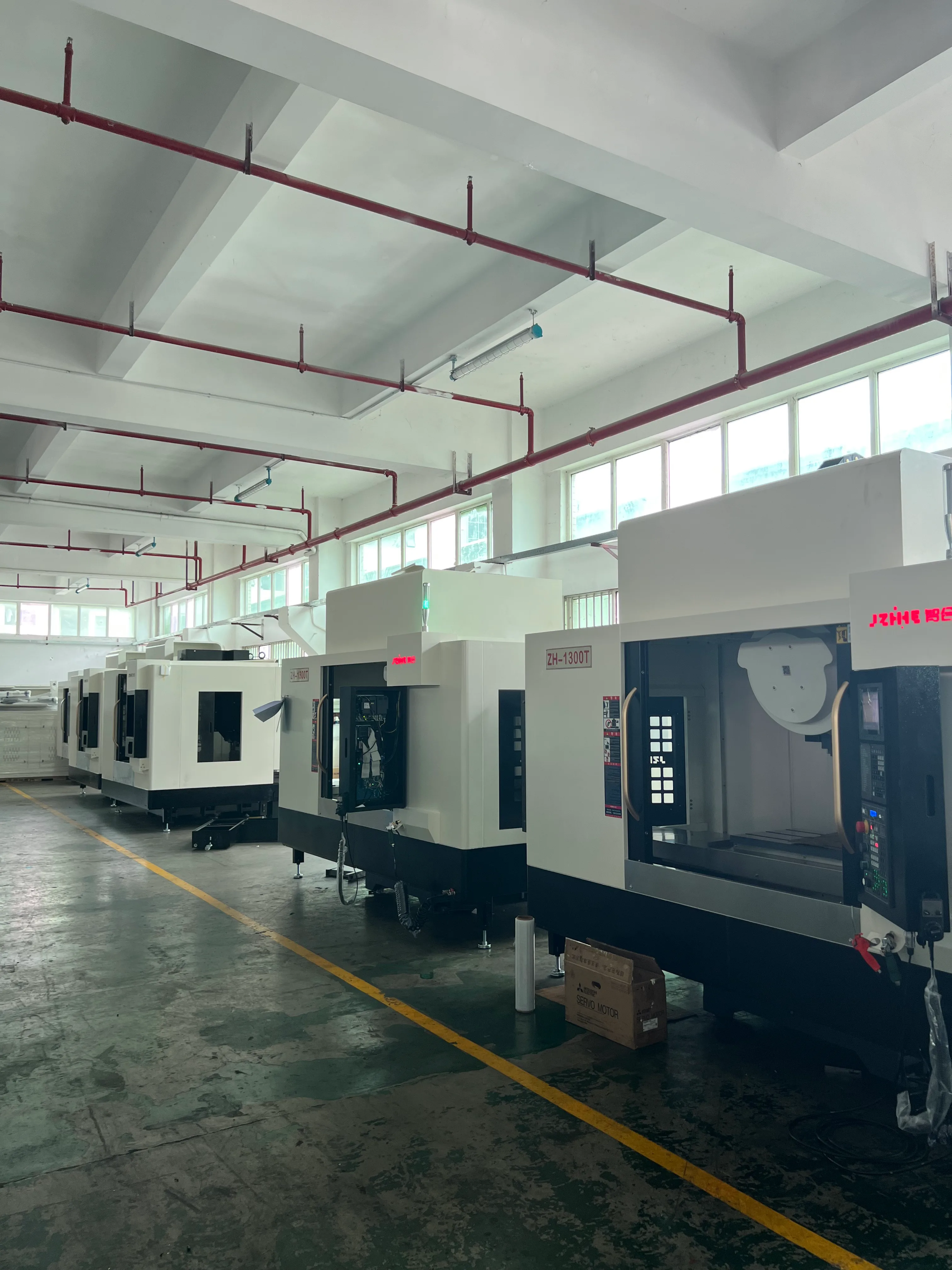
Before the Crate Opens: CNC Machine Electrical Requirements
- Machine Selection Guide
Posted by Zhihe CNC On Sep 10, 2026
Featured Blogs
Tag:
Share On
Featured Blogs

Custom CNC Automation Solution: Write the Interface Contract Before the Robot Arrives
Design a custom CNC automation solution around explicit machine, robot, fixture, safety, data, recovery, and changeover interfaces before integration.

CNC Machine for Lithium Battery Equipment Parts: Control Contamination and Interfaces Together
Select a CNC machine for lithium battery equipment parts by linking datum control, contamination prevention, fixture design, cleaning, inspection, and traceability.

CNC Machine After Sales Service: Build a Severity-Based Recovery Playbook
Evaluate CNC machine after sales service through a severity-based playbook covering intake, triage, escalation, spare parts, remote support, and closure evidence.

CNC Machine Installation and Training: Design the Handover Around the First Independent Shift
Build a CNC machine installation and training handover around site readiness, commissioning evidence, role-based competence, recovery paths, and supervised production.

CNC Machining Center Quotation: Normalize the Scope Before Comparing Prices
Turn a CNC machining center quotation into a decision-ready scope by normalizing configuration, acceptance, delivery, training, warranty, and ownership assumptions.

Before Territory Launch: A CNC Machining Center Distributor Service Drill
Test a CNC machining center distributor before territory launch with practical service drills for intake, escalation, spare parts, field work, and response quality.