A CNC machine exporter China project should be compared as a complete delivery chain from technical scope to export packing, logistics, site readiness, commissioning, training, acceptance, and support. Machine specifications matter, but overseas projects often lose time at responsibility gaps: documents arrive late, options are not export-ready, unloading is unplanned, utilities are wrong, or acceptance evidence is unclear.
The buyer should know who manufactures, sells, exports, ships, installs, trains, supports, and warrants the equipment. Those parties may be the same company or several companies. Confirm the legal and technical scope in the quotation and contract rather than assuming a website description defines responsibility.
Milestone 1: Confirm the Trading Entity and Scope
Verify the company name, address, bank details, contact channels, manufacturing relationship, export role, and quotation issuer. Ask who signs the contract, receives payment, issues commercial documents, holds technical responsibility, and manages warranty claims. Cross-check changes through an independent known contact before sending funds.
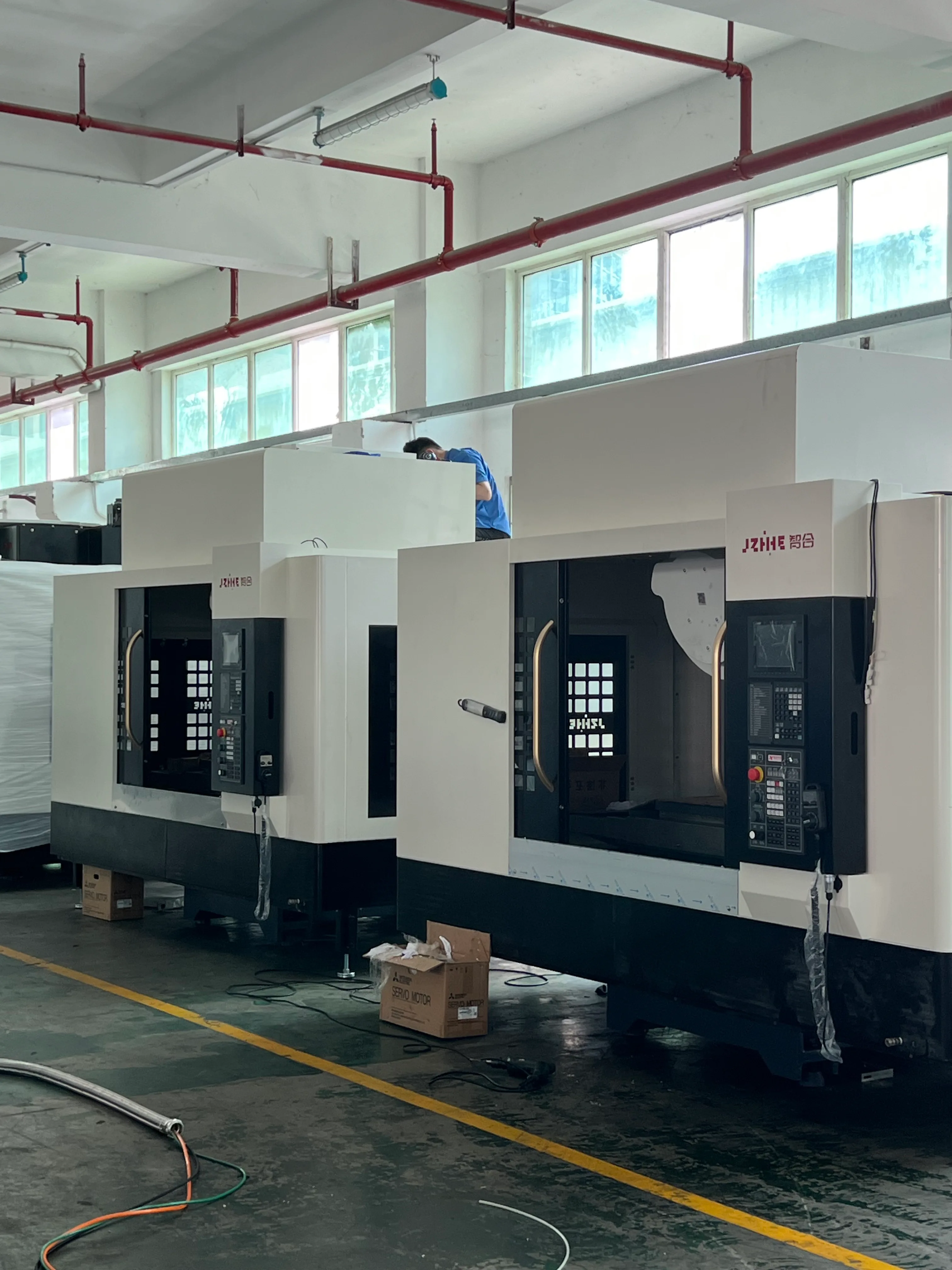
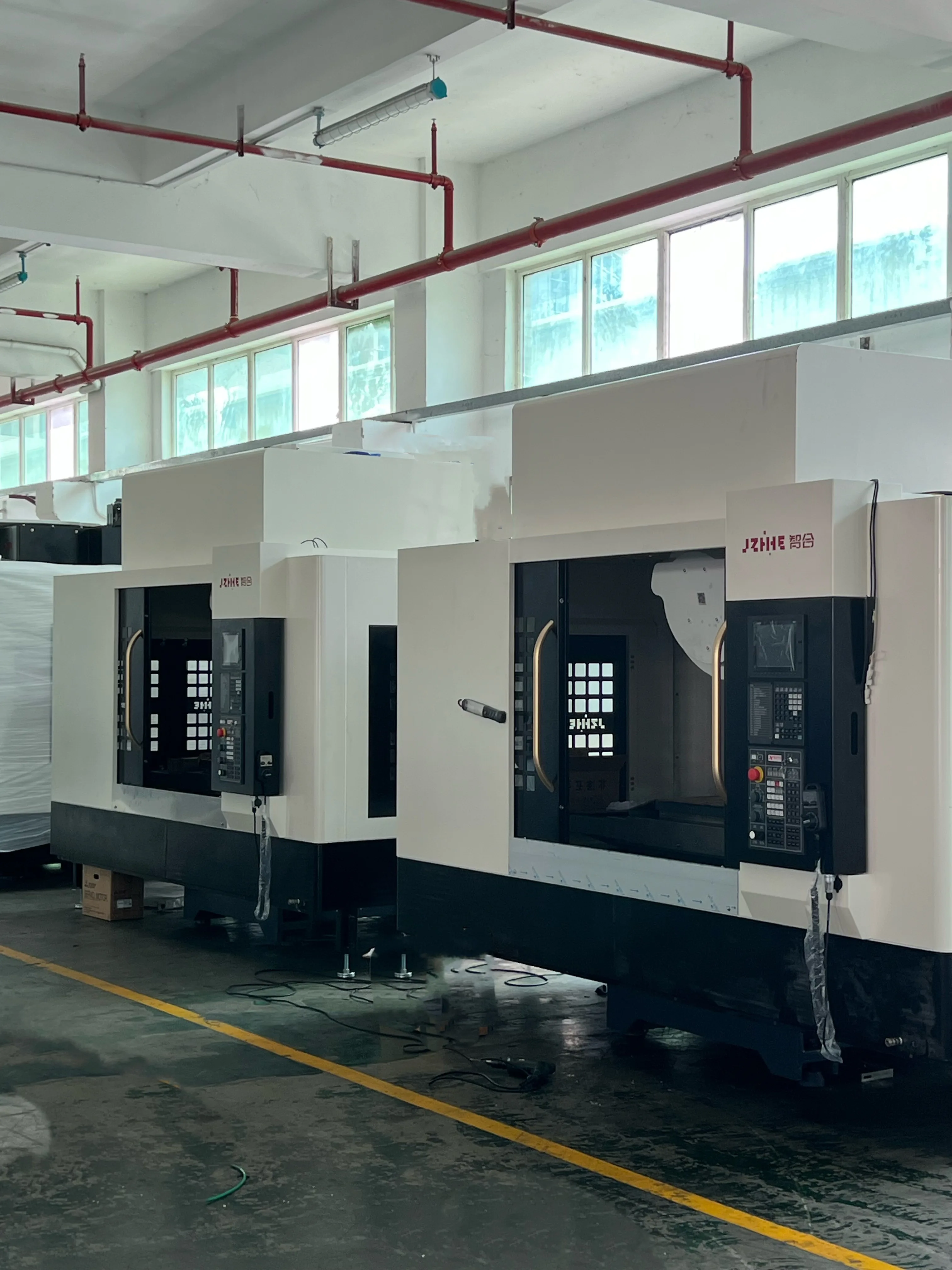
Review manufacturing background, product range, service process, and overseas references that are relevant to the destination or machine class. Zhihe CNC describes itself as integrating CNC machine research, manufacturing, sales, and service; the current company profile is the starting point for due diligence, not a substitute for contract verification.
Milestone 2: Freeze the Export-Ready Configuration
Confirm voltage, frequency, phase, transformer, plugs, controller language, documentation language, safety scope, guarding, labels, lubrication, coolant, chip system, mist or extraction interfaces, networking, remote-support method, and locally restricted fluids or components. List included tools, holders, probes, spares, consumables, fixtures, and commissioning materials.
Record packed dimensions, weight, lifting points, center of gravity, storage limits, rust prevention, container method, and any component shipped separately. Export preparation should match route duration, climate, transfers, and expected storage before installation.
Milestone 3: Assign Every Logistics Responsibility
Use the agreed Incoterm and named place, but add a practical responsibility matrix. Incoterms do not define every project task. Assign export clearance, freight booking, insurance, port charges, destination clearance, duties and taxes, inspection, demurrage risk, inland transport, route survey, permits, unloading, rigging, temporary storage, and packaging disposal.
| Delivery task | Named owner | Proof before shipment |
|---|---|---|
| Commercial documents | Seller/exporter | Approved invoice, packing list, and required certificates |
| International freight | Contract-defined party | Booking, route, insurance, and tracking contacts |
| Destination clearance | Buyer or broker | Commodity review, importer data, permits, and funds |
| Final transport | Buyer logistics team | Truck, route, access, timing, and unloading plan |
| Rigging | Qualified site contractor | Lift plan, capacity, tools, personnel, and safety approval |
Milestone 4: Prepare the Receiving Site
Create a site-readiness gate covering foundation, floor load, anchor method, machine footprint, maintenance clearances, door and route dimensions, power, grounding, air, coolant, drainage, temperature, humidity, lighting, network, chip handling, lifting equipment, safety zones, and local permits. Confirm values against the approved machine documents.
Photograph and measure the full path from truck to final position. Check corners, slopes, floor transitions, overhead obstructions, doors, pits, and temporary removals. A machine can clear the building door but fail at an internal turn or overhead service.

Milestone 5: Protect Commissioning Evidence
Define factory and site acceptance separately. Factory acceptance may cover configuration, machine checks, trial cutting, documents, packing, and open items before shipment. Site acceptance may cover installation, leveling, utilities, geometry after transport, safety, training, representative parts, and production release.
State the test condition, measurement method, responsible people, pass criteria, action process, and evidence format. Record transport damage immediately with photos and notify the responsible parties within contract and insurance timelines. Preserve packaging where claims may require it.
Milestone 6: Close the Support Loop
Before shipment, confirm escalation contacts, service hours, language, remote-access conditions, response definitions, local or regional technicians, travel responsibility, warranty exclusions, spare ordering, software backups, and diagnostic information. Training should cover operators, programmers, maintenance, safety, backup, recovery, and routine care according to scope.
Use a CNC machine exporter China supplier review that asks how incidents are triaged: what data the buyer must provide, who makes the first diagnosis, how parts are identified, how urgent shipments are handled, and when on-site service is triggered.
Use a Red-Amber-Green Delivery Board
- Green: evidence approved, owner confirmed, and no action threatens shipment or startup.
- Amber: action open with owner and due date; contingency exists and impact is understood.
- Red: missing decision, document, payment, permit, route, utility, safety item, or acceptance condition blocks the milestone.
Review the board at configuration freeze, pre-shipment, vessel departure, customs preparation, site readiness, unloading, installation, and production release. Do not let a promised future action remain green without evidence.
Limits of an Exporter Comparison
The lowest delivered price is not automatically the lowest project cost. However, a larger service promise also has little value without contract scope, capable people, spare access, response rules, and evidence. Regulations, duties, safety requirements, import procedures, and certification vary by destination and can change; use qualified local customs, legal, safety, and engineering advice where required.
FAQ
Does the Incoterm cover installation and training?
No. Incoterms allocate defined delivery costs and risks, while installation, training, acceptance, and service must be stated separately.
When should site readiness be approved?
Approve it before shipment where possible, then reconfirm before final transport and rigging using the current machine and site documents.
What should a factory acceptance test include?
It should match the contract and may include configuration, checks, trial evidence, documentation, packing review, and closure of open items.
How can payment-change fraud be reduced?
Use approved channels, dual controls, and independent verification through a previously known contact before accepting changed bank or payment instructions.
Request an Export Delivery Map
To evaluate a CNC machine exporter China project, send the destination, application drawings, material, output target, preferred configuration, voltage, local standards, Incoterm preference, site status, unloading route, required training, acceptance scope, and startup date. Use the contact page to request a technical and delivery review, and compare relevant equipment in the Zhihe CNC product range.