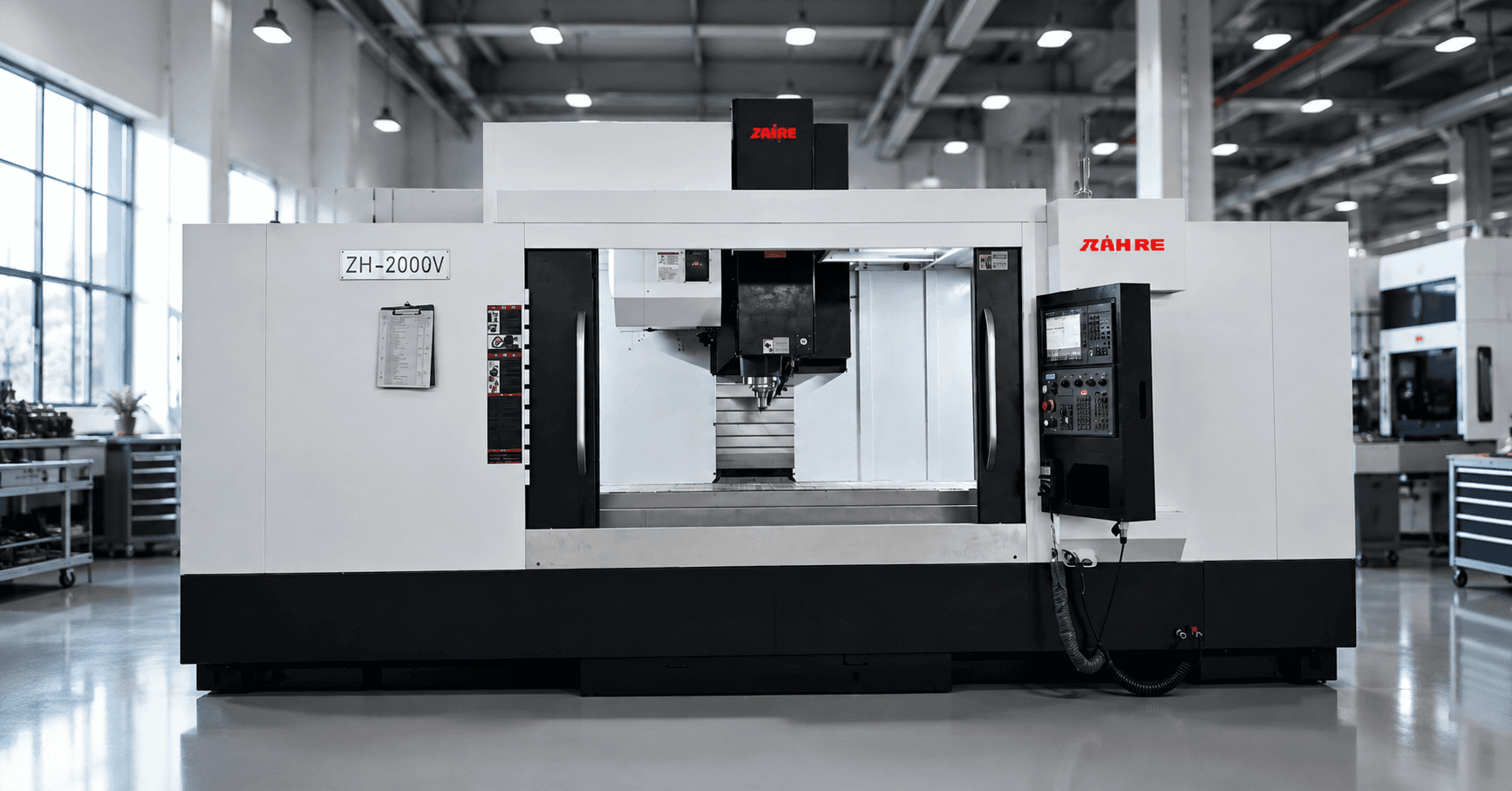
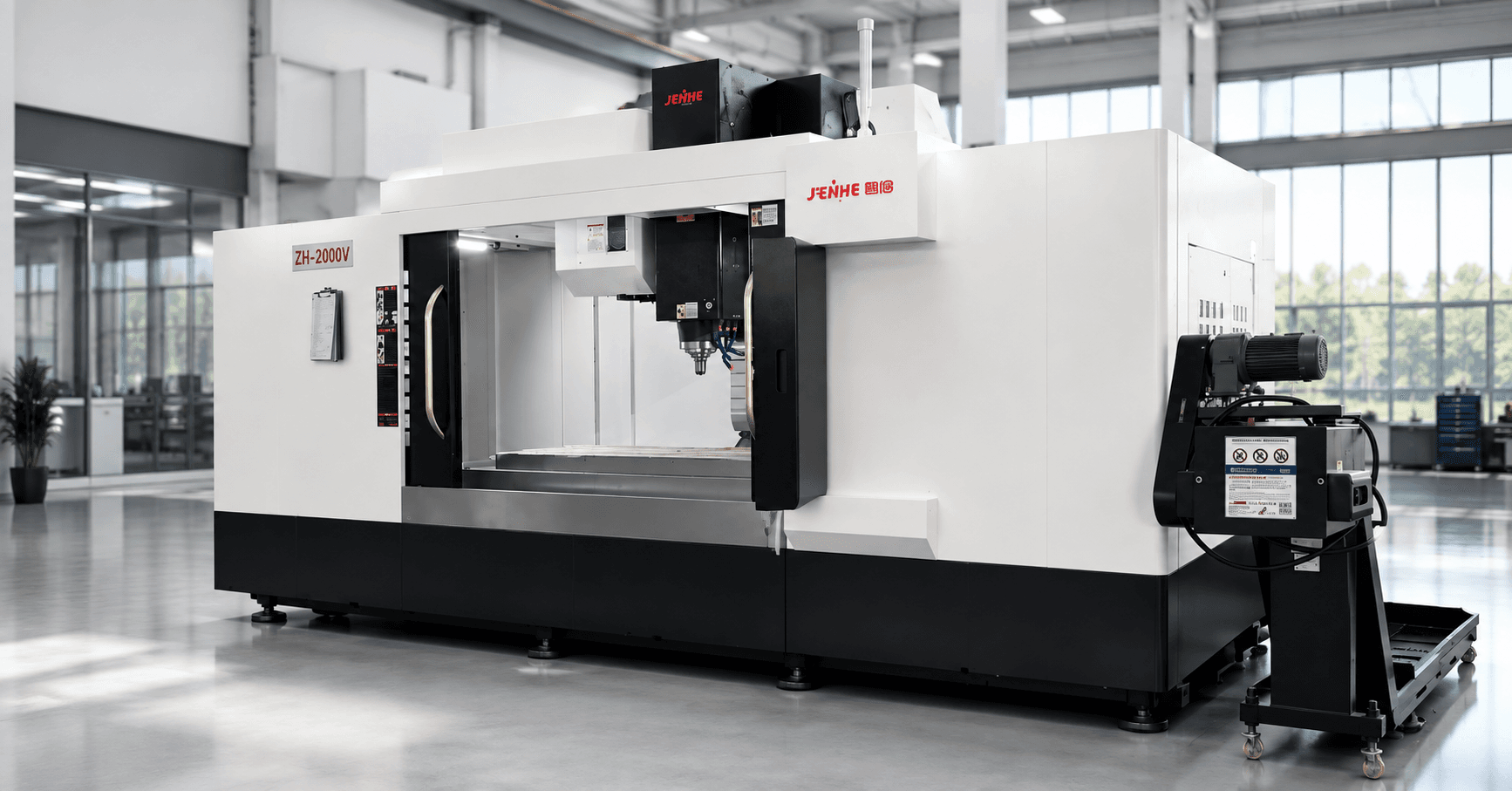
Aluminum cuts easily until the process has to run all day. Then the details begin to matter: long stringy chips wrap around tools, thin walls move after material is removed, deep pockets hold heat, and a fixture that was fine for ten parts becomes awkward at five hundred. Choosing the machine by maximum spindle speed alone does not solve those problems.
The phrase CNC machine for aluminum parts covers too much ground to be a specification. Put a phone-sized housing beside a three-meter extrusion and the problem is obvious. Both may be aluminum, yet one rewards quick tool changes while the other is mostly a question of support, travel, and keeping the stock straight.
This guide helps production engineers and buyers turn the drawing into a practical machine shortlist. It focuses on the questions that affect cycle time and repeatability, while keeping the language close to what actually happens at the machine.
CNC Machine for Aluminum Parts: The Quick Selection Rule
- Many holes and threads: begin with a drilling and tapping center, then check whether its milling capacity covers the remaining features.
- Mixed parts and deeper cuts: a VMC usually gives the shop more room for larger tools, varied fixtures, and work that changes next week.
- Features on several faces: price the manual rotations first. A fourth axis or five-axis route becomes interesting when those rotations keep returning.
- Long or wide stock: stop thinking about rpm for a moment. Support, clamping, and usable travel may point toward a profile or gantry layout.
The correct answer may still be a simple VMC. The point is to earn that simplicity by checking the process, not by assuming every aluminum part needs the fastest spindle in the catalog.
Start With the Part Family and Production Pattern
Pick three drawings: the most common part, the most difficult part, and the part that consumes the most machine hours. Together they show whether the machine must optimize flexibility, access, or throughput.
Record the alloy and stock condition. A stable 6061 plate behaves differently from a thin extrusion or casting. Mark wall thickness, pocket depth, hole count, threads, surface requirements, datums, and faces that need machining. Then add batch size, annual volume, shift pattern, and changeover frequency.
A short-run job shop may accept more manual loading in exchange for fast fixture changes. A dedicated production cell may justify palletization, probing, tool monitoring, and automated loading. The same part geometry can lead to a different machine when the production pattern changes.
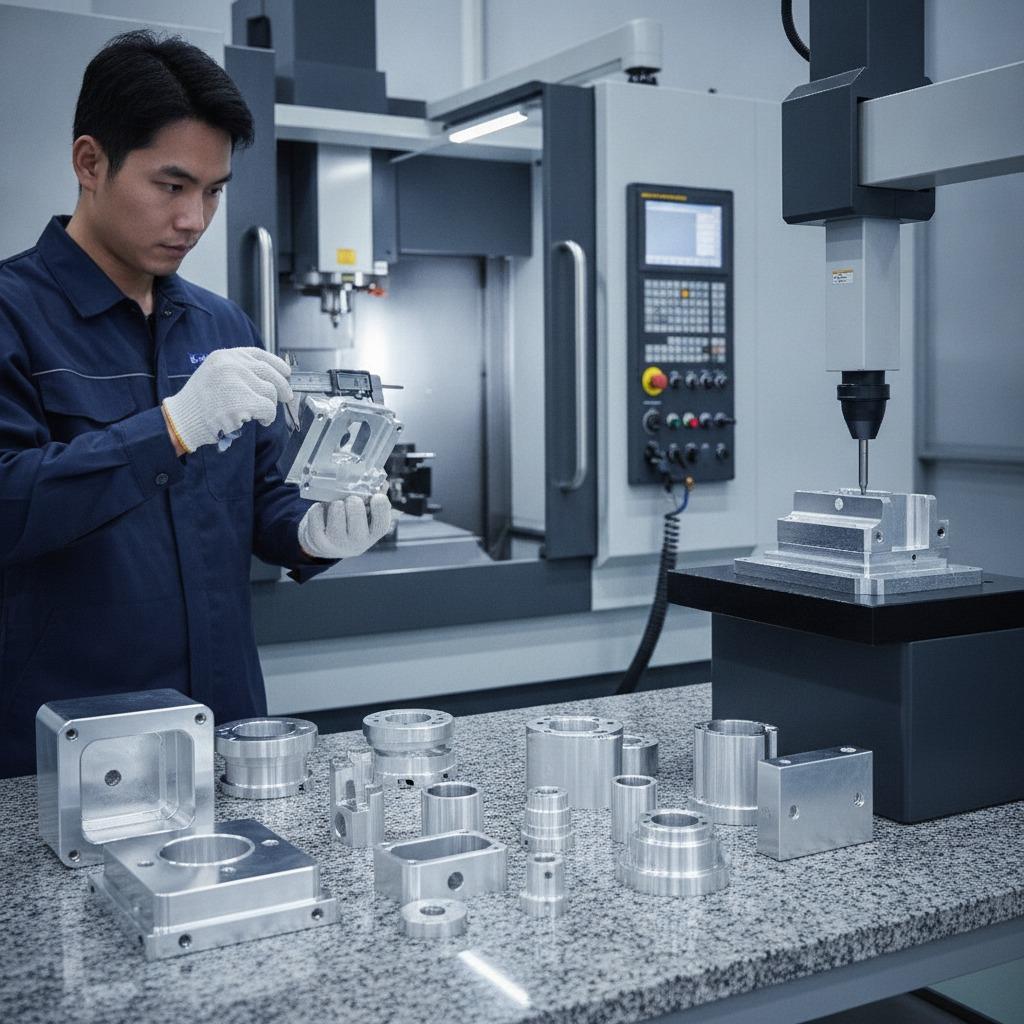
Do Not Buy the Spindle From the Maximum-rpm Column
Aluminum often tolerates high cutting speed, so rpm belongs in the conversation. It should not finish the conversation. A 6 mm end mill and a large face mill reach useful cutting speed in very different parts of the spindle range. Feed, power, flute count, acceleration, balance, and the machine's behavior decide whether the programmed rpm survives contact with the part.
A small tool in a fine feature may need high rpm. A large face mill may reach its required cutting speed at a much lower rpm and place more emphasis on power and stable feeding. Rapid acceleration can matter on a part with hundreds of short moves, while sustained cutting may depend more on chip evacuation and thermal control.
Ask the supplier to calculate a sample operation using the planned cutter. The proposal should show the intended speed, feed, depth and width of cut, and expected material removal approach. A useful spindle selection is connected to those numbers rather than a brochure maximum.
Chip Evacuation Can Decide Whether the Cycle Is Stable
Aluminum chips are light and can occupy a surprising amount of space. In deep pockets they may be cut again, which can damage the surface and increase heat. A drill or tap has even less room to forgive a packed chip; the first warning may be a damaged tool rather than a slower cycle.
Follow a chip from the cutting edge to the bin. What moves it out of the hole? Where can it collect in the fixture? Can the washdown reach that corner? Coolant, air, filtration, conveyor capacity, and fixture drainage should answer those questions. The most powerful option is not always the right one.
Tool geometry matters as well. Sandvik Coromant's aluminum machining knowledge groups tooling and process guidance around aluminum component production. The broader purchasing lesson is simple: machine, cutter, coolant, and chip removal should be reviewed as one process.
Workholding Must Control the Part Without Distorting It
Thin aluminum walls are easy to clamp too hard. The part may look correct in the fixture and move after release. Large pockets can also release residual stress, especially when material is removed unevenly.
Plan roughing and finishing datums before choosing the fixture. Check jaw contact, support under thin sections, access for tools and probes, and where chips can accumulate. Vacuum fixtures may help on some plates; custom soft jaws may suit repeated housings; modular fixtures may be better for changing product families.
The fixture also consumes travel. A rotary table, tombstone, or tall vise can turn a comfortable catalog work envelope into a collision problem. Ask for a layout showing the complete setup and longest tool, not only the finished part dimensions.
Which Machine Layout Fits the Aluminum Part?
| Production situation | Likely starting point | Main point to verify |
|---|---|---|
| Small housings with many holes and threads | Drilling and tapping center | Tool change, acceleration, spindle range, chip control |
| Plates, brackets, molds, and mixed jobs | Vertical machining center | Travel, torque, tool capacity, fixture flexibility |
| Multi-face housings in repeat production | VMC with fourth axis or HMC | Setup reduction, datum control, fixture access |
| Complex angled features and sculpted surfaces | Five-axis machining center | Rotary envelope, calibration, programming capability |
| Long extrusions or oversized plates | Profile or gantry machine | Support, clamping, travel, chip removal over length |
A machine becomes unsuitable when the workarounds start running the process. Three manual rotations on every housing deserve a rotary or horizontal comparison. At the other extreme, a five-axis machine that spends the day drilling straight down is carrying complexity that the part may never repay.
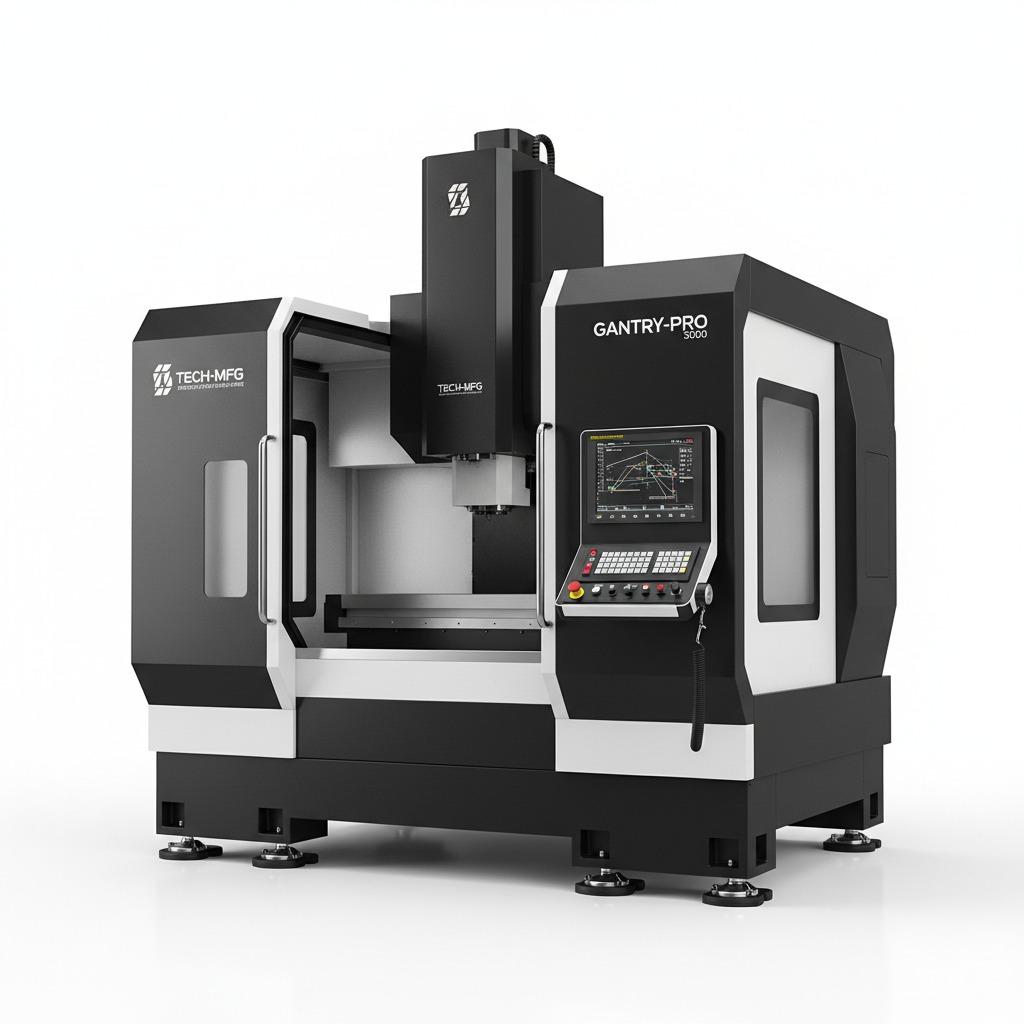
A Bright Aluminum Surface Quickly Shows What Went Wrong
Vibration marks, recut chips, built-up edge, and runout are difficult to hide on a bright machined face. When the customer cares about appearance, the finishing path needs help from the holder, cutter, fixture, machine condition, and chip flow. No single spindle-speed promise can cover all of that.
Circle the surface that will be rejected first and decide how it will be judged. A cosmetic face is not inspected like a sealing face or a bearing bore. Put the requirement on the drawing, then include that feature in the trial when appearance or sealing performance matters.
High speed can improve productivity in the right window, but it can also amplify balance and vibration problems. The safer question is whether the proposed spindle, holder, cutter, and path have been selected together.
Accuracy and Thermal Behavior Should Match the Feature
Aluminum removes quickly, which can create heat in the spindle, tool, coolant, and part. Thin sections may warm and move during the cycle. Long production runs can expose thermal behavior that a short demonstration does not show.
Separate positioning accuracy from repeatability and from finished-part capability. A hole pattern across a large plate stresses different behavior than a small bore in a compact housing. Ask the supplier how axis positioning is checked and how the trial part will represent the real risk.
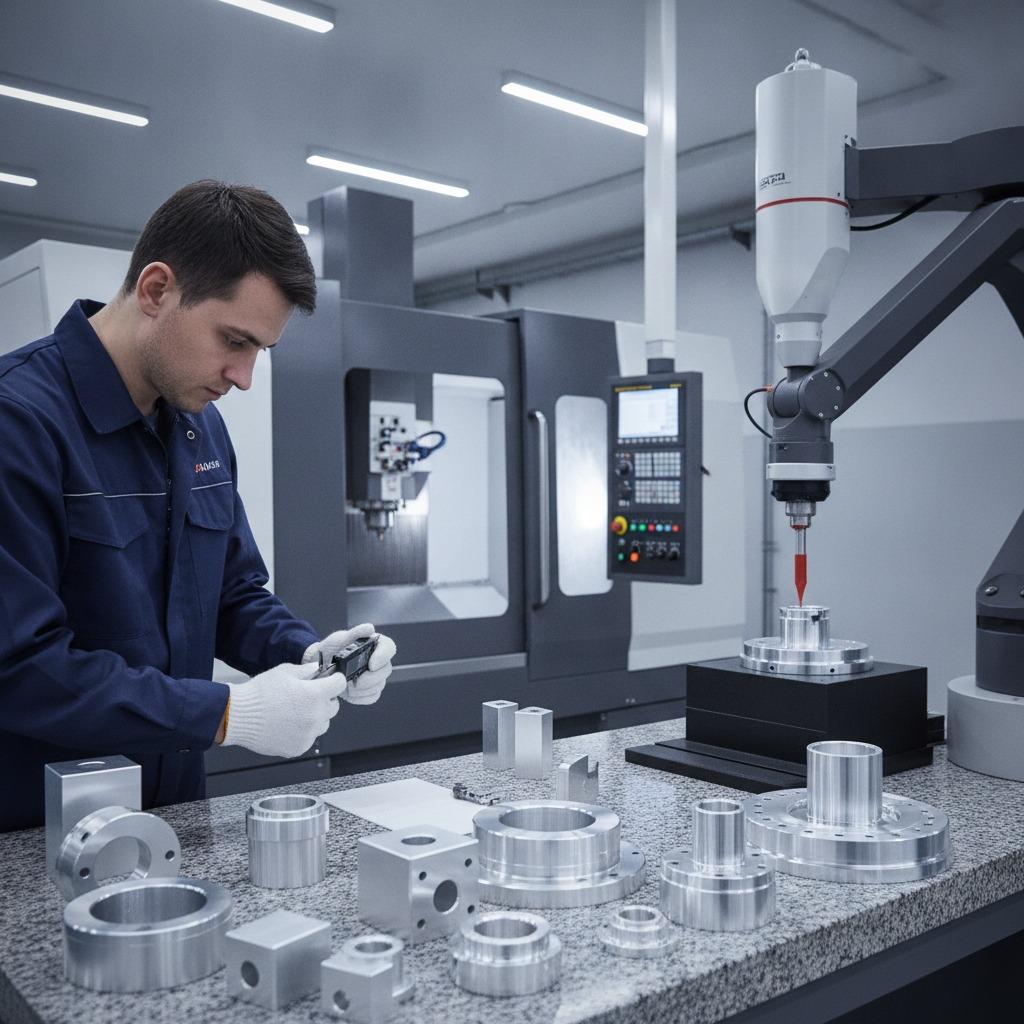
For selected Zhihe models, published positioning accuracy may reach +/-0.005 mm and repeatability +/-0.003 mm, depending on series, travel, and configuration. Those figures should be confirmed for the offered model and connected to laser calibration, ballbar testing, and a part-specific acceptance plan where needed.
Automation Should Follow a Stable Manual Process
Aluminum production is often a good automation candidate because parts can be light and cycle times can be short. That does not mean a robot should be the first purchase. The fixture, chip control, tool life, inspection, and recovery method must be stable first.
For short cycles, loading time can become a large share of the total. A pallet changer or robot may help. For long cutting cycles, the priority may be tool capacity, chip handling, or in-process probing. Calculate where the machine is waiting before choosing the automation.
What to Send With an Aluminum-Part RFQ
- Drawing and 3D model, including alloy and stock condition.
- Raw and finished dimensions, weight, and any thin-wall areas.
- Critical datums, tolerances, threads, and surface requirements.
- Batch size, annual volume, target cycle, and planned shifts.
- Current setup count, tool problems, chip issues, and scrap causes.
- Preferred controller, tool interface, probing, coolant, and automation.
- Factory limits such as floor space, power, air, loading, and foundation.
Ask the supplier to return a process proposal with machine type, setups, fixture concept, spindle range, tool list, chip strategy, inspection plan, and estimated acceptance test. This is more useful than asking only for a high-speed model.
How Zhihe CNC Approaches Aluminum Applications
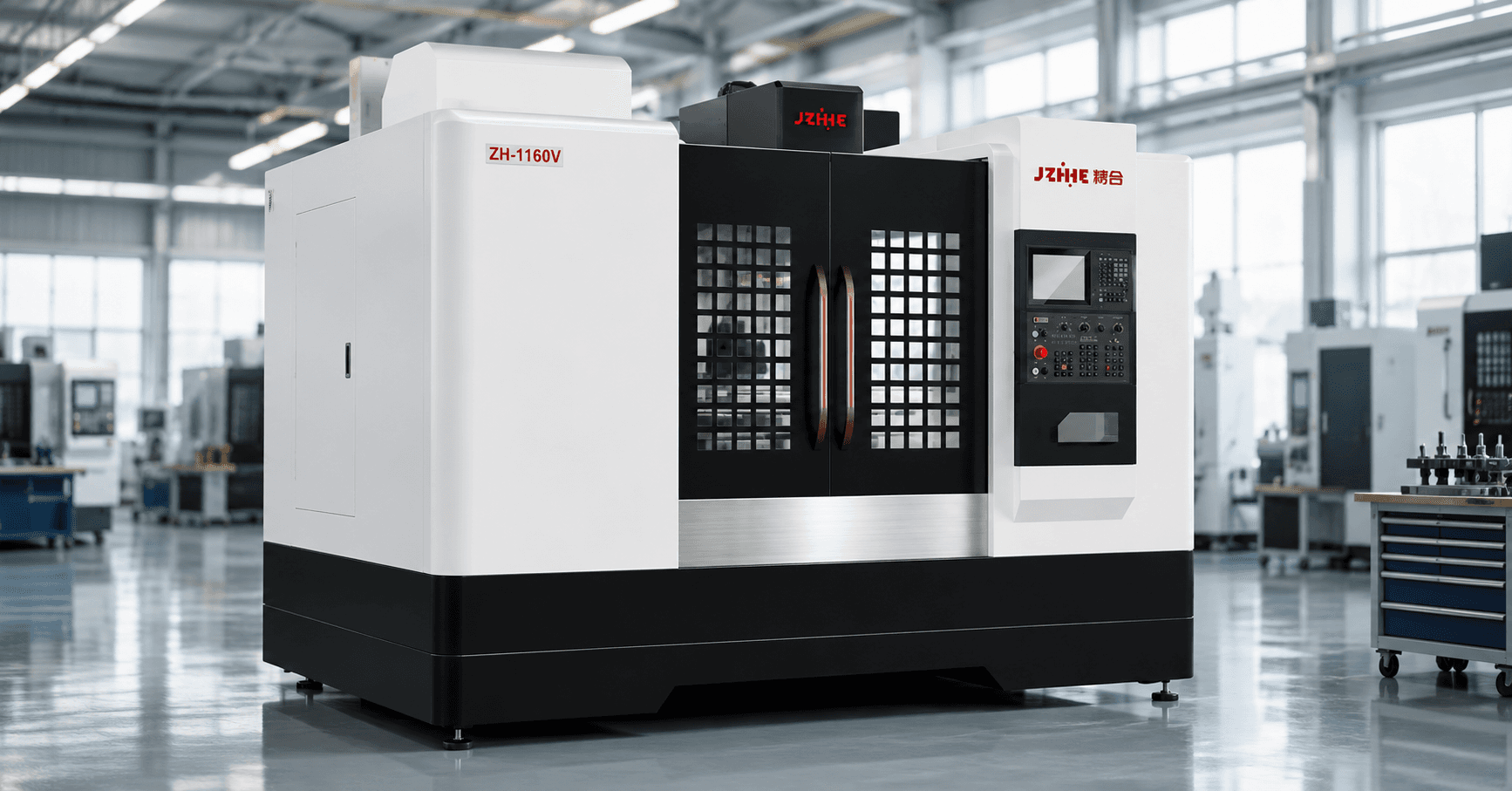
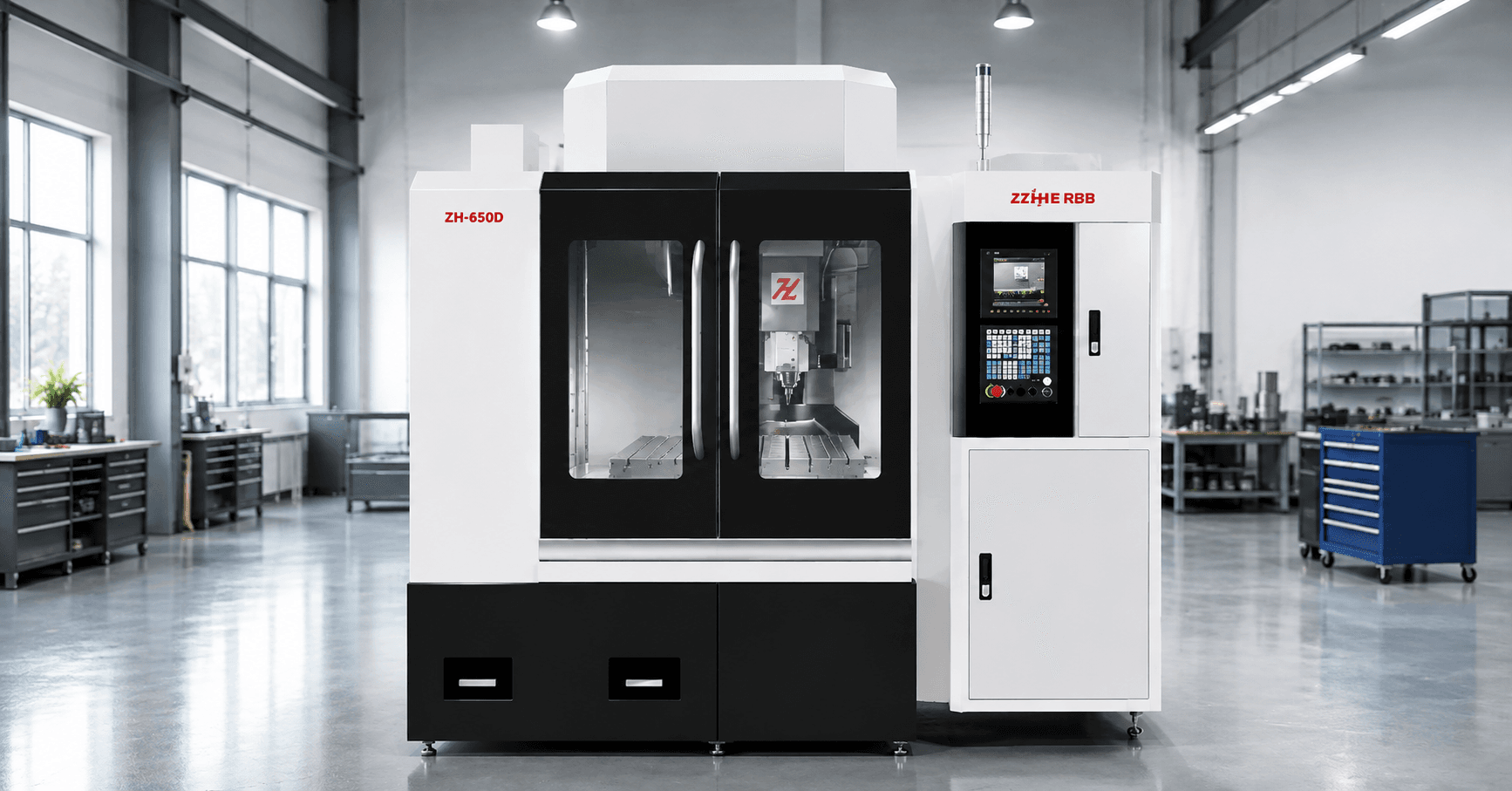
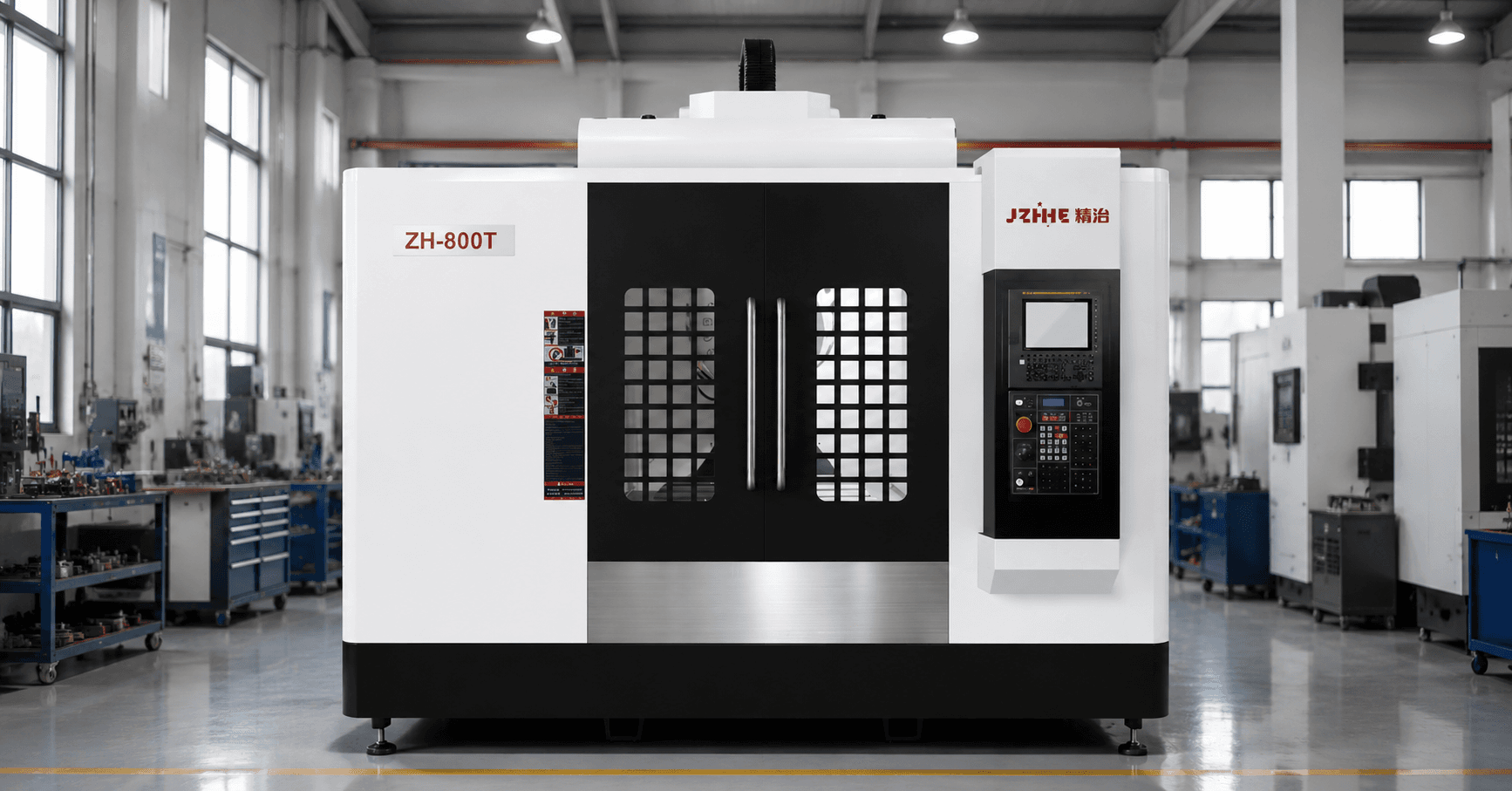
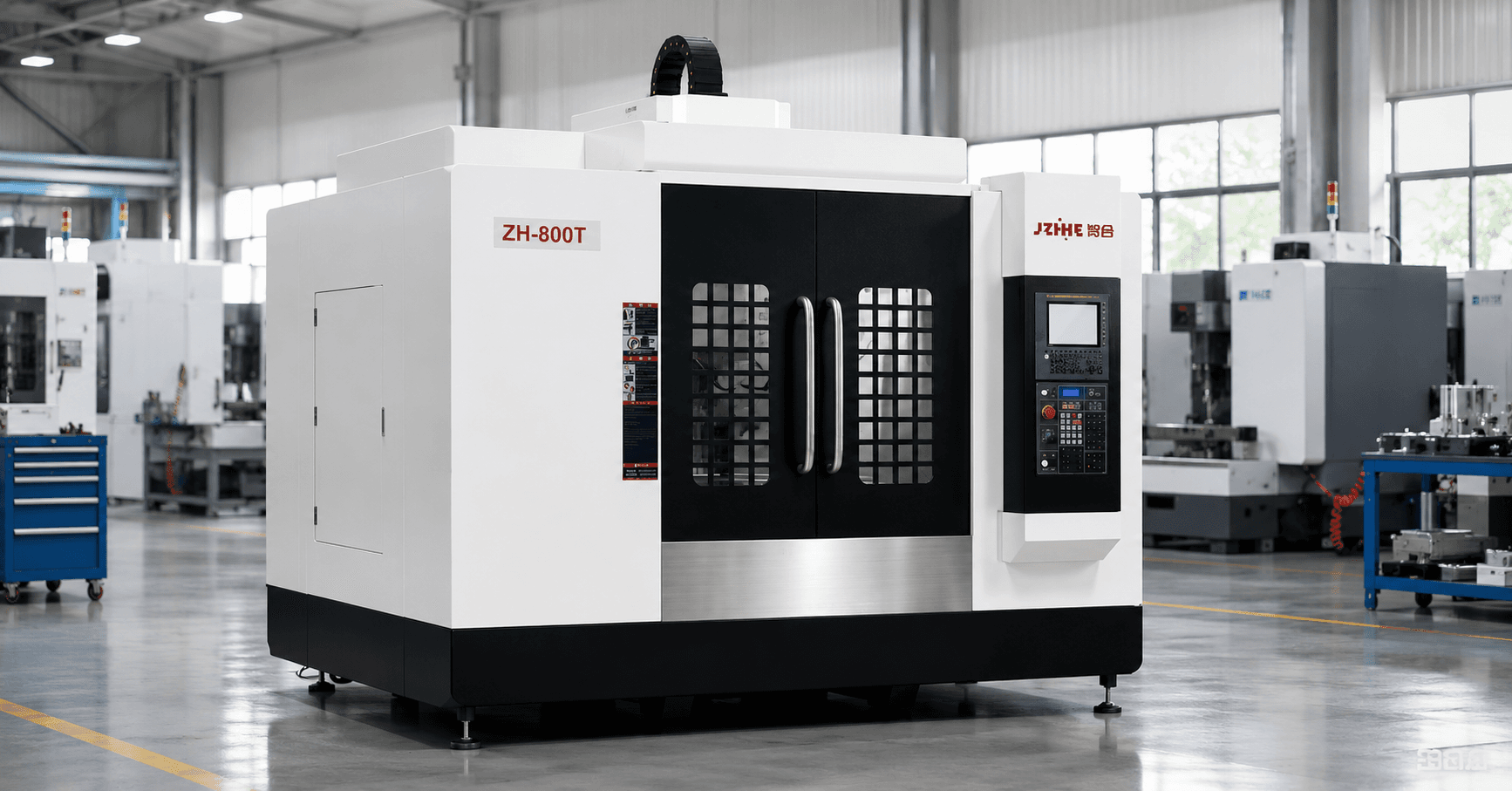
Zhihe CNC offers drilling and tapping centers, vertical machining centers, profile and gantry machines, horizontal systems, milling centers, and five-axis machining centers. That range allows the engineering discussion to begin with the part rather than forcing every project into one machine layout.
The company's published application information includes aluminum alloy and aluminum-profile work. For a project-specific recommendation, Zhihe needs the alloy, stock form, drawing, production volume, and quality requirements. The team can then compare spindle, travel, fixture, chip control, and automation choices around the actual route.
To shortlist a CNC machine for aluminum parts, send one representative drawing to Zhihe CNC and ask for both the machine configuration and the proposed process. The reasons behind the selection are as important as the model name.
Questions Buyers Ask About Aluminum Machining Centers
Is the highest spindle speed always best for aluminum?
No. Useful speed depends on cutter diameter, feed, power, acceleration, balance, machine dynamics, and the operation. The proposed cutting window matters more than the maximum rpm alone.
Should I choose a drilling and tapping center or a VMC?
A drilling and tapping center often suits smaller high-volume parts with many holes and threads. A VMC usually offers more flexibility, travel, tool range, and heavier milling capability.
How can I reduce chips collecting in deep pockets?
Review toolpath, coolant direction, air blast, through-tool coolant, flute geometry, fixture drainage, enclosure washdown, and conveyor capacity. The solution is usually a combination rather than one option.
Can thin aluminum walls hold tight tolerances?
Yes, but stock condition, clamping force, support, roughing sequence, finishing allowance, tool pressure, heat, and inspection timing must be planned carefully.
When does a fourth axis make sense?
It becomes useful when recurring side features cause repeated reclamping. Check rotary load, fixture clearance, tool reach, travel, and whether the saved handling repeats across enough parts.
Do aluminum parts need through-spindle coolant?
Not every part does. It can help in deeper holes and demanding chip evacuation, but external coolant or air may be sufficient for simpler work. Match the option to the hole depth and tool strategy.
What should be included in a trial cut?
Use the real alloy when possible and include a critical pocket, bore, hole pattern, thin wall, and visible surface. Agree on inspection method and acceptance limits before the trial.
What is the best first step before requesting a quote?
Send the drawing, alloy, stock form, volume, tolerances, and current production problem. Ask for a proposed route, not only a machine specification.
Turn the aluminum drawing into a process plan. Zhihe CNC can compare drilling and tapping, vertical, rotary, profile, and five-axis routes around the part and production target.