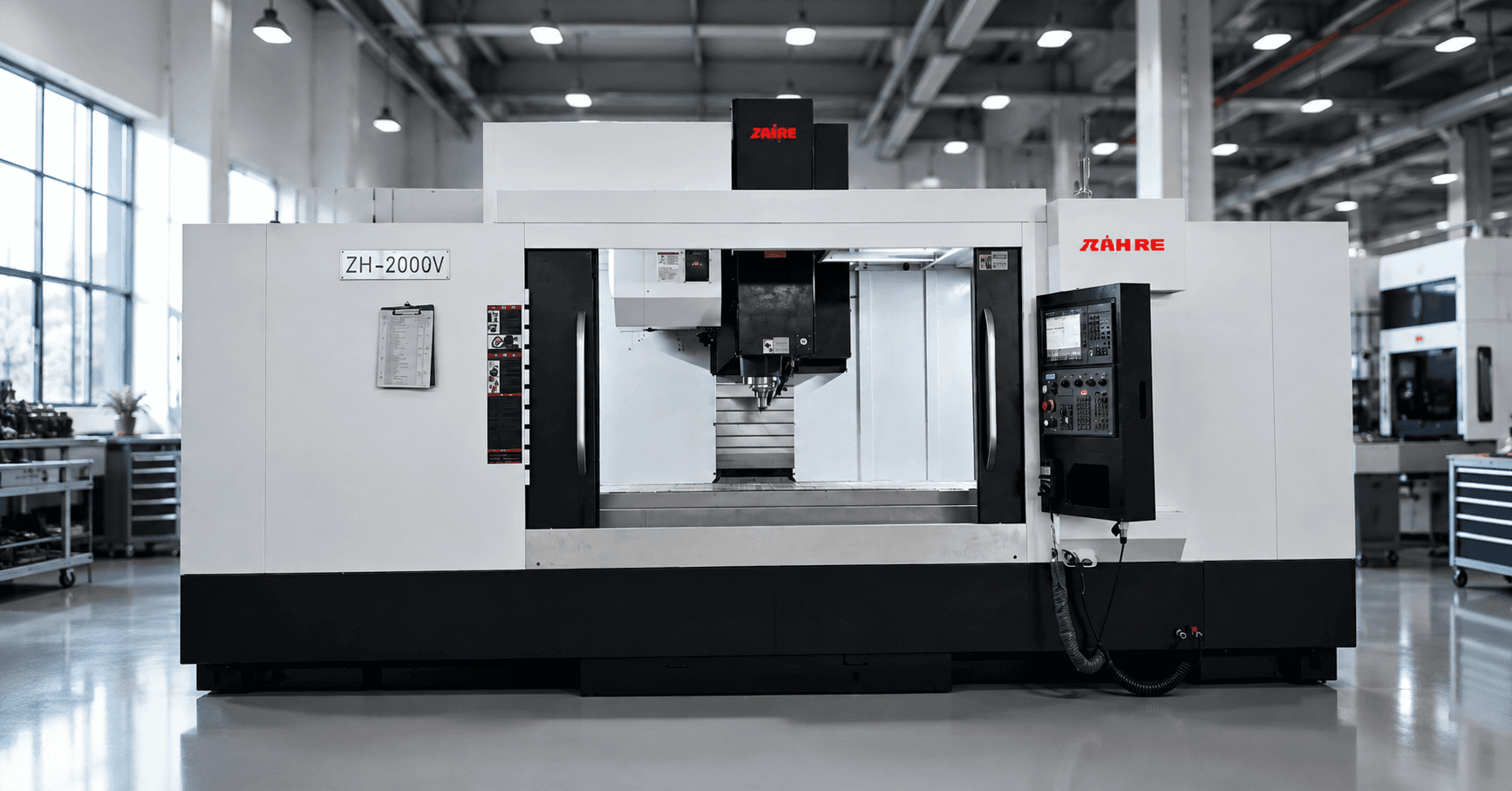
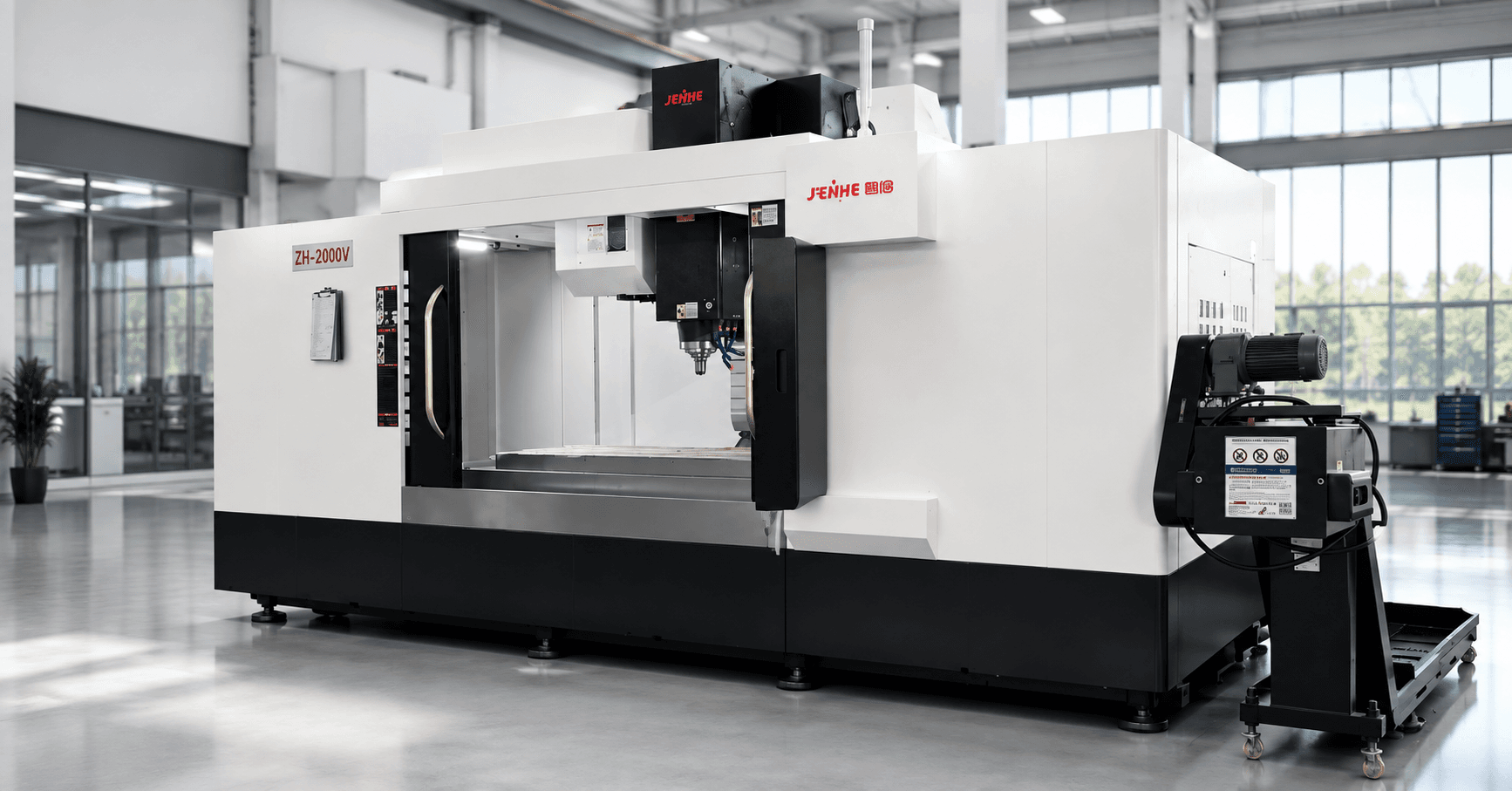
Stainless steel does not automatically require the most expensive machine in the catalog. A flat mounting plate, a valve body, and a five-axis medical component may all use stainless steel, but they create very different demands on the spindle, structure, fixture, tool access, and chip-control system.
The first mistake is choosing the machine from the material name alone. The better approach is to start with the difficult operation on a representative drawing. Is the risk a deep pocket, an interrupted cut, a long bore, several angled faces, a thin wall, or a finish that must remain consistent after hours of cutting?
A suitable CNC machine for stainless steel parts should keep the cutting edge engaged predictably, resist vibration, provide usable torque in the planned speed range, remove heat and chips, and give the fixture enough access without unnecessary reclamping. Those requirements can point to a VMC, HMC, five-axis machine, gantry system, or a more specialized drilling and tapping setup.
CNC Machine for Stainless Steel Parts: The Short Answer
Choose the machine around part geometry and the hardest repeatable cut. Use a rigid VMC for plates, brackets, molds, and mixed work that is mainly accessed from above. Consider an HMC for repeat box-type parts that need several faces machined. Use five-axis capability when complex contours or angled features can be completed with fewer setups. Large plates and structures may require a gantry layout. In every case, verify the proposal with the actual stainless grade, tooling plan, fixture, chip volume, and trial part.
Maximum spindle speed is only one line in that decision. Stainless steel production often exposes weaknesses that a light aluminum demonstration will not: unstable tool engagement, insufficient torque, poor chip evacuation, excessive tool overhang, weak clamping, or heat that changes the process during a long cycle.
Why Stainless Steel Makes Machine Selection Less Forgiving
Stainless steel is not a single machining condition. Austenitic grades such as 304 and 316 behave differently from martensitic, duplex, or precipitation-hardening grades. Heat treatment, stock condition, casting quality, and prior forming can also change how the material cuts.
Several practical issues tend to matter:
- Cutting force: the machine and fixture must resist movement when the planned tool is fully engaged.
- Work hardening: rubbing or repeated light contact can make the next pass more difficult, so stable feed and tool engagement matter.
- Heat: heat at the cutting edge can shorten tool life and make a long process less predictable.
- Chips: tough or stringy chips can recut the surface, collect around the tool, or interrupt unattended production.
- Tool wear: an unstable setup can turn a reasonable tool-life plan into frequent manual intervention.
These issues do not mean the process must be slow. They mean the machine, holder, cutter, coolant, and toolpath need to work as one system. A fast rapid traverse cannot compensate for a cutting operation that chatters or requires constant chip clearing.
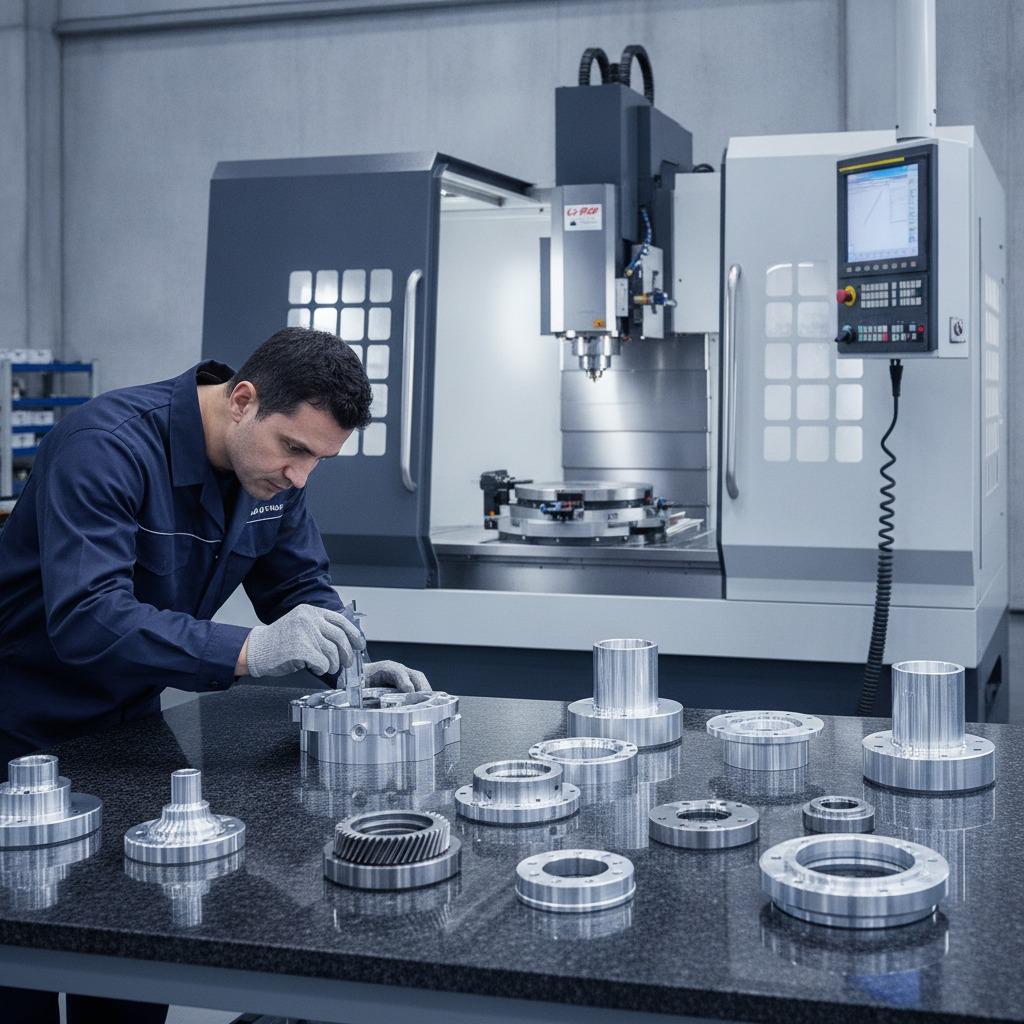
Start With the Drawing, Grade, and Production Target
A request that says only "machine stainless steel" leaves too much to guesswork. Before comparing models, prepare a small application pack:
- Exact stainless steel grade and material condition.
- Raw stock type, size, finished size, and workpiece weight.
- Critical datums, tolerances, bores, threads, walls, and surface-finish requirements.
- Features that require angled access or machining on several faces.
- Batch size, annual volume, shift pattern, and target cycle time.
- Current setup count, tool-life problem, chip problem, or quality bottleneck.
- Inspection method and the dimensions that create the highest rejection risk.
One part may need heavy roughing followed by a stable finishing pass. Another may consist mostly of drilling and tapping. A third may need simultaneous contouring with a small tool. These processes should not receive the same spindle, magazine, coolant, or machine layout merely because the material is similar.
Which Machine Layout Fits the Stainless Steel Part?
| Machine layout | Typical fit | What the buyer should verify |
|---|---|---|
| Vertical machining center | Plates, brackets, molds, fixtures, and mixed small-to-medium work with top-side access | Low-speed torque, spindle stability, table load, tool clearance, coolant delivery, and chip removal from pockets |
| Horizontal machining center | Valve bodies, housings, and repeat parts that need several faces machined | Fixture and rotary-table access, tool capacity, chip fall, bore relationships, and whether fewer setups justify the investment |
| Five-axis machining center | Complex contours, angled features, impellers, medical parts, and high-value structures | Rotary-axis envelope, tool reach, controller functions, calibration, post-processing, collision risk, and process proof |
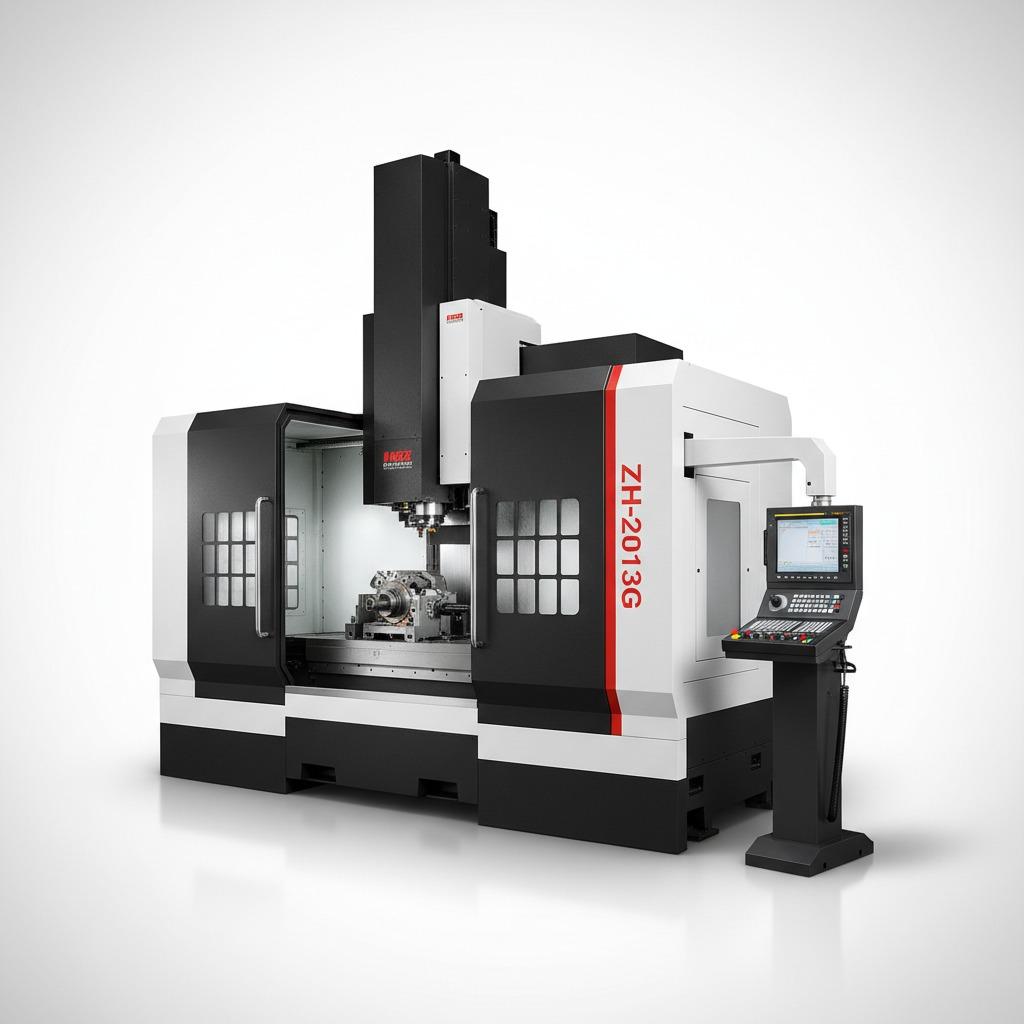
| Gantry machining center | Large plates, molds, frames, and structural stainless workpieces | Table load, travel, bridge clearance, foundation, long-cycle stability, and safe workpiece handling |
| Drilling and tapping center | Small hole-intensive parts with light milling and frequent tool changes | Whether the structure and spindle suit the actual cut, not only the number of holes or top rpm |
The correct choice is often the least complicated machine that can perform the complete route reliably. A five-axis machine may remove several setups on a complex part. On a simple plate with top-side features, the same capability may add cost and programming work without improving output.
Rigidity Matters at the Cutting Edge, Not Only in the Brochure
Machine builders often describe castings, guideways, columns, and bases as rigid. The buyer still needs to connect that structure to the planned process.
Consider cutter diameter, tool overhang, radial and axial engagement, material-removal volume, fixture height, and where the part sits on the table. A rigid machine cannot fully correct a long flexible tool or a weak fixture. Likewise, premium tooling cannot make an unsuitable machine structure behave like a heavier platform during a demanding cut.
Ask the supplier to show the proposed cutters and explain the roughing and finishing route. Which operation creates the highest cutting load? Which tool has the longest reach? Where is vibration most likely? What change is recommended if tool life or finish is unstable?
Answers tied to the drawing are more useful than general claims about heavy cutting.
Spindle Speed Is Less Useful Without Torque and Duty
Top rpm is easy to compare. It is also easy to overvalue. The stainless steel operation may happen far below the maximum speed, where usable torque, power delivery, spindle cooling, bearing condition, and duty cycle affect the result.
A small finishing tool on a complex surface may benefit from speed. A larger cutter removing material from a block may require stronger low- and mid-range performance. Deep drilling introduces another set of coolant, chip, and tool-length considerations.
Instead of asking only for maximum rpm, ask for the planned spindle range for each critical operation. Review the tool diameter, cutting data, duty, holder, and estimated spindle load. This exposes an undersized spindle before it becomes a production bottleneck.
Tool Capacity and Tool Interface Affect the Real Cycle
Tool magazines fill quickly when the route includes roughing, finishing, spot drilling, deep-hole drilling, tapping, chamfering, probing, and backup tools. Count the complete tool list before deciding that a standard magazine is enough.
The holder and tool interface also influence runout, balance, overhang, and repeatability. A process that depends on special holders or shrink-fit tooling should include them in the quotation and trial plan. Otherwise, the buyer may receive a good demonstration that cannot be reproduced with the delivered scope.
For repeat production, sister tools and tool-life management may be more valuable than a small reduction in the base machine price. The machine should be able to complete the intended shift without forcing an operator to rebuild the process around magazine limitations.
Chip Control and Coolant Determine Whether the Process Can Keep Running
Chip evacuation is not a housekeeping detail. Chips left in a pocket can be recut. Long chips can wrap around a tool or workpiece. Chips near a probe or fixture can interrupt automatic cycles. Heat carried back into the work area can also make a long job less stable.
Review nozzle access, through-spindle coolant needs, filtration, washdown, conveyor type, tank capacity, and how chips leave the fixture. The correct system depends on the operation and chip form. A supplier should explain the proposed chip path instead of listing a conveyor as a generic accessory.
If unattended production is part of the business case, include chip accumulation and tool-life recovery in the demonstration. A short, freshly cleaned trial does not show what happens during the sixth hour of a shift.
Workholding Can Create or Remove More Error Than the Machine
Stainless steel parts are sometimes thin, tall, awkwardly shaped, or expensive enough that a rejected component matters. Excessive clamping can distort a wall. Weak clamping can allow movement. Releasing the fixture can reveal a dimensional change that was hidden during inspection on the machine.
Ask how the process will locate the part, support the cutting load, and maintain access. If several setups are proposed, identify which datums must be transferred and how that transfer will be checked. A rotary table, tombstone, or five-axis setup may reduce handling, but only when the fixture and tool access are practical.
The buyer should also plan how chips are prevented from collecting under locating surfaces. Repeatability begins with clean, controlled contact between the part and fixture.
Use a Representative Trial Part Before Final Acceptance
The best process proof uses the actual stainless grade and a drawing that exposes the risk. Do not select the easiest part in the program. Use the part with the deep pocket, long bore, difficult surface, several faces, or tool-life problem that justified the machine purchase.
The trial should document:
- Machine model, configuration, controller, and spindle option.
- Material grade, stock condition, and part revision.
- Fixture, setup count, tool list, holder type, and coolant method.
- Roughing and finishing route for the difficult features.
- Cycle time, tool changes, manual intervention, and chip-clearing stops.
- Critical measurements, inspection equipment, and measurement timing.
- Observed tool wear, finish, burrs, vibration, and process limitations.
A good trial does not need to pretend the process is perfect. It should show where the operating window is strong, where the risk remains, and which options are required to make production repeatable.
Common Buying Mistakes in Stainless Steel CNC Projects
- Choosing by maximum spindle speed. The planned cut may require torque and stability at a very different speed.
- Treating all stainless grades as identical. Grade and condition can change tooling, heat, chip, and cutting behavior.
- Testing only aluminum. A light demonstration does not prove the process proposed for stainless steel.
- Ignoring the fixture. Poor support, excessive clamping, and repeated datum transfer can erase the machine's accuracy advantage.
- Underestimating chips and coolant. A process that runs for ten clean minutes may fail during a full unattended shift.
- Buying unused complexity. Five-axis, large travel, or automation should remove a specific setup or bottleneck.
- Accepting a quote without the process scope. Necessary holders, probes, coolant, fixtures, or acceptance work may be missing.
How Zhihe CNC Can Match the Machine to the Stainless Steel Part
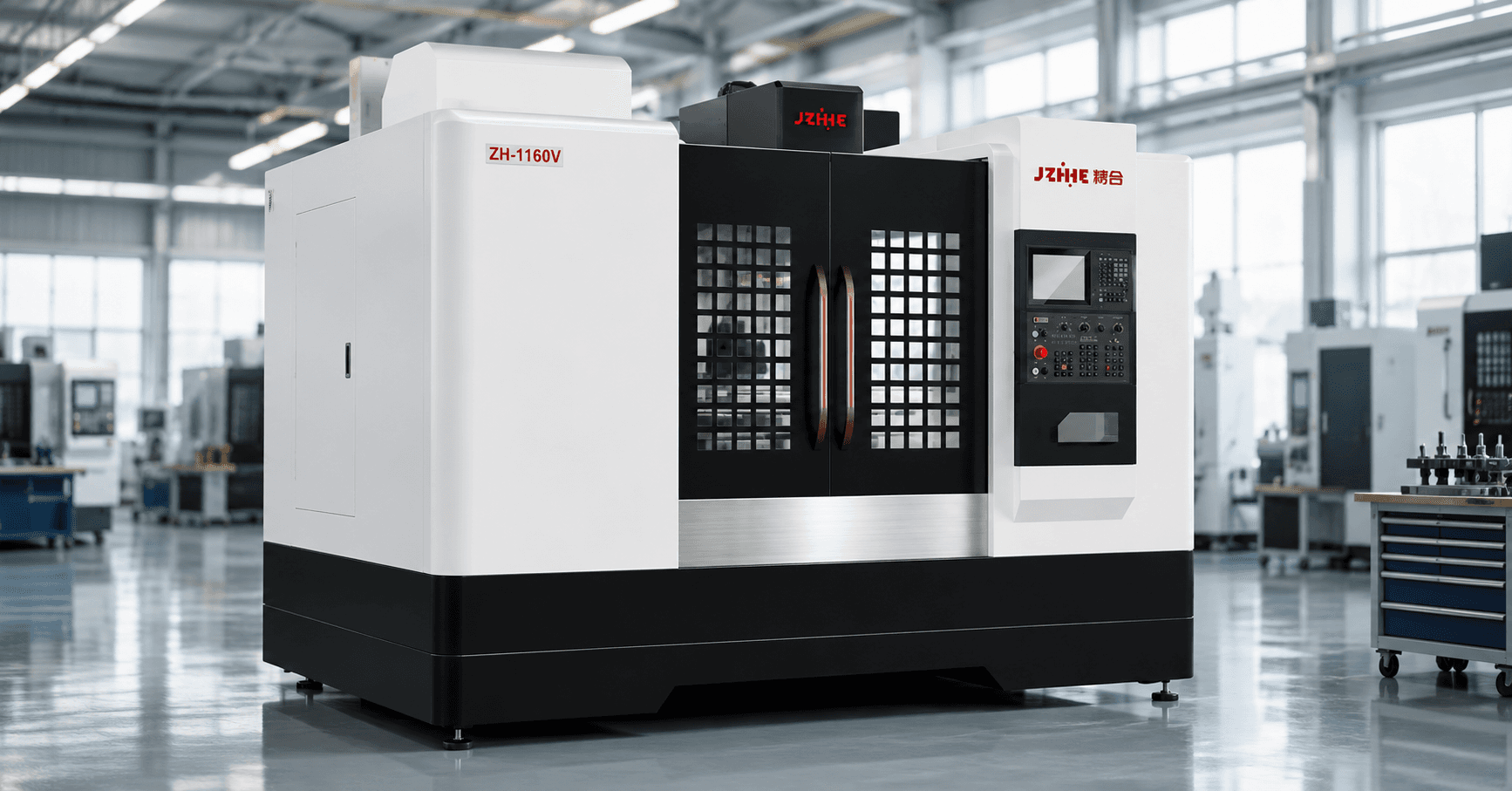
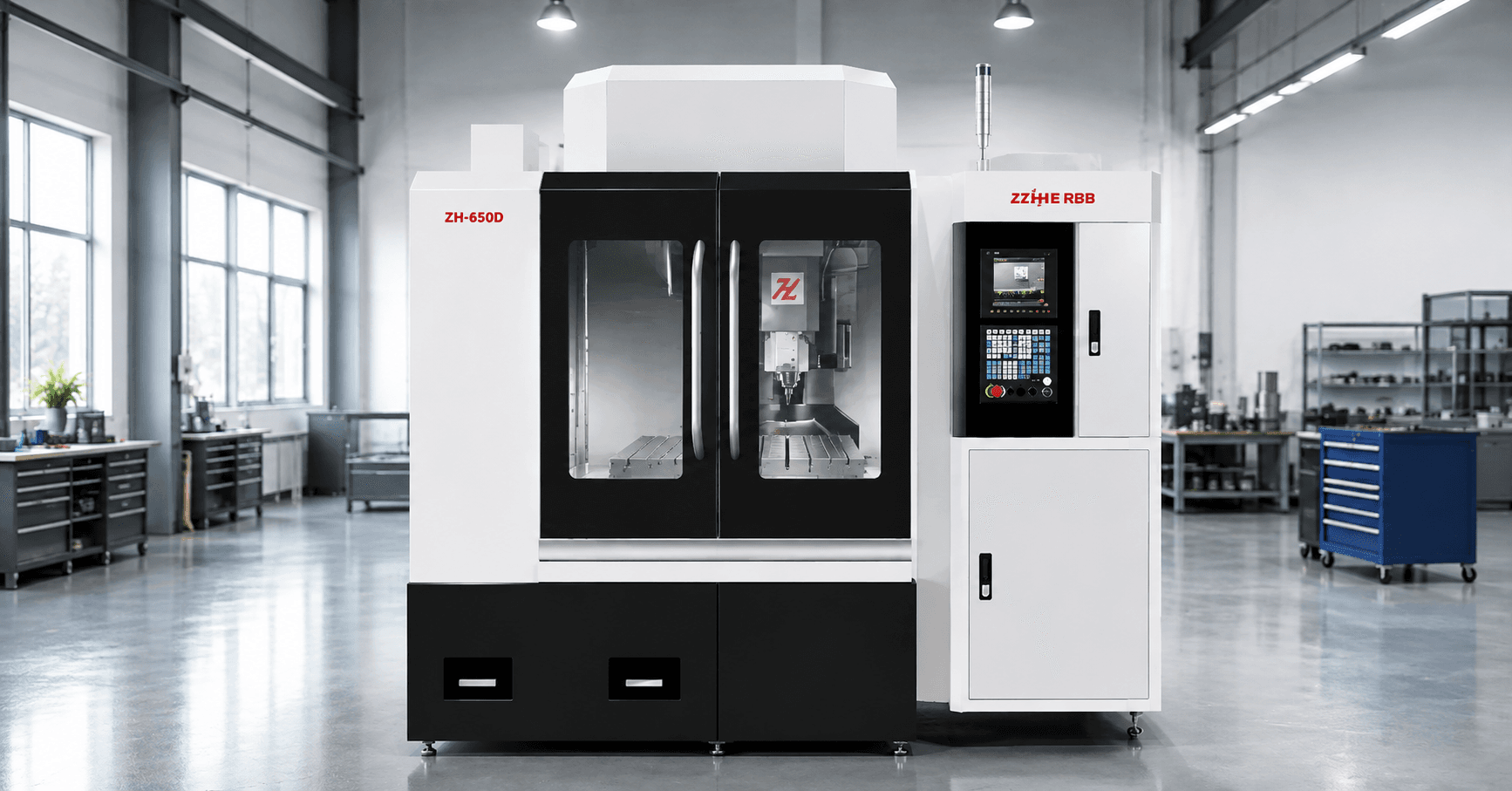
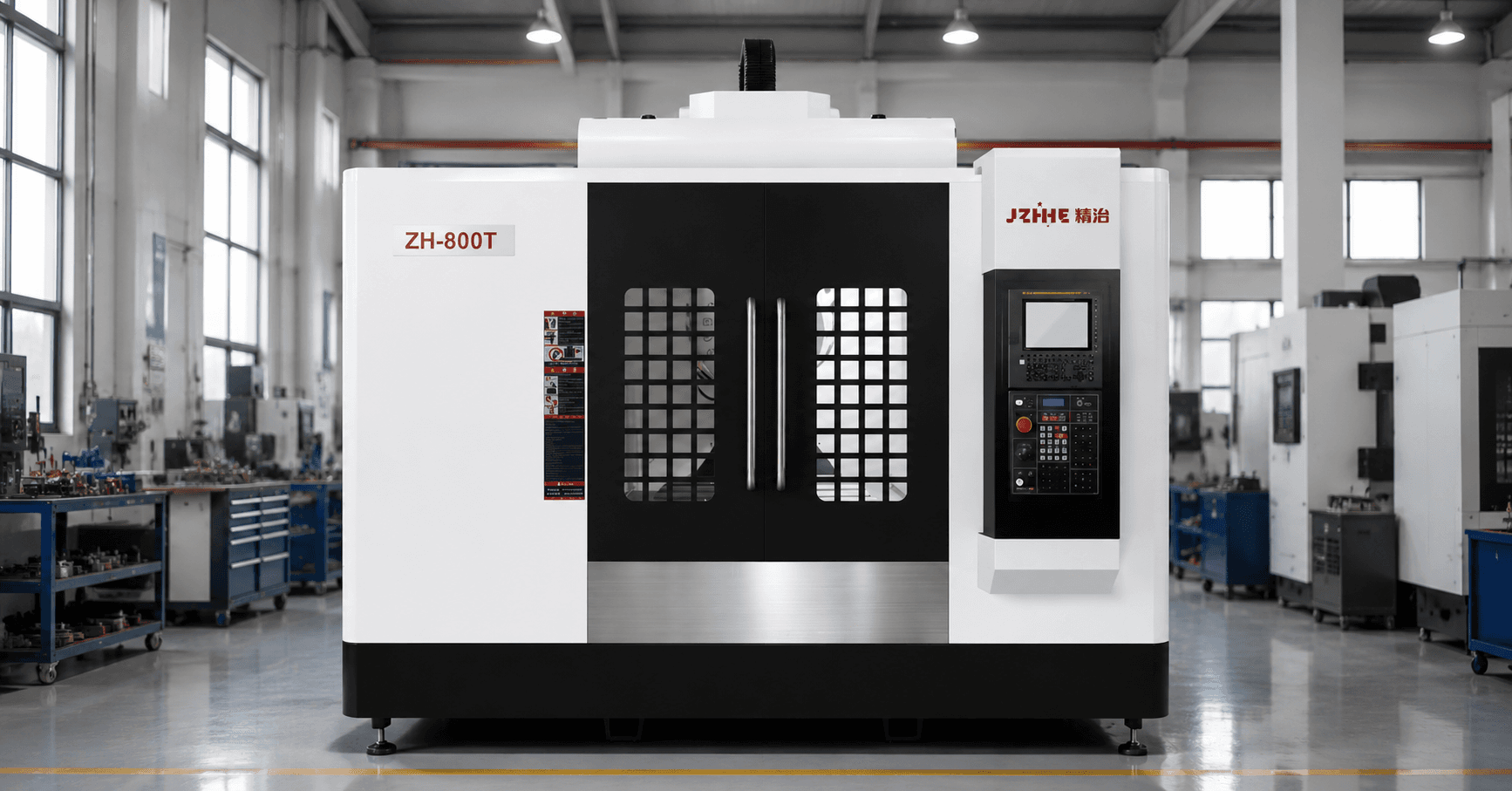
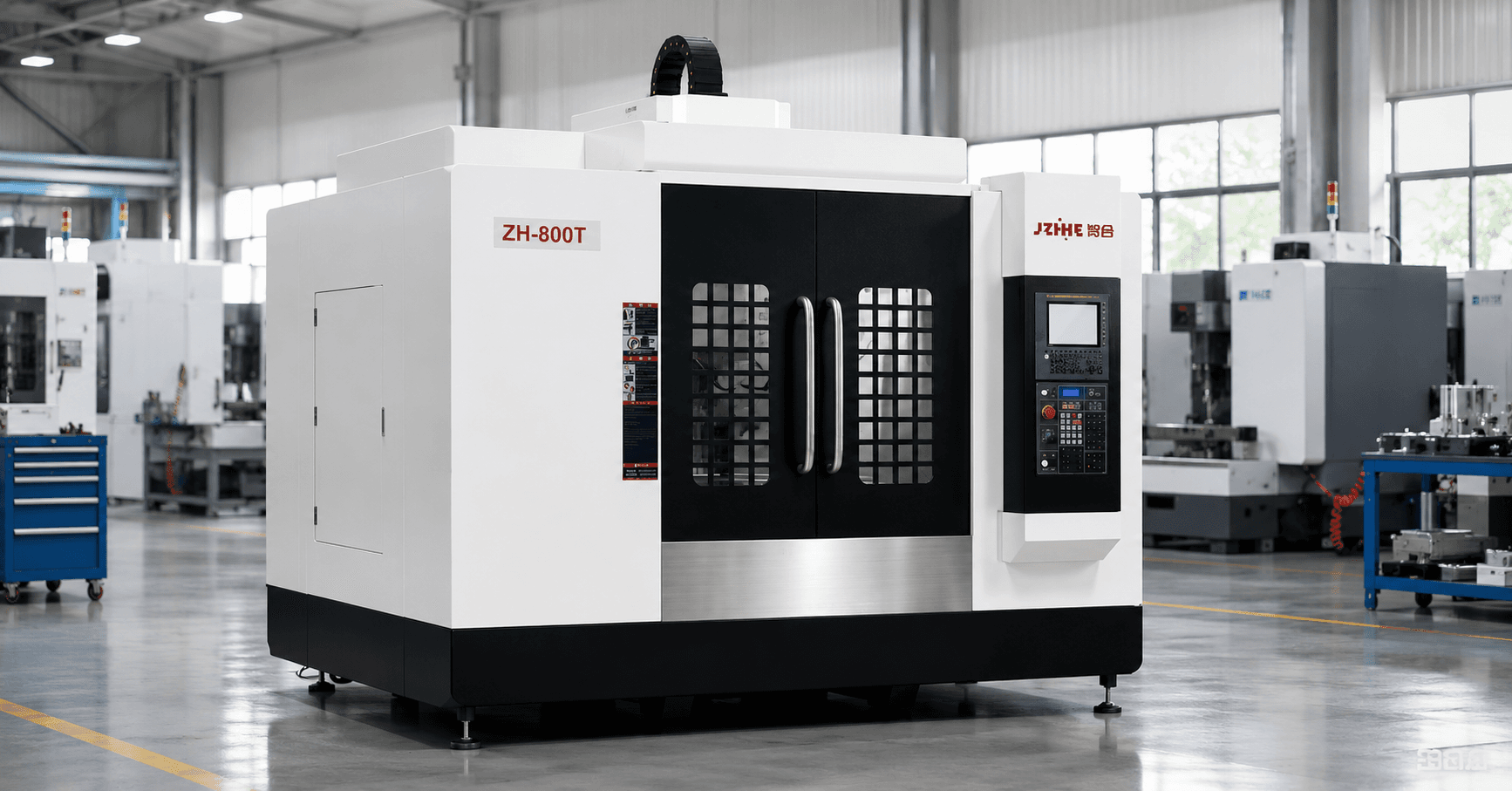
Zhihe CNC's product range includes vertical machining centers for molds, plates, precision metal parts, and small-to-medium components; horizontal machining centers for box-type and multi-face work; gantry systems for large structures; and five-axis machining centers for complex contours and high-value components.
The company's published application information includes a five-axis project involving titanium alloy and stainless steel complex structural and prototype parts. The reported process problem was repeated clamping on standard three-axis equipment. That is the right way to use an application example: not as proof that every stainless steel part needs five axes, but as evidence that machine layout should follow geometry and setup risk.
For a new project, the engineering discussion should begin with the drawing, stainless grade, stock size, critical tolerances, volume, current process, and factory constraints. Zhihe CNC can then recommend the machine type and configuration to be tested rather than forcing the application into a standard model description.
The final proposal should identify the base machine, necessary options, optional upgrades, tooling assumptions, fixture concept, acceptance method, delivery scope, and exclusions. That gives the buyer a process that can be reviewed, not just a machine price.
When evaluating a CNC machine for stainless steel parts, this process-based evidence is more valuable than a general claim about rigidity, speed, or precision.
Questions Buyers Ask About Stainless Steel Machining Centers
Does stainless steel always require a heavy-duty CNC machine?
No. Machine structure should match cutter engagement, part size, geometry, tolerance, and production target. A rigid standard VMC may be suitable for many brackets and plates, while large or demanding work may need a heavier structure.
Is a VMC or five-axis machine better for stainless steel?
A VMC is often the economical choice for parts mainly accessed from above. Five-axis capability becomes valuable when angled features, contours, or several faces can be completed with fewer setups. Compare process routes, not labels.
Why is low-speed spindle torque important?
Many stainless steel operations use larger tools or cutting conditions below maximum rpm. Usable torque and stable power delivery in the planned range help maintain the intended engagement without relying on an impressive top-speed figure.
What should be included in a stainless steel trial cut?
Use the actual grade when possible, the proposed fixture and tools, the difficult features, the planned coolant method, and agreed inspection criteria. Record cycle time, manual stops, chip behavior, tool condition, and critical measurements.
How important is through-spindle coolant?
Its value depends on hole depth, tool design, chip evacuation, and the process. It can be important for some drilling operations, but it should be justified by the application rather than added automatically.
Can one CNC machine handle aluminum and stainless steel?
Often yes, but the spindle, tooling, coolant, chip system, and process need to cover both. A machine optimized only for very light high-speed cutting may not suit the most demanding stainless operation in the workload.
What information should I send for a machine recommendation?
Send the 2D drawing and 3D model when available, stainless grade, stock and finished size, critical tolerances, batch and annual volume, target cycle, current bottleneck, required controller, factory utilities, and delivery destination.
Request a process-based machine recommendation. Share one representative stainless steel part with Zhihe CNC and ask for the proposed machine layout, spindle range, tool and fixture assumptions, chip-control scope, trial plan, and acceptance method.