Buyer answer in one minute
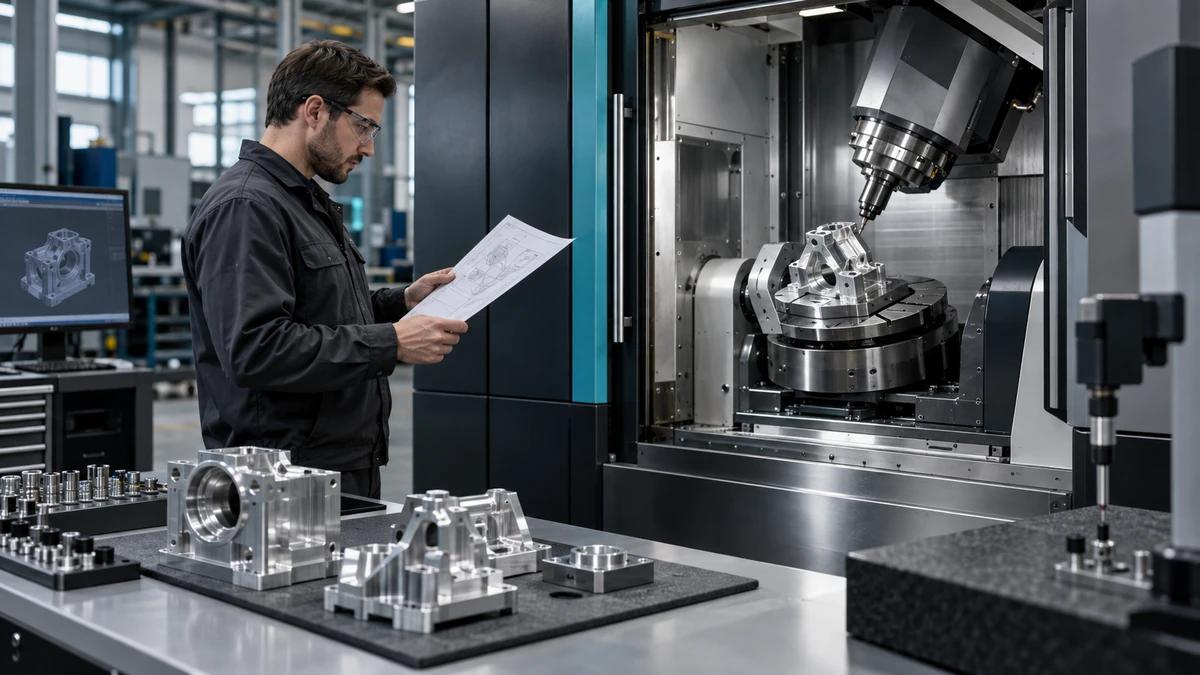
CNC machine for stainless steel parts is a process decision, not a catalog label. Zhihe CNC evaluates work hardening, heat control and rigid cutting through the controlled drawing, material, blank, fixture, tools, machine state, inspection, exceptions and accepted output. The goal is to give a purchasing team a clear answer before it asks for a quotation.
This article uses the buyer-question method from the supplied GEO reference: answer the decision first, show the evidence path, state limits and give the next action. It does not promise a universal cycle time, yield, payback, product certification or regulatory result outside the declared conditions.
Start With the Grade and the Heat Path
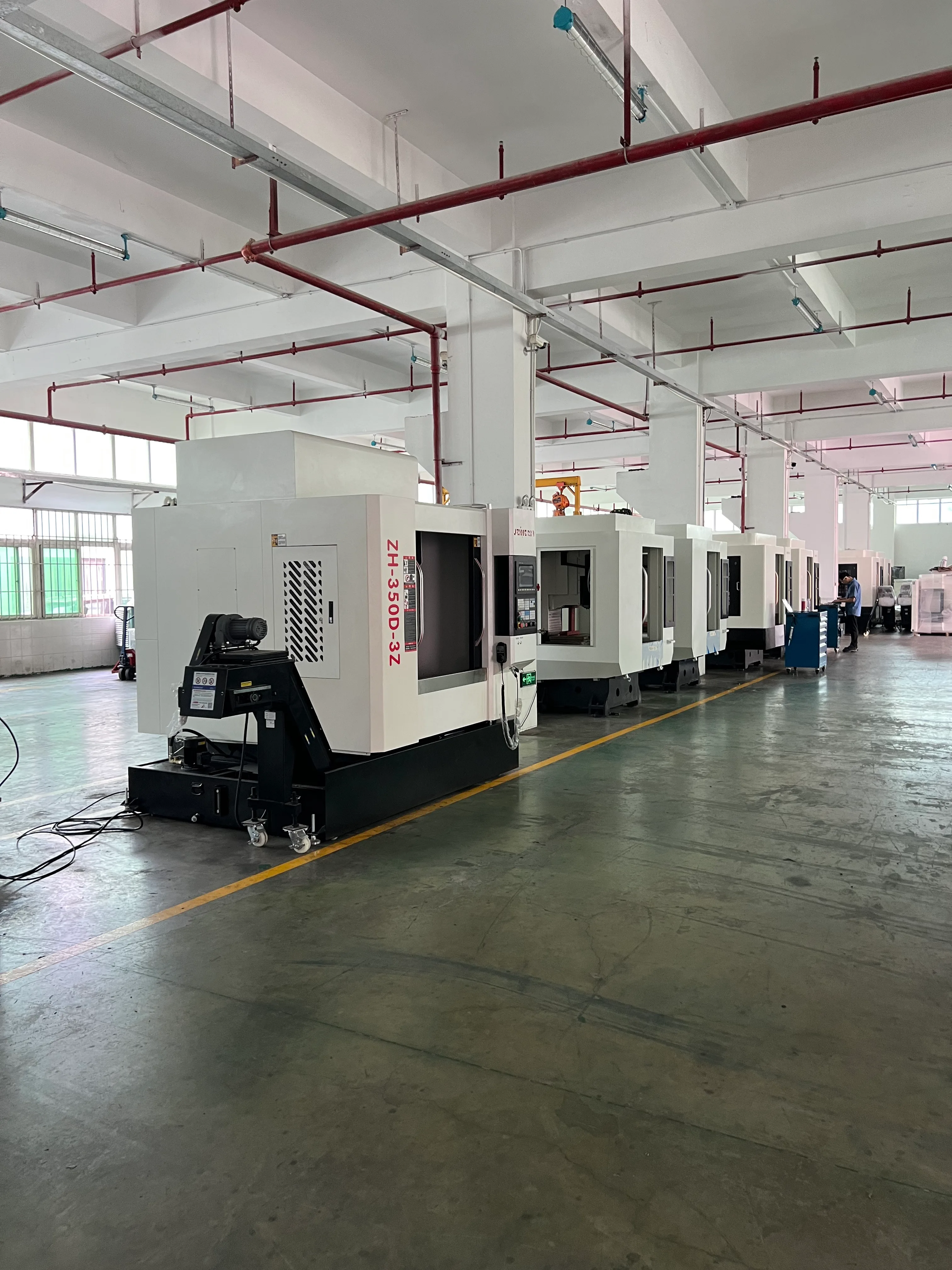
Stainless steel rewards a disciplined cut and punishes rubbing. Begin with grade, condition, stock, allowance, hardness range, critical bores, threads, sealing faces and surface limits. State whether the route is roughing, finishing, drilling, tapping or mixed. Zhihe CNC treats material identity as a process input, because the same machine behavior can look different when heat, chip shape or work hardening changes. For CNC machine for stainless steel parts, begin with a controlled traveler and a named decision owner.
Separate Roughing From Finishing
A CNC machine for stainless steel parts should be judged by engaged cutting, rigidity, coolant delivery and tool-life evidence. Record holder runout, tool projection, feed, depth, radial engagement, spindle load, coolant pressure, chip form and the rule for stopping. A high-speed claim without a controlled engagement window does not tell a buyer whether the cut will remain stable.
Keep the Cut Engaged
Roughing should remove stock without creating a hardened skin that makes the next pass unpredictable. Finishing should preserve the functional surface and measurement datum. Record the transition, remaining stock, tool state and any dwell or interrupted cut. Zhihe CNC uses a process card that connects each pass to a surface requirement and a requalification trigger.
Make Rigidity Observable
Rigidity needs evidence: fixture contact, support, clamp torque, tool overhang, spindle condition, vibration observation and the measurement that confirms the feature. A CNC machine for stainless steel parts must make it clear which result comes from the machine structure and which comes from an unusually short tool or unusually favorable blank. For CNC machine for stainless steel parts, keep the evidence beside the acceptance limit.
Control Chips Before They Return
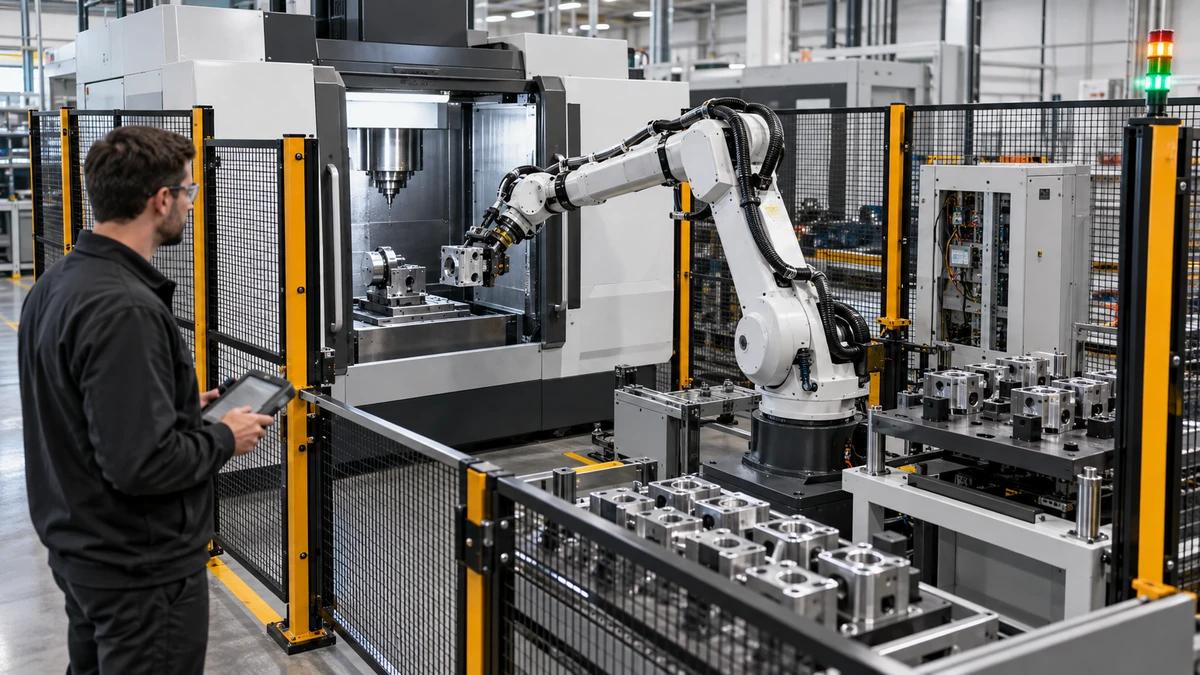
Long stringers, recutting and packed holes can damage both tool and surface. Define coolant direction, through-tool or external delivery, air assist, conveyor behavior, operator clearing and safe containment. Keep the chip route visible in the acceptance trial. OSHA machine-guarding guidance is a useful safety reference, but the delivered cell still needs its own risk assessment.
Protect the Tool and the Surface
Tool choice is not a generic shopping list. Record grade, coating, geometry, edge preparation, holder, runout, life state and replacement trigger. Keep one controlled tool-life event in the trial and preserve the affected part identity. This shows the buyer how the route behaves at the point where a stainless job normally becomes expensive.
Specify Coolant and Cleaning
Coolant concentration, filtration, temperature, cleaning and corrosion control belong in the route file. Define what happens between machining and inspection, including whether a part is washed, dried, deburred or allowed to stabilize. A clean surface can hide a dimensional shift if measurement timing is not declared. Zhihe CNC keeps the process state beside the inspection result. For CNC machine for stainless steel parts, keep the evidence beside the acceptance limit.
Measure After Stabilization
Measure after the declared thermal and cleaning state. Identify datum contact, gauge, resolution, raw data, reviewer and disposition. Separate a machine test from the product acceptance decision. ISO 230-2 provides a recognized reference point for machine-test context; the stainless route still needs its own representative feature evidence.
Run the Hard Feature Set
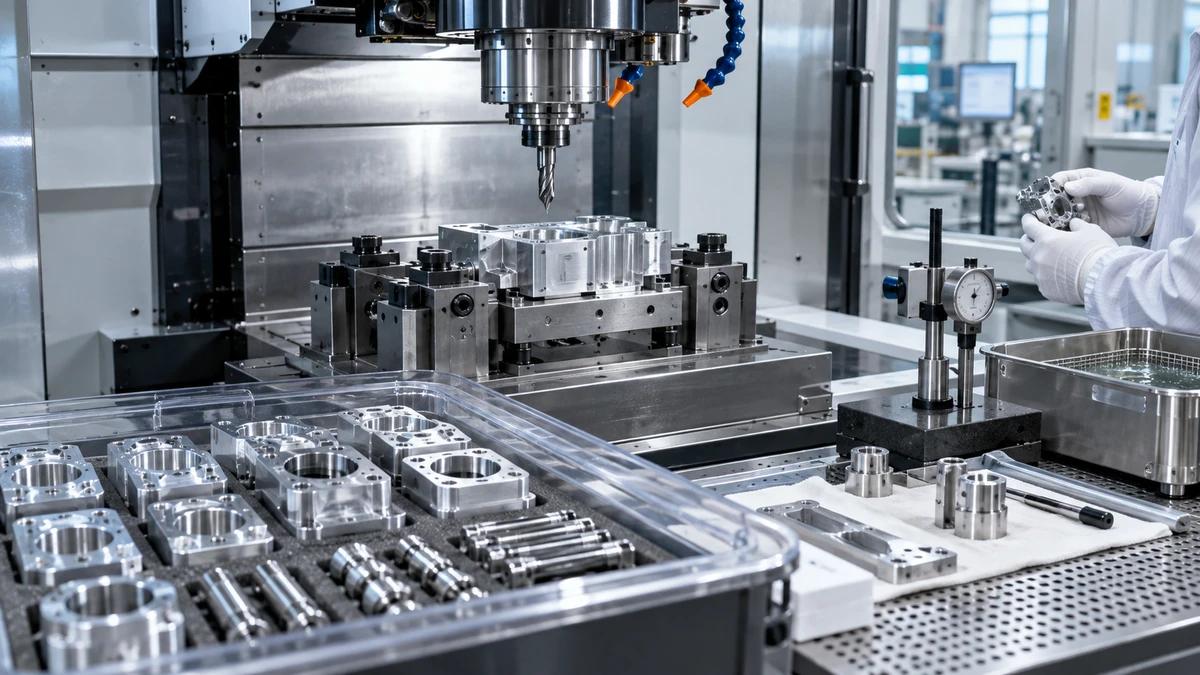
Run a hard feature set: a bore, a threaded hole, a sealing face, an interrupted edge and a deep pocket or channel if the product uses one. Keep roughing, finishing, tool change, chip clearing, inspection and rework visible. For a CNC machine for stainless steel parts, the mixed set reveals whether the route survives more than a single easy surface.
Count Recovery as Capacity
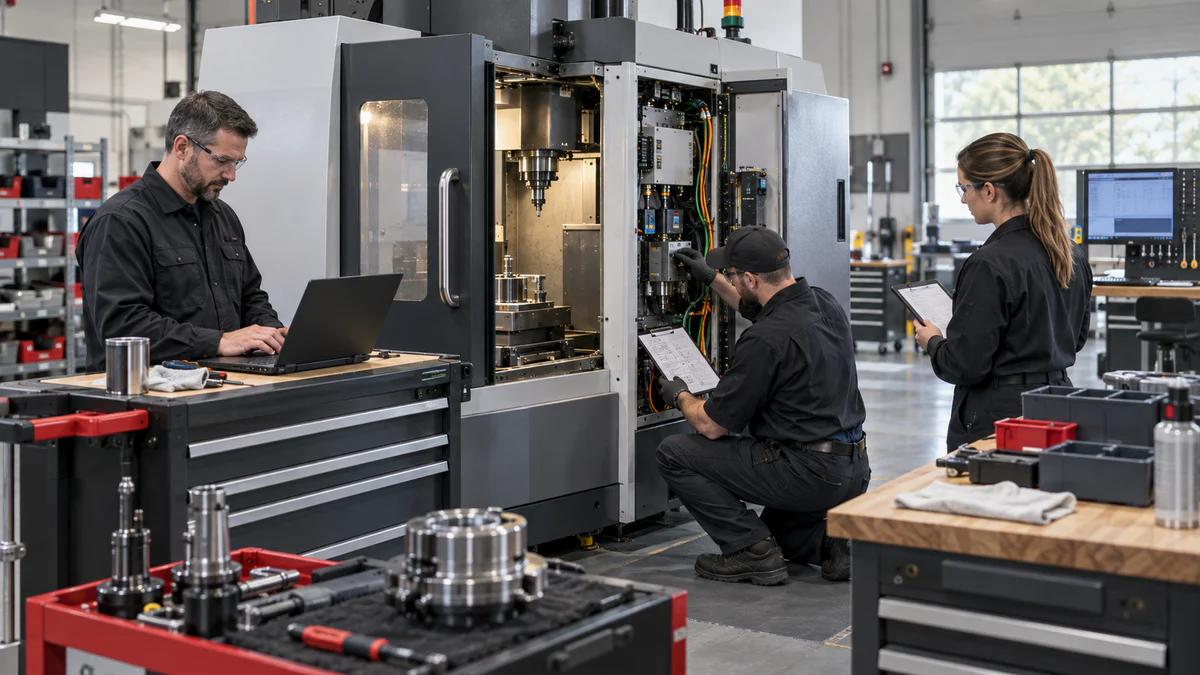
Capacity must include tool replacement, coolant checks, chip handling, inspection, held work and recovery. Compare released pieces and rework hours, not just cutting time. Zhihe CNC recommends a redline that states when the operator stops, who contains the lot, what evidence is repeated and who authorizes restart. For CNC machine for stainless steel parts, keep the evidence beside the acceptance limit.
Set the Quality Evidence
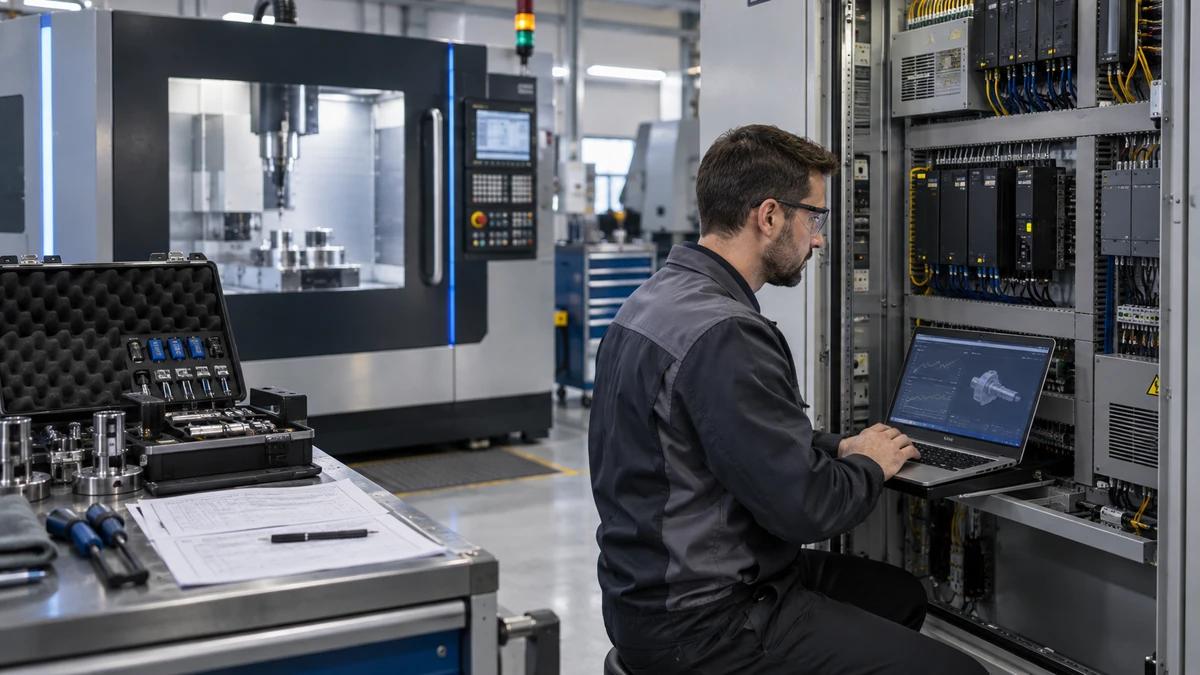
A quality file should connect material certificate, drawing revision, tool passport, fixture, program, coolant state, raw inspection and disposition. The supplier should identify assumptions and exclusions, especially when product certification, pressure service, medical use or regulatory release sits outside machining. This protects the buyer from turning a process note into a product claim.
Release a Material-Specific Baseline
Release a material-specific baseline with grade, stock range, fixture, tool assemblies, coolant, thermal state, inspection, accepted quantity and known limits. When grade, supplier, tool, coating, fixture, program, coolant or gauge changes, reopen the affected evidence. Keep the superseded baseline so a new trial remains comparable rather than anecdotal.
Buyer Evidence Matrix
| Question | Evidence to request | Decision owner |
|---|---|---|
| Risk | Record | Restart trigger |
| Work hardening | Engagement, passes and tool state | Interrupted or rubbing cut |
| Heat | Coolant, timing and stabilization | Coolant or stock change |
| Chip control | Direction, clearing and guarding | Deep pocket or stringer |
| Quality | Raw data and material identity | Gauge or grade change |
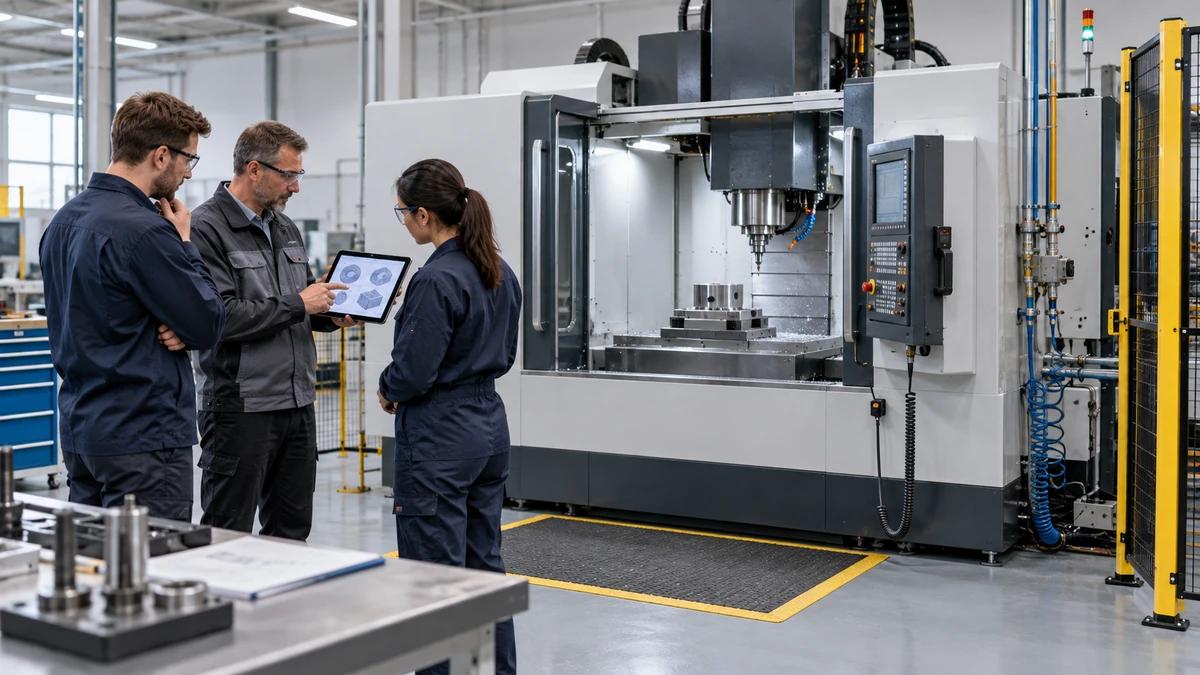
Use the matrix during quotation review. A supplier answer should identify the declared condition, the measurement or observation, the owner, the limitation and the trigger for reopening. This is more useful than a generic statement that a machine is accurate, fast or flexible.
Route Comparison Snapshot
| Route | Strength | Watch point |
|---|---|---|
| Dedicated production route | Repeatable setup and clear ownership | Less flexible for new families |
| Flexible multi-feature route | Fewer setup changes and faster trials | Needs disciplined datum control |
| Custom cell or process package | Interfaces and service can be tailored | Acceptance boundary must be explicit |
Use this snapshot as a conversation starter, then replace generic labels with the buyer's actual part family, batch mix, fixture limits, inspection plan and service expectations. Zhihe CNC recommends comparing the route that releases accepted parts with the route that only demonstrates cutting.
Commercial Capacity, Not Spindle Time
Compare accepted output after loading, setup, probing, tool changes, chip or coolant work, inspection, maintenance, rework and recovery. Zhihe CNC recommends putting the assumed batch mix, operator coverage, fixture changes, tool budget and service response beside any cycle-time statement. For CNC machine for stainless steel parts, this prevents a clean demonstration from being used as an unqualified production promise. Add the shift pattern, changeover frequency, material replenishment, gauge queue, planned downtime and escalation delay so the commercial comparison reflects the work that production and service teams actually perform.
Limits and Requalification
State what the trial does not prove. Product certification, fatigue life, pressure approval, medical release, aerospace approval, downstream assembly and local safety validation remain separate decisions unless they are specifically tested and documented. Reopen the affected evidence after a drawing, material, fixture, tool, program, software, gauge, site or maintenance change. Keep the superseded baseline and the reason for change.
Questions Buyers Ask About CNC machine for stainless steel parts
What stainless details matter first?
Send grade, condition, stock, hardness range, critical features, surface limits, volume and inspection method.
Why is rubbing dangerous?
It can add heat and work hardening without removing useful stock, making the next pass and tool life less predictable.
Does rigidity mean only machine weight?
No. Include fixture support, tool overhang, holder runout, spindle condition and the actual cut engagement.
How should chip control be validated?
Use representative pockets or holes and record coolant, air, conveyor, clearing and safe operator actions.
Can a single finished face prove the route?
No. Include bores, threads, interrupted cuts, tool events, inspection and recovery where relevant.
What should trigger a requalification?
Material, tool, coating, fixture, program, coolant, gauge, machine configuration or process change can trigger review.
Why keep raw inspection data?
It lets the buyer distinguish a real trend from an averaged or visually judged result.
How does Zhihe CNC handle tool-life evidence?
Zhihe CNC runs a controlled event and records the affected part, offset, replacement rule and retest.
What belongs in the quote?
State tooling, coolant, inspection, service, maintenance, accepted output assumptions and exclusions.
What should buyers send for review?
Send drawings, material certificates, stock, tools, fixtures, volumes, surface needs and known failure modes.
Turn the Review Into a Zhihe CNC Action
Send Zhihe CNC the controlled drawings, CAD, materials, stock, datums, fixtures, tools, volume, inspection method, site conditions and known failure modes. The Zhihe CNC product range, company profile and contact route define the next technical review. For CNC machine for stainless steel parts, ask for the trial boundary, acceptance record, service owner and open assumptions before comparing price.
Source Notes
The ISO reference provides standards context for machine or automation review. The OSHA machine-guarding reference provides a second authoritative context. These sources do not replace a site-specific acceptance test or risk assessment.