Read the Site-Readiness File
CNC machine installation and training should be evaluated through site handoff, training evidence and restart ownership, not a catalog number. Zhihe CNC connects the controlled drawing, material, blank, fixture, tools, machine state, inspection, exceptions and accepted output in one buyer-facing route.
This guide supports defined component families and commercial machine selection. It does not guarantee product performance, regulatory approval, service life, cycle time, yield or payback outside the stated conditions.
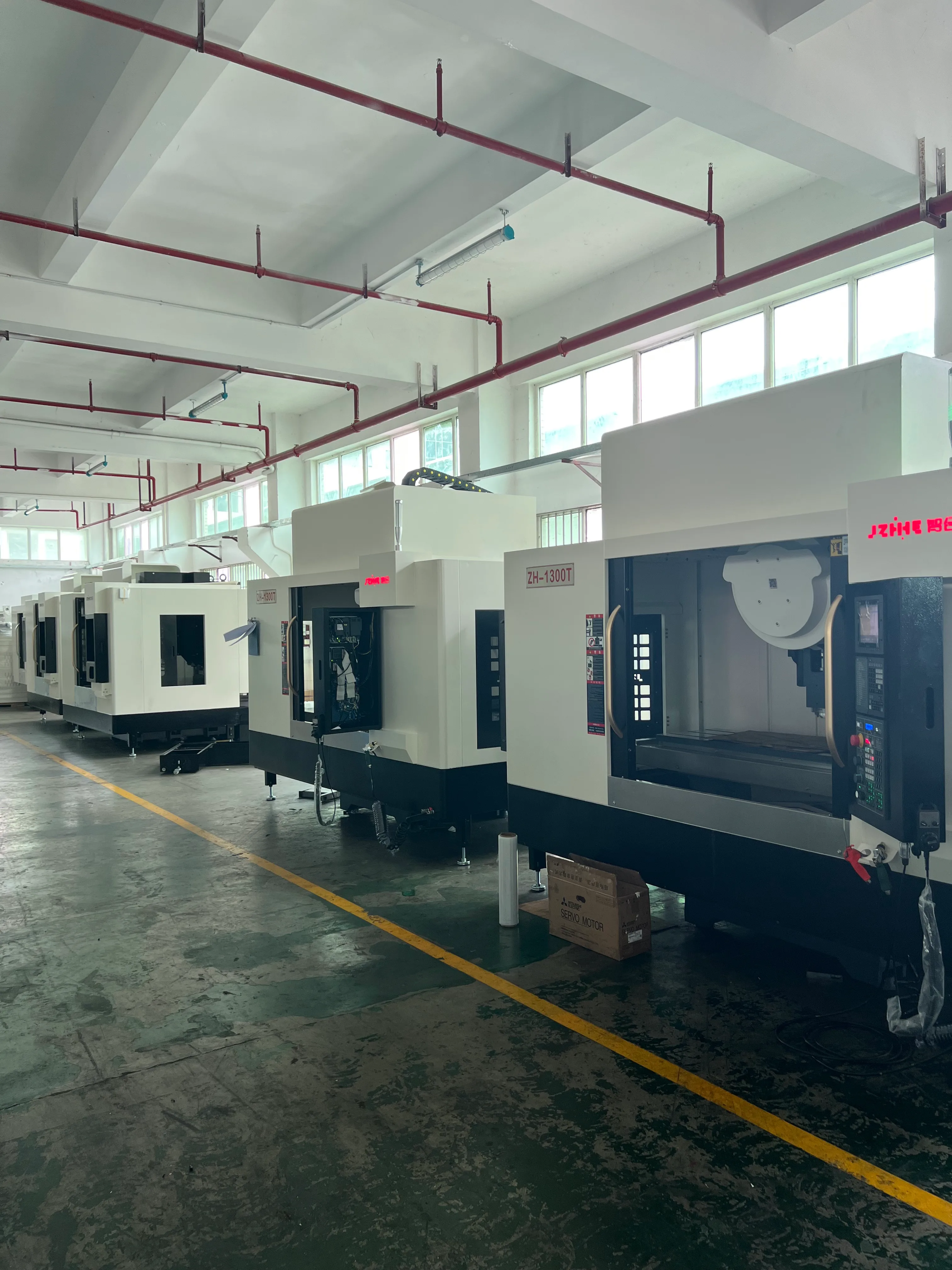
Install Against a Declared Baseline
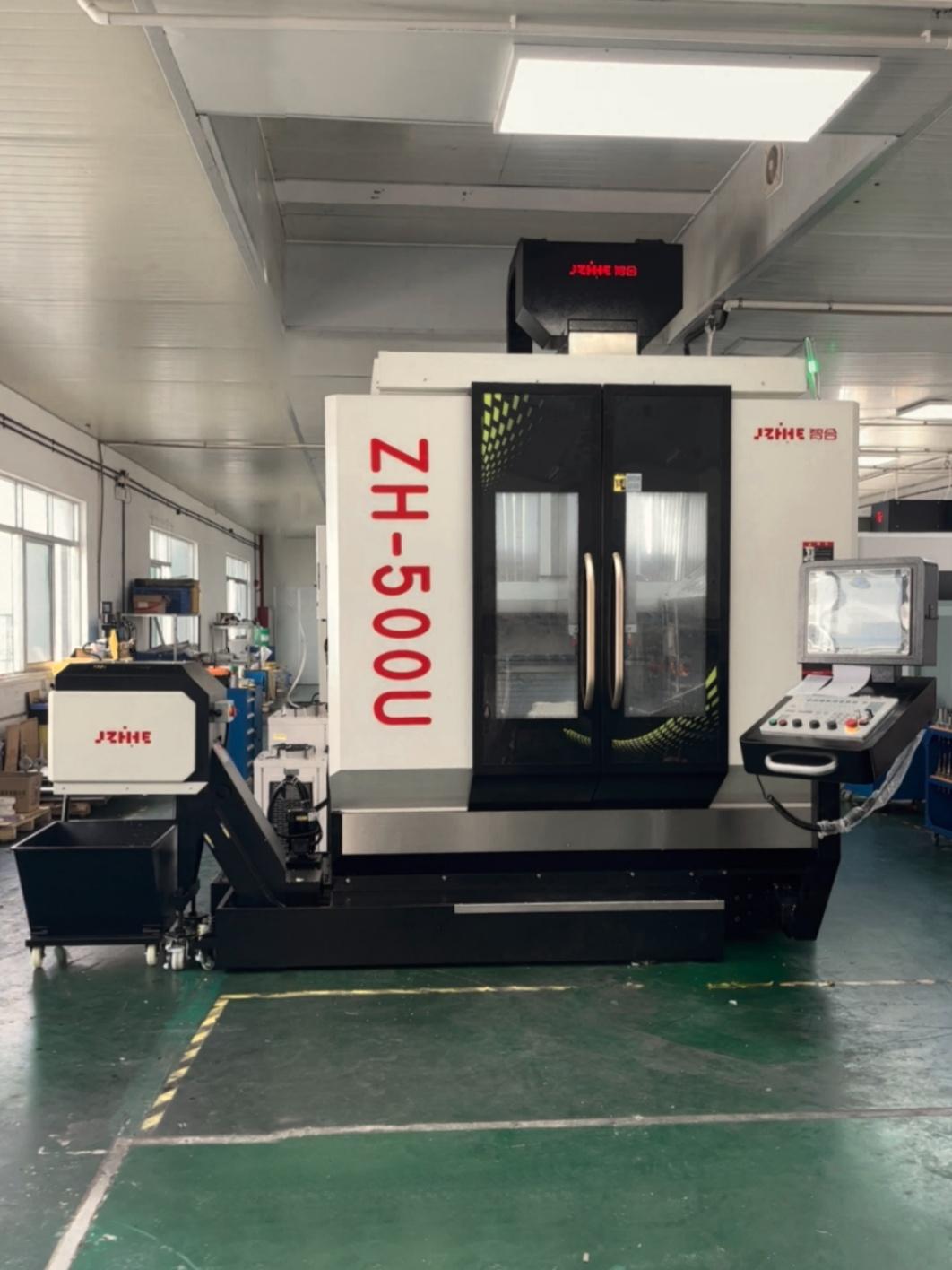
Installation is a production phase, not a delivery photo. Freeze site utilities, foundation, lifting, machine configuration, options, acceptance parts, training roles, safety checks and service contacts. Zhihe CNC uses a handoff file that names who can operate, maintain, release and restart the machine.
Train Operators by Task
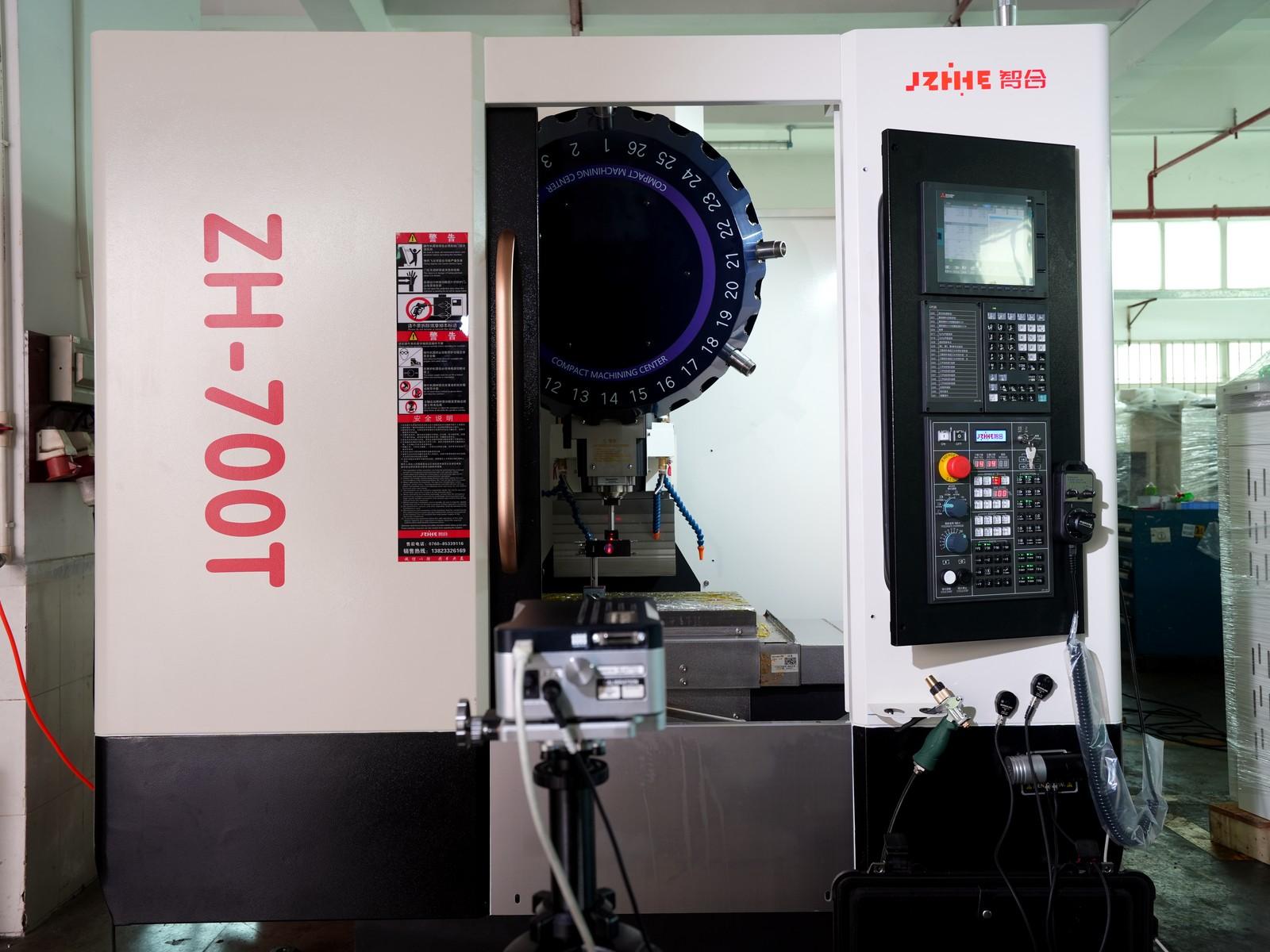
Record leveling, warm-up, controller state, probing, tool setup, guarding, chip and coolant systems, manuals, spare parts and training attendance. CNC machine installation and training should end with observable tasks, not only a sign-in sheet.
Train Maintenance by Recovery
Use a checkpoint sheet for CNC machine installation and training: site handoff, training evidence and restart ownership, blank identity, datum contact, tool reach, chip route, inspection access, maintenance and restart ownership. Each line needs evidence and a review date.
Verify Safety and Utilities
Run a first-part acceptance and a controlled alarm or hold drill without creating unsafe conditions. Preserve machine state, program position, tool status, measurements, response and owner.
Run a First-Part Acceptance
The ISO 10791 reference offers machining-centre test context. The OSHA machine-guarding resource offers additional context; responsible owners must assess the delivered machine, fixture, tools, access, guards, chips, coolant, maintenance and local requirements.
Rehearse an Alarm Restart
Close with a 30-day review, open-assumption list, escalation route, backup files, maintenance schedule and retraining triggers.
Audit Knowledge Transfer
Keep the program, tool list, fixture drawing, probing routine, inspection method, maintenance card and limitations together. Zhihe CNC recommends retaining failed and corrected evidence so a later change can be discussed instead of guessed.
Keep Spares and Manuals Visible
Run one controlled exception such as a planned tool-life event, inspection hold, fixture replacement, revision update or training hold. Preserve identity, state, measurements, owner and restart condition before re-entry.
Review the 30-Day Handoff
A release decision should distinguish demonstrated conditions from assumptions. State material lot, stock range, fixture state, machine configuration, tool assemblies, temperature, operator coverage, batch window and outside processes that remain untested.
Close the Service Loop
| Evidence lane | Record | Owner |
|---|---|---|
| Part and stock | Revision, lot, allowance | Engineering |
| Setup | Fixture, support, handling | Production |
| Cutting | Tools, offsets, coolant, chips | Process |
| Inspection | Method, raw data, disposition | Quality |
| Recovery | Hold, correction, restart | Team |
State the Training Boundary
For quotation, compare delivered accepted output rather than spindle power alone. Include loading, setup, proving, cutting, tool changes, chip clearing, inspection, maintenance, recovery, rework, scrap and preservation.
Read the traveler with the operator
Installation is a production phase, not a delivery photo. Freeze site utilities, foundation, lifting, machine configuration, options, acceptance parts, training roles, safety checks and service contacts. Zhihe CNC uses a handoff file that names who can operate, maintain, release and restart the machine. For CNC machine installation and training, this record should carry the exact revision and owner.
Make the setup observable
Record leveling, warm-up, controller state, probing, tool setup, guarding, chip and coolant systems, manuals, spare parts and training attendance. CNC machine installation and training should end with observable tasks, not only a sign-in sheet. For CNC machine installation and training, this record should carry the exact revision and owner.
Keep the measurement state visible
Run a first-part acceptance and a controlled alarm or hold drill without creating unsafe conditions. Preserve machine state, program position, tool status, measurements, response and owner.
Compare accepted and held work
Close with a 30-day review, open-assumption list, escalation route, backup files, maintenance schedule and retraining triggers.
Give maintenance a trigger
Installation is a production phase, not a delivery photo. Freeze site utilities, foundation, lifting, machine configuration, options, acceptance parts, training roles, safety checks and service contacts. Zhihe CNC uses a handoff file that names who can operate, maintain, release and restart the machine.
Write the handoff for a new shift
Record leveling, warm-up, controller state, probing, tool setup, guarding, chip and coolant systems, manuals, spare parts and training attendance. CNC machine installation and training should end with observable tasks, not only a sign-in sheet.
Review the next component family
Run a first-part acceptance and a controlled alarm or hold drill without creating unsafe conditions. Preserve machine state, program position, tool status, measurements, response and owner.
Keep the limitation beside the claim
Close with a 30-day review, open-assumption list, escalation route, backup files, maintenance schedule and retraining triggers.
Keep the Decision Auditable
Use one controlled vocabulary across the drawing review, traveler, program notes, inspection report, maintenance card, quotation and service record. A datum needs one name, one owner and one evidence file. A tool-life trigger should say what is observed, who stops the route, how the affected quantity is contained, which measurement is repeated and who authorizes the restart. A fixture condition should describe contact, support, clamp, wear and cleaning rather than a vague statement that the setup was checked. A machine condition should identify configuration, warm-up, temperature, controller revision and open alarms. This makes the conversation transferable between engineering, production, quality, maintenance, logistics and the supplier. It also limits overclaiming: a stable result under one stock lot remains a result under one stock lot until a new declared trial expands the range. Keep a dated baseline, a superseded file, the reason for change and the retest result. When a commercial decision is made, attach assumptions and exclusions so the purchase can be revisited without losing context. Zhihe CNC uses this audit step to make the machine route practical for the next shift, next component family and next service visit. Preserve both accepted and held evidence; a corrected trial is useful when the original condition, response and retest remain traceable. Add the site condition, operator coverage, spare-tool code, gauge storage, cleaning instruction, backup location, review date and escalation contact so a new team can reproduce the released route without relying on personal memory or informal messages.
Acceptance Evidence Table
| Control | Minimum record | Reopen when |
|---|---|---|
| Drawing | Revision and approved limits | Revision changes |
| Blank | Lot, allowance and identity | Supplier or material changes |
| Fixture | Contact, support and wear | Fixture or clamping changes |
| Tools | Assembly, life and offset state | Tool or holder changes |
| Inspection | Method, raw data and disposition | Gauge or method changes |
Prepare the Next Review
Before a buyer compares another machine, keep the original route visible. Record the component family, approved stock, fixture contact, lifting or loading method, tool assemblies, controller state, inspection instruments, operator coverage, maintenance state and accepted quantity. Note which facts came from a representative trial and which remain supplier assumptions. This is especially useful when a new drawing adds a hole, changes a surface, extends a plate, changes a connector, moves a datum, changes a training role or arrives from a different material lot. Reopen the affected feature and keep the earlier baseline for comparison. A clear next-review note prevents a rushed order from turning an exceptional workaround into an unstated capability. Zhihe CNC can use the same record to discuss a machine recommendation, a service visit, a training refresh or a controlled process change with the buyer's engineering and quality teams. This keeps review decisions linked to evidence. Now.
Keep the approved route visible to the next shift. A short evidence card should name the drawing, stock, fixture, tools, inspection method, restart trigger, service contact, backup location, review date and known limitation. That card helps a buyer compare proposals without confusing a demonstration with a released capability.
Questions Buyers Ask About CNC machine installation and training
What must be frozen first?
Freeze the controlled drawing, material, blank, datums, fixture, tools, program, inspection method and acceptance conditions.
Does one successful part prove capacity?
No. Repeat loading, representative variation, inspection time and recovery evidence are required.
Why include handling and cleaning?
They consume capacity and can affect safety, contamination, tool life and accepted output.
What belongs in the tool passport?
Record holder, projection, runout, pocket, life state, replacement trigger and affected features.
How should a held part be managed?
Preserve identity and state, contain affected work, assign an owner, correct one variable and retest.
Can machine accuracy prove product performance?
No. It is evidence under declared conditions; product and regulatory decisions remain separate.
When should acceptance be reopened?
After a relevant part, material, fixture, tool, program, software, inspection, site or maintenance change.
What should a supplier disclose?
Configuration, options, tested conditions, limitations, interfaces, service route, backups and acceptance evidence.
How should capacity be counted?
Include setup, proving, cutting, tool events, chips, inspection, rework, scrap, maintenance and released quantity.
What should buyers send Zhihe CNC?
Send controlled drawings, CAD, materials, stock, datums, fixtures, tools, volume, inspection and known failure modes.
Build the site handoff, training evidence and restart ownership With Zhihe CNC
To evaluate CNC machine installation and training, send Zhihe CNC your controlled drawings, CAD, materials, stock, datums, fixtures, tools, volumes, inspection, site conditions and recovery expectations. Request a Zhihe CNC installation plan, the Zhihe CNC profile, and the contact route define the next review.