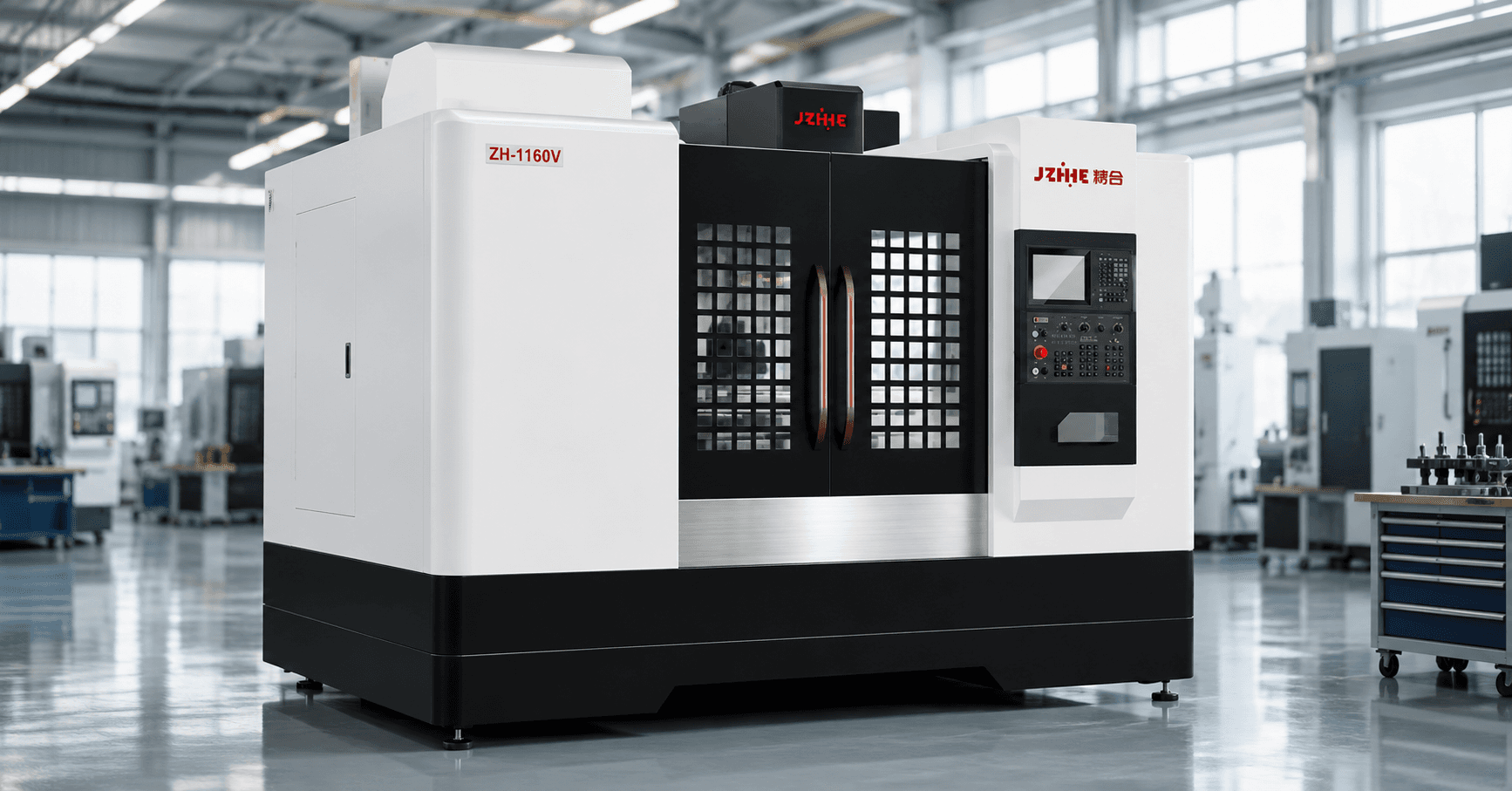
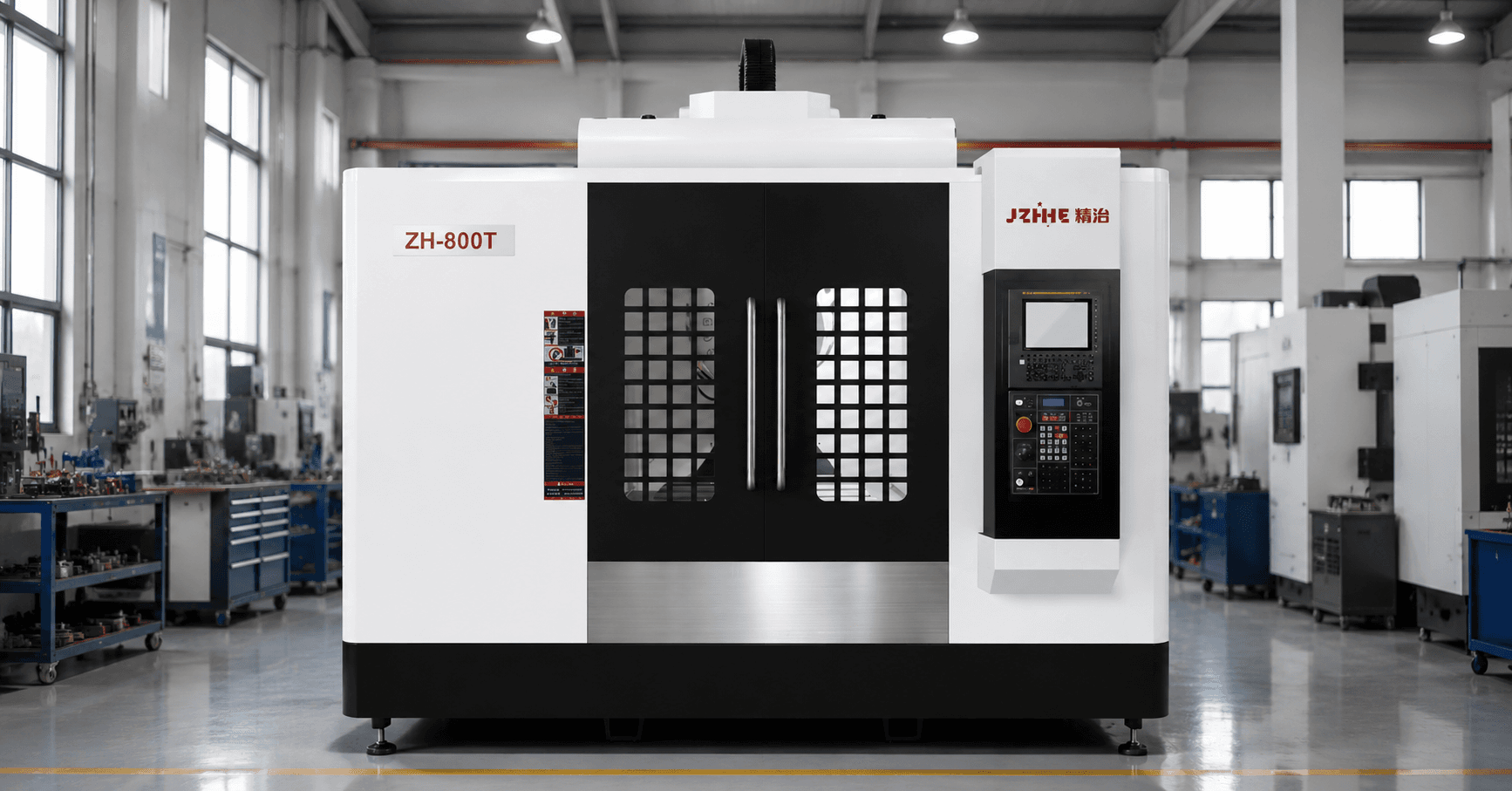
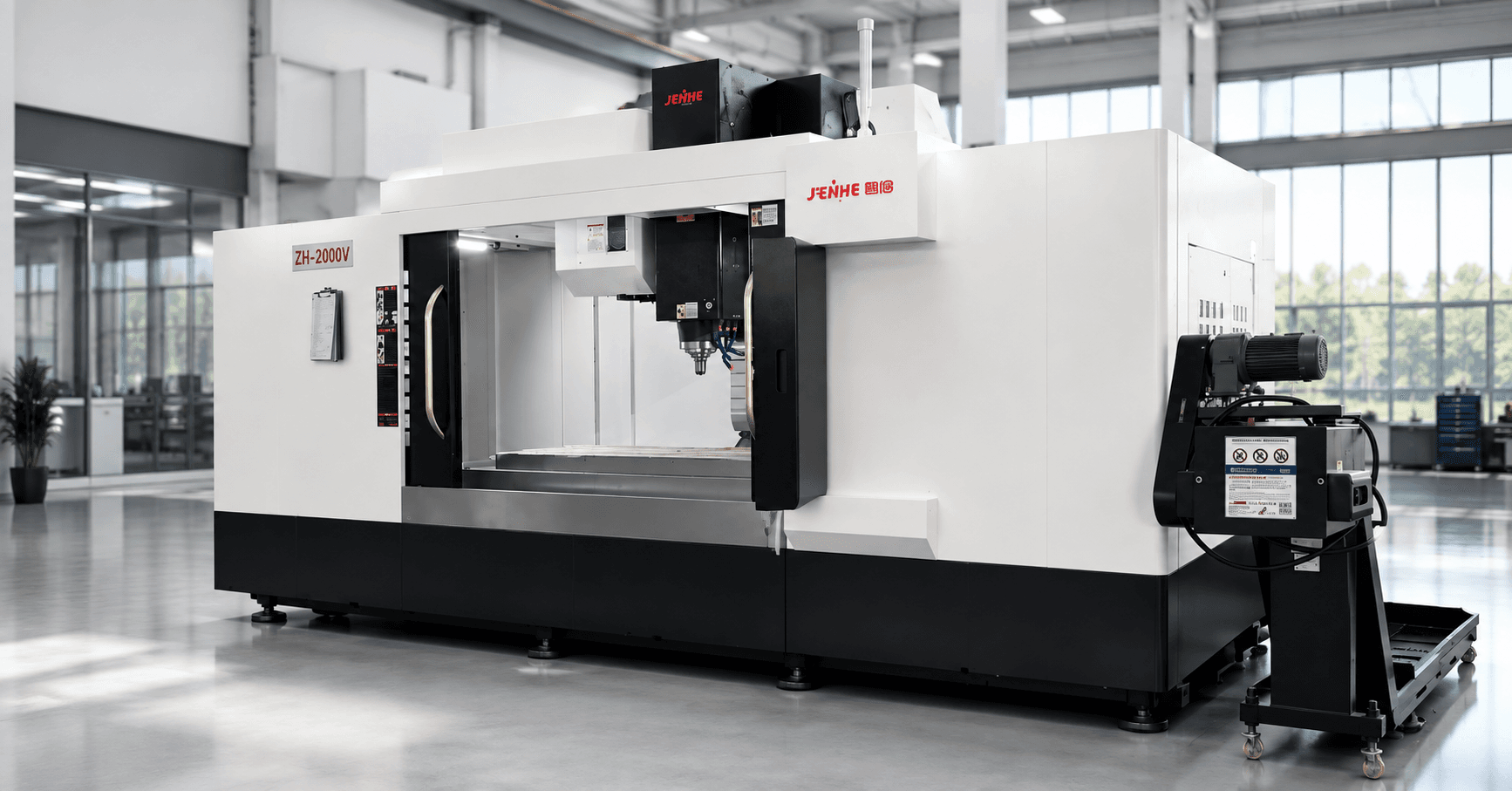
Effective CNC machine installation and training begins before the machine is shipped and continues until the factory can produce, inspect, maintain, and recover the process without depending on informal knowledge. Treating installation as a leveling task and training as a short controller demonstration creates avoidable delays during production launch.
This guide organizes the project as a timeline with readiness gates, named responsibilities, role-based learning, and a 90-day ramp. It helps buyers define what the supplier must deliver and what the factory must prepare.
Eight to Four Weeks Before Arrival: Freeze Site Readiness
The site package should be approved before shipment. Confirm machine dimensions and weight, packing dimensions, unloading method, access route, door and ceiling clearance, crane or forklift capacity, foundation and floor loading, leveling area, power and frequency, transformer needs, grounding, compressed air, coolant, extraction, network, lighting, temperature expectations, and maintenance space.
Assign one owner for every action. A checklist without ownership does not protect the schedule.
| Readiness item | Buyer responsibility | Supplier responsibility | Evidence before shipment |
|---|---|---|---|
| Layout and access | Confirm route, lifting, floor, and final position | Provide machine and packing dimensions and lifting method | Signed layout and handling plan |
| Foundation and utilities | Complete civil and electrical work | Provide loads, connection points, and requirements | Photos, measurements, and utility checklist |
| Process package | Release drawing, material, gauges, and production targets | Prepare proposed tools, program, fixture, and trial method | Approved process and acceptance plan |
| People | Name operators, programmers, maintenance, and quality staff | Provide agenda, prerequisites, and trainer schedule | Training roster and calendar |
| Documents | Define language and local compliance needs | Prepare manuals, diagrams, certificates, and records | Document index with revision status |
One Week Before Arrival: Run the Pre-Arrival Gate
Hold a short readiness review using evidence rather than verbal confirmation. The machine should not arrive to an unfinished foundation, unavailable power, blocked access route, missing coolant, or an unassigned production team.
- Site photos and layout match the approved plan.
- Foundation curing and utility work are complete.
- Lifting equipment and unloading personnel are booked.
- Tools, holders, fixture, material, gauges, and consumables are available.
- Controller programs, post-processor, and network method are prepared.
- Acceptance criteria and test sequence are signed.
- Training attendees are released from normal production duties.
Arrival and Positioning: Protect the Machine and the Evidence
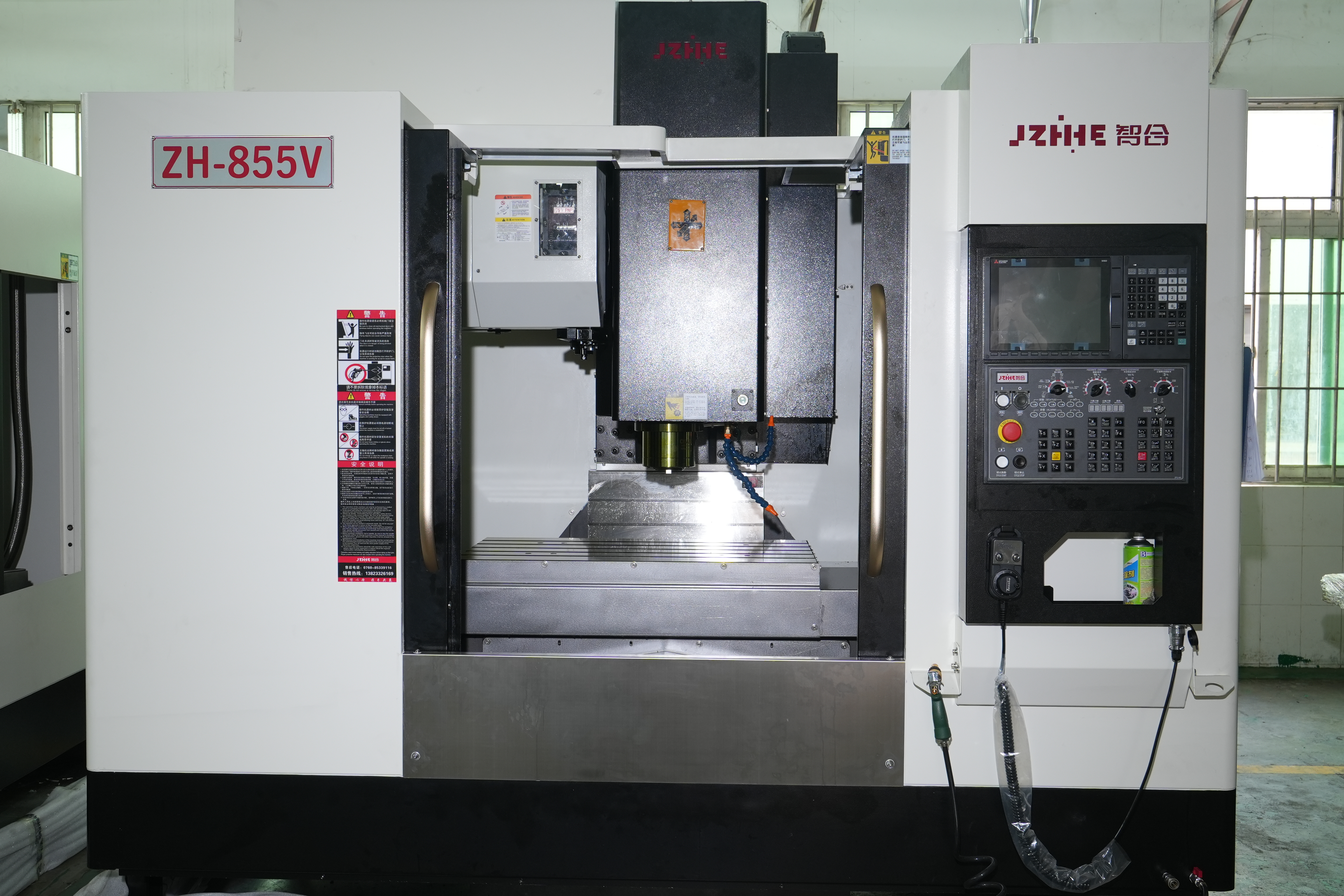
Inspect packing condition before unloading and record any visible damage. Confirm machine identity, serial information, accessories, loose items, documents, and shipping restraints against the packing list. Follow the approved lifting points and do not improvise around limited access.
After positioning, record initial condition, remove restraints in the specified order, connect utilities, check voltage and phase, inspect lubrication and coolant systems, and complete the supplier's startup procedure. Open issues should be logged with an owner and due date rather than left as verbal notes.
Installation Gate: Verify the Machine Before Cutting Parts
Installation acceptance should separate machine condition from process acceptance.
Machine-condition checks
- Identity and purchased configuration.
- Leveling, foundation contact, and geometric checks.
- Lubrication, air, coolant, chip, enclosure, and safety functions.
- Axis movement, limits, spindle, tool changer, alarms, and interlocks.
- Controller options, program transfer, backup, and data retention.
- Model-specific accuracy verification under agreed conditions.
Zhihe CNC states that selected models can be inspected through laser interferometer calibration, ballbar testing, and trial cutting before delivery. Buyers should specify which reports are required before shipment and which checks will be repeated after installation.

Process Gate: Prove the Agreed Workpiece
Machine geometry does not prove the production process. Run the agreed part with the released drawing, material, fixture, tools, holders, program, coolant, and measurement method.
Record:
- Setup and datum method.
- Automatic cycle and manual time.
- Cutting conditions and tool assemblies.
- Offsets and corrections made during the test.
- Inspection results in production order.
- Chip, coolant, burr, surface, and tool-life observations.
- Open actions required before production release.
If the machine passes condition checks but the process misses the target, identify whether the cause belongs to machine configuration, fixture, tooling, program, material, measurement, or operator method. This prevents every launch problem from being labeled a machine fault.
Train by Role, Not With One General Session
| Role | Must be able to do | Practical verification |
|---|---|---|
| Operator | Start, stop, recover, load, inspect, manage tools, respond to standard alarms | Run a complete shift sequence under observation |
| Setup technician | Install fixture, set datums, load tools, verify clearances, release first article | Complete a controlled changeover |
| Programmer | Transfer, verify, edit safely, manage versions, use approved post and recovery methods | Prepare and prove a representative program |
| Maintenance | Perform inspection, lubrication, backup, diagnostics, replacement, and escalation | Complete scheduled tasks and simulated fault checks |
| Quality | Apply acceptance method, control plan, reaction plan, and traceability | Inspect trial output and disposition a controlled exception |
| Supervisor | Track output, downtime, quality, training gaps, and support actions | Run the launch review using production data |
Training should use the buyer's machine, fixture, tools, part, documents, and shift conditions. Attendance is not competence. Each role should demonstrate the required task and receive a record of completion and remaining gaps.
Hand Over a Controlled Document Package
The handover package should include:
- Machine manuals, electrical and pneumatic diagrams, parts lists, and safety information.
- Purchased configuration and option list.
- Geometry, calibration, ballbar, and trial-cut records as agreed.
- Controller, parameter, offset, macro, and program backups.
- Fixture drawings, tool list, setup sheets, and process parameters.
- Preventive-maintenance schedule and lubrication plan.
- Recommended spare and consumable parts.
- Warranty scope, support contacts, escalation path, and response method.
- Training materials, attendance, competence checks, and open actions.
Store controlled copies where operators and maintenance staff can access them. A backup that exists only on one engineer's laptop is not a production control.
Use a CNC Machine Installation and Training 30/60/90-Day Ramp
Days 1-30: Stabilize
Run a controlled product mix. Track alarms, stops, tool life, offsets, scrap, rework, cycle, load time, and maintenance tasks. Close safety and documentation gaps immediately. Avoid adding automation or aggressive process changes before the baseline is stable.
Days 31-60: Standardize
Freeze proven setup sheets, tools, offsets, inspection frequencies, maintenance intervals, backups, and alarm-response methods. Qualify additional operators and shifts using the same competence checks.
Days 61-90: Improve
Use production data to reduce the largest verified loss. Improve tooling, fixture motion, inspection, program sequence, chip control, or maintenance one change at a time. Preserve a rollback point and document the result.
Define Support Before the First Fault
Document support hours, communication channel, required fault information, remote-access method, response target, local responsibilities, travel rules, spare-parts ordering, warranty exclusions, and escalation. Train the factory to collect alarm text, photos, video, program context, recent changes, and machine condition before contacting support.
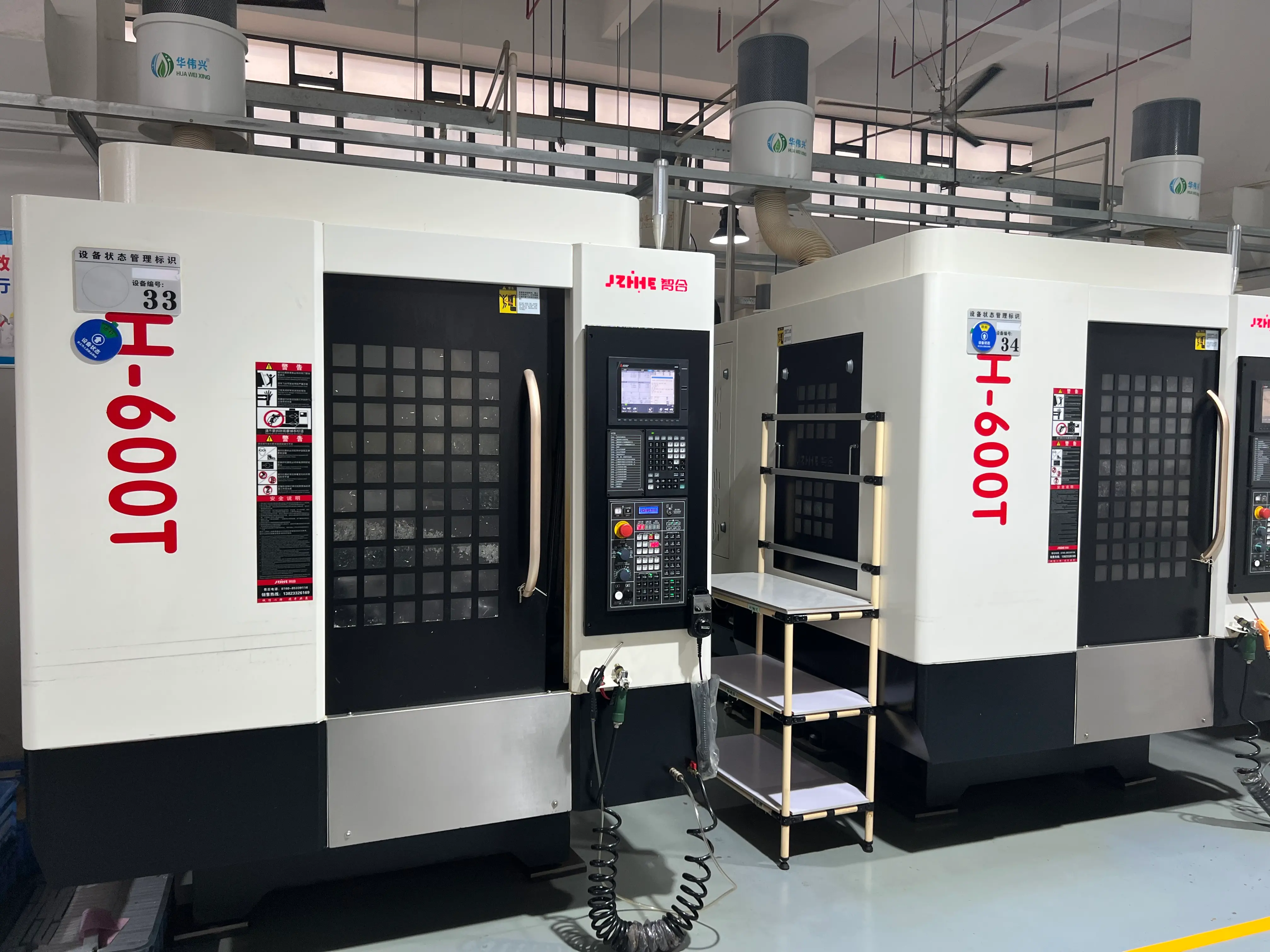
Zhihe CNC describes a delivery workflow that includes workpiece review, model recommendation, technical proposal, trial cutting when needed, delivery, installation, training, and after-sales support. Its company and service overview provides context, but the buyer should convert that general workflow into project-specific deliverables and acceptance records.
FAQ
Who should sign installation acceptance?
Use named representatives for the supplier and buyer, with participation from production, maintenance, and quality where their acceptance criteria are involved.
Should training happen before or after the trial part?
Basic safety and machine operation should come first. Process, setup, inspection, recovery, and maintenance training should use the trial and early production work so learning is practical.
What data should be backed up?
Back up controller parameters, offsets, macros, programs, tool data, fixture and setup documents, post-processor versions, and any supplier-specific recovery information permitted by the system.
When is the project complete?
Completion should require closed installation issues, accepted machine and process tests, delivered documents, demonstrated role competence, working backups, and an agreed support handover.
What should be monitored during the first 90 days?
Track output, utilization, cycle, loading, alarms, downtime, tool life, scrap, rework, maintenance completion, support cases, and training gaps.
Request a Project-Specific Startup Plan
For a controlled CNC machine installation and training project, send Zhihe CNC the selected model, factory layout, utilities, delivery destination, process package, acceptance needs, staff roles, and production launch date. Use the contact page to define site preparation, commissioning, role-based training, and ramp-up support.