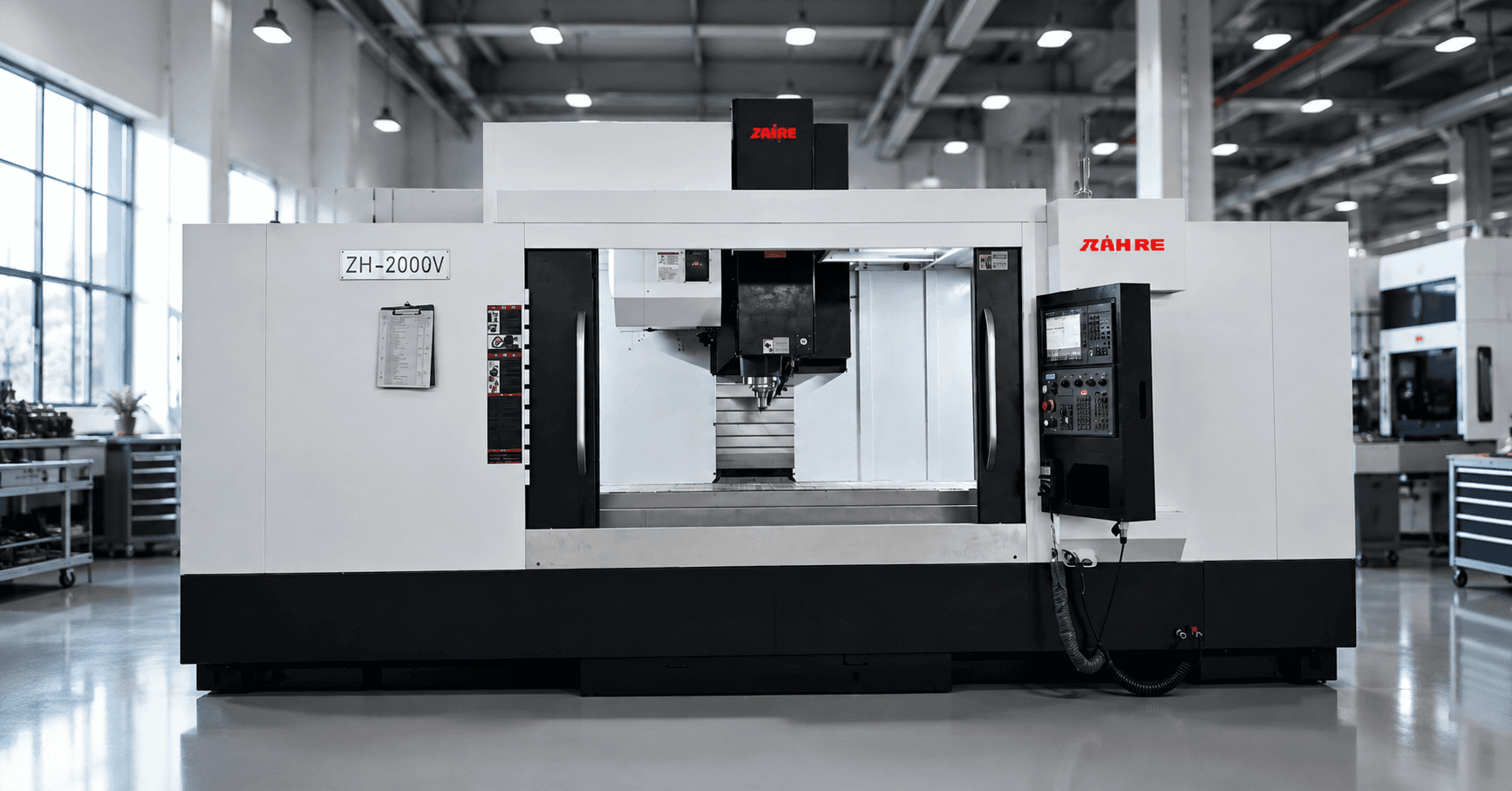
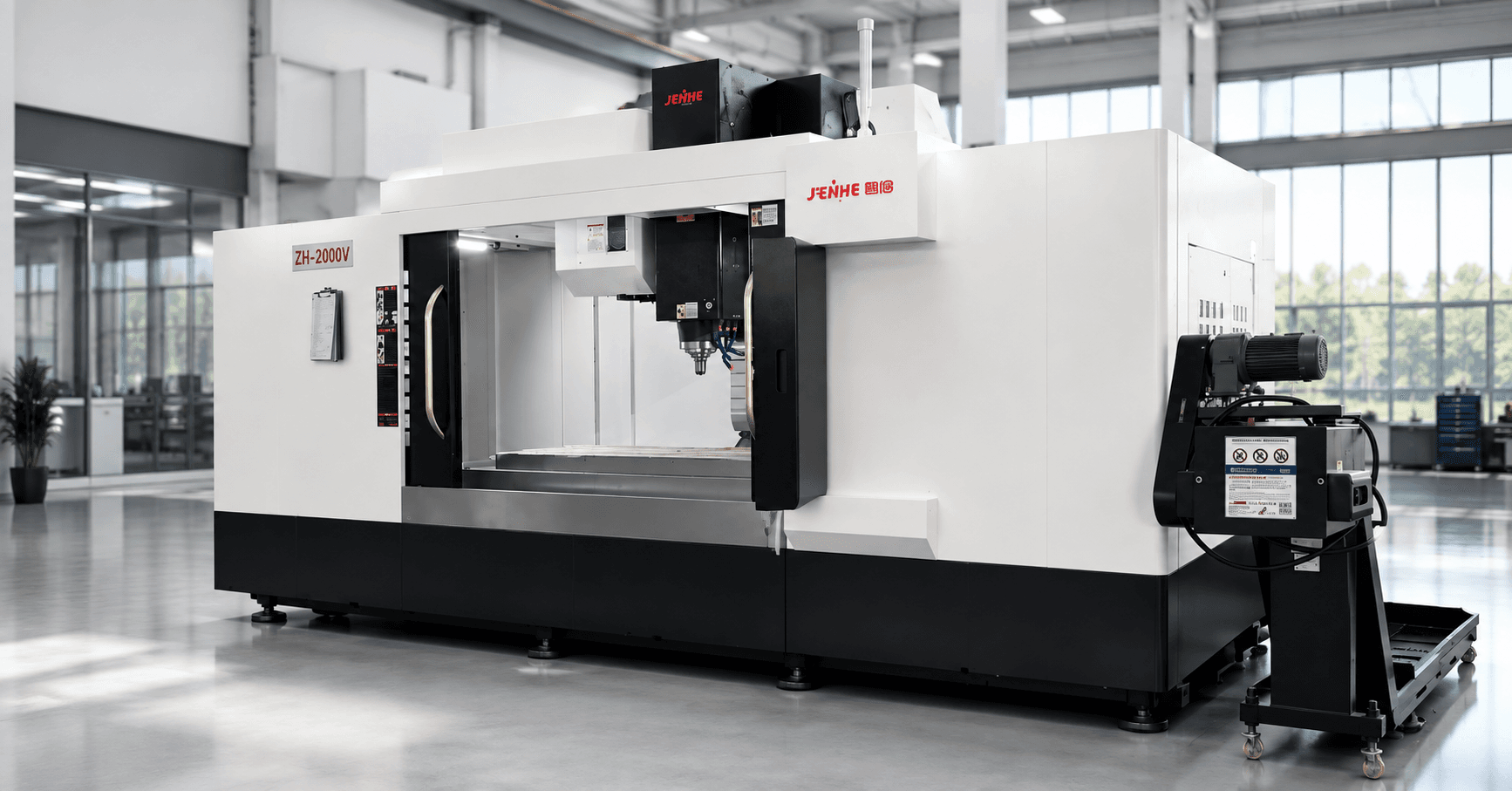
The right CNC machine for lithium battery equipment parts depends on the equipment component being made, not on the industry label alone. A large welded base, an aluminum vacuum plate, a precision bearing housing, and a fixture block can belong to the same production line while requiring different travel, rigidity, spindle behavior, workholding, inspection, and automation.
The practical selection method is to divide the order book into part families, identify the dominant process risk in each family, and assign the machine platform that controls that risk with the least unnecessary complexity.
Begin With a Part-Family Map
| Typical equipment component | Dominant process risk | Machine-selection focus |
|---|---|---|
| Machine bases and structural plates | Large envelope, flatness, stress movement, long cycles | Travel, table load, rigidity, support, and rough-to-finish strategy |
| Aluminum vacuum or process plates | Flatness, sealing surfaces, many holes and channels | Thermal control, chip evacuation, probing, and fixture support |
| Bearing and drive housings | Bore relationships, datums, concentricity, multi-face features | Setup reduction, boring capability, and inspection access |
| Jigs, nests, and change parts | High mix, frequent revision, short lead time | Flexible workholding, program control, and fast setup |
| Manifolds and fluid-control blocks | Intersecting holes, burrs, cleanliness, thread quality | Drilling strategy, chip control, deburring access, and verification |
| Small automation brackets and sensor mounts | Batch consistency and cost per part | Fast tool changes, multi-part fixtures, and simple inspection |
This map prevents one common procurement error: buying one general-purpose machine and expecting it to handle every component economically. A flexible machine may complete many parts, but the factory should still know which part family defines the required envelope and which defines the required accuracy.
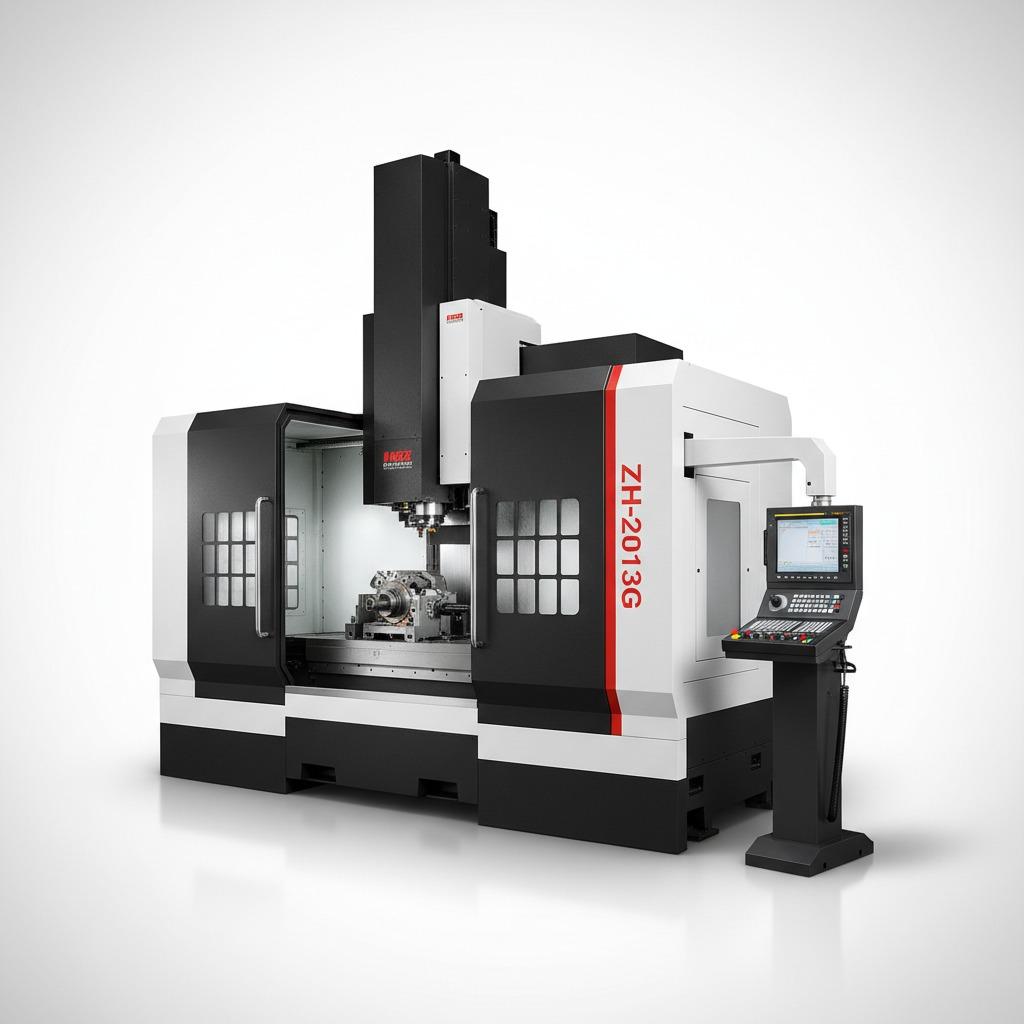
Route Each Family to the Right CNC Machine for Lithium Battery Equipment Parts
Vertical machining centers for flexible prismatic work
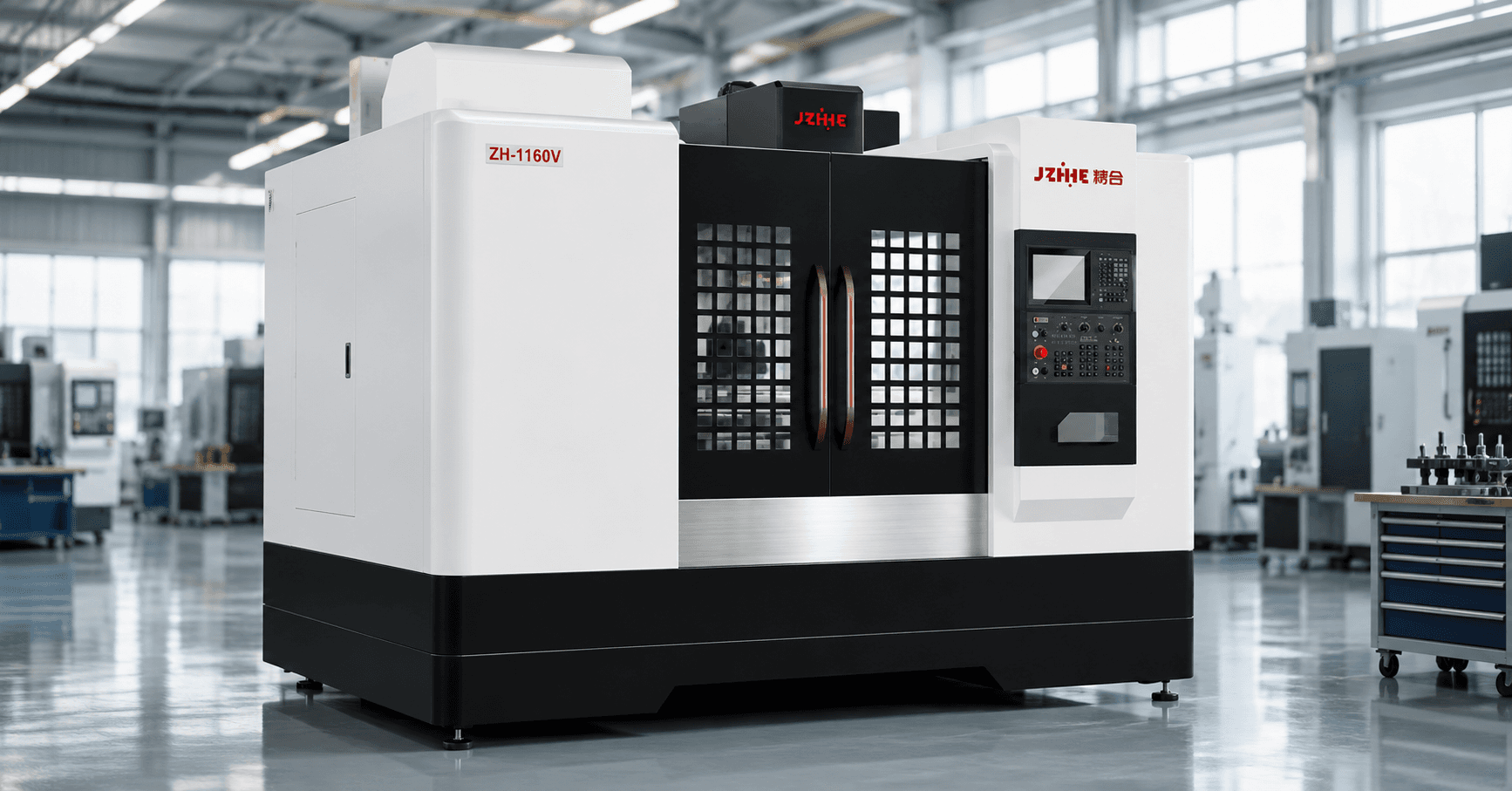
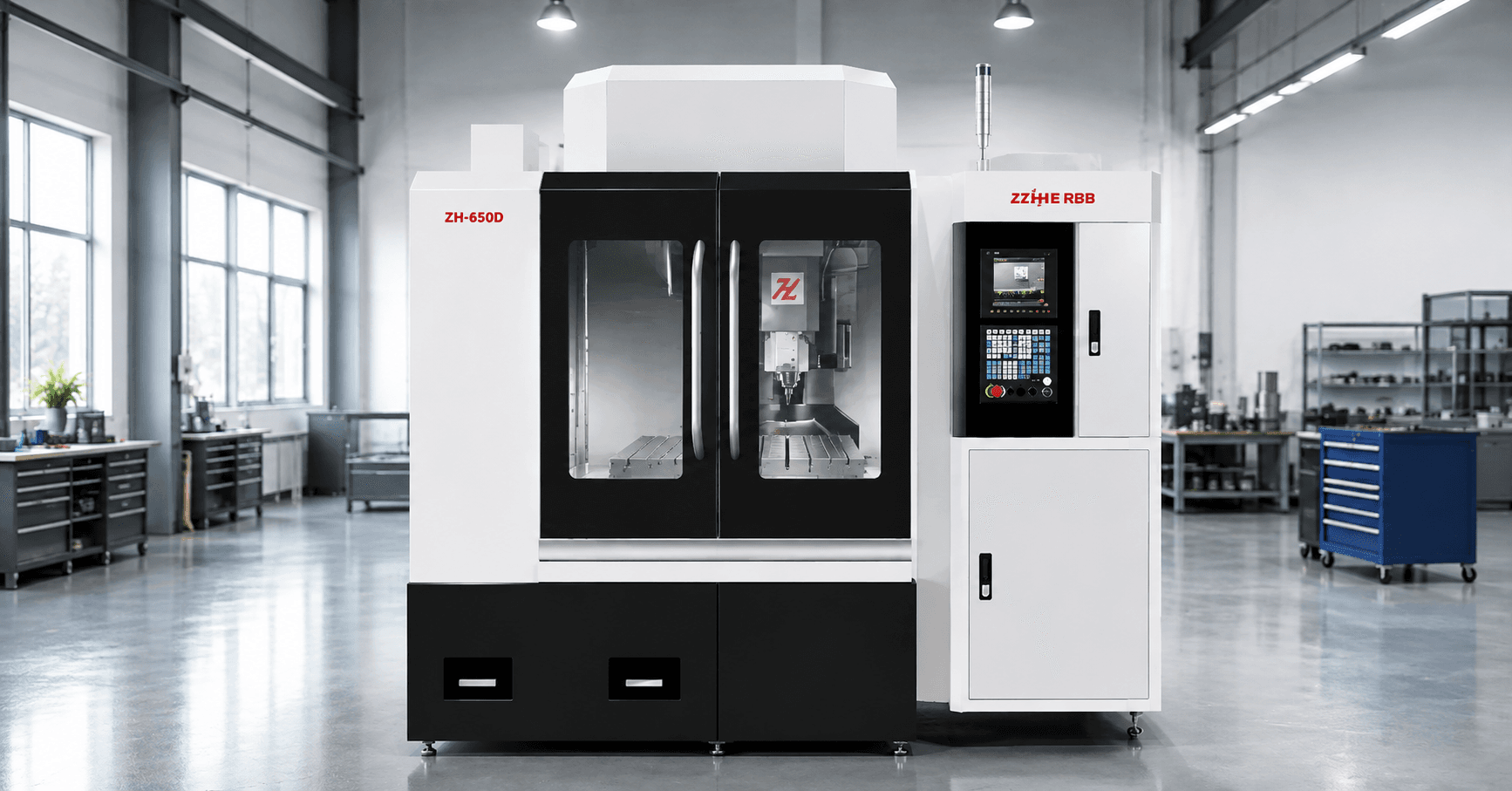
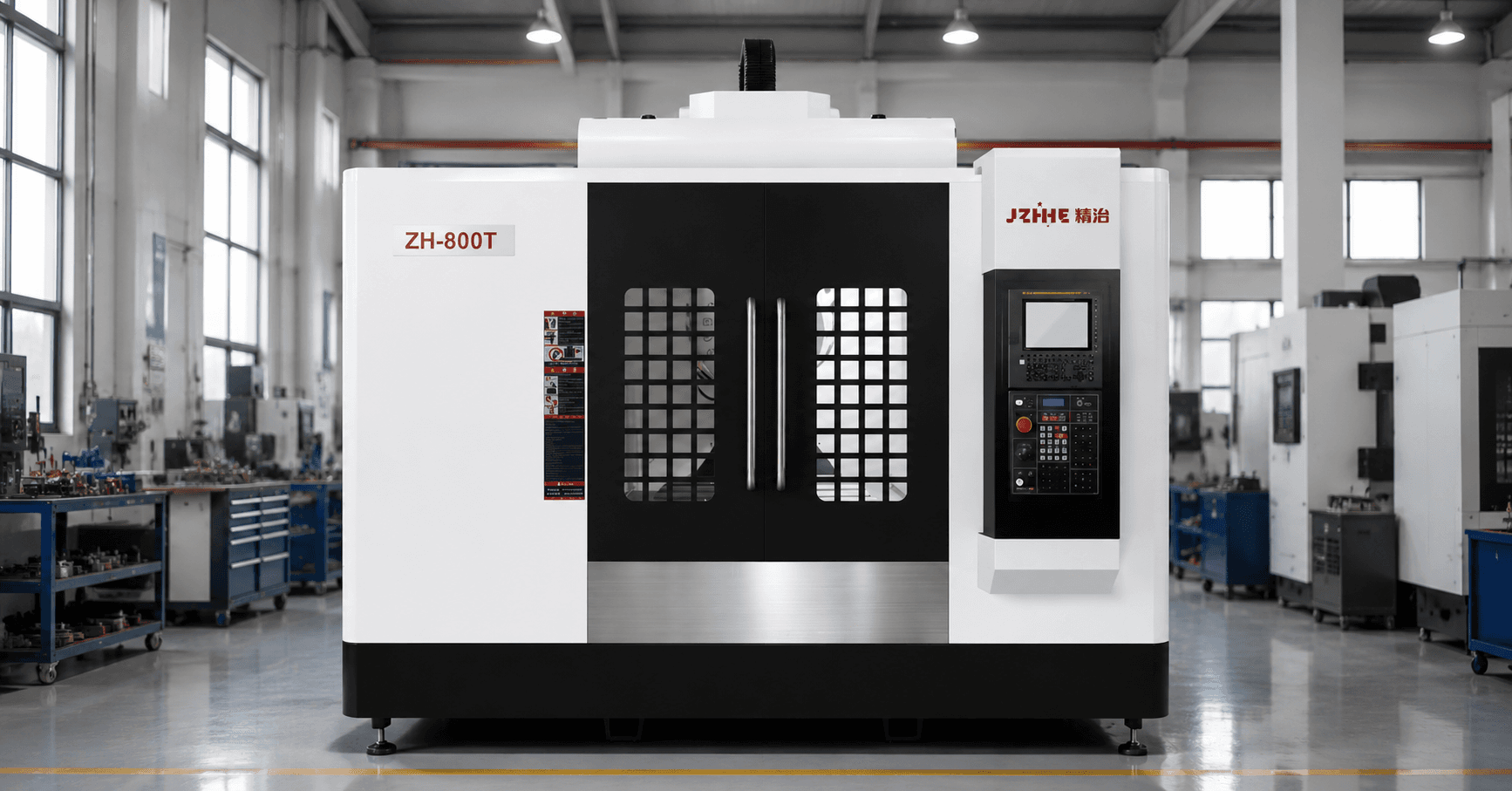
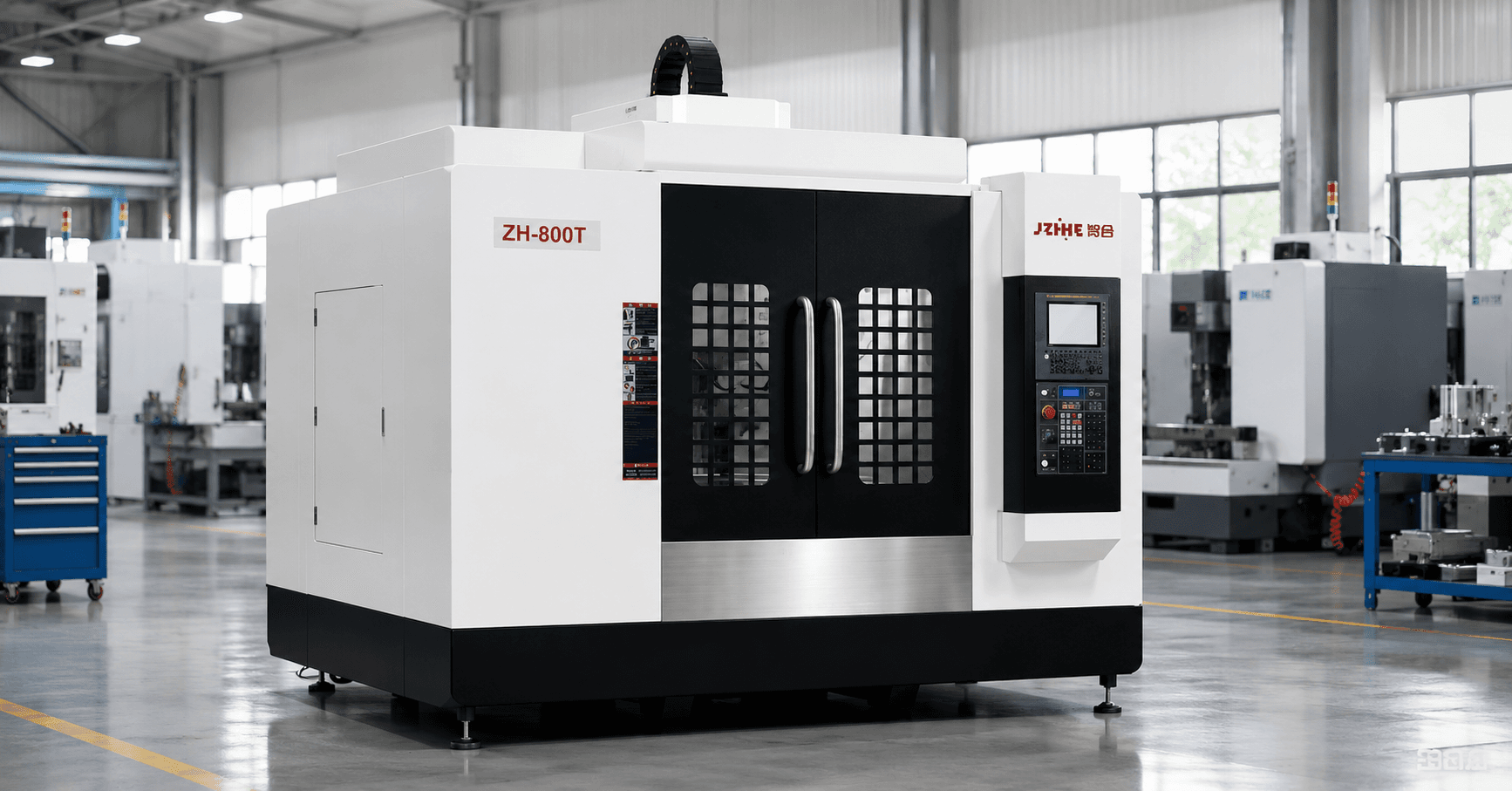
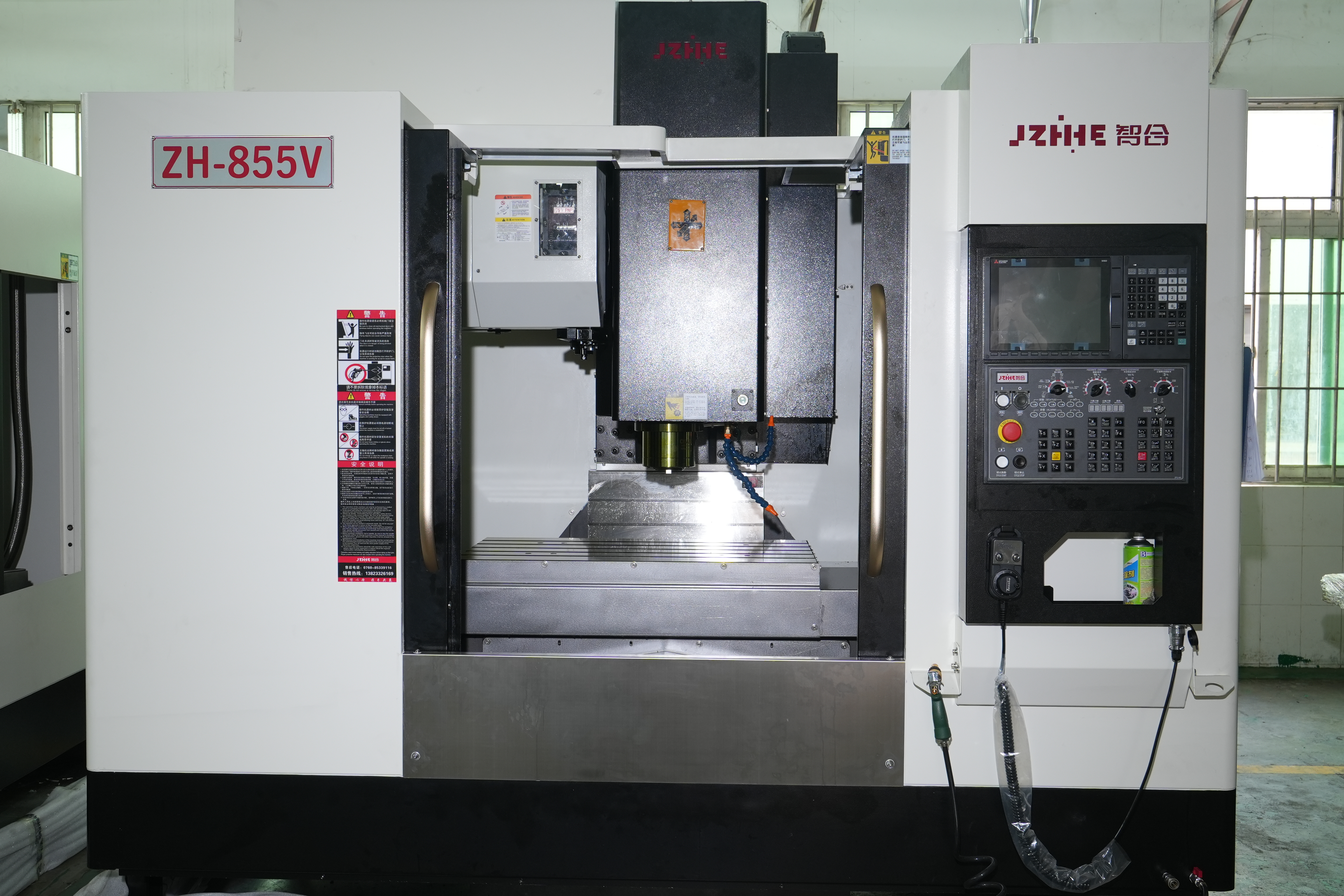
A vertical machining center is often a practical starting point for plates, fixture parts, brackets, housings, and general precision components that can be accessed from the top. Review travel, table load, spindle torque and speed, tool capacity, coolant delivery, and the real fixture envelope.
Drilling and tapping centers for compact batch parts
Small aluminum brackets, sensor mounts, covers, and repeated hole-and-thread work may benefit from a drilling and tapping center. The economic question is whether fast axis motion and tool changes reduce the complete cell cycle after loading, cleaning, inspection, and tool management are included.
Horizontal machining centers for related multi-face features
Box-type housings and components with bore or hole relationships across several faces may justify a horizontal machining center. Fewer re-clampings can protect datum relationships and reduce alignment time, but pallet, fixture, tooling, and chip-flow requirements must be included in the project cost.
Gantry machines for bases, plates, and oversized structures
Large equipment bases, structural plates, and long workpieces may require a gantry machining center. Size the machine from the loaded workpiece, tool access, support method, table load, and spindle-to-table clearance, not from the part drawing envelope alone.
Control the Risks That Matter to Battery-Equipment Builders
Datum transfer
Equipment assembly depends on relationships between mounting faces, dowel holes, guide surfaces, bearing bores, and sensor locations. Define the functional datum system before programming. If a feature relationship crosses setups, document how the datum is transferred and how fixture error will be checked.
Flatness and distortion
Large plates and thin aluminum parts can move when material is removed or clamping is released. Review blank condition, residual stress, roughing allowance, rest time where needed, support points, clamp sequence, finishing order, and inspection temperature. Machine accuracy cannot correct an unstable workpiece strategy by itself.
Burrs and cleanliness
Intersecting holes, tapped passages, sealing surfaces, and pneumatic or vacuum features require an explicit burr and cleaning plan. Identify inaccessible intersections, define edge-break requirements, select tools and sequences that control burr direction, and verify that chips cannot remain trapped inside the component.
Thread consistency
Record thread standard, class, depth, entry condition, material, tool coating, coolant method, tool-life limit, and gauge method. A process that produces acceptable threads on the first sample may still drift during a batch if tool life and chip evacuation are not controlled.
Revision and traceability
Battery-equipment projects can contain many related components and engineering revisions. Connect the drawing revision, program, fixture version, tool list, setup sheet, inspection plan, and first-article record. This is a production-system requirement, not a controller feature alone.
Use a Risk-to-Control Matrix During Process Review
| Risk | Prevention | Verification | Reaction |
|---|---|---|---|
| Plate moves after unclamping | Balanced roughing, stable support, controlled clamping | Flatness check after release | Revise allowance, support, or sequence |
| Bore relationship shifts | Common datum or reduced setups | Position and bore measurement | Correct fixture, datum, or compensation method |
| Threads degrade during batch | Tool-life limit and chip control | Scheduled gauge checks | Change tool and quarantine affected interval |
| Chips remain in passages | Toolpath and flushing plan | Visual, air-flow, or cleanliness check | Reclean and revise process access |
| Wrong revision reaches machine | Controlled release and program naming | Setup approval against traveler | Stop, segregate, and restore correct revision |
This matrix can be attached to the RFQ. It tells the machine supplier which risks should be demonstrated during trial cutting and which belong to the buyer's production controls.
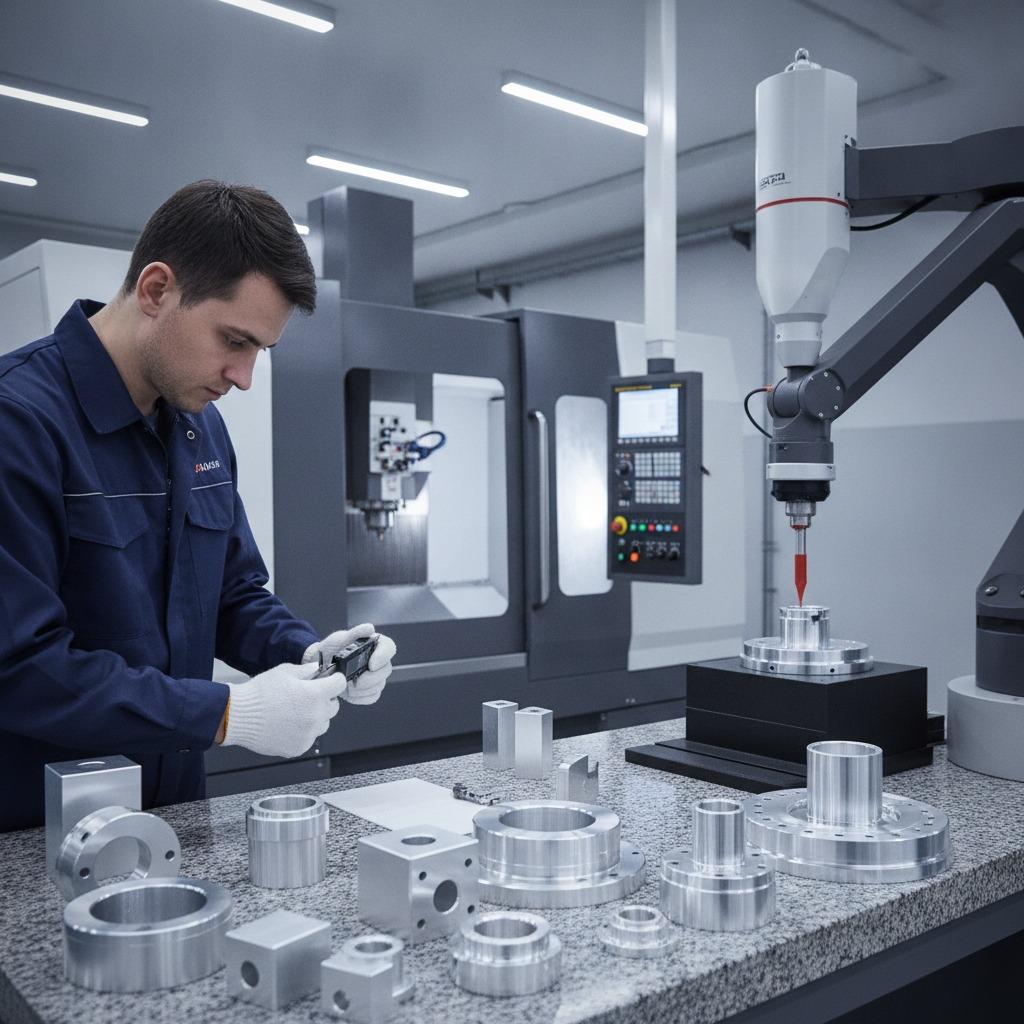
Validate a Representative Set, Not the Easiest Part
When one machine is expected to support several component families, select trial parts that expose different risks:
- A part that uses most of the required travel and fixture envelope.
- A part with the most important datum or bore relationship.
- A thin or large plate sensitive to clamping and material movement.
- A hole- and thread-intensive component that tests chips and tool life.
- A frequent-changeover part that tests setup documentation and workholding flexibility.
For each trial, freeze the drawing revision, material, blank, fixture, tools, program, environmental conditions, and measurement method. Record cycle breakdown, corrections, tool condition, inspection results, and any manual work outside the machine.
Separate Machine Capability From Project Capability
Zhihe CNC states that its machining centers support manufacturers serving lithium battery equipment along with automotive, 3C electronics, photovoltaic, mold, robotics, and precision-metal applications. That industry coverage is a starting signal, not proof that a specific model fits every battery-equipment component.
Project capability should be demonstrated by the proposed model, fixture, tooling, program, inspection method, delivery scope, and trial results. Ask which requirements are standard, which require options, which depend on the buyer's process, and which the supplier cannot guarantee.
Build the RFQ Around the Part Portfolio
Send a representative drawing set rather than one convenient sample. Include annual volume by part, material and blank condition, largest loaded envelope, critical datums and tolerances, flatness requirements, hole and thread schedule, cleanliness expectations, current cycle and quality losses, preferred automation level, factory conditions, and launch schedule.
Ask for a part-to-model matrix showing:
- Recommended machine and required options for each part family.
- Fixture and setup concept.
- Operations completed on the machine and operations left outside.
- Known risks, assumptions, and exceptions.
- Trial part and acceptance method.
- Training, maintenance, spare parts, and ramp-up support.
FAQ
Can one CNC machine cover every lithium battery equipment part?
Usually not economically. Group parts by size, material, geometry, datum relationships, cutting demand, and volume, then decide where flexibility is valuable and where a dedicated platform is justified.
Which part should be used for trial cutting?
Choose a representative set that exposes the largest envelope, critical accuracy relationship, distortion risk, hole-and-thread load, and changeover requirement.
Why is flatness difficult on large aluminum plates?
Residual stress, material removal, heat, support, and clamping can all change the released part. The process route and fixture are as important as machine geometry.
Should probing be included?
Include it when the defined process uses probing to locate parts, verify setup, manage offsets, or reduce manual inspection. Do not add it without a clear control task and response plan.
What evidence should a supplier provide?
Request model-specific specifications, configuration details, inspection capability, fixture and process proposals, trial results, acceptance documents, and a written list of assumptions and exceptions.
Request a Part-Family Process Review
To evaluate a CNC machine for lithium battery equipment parts, send Zhihe CNC a representative drawing package with materials, volumes, critical datums, flatness, holes, threads, cleaning requirements, and launch timing. Use the contact page to request a part-to-model recommendation and trial plan.