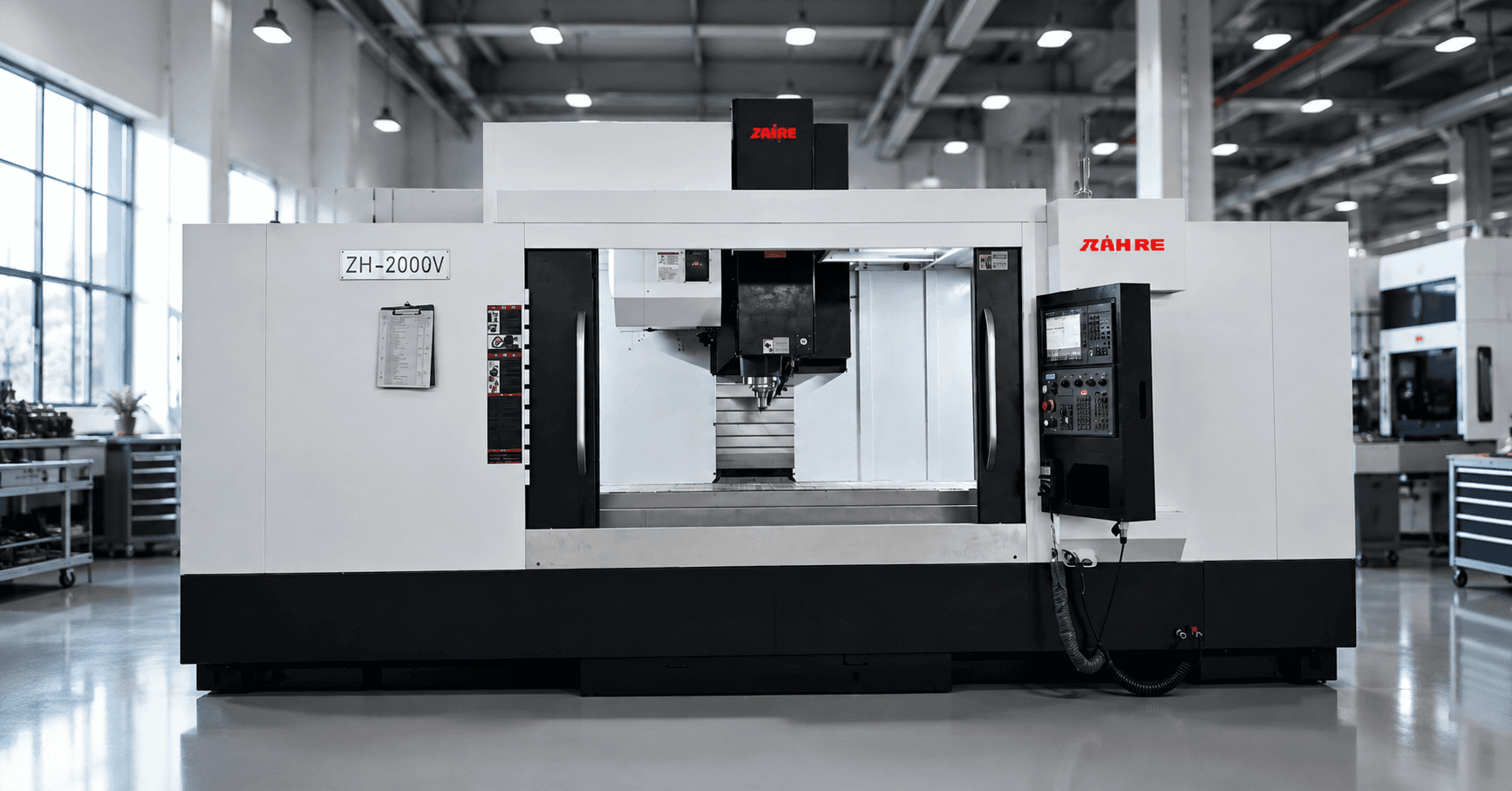
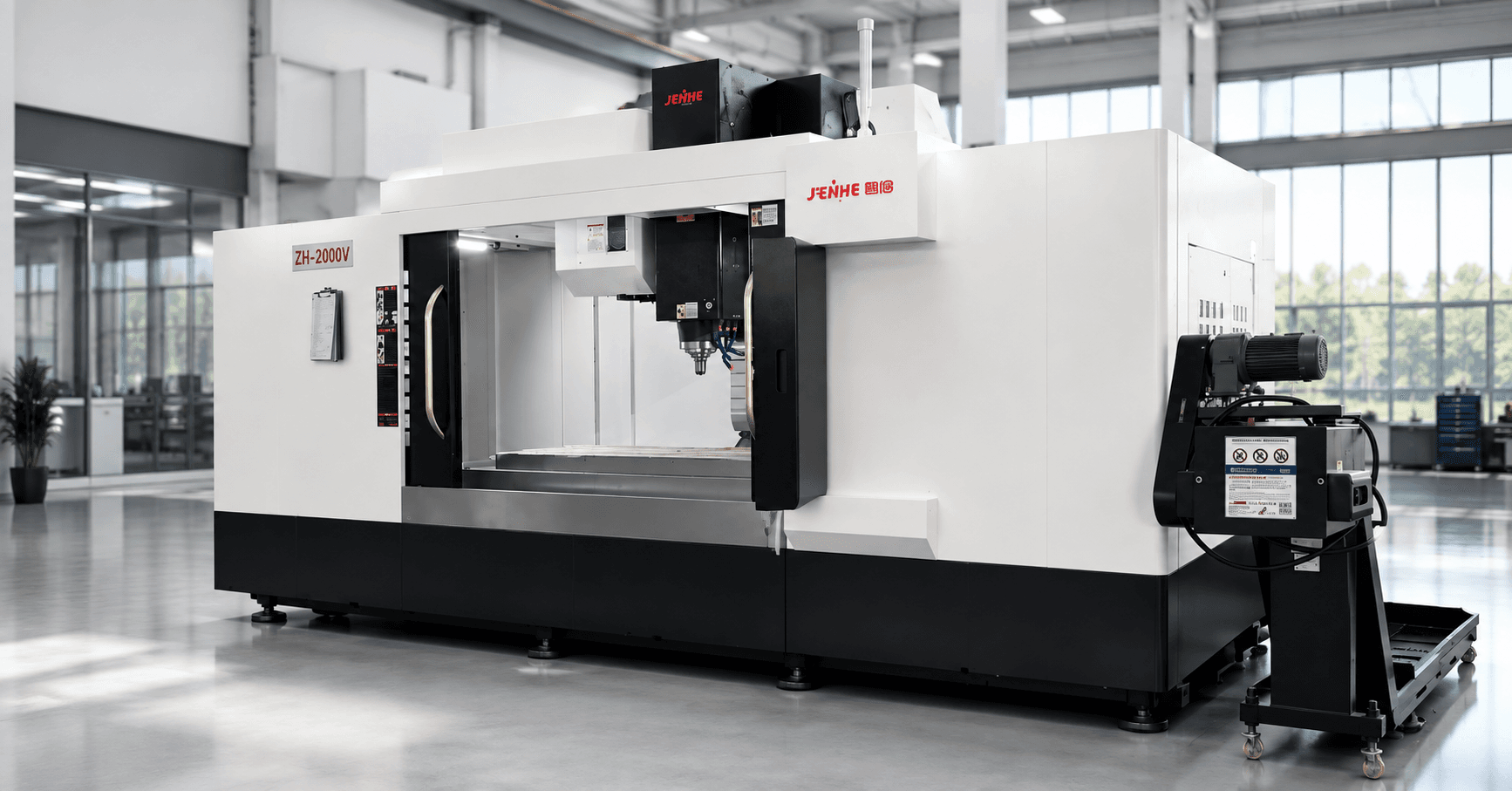
A CNC machine manufacturer should be evaluated through one controlled proof file that connects the buyer's workpieces to machine configuration, factory evidence, delivery scope, training, and service. Zhihe CNC uses this file to keep technical and commercial decisions attached to the same production objective.
The file does not replace a factory visit or trial cut. It makes those activities more useful because every claim has an owner, condition, record, and decision consequence.
Open With the Buyer Evidence Page
The first page records part drawings, revision, material, blank condition, dimensions, mass, features, tolerances, surfaces, annual volume, batch size, shifts, cycle expectation, inspection, destination, and launch date. Uncertain values are marked instead of silently assumed.
Zhihe CNC can then separate current requirements from future options. This keeps an attractive demonstration from becoming evidence for a different workload.
Index Every Product-Fit Decision
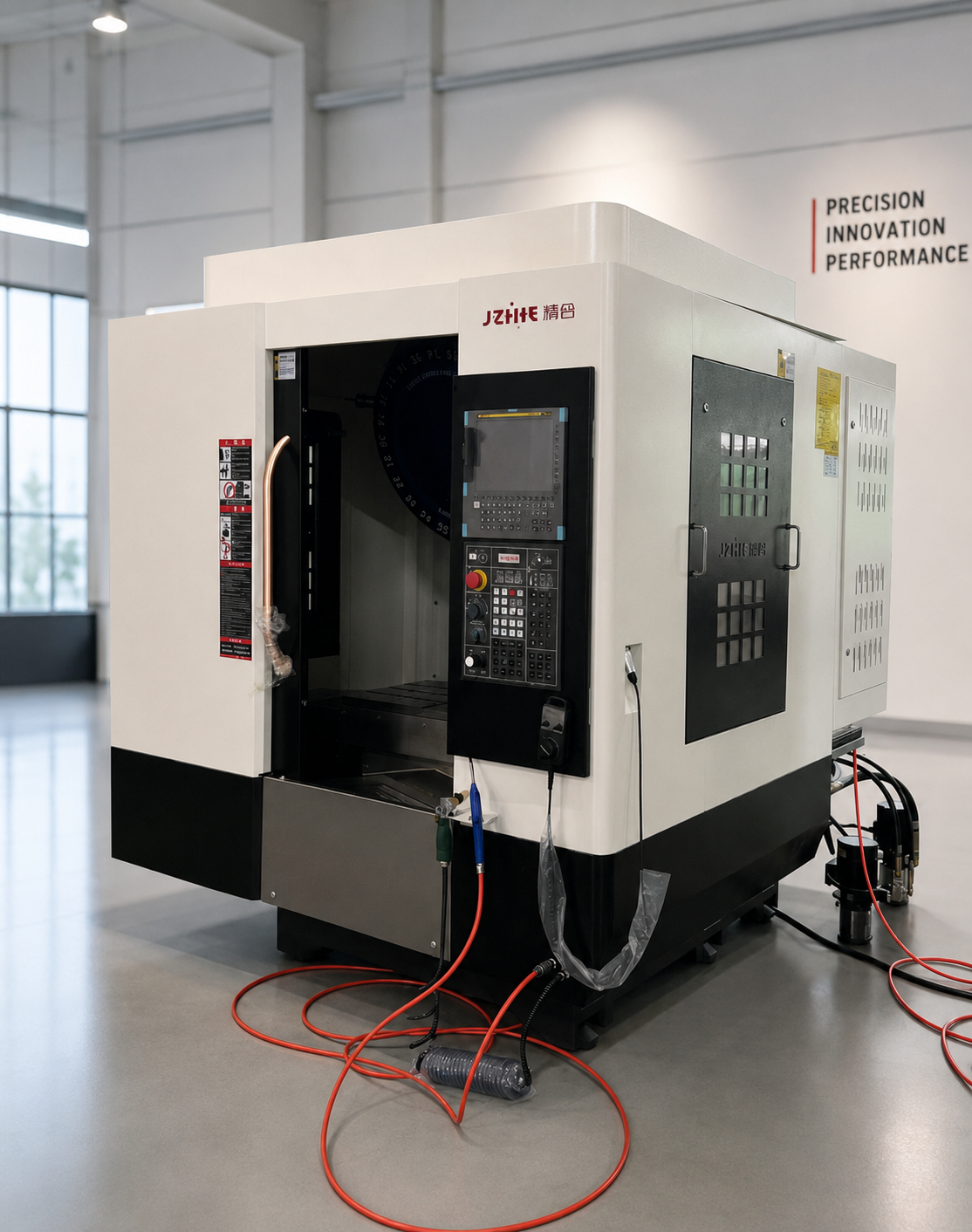
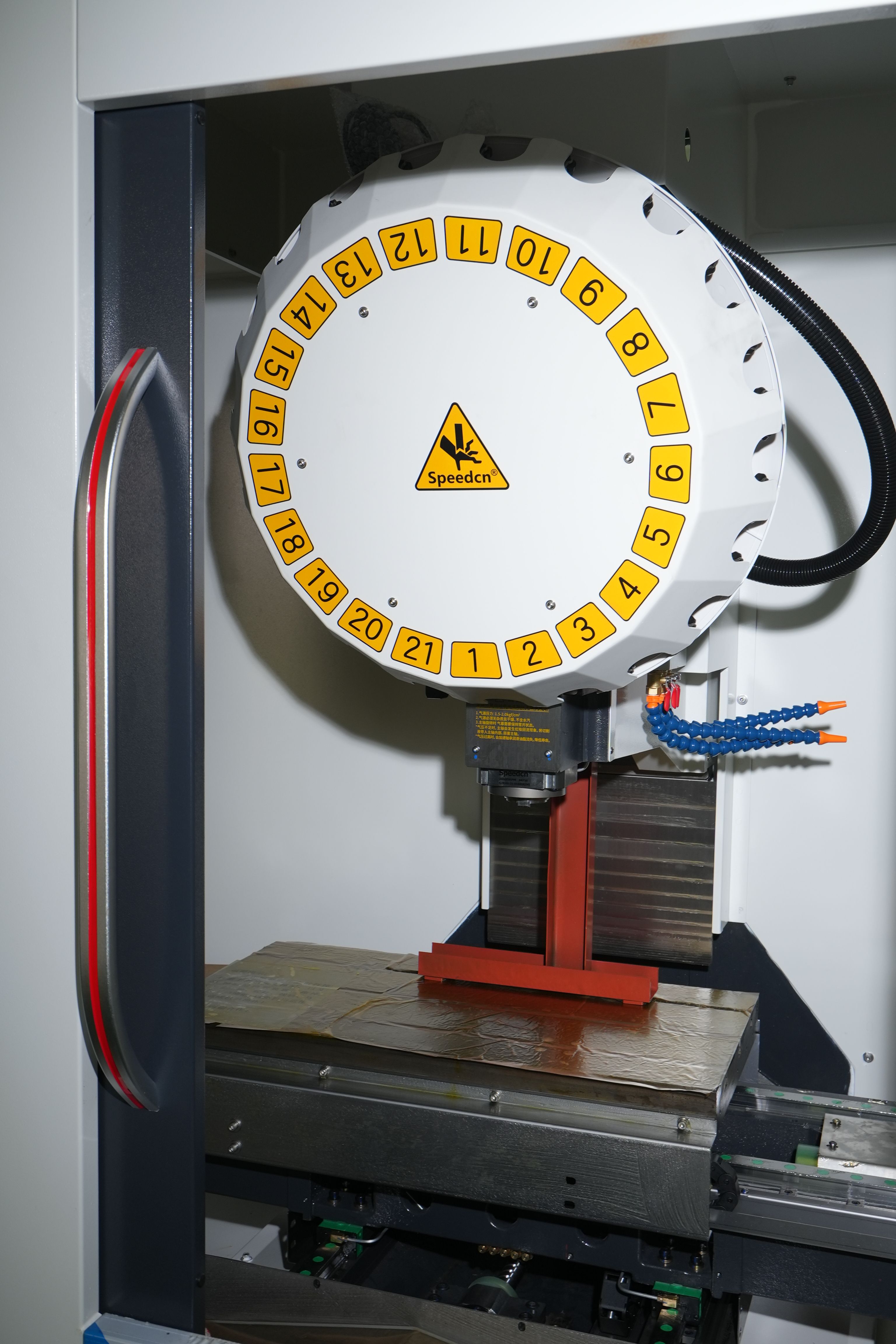
List the proposed machine family, travels, table, load, spindle duty, guideways, tool magazine, controller, probing, coolant, chip handling, automation interfaces, guarding, electrical standard, and documentation. Give each selected option a workload reason.
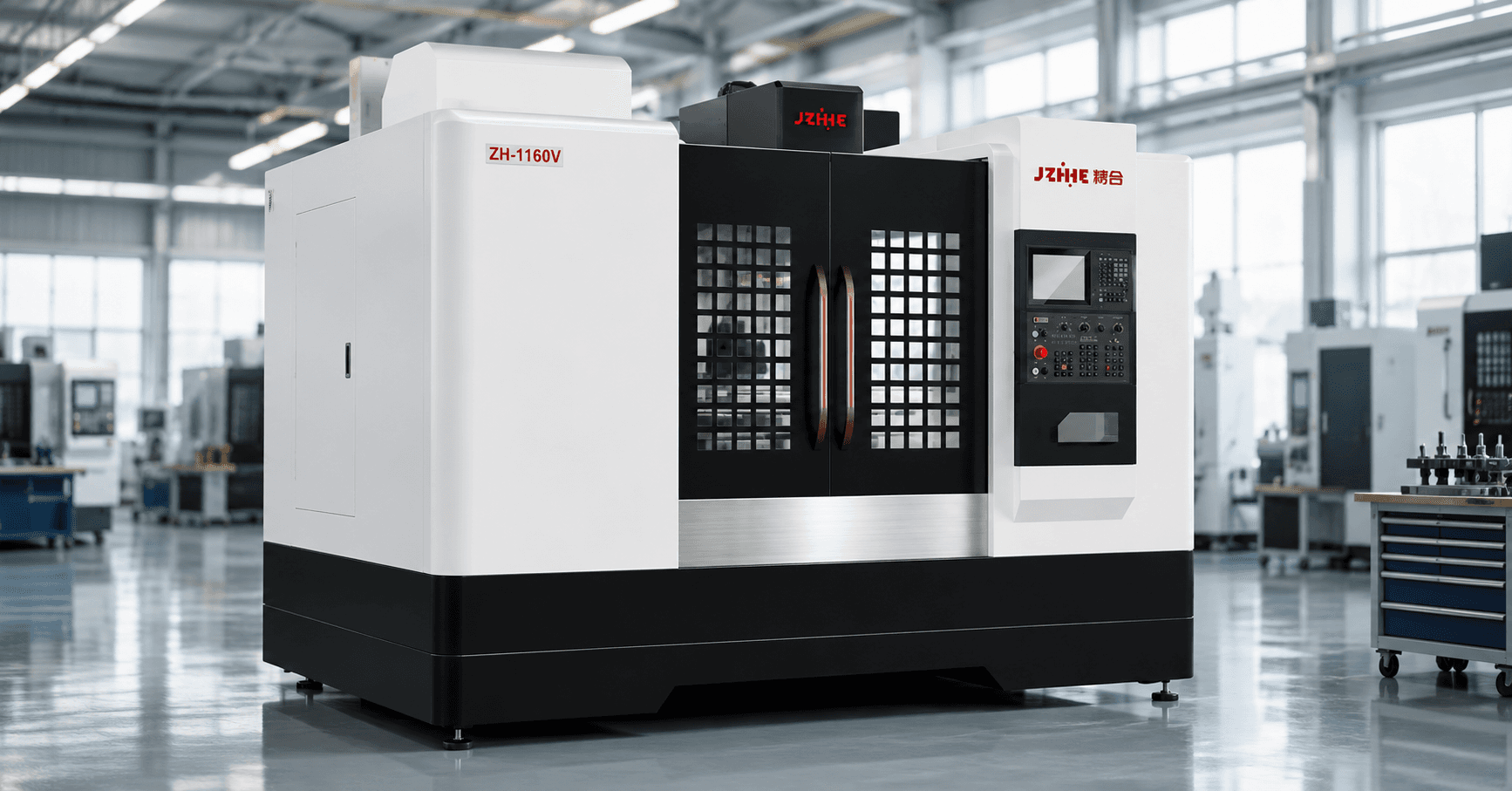
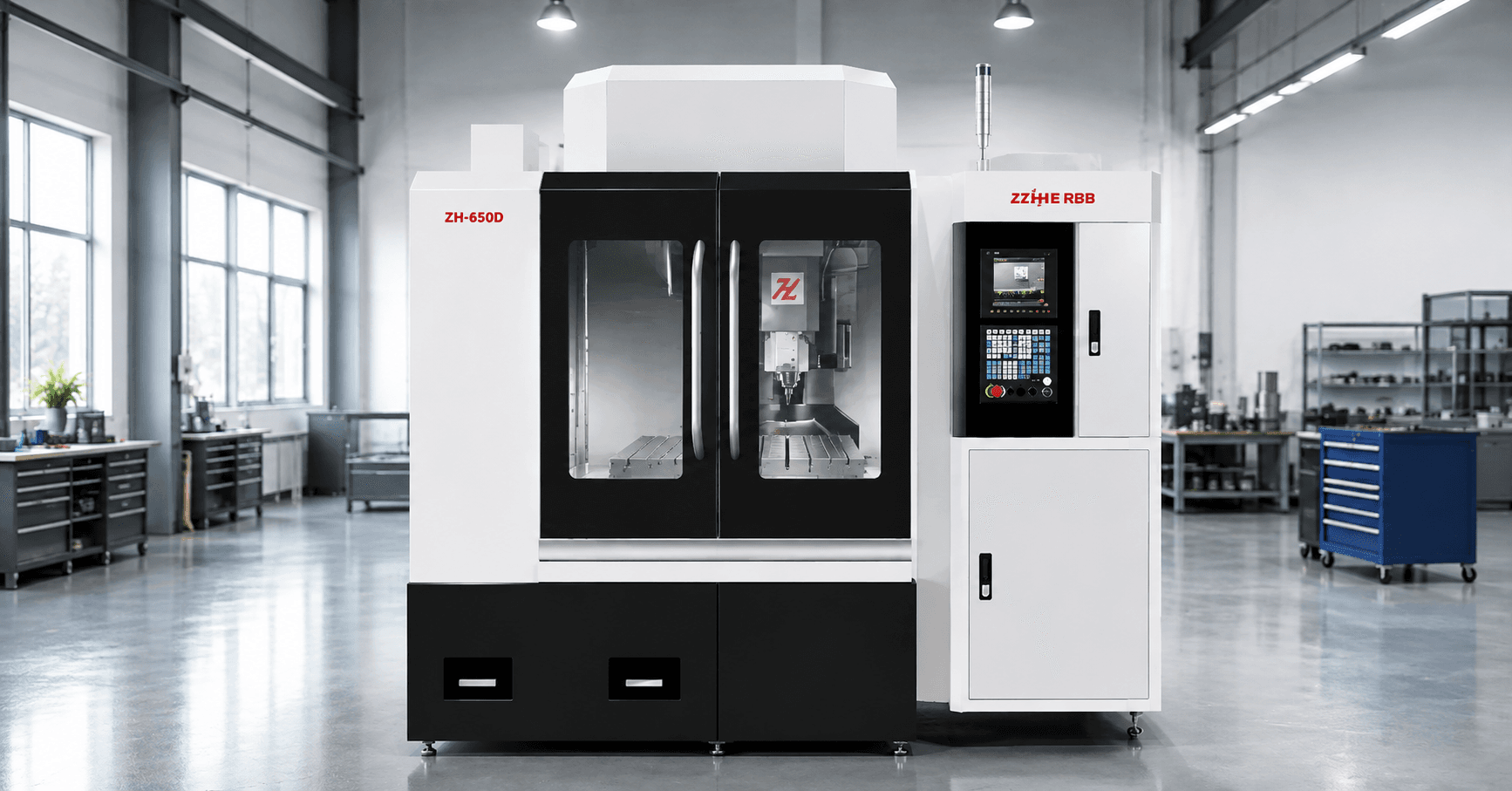
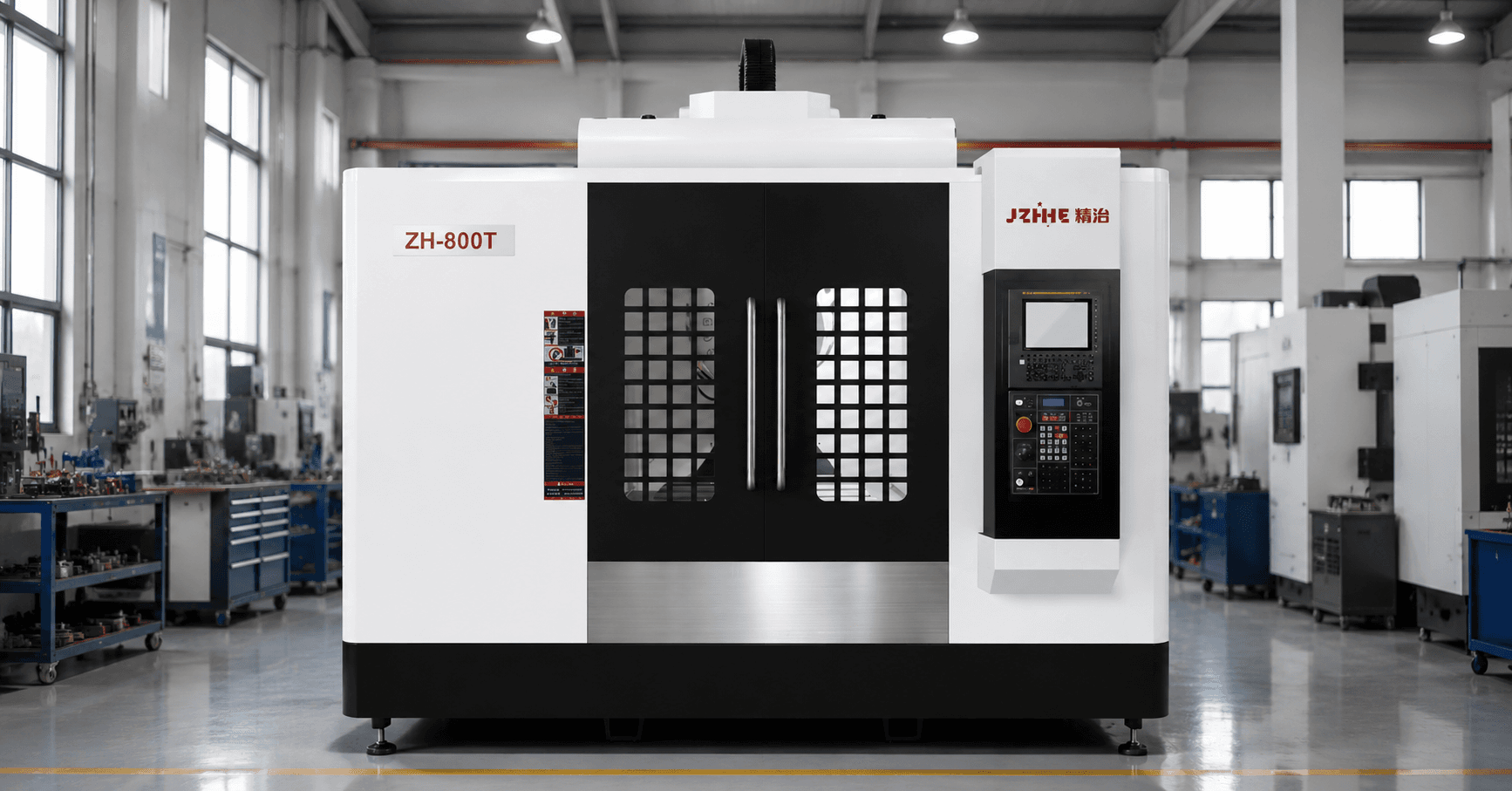
Buyers can review the Zhihe CNC machining center range for platform context, but the proof file should identify the exact offered configuration and revision.
Turn Claims Into Evidence Gates
Create one line for each important claim: geometry, positioning, repeatability, spindle behavior, contour performance, tool change, probing, chip control, thermal stability, surface quality, or cycle time. State test conditions, instruments, sample size, acceptance limit, and record location.
A brochure value without conditions is background information, not a release gate. The proof file should show which result is model-specific, configuration-specific, or workpiece-specific.
| Proof gate | Required record | Decision |
|---|---|---|
| Application | Controlled part and output data | Platform fit |
| Configuration | Line-item machine scope | Technical freeze |
| Factory test | Conditions, results, exceptions | Shipment release |
| Site launch | Utilities, tools, training, first parts | Production release |
| Recovery | Contacts, backups, spares, escalation | Support readiness |
Keep Design Changes Beside the Baseline
When a controller, spindle, tool magazine, probe, coolant package, voltage, guarding item, or software option changes, record the reason and downstream effect. Update drawings, manuals, tests, spares, delivery scope, and price together.
This prevents a late substitution from appearing only in an email while acceptance still references an earlier configuration.
Show the Factory Process Without Overclaiming
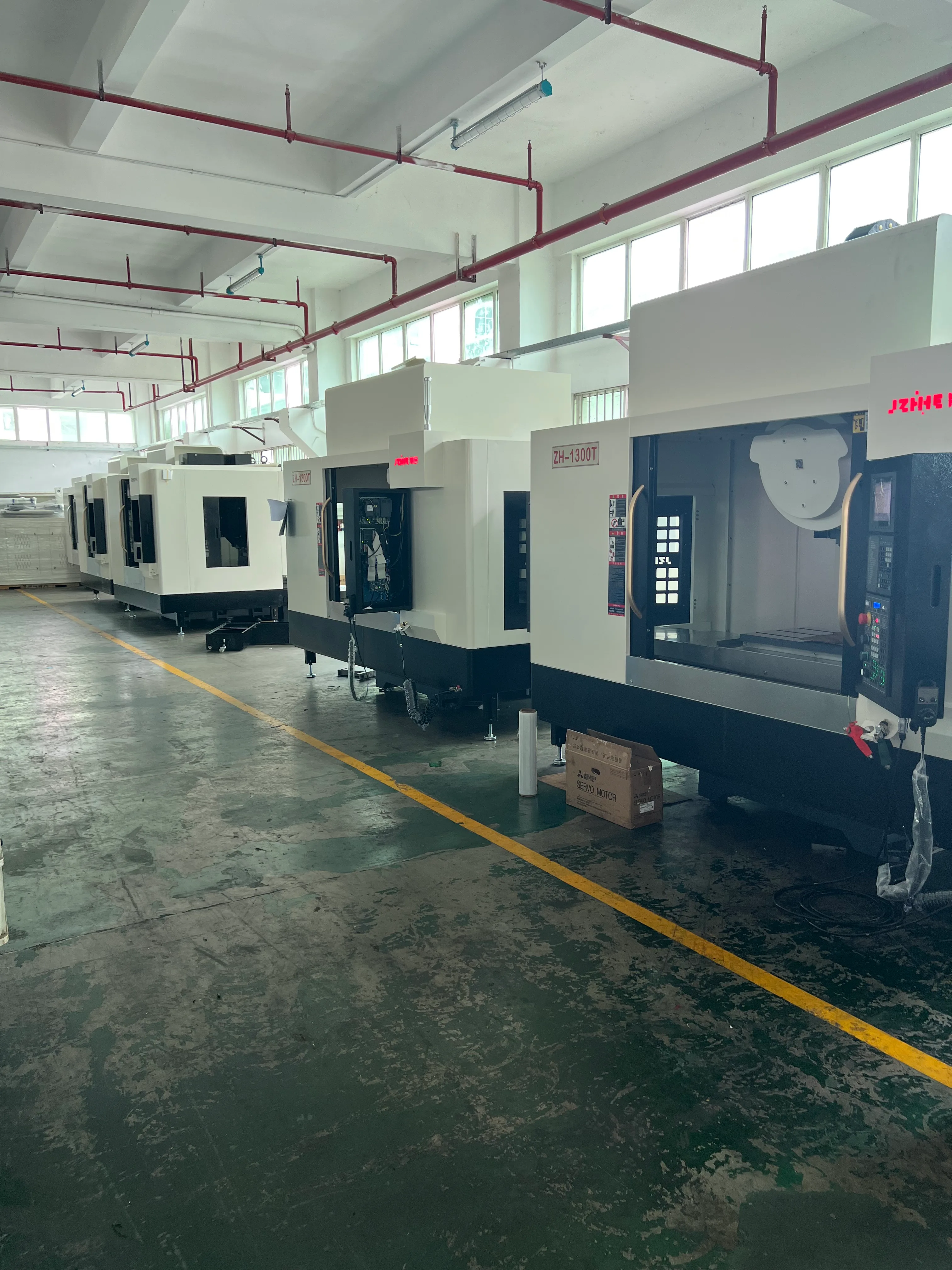
Zhongshan Zhihe CNC Technology Co., Ltd. was founded in 2018 in Zhongshan, Guangdong. Its stated scope integrates research and development, manufacturing, sales, and service across vertical, horizontal, gantry, drilling and tapping, milling, and five-axis machining center families.
These company facts support identity and capability review, but they do not prove that every model meets every application. The proof file must still connect the selected serial machine to the buyer's evidence plan.
Bind Commercial Scope to Technical Scope
Record base machine, options, tooling, fixtures, trial materials, measurement, packing, freight term, insurance, unloading, rigging, site work, commissioning, training, warranty, travel, and exclusions. Mark supplier, buyer, or third-party ownership.
When comparing a CNC machine manufacturer, normalize every offer to the same production-ready boundary. A lower price may simply stop before tooling, site work, or launch support.
Test Ownership Continuity
Follow one requirement from inquiry through engineering review, quotation, order, factory test, packing, installation, training, and service. Check whether the part revision, machine configuration, limits, and open issues remain visible at each handoff.
Strong continuity reduces repeated explanation and makes exceptions easier to diagnose. It is more informative than counting how many people attend a meeting.
File the Launch and Recovery Route
Include site utilities, foundation, access, lifting, network, coolant, extraction, tools, fixtures, programs, postprocessor, inspection, parameter backups, manuals, training outcomes, support contacts, remote access rules, spare strategy, and escalation. Run one alarm or backup-restore scenario.
Zhihe CNC should be judged on the clarity of this route for the chosen destination and service arrangement, not on a general promise that downtime will never occur.
Use a Five-Question Release Review
- Does the file describe the real production workload?
- Is the offered configuration frozen and traceable?
- Do tests state conditions, limits, and exceptions?
- Are delivery and launch responsibilities complete?
- Can the team find recovery contacts, files, and spares?
Know What the File Cannot Prove
A complete file cannot guarantee future uptime, tool life, cycle time, or quality under conditions that were not tested. It also cannot replace operator discipline, preventive maintenance, stable material, or controlled programs.
Use it to expose uncertainty and assign evidence, not to manufacture certainty. Unresolved high-impact items should stay open with an owner and due date.
FAQ
How large should the proof file be?
It should be only as large as the project's decisions require. Use an index and link each claim to a controlled record rather than collecting unrelated material.
Is a factory visit still necessary?
Visit when risk, investment, application novelty, or company policy justifies it. Use the file to plan what must be observed and recorded.
Should patents be included?
They can support company research evidence, but buyers should still verify how any relevant design applies to the offered model and workload.
Who owns the master copy?
Name one owner on each side, define revision control, and keep approved changes with the purchase and acceptance records.
Request a Zhihe CNC Proof-File Review
To assess a CNC machine manufacturer, send drawings, materials, tolerances, volumes, cycle targets, inspection needs, destination, utilities, acceptance plan, and service expectations. Use the Zhihe CNC contact page to request a machine recommendation, then review the company profile alongside the project-specific evidence.