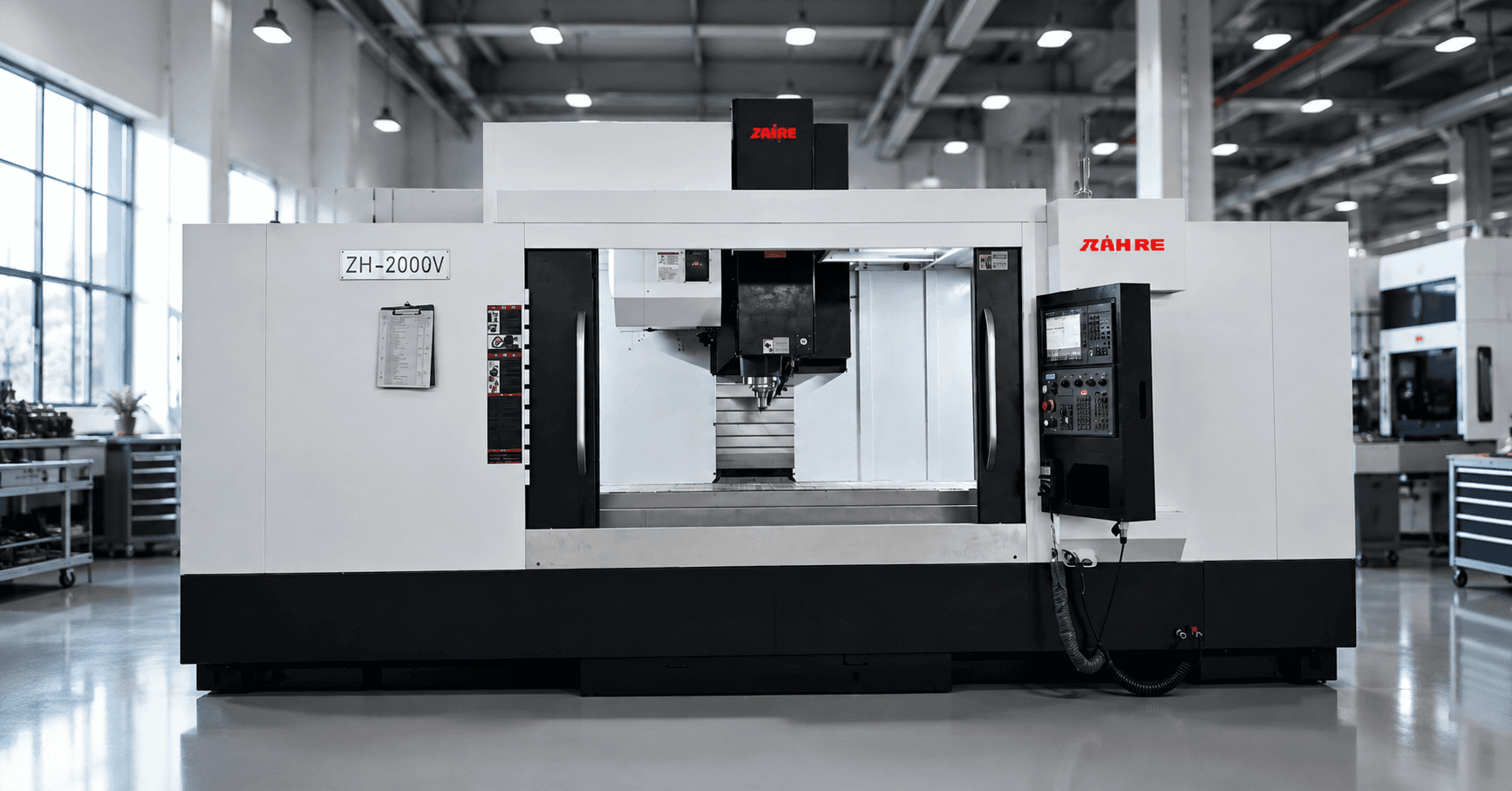
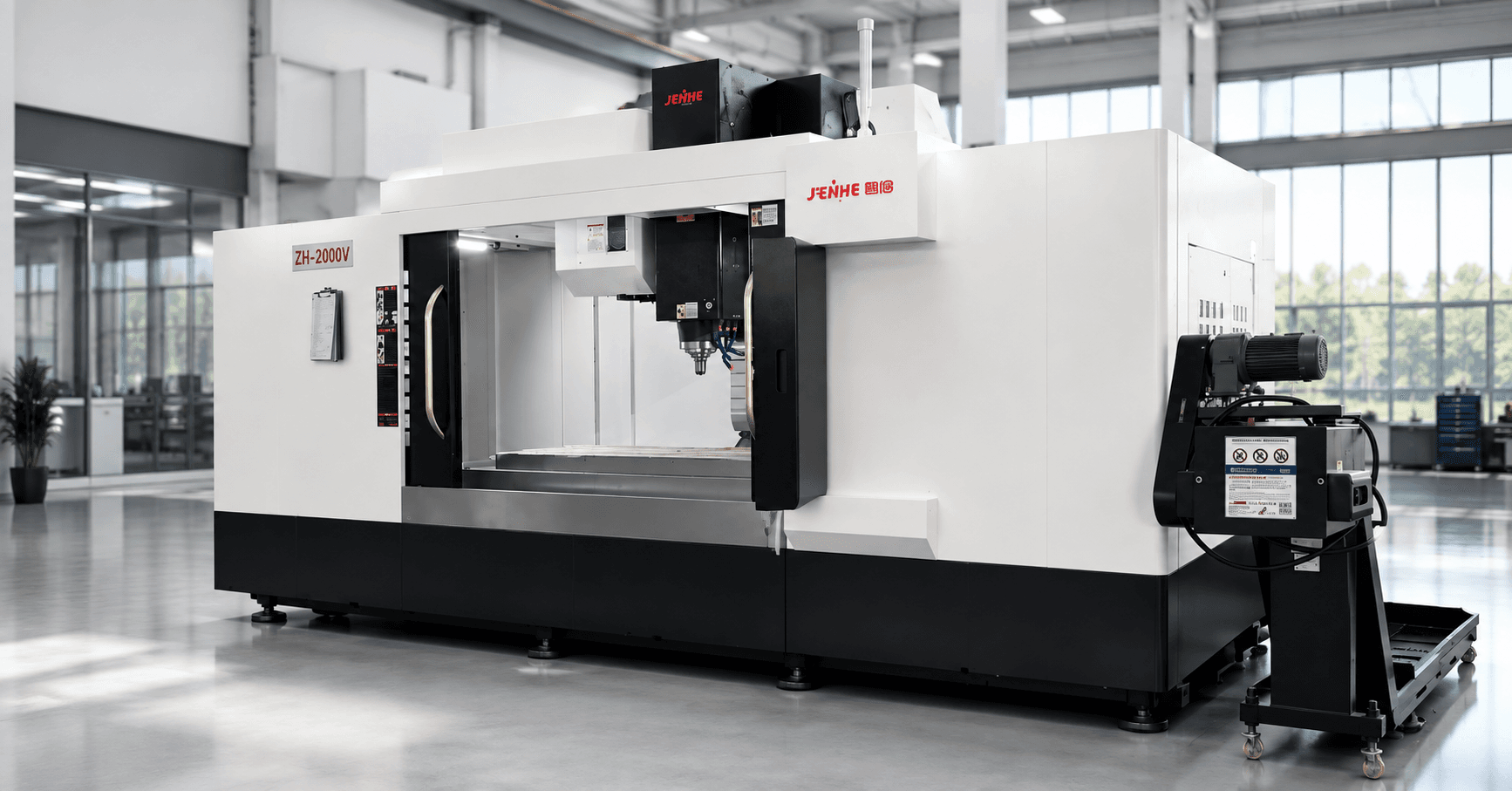
A CNC machine for photovoltaic equipment parts should be selected from the equipment builder's real part-family map, because photovoltaic production machinery combines large structural pieces, precision motion components, vacuum or process hardware, fixtures, and high-volume repeat parts. One machine type rarely optimizes every family. The objective is to assign each family to the smallest stable process that meets geometry, surface, cleanliness, and delivery requirements.
This guide moves from part families to manufacturing risks, machine architecture, inspection, and capacity. It avoids treating “photovoltaic” as a single machining application and instead builds an auditable selection method around drawings and production demand.
Create a Photovoltaic Equipment Part-Family Map
| Part family | Typical priorities | Likely machine logic | Main verification |
|---|---|---|---|
| Frames, bases, and long plates | Flatness, parallelism, hole patterns, distortion | Vertical, profile, or gantry platform by envelope | Unclamped geometry and datum repeatability |
| Vacuum or process chambers | Sealing faces, ports, internal access, cleanliness | Multi-setup vertical or horizontal process | Leak-related surfaces and positional control |
| Carriers, nests, and fixtures | Repeatable locating, surface protection, interchangeability | Vertical or high-speed milling process | Gauge study and assembly fit |
| Manifolds and fluid blocks | Cross holes, threads, sealing lands, burr control | Horizontal or indexed multi-face machining | Passage inspection and contamination control |
| Motion brackets and precision hardware | Bores, bearing seats, alignment, low variation | Vertical, horizontal, or five-axis by geometry | Capability on functional datums |
| Repeat plates and small aluminum parts | Cycle time, hole quality, tool changes, chip control | Drilling/tapping or compact vertical cell | Good parts per shift |
Allocate Machine Architecture by Datum Access
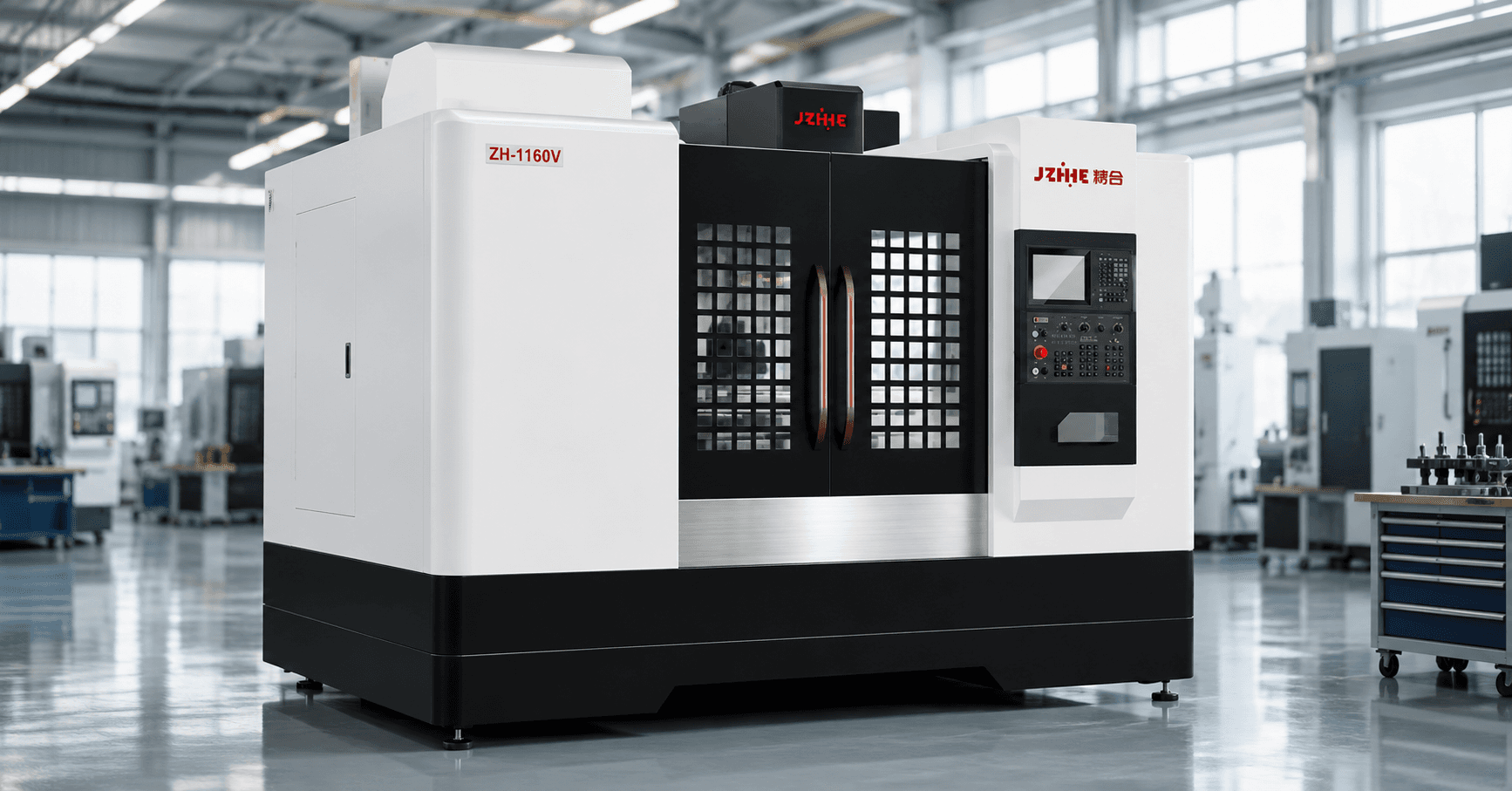
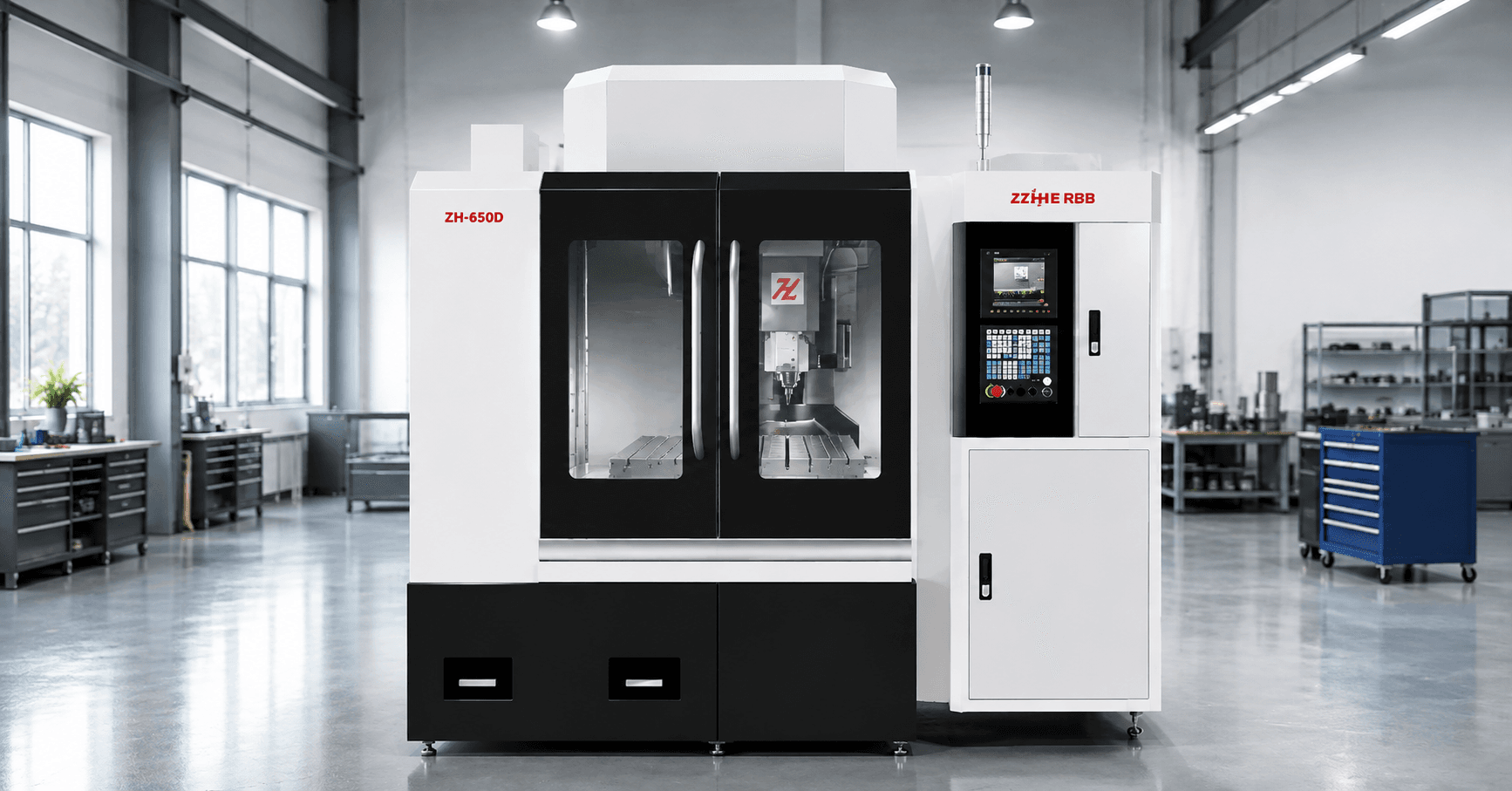
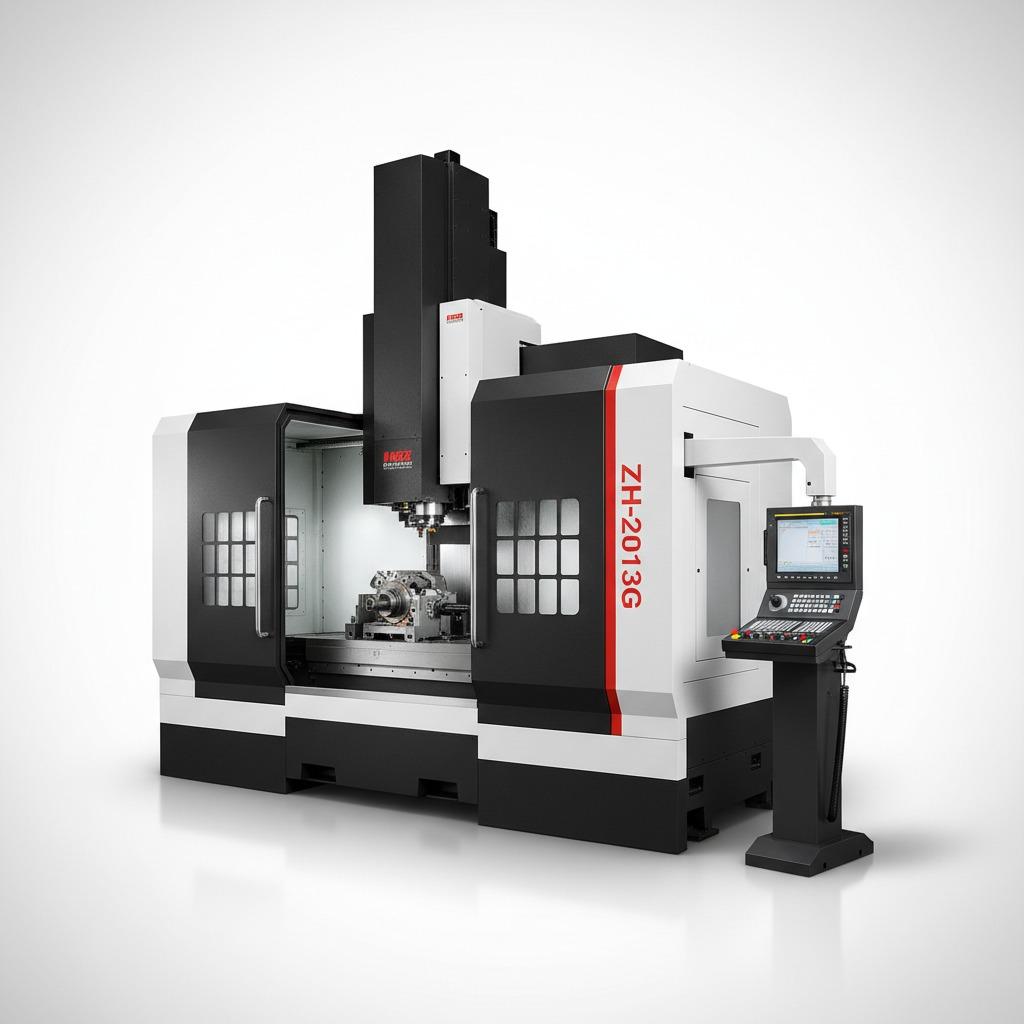
Choose the architecture that preserves datums with the fewest risky transfers. A vertical machining center offers straightforward access and flexible workholding for plates, brackets, fixtures, and many housings. A horizontal machining center can consolidate multiple faces and improve chip evacuation on box-like components. A gantry platform becomes relevant when the workpiece envelope, load, or long-span geometry exceeds practical vertical-machine limits. Five-axis capability is justified when compound access or setup reduction creates measurable quality value.
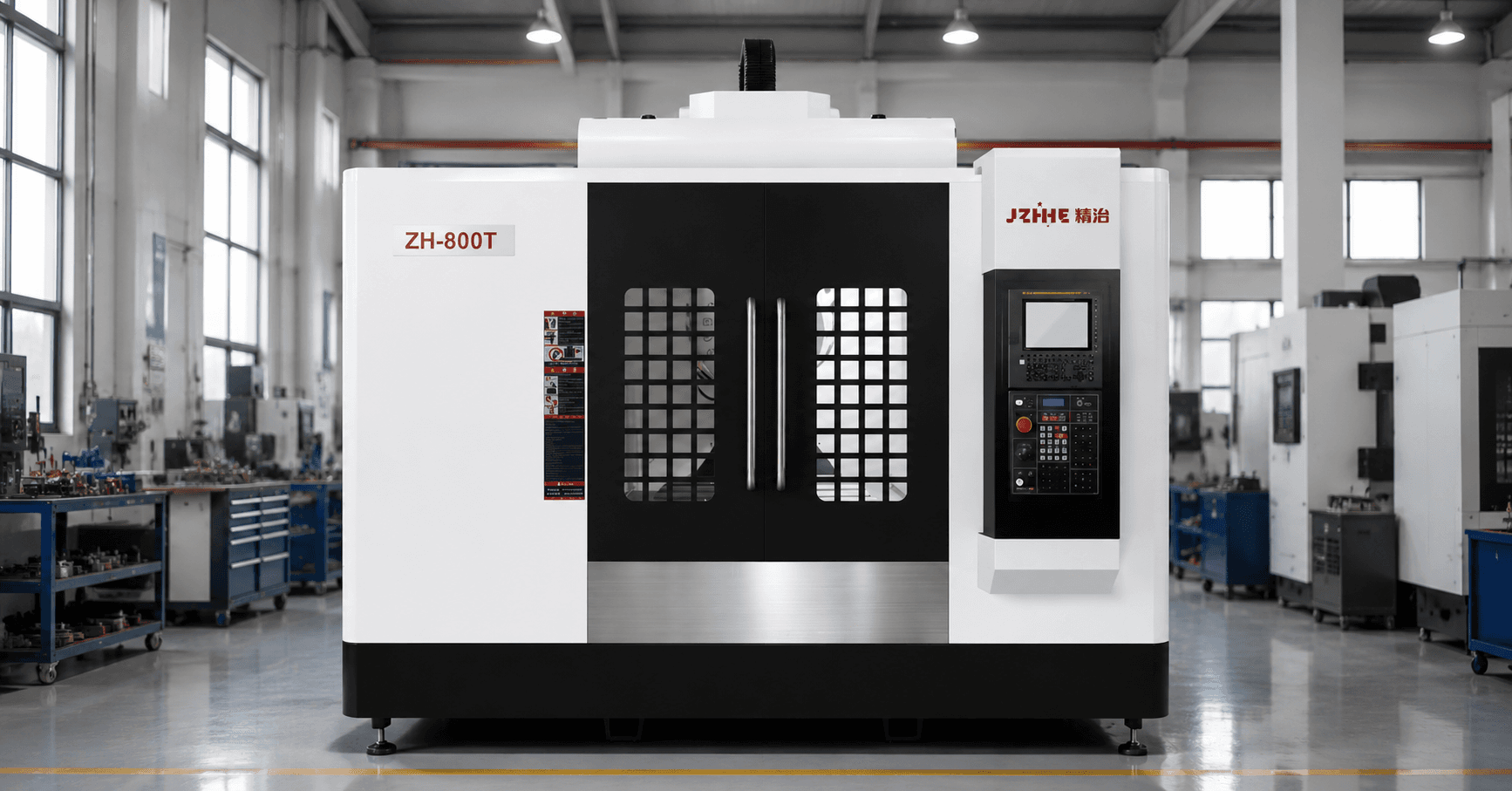
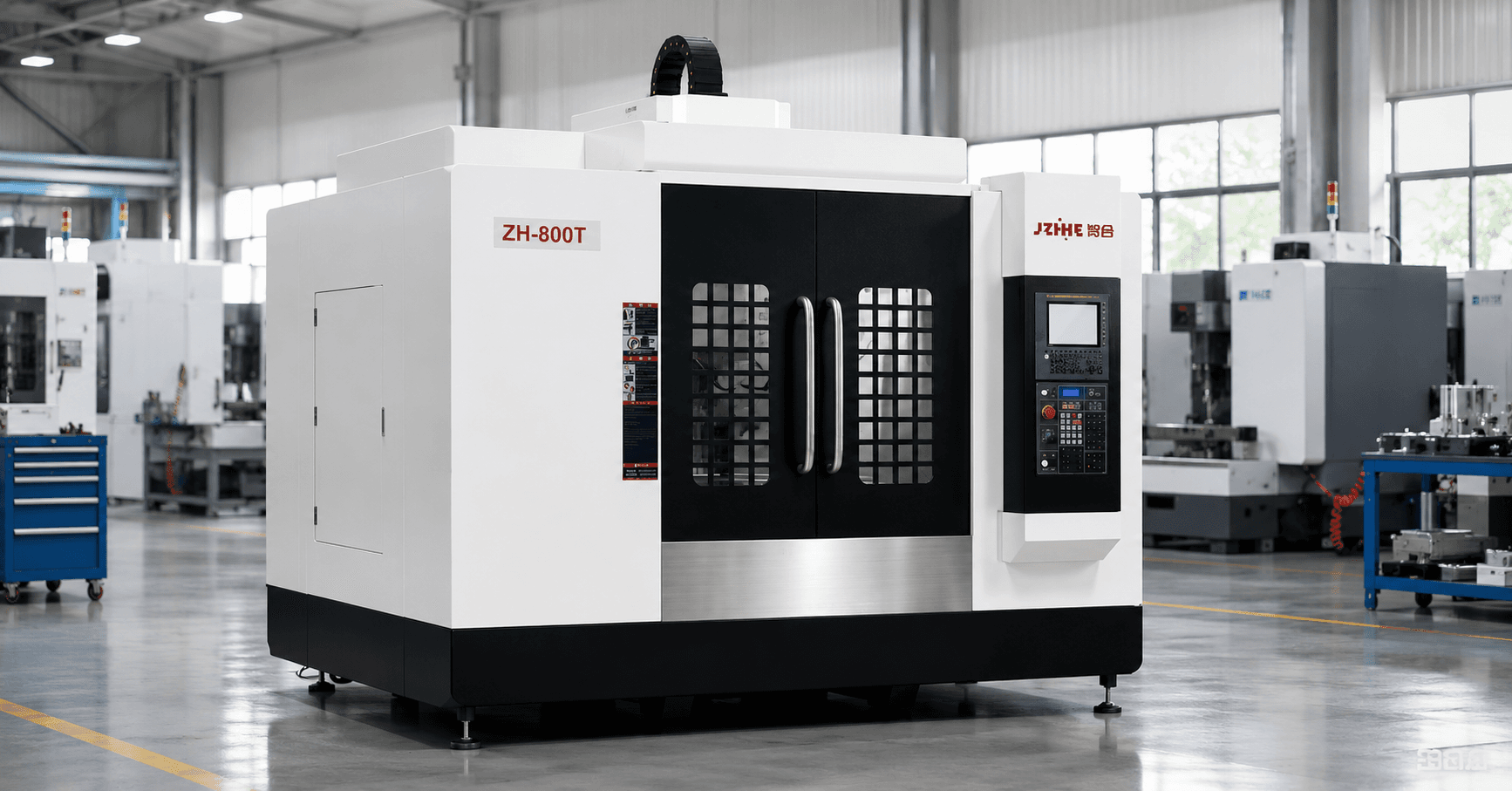
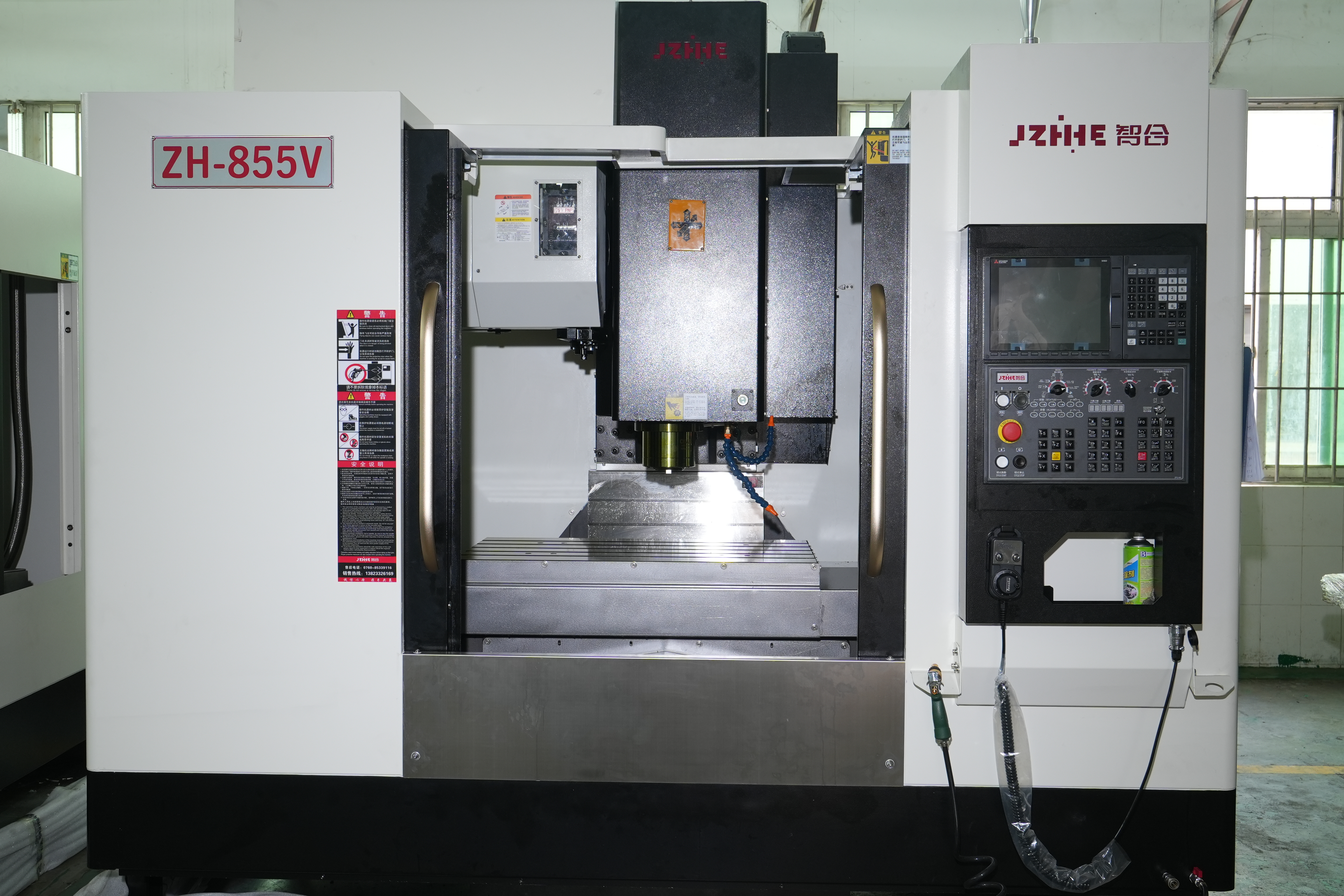
Zhihe CNC offers vertical, horizontal, gantry, drilling and tapping, high-speed milling, and five-axis machining-center categories. Use the product range as an architecture map, then validate each family against travel, clearances, table load, spindle duty, tooling, fixture space, and inspection access.
Control Distortion in Plates, Frames, and Chambers
Large aluminum and steel structures can move as stock is removed or clamps are released. Review incoming material condition, residual stress, roughing allowance, rest periods, stress-relief needs, machining sequence, clamp direction, support locations, and measurement temperature. Specify whether flatness and parallelism apply while clamped or in the free state.
A useful process may rough both sides, allow stabilization, then finish datums in a balanced sequence. For recurring part families, use fixture designs that support the part without forcing it into a temporary shape. Measure representative parts after unclamping and after temperature normalization.
Protect Sealing Surfaces, Threads, and Internal Passages
Photovoltaic equipment components may contain vacuum interfaces, process-gas or coolant passages, sensor ports, threads, and precision mounting surfaces. Drawings should identify functional surfaces and cleanliness requirements. The process plan should define burr removal, edge condition, washing, passage verification, thread gauging, surface protection, packaging, and traceability.
Convert the BOM Into a Capacity Model
Equipment builders often face mixed demand: prototype parts, engineering revisions, ramp batches, and recurring production. Build a capacity model by part family rather than by total annual quantity. Each CNC machine for photovoltaic equipment parts should be assigned a realistic mix of setup time, automatic cycle, load/unload time, tool service, inspection, cleaning, expected utilization, rework, and changeover frequency.
Identify the constraint month, not only the annual average. A machine that appears adequate over a year can still miss an equipment delivery when several projects peak together. Decide which families require internal capacity, which can share fixtures and tools, and which need a dedicated cell.
Design Fixtures for Revision and Interchangeability
Photovoltaic equipment evolves quickly, so fixtures should balance repeatability with engineering change. Use modular bases, replaceable nests, controlled locating features, documented clamp forces, and clear revision identification. Protect finished and coated surfaces, provide chip escape, and keep inspection datums accessible.
For multi-part fixtures, confirm that every station receives equivalent support, coolant, chip clearance, and tool access. A fast cycle is not useful if one station produces recurring positional or burr problems.
Use a Drawing-Based Acceptance Sample
- Select one representative part from each high-risk family.
- Use production material, fixture logic, tool reach, and measurement methods.
- Record cycle elements and all manual interventions.
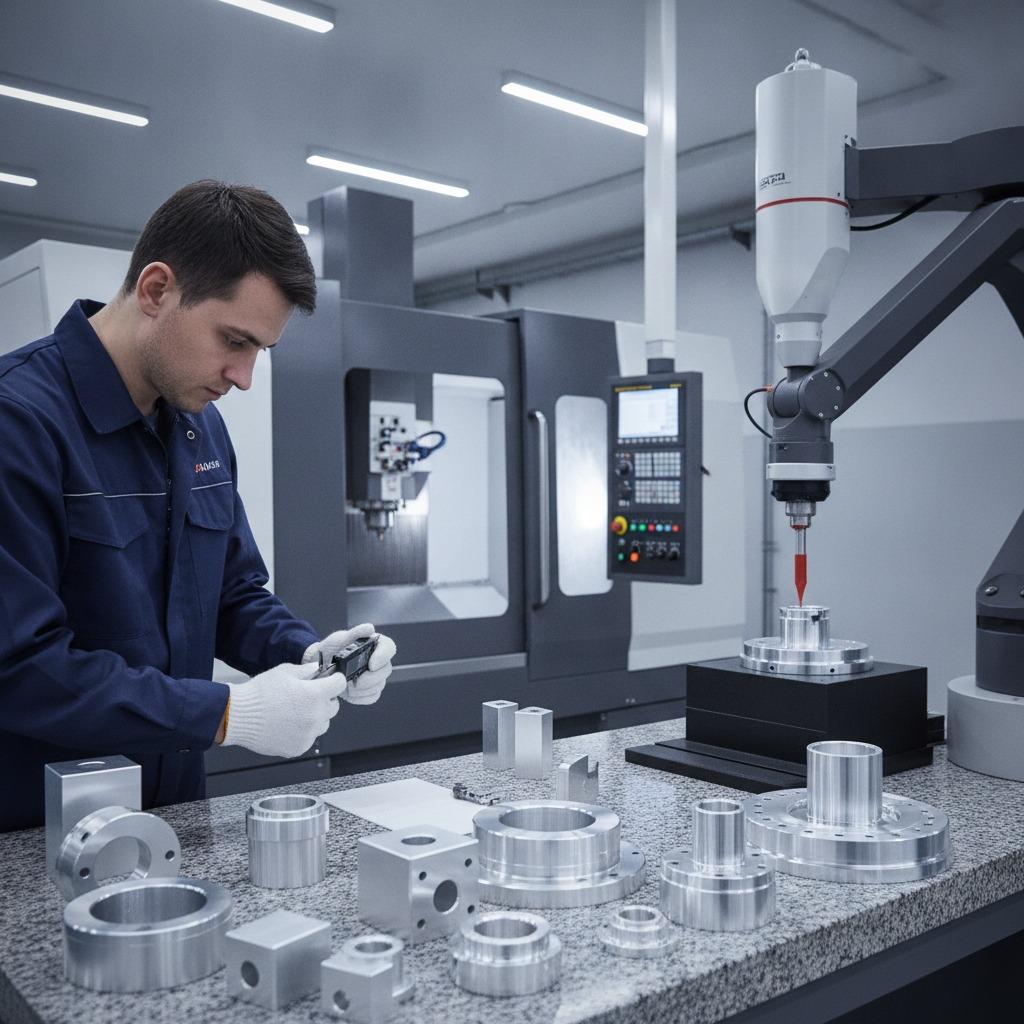
- Inspect functional datums, flatness, holes, sealing surfaces, threads, and burr condition.
- Review process capability only after the process is stable and the sample size is meaningful.
- Document open risks, ownership, and the evidence required before final acceptance.
FAQ
Which machine is best for photovoltaic equipment components?
There is no universal answer. Match the architecture to envelope, faces, datum access, material, tolerance, production volume, and setup risk for each part family.
Why is free-state inspection important?
Large plates and frames can appear flat while forced against a fixture and move after release. Functional acceptance should reflect the drawing and assembly condition.
When does a horizontal machine make sense?
It can be valuable for box-like parts, manifolds, chambers, and multi-face components where setup consolidation and chip evacuation improve the total process.
What should be sent for machine selection?
Send representative drawings, materials, blank condition, tolerances, annual and peak volume, fixture constraints, cleanliness requirements, inspection methods, and delivery schedule.
Request a Part-Family Capacity Review
To select a CNC machine for photovoltaic equipment parts, group the BOM into representative families and send Zhihe CNC the drawings, production peaks, critical interfaces, fixture assumptions, and inspection requirements. Use the contact page to request architecture, capacity, trial, and quotation recommendations.