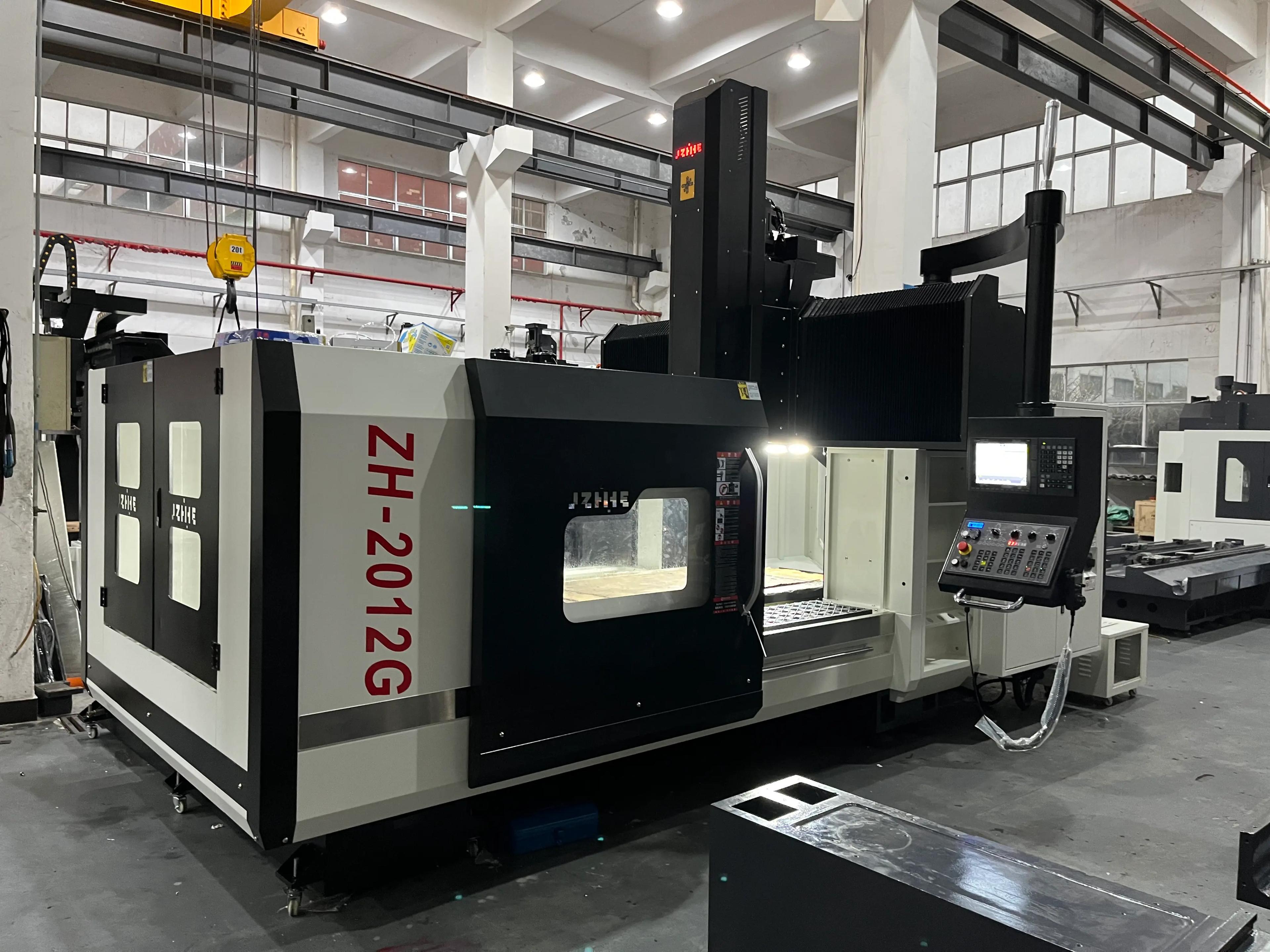
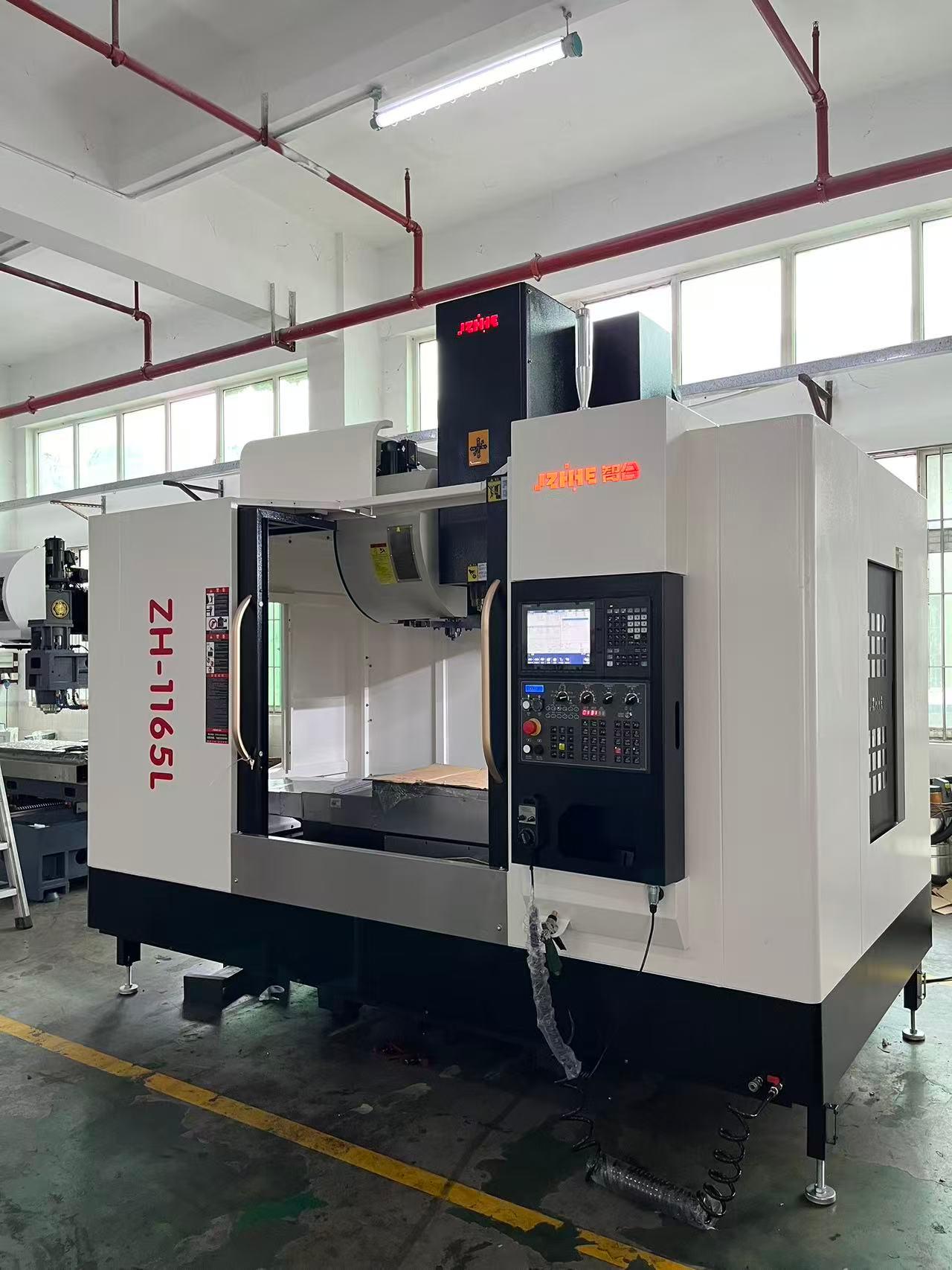
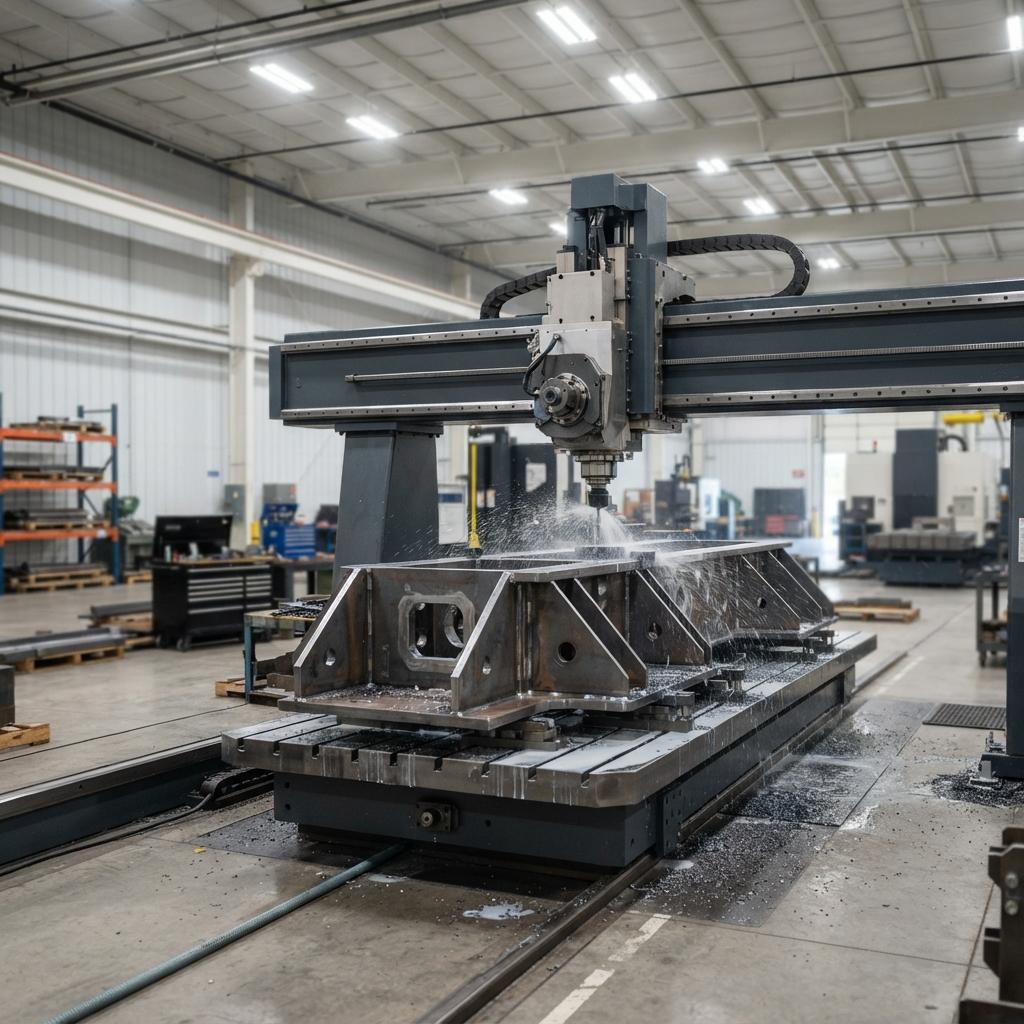
A CNC machine for pneumatic cylinder end caps should be selected from the drawing and production plan, not spindle speed alone. Start with the features that determine assembly and sealing: the mating face, bore or recess, mounting holes, threaded ports and their relationships to specified datums. Then test whether the machine, fixture and inspection method can hold those relationships through a complete cycle.
For buyers assessing a CNC machine for pneumatic cylinder end caps, the part family matters. End caps vary. An aluminum cap dominated by holes and threads may need a different process from a larger steel or cast component with substantial stock removal. Confirm material, blank, dimensions, tolerances, fixture and output before treating any model as a fit.
Identify the Features That Can Reject the Part
Mark the latest drawing with the sealing face, locating bore or recess, mounting-hole pattern, thread depth and edges where burrs could affect assembly. Ask the design owner which dimensions control acceptance and how each one will be inspected.
Plan the Datum and Fixture Before Comparing Cycle Times
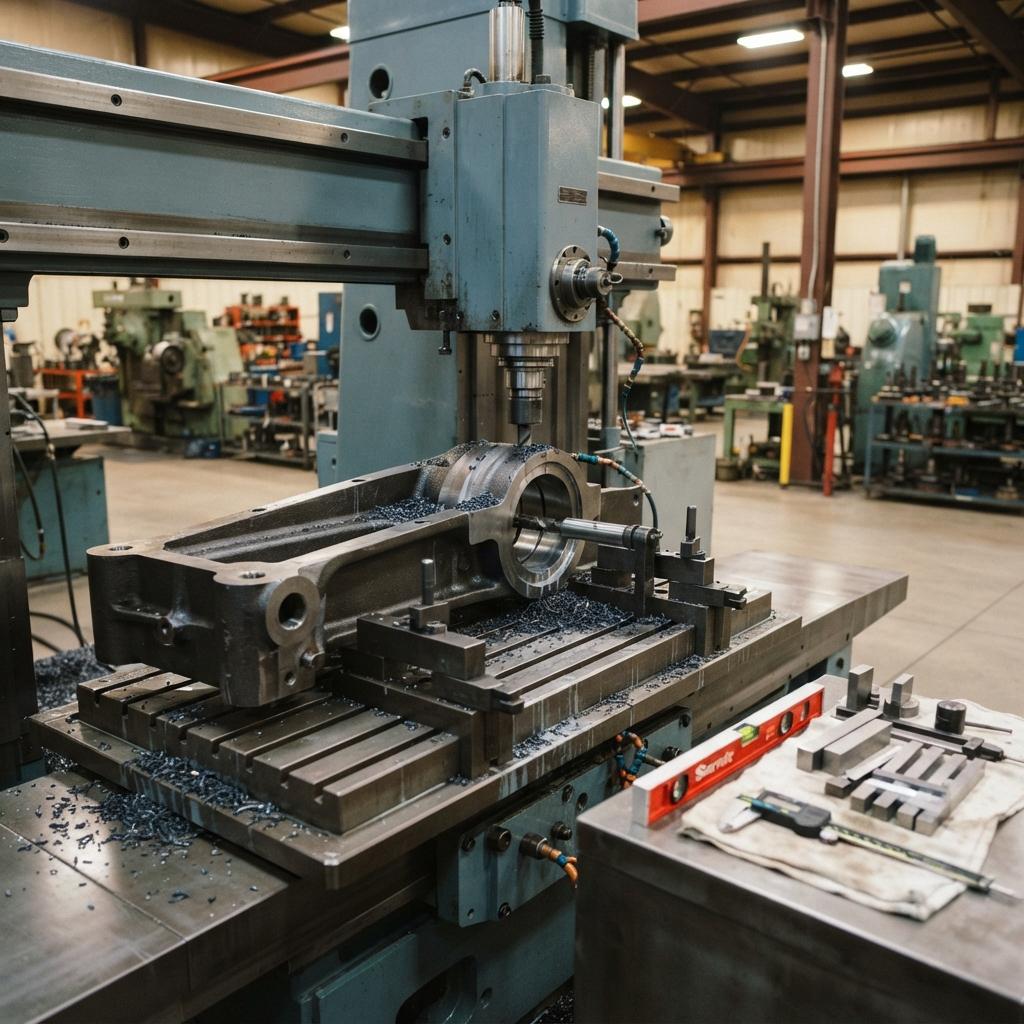
A short cutting cycle has little value if the cap seats differently after each load. Show how the blank is located, supported and clamped, which face is machined first, and whether a second setup is required. For thin blanks, review clamp distortion. For cast or forged blanks, check locator-surface variation. Leave room for holders, probes and chip flow. Request a setup sketch alongside the cycle estimate.
When Is a Drilling and Tapping Center a Candidate?
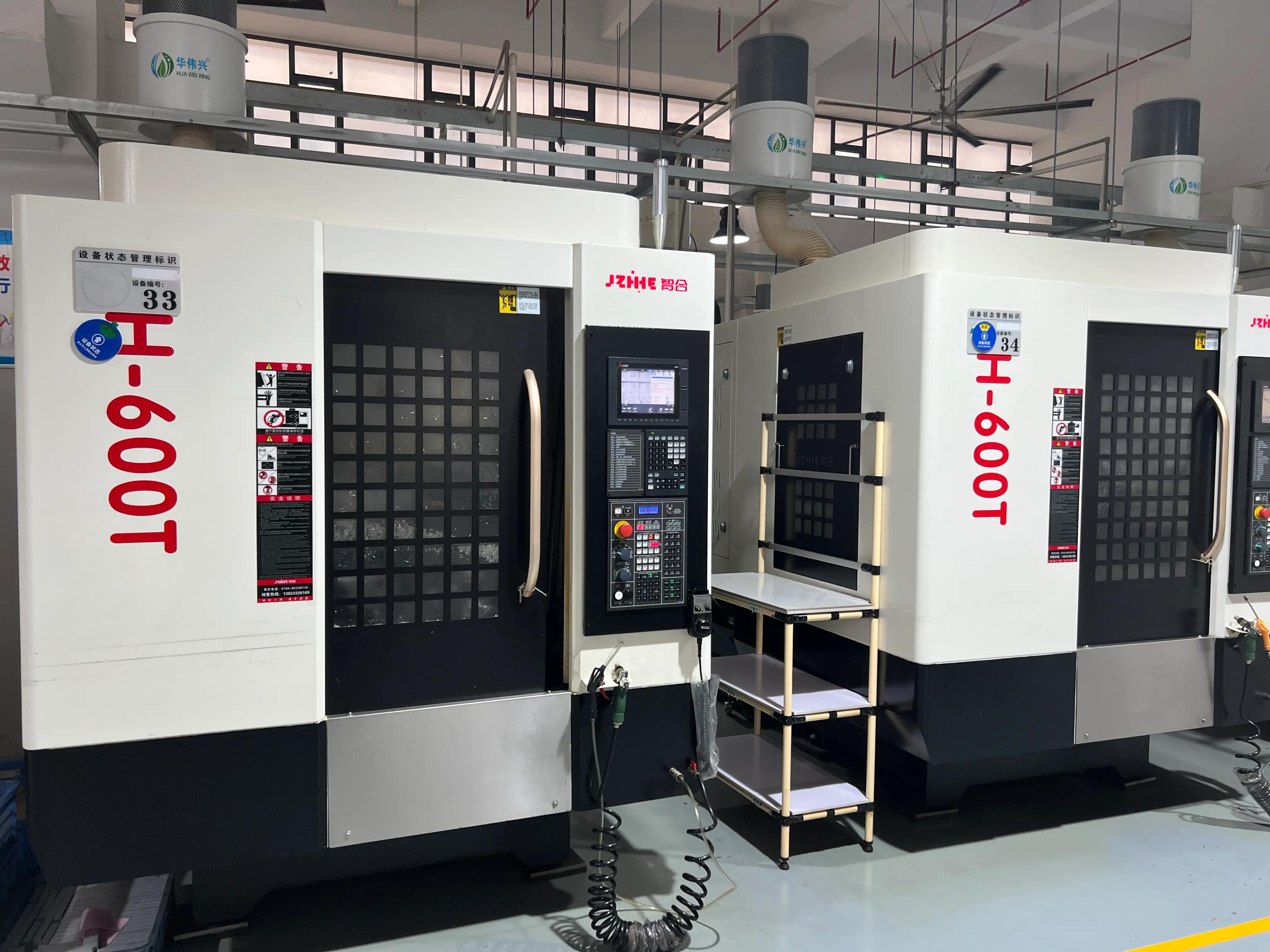
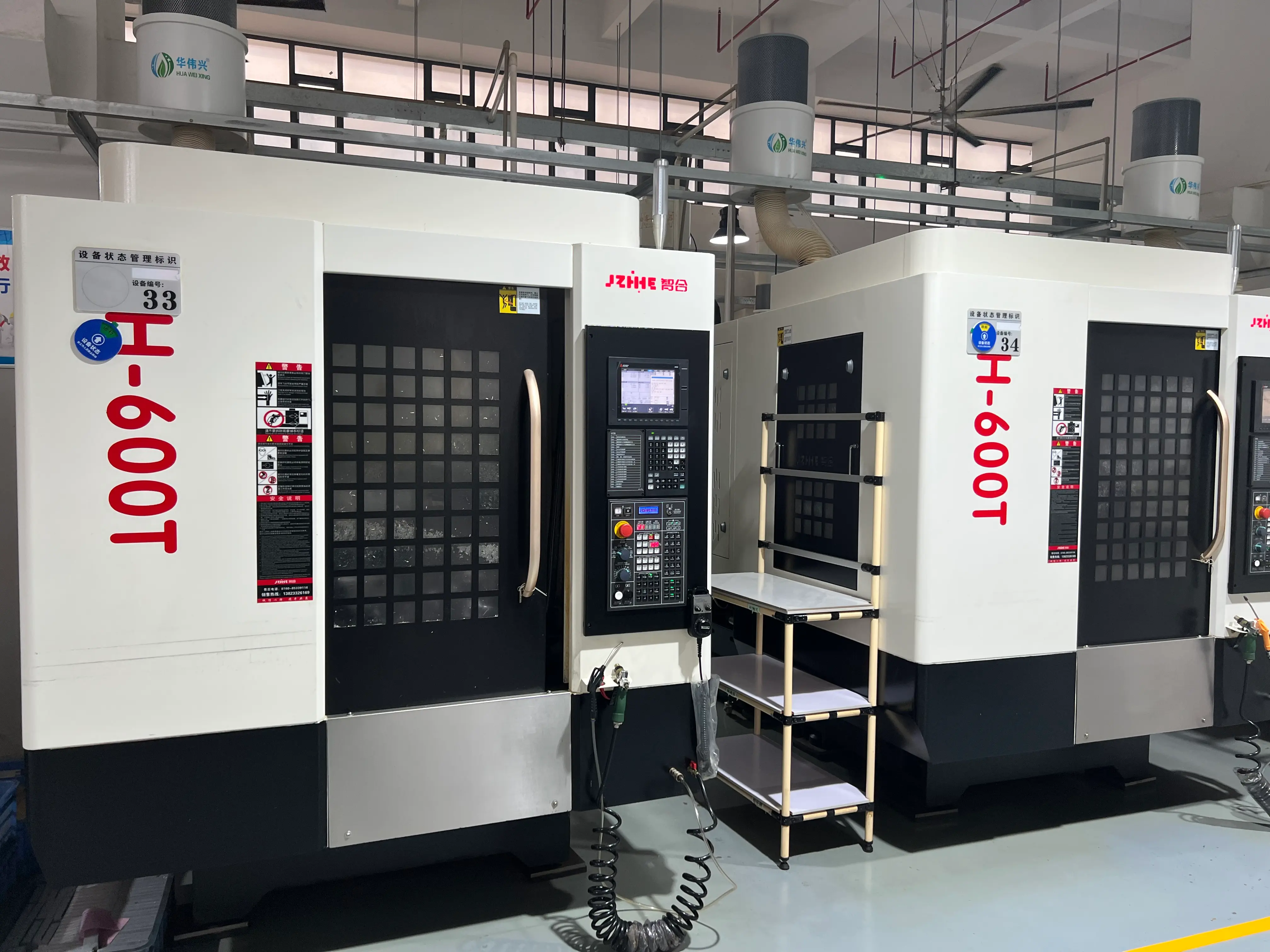
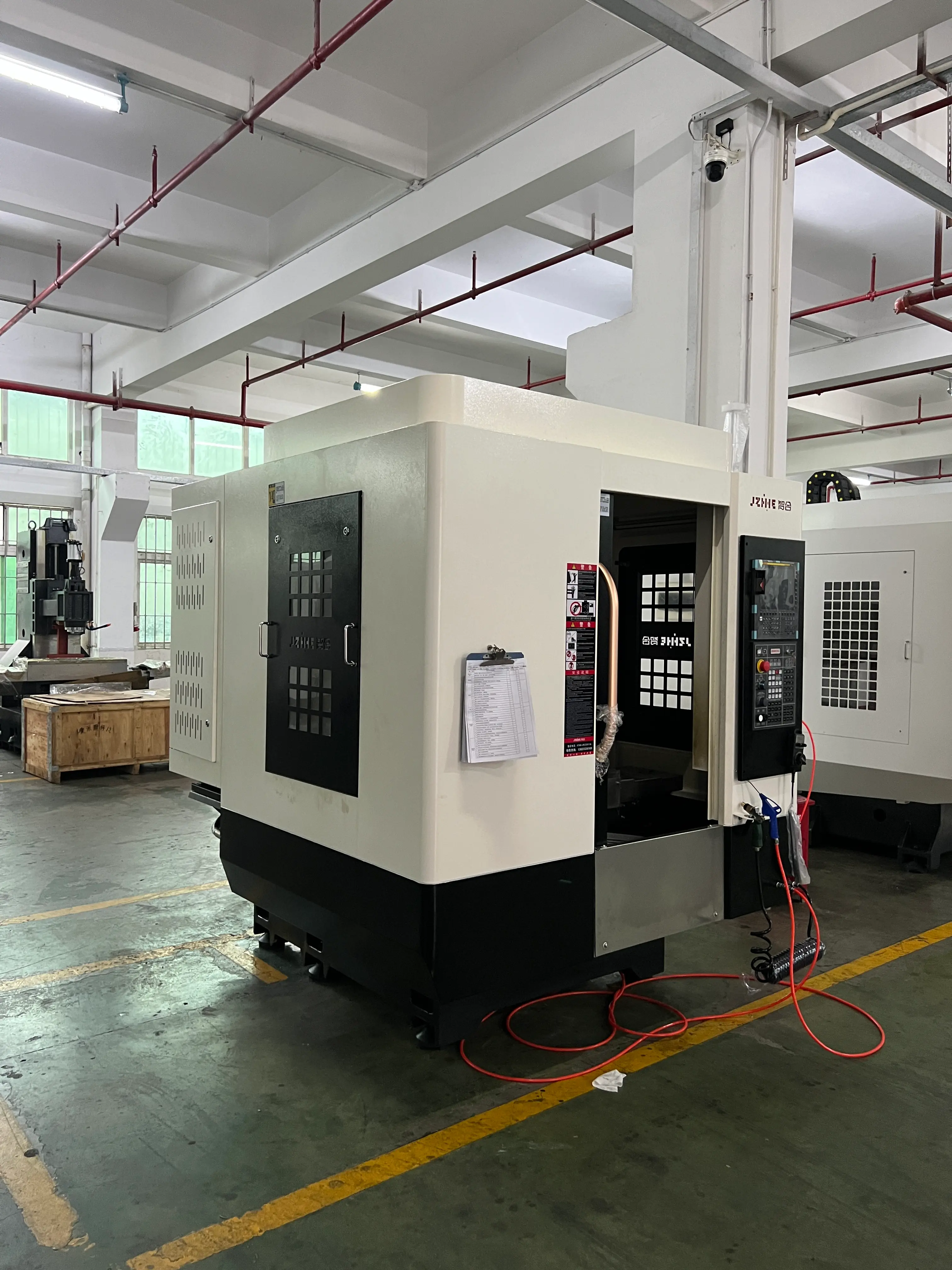
A drilling and tapping center may be worth evaluating when the end cap fits its working envelope and the process is dominated by drilling, tapping and light milling. Zhihe CNC describes the ZH-600T drilling and tapping center for small to medium precision parts, particularly aluminum components and batch drilling and tapping. Its published specifications start a fit review; they do not prove the result for a particular end cap.
Compare platforms using the complete workpiece and fixture, tool reach, material removal, access and inspection plan. Confirm the exact configuration and options in the current quotation.
Make the Trial Answer a Purchasing Question
When qualifying a CNC machine for pneumatic cylinder end caps, the trial should reproduce the difficult part of the job. Agree on the drawing revision, actual material and blank, fixture, tools, program, coolant method and inspection equipment before cutting.
| Buyer question | Evidence to request |
|---|---|
| Does the part fit with fixture and tools installed? | Setup layout and clearance review |
| Are faces and holes related to drawing datums? | Setup sequence and measurement records |
| Are specified threads acceptable? | Agreed thread inspection results |
| What happens to burrs and chips? | Post-machining inspection and cleaning plan |
| Is output realistic? | Timed cycle including loading, deburring and inspection |
Record measurements and deviations. If the fixture, tool or process must change, identify the change before treating the trial as a production quotation basis.
Send an RFQ That Can Be Reviewed
For a drawing-based recommendation, send the latest 2D drawing and 3D model if available, material, blank process, maximum part dimensions and mass, batch quantity, critical tolerances, thread requirements, inspection method and target output. Include blank photographs if useful. Zhihe CNC's contact form accepts drawings, workpiece photos, material, size and accuracy requirements.
FAQ
Is a drilling and tapping center always best for an aluminum end cap?
No. The fixture, size, milling duty, tool access, tolerances and output may point to another machining center. Review the drawing and complete process first.
Can published machine accuracy prove part tolerance?
No. Finished-part results also depend on the blank, fixture, tools, temperature, process and inspection method. Test the critical features in an agreed trial.
What should the trial measure first?
Begin with features that can reject the part or prevent assembly, such as the sealing face, locating bore, related hole pattern and specified threads.
What belongs in the first inquiry?
Send the drawing revision, material, blank type, dimensions, critical features, quantities and known production problems. State which results must be demonstrated before an order decision.
Next step: Send your end cap drawing and machining requirements for a model and process review. Ask Zhihe CNC to identify open assumptions before confirming the machine and trial plan.