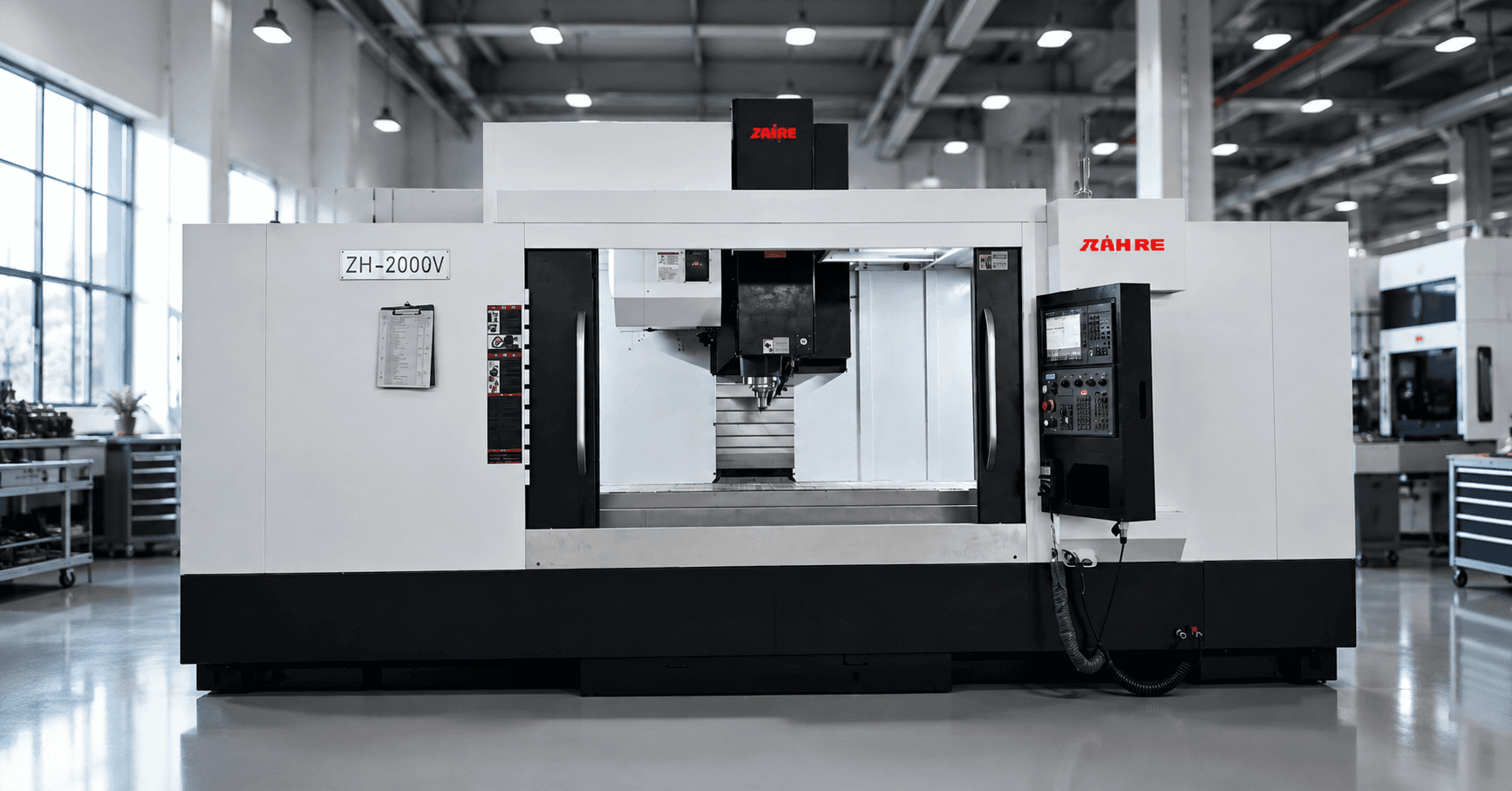
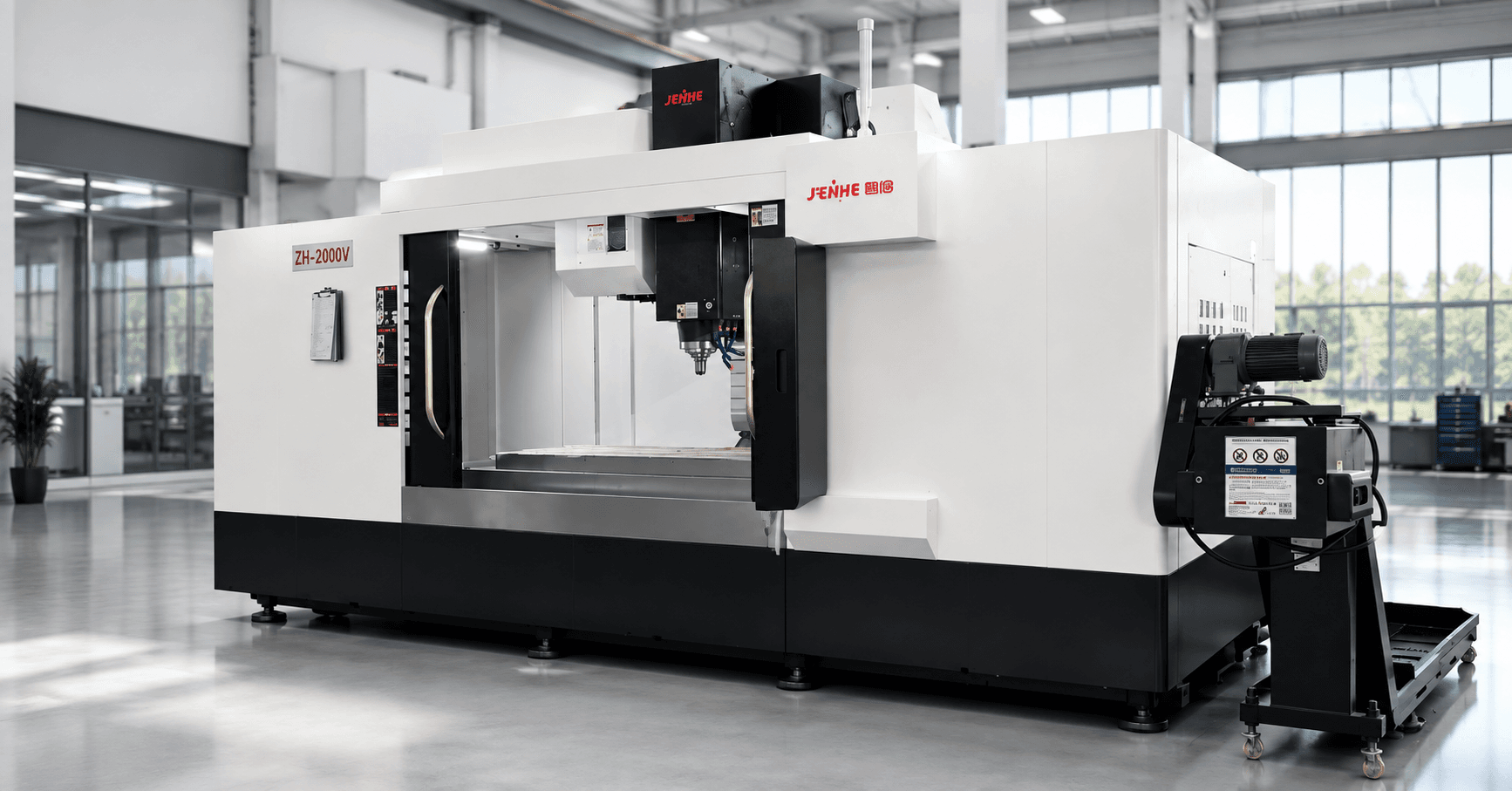
A CNC machine for precision hardware should be chosen from the part's critical-to-quality tree: the few functional features that determine fit, motion, sealing, fastening, appearance, or service life. A machine can meet general accuracy claims and still fail the real application if datum logic, small bores, threads, burrs, tool wear, clamping, cleaning, or inspection are not controlled.
This guide turns drawings into a CTQ tree and then maps each risk to a machine, fixture, tooling, process, and inspection response. It is intended for brackets, connectors, housings, shafts, plates, clamps, fittings, and other precision metal hardware produced in mixed or repeated batches.
Build the CTQ Tree From Function
Start with how the part works. Mark assembly datums, bearing or locating fits, sealing lands, threaded joints, aligned holes, sliding faces, cosmetic surfaces, and edges touched by users or cables. For each feature, document the failure that occurs if it is wrong.
| CTQ branch | Possible failure | Primary control | Evidence |
|---|---|---|---|
| Datum relationship | Assembly misalignment | Setup and fixture strategy | Positional and geometric inspection |
| Bore or fit | Loose, tight, noisy, or short-life assembly | Tool, thermal, and offset control | Gauge or measured capability |
| Thread | Fastener failure or incomplete engagement | Tap condition and depth control | Thread gauge and depth check |
| Sealing surface | Leakage | Flatness, finish, and damage prevention | Surface and leak-related verification |
| Edge and burr | Assembly damage or contamination | Toolpath and deburring standard | Defined visual/tactile criterion |
| Cosmetic face | Customer rejection | Fixture and handling protection | Controlled appearance standard |
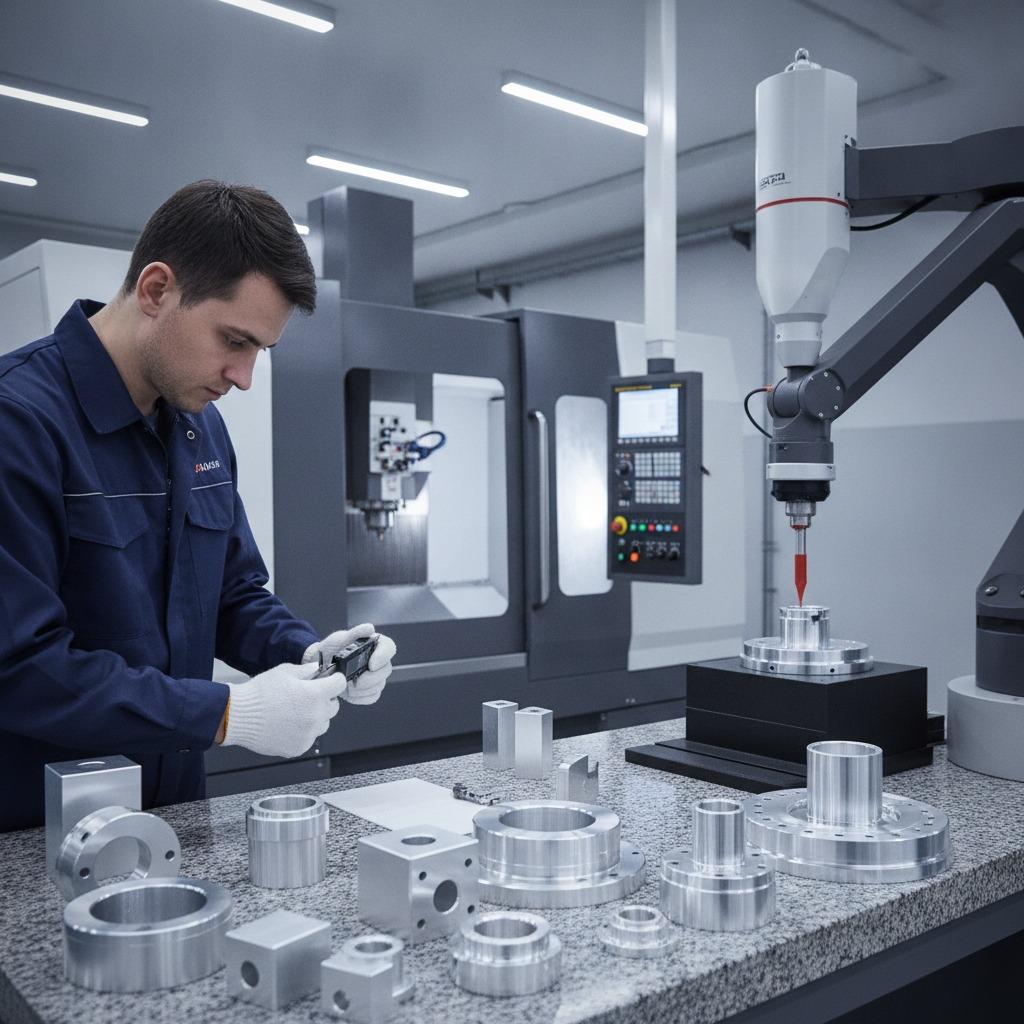
Translate CTQs Into Datum and Setup Logic
Group features that must share one coordinate system. Minimize transfers between critical datums. Decide which surfaces are created first, which locate later operations, and which dimensions are inspected before removal. A one-setup process may reduce datum error, but only if tool access, fixture stiffness, and chip control remain practical.
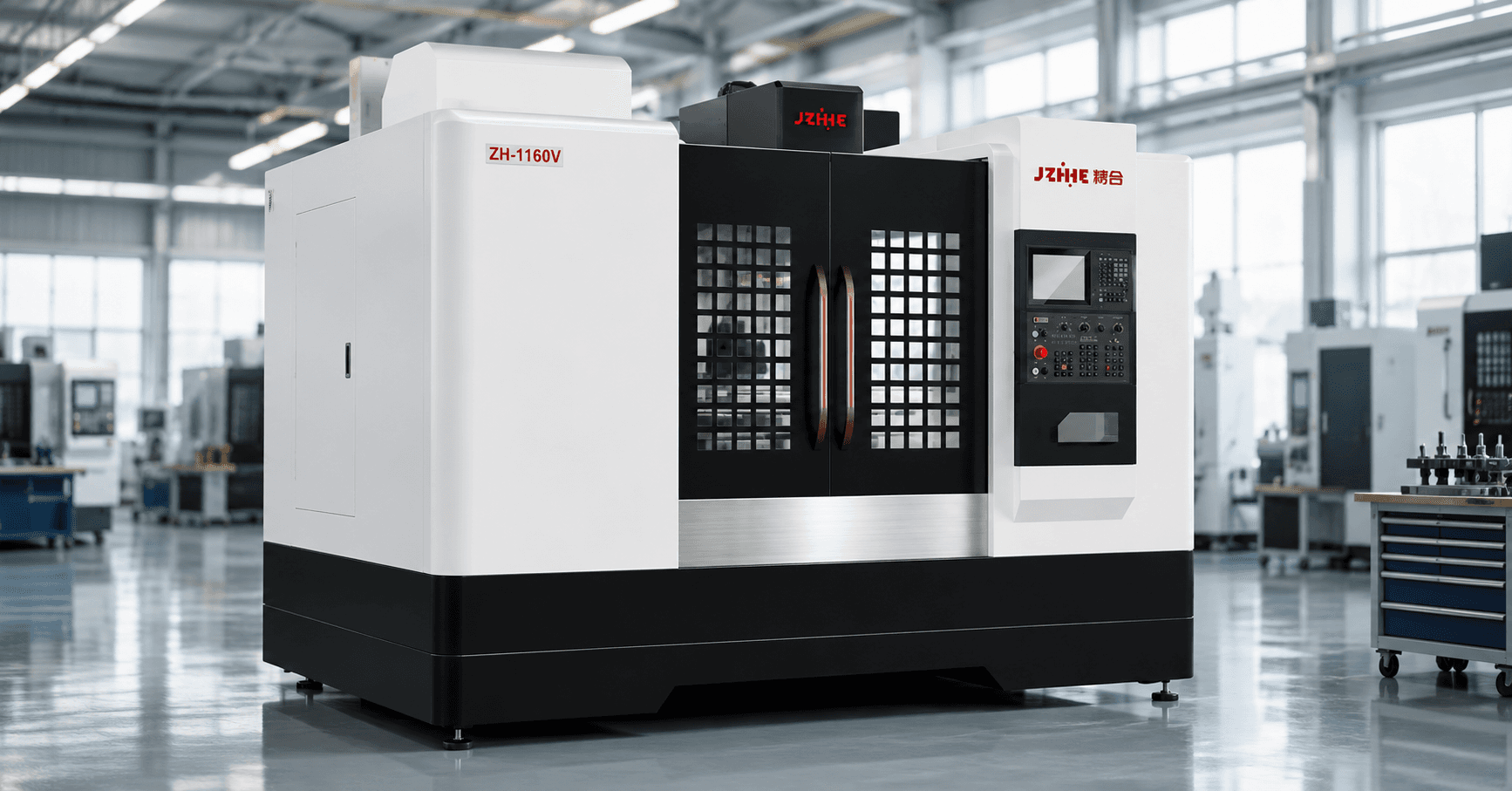
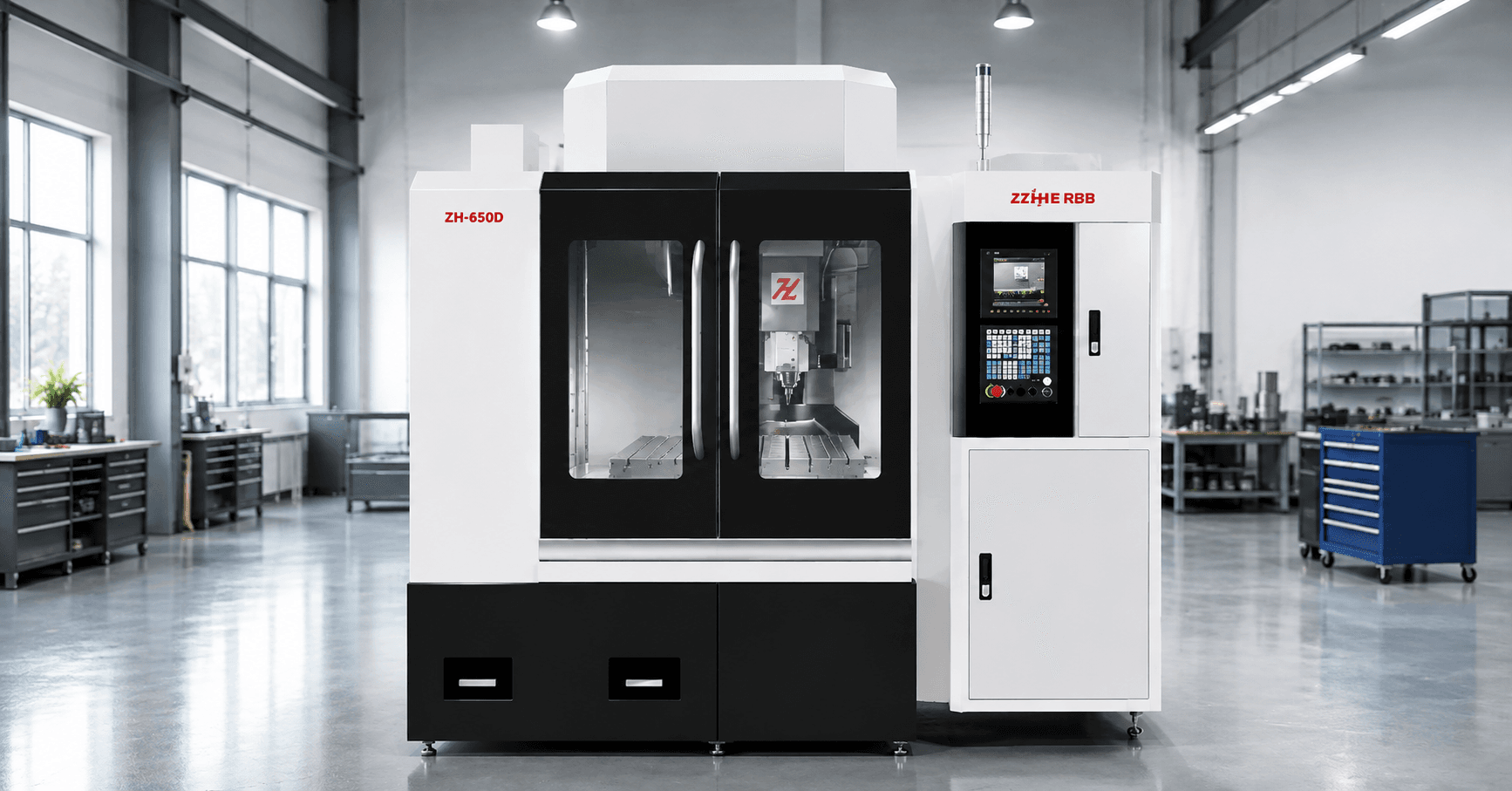
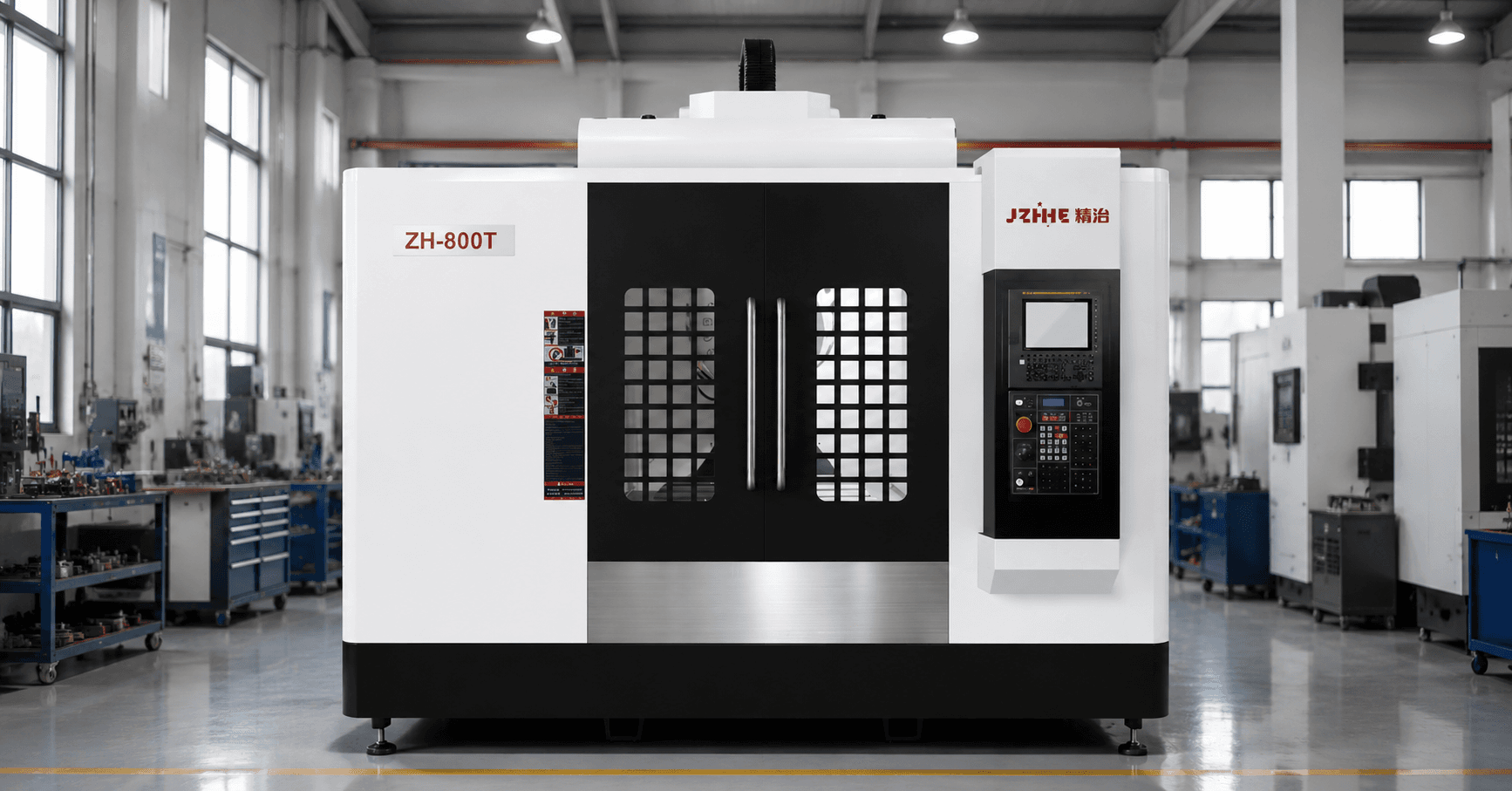
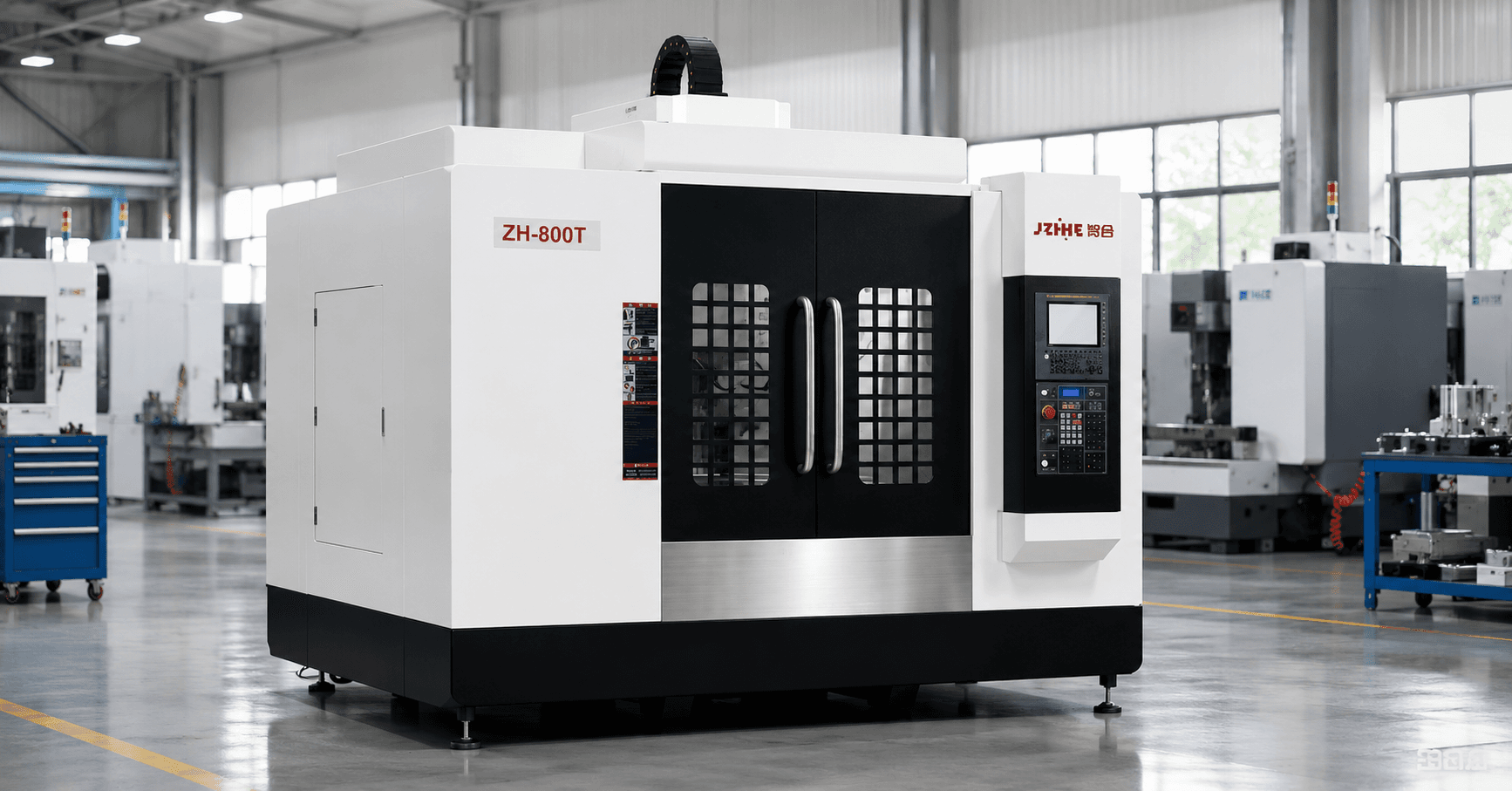
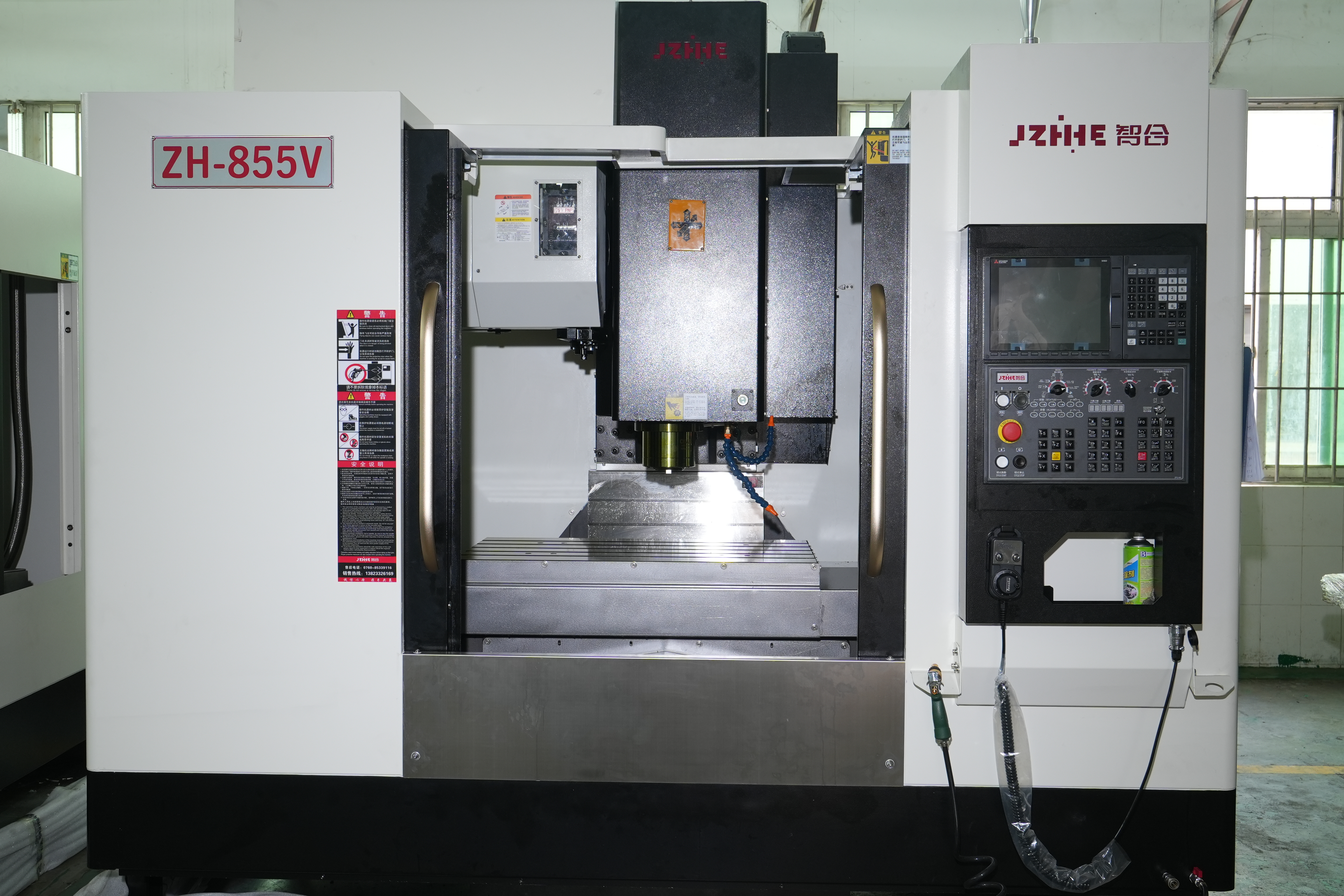
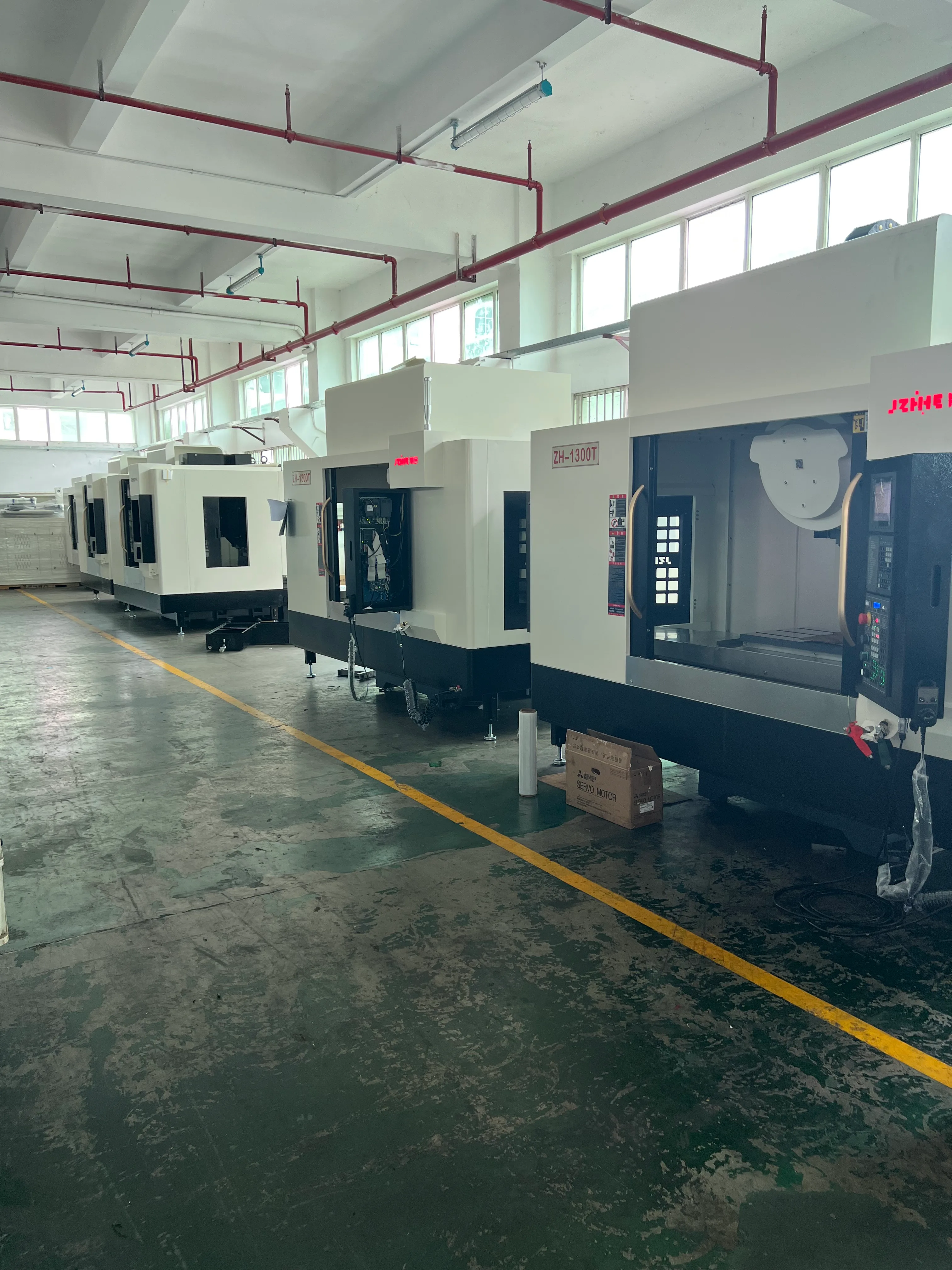
A CNC machine for precision hardware can be vertical, horizontal, drilling/tapping, high-speed milling, or five-axis depending on faces, complexity, material, and volume. Use the Zhihe CNC product map to compare architectures instead of assuming one machine type fits the entire hardware category.
Match Materials to the Real Cutting Risk
Aluminum, stainless steel, carbon steel, alloy steel, brass, and other materials create different chip, heat, burr, torque, and tool-life behavior. Define material grade, hardness or temper, stock condition, coating, and surface requirements. Avoid qualifying the process on an easy material when production includes a harder or more variable grade.
Review tool diameter, reach, holder, runout, coolant, chip breaking, tapping method, tool-life limit, sister-tool strategy, and offset rules. Small precision features are often more sensitive to tool condition than to nominal machine accuracy.
Make Burr Control a Drawing-Level Requirement
“Remove all burrs” is too vague for reliable production. Identify critical edges, allowed edge break, thread starts, cross holes, internal passages, sealing areas, and cosmetic faces. Define whether deburring is in-machine, manual, thermal, abrasive, or a separate controlled process.
Separate Machine Capability From Process Capability
Machine positioning and repeatability data are inputs, not proof that a particular CTQ will remain capable. The process also includes material, fixture, tool, temperature, coolant, probing, operator response, measurement system, and maintenance. Establish a stable process before calculating capability.
- Define the characteristic and specification correctly.
- Confirm the gauge resolves the required variation.
- Collect parts across realistic time, tools, material, and shifts.
- Investigate drift and special causes before accepting a statistic.
- Link reaction plans to tool life, offsets, maintenance, and inspection.
Allocate Inspection by Failure Consequence
Not every dimension needs the same frequency. Use higher control for features that affect safety, sealing, alignment, fit, or costly downstream assembly. Use process checks and tool-life control for stable features. Automate measurement only where the data drives a defined response.
Include first-off, in-process, last-off, and change-triggered checks. Define the response to tool replacement, collision, fixture maintenance, material lot change, program revision, and abnormal trend.
Control Cost at the CTQ Level
Do not apply maximum precision and inspection to every feature. Protect the dimensions that control function, then use appropriate tolerances and sampling for secondary geometry. This reduces unnecessary cycle, tool, gauge, and reporting cost while keeping the control plan focused on failures that matter to assembly and customer use.
Use a Part-Family Trial, Not One Showcase Part
- Choose one high-risk part for datum and geometric relationships.
- Choose one repeat part for cycle, loading, and tool-life evidence.
- Choose one burr- or thread-sensitive part.
- Use intended fixtures, tools, material, and inspection methods.
- Record interventions, rejected features, rework, and operator time.
- Document which part families remain outside the proven scope.
FAQ
Which machine is best for precision hardware?
Choose by envelope, critical faces, datum transfers, material, feature size, cycle, batch pattern, and automation need. The industry label alone is insufficient.
Are machine accuracy specifications enough?
No. They do not include fixture, tooling, thermal behavior, material, inspection, or process discipline. Use a representative capability plan.
How should thread quality be controlled?
Define thread form and depth, tapping method, tool-life limit, lubrication, chip control, gauge method, sampling, and reaction plan.
What should a buyer send for evaluation?
Send drawings with CTQs marked, materials, blank conditions, volumes, current problems, inspection methods, cycle target, fixture assumptions, and changeover pattern.
Request a CTQ-Based Process Review
To select a CNC machine for precision hardware, send Zhihe CNC a representative part family and identify the features that control fit, sealing, alignment, fastening, appearance, and service life. Use the contact page for a process and trial proposal, and review the company and inspection overview when defining evidence requirements.