Decision in One Minute
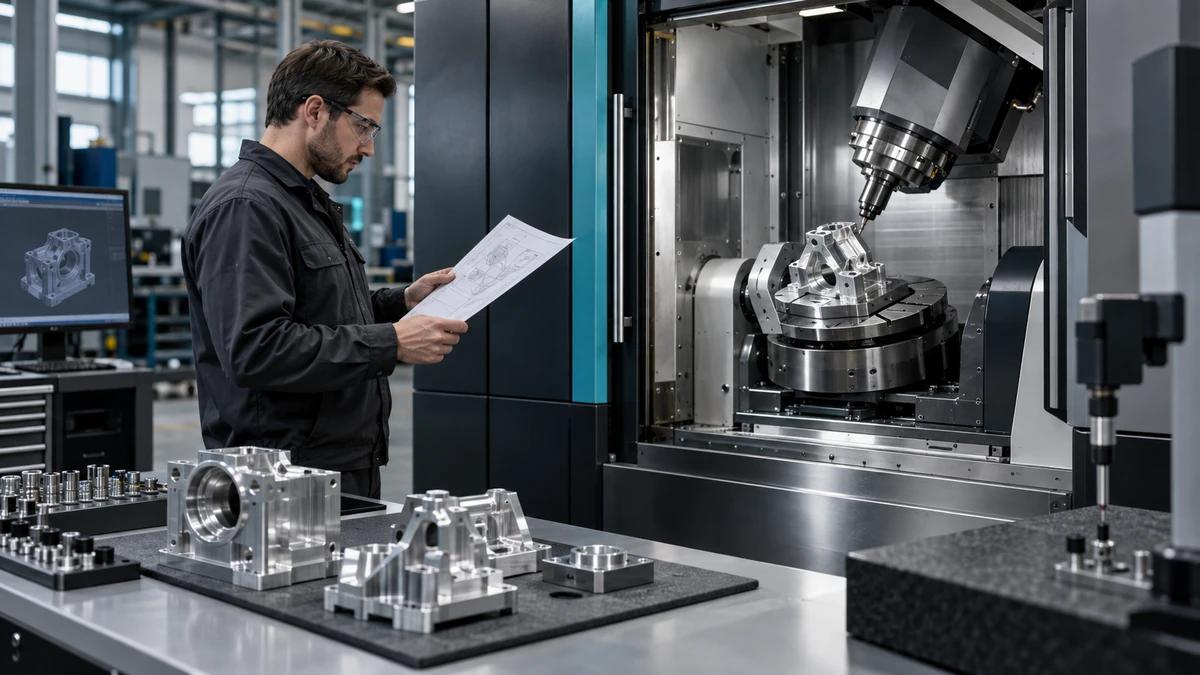
Zhihe CNC turns aerospace bracket machining into a controlled datum, thin-wall, tool-access and traceability review. A CNC machining center for aerospace brackets decision starts with datums, thin walls, tool access and traceability. This case-file approach helps a buyer ask what is proven, what is limited and who owns the next evidence.
Requirement Matrix
| Requirement lane | Question to freeze | Evidence to retain |
|---|---|---|
| Datum | Which face or bore starts the coordinate story? | Fixture and probing passport |
| Thin wall | Where can support or heat move the feature? | Stage measurements |
| Access | Which holder, vector or reach controls the route? | Tool and collision review |
| Traceability | Can each result return to revision and lot? | Signed part file |
| Release | Who accepts machining and what remains outside? | Boundary memo |
Open With the Coordinate Story
A CNC machining center for aerospace brackets should be selected from the datum chain, not from travel or spindle power alone. Identify assembly faces, bolt holes, locating bores, pockets, ribs and thin webs, then state which relationships can reject the part. Zhihe CNC keeps that map beside the drawing revision.
Ask engineering and quality to mark primary, secondary and tertiary datums on the same view. If a feature is inspected from a different reference than the one used to machine it, record the transformation and owner before the trial.
Separate Material From Allowance
Record alloy or declared material condition, stock form, lot, saw or blank state, allowance, surface damage and any heat-treatment stage. A bracket route becomes difficult when stock variation is mistaken for machine capability.
Use one normal blank and one boundary blank. Keep incoming evidence with the program and fixture record so a later correction can distinguish material, support, tool and measurement effects.
Support the Thin Web
Map clamp force, backing, sacrificial support, contact pads, probe access and release sequence. Thin aerospace features may move when the clamp is released or when a heavy cut changes the local stress state.
Measure marked points before roughing, after roughing, after finishing and after unclamping where practical. A CNC machining center for aerospace brackets earns trust when the movement history is visible.
Audit Holder and Vector Reach
List cutter diameter, holder, projection, tilt, clearance, engagement, coolant and tool-life trigger for each deep pocket or rib. The longest assembly or tightest corner often controls the real machine decision.
Run a controlled prove-out that includes the boundary orientation. Preserve approved tool assemblies and the collision-review record rather than relying on an operator memory of what cleared.
Keep Hole Families Related
For bolt patterns, locating holes and intersecting bores, record position, axis, depth, chamfer, tool state, temperature context and inspection alignment. Individual holes can pass while the pattern fails assembly.
Store raw measurements by part identity and setup. If a correction is allowed, define the limit and authorization; do not tune several offsets until a single bracket happens to pass.
Inspection and Release Notebook
| Checkpoint | Record | Escalation |
|---|---|---|
| Datum | Fixture, probe, reload and raw result | Engineering |
| Thin wall | Stage readings and unclamp result | Quality |
| Tool access | Holder, vector and collision review | Applications |
| Handoff | Revision, lot and released quantity | Program owner |
Make Deburring a Defined Operation
Classify edges, permitted breaks, burr limits, manual work, tools, lighting and inspection. A clean photograph does not establish a repeatable edge condition.
Include one planned tool-life event and one controlled deburring handoff. Record who releases the edge and how held work remains protected.
Rehearse an Engineering Hold
Use a planned inspection disagreement, tool event or drawing clarification. Record part identity, machine state, completed operations, affected quantity, containment, correction, retest and restart owner.
A safe restart route should identify backups, offsets, gauge status and permission. If recovery depends on undocumented judgment, mark it as an open risk before purchase.
Calculate Accepted Bracket Hours
Count receiving, setup, probing, cutting, tool changes, chip work, deburring, inspection, holds, rework, maintenance and released brackets. State batch mix, staffing and external inspection queues.
Compare a common bracket with the most restrictive declared bracket. Zhihe CNC uses accepted output rather than an ideal cutting cycle when discussing capacity.
Package the Traceability File
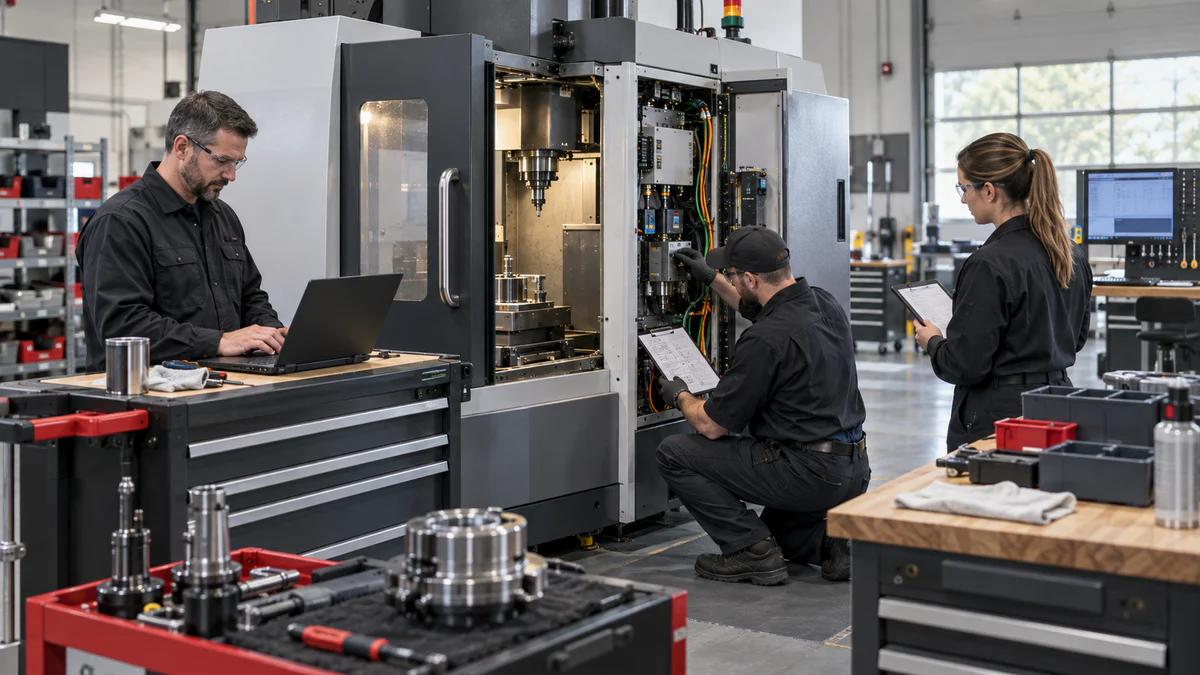
Transfer drawing revision, material lot, fixture, datum, tools, programs, offsets, inspection, held work, backups, service contacts and exclusions. Keep superseded files identifiable.
After installation, compare the first accepted lot with the purchase assumptions. Reopen only the affected evidence when a tool, fixture, software, gauge or material condition changes.
Audit a Fixture or Program Change
When a fixture pad, locator, probing routine, postprocessor or NC program changes, compare the old and new datum path, tool access, measured features and operator instructions. A small change can move a thin wall or alter a hole-family relationship.
Keep the change review proportional but explicit. Record the affected revision, representative part, new evidence, reviewer and effective date. The CNC machining center for aerospace brackets file should show why unaffected results remain valid and which limits were reopened.
Write the Approval Boundary
State which geometry, edge, surface and traceability results machining releases. Keep fatigue, flight release, structural qualification and customer-specific regulatory decisions in their own approval lanes.
The final memo for a CNC machining center for aerospace brackets should name the reviewer, effective revision, evidence location and next review date. A precise boundary is more useful than a broad aerospace capability claim.
Aerospace Bracket Buyer FAQ: CNC machining center for aerospace brackets
What controls aerospace bracket machining first?
The datum chain, thin-wall support, tool access and inspection alignment control the initial decision.
Why test a boundary blank?
It exposes stock, support, reach and measurement limits hidden by an easy sample.
Does a machining trial prove flight release?
No. Structural, fatigue, regulatory and customer release require separate evidence.
How should bolt-hole families be inspected?
Measure the pattern in one declared reference system and preserve raw data by part identity.
What belongs in a thin-wall support review?
Backing, contact pads, clamp sequence, probe access, release state and stage measurements.
How does Zhihe CNC define capacity?
Zhihe CNC counts complete support work against released brackets under stated conditions.
Why include deburring in acceptance?
Edge work can affect labor, burr limits, protection and release repeatability.
What should a hold record contain?
Part, machine state, completed operations, affected quantity, containment, correction, retest and owner.
When should the datum baseline reopen?
After changes to drawing, material, fixture, tool, probing, program, gauge or inspection alignment.
What should buyers send first?
Send bracket CAD, material, datums, thin-wall zones, hole families, volume and inspection needs.
Turn the Review Into a Zhihe CNC Decision
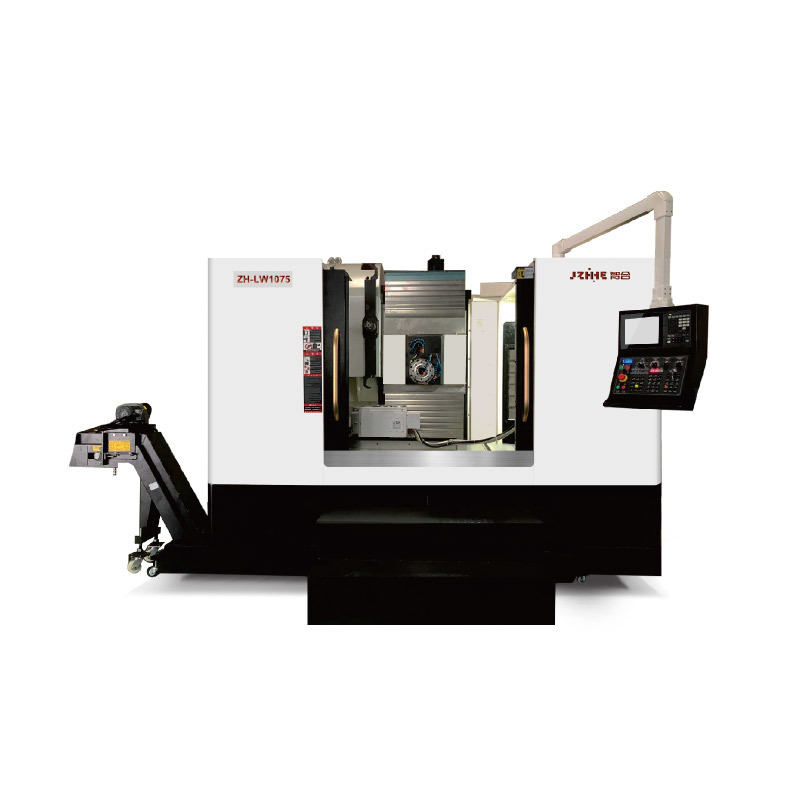
Send Zhihe CNC the controlled drawing or CAD, material and stock, critical features, annual volume, batch mix, fixture concept, tool constraints, inspection method, site conditions and service region. Review the Zhihe CNC product portfolio, the company and factory profile, and the engineering inquiry route. For CNC machining center for aerospace brackets, ask for a dated configuration, representative trial, acceptance boundary, open assumptions and named support owner.
Reference Boundary and Responsible Use
The first reference and second reference offer method, safety or quality context. They do not replace drawing-specific acceptance, local risk assessment, product certification, regulatory release, customer specifications or the buyer's operating procedures.