The Direct Buyer Answer
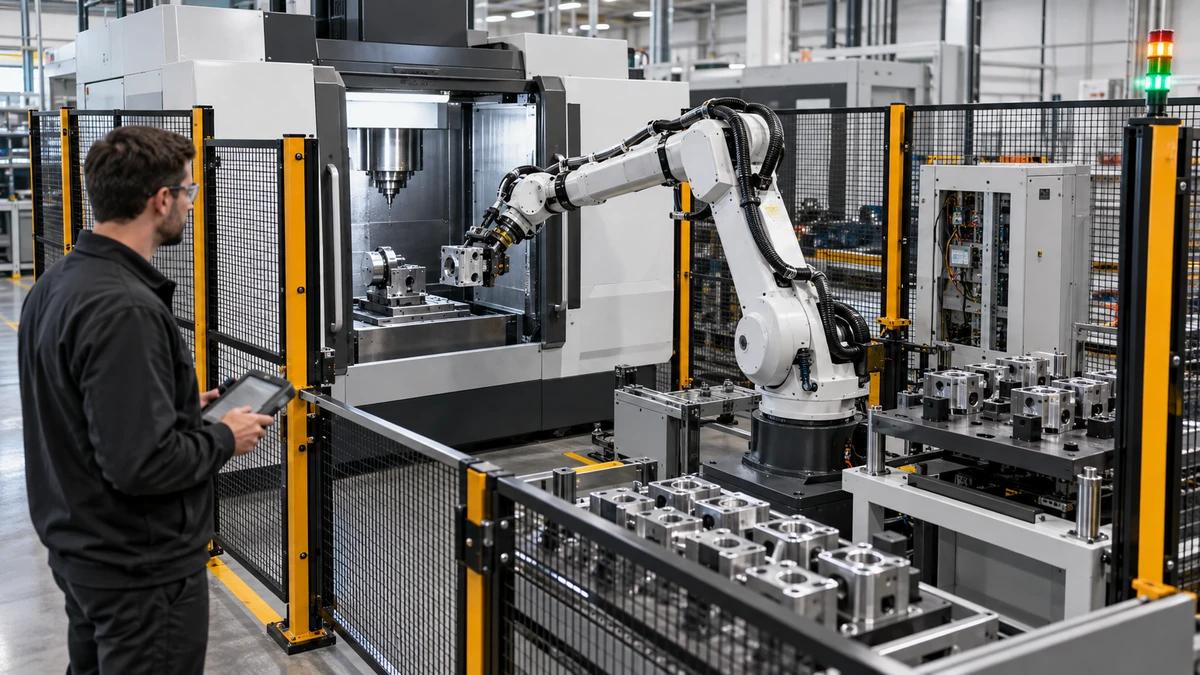
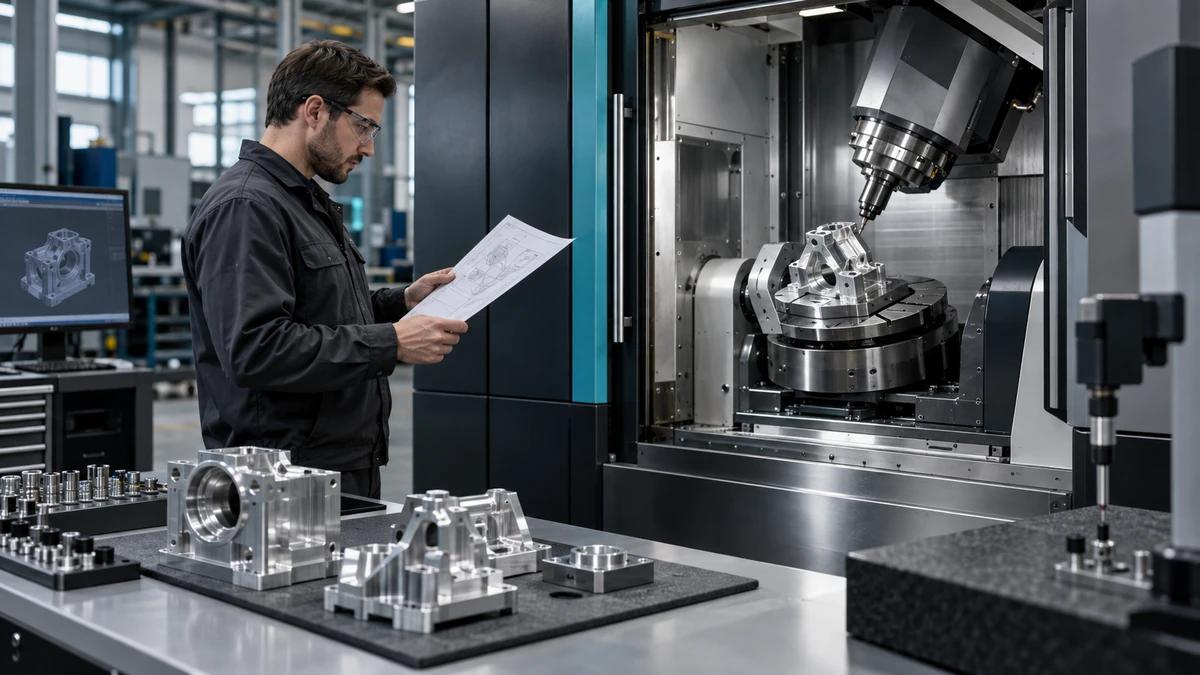
From Flash Line to Datum. Zhihe CNC creates a die-casting route around flash, stock variation, clamping, datum creation, tool life, inspection and traceable release. CNC machining center for die casting parts should be selected from the declared feature family, support route and release evidence rather than from one headline specification.
Decision Map
| Casting input | Flash, stock, porosity and revision | Incoming record |
|---|---|---|
| Input | Lot, trim, flash and stock range | Receiving check |
| Datum | Seat, clamp, probe and correction | Setup passport |
| Cut | Tool engagement, chips and wear | Process record |
| Quality | Critical wall, hole, face and leak-related features | Raw data |
| Release | Accepted, held, reworked and owner | Disposition file |
Characterize the Casting Input
Record alloy, casting revision, lot, trim state, flash, stock range, visible defects and critical features. Die-cast parts can present variable stock or seating conditions; the machining route should define what is accepted before the first cut. Zhihe CNC keeps the input record with the setup so a later quality discussion has traceable context.
Mark features that must be machined and features that remain as-cast. Include hole, face, thread, sealing and wall requirements. A CNC machining center for die casting parts should be judged on the actual incoming variation, not only on a nominal CAD model.
Create a Repeatable Seat
Define support, locating pins, clamps, flash relief, cleaning and datum creation. A small flash ridge under a locator can shift an entire feature family.
Trial load representative castings from more than one lot when practical. Record seating checks and any permitted trim or cleaning. Separate a casting problem from a fixture problem before editing the program.
Map the Stock Envelope
Group regions by minimum and maximum stock, thin wall, porosity risk, draft and tool engagement. Define roughing allowance and a safe response when stock exceeds the planned route.
Include one boundary casting in the trial. Record tool load, chips, heat, wear and resulting geometry. A variable-stock route needs an escalation rule rather than a vague “adjust as needed” instruction.
Protect Tool Life
List cutters, holders, coolant, engagement, preset, wear, replacement trigger and affected features. Hard inclusions, interrupted cuts or excess stock can accelerate wear.
Run a planned tool event and remeasure critical features. Keep the old and new tool states identifiable. Zhihe CNC uses this evidence to set conditional limits instead of promising one tool life for every lot.
Separate Burr and Flash Work
Define deburring, edge breaks, flash removal, cleaning and operator protection. A casting may arrive with trim variation that changes the manual work before machining.
Count the time and ownership of this support work. If manual correction is allowed, state the tool and acceptance. Do not hide a recurring casting issue in machine cycle time.
Control Datum Features
For sealing faces, bores and related holes, record datum, probe points, fixture state, temperature context and gauge. A machined face can pass alone while its relationship to a casting reference is wrong.
Preserve raw data by casting identity and lot. If a datum or fixture revision changes, reopen the affected relationship.
Build a Containment Route
Define what happens when porosity, flash, stock or a hole is outside the limit. Record quantity, affected features, containment, review authority, rework boundary and disposition.
Test a planned hold with safe machine state and a named restart owner. A production-ready route includes decisions for imperfect input, not only perfect castings.
Measure Released Output
Count receiving, cleaning, setup, machining, tool changes, inspection, holds, rework, maintenance and released parts. State lot mix, operator coverage and gauge access.
Compare a normal lot with a boundary lot. Identify whether output is limited by incoming quality, fixture work, tools, inspection or machine time.
Transfer the Lot File
Handoff casting lot, revision, fixture, tools, program, offsets, inspection, held work, rework instructions, backups and contacts. Keep effective revision visible.
Reopen evidence after changes to casting, trim, fixture, tool, program, gauge, material lot or staffing.
State the Product Boundary
Define tested alloy, casting source, stock range, features, tools, inspection and exclusions. Pressure, leak, fatigue and downstream assembly claims need separate evidence unless contracted.
Keep accepted limitations visible to purchasing and production. Zhihe CNC prefers a clear boundary to an unsupported universal capability claim.
Keep Incoming Variation Visible
Attach the casting lot, trim condition, stock range, fixture state and disposition to the setup passport. A CNC machining center for die casting parts should show which input range was actually tested. Review the first repeat lot with production and quality so a casting issue is not silently absorbed by machine time.
When the source, alloy, trim, fixture, tool, program or inspection route changes, reopen the affected clause. Keep accepted limitations and containment owners visible; the CNC machining center for die casting parts route is strongest when imperfect input has a defined decision path.
Commercial Close
Before the order is released, align purchasing, applications, quality, production, maintenance and service on the tested condition. The CNC machining center for die casting parts route should show the accepted part family, material or stock range, fixture state, tool assemblies, inspection method, complete time definition and restart owner. If one item remains open, label it as a blocker, accepted limitation or dated deliverable instead of hiding it in a general note.
After the first representative lot, compare actual setup, support work, tool events, inspection queue, held work and released output with the trial. Keep the original evidence and add a dated review. Zhihe CNC uses this review to decide whether the CNC machining center for die casting parts baseline is ready for reuse, needs a focused repeat test or should remain limited to the tested configuration.
Operating Review
Give the receiving team a short review sheet with the tested condition, the first decision to make when a result moves, the person who can hold work and the evidence needed to restart. This is especially important when the CNC machining center for die casting parts route crosses applications, production, quality and maintenance. A useful handoff does not require every reader to reconstruct the trial from scattered files.
At the next review, compare the declared route with what actually happened: setup time, support work, tool events, inspection queue, held quantity, rework and released output. Keep the original baseline, explain every material difference and assign a date for closure. This protects the buyer from a silent change in assumptions and gives Zhihe CNC a concrete basis for the next improvement.
Implementation Note
Convert the accepted route into a short checklist for the first production shift: confirm the effective drawing, setup identity, tools, program, gauge, cleaning, hold authority and escalation contact. The CNC machining center for die casting parts decision should be visible at the machine and in the shared quality file.
After the first run, mark each item confirmed, limited or open. Record evidence, owner and date for every open item. This closes the gap between a buying guide and the work performed by the team, while giving Zhihe CNC a clear basis for a focused follow-up. Review the first accepted lot with the same feature map, setup identity, inspection route and complete-time definition used during the trial. Preserve the original record and mark only the changed assumption, affected evidence, responsible owner and closure date. This makes the next decision easier to audit and prevents a small operating change from becoming an undocumented capability claim. Keep a short note on what the team learned, what remains unverified and when the next review is due. Keep the note with the release file and the responsible team. Use the same review language in the quote, setup passport and final acceptance record so no team reads a different baseline. Keep the signed review with the effective revision, the responsible owner and the evidence location so the next planned production batch starts from the same controlled baseline for review.
Evidence Ledger
| Lane | Minimum record | Reopen when |
|---|---|---|
| Part | Representative and boundary features | Drawing, material or mix changes |
| Setup | Fixture, datum, tools, offsets and program | Fixture, holder or software changes |
| Quality | Gauge, sampling, raw data and disposition | Gauge or acceptance rule changes |
| Output | Complete time and released quantity | Labor, batch or support assumptions change |
Buyer FAQ: CNC machining center for die casting parts
What makes die-cast machining variable?
Flash, stock, draft, porosity, trim and seating can vary by casting and lot.
Why inspect the incoming casting?
The machining route depends on what the fixture and tools actually receive.
How should flash be handled?
Define trim, cleaning, support, permitted removal and acceptance before machining.
What is a boundary casting?
A representative input near the declared stock or seating limit.
Why test tool life?
Variable stock and interrupted cuts may change wear and recovery.
How should held castings be managed?
Record lot, identity, feature, result, containment, rework, retest and owner.
How does Zhihe CNC calculate output?
Zhihe CNC includes receiving, setup, cutting, support, inspection, holds and released parts.
Can one casting prove every lot?
No. State alloy, stock, fixture, tools, inspection and lot boundaries.
When should the baseline reopen?
After changes to casting, trim, fixture, tools, program, gauge, lot or staffing.
What should buyers send?
Send casting CAD, alloy, lot variation, flash limits, features, volume and inspection needs.
Bring the Decision to Zhihe CNC
Send Zhihe CNC controlled drawings or CAD, material and stock, critical features, annual volume, batch mix, fixture concept, tool constraints, inspection route, site conditions and service region. Review the Zhihe CNC product portfolio, the company and factory profile, and the engineering inquiry route. For CNC machining center for die casting parts, request a dated configuration, representative trial, acceptance boundary, open-assumption list and named support owner.
Reference Boundary
The ISO machining-centre reference and OSHA machine-guarding guidance provide context. They do not replace drawing-specific acceptance, local risk assessment, product certification, regulatory release or the buyer's operating procedures.