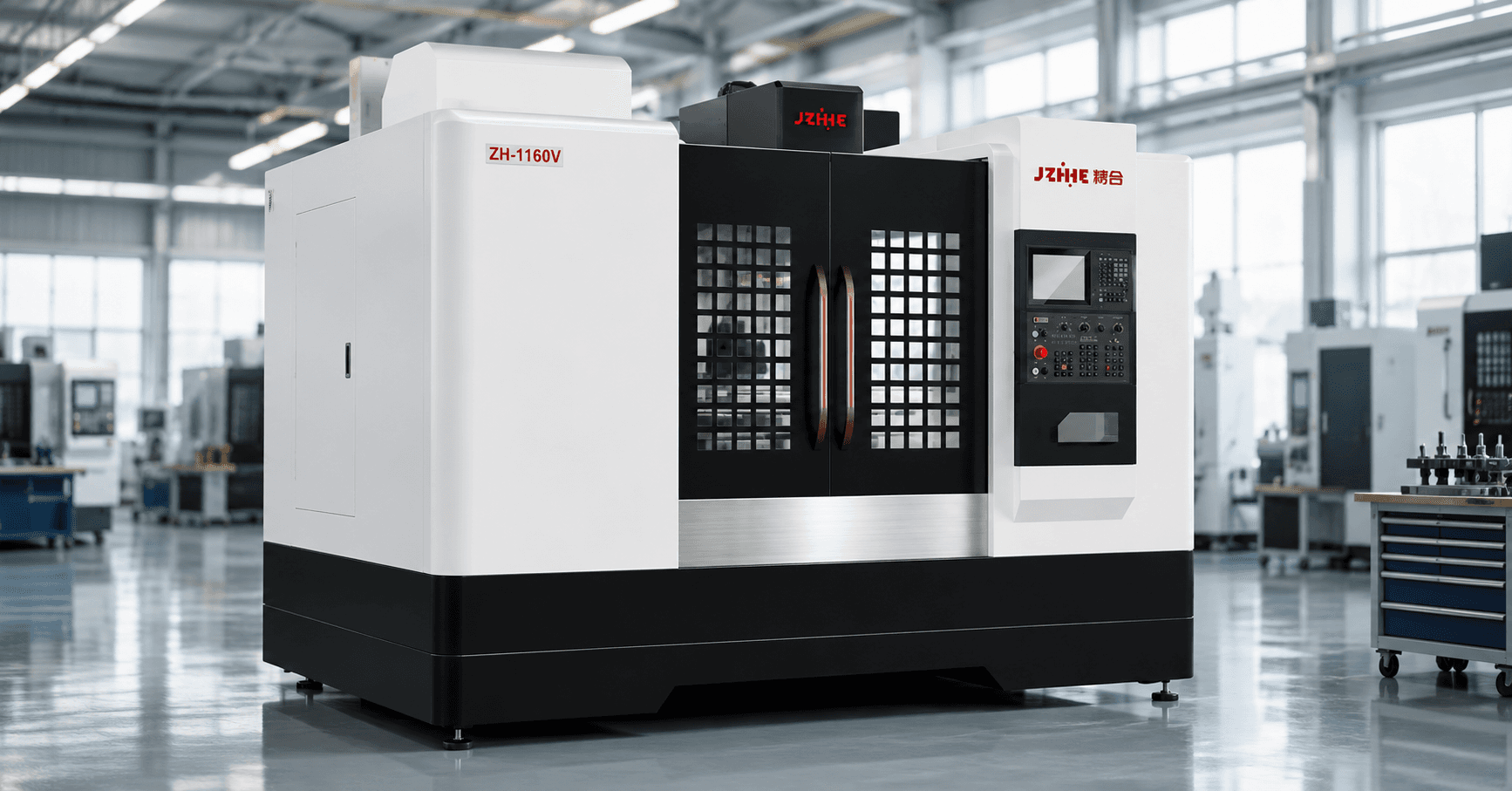
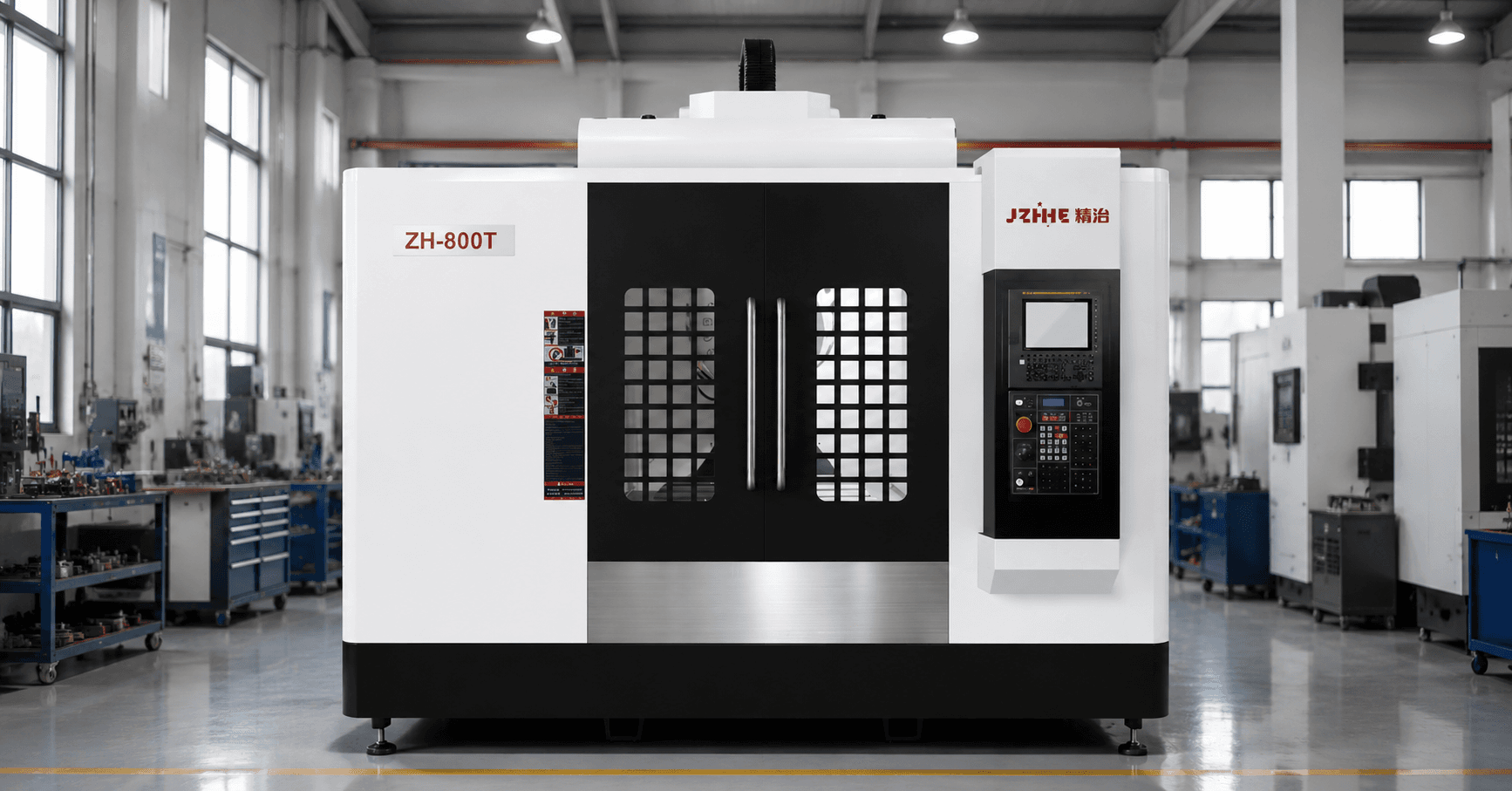
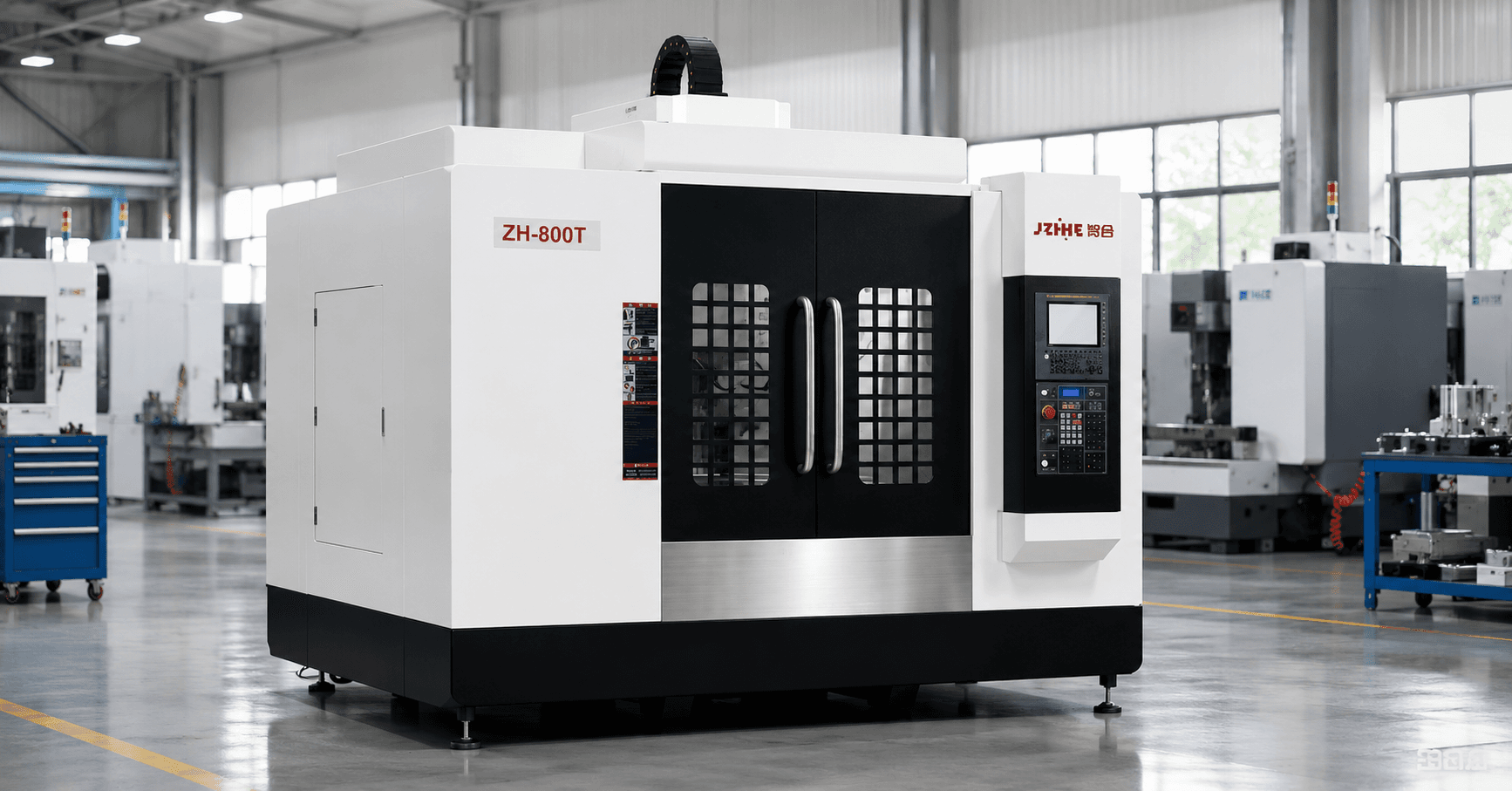
A CNC machining center distributor partnership works when the territory, product range, application capability, service model, and commercial responsibilities fit together. A logo on a website or a price list is not a channel strategy. The manufacturer and distributor need a shared view of target industries, demonstration capacity, lead ownership, technical proposals, installation, parts, warranty, training, and long-term account development.
This guide is organized as a territory business case. It helps prospective partners evaluate demand, define the operating model, identify capability gaps, and create measurable launch gates before committing inventory or market resources.
Gate 1: Prove Territory Demand With Workpiece Evidence
Map the territory by industries, part families, materials, machine population, replacement cycle, labor constraints, automation demand, financing environment, import requirements, and service geography. Do not use broad manufacturing output alone. Collect representative drawings, common machine sizes, controller preferences, expected price bands, delivery expectations, and the reasons buyers change suppliers.
A useful market map separates immediate opportunities from strategic potential. Immediate opportunities have a known project, drawing, budget process, decision team, and timing. Strategic potential may justify demonstrations, events, content, and account development, but should not be counted as near-term orders.
| Territory question | Required evidence | Launch implication |
|---|---|---|
| Which parts dominate? | Drawings, materials, envelopes, tolerances, annual volume | Prioritize machine categories and demo parts |
| Why do buyers replace machines? | Downtime, accuracy, capacity, labor, service, technology gap | Define the value proposition |
| How far are customers from service? | Travel times and industrial clusters | Plan engineers, parts, and response zones |
| Who influences the purchase? | Owners, production, engineering, maintenance, finance | Build role-specific sales tools |
| What blocks import and installation? | Compliance, logistics, utilities, language, training | Assign project ownership early |
Gate 2: Match the Product Portfolio to the Territory
Review the manufacturer's categories, model spacing, travels, spindle choices, controller options, tooling interfaces, table loads, automation readiness, delivery configuration, and application limits. A broad portfolio is useful only when the distributor can explain where each platform fits and when it does not.
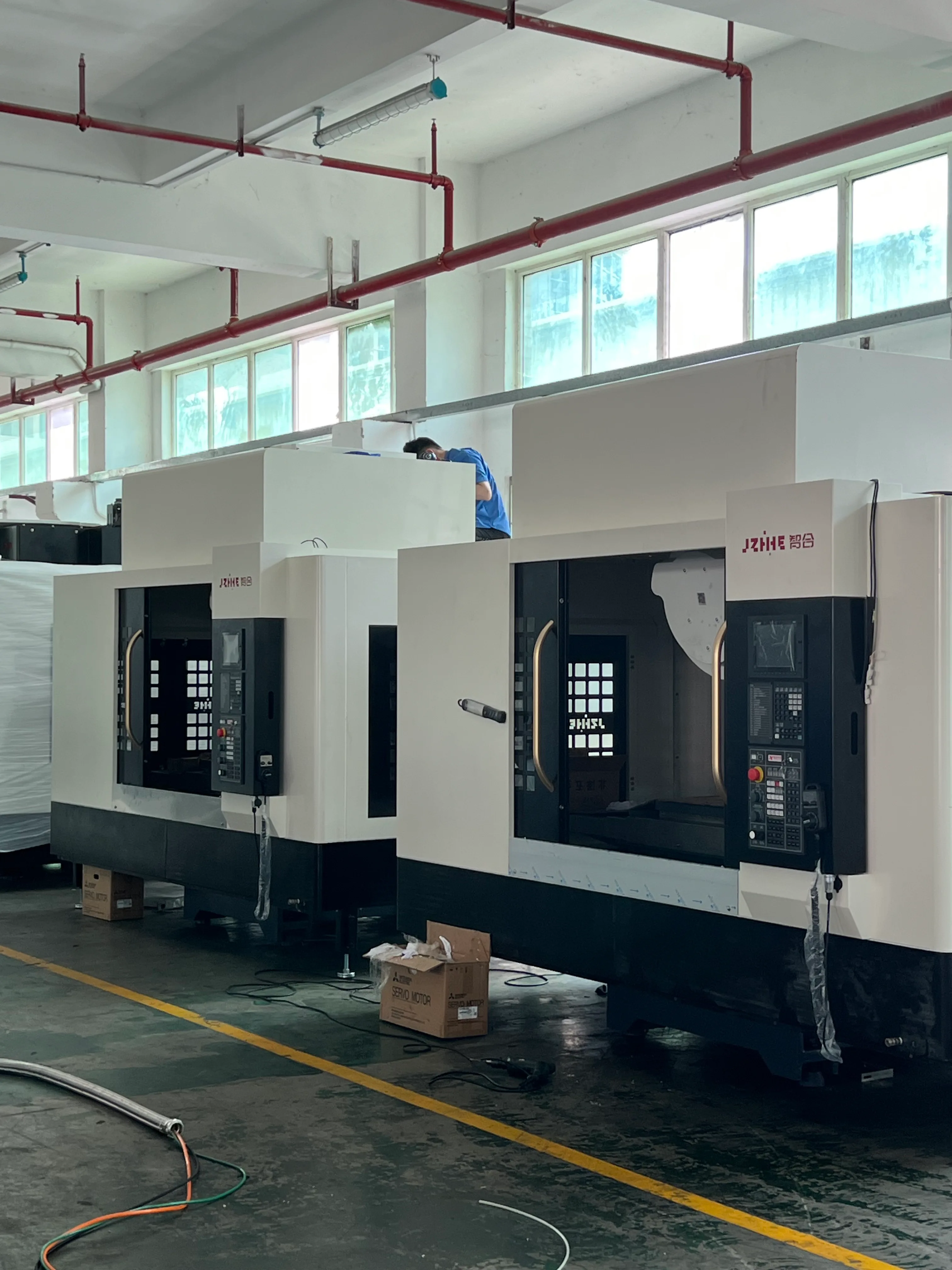
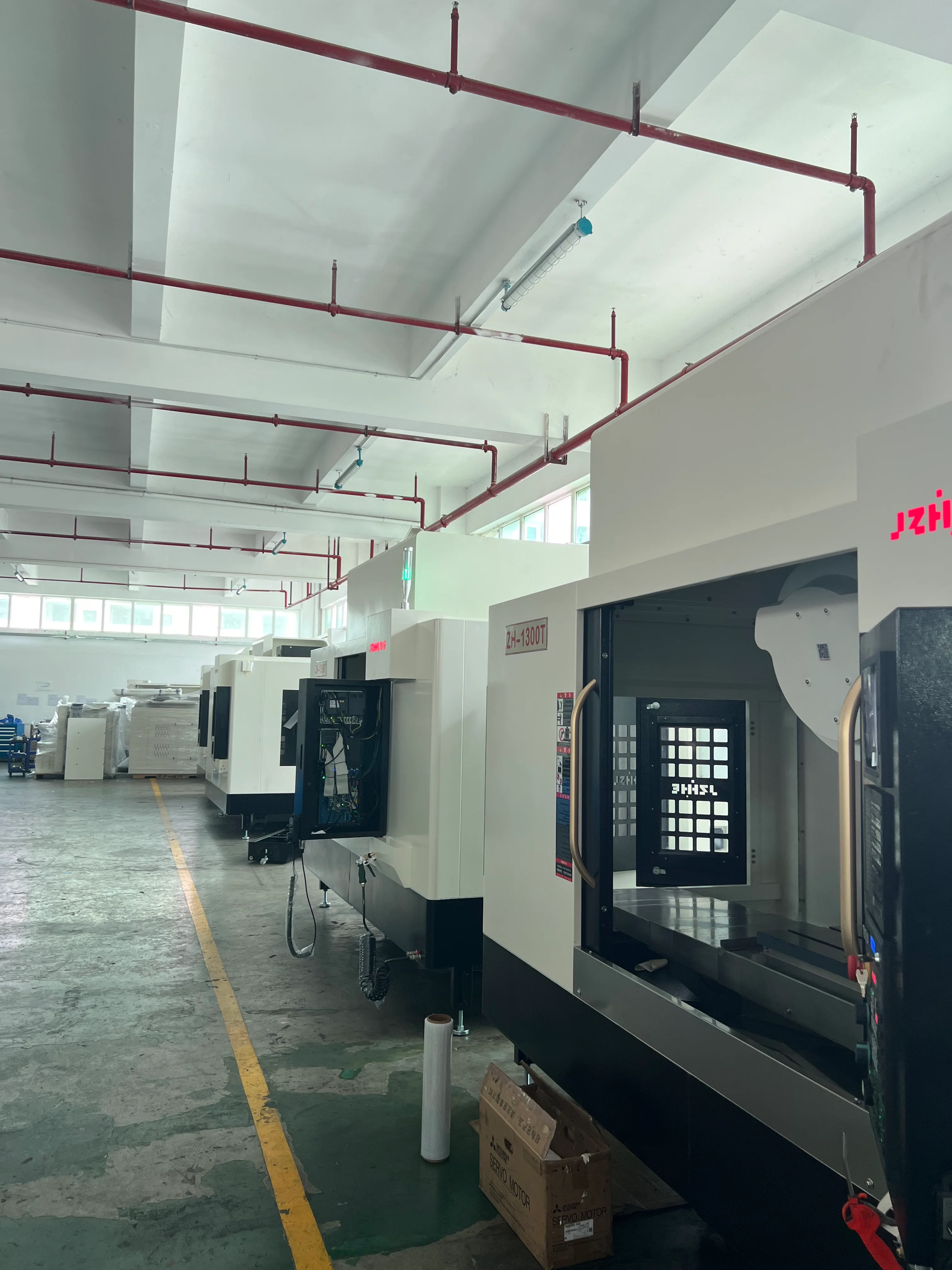
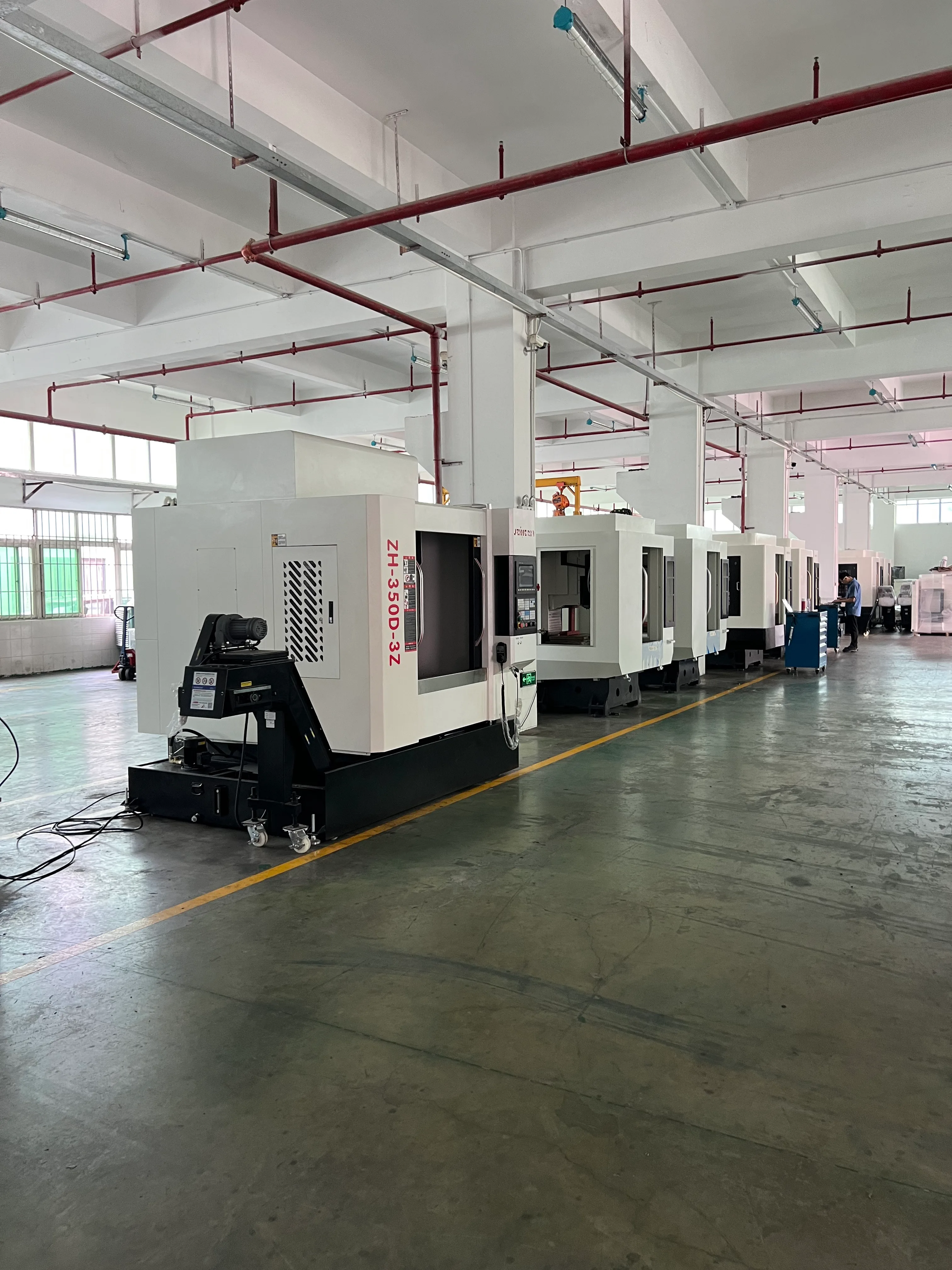
Zhihe CNC's portfolio includes vertical, horizontal, gantry, drilling and tapping, high-speed milling, and five-axis machining centers. A prospective partner can use the product overview to build a territory matrix by part envelope, material, faces, tolerance, volume, and automation need.
Gate 3: Demonstrate Application Engineering
Machine-tool distribution is an engineering sale. A CNC machining center distributor needs a defined role in drawing review, model selection, cycle estimation, fixtures, tooling, automation, quotations, trial cuts, and process-risk communication. If these tasks stay entirely with the factory, the local sales cycle may become slow and difficult to scale.
Create a standard application package: customer objective, drawing revision, material, blank, critical dimensions, surface requirements, annual volume, cycle target, fixture concept, tool list, inspection method, utilities, controller preference, and open assumptions. Use a review gate before a commercial quotation is released.
Gate 4: Build a Demonstration and Reference Plan
A demonstration machine can support trials, training, events, and customer confidence, but it also consumes capital and requires a utilization plan. Select the demo configuration from territory demand, not from the model that is easiest to obtain. Define ownership, location, insurance, maintenance, tooling, sample parts, scheduling, and resale strategy.
Gate 5: Design Installation, Warranty, and Service Coverage
Clarify who handles export documents, inland transport, unloading, placement, utilities, leveling, commissioning, acceptance, operator training, maintenance training, warranty diagnosis, field repair, and parts. Define the skills and tools required locally, which cases escalate to the factory, and how remote access will be controlled.
Service geography should be explicit. Map customer clusters, travel time, engineer availability, parts stock, customs delay, and language coverage. Set a launch requirement for training and supervised installations before the local team works independently.
Gate 6: Agree on Leads, Accounts, and Commercial Governance
Document territory, exclusivity conditions if any, protected accounts, lead registration, response time, quotation ownership, discount authority, payment terms, currency, taxes, demonstration support, marketing approvals, forecasting, order acceptance, and dispute escalation. Avoid ambiguous arrangements that reward lead claiming rather than customer development.
Use a shared opportunity record with customer need, application status, next action, owner, technical risks, commercial stage, and expected decision date. Review pipeline quality, not only total quoted value.
Use a 90-Day Partner Validation Sprint
- Days 1-30: Train the team, map target accounts, select priority models, establish application and quotation workflows, and identify service gaps.
- Days 31-60: Run joint customer visits, complete drawing reviews, produce qualified proposals, and plan a demonstration or reference activity.
- Days 61-90: Review pipeline evidence, technical response quality, customer feedback, service readiness, marketing execution, and the investment required for scale.
Possible scorecard measures include qualified drawings received, proposal turnaround, trial requests, customer meetings with technical stakeholders, demo utilization, service training completion, forecast accuracy, and closed corrective actions.
FAQ
Is exclusivity necessary at the start?
Not always. Exclusivity should be tied to defined territory investment, capability, performance, reporting, customer coverage, and review conditions rather than assumed from the first discussion.
How much inventory should a partner hold?
Base inventory on demand evidence, lead time, configuration commonality, financing, demo strategy, service parts, and resale risk. Separate demonstration assets, saleable machines, and critical spares.
Who should own application engineering?
The operating model can be shared, but responsibilities and turnaround targets must be clear. Local capability usually improves speed, while factory engineering supports complex or high-risk applications.
What should be reviewed before signing?
Review territory, products, targets, leads, accounts, pricing, payment, marketing, demonstrations, service, warranty, parts, training, compliance, reporting, term, and exit responsibilities.
Open a Structured Partnership Review
To discuss becoming a CNC machining center distributor, prepare a territory profile, target industries, current customer base, technical team, service coverage, demonstration plan, expected investment, and first-year operating assumptions. Review Zhihe CNC's manufacturing background and use the contact page to begin a capability and market-fit discussion.