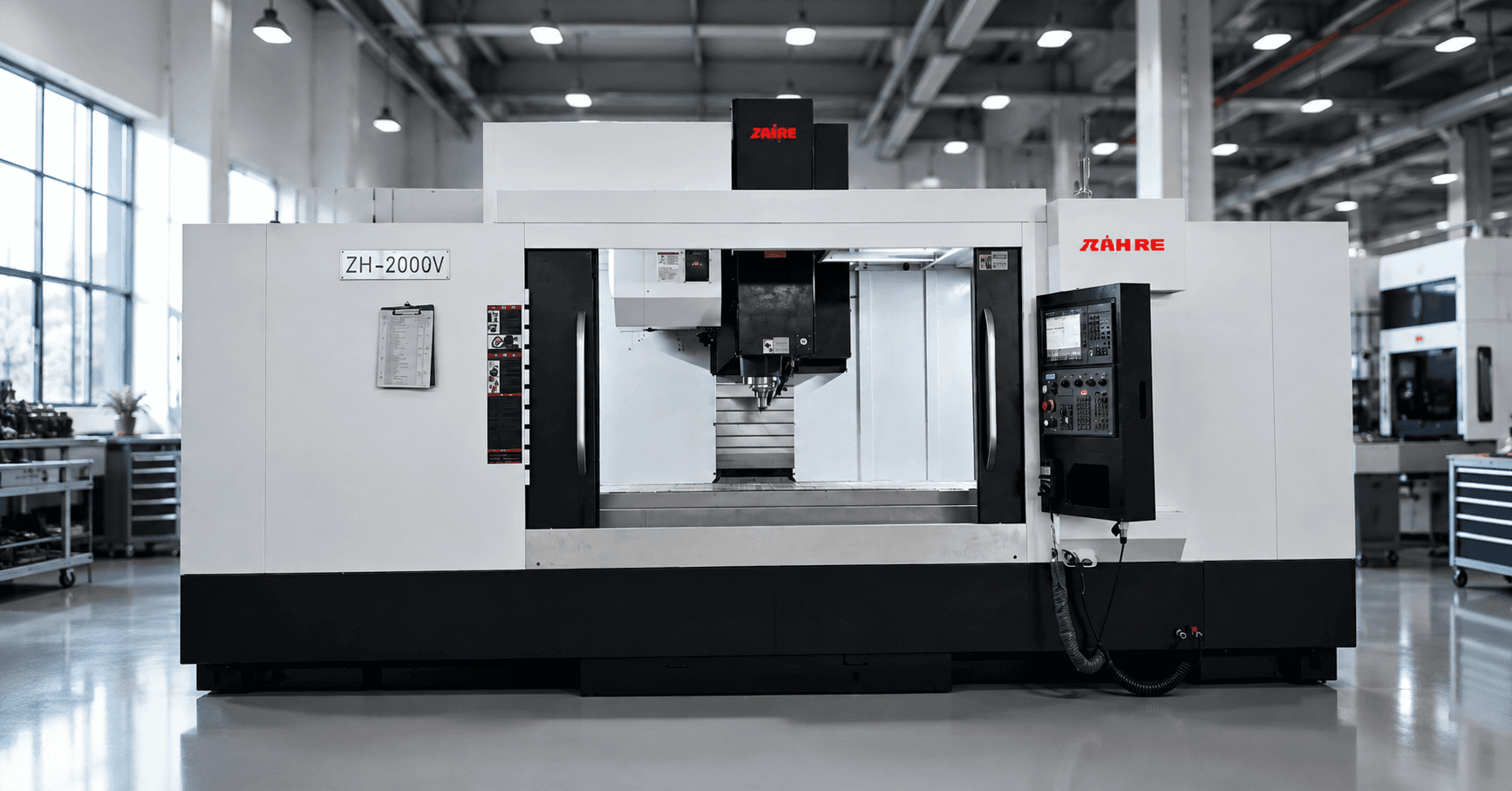
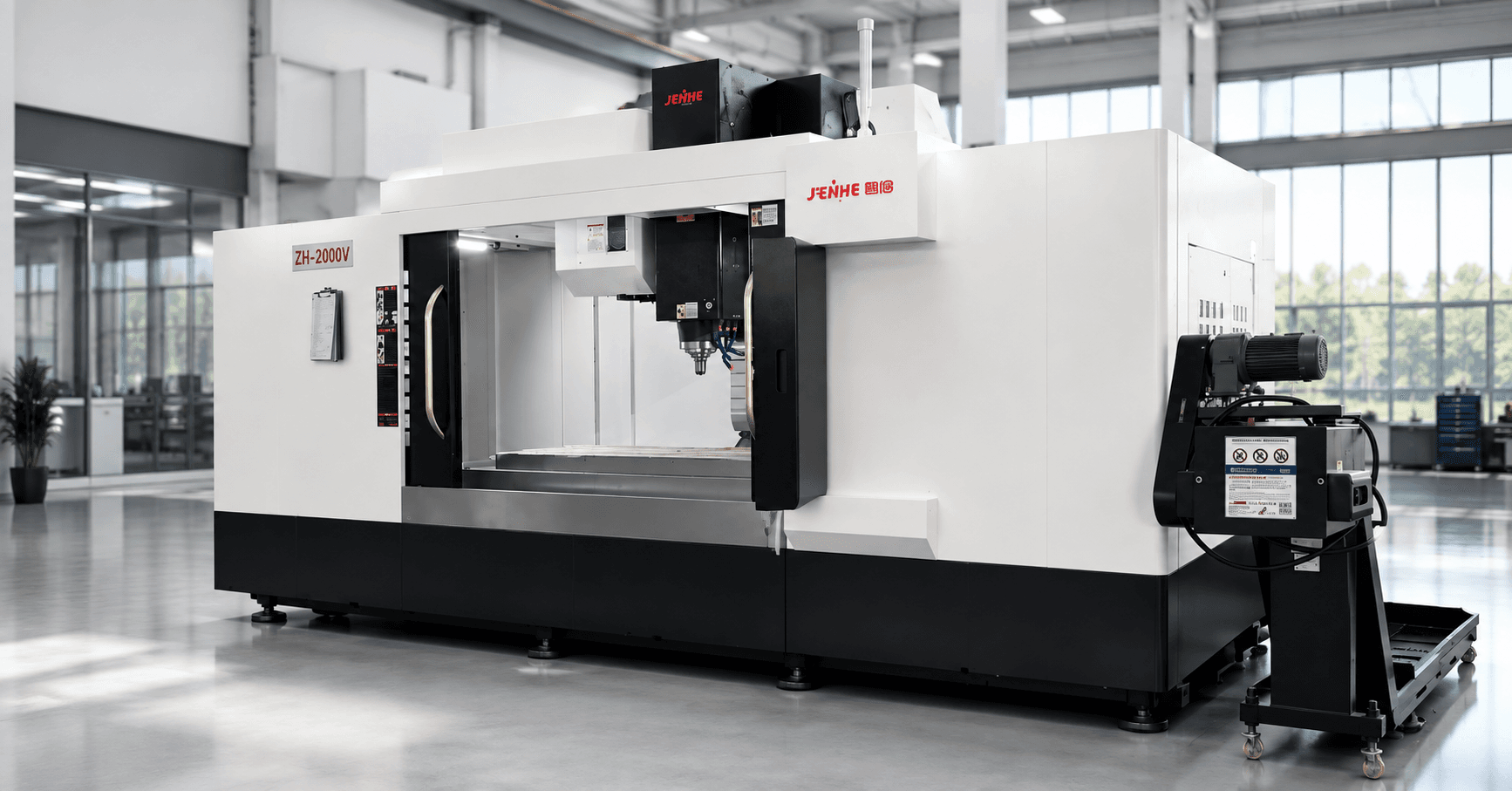
A CNC machining center factory should be audited by following one serial traveler from the customer workload to the delivered machine. The traveler connects application assumptions, released configuration, incoming components, assembly checks, calibration, trial cutting, acceptance exceptions, packing, commissioning, and field feedback.
This method is more useful than judging a workshop by cleanliness or equipment alone. It tests whether decisions remain traceable when responsibility passes between sales, engineering, purchasing, assembly, quality, logistics, and service.
Start With the Customer Requirement Sheet
Select one representative order and review the part family, material, blank and finished envelope, mass, setup route, tolerance relationships, surface requirements, annual volume, cycle target, controller preference, automation boundary, destination, and acceptance plan.
Mark every assumption that was not confirmed by a drawing, sample, calculation, or test. A well-built machine can still fail commercially when the original application boundary was vague.
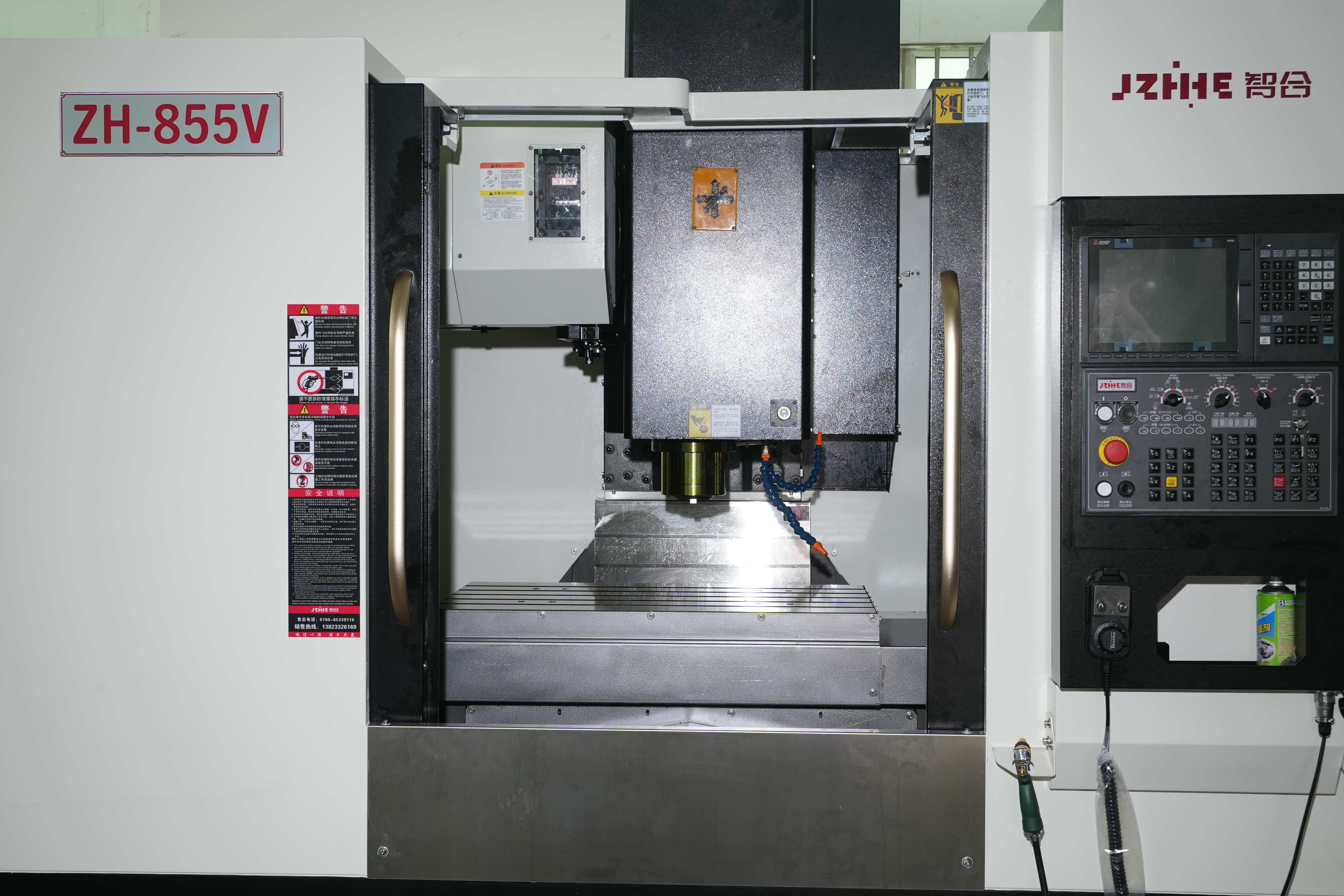
Station One Freezes the Released Configuration
Compare the requirement sheet with the approved model, travels, table, spindle package, guideway architecture, tool magazine, controller functions, coolant, chips, probing, guarding, electrical standard, documentation, and customer-specific options.
Record who approved substitutions and how their effect was evaluated. The traveler should distinguish standard scope, engineered scope, supplier options, customer-supplied items, and unresolved interfaces.
Station Two Controls Incoming Components
Choose critical castings, spindle units, bearings, ballscrews, linear guides, rotary elements, motors, drives, tool changers, pumps, sensors, and electrical devices. Review identification, supplier, specification, inspection status, storage, preservation, and nonconformance handling.
Brand labels alone do not prove suitability. The record must show that the correct component revision, interface, preload, accuracy class, protection, and application duty reached the correct serial machine.
Station Three Records Assembly Conditions
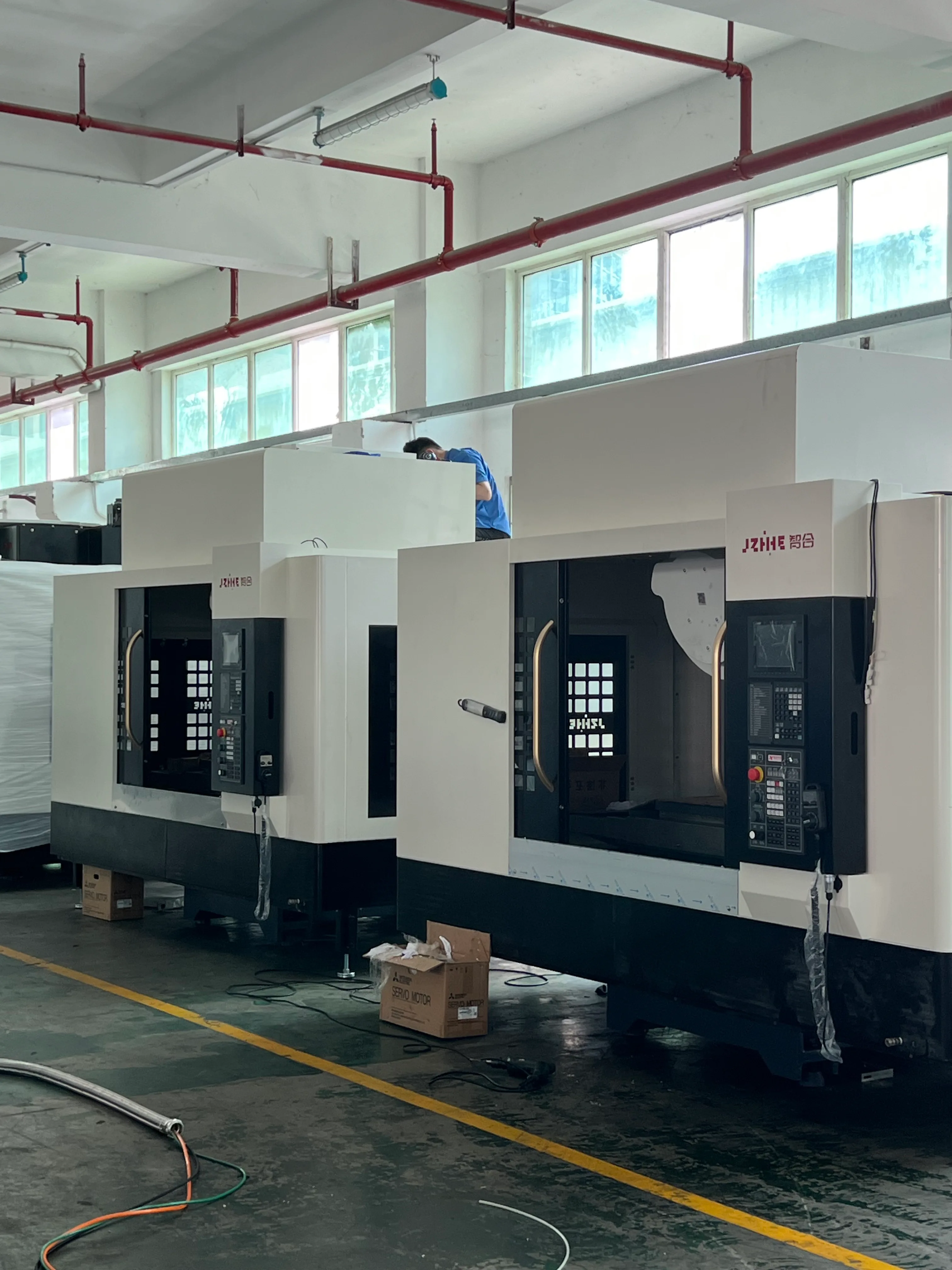
Follow foundation interfaces, casting preparation, guide installation, alignment, fastener control, lubrication, covers, cable routing, piping, enclosure, tool changer, spindle integration, and safety devices. Identify hold points and required signoffs.
Ask how the factory prevents contamination, mixed parts, uncontrolled rework, and hidden deviations. Photographs can support the traveler, but measurements, criteria, responsibility, and disposition provide stronger evidence.
| Traveler station | Evidence | Risk exposed |
|---|---|---|
| Application release | Workload and approved configuration | Wrong machine boundary |
| Incoming control | Identity and inspection status | Incorrect or damaged component |
| Assembly | Checks, hold points, deviations | Variation hidden in the build |
| Verification | Conditions, results, disposition | Unproved capability |
| Field closure | Issue, cause, action, recurrence check | Lessons not returned to production |
Station Four Builds the Geometry Baseline
Review leveling, straightness, squareness, spindle relationships, positioning, repeatability, compensation, warm-up, measurement equipment, environmental conditions, and record control. Separate factory geometry from optional customer acceptance tests.
The baseline should make later site changes diagnosable. If conditions or compensation states are missing, factory and installation results cannot be compared fairly.
Station Five Proves the Operating Loop
Verify axis motion, spindle duty, tool changing, coolant, filtration, chip removal, lubrication, alarms, interlocks, probing, communication, recovery, and the functions required by the intended program. Use production-like duration where thermal behavior matters.
Review the machining center portfolio for platform context, but keep the trial tied to the purchased configuration. A demonstration on another model does not close the serial traveler.
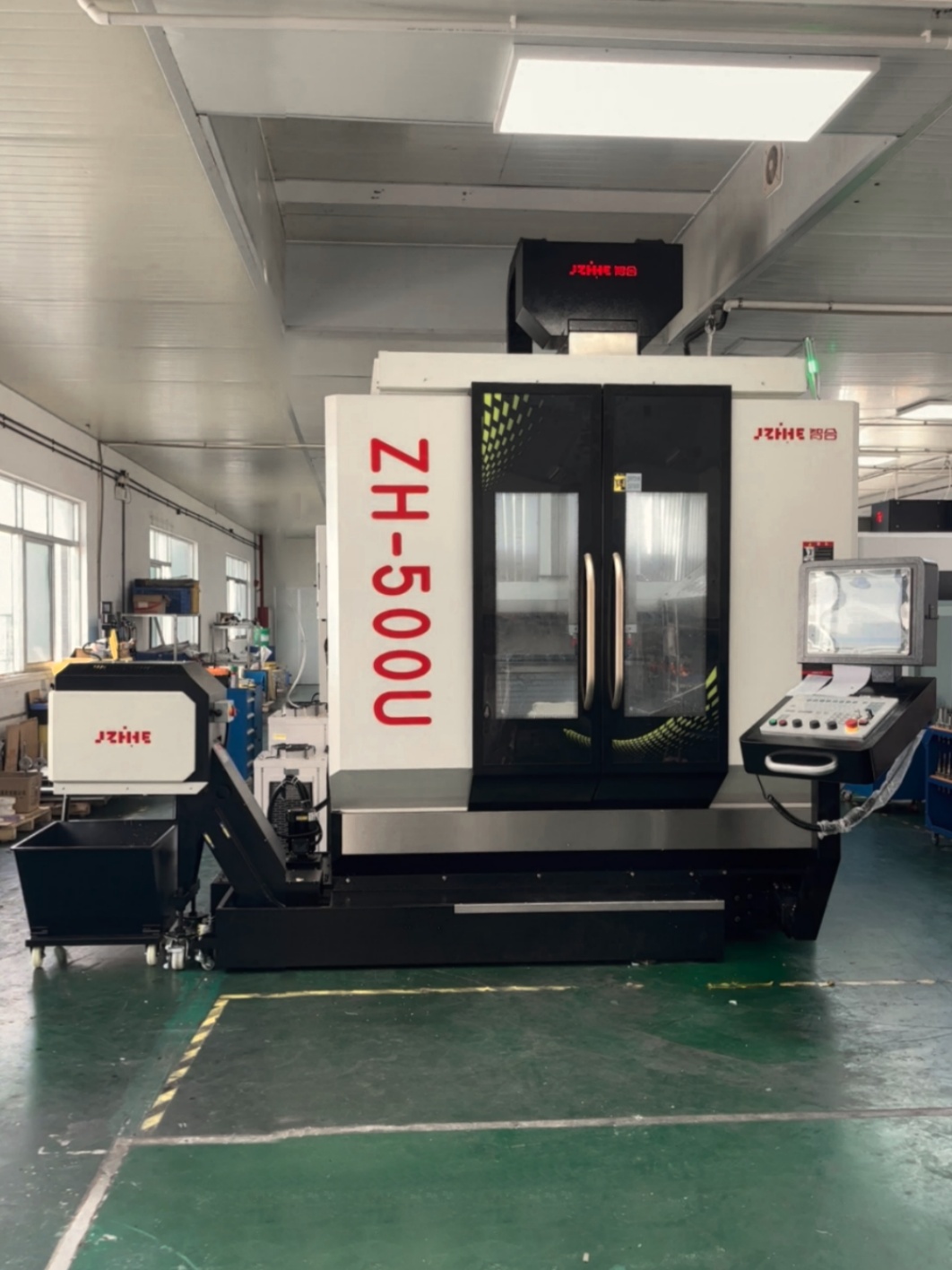
Station Six Creates an Exception Passport
List every deviation, failed check, rework, replaced component, software change, retest, concession, and open customer action. Give each item an owner, technical assessment, closure evidence, and approval state.
An exception is not automatically a defect in the final machine. The risk comes from undocumented disposition or a retest that does not address the original failure mode.
Station Seven Connects Packing to Commissioning
Check preservation, axis restraint, loose-item inventory, documents, parameter backups, software versions, shipping marks, moisture protection, lifting points, unloading, foundation, utilities, installation tools, and site responsibilities.
The traveler should survive transport. Commissioning records must identify whether a difference came from factory build, shipping, rigging, utilities, environment, setup, or production release.
Close the Loop With One Field Issue
Select a past service case and trace symptoms, serial identity, diagnostic data, containment, root cause, parts, repair, verification, customer release, and preventive action. Then confirm how the lesson changed drawings, instructions, suppliers, tests, training, or spare policy.
A CNC machining center factory becomes more credible when field evidence improves future machines. A closed ticket without recurrence control proves response, not organizational learning.
Run the Serial Traveler Audit
- Choose one model and representative customer order.
- Trace requirements into the released configuration.
- Sample critical components and assembly hold points.
- Review geometry, functions, trial cutting, and exceptions.
- Follow packing, installation, training, and acceptance records.
- Test the field-feedback loop with one completed case.
Know the Limits of a Single Audit
One traveler cannot prove every model, supplier, shift, or future build. New architectures, unusual options, demanding applications, and distant service regions may require deeper trials, references, staged acceptance, or third-party checks.
Likewise, complete paperwork does not replace technical judgment. Sample the physical machine and interview the people who created and use the records.
FAQ
What is a serial traveler?
It is the controlled record that follows one machine or order through requirements, configuration, components, assembly, tests, exceptions, delivery, and service.
Should buyers see every factory document?
No. Agree on risk-based evidence that verifies critical requirements while respecting confidentiality and document control.
Can a remote audit work?
Yes, when live walkthroughs, serial-specific records, interviews, measurements, and follow-up evidence are available.
What should trigger a deeper audit?
New designs, custom options, tight acceptance, heavy duty, automation interfaces, previous issues, or limited local service justify more depth.
Request a Serial Traveler Review
To evaluate a CNC machining center factory, send the part family, material, envelope, fixtures, spindle duty, tools, output target, acceptance needs, destination, utilities, training, and service region. Use the contact page to define the audit scope and review the company overview before the walkthrough.