The delivery file should also list approved seasonal materials, fixture cleaning photos or records, spare-tool codes, filter and coolant service points, gauge storage, lifting aids, training status, last review and next review. The list is short by design: it gives production a visible answer when a dusty, wet or urgent job arrives and makes escalation faster than improvisation.
Keep a signed copy of the released seasonal route, the rejected assumptions and the date for the next review. This small discipline prevents a harvest deadline from turning an unverified machine condition into the new normal.
Before release, ask five questions: which stock variations are inside range, how is dust and wet residue controlled, who owns fixture cleaning, which features release the next operation, and what restarts a held component? Record answers against part and season. Zhihe CNC can then compare the buyer's real workload with the proposed machine while keeping a clear boundary around conditions not tested.
For quotation, ask the supplier to separate base machine, fixture, tools, probing, chip and coolant systems, cleaning, training, spares, installation and service. Send a mixed seasonal workload instead of one convenient sample. Compare setup, accepted cycle, tool change, cleaning, inspection and recovery under the same conditions. The buyer should receive the controlled stock map, fixture drawing, tool list, program baseline, inspection method, maintenance card and open-assumption list. These files make a future change discussable and keep a new implement from being treated as the same job by habit.
At handoff, archive the seasonal condition, blank and lot, fixture cleaning, tool assemblies, program revision, offsets, inspection, accepted quantity and open limits. Include a short operator card for dust, wet-work, chip and restart triggers. This makes the CNC machining center for agricultural parts route repeatable after a field-season rush and keeps the buyer from confusing a temporary workaround with a released process.
Review the file before the next planting or harvest cycle. Confirm filters, coolant, way protection, locating components, gauges, spare tools, lifting, cleaning and training. A new implement, supplier, material, attachment, coating or outside process should reopen only the affected evidence, while the previous baseline remains available for comparison.
Run a Four-Season Verification on the CNC Machining Center for Agricultural Parts
Use four declared operating conditions rather than one clean sample: a dry casting or billet route, a dusty field-season route, a wet or recently washed route, and a repeat order with a different approved material lot. Freeze the part revision, fixture, tool assemblies, programs, coolant, cleaning, inspection and acceptance method. The point is not to create unsafe moisture or contamination; it is to show which normal seasonal variables reopen the process.
At each condition, record stock, datum contact, tool entry, wear, chips, dust, coolant, surface, dimensions, cleaning, inspection wait and accepted quantity. Track shafts, hubs, bores and mounting faces separately because a short external feature can remain stable while an abrasive or dirty internal route changes. A CNC machining center for agricultural parts must expose the time needed to clean a fixture and protect a measurement result.
After the four runs, compare what is common and what is conditional. A tool-life rule may differ by casting lot. A fixture cleanout may be required after every wet job. A warm-up or inspection check may be mandatory before the next batch. Write each rule with an owner, trigger, evidence and return-to-run condition. Preserve failed or held work rather than hiding it behind a final pass.
Close the seasonal review with a spare and maintenance list: filters, way protection, coolant service, chip removal, locating components, tools, gauges and documented cleaning methods. This makes the CNC machining center for agricultural parts decision useful across the production calendar instead of only during a factory visit.
Follow the Dust Line
CNC machining center for agricultural parts should be evaluated through seasonal dust and field-condition route, not a catalog number. Zhihe CNC uses a buyer-facing route that connects material, blank, fixture, tools, machine state, inspection, exceptions and accepted output.
This guide is for defined component families and commercial machine selection. It does not guarantee product performance, regulatory approval, service life, cycle, yield or payback outside the declared conditions.
Map Four Seasonal Conditions
Freeze the controlled drawing, CAD revision, material, lot, stock, datums, tolerances, surfaces, quantity, due dates, inspection, outside processes, lifting, utilities and future variants. Mark unknowns with owners and dates. A machine cannot compensate for an uncontrolled input.
Freeze the Implement Dossier
| Checkpoint | Question | Evidence |
|---|---|---|
| Blank | Is stock and identity correct? | Receiving record |
| Fixture | Can the part be supported? | Contact and clamp study |
| Tool | Does the assembly reach safely? | Tool passport |
| Process | Is the revision released? | Program and traveler |
| Inspection | Can the result be reproduced? | Method and report |
Choose Datums on Uneven Castings
For CNC machining center for agricultural parts, separate the functional feature from the machine operation. State which bores, faces, holes, edges, mounting surfaces, joints or passages must relate to one another. Show which relationships remain in one setup and how transfers are re-established.
Protect Long Shafts and Hubs
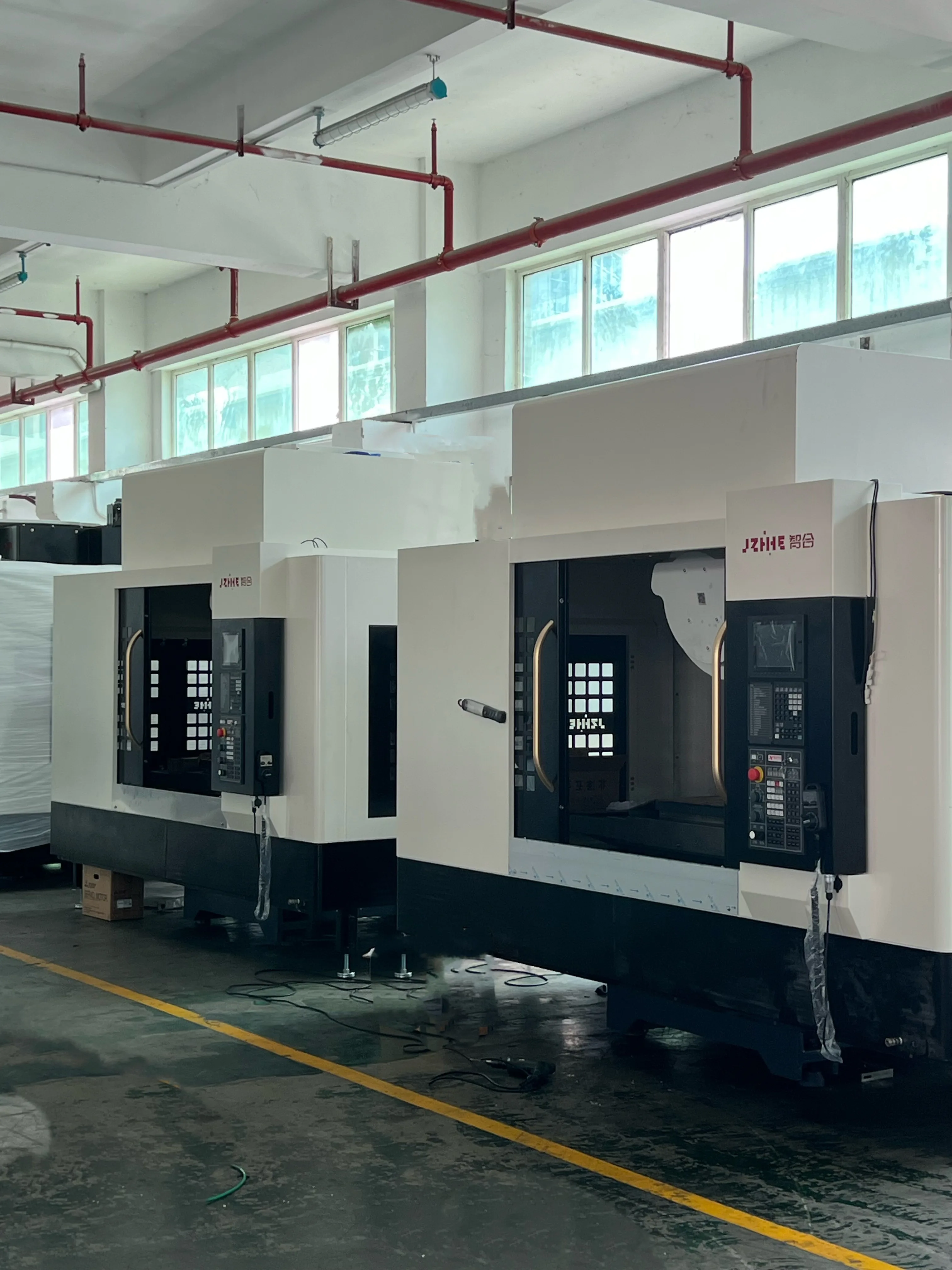
Design the Mud and Chip Exit
Map tool diameter, holder, projection, runout, balance, tool life, spindle duty, feed, engagement, coolant, chips, access, collision, probing and replacement rules. Use the longest, smallest or most interrupted production-representative assembly in the trial.
Control Tool Life by Field Condition
Build the support and cleaning route before cutting. Include loading, lifting, locators, clamps, support, chips, coolant, dust or residue, washdown, filtration, safe cleanout and inspection protection. Count handling and recovery as capacity, not invisible labor.
Run a Seasonal Acceptance Trial
Declare ambient range, machine temperature, warm-up, spindle duty, axis motion, fixture condition, measurement instrument, calibration, alignment, sampling, limits and report identity. The ISO 10791 series reference provides machining-centre test context; the buyer still needs a representative component trial.
Rehearse a Wet Restart
Use a controlled exception: a tool-life trigger, inspection hold, planned interruption, fixture replacement, revision update or stock question. Preserve identity, completed operations, tool state, offsets, program position, measurements and affected quantity. Correct one meaningful variable at a time and verify re-entry.
Audit the Route After Harvest
Safety remains a separate gate. The ISO reference offers context, but the delivered machine, fixture, tool, blank, access, doors, interlocks, ejection, chips, coolant, maintenance and local requirements must be assessed by responsible owners.
Know the Farm-Equipment Boundary
| Loss | What to measure | Decision |
|---|---|---|
| Setup | Hands-on and waiting | Change fixture or staging |
| Tool events | Preset, change and prove | Change tool plan |
| Inspection | Queue and decision time | Add capacity |
| Recovery | Containment and restart | Rewrite procedure |
| Accepted output | Released quantity | Use for capacity |
Follow the Dust Line
Run the acceptance lot with controlled material, blank, fixture, tools, program, controller state, coolant, thermal sequence, inspection, sample, limits and retest. Report accepted output and open limitations, not only motion time. A CNC machining center for agricultural parts purchase becomes defensible when the evidence can be reproduced by another shift.
Map Four Seasonal Conditions
Audit the first 30 days by feature and lot. Review stock, tool wear, surface, dimensions, chips, cleaning, inspection, nonconformance, rework, scrap, maintenance, recovery and accepted quantity. Reopen affected evidence after changes to part, material, fixture, tool, software, inspection, site or maintenance.
Freeze the Implement Dossier
Close the file with a responsibility matrix: engineering owns released process logic, production owns flow, quality owns measurement and disposition, maintenance owns restoration, and management resolves capacity conflicts. Actual names may vary, but ownership must be visible.
Know the Farm-Equipment Boundary
Zhihe CNC recommends keeping both successful and failed evidence. A corrected trial can demonstrate process maturity when the original condition, response and retest remain traceable. Do not widen a claim from one material, tool, operator, fixture, shift or site without a new review. The machine decision should state what was demonstrated, what is conditional, what remains open and which files must be reopened after change.
FAQ
What should be frozen first?
Freeze the controlled part, material, stock, datums, fixture, tools, program, inspection and acceptance conditions.
Does one successful part prove production?
No. Repeated loading, representative variation, inspection and recovery evidence are required.
Why include handling and cleaning?
They consume time and can affect safety, quality, contamination and accepted output.
What belongs in a tool passport?
Record assembly, holder, projection, runout, pocket, life state, replacement rule and affected features.
How should an exception be managed?
Preserve identity and state, contain affected work, assign an owner, correct one variable and retest.
Can machine positioning data prove part function?
No. It is machine evidence under declared conditions; the complete product process still matters.
When should evidence reopen?
After relevant part, material, fixture, tool, program, software, inspection, site or maintenance changes.
What should a supplier disclose?
Configuration, options, tested conditions, limitations, interfaces, service route, backups and acceptance evidence.
How should capacity be measured?
Include setup, proving, cutting, tools, chips, inspection, rework, scrap, maintenance, recovery and released quantity.
What should buyers send Zhihe CNC?
Send controlled drawings, CAD, materials, blanks, datums, fixtures, tools, volumes, inspection and known failure modes.
Build the seasonal dust and field-condition route With Zhihe CNC
To evaluate CNC machining center for agricultural parts, send Zhihe CNC your controlled drawings, CAD, materials, stock, datums, fixtures, tools, volumes, inspection, site conditions and recovery expectations. Review the vertical machining center range, the Zhihe CNC profile, and the contact route define the next review.