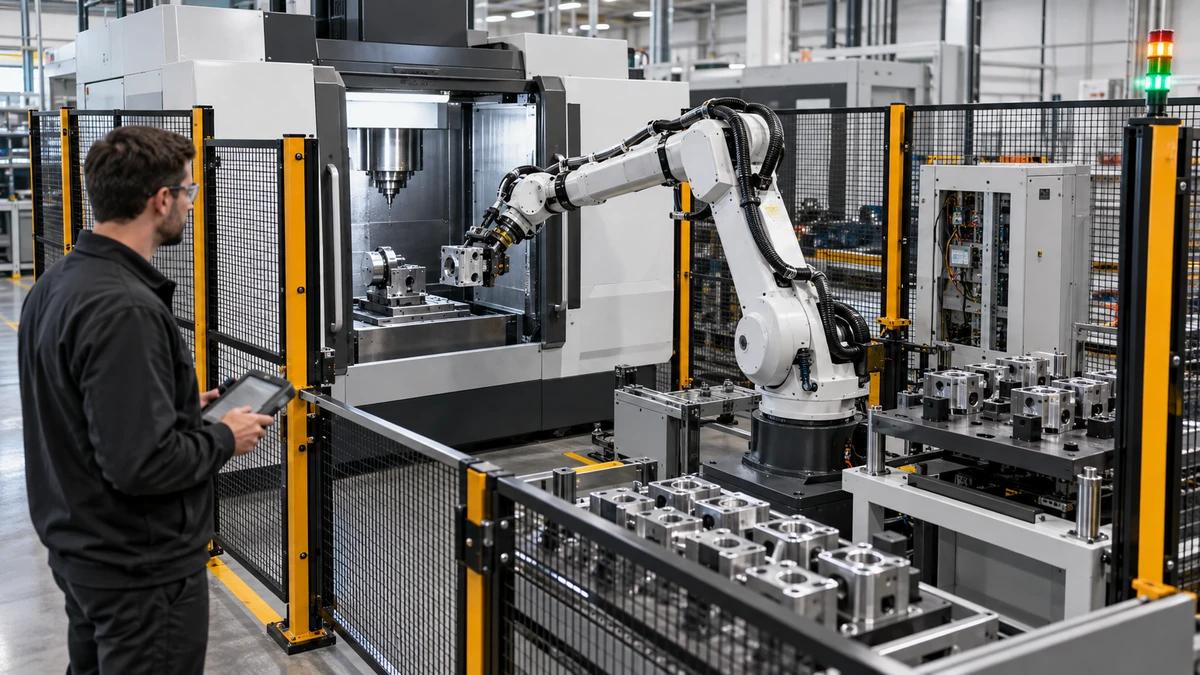
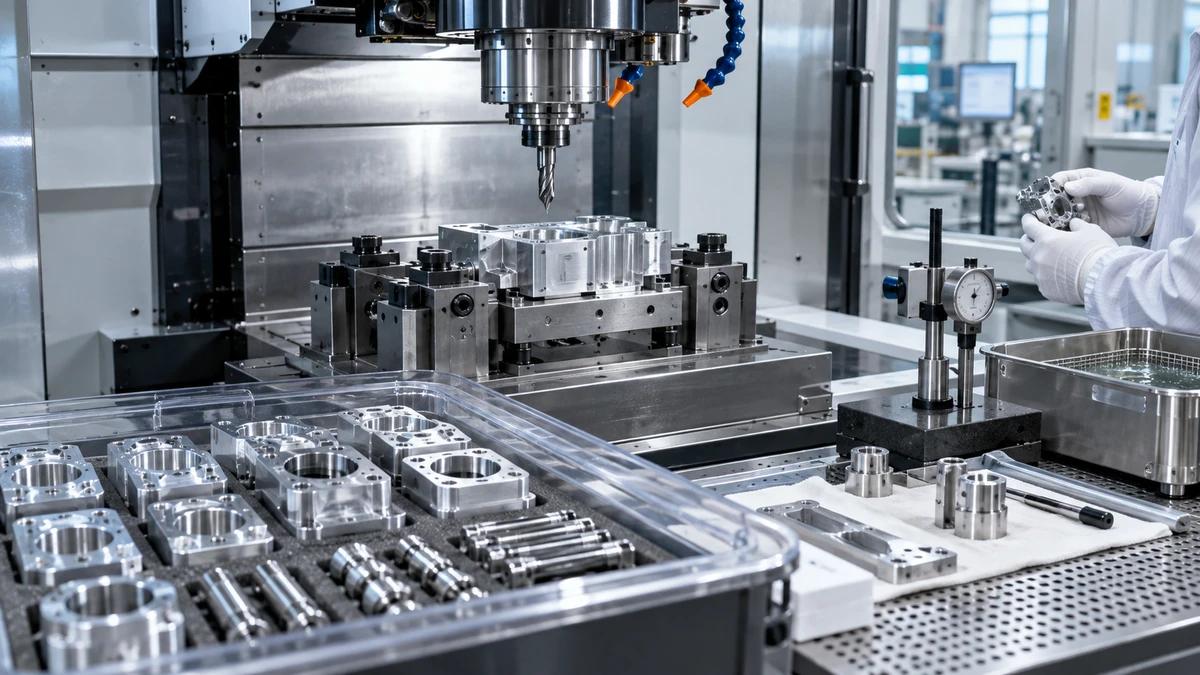
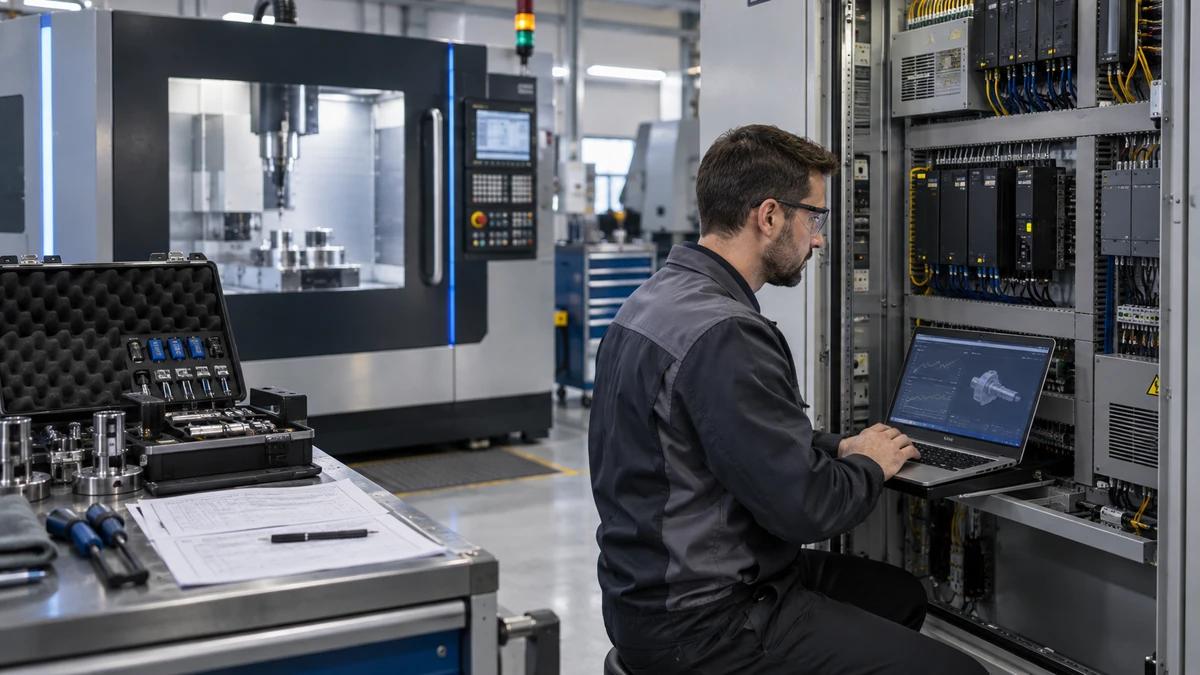
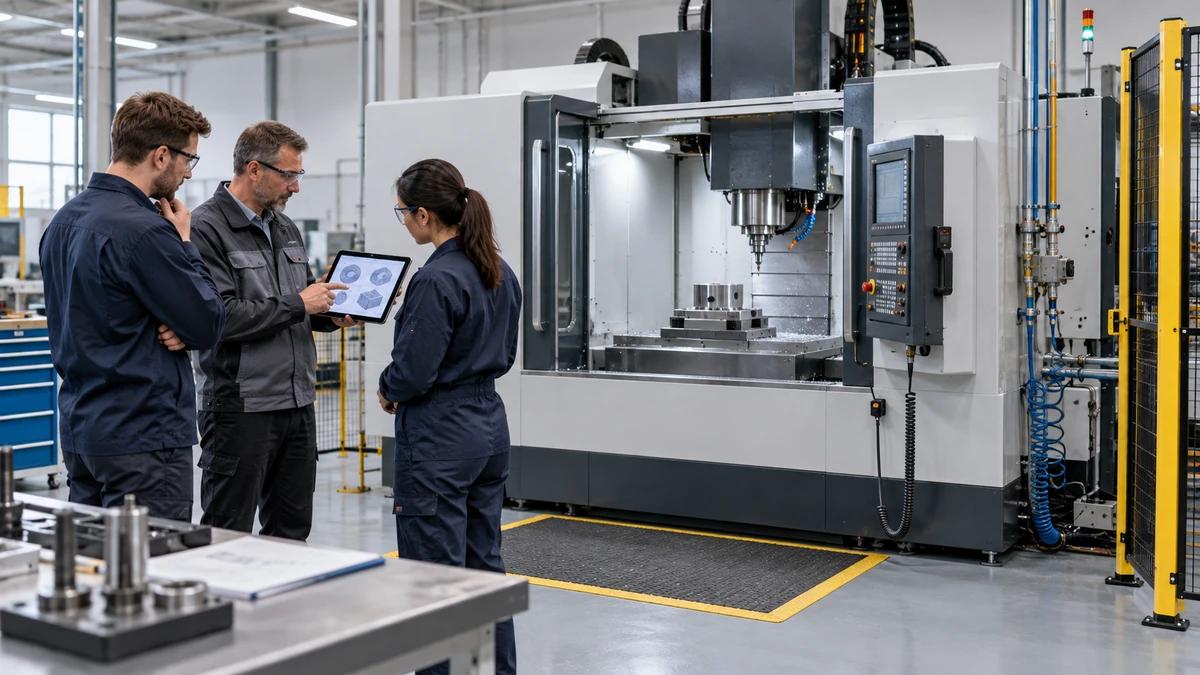
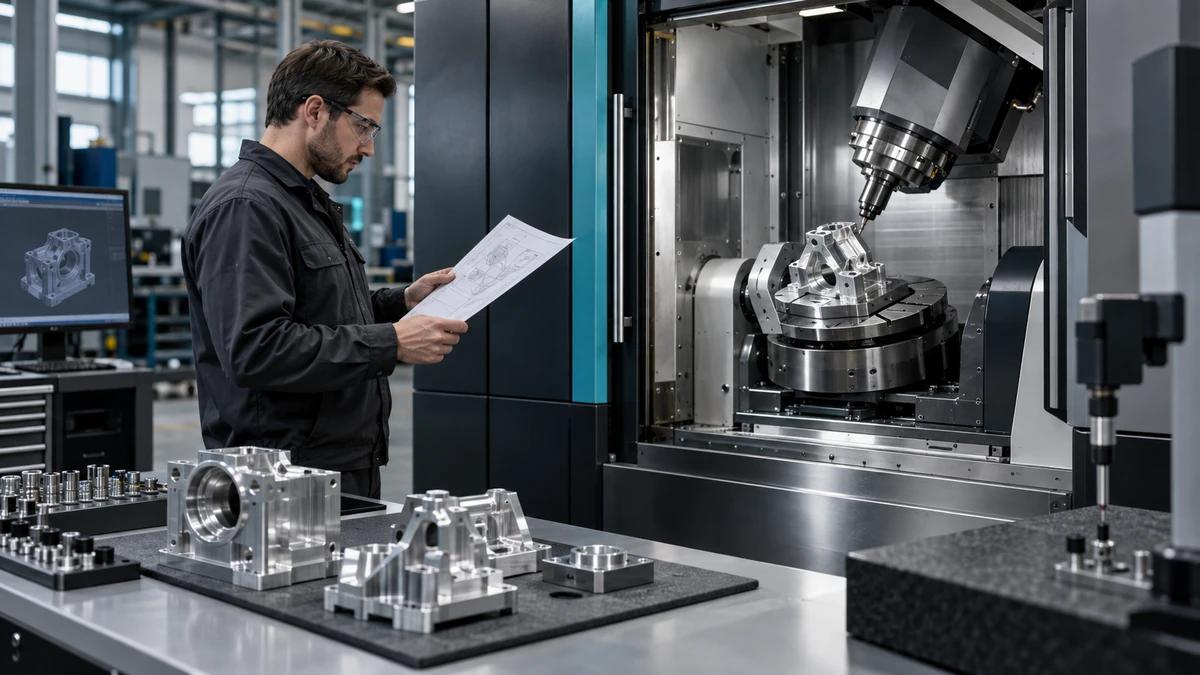
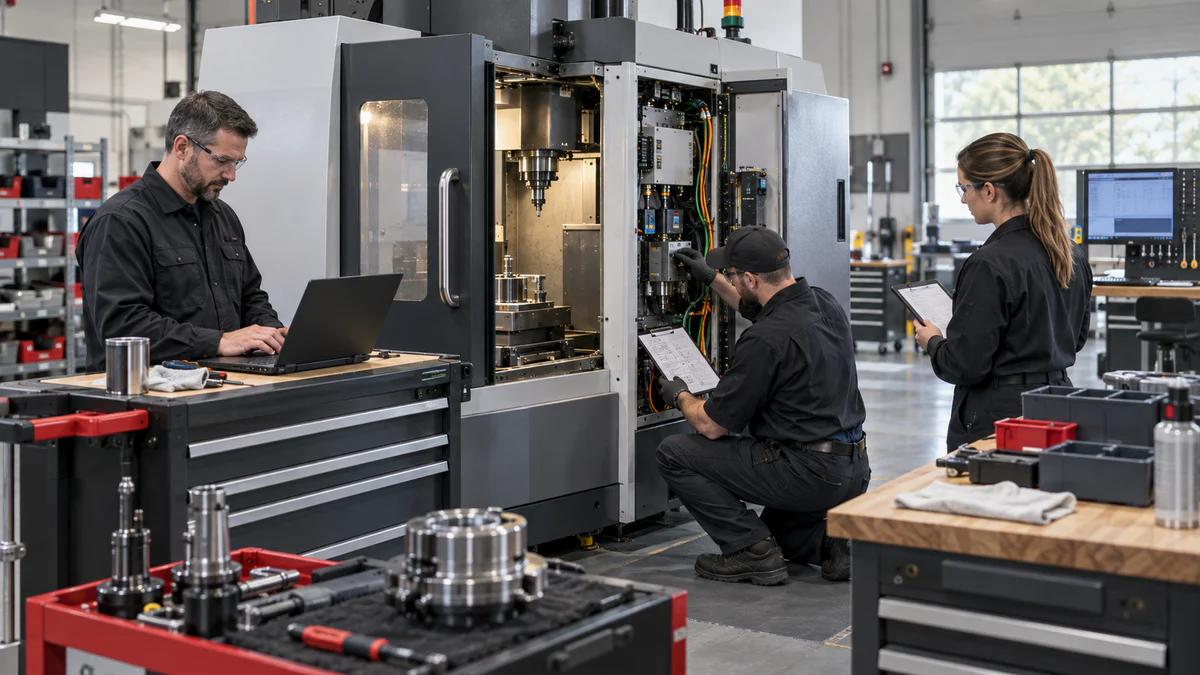
A CNC machining center for energy equipment should be selected with a lifecycle file, because a pilot component proves little about long-duty stability, large-part handling, revision control, inspection capacity, maintenance, and future replication. Zhihe CNC builds the file from part envelope to accepted output.
The approach can support defined components for power generation, transmission, renewables, process equipment, and related supply chains. It does not claim service life or regulatory conformity from machining evidence; responsible designers, manufacturers, inspectors, and asset owners retain those decisions.
File 1 — Freeze the Energy Component Envelope
Index controlled CAD and drawings, material, blank route, maximum and minimum envelope, mass, center of gravity, lifting points, datums, stock, distortion risk, critical features, surfaces, tolerances, batch size, annual demand, cycle objective, inspection, preservation, destination, utilities, and future variants.
Zhihe CNC recommends marking each unknown with an owner and due date. A missing lifting method, fixture height, tool reach, or inspection access can change machine size, travel, doors, crane interface, process sequence, and acceptance.
File 2 — Climb the Scale Staircase
| Step | Question | Evidence |
|---|---|---|
| Blank | Can it enter and be supported? | Route and load plan |
| Fixture | Can it locate without harmful distortion? | Contact and clamp study |
| Work zone | Do tools and spindle reach? | Complete clearance model |
| Motion | Can axes execute the route? | Limits and path review |
| Inspection | Can critical relationships be verified? | Method and access plan |
| Removal | Can accepted work leave safely? | Unload and preservation route |
Every stair must close before nominal travel numbers become meaningful.
File 3 — Turn Long Duty Into a Timeline
Map loading, verification, roughing, semi-finishing, rest periods, tool changes, chip clearing, probing, inspection holds, finishing, unload, and recovery. Record expected spindle and axis duty, coolant demand, tool reach, material removal, and the thermal state before critical features.
A CNC machining center for energy equipment should be evaluated across representative elapsed time. One short finishing pass cannot demonstrate behavior after hours of roughing, tool changes, temperature movement, and chip accumulation.
File 4 — Draw the Datum Inheritance Map
Identify which surfaces establish the blank, fixture, roughing, semi-finishing, finishing, and inspection states. Show how datums survive reclamping, rotation, outsourcing, heat treatment, or a long interruption. Assign verification at each handoff.
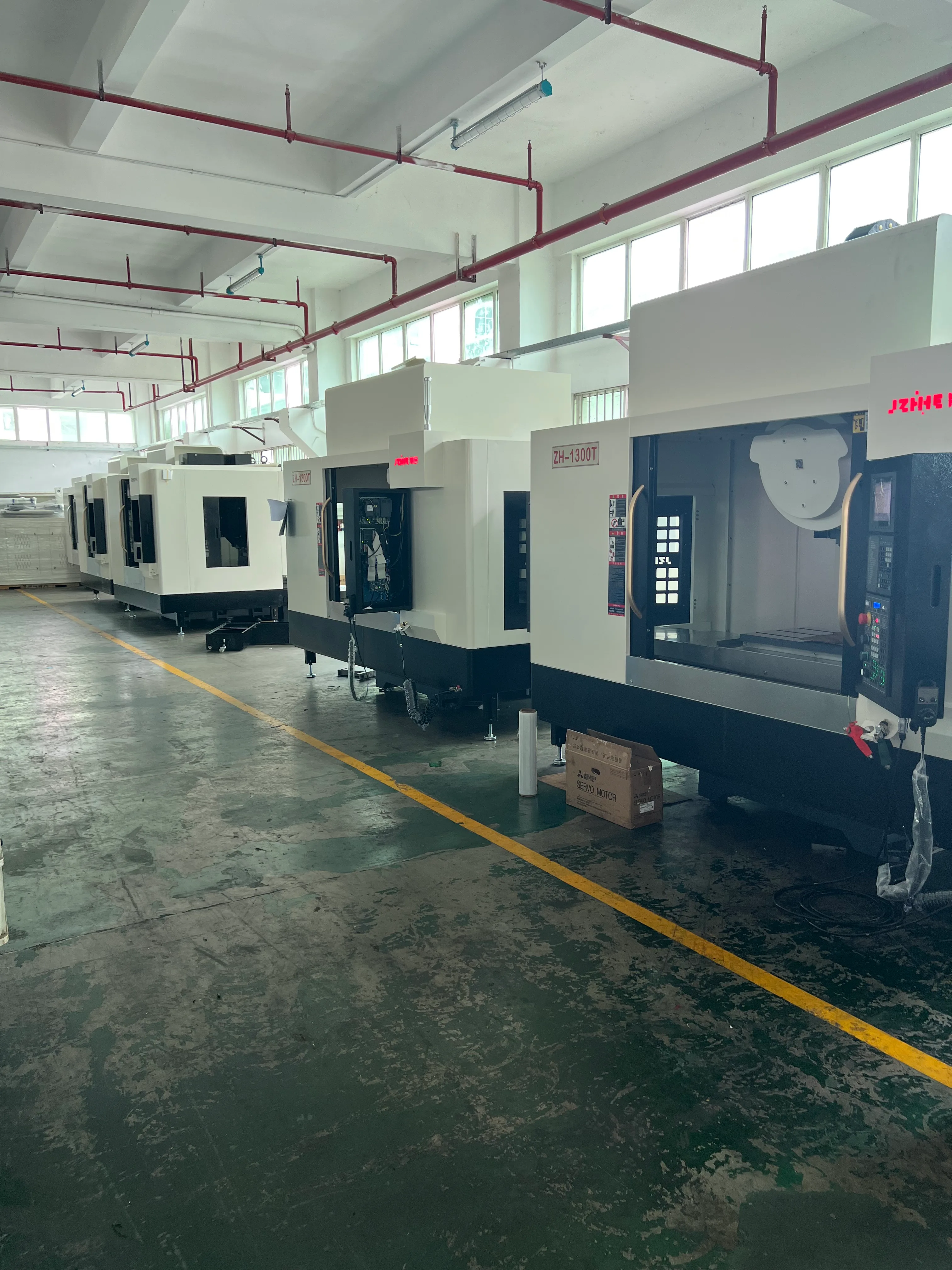
File 5 — Build the Tool-Reach Register
| Risk class | Register entry | Acceptance clue |
|---|---|---|
| Long assembly | Holder, extension, projection | Clearance and deflection evidence |
| Large cutter | Diameter, duty, balance | Load and surface trend |
| Deep feature | Access and chip route | Complete sequence observation |
| Fine feature | Runout and condition | Repeat inspection |
| Sister tool | Pocket and life transfer | Controlled replacement |
The combined register must fit the actual magazine and staging strategy rather than five isolated tool lists.
File 6 — Follow Heat Before Compensation
Declare ambient range, cold state, warm-up, spindle duty, axis motion, coolant condition, roughing duration, interruptions, tool changes, inspection timing, finishing window, and restart sequence. Place controlled checks where the part family is sensitive.
Zhihe CNC recommends diagnosing source and trend before changing compensation. A single correction cannot be assumed to cover different materials, duty cycles, seasons, foundations, fixtures, or inspection temperatures.
File 7 — Make Chips Part of the Capacity Model
Observe chip creation, cavity retention, fixture ledges, coolant direction, through-tool flow, washdown, conveyor delivery, filtration, tank service, material changeover, and safe cleanout. Include the time and access required for a large workpiece.
Chip control must work through the complete cycle. A clear enclosure at the beginning and end can hide repeated pauses, manual clearing, recutting, damaged surfaces, or contaminated measurement.
File 8 — Measure Under Declared Conditions
Record foundation, level, ambient and machine temperature, warm-up, axis state, compensation, instruments, calibration, alignment, repeats, limits, and report identity. The ISO 230-2 search reference provides positioning-test context, but every result answers only its declared conditions.
Part acceptance also needs the buyer's material, fixture, process, and inspection evidence.
File 9 — Run the Long-Duty Pilot
Freeze component, blank, material, fixture, tools, programs, controller state, coolant, thermal sequence, inspection, sample, limits, exceptions, and retest. The ISO 10791 series reference gives machining-centre test context. The pilot must include representative reach, duration, chips, datum transfer, and finishing.
Report accepted features and total production loss, not only motion time.
File 10 — Rehearse an Overnight Restart
Stop at a planned safe point inside the approved route. Preserve work identity, stock, completed operations, tool and holder state, offsets, program position, machine and thermal state, coolant, chips, measurements, open deviations, and restart authorization. Do not use an unplanned interruption to improvise acceptance.
On restart, verify the safe path and the features that reveal datum or thermal change. Keep restarted output distinguishable from uninterrupted work until quality release.
File 11 — Price Replication, Not Only the First Machine
Record machine configuration, options, software, parameters, macros, fixtures, tool assemblies, programs, postprocessor, inspection, site interfaces, utilities, installation, training, spares, maintenance, and service. State which conditions must match at a second site or future machine.
A successful pilot can be difficult to reproduce when its knowledge remains in local offsets, personal notes, undocumented fixture corrections, or unavailable inspection routines.
Audit the CNC Machining Center for Energy Equipment by Milestone
At design release, confirm envelope, interfaces, loads, datums, access, safety, and acceptance risks. At factory acceptance, verify serial configuration and representative machining. At site acceptance, recheck transport effects, level, utilities, environment, programs, tools, measurement, and training. At production release, count accepted output under intended staffing and flow.
During the first month, trend setup, tool events, thermal checks, chip clearing, inspection queue, rework, scrap, maintenance, recovery, and accepted quantity. Review the longest delay and the highest-consequence deviation separately from averages.
Zhihe CNC recommends an annual evidence review for long-lived programs. Confirm current drawings, software, backups, fixture wear, tools, inspection capability, spares, maintenance, and lessons from service. Reopen affected files after meaningful change.
The lifecycle dossier should preserve superseded decisions and why they changed. Future teams need to know which conditions supported the original result instead of inheriting an unexplained green status.
Make the CNC Machining Center for Energy Equipment Survive a Milestone Review
Hold a formal review at four times: before the pilot, after roughing, before critical finishing, and after final inspection. Use the same controlled dossier at every meeting. Record workpiece identity, stock state, completed operations, fixture condition, tool assemblies, program revision, offsets, thermal sequence, coolant, chips, measurements, exceptions, and authorization for the next milestone.
The pre-pilot meeting confirms that the component, site, machine, tooling, handling, safety, and measurement assumptions agree. The post-roughing meeting checks whether stock, distortion, tool wear, chips, and elapsed duty still support the finishing plan. The pre-finish meeting freezes the critical state. Final review reconciles accepted geometry, handling, preservation, records, and open limitations.
A CNC machining center for energy equipment should not rely on informal permission after a long interruption or surprising stock condition. If a milestone fails, preserve evidence, contain affected work, name the correction, define the retest, and update downstream timing. Do not let schedule urgency silently convert an unknown into approval.
Archive the four review packets with effective dates and decision owners. When the component returns months or years later, compare current materials, fixtures, tools, software, machine condition, inspection, and site with the original baseline. This is how the CNC machining center for energy equipment pilot becomes reusable production knowledge rather than a one-time demonstration.
State What the Lifecycle File Cannot Guarantee
The file cannot guarantee component life, asset performance, energy output, uptime, certification, cycle, yield, or payback across every design and site. A CNC machining center for energy equipment demonstrates defined manufacturing evidence under controlled conditions. New extremes require targeted engineering and validation.
FAQ
Why use a lifecycle file?
Large, long-lived components require evidence that can survive delivery, site launch, staff changes, maintenance, and replication.
What defines the component envelope?
Include dimensions, mass, center of gravity, lifting, fixtures, tools, spindle, doors, travel, chips, and inspection access.
Why test long duty?
Heat, chips, tools, interruptions, and datum behavior can differ after hours of production.
What is datum inheritance?
It is the controlled transfer of feature relationships through setups, operations, inspection, and outside processes.
Does positioning data prove the finished component?
No. It is machine evidence under stated conditions; the complete part process still matters.
What should an overnight restart preserve?
Keep identity, stock, completed work, tools, offsets, program state, heat, coolant, chips, measurements, and approval.
Why include replication in selection?
A process that depends on hidden local knowledge is difficult to reproduce on another machine or site.
When should the lifecycle file reopen?
Reopen affected sections after relevant part, blank, fixture, tool, software, site, inspection, or maintenance changes.
Does the trial prove field service life?
No. Service life also depends on design, material, assembly, operation, inspection, and maintenance.
Which dossier should Zhihe CNC receive?
Send controlled component families, envelopes, loads, materials, routes, fixtures, tools, duty, site, and inspection needs.
Open the Lifecycle File With Zhihe CNC
To evaluate a CNC machining center for energy equipment, send Zhihe CNC your controlled drawings, CAD, materials, blank route, envelope, mass, datums, fixtures, tools, long-duty sequence, volumes, site, and inspection plan. Review the gantry machining center range, the Zhihe CNC profile, and the project contact route before releasing the pilot.