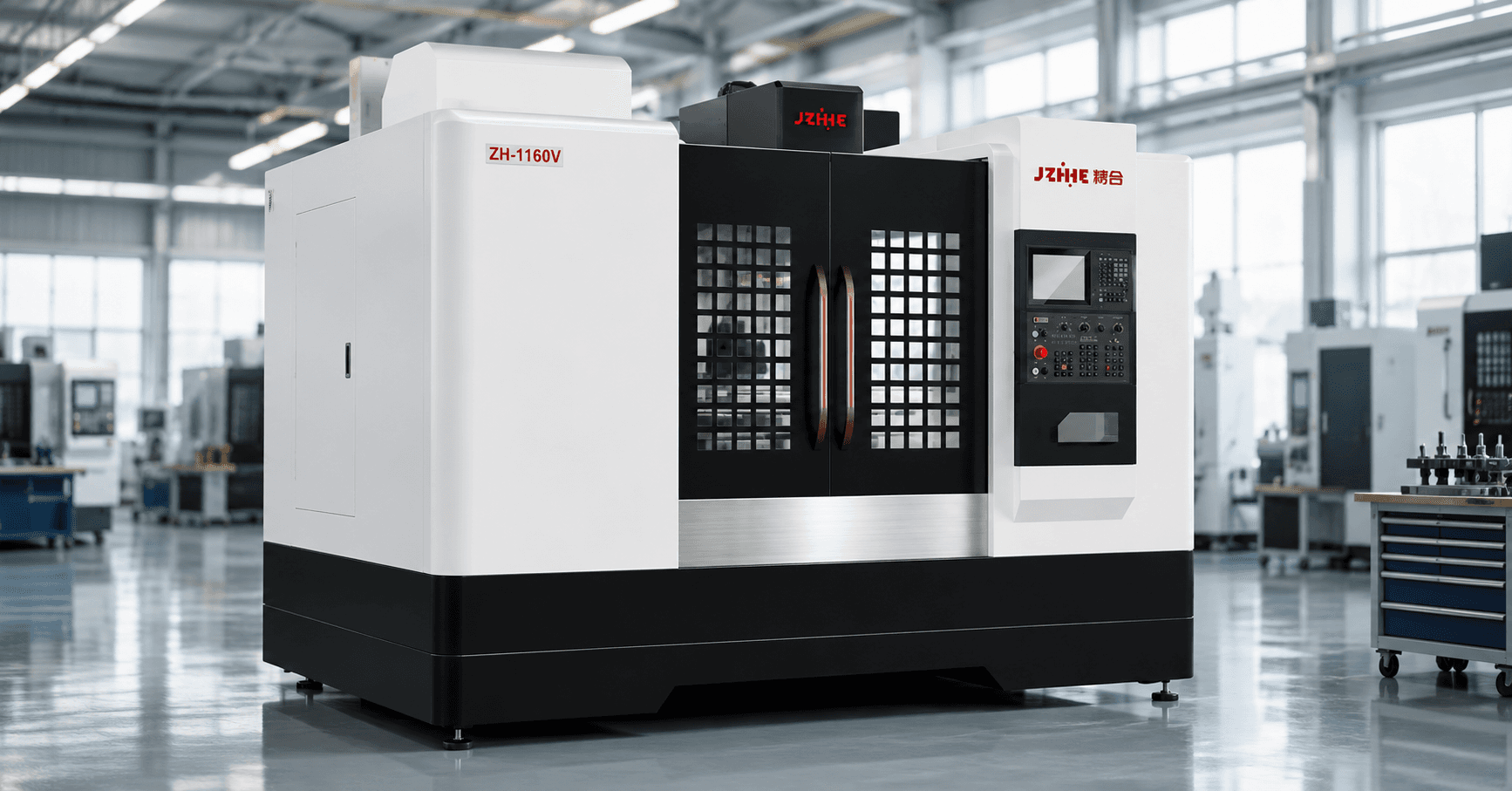
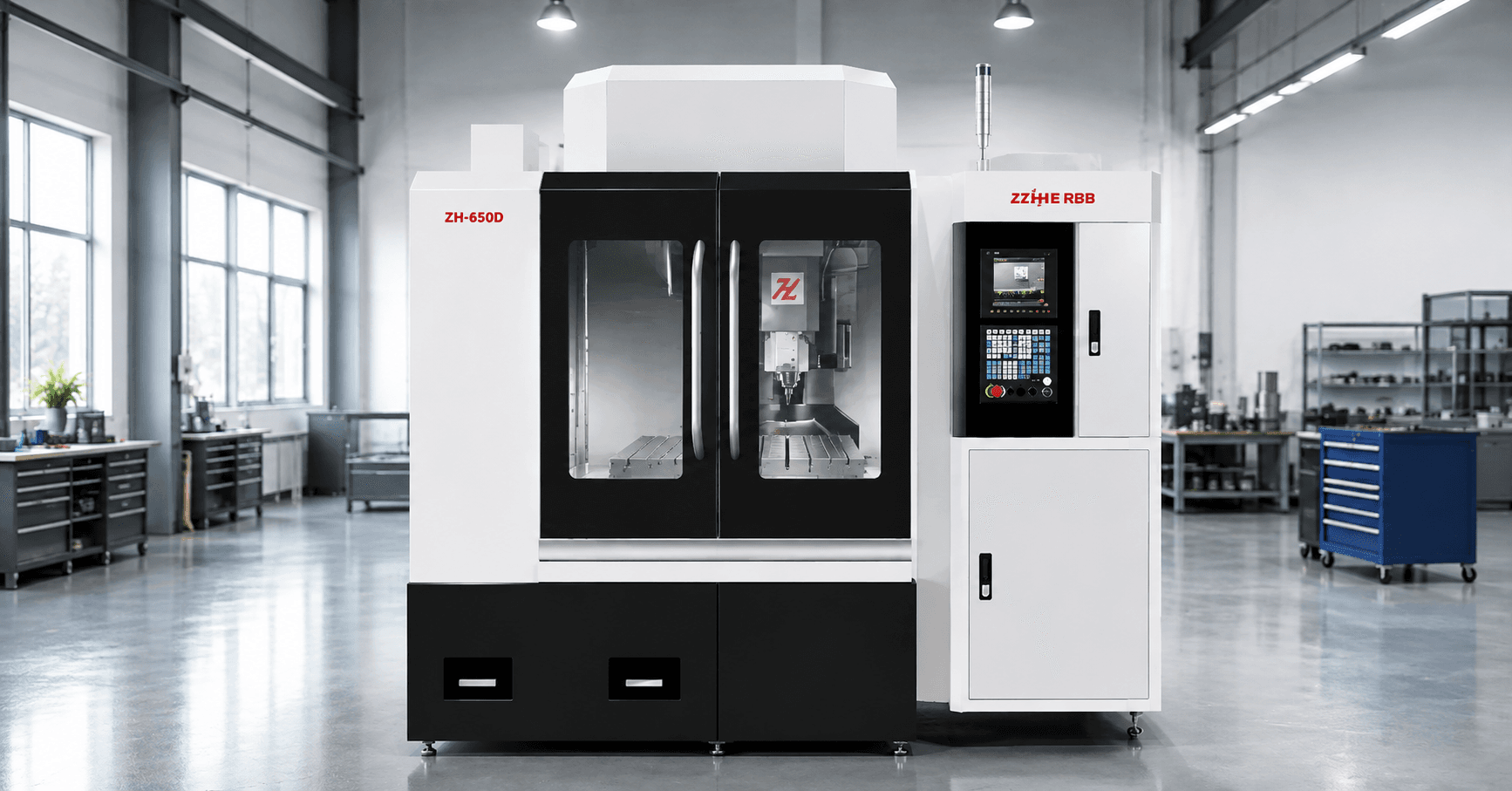
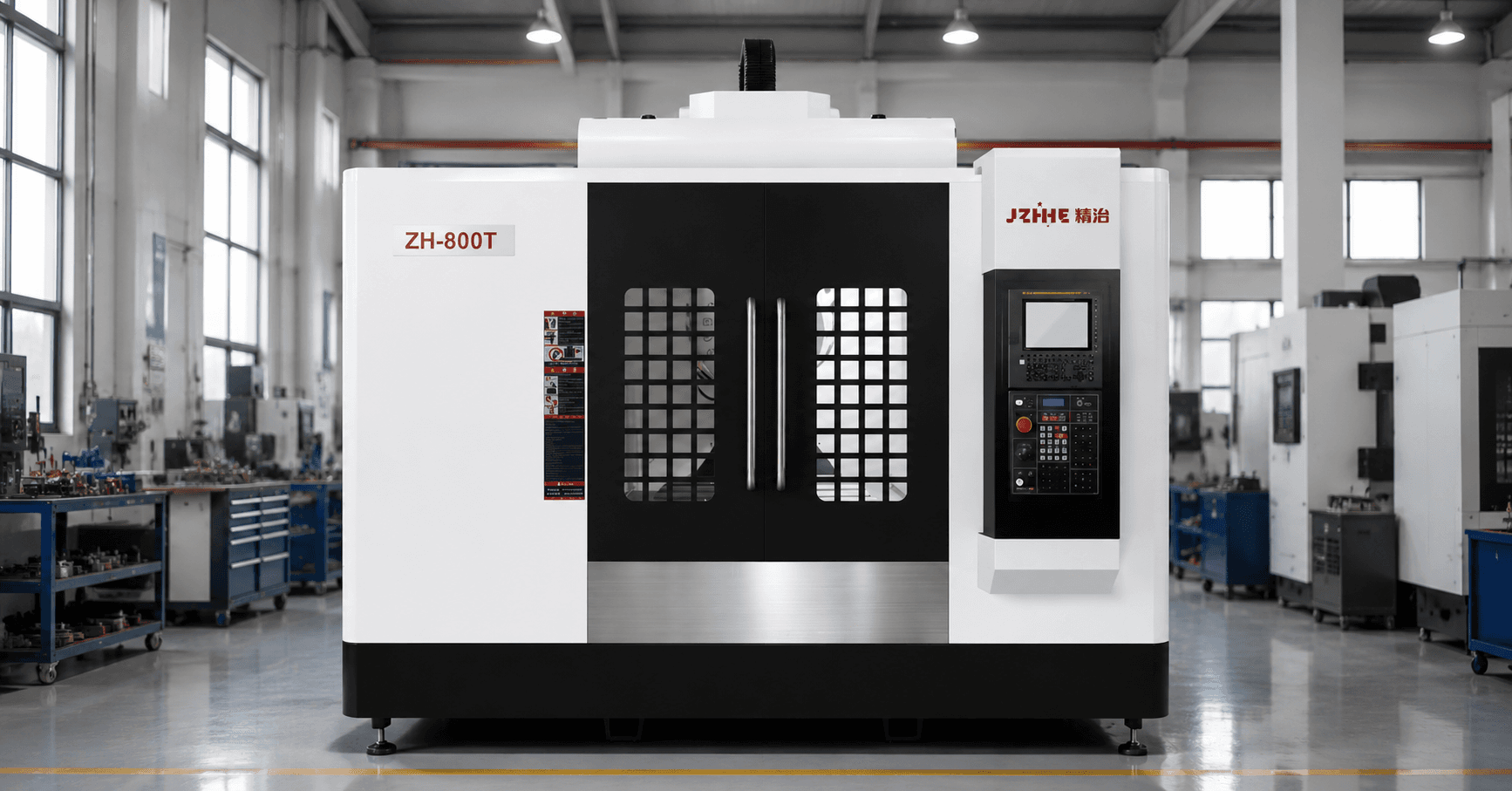
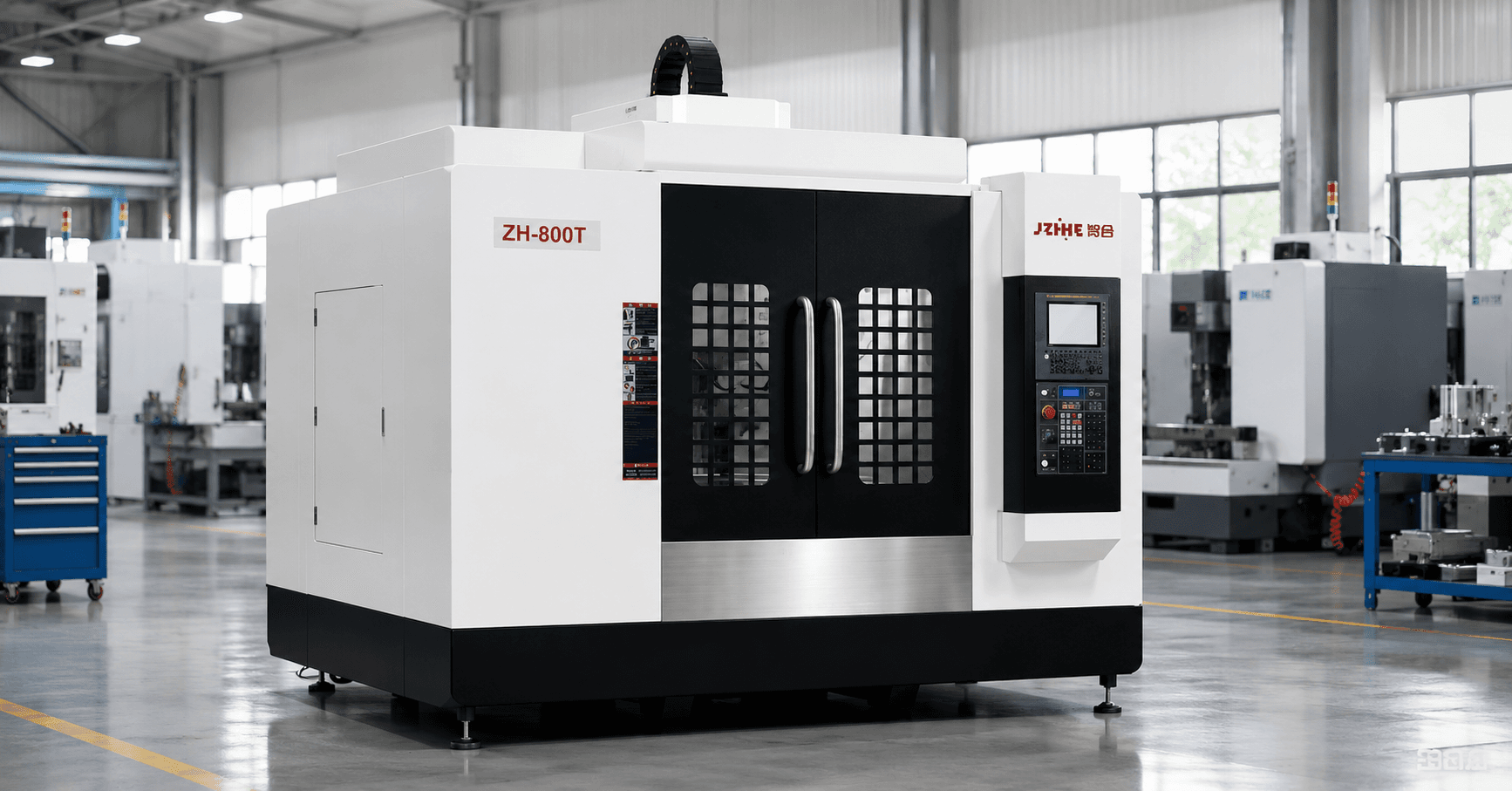
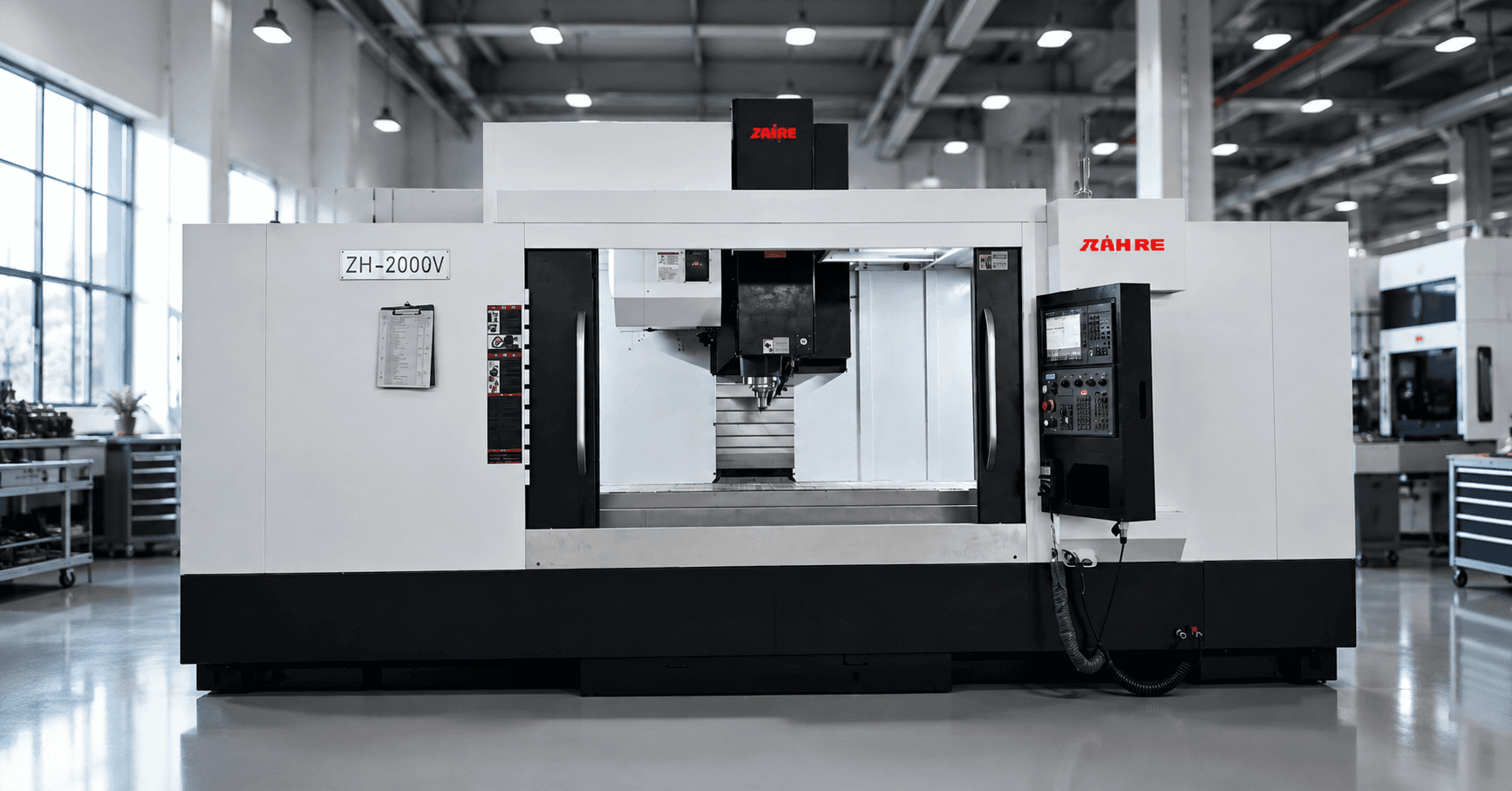
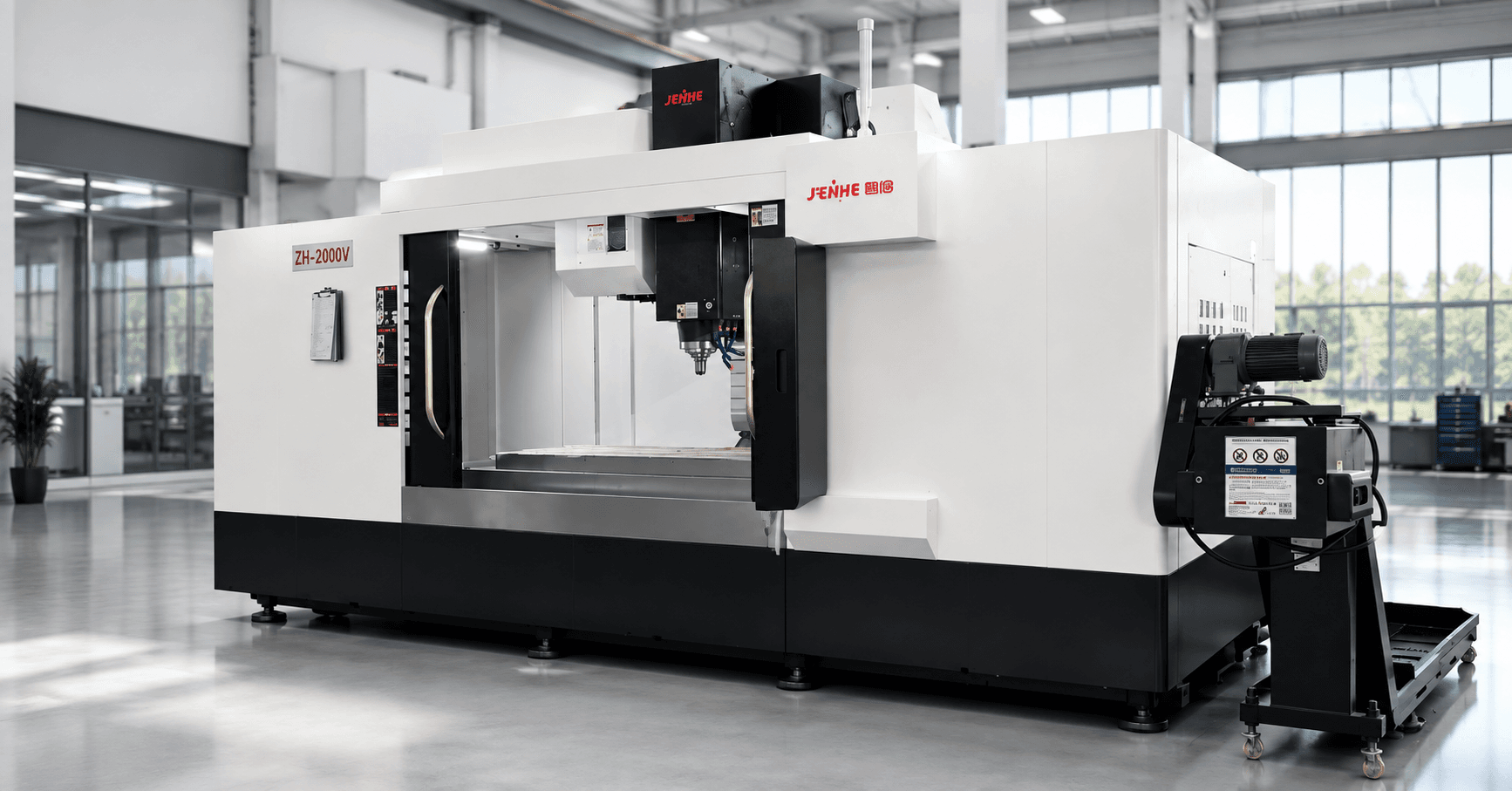
A CNC machining center for sale should be compared through an installed-cost staircase that starts with the base machine and ends with stable production recovery. Each step adds the scope required for the buyer's parts, tools, quality plan, destination, team, and service region.
This prevents a low headline price from hiding customer-supplied work and prevents a complete quotation from looking expensive only because competing offers stop at a lower stair.
Step Zero Fixes the Production Baseline
Define part families, blanks, materials, dimensions, mass, setups, features, tolerances, surfaces, annual volume, batch size, cycle expectation, inspection, automation, destination, and launch date. Use one baseline for every supplier.
Separate mandatory output from future possibilities. The staircase cannot normalize cost when suppliers are pricing different production tasks.
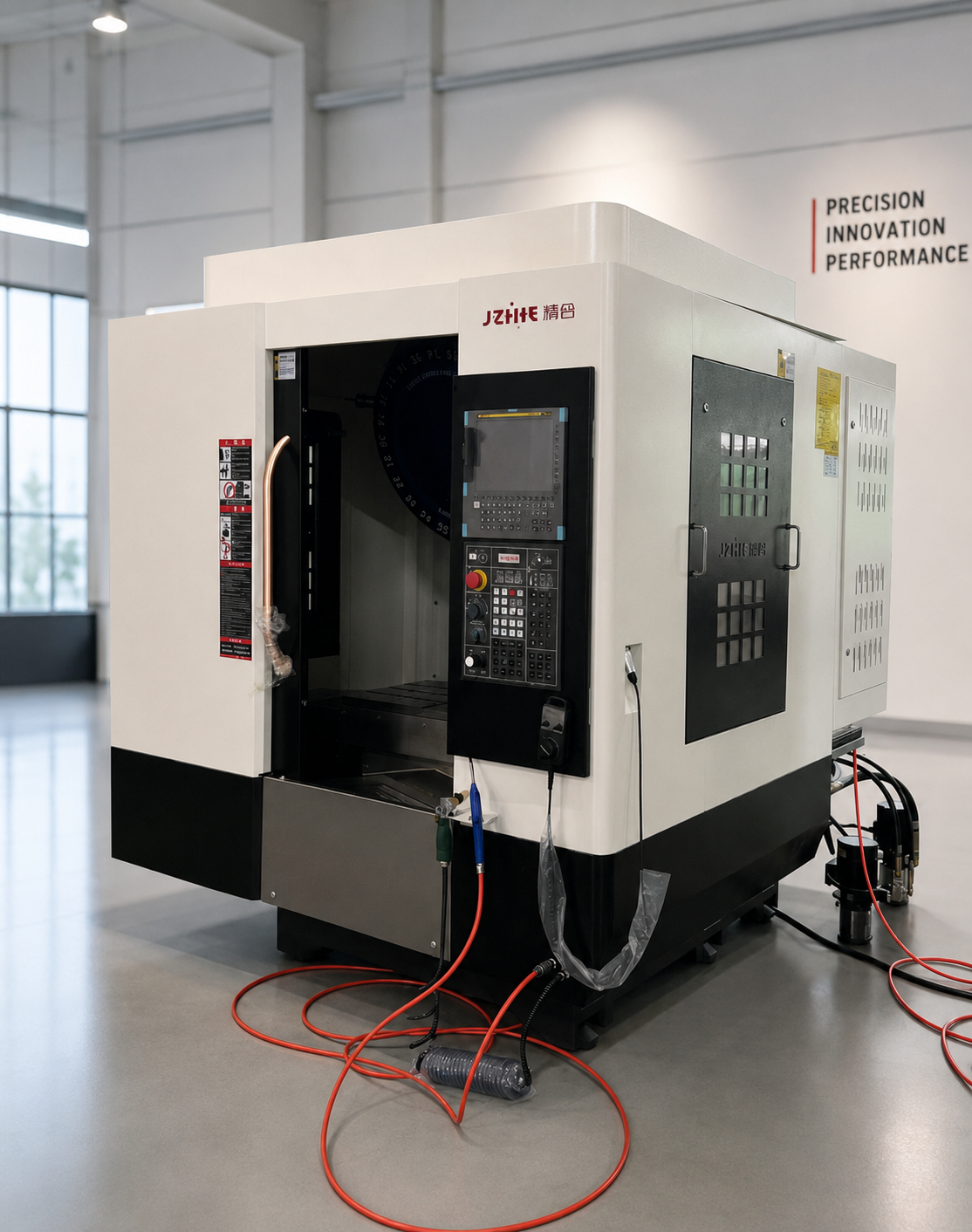
Step One Defines the Base Machine
List model, travels, table, load, spindle, guideways, tool magazine, controller, enclosure, coolant tank, lubrication, standard chip handling, electrical specification, documentation, and warranty. State the exact revision.
Record every phrase such as standard, prepared for, or optional in a scope-shadow register. These words often hide interfaces, licenses, hardware, or customer work.
Step Two Adds Application Options
Map spindle duty, through-tool coolant, filtration, probing, scales, rotary axes, tool monitoring, chip conveyor, mist control, automation signals, safety, and software to the reference workload.
An option is valuable only when it supports output, quality, recovery, or a named risk. Remove decorative capacity and identify missing essentials.
Step Three Completes the Tooling System
Price holders, pull studs, cutting tools, probes, sister tools, presetting, gauges, fixtures, clamps, subplates, lifting devices, and first replacements. Include maximum tool size and magazine restrictions.
When comparing a CNC machining center for sale, tooling cannot remain a note outside the investment case. The machine produces through this system.
| Stair | Cost scope | Proof |
|---|---|---|
| Base | Standard serial machine | Line-item configuration |
| Application | Options and interfaces | Workload link |
| Production | Tools, fixtures, coolant, chips | Complete operating loop |
| Delivery | Freight, site, commissioning | Responsibility map |
| Recovery | Training, spares, service | Launch and incident plan |
Step Four Prices the Evidence Package
Define geometry, positioning, repeatability, warm-up, compensation, trial parts, measurement tools, inspection method, sample size, documentation, factory tests, and site tests. Match evidence to feature risk.
More testing is not always better. Pay for evidence that closes an important uncertainty and avoid impressive numbers without conditions.
Step Five Lands the Machine at the Site
Include packing, preservation, inland transport, export handling, freight, insurance, unloading, rigging, foundation, electrical work, air, coolant, extraction, network, permits, and waste handling. Assign each task.
Review the full machining center range for platform context, then model the actual delivery route. A factory price is not an installed price.
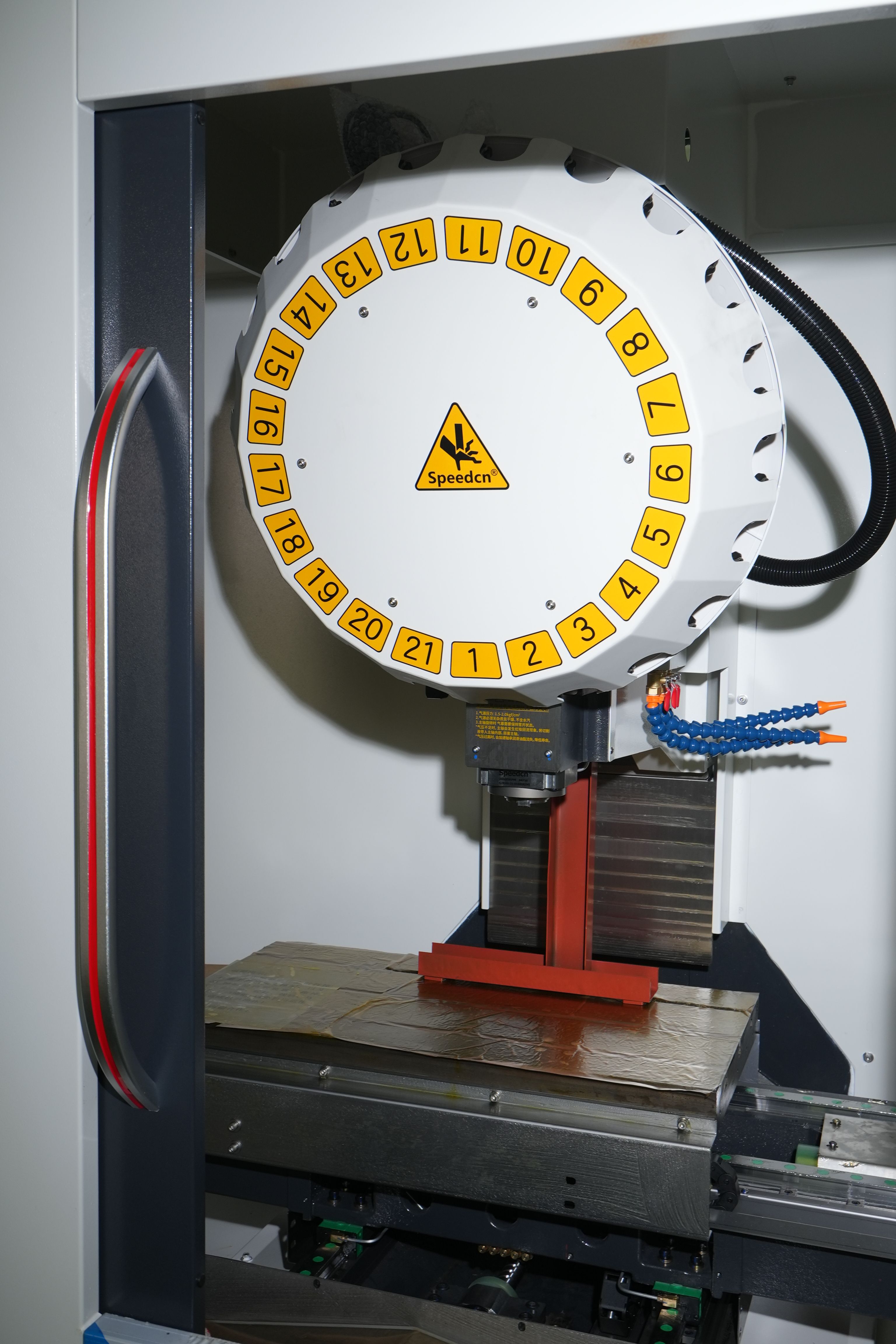
Step Six Funds Production Launch
Plan installation, commissioning, parameter backup, postprocessor, programs, tools, first-piece approval, training by role, supervised production, and issue closure. Estimate engineering and operator time.
A machine can be technically accepted but commercially late because the digital chain, fixtures, tools, or people were not ready.
Step Seven Values Recovery
Record remote diagnostics, local response, spare strategy, software access, controller and spindle support, escalation, travel, warranty boundaries, and likely high-impact failures. Run one recovery scenario.
Recovery value depends on a usable route, not a general service promise. Include downtime exposure separately from purchase price.
Add the Scope-Change Reserve
Identify items that commonly change after design review: fixtures, rotary axes, probes, coolant pressure, extraction, transformer, software, safety, acceptance travel, and local integration. Give each item a probability, allowance, and decision date.
The reserve is not permission for uncontrolled spending. It prevents a known uncertainty from appearing later as an unplanned project overrun and makes the commercial comparison more honest.
Normalize the Staircase
- Mark each line included, optional, excluded, buyer-supplied, or unresolved.
- Move every offer to the same production-ready landing.
- Close technical assumptions before ranking prices.
- Separate one-time investment from recurring operating cost.
- Model quality, uptime, labor, and changeover consequences.
- Keep the staircase with the contract and launch record.
When the Lowest Stair Is Correct
A limited package can be right when the buyer already owns tooling, integration, service, and trained staff. A complete turnkey offer is not automatically better.
The highest quote also does not prove capability. Reject unexplained premiums and options without workload value.
FAQ
What price belongs in the business case?
Use installed and production-ready cost, then model operating, quality, maintenance, and downtime effects separately.
Should freight be estimated by the supplier?
The quotation should state the trade term, route assumptions, packing, dimensions, mass, insurance, and excluded destination costs.
Are fixtures part of machine cost?
They may be supplier or customer scope, but they must appear in the staircase because they are required for production.
How should unresolved items be handled?
Give each item an owner, due date, provisional allowance, and effect on technical or commercial ranking.
Request an Installed-Cost Review
To compare a CNC machining center for sale, send drawings, materials, fixtures, tools, tolerances, volume, cycle target, acceptance, destination, utilities, launch plan, service region, and preferred responsibilities. Use the contact page for a normalized quotation and read the RFQ package guide before issuing the request.