Identify Hard Skin and Variable Stock
CNC machining center for steel castings should be selected through foundry skin, stock variation and tool-life route, not a catalog number. Zhihe CNC connects the controlled drawing, material, blank, fixture, tools, machine state, inspection, exceptions and accepted output in one buyer-facing route.
This guide supports defined component families and commercial machine selection. It does not guarantee product performance, regulatory approval, service life, cycle time, yield or payback outside the stated conditions.
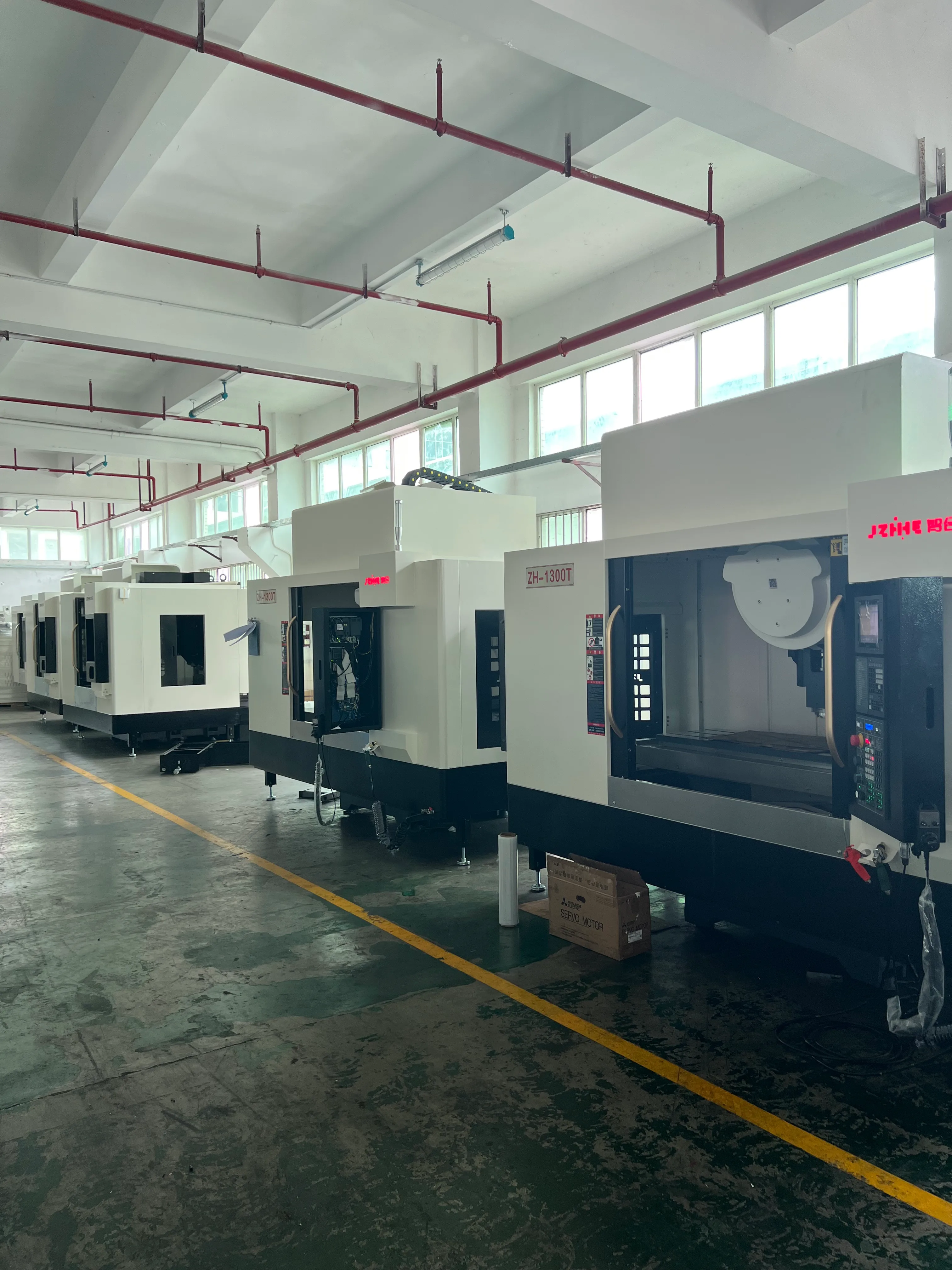
Let the Foundry Lot Into the Plan
Steel castings bring hard skin, variable stock, inclusions and interrupted entry into the same cut. Freeze foundry lot, heat route, drawing, datum faces, allowance, cleaning, lifting and inspection. Zhihe CNC recommends splitting the roughing risk from the finish proof so a good final dimension does not hide uncontrolled tool wear.
Select a Face With Enough Allowance
Map where skin is thick, where stock is light and where a core or riser can change engagement. Record tool grade, holder, projection, spindle load, feed, coolant, chips, wear trigger and replacement rule. A CNC machining center for steel castings should be judged on accepted output across representative lots, not a single clean coupon.
Separate Roughing From Finish Proof
Use a checkpoint sheet for CNC machining center for steel castings: foundry skin, stock variation and tool-life route, blank identity, datum contact, tool reach, chip route, inspection access, maintenance and restart ownership. Each line needs an evidence file and a review date.
Protect Tools at Interrupted Entry
Compare two approved lots without averaging away the difference. Keep the failed or held piece, measure the cause, update the route only with an owner and retest. Include safe chip removal and tool change access because foundry residue can change both quality and maintenance time.
Move Chips Away From the Casting
The ISO 10791 reference offers machining-centre test context. The ISO 230 reference offers additional context; responsible site owners must still assess the delivered machine, fixture, tools, access, guards, chips, coolant, maintenance and local requirements.
Use Inspection to Update the Route
Close the baseline with a wear-and-yield chart, inspection plan, spare-tool list, cleaning method and the exact stock limits used in acceptance.
Compare Lots Without Averaging Away Risk
Keep the program, tool list, fixture drawing, probing routine, inspection method, maintenance card and limitations together. Zhihe CNC recommends retaining failed and corrected evidence so a later change can be discussed instead of guessed.
Build a Wear-and-Yield View
Run one controlled exception such as a planned tool-life event, inspection hold, fixture replacement or revision update. Preserve part identity, completed operations, offsets, program position, tool state, measurements and affected quantity before authorizing re-entry.
Define a Safe Restart
A release decision should distinguish demonstrated conditions from assumptions. State the material lot, stock range, fixture state, machine configuration, tool assemblies, temperature, operator coverage, batch window and any outside process that remains untested.
Archive the Casting Baseline
| Evidence lane | Record | Owner |
|---|---|---|
| Part and stock | Revision, lot, allowance | Engineering |
| Setup | Fixture, lifting, support | Production |
| Cutting | Tools, offsets, coolant, chips | Process |
| Inspection | Method, raw data, disposition | Quality |
| Recovery | Hold, correction, restart | Cross-functional team |
State the Steel-Casting Boundary
For quotation, compare delivered accepted output rather than spindle power alone. Include loading, setup, proving, cutting, tool changes, chip clearing, inspection, maintenance, recovery, rework, scrap and preservation. The buyer should receive a controlled assumption list and a clear next-trial plan.
Read the traveler with the operator
Steel castings bring hard skin, variable stock, inclusions and interrupted entry into the same cut. Freeze foundry lot, heat route, drawing, datum faces, allowance, cleaning, lifting and inspection. Zhihe CNC recommends splitting the roughing risk from the finish proof so a good final dimension does not hide uncontrolled tool wear. For CNC machining center for steel castings, this record should carry the exact revision and owner.
Make the setup observable
Map where skin is thick, where stock is light and where a core or riser can change engagement. Record tool grade, holder, projection, spindle load, feed, coolant, chips, wear trigger and replacement rule. A CNC machining center for steel castings should be judged on accepted output across representative lots, not a single clean coupon.
Keep the measurement state visible
Compare two approved lots without averaging away the difference. Keep the failed or held piece, measure the cause, update the route only with an owner and retest. Include safe chip removal and tool change access because foundry residue can change both quality and maintenance time.
Compare accepted and held work
Close the baseline with a wear-and-yield chart, inspection plan, spare-tool list, cleaning method and the exact stock limits used in acceptance.
Give maintenance a trigger
Steel castings bring hard skin, variable stock, inclusions and interrupted entry into the same cut. Freeze foundry lot, heat route, drawing, datum faces, allowance, cleaning, lifting and inspection. Zhihe CNC recommends splitting the roughing risk from the finish proof so a good final dimension does not hide uncontrolled tool wear.
Write the handoff for a new shift
Map where skin is thick, where stock is light and where a core or riser can change engagement. Record tool grade, holder, projection, spindle load, feed, coolant, chips, wear trigger and replacement rule. A CNC machining center for steel castings should be judged on accepted output across representative lots, not a single clean coupon.
Review the next component family
Compare two approved lots without averaging away the difference. Keep the failed or held piece, measure the cause, update the route only with an owner and retest. Include safe chip removal and tool change access because foundry residue can change both quality and maintenance time.
Keep the limitation beside the claim
Close the baseline with a wear-and-yield chart, inspection plan, spare-tool list, cleaning method and the exact stock limits used in acceptance.
Separate a demonstration from a release
Steel castings bring hard skin, variable stock, inclusions and interrupted entry into the same cut. Freeze foundry lot, heat route, drawing, datum faces, allowance, cleaning, lifting and inspection. Zhihe CNC recommends splitting the roughing risk from the finish proof so a good final dimension does not hide uncontrolled tool wear.
Use the same words across departments
Map where skin is thick, where stock is light and where a core or riser can change engagement. Record tool grade, holder, projection, spindle load, feed, coolant, chips, wear trigger and replacement rule. A CNC machining center for steel castings should be judged on accepted output across representative lots, not a single clean coupon.
Review the evidence after a pause
Compare two approved lots without averaging away the difference. Keep the failed or held piece, measure the cause, update the route only with an owner and retest. Include safe chip removal and tool change access because foundry residue can change both quality and maintenance time.
Close the loop with the supplier
Close the baseline with a wear-and-yield chart, inspection plan, spare-tool list, cleaning method and the exact stock limits used in acceptance.
Make the Evidence Transferable
Use the same vocabulary in the drawing review, traveler, program notes, inspection report, maintenance card and quotation. A datum should have one name and one owner. A tool-life trigger should say what is observed, who stops the route, how the affected quantity is contained, which measurement is repeated and who authorizes the restart. A fixture condition should describe contact, support, clamp, wear and cleaning rather than a vague statement that the setup was checked. A machine condition should identify configuration, warm-up, temperature, controller revision and open alarms. This discipline lets engineering, production, quality, maintenance, logistics and the supplier read the same evidence without translating personal shorthand. It also limits overclaiming: a stable result under one stock lot remains a stable result under one stock lot until the next declared trial expands the range. Keep a dated baseline, a superseded file, the reason for change and the retest result. When a commercial decision is made, attach the assumptions and exclusions so the purchase can be revisited without losing the original context. Zhihe CNC uses this transfer step to make a machine conversation practical for the next shift, next part family and next service visit.
Acceptance Evidence Table
| Control | Minimum record | Reopen when |
|---|---|---|
| Drawing | Revision and approved limits | Revision changes |
| Blank | Lot, allowance and identity | Supplier or material changes |
| Fixture | Contact, support and wear | Fixture or clamping changes |
| Tools | Assembly, life and offset state | Tool or holder changes |
| Inspection | Method, raw data and disposition | Gauge or method changes |
Questions Buyers Ask About CNC machining center for steel castings
What must be frozen before the trial?
Freeze the controlled drawing, material, blank, datums, fixture, tools, program, inspection method and acceptance conditions.
Does one successful part prove capacity?
No. Repeat loading, representative variation, inspection time and recovery evidence are required.
Why measure handling and cleaning?
They consume capacity and can affect safety, contamination, tool life and accepted output.
What belongs in the tool passport?
Record holder, projection, runout, pocket, life state, replacement trigger and affected features.
How should a held part be managed?
Preserve identity and state, contain affected work, assign an owner, correct one variable and retest.
Can machine accuracy prove product performance?
No. It is evidence under declared conditions; product and regulatory decisions remain separate.
When should acceptance be reopened?
After a relevant part, material, fixture, tool, program, software, inspection, site or maintenance change.
What should a supplier disclose?
Configuration, options, tested conditions, limitations, interfaces, service route, backups and acceptance evidence.
How should capacity be counted?
Include setup, proving, cutting, tool events, chips, inspection, rework, scrap, maintenance and released quantity.
What should buyers send Zhihe CNC?
Send controlled drawings, CAD, materials, stock, datums, fixtures, tools, volume, inspection and known failure modes.
From Foundry Skin to Stable Cut With Zhihe CNC
To evaluate CNC machining center for steel castings, send Zhihe CNC your controlled drawings, CAD, materials, stock, datums, fixtures, tools, volumes, inspection, site conditions and recovery expectations. Talk with Zhihe CNC engineers, the Zhihe CNC profile, and the contact route define the next review.