Start With the Hole-Grid Coordinate
CNC machining center for tooling plates should be selected through hole-grid coordinate contract and flatness route, not a catalog number. Zhihe CNC connects the controlled drawing, material, blank, fixture, tools, machine state, inspection, exceptions and accepted output in one buyer-facing route.
This guide supports defined component families and commercial machine selection. It does not guarantee product performance, regulatory approval, service life, cycle time, yield or payback outside the stated conditions.
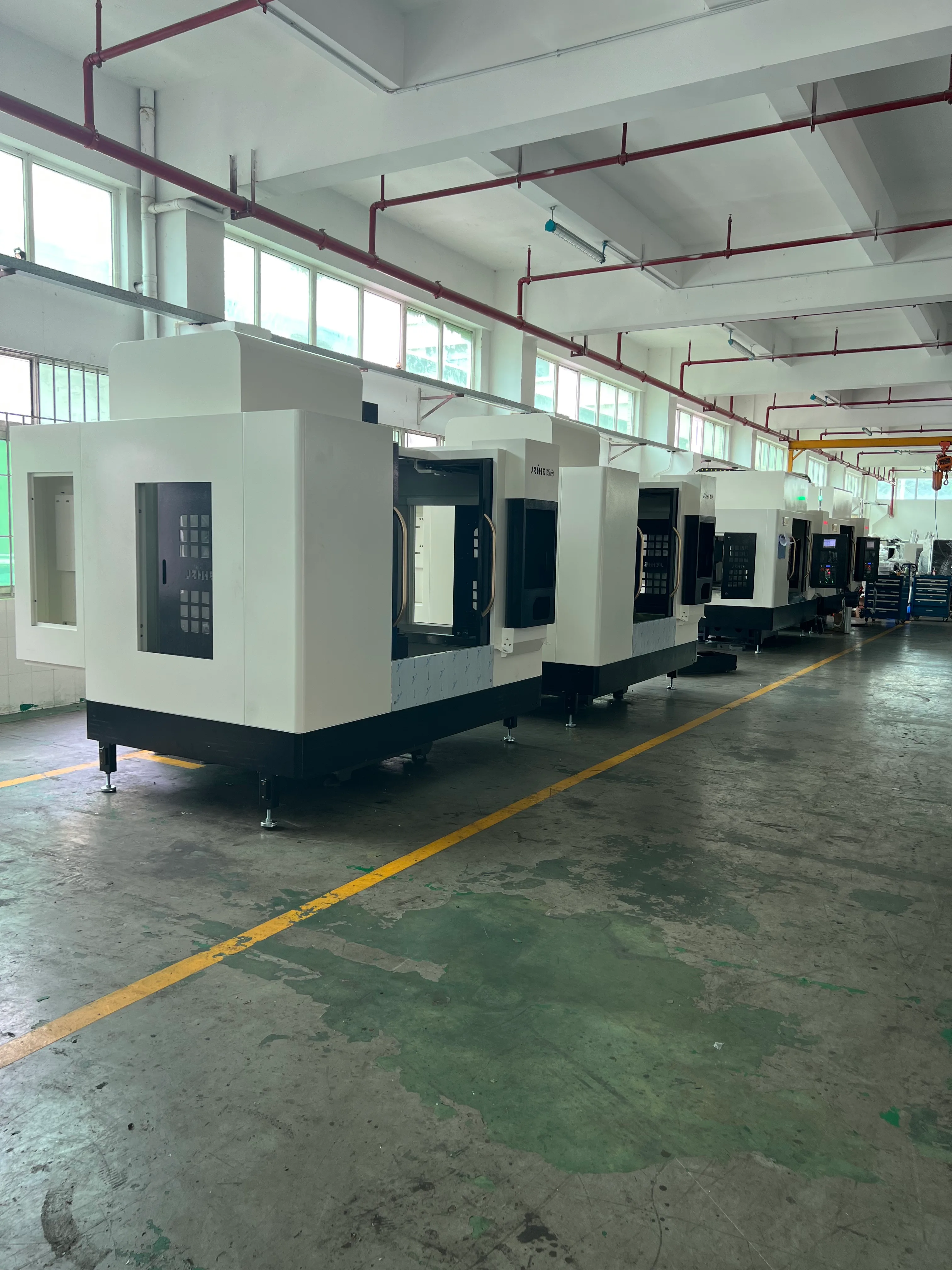
Protect Flatness During Clamping
A tooling plate is a coordinate contract, not just a flat rectangle. Freeze hole diameter, pitch, positional tolerance, face flatness, edge references, thread specification, material, plate thickness and the downstream fixture drawing. Zhihe CNC separates the reference grid from cosmetic surfaces so the machine trial tests what the customer actually installs.
Make Probing Repeatable
Run a pattern study that includes perimeter holes, deep threads, dowels, clamps and a probe-access feature. Record tool projection, runout, peck strategy, chip evacuation, coolant, probing and the wait between machining and measurement. A CNC machining center for tooling plates is credible when another operator can recover the same coordinate origin.
Sequence Deep and Shallow Holes
Use a checkpoint sheet for CNC machining center for tooling plates: hole-grid coordinate contract and flatness route, blank identity, datum contact, tool reach, chip route, inspection access, maintenance and restart ownership. Each line needs an evidence file and a review date.
Keep Clamps Out of the Program
Compare one-setup and datum-relay routes using hole-pattern results, flatness, inspection queue, setup touch time and rework. Keep a physical or digital map of the plate so a revised pitch or added hole cannot be mistaken for the released pattern.
Compare One-Setup and Relay Routes
The ISO 10791 reference offers machining-centre test context. The ISO 230 reference offers additional context; responsible site owners must still assess the delivered machine, fixture, tools, access, guards, chips, coolant, maintenance and local requirements.
Audit a Revision Change
At handoff, include the coordinate contract, probing routine, fixture map, program revision, gauge method, tool passport and the exact conditions that reopen acceptance.
Release Plates by Pattern, Not Hope
Keep the program, tool list, fixture drawing, probing routine, inspection method, maintenance card and limitations together. Zhihe CNC recommends retaining failed and corrected evidence so a later change can be discussed instead of guessed.
Count Inspection Queue Time
Run one controlled exception such as a planned tool-life event, inspection hold, fixture replacement or revision update. Preserve part identity, completed operations, offsets, program position, tool state, measurements and affected quantity before authorizing re-entry.
Package the Coordinate Contract
A release decision should distinguish demonstrated conditions from assumptions. State the material lot, stock range, fixture state, machine configuration, tool assemblies, temperature, operator coverage, batch window and any outside process that remains untested.
List Open Assumptions
| Evidence lane | Record | Owner |
|---|---|---|
| Part and stock | Revision, lot, allowance | Engineering |
| Setup | Fixture, lifting, support | Production |
| Cutting | Tools, offsets, coolant, chips | Process |
| Inspection | Method, raw data, disposition | Quality |
| Recovery | Hold, correction, restart | Cross-functional team |
State the Tooling-Plate Boundary
For quotation, compare delivered accepted output rather than spindle power alone. Include loading, setup, proving, cutting, tool changes, chip clearing, inspection, maintenance, recovery, rework, scrap and preservation. The buyer should receive a controlled assumption list and a clear next-trial plan.
Read the traveler with the operator
A tooling plate is a coordinate contract, not just a flat rectangle. Freeze hole diameter, pitch, positional tolerance, face flatness, edge references, thread specification, material, plate thickness and the downstream fixture drawing. Zhihe CNC separates the reference grid from cosmetic surfaces so the machine trial tests what the customer actually installs. For CNC machining center for tooling plates, this record should carry the exact revision and owner.
Make the setup observable
Run a pattern study that includes perimeter holes, deep threads, dowels, clamps and a probe-access feature. Record tool projection, runout, peck strategy, chip evacuation, coolant, probing and the wait between machining and measurement. A CNC machining center for tooling plates is credible when another operator can recover the same coordinate origin.
Keep the measurement state visible
Compare one-setup and datum-relay routes using hole-pattern results, flatness, inspection queue, setup touch time and rework. Keep a physical or digital map of the plate so a revised pitch or added hole cannot be mistaken for the released pattern.
Compare accepted and held work
At handoff, include the coordinate contract, probing routine, fixture map, program revision, gauge method, tool passport and the exact conditions that reopen acceptance.
Give maintenance a trigger
A tooling plate is a coordinate contract, not just a flat rectangle. Freeze hole diameter, pitch, positional tolerance, face flatness, edge references, thread specification, material, plate thickness and the downstream fixture drawing. Zhihe CNC separates the reference grid from cosmetic surfaces so the machine trial tests what the customer actually installs.
Write the handoff for a new shift
Run a pattern study that includes perimeter holes, deep threads, dowels, clamps and a probe-access feature. Record tool projection, runout, peck strategy, chip evacuation, coolant, probing and the wait between machining and measurement. A CNC machining center for tooling plates is credible when another operator can recover the same coordinate origin.
Review the next component family
Compare one-setup and datum-relay routes using hole-pattern results, flatness, inspection queue, setup touch time and rework. Keep a physical or digital map of the plate so a revised pitch or added hole cannot be mistaken for the released pattern.
Keep the limitation beside the claim
At handoff, include the coordinate contract, probing routine, fixture map, program revision, gauge method, tool passport and the exact conditions that reopen acceptance.
Separate a demonstration from a release
A tooling plate is a coordinate contract, not just a flat rectangle. Freeze hole diameter, pitch, positional tolerance, face flatness, edge references, thread specification, material, plate thickness and the downstream fixture drawing. Zhihe CNC separates the reference grid from cosmetic surfaces so the machine trial tests what the customer actually installs.
Use the same words across departments
Run a pattern study that includes perimeter holes, deep threads, dowels, clamps and a probe-access feature. Record tool projection, runout, peck strategy, chip evacuation, coolant, probing and the wait between machining and measurement. A CNC machining center for tooling plates is credible when another operator can recover the same coordinate origin.
Review the evidence after a pause
Compare one-setup and datum-relay routes using hole-pattern results, flatness, inspection queue, setup touch time and rework. Keep a physical or digital map of the plate so a revised pitch or added hole cannot be mistaken for the released pattern.
Close the loop with the supplier
At handoff, include the coordinate contract, probing routine, fixture map, program revision, gauge method, tool passport and the exact conditions that reopen acceptance.
Make the Evidence Transferable
Use the same vocabulary in the drawing review, traveler, program notes, inspection report, maintenance card and quotation. A datum should have one name and one owner. A tool-life trigger should say what is observed, who stops the route, how the affected quantity is contained, which measurement is repeated and who authorizes the restart. A fixture condition should describe contact, support, clamp, wear and cleaning rather than a vague statement that the setup was checked. A machine condition should identify configuration, warm-up, temperature, controller revision and open alarms. This discipline lets engineering, production, quality, maintenance, logistics and the supplier read the same evidence without translating personal shorthand. It also limits overclaiming: a stable result under one stock lot remains a stable result under one stock lot until the next declared trial expands the range. Keep a dated baseline, a superseded file, the reason for change and the retest result. When a commercial decision is made, attach the assumptions and exclusions so the purchase can be revisited without losing the original context. Zhihe CNC uses this transfer step to make a machine conversation practical for the next shift, next part family and next service visit.
Acceptance Evidence Table
| Control | Minimum record | Reopen when |
|---|---|---|
| Drawing | Revision and approved limits | Revision changes |
| Blank | Lot, allowance and identity | Supplier or material changes |
| Fixture | Contact, support and wear | Fixture or clamping changes |
| Tools | Assembly, life and offset state | Tool or holder changes |
| Inspection | Method, raw data and disposition | Gauge or method changes |
Questions Buyers Ask About CNC machining center for tooling plates
What must be frozen before the trial?
Freeze the controlled drawing, material, blank, datums, fixture, tools, program, inspection method and acceptance conditions.
Does one successful part prove capacity?
No. Repeat loading, representative variation, inspection time and recovery evidence are required.
Why measure handling and cleaning?
They consume capacity and can affect safety, contamination, tool life and accepted output.
What belongs in the tool passport?
Record holder, projection, runout, pocket, life state, replacement trigger and affected features.
How should a held part be managed?
Preserve identity and state, contain affected work, assign an owner, correct one variable and retest.
Can machine accuracy prove product performance?
No. It is evidence under declared conditions; product and regulatory decisions remain separate.
When should acceptance be reopened?
After a relevant part, material, fixture, tool, program, software, inspection, site or maintenance change.
What should a supplier disclose?
Configuration, options, tested conditions, limitations, interfaces, service route, backups and acceptance evidence.
How should capacity be counted?
Include setup, proving, cutting, tool events, chips, inspection, rework, scrap, maintenance and released quantity.
What should buyers send Zhihe CNC?
Send controlled drawings, CAD, materials, stock, datums, fixtures, tools, volume, inspection and known failure modes.
The Hole Grid Is the Contract With Zhihe CNC
To evaluate CNC machining center for tooling plates, send Zhihe CNC your controlled drawings, CAD, materials, stock, datums, fixtures, tools, volumes, inspection, site conditions and recovery expectations. Explore Zhihe CNC machine options, the Zhihe CNC profile, and the contact route define the next review.