A useful machine quote should explain the production route, not hide behind one total. The lowest number on a spreadsheet may exclude the rotary table, chip conveyor, probing, coolant system, installation, or acceptance work that the process needs. A higher quote may include equipment that removes a setup and pays for itself in daily production. Until the scope is aligned, the two prices are not comparable.
The practical way to review a CNC machining center price is to start with one representative part. Mark the material, raw size, finished size, critical features, expected volume, and current bottleneck. Then ask each supplier to build a machine and process proposal around the same information. The buyer is no longer shopping for an anonymous "850." The team is pricing a route for a known part, with known risks and a known production target.
That is the perspective used below. Some cost items change the iron. Others change what arrives with it. Both matter when a plant manager has to explain the budget six months after the order.
CNC Machining Center Price: The Short Answer
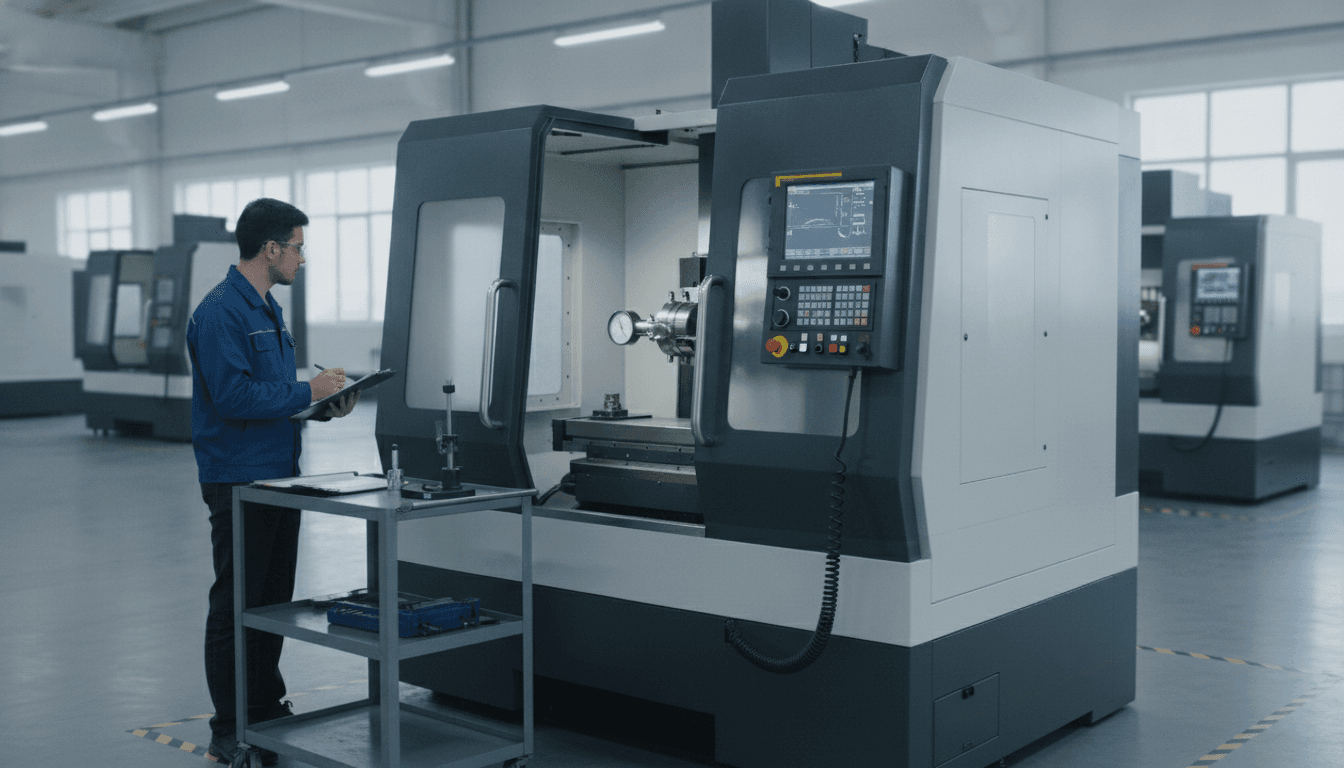
There is no single market number that answers the question. The quote moves with machine type, travel, table load, spindle, tool capacity, controller, accuracy work, automation, and delivery. A basic three-axis VMC normally begins at the lower end, but that fact is useful only when the part belongs on one.
Do not request a discount before the scope is clear. First separate the quote into three parts:
- The machine itself: castings, axes, spindle, table, guideways, drives, controller, enclosure, and the supplied magazine.
- What makes the process run: rotary axes, probes, coolant delivery, chip equipment, fixtures, tooling, and loading equipment.
- What gets it into production: trial work, reports, packing, freight, commissioning, training, warranty terms, and support.
When those three groups are visible, a buyer can remove an unnecessary option without accidentally removing the capability that made the process viable.
Machine Architecture Sets the Starting Cost
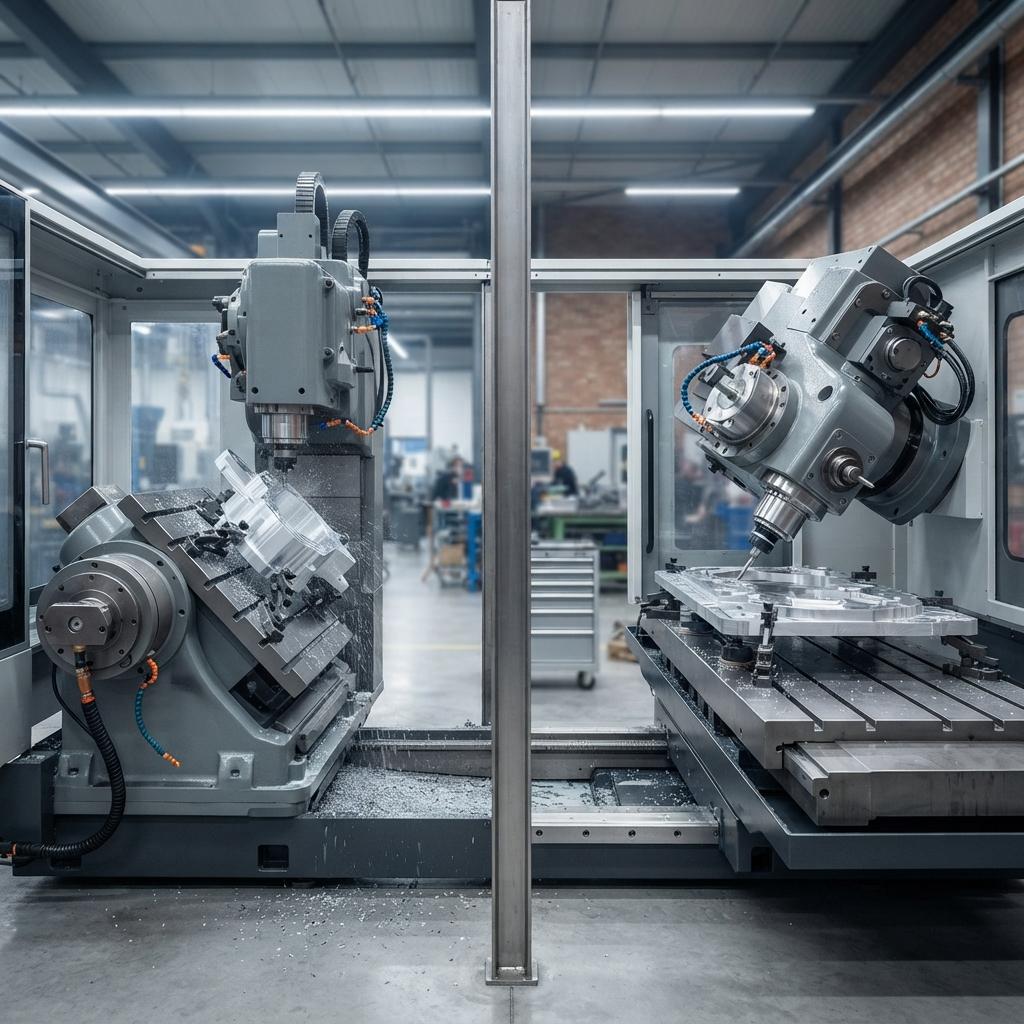
A vertical machining center, horizontal machining center, gantry machine, and five-axis system are not different trim levels of the same product. Their structures manage the workpiece, cutting forces, access, and chips in different ways.
| Machine type | Typical reason to choose it | What usually adds cost |
|---|---|---|
| Three-axis VMC | Flexible work, top-side machining, frequent changeovers | Larger travel, higher torque, probing, rotary table |
| Horizontal machining center | Multi-face housings, fewer reclamps, repeat production | Rotary table, pallet system, fixtures, chip handling |
| Gantry machining center | Large molds, plates, structures, and heavy workpieces | Long travels, table load, foundation, installation |
| Five-axis machining center | Complex surfaces and several angled features in fewer setups | Rotary axes, controller functions, calibration, programming |
A buyer comparing only spindle speed may miss the larger decision. If a housing requires four manual setups on a VMC but one indexed setup on an HMC, the horizontal system is buying back handling time and datum risk. If the work is mostly plates and short-run fixtures, that same HMC may be unnecessary capital.
Travel and Table Load Should Follow the Real Workpiece
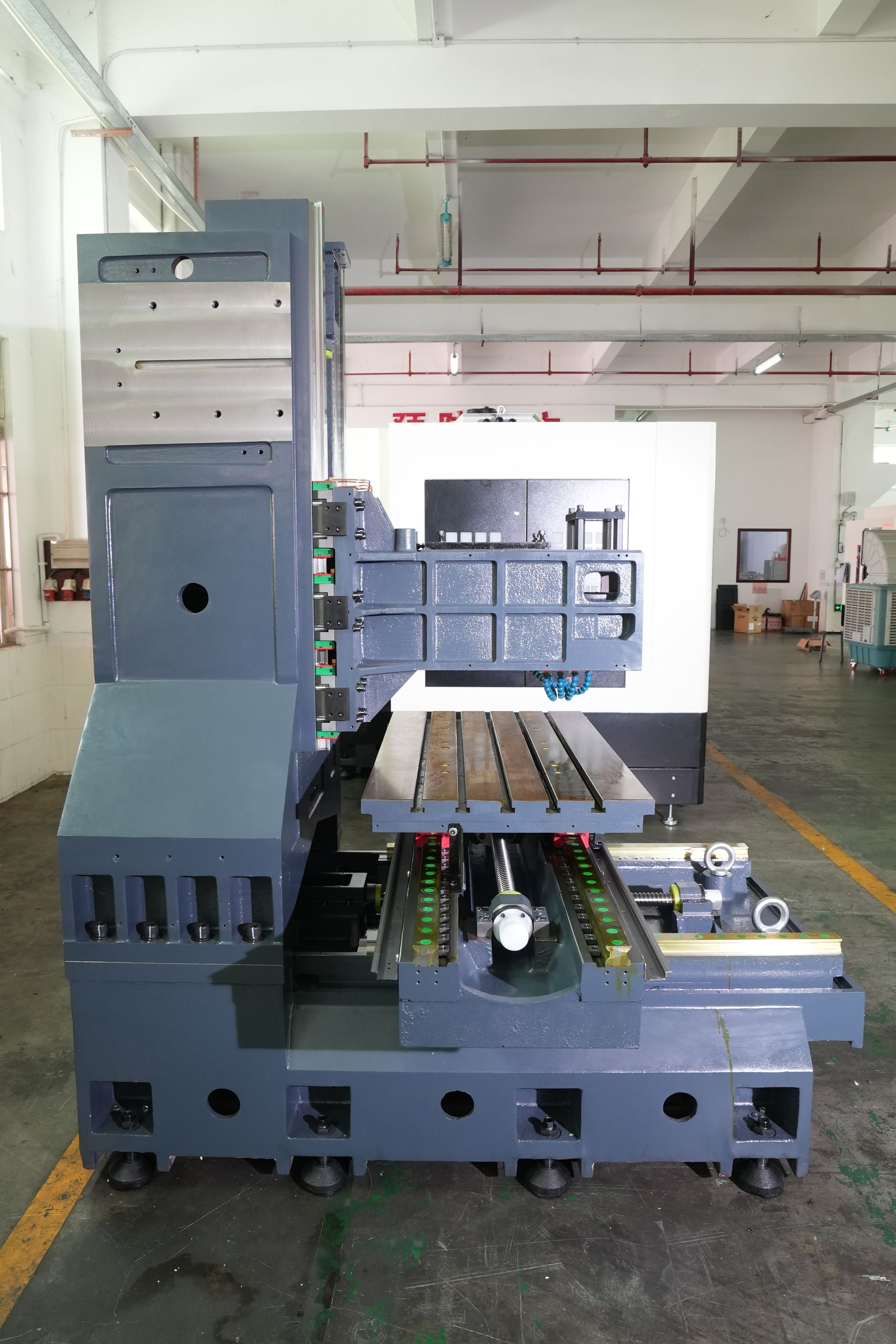
More travel usually means more cast iron, longer guideways and screws, larger motors, a larger enclosure, and a greater shipping footprint. That is why a jump in X-axis travel is not priced like a software option. Table load can have a similar effect because the machine must support the workpiece, fixture, rotary unit, and cutting forces together.
Buyers often add excessive margin because they fear being one millimeter short. Some margin is sensible, but unused capacity is expensive. Check the complete setup envelope: raw stock, clamps, vise jaws, tombstone, rotary table, tool holder, and clearance for the longest tool. A supplier should be able to show where the limiting condition occurs.
For oversized parts, the building matters too. Door height, crane access, floor loading, foundation, power, air, coolant handling, and service clearance can move cost outside the machine quotation. These items are easy to overlook when the budget is based on a catalog page.
The Spindle Has a Working Range, Not Just a Top Speed
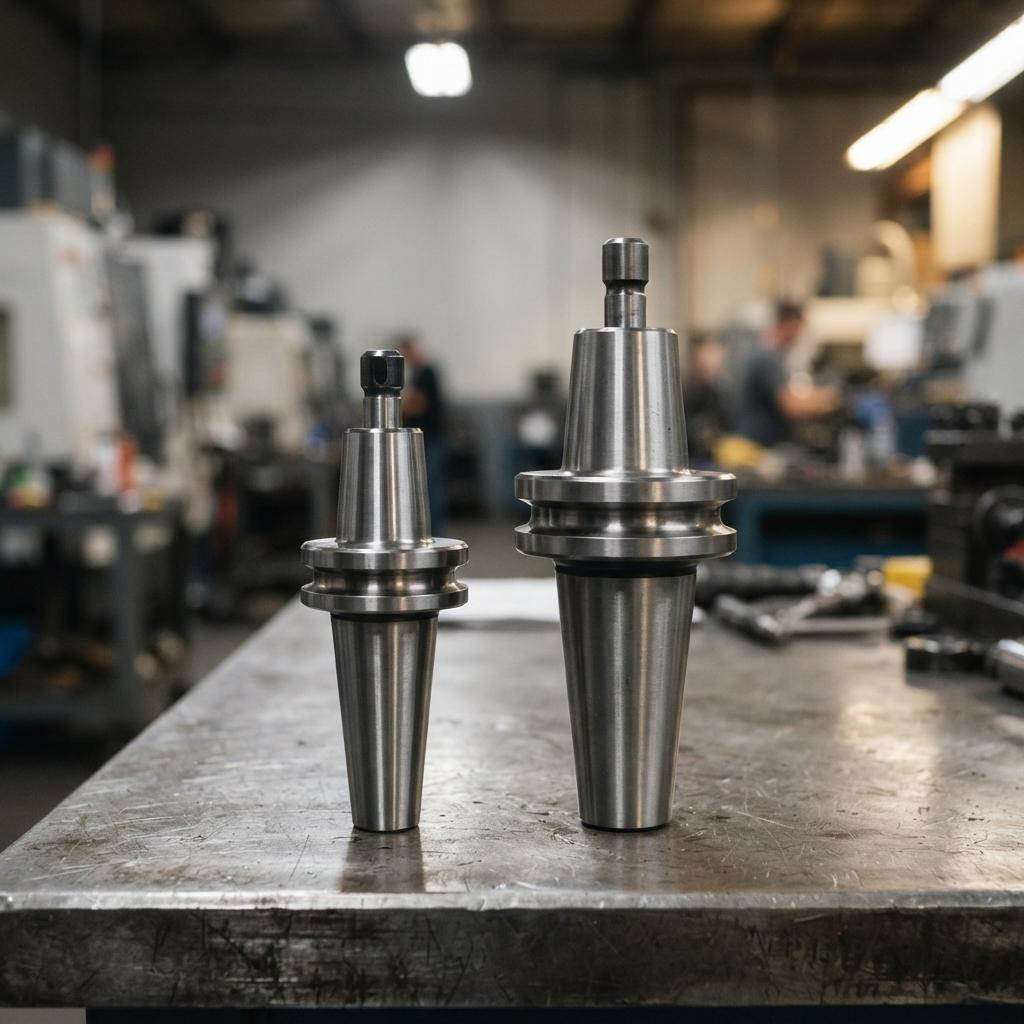
Top rpm is easy to place in a comparison sheet, which is why it gets so much attention. On the machine, the spindle has to deliver usable torque and power through the selected holder and cutter. Cooling, bearings, runout, and the duty cycle influence the result as much as the largest number on the page.
Aluminum parts may favor speed and rapid chip removal. Large steel parts may need torque and structural stability. A mold shop may care about surface finish over long finishing cycles. A single spindle cannot be judged without the material, cutter diameter, depth of cut, and desired cycle.
Ask the supplier to name the planned cutters and show where they sit on the speed-torque curve. That simple exercise often reveals wasted rpm at one end or an underpowered operation at the other.
Count the Tools and Chips the Part Will Actually Produce
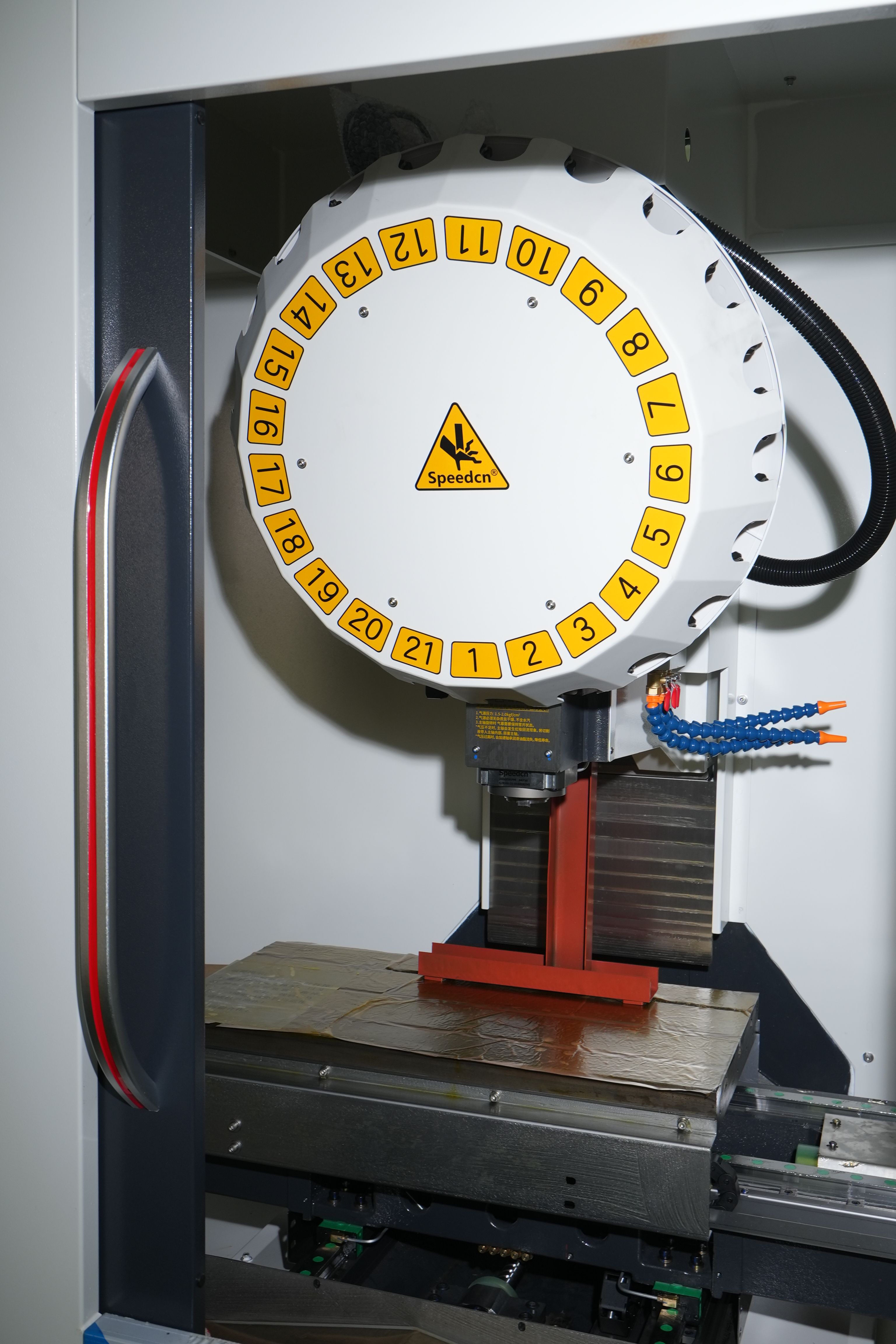
A 24-tool magazine sounds roomy until the probe, face mill, drills, taps, boring tools, sister tools, and empty service positions are counted. Build the tool list from the program before deciding whether a larger magazine is an upgrade or a necessity.
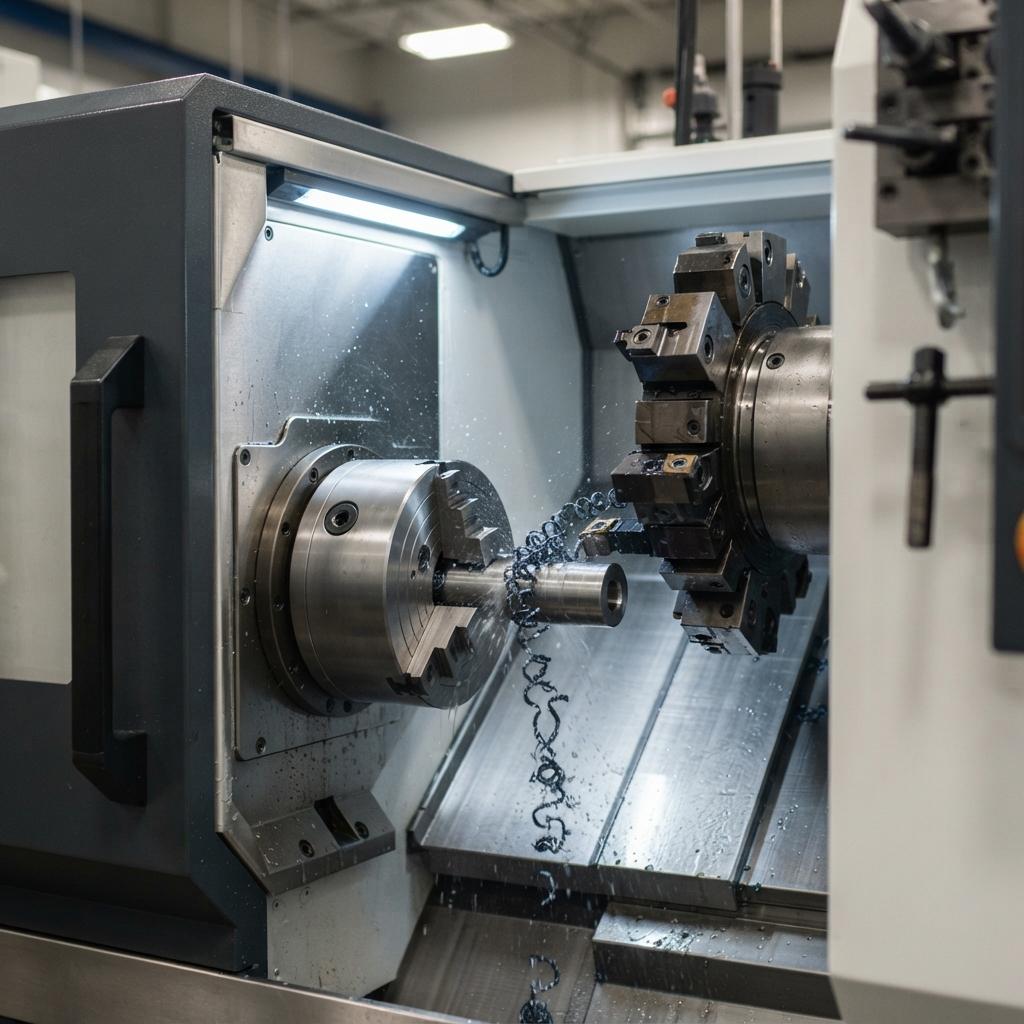
Chip equipment is an easy place to trim a quote. The consequence usually appears later, when an operator pauses the machine to clear a pocket or clean a clogged screen. Filtration, washdown, mist collection, oil control, through-spindle coolant, and the conveyor should be matched to the material and chip volume, not treated as catalog decoration.
Accuracy Is a Requirement, but Verification Is a Deliverable
Two suppliers may print similar accuracy figures and include different evidence. The International Organization for Standardization describes ISO 230-2 as a method for testing positioning accuracy and repeatability of numerically controlled machine axes. The quotation should state which checks apply to the offered model and whether reports are included.
Laser interferometer measurement can review axis positioning. Ballbar testing can reveal how multiple axes behave together during circular motion; Renishaw provides a practical overview of ballbar testing. A trial cut then connects machine condition to the buyer's material, fixture, and critical features.
More demanding acceptance work has a cost because it requires machine time, instruments, engineering, material, cutting tools, inspection, and documentation. It is still cheaper to define acceptance before the order than to argue about an undefined promise after delivery.
Controllers, Rotary Axes, and Automation Can Reshape the Project
Controller brand is only the first layer. Memory, look-ahead, high-speed machining functions, probing cycles, five-axis transformation, networking, data collection, and customer-specific standards can change the license and integration scope.
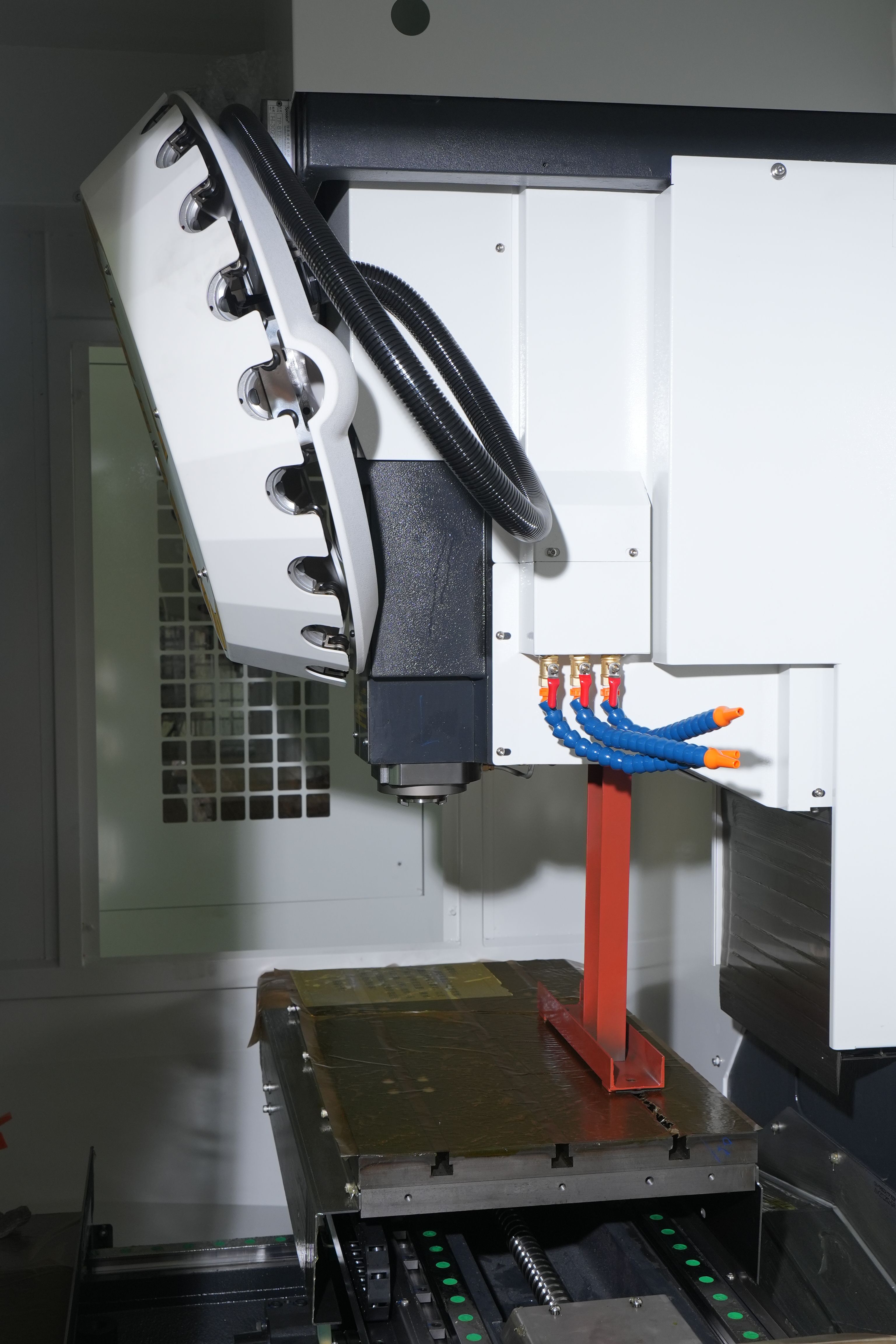
A fourth axis may reduce reclamping on a VMC. A pallet changer may improve spindle utilization on repeat work. A robot may reduce loading labor, but it also introduces grippers, guarding, part presentation, communication, recovery logic, and safety review. Buying the automation hardware without defining the unattended cycle is a common way to create an expensive manual process.
Start with the bottleneck. If the machine waits for an operator between short cycles, loading automation may help. If the machine spends most of the shift cutting, a pallet system or process change may have a larger effect. The quotation should show which delay the option is intended to remove.
Freight, Installation, Training, and Support Belong in the Comparison
An export quotation may be EXW, FOB, CIF, or delivered under another agreed term. The machine price can therefore exclude packing, inland freight, ocean freight, insurance, duties, unloading, foundation work, power connection, fluids, and local rigging. Put the trade term and destination on the same page as the price.
Installation scope should identify who levels the machine, connects utilities, performs commissioning, verifies geometry, runs the acceptance part, and trains operators. Warranty response, remote diagnosis, spare parts, controller support, and travel charges also need plain wording. Delivery ends the transport job. It does not finish the production job.
Give Every Supplier the Same Difficult Part
Use one RFQ pack for every shortlisted supplier. Include the part that exposes the risk, not only the easiest drawing in the program:
- 2D drawing and 3D model when available.
- Material grade, stock condition, raw size, finished size, and weight.
- Critical dimensions, datums, surface finish, and inspection method.
- Batch size, annual volume, shift pattern, and target cycle time.
- Current process, setup count, scrap concerns, and operator constraints.
- Required controller, tool interface, probing, coolant, and automation.
- Delivery destination, trade term, installation, and training expectations.
Ask for a line-item option list and a proposed process. The supplier should explain the machine type, travel margin, spindle selection, tool capacity, likely setups, fixture concept, inspection plan, utilities, and exclusions. This makes the CNC machining center price a reviewable engineering decision instead of a single unexplained number.
What Zhihe CNC Needs Before It Can Price the Job
Zhihe CNC can quote across several machine layouts: vertical, horizontal, gantry, drilling and tapping, milling, and five-axis. That range is useful only after the application is clear. Otherwise, it is simply a longer catalog.
The company has operated in Zhongshan, Guangdong, since 2018. Its published profile lists more than 21 patents covering machine structures and supporting systems. Those facts provide background; the drawing still decides which equipment belongs in the quote.
For selected models, published positioning accuracy may reach +/-0.005 mm and repeatability +/-0.003 mm, depending on series, travel, and configuration. Laser interferometer calibration, ballbar testing, and trial cutting can be discussed as part of the acceptance plan. These are model- and project-specific commitments, so they should be confirmed in the final quotation.
The fastest route to a useful budget is to send Zhihe CNC a representative drawing. Include material, size, tolerances, output, and destination. Ask for a base configuration, necessary options, optional upgrades, and exclusions. That structure makes later price negotiation much more productive.
For the next pass, use the transparent CNC machining center price model to separate the base machine, options, delivery, acceptance, and ownership reserve.
Questions Buyers Ask About Machining Center Cost
Why do two machines with the same travel have different prices?
Travel does not describe spindle capability, structure, guideways, motors, controller functions, tool magazine, precision verification, coolant, chip handling, electrical components, or service scope. Compare the complete configuration and acceptance plan.
Should I buy the largest machine my budget allows?
Not automatically. Extra travel and table capacity increase cost, footprint, and utility needs. Buy enough verified envelope for the fixture, workpiece, and tools, with sensible margin for known future work.
Is a horizontal machining center always more expensive?
Its initial investment is usually higher than a comparable VMC, but it may reduce setups and handling for multi-face parts. Compare annual cost per acceptable part, not only purchase price.
What options are commonly missed in an initial budget?
Fixtures, rotary axes, probing, through-spindle coolant, filtration, chip conveyors, transformers, voltage requirements, freight, rigging, tooling, installation, training, and acceptance material are frequent omissions.
Can the supplier quote without a drawing?
A budgetary range is possible, but the risk of an unsuitable configuration is much higher. A drawing allows the supplier to check access, travel, spindle demand, setup count, fixture clearance, and inspection needs.
How should accuracy be written into the purchase agreement?
State the model-specific tests, standards or methods, environmental conditions, reports, trial part, critical features, inspection equipment, and acceptance responsibility. Avoid relying on an isolated brochure number.
Does automation always reduce labor cost?
No. It works best when the part flow, fixtures, cycle, chip control, inspection, and recovery method are stable. Automation attached to an unstable process can add downtime instead of removing it.
What is the best next step for an accurate quote?
Send one representative part, annual volume, target cycle, factory limitations, and required delivery scope. Request a process proposal and line-item quotation before comparing suppliers.
Request a process-based quotation. Share the part drawing and production target with Zhihe CNC, then compare the proposed route, included equipment, acceptance plan, and support scope alongside the final price.