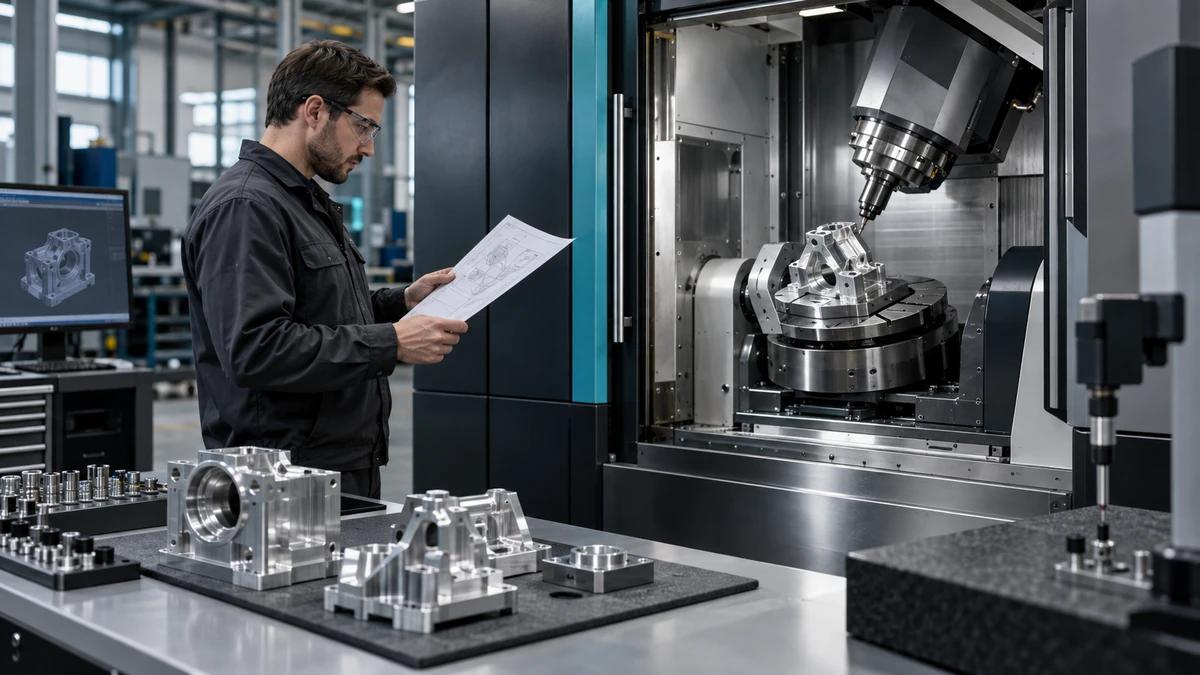
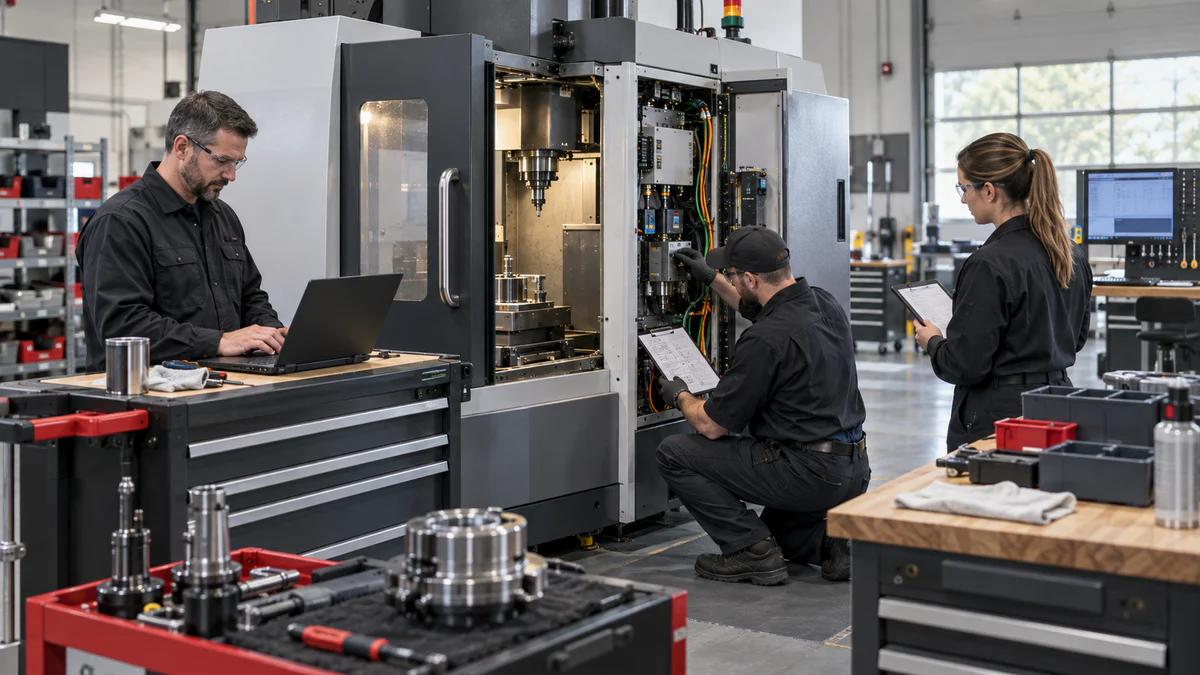
State 0: Define What Clean Release Actually Means
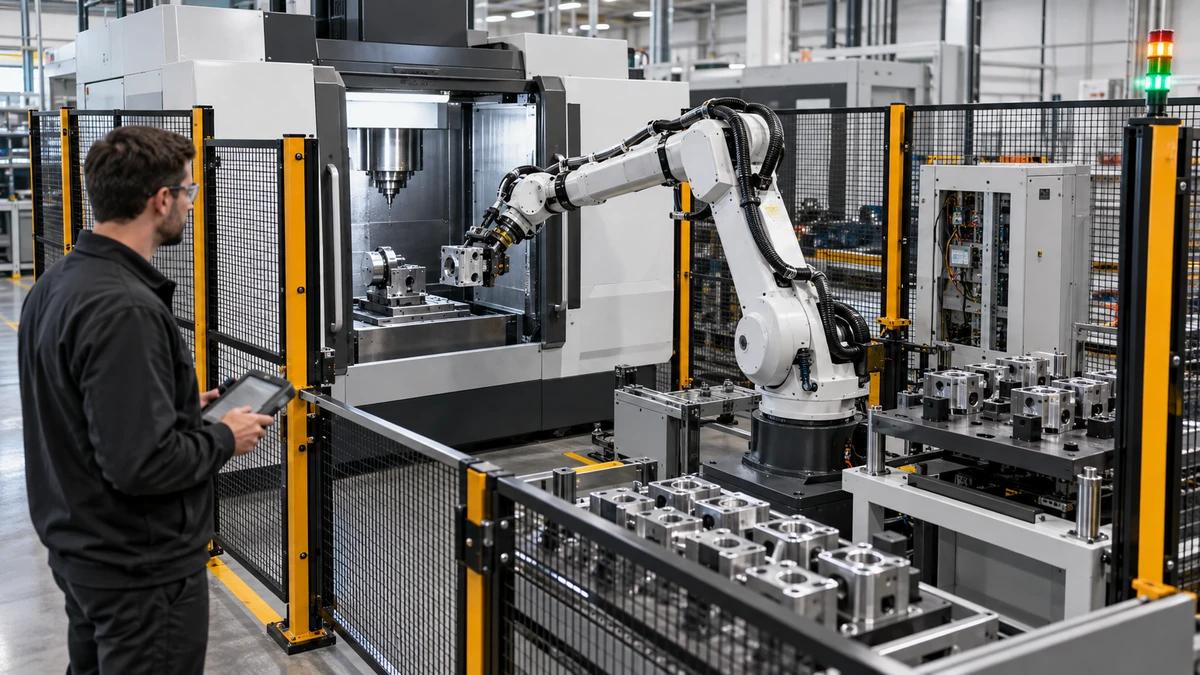
Zhihe CNC separates machining accuracy, burrs, cleanliness, handling, inspection and downstream cleaning for semiconductor equipment parts. A CNC machining center for semiconductor equipment parts decision should connect the declared part family to setup, tools, support work, inspection, recovery and a stated commercial boundary. The strongest evidence is reproducible by the receiving team and transparent about what has not been tested.
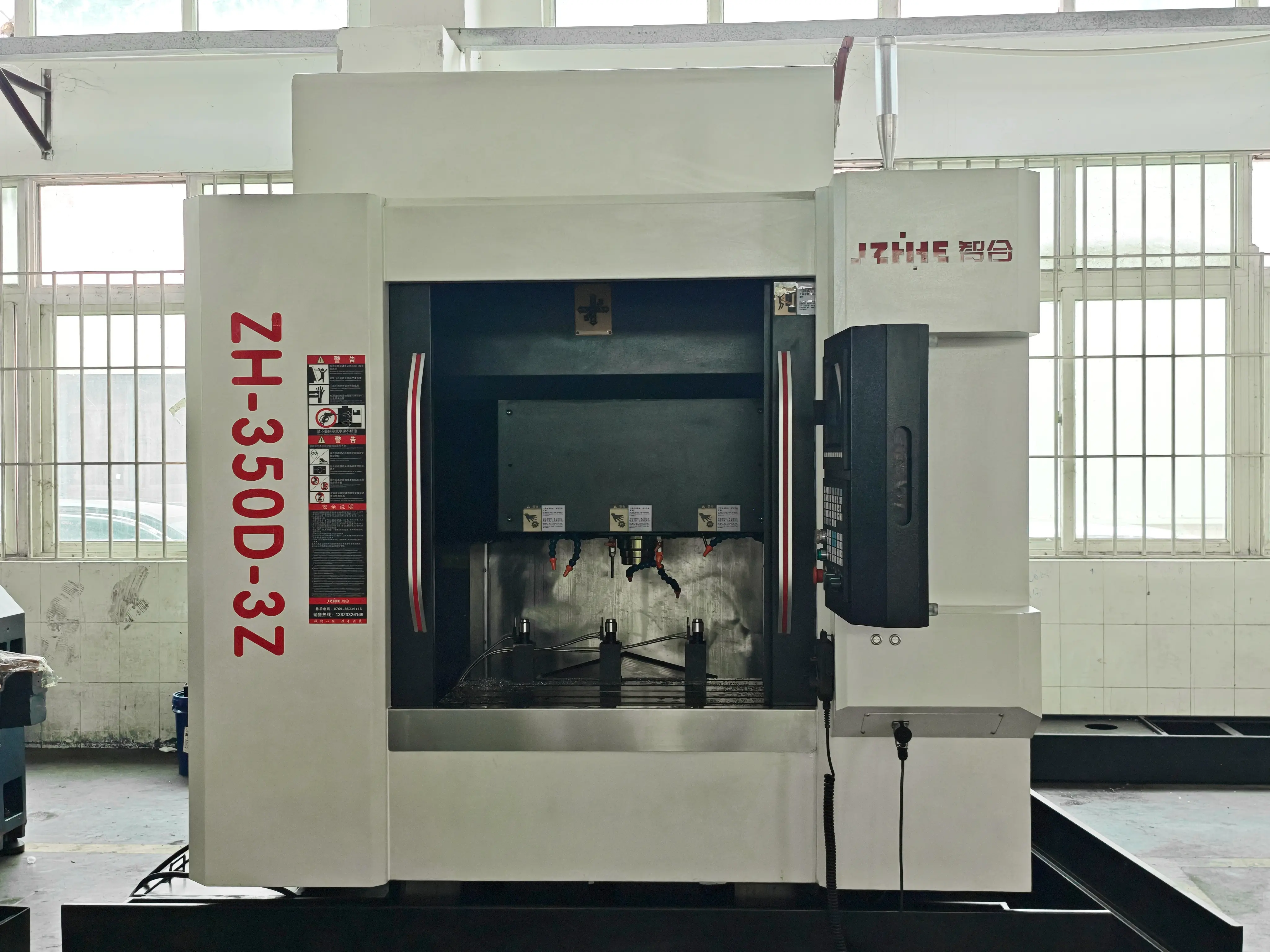
The Clean-Release State Machine
| State | Entry condition | Exit evidence |
|---|---|---|
| Controlled input | Material, revision and protected stock | Receiving identity |
| Machined | Approved setup, tools and program | Feature results |
| Deburred | Defined edges and secondary work | Marked inspection |
| Cleaned | Declared cleaning route and protection | Cleanliness record |
| Released | Geometry, handling and disposition complete | Signed handoff |
State 1: Geometry Is Controlled
Define What “Clean” Means
Separate machine cleanliness, visible chips, burr control, washing, drying, packaging and any specialized downstream cleanliness specification. Do not imply cleanroom, particle or chemical performance without contracted evidence.
A CNC machining center for semiconductor equipment parts should be reviewed against a declared release state. Zhihe CNC makes the boundary visible so machining accuracy is not confused with a downstream certification.
Protect Material and Stock Identity
Record alloy, temper or condition, stock form, protective surfaces, lot, revision and receiving state. Mark functional faces, passages and damage-sensitive zones.
Keep incoming marks and protection status traceable. If material or stock handling changes, reopen affected tool, surface and cleaning evidence.
Build a Controlled Setup Passport
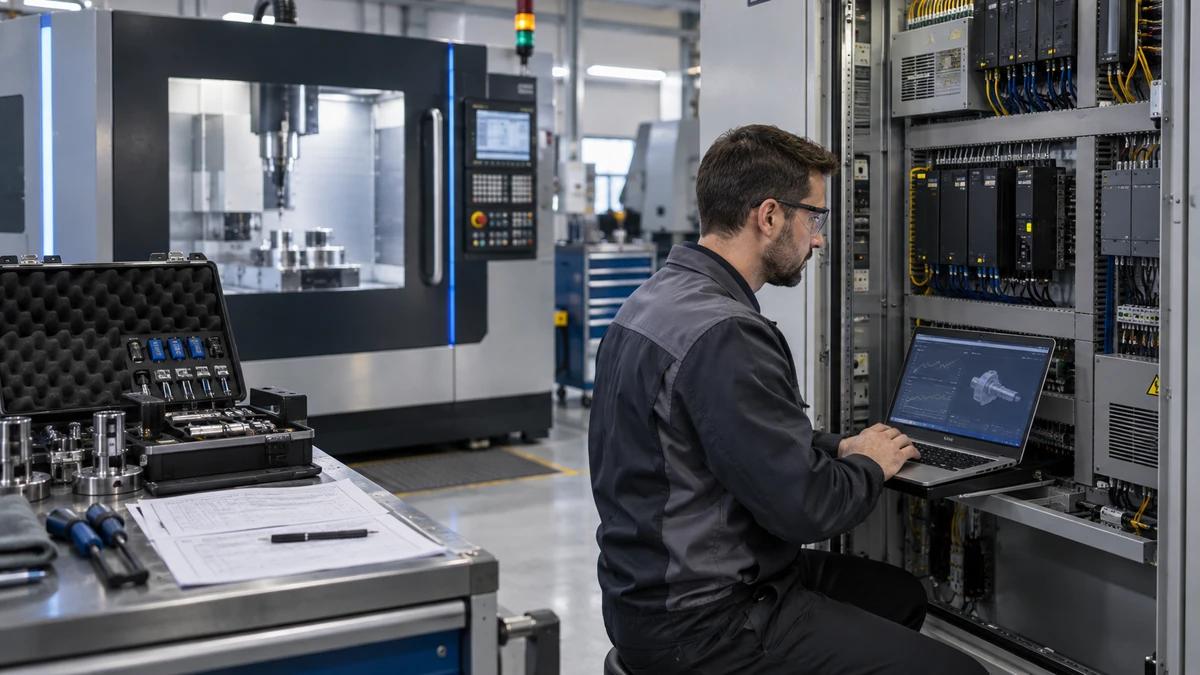
Capture fixture, datum, support, clamps, contact materials, probe points, tools, program checksum, offsets, coolant and warm-up. Define cleaning before seating.
Trial unload and reload. Inspect the same references. A repeatable setup prevents a chip or contact mark from becoming an unexplained geometry change.
Classify Every Edge and Passage
Group holes, threads, ports, grooves, pockets and intersecting passages by burr, chip and inspection risk. Define programmed chamfer, permitted manual work and verification.
Keep secondary work traceable by operator, tool and part identity. A CNC machining center for semiconductor equipment parts needs a clear boundary between machine completion and later deburring.
State 2: Edges, Fluids and Contacts Are Controlled
Control Fluids and Residue Claims
Record machining coolant, filtration, washdown and the handoff condition. State what the machining supplier verifies and what a specialized cleaning provider or buyer verifies.
Avoid unsupported residue or compatibility claims. Preserve the cleaning method, timing, protection and release authority actually used.
Create a Protected Handling Route
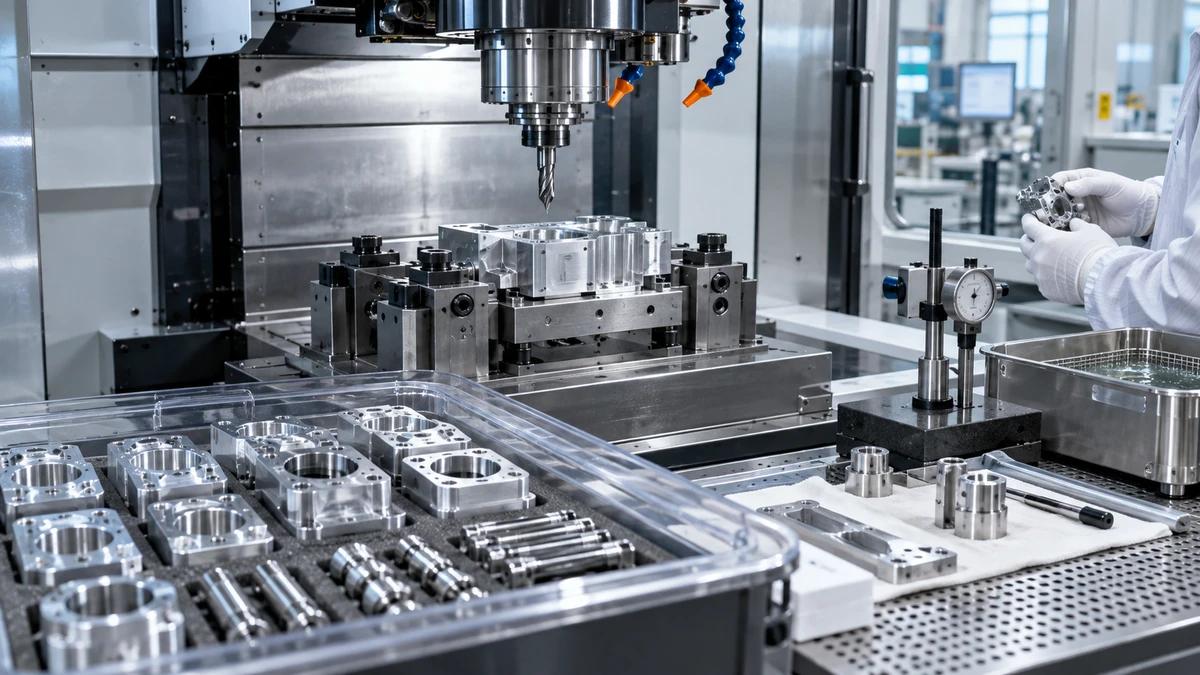
Define trays, separators, gloves or tools where required, contact faces, temporary covers, identification and transfer. Walk one representative part from machine to inspection and packaging.
Record every contact that can add a scratch, chip or residue. The route should be reproducible by another trained operator.
Separate Geometry From Cleanliness Inspection
Release dimensions, datums, surfaces and threads through the declared gauges and raw data. Release visible chips, burrs or agreed cleanliness through a separate documented method.
A part may pass geometry and remain held for cleaning, or pass cleaning and remain held for geometry. Preserve both states and their owners.
State 3: Inspection, Holds and Handoff Are Controlled
Run a Contamination Hold
Use a planned chip, burr or inspection hold without introducing unsafe or intentional contamination. Record part identity, state, affected features, containment, correction, reinspection and owner.
Demonstrate how accepted work is protected while held work is reviewed. Keep the restart and packaging authority clear.
Calculate Clean-Released Part Hours
Count receiving, setup, cutting, tool changes, deburring, machine cleaning, part cleaning, inspection, holds, packaging, maintenance and released parts.
State batch, staffing, inspection and downstream cleaning assumptions. Zhihe CNC uses released output rather than an ideal cutting cycle.
Freeze the Clean Handoff
Transfer drawing, material, setup, tools, program, geometry data, edge status, cleaning record, protection, packaging, backups and open issues.
Reopen affected evidence after changes to material, fixture, tool, fluid, cleaning, gauge, packaging or site. Keep the effective revision and release authority visible.
State 4: Validate the Two-Boundary Release
Build a Two-Boundary Cleanliness Plan
Create one boundary for the machine supplier’s release and another for specialized downstream cleaning or customer acceptance. List visible chips, burrs, fluids, washing, drying, packaging, particle or chemical requirements and the evidence owner for each.
This plan prevents the CNC machining center for semiconductor equipment parts discussion from turning a machining observation into an unsupported cleanroom or contamination claim.
Audit Contact Materials
List jaw inserts, fixture pads, trays, separators, gloves or handling tools, cleaning materials and temporary covers that touch the part. Record compatibility assumptions only when supported by the buyer or material owner.
Walk one part through receiving, setup, cleaning, inspection and packaging. Mark every contact and define the cleaning or protection that follows it.
Review the First Clean-Released Lot
Compare geometry, edge status, cleaning, handling, packaging, holds and released quantity across the first representative lot. Keep rejected or re-cleaned parts identifiable and separate from geometry rework.
Record which state failed, what evidence closed it and who approved release. This preserves the distinction between machining, deburring, cleaning and packaging performance.
Write the Clean-Release Ownership Matrix
Assign material identity, setup, tools, burrs, machine fluids, part cleaning, geometry inspection, cleanliness inspection, packaging, holds and escalation to named teams. Include evidence location and effective revision.
Review the matrix after any supplier, fluid, cleaning, packaging or gauge change. A visible owner chain makes the handoff useful after the original project team leaves.
Clean-Release Ownership Matrix
| State | Primary owner | Required record |
|---|---|---|
| Geometry | Engineering and quality | Drawing, datum and raw measurement |
| Edges | Production | Burr route and inspection |
| Cleaning | Named cleaning owner | Method, timing and disposition |
| Protection | Quality and logistics | Tray, cover, packaging and identity |
| Exception | Authorized review team | Containment, correction and retest |
Implementation Review
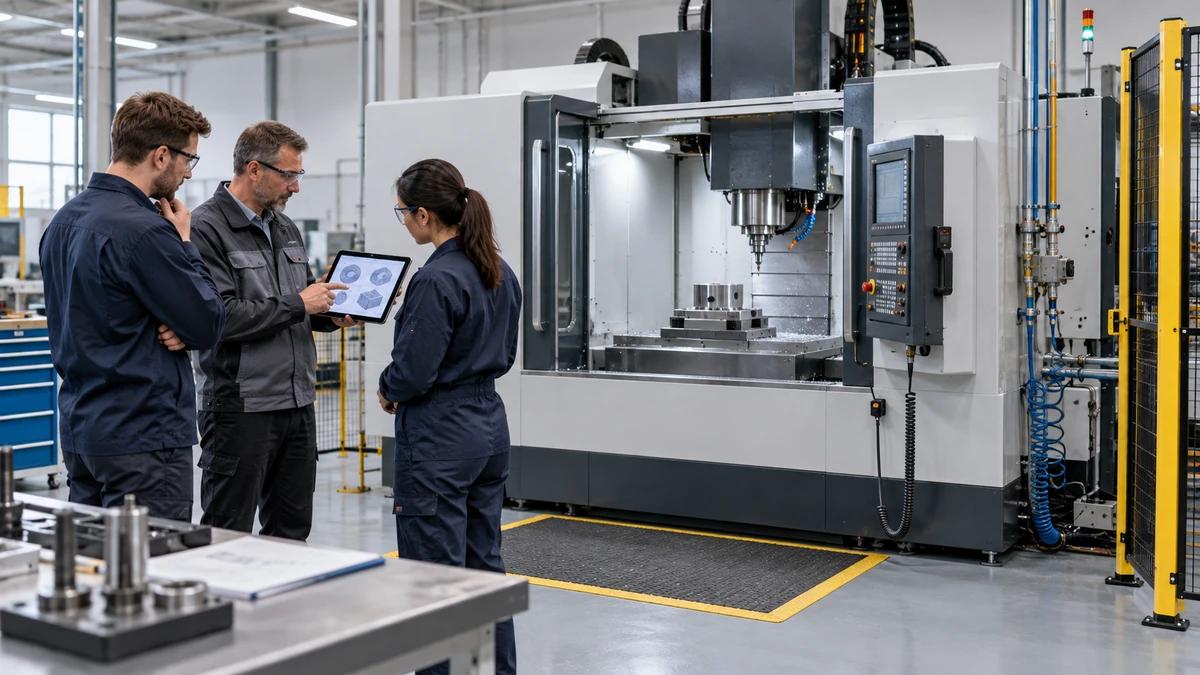
Convert the accepted CNC machining center for semiconductor equipment parts route into a short first-shift checklist. Confirm drawing revision, material or stock, setup identity, tools, program, gauge, cleaning or chip route, hold authority and escalation contact. Keep the checklist at the machine and in the shared quality file so a trained operator can follow the release logic without reconstructing the trial from scattered messages.
After the first representative lot, compare actual setup, support work, tool events, inspection queue, held quantity, rework and released output with the accepted route. Preserve the original record and mark each difference with evidence, owner and date. This keeps a practical improvement from becoming an undocumented capability claim and gives Zhihe CNC a focused basis for follow-up.
Keep the Final Approval Traceable
Before commercial release, ask purchasing, engineering, production, quality and maintenance to confirm their evidence location and remaining concern. Record the final reviewer, approval authority, effective revision and next review date. This short approval record keeps the technical route usable after the original sourcing meeting ends.
If a later change affects only one feature, interface or support assumption, repeat the smallest sufficient evidence and preserve the unaffected results. Do not overwrite the original file. A proportional change route reduces unnecessary retesting while protecting the conditions behind the accepted machine and process decision.
Semiconductor Equipment Parts Buyer FAQ: CNC machining center for semiconductor equipment parts
What does clean release mean?
It means the declared geometry, burr, cleaning, handling and protection states are complete and traceable.
Does machining prove cleanroom suitability?
No. Cleanroom, particle and chemical requirements need separate contracted evidence.
Why separate geometry and cleanliness?
A part can pass one state and remain held in the other.
What should an edge classification include?
Feature identity, burr limit, programmed or manual work, inspection and owner.
How should fluids be documented?
Record coolant, filtration, washdown, handoff condition and downstream cleaning boundary.
How does Zhihe CNC count capacity?
Zhihe CNC includes complete cleaning, inspection, protection and released parts.
What is a contamination hold?
A controlled hold for chip, burr, residue or inspection status with containment and retest.
What belongs in protected handling?
Trays, separators, contact faces, gloves or tools, covers, identification and transfer.
When should the clean baseline reopen?
After changes to material, fixture, tool, fluid, cleaning, gauge, packaging or site.
What should buyers send?
Send drawings, materials, edges, passages, cleanliness boundary, volume, inspection and packaging needs.
Release-State Audit Trail
| Lane | Minimum record | Reopen when |
|---|---|---|
| Part | Representative and boundary features | Drawing, material or mix changes |
| Setup | Fixture, datum, tools, offsets and program | Fixture, holder or software changes |
| Quality | Gauge, sampling, raw data and disposition | Gauge or acceptance rule changes |
| Output | Complete time and released quantity | Labor, batch or support assumptions change |
Carry the Evidence Into the Purchase Order
Attach the offered configuration, representative and boundary part conditions, fixture assumptions, critical tool assemblies, inspection route, accepted-time definition, training, spares, service contacts and exclusions. Tie payment or acceptance milestones to named evidence instead of calendar dates alone. For the CNC machining center for semiconductor equipment parts decision, keep every unresolved interface visible as a blocker, accepted limitation or dated deliverable with an approval owner.
Schedule a review after installation, the first accepted part, a normal tool-life event and the first representative production window. Compare the delivered setup, access, chips or cleaning, gauges, maintenance, held work and released output with the purchase file. Close each difference with repeated evidence, an accepted operating limitation or a dated action. Preserve the previous revision so later improvements remain traceable and no team silently changes the commercial boundary.
Bring the Decision to Zhihe CNC
Send Zhihe CNC controlled drawings or CAD, material and stock, critical features, annual volume, batch mix, fixture ideas, tool constraints, inspection methods, site conditions and service region. Review the Zhihe CNC product portfolio, the company and factory profile, and the engineering inquiry route. For CNC machining center for semiconductor equipment parts, request a dated configuration, representative trial, acceptance boundary, open-assumption list and named support owner.
Reference Boundary
The ISO machining-centre reference and the OSHA machine-guarding guidance provide testing or safeguarding context. They do not replace drawing-specific acceptance, local risk assessment, product certification, regulatory release or the buyer's operating procedures.