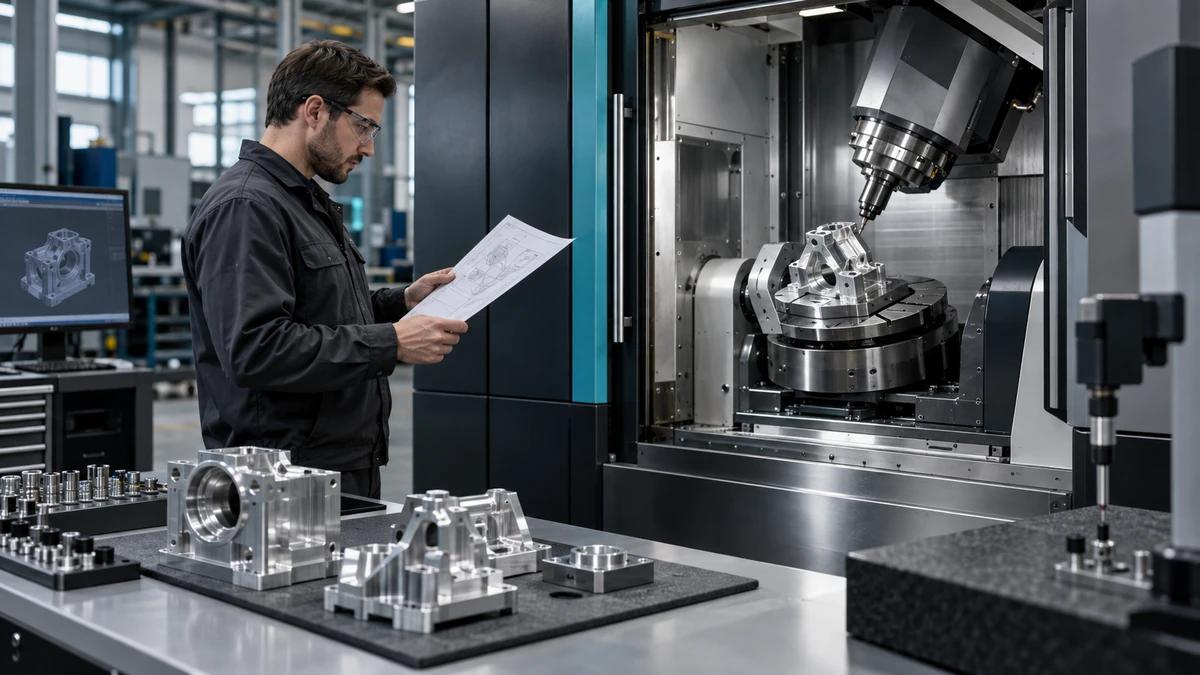
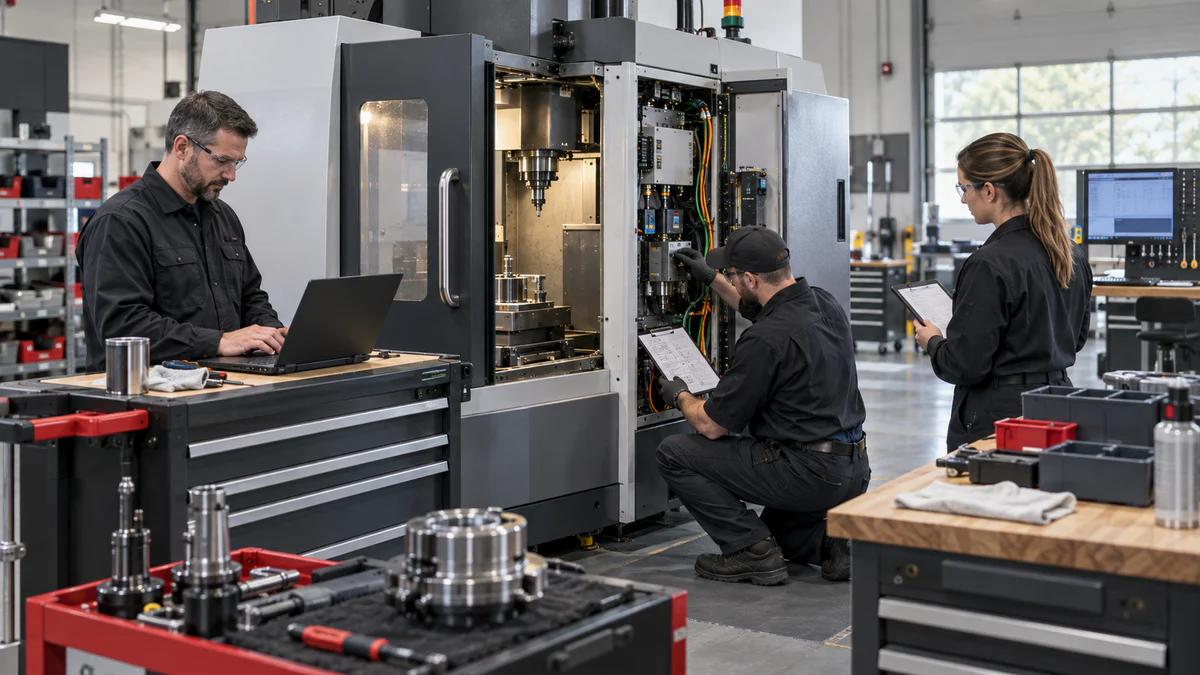
When a CNC machining center supplier matters more than the brochure
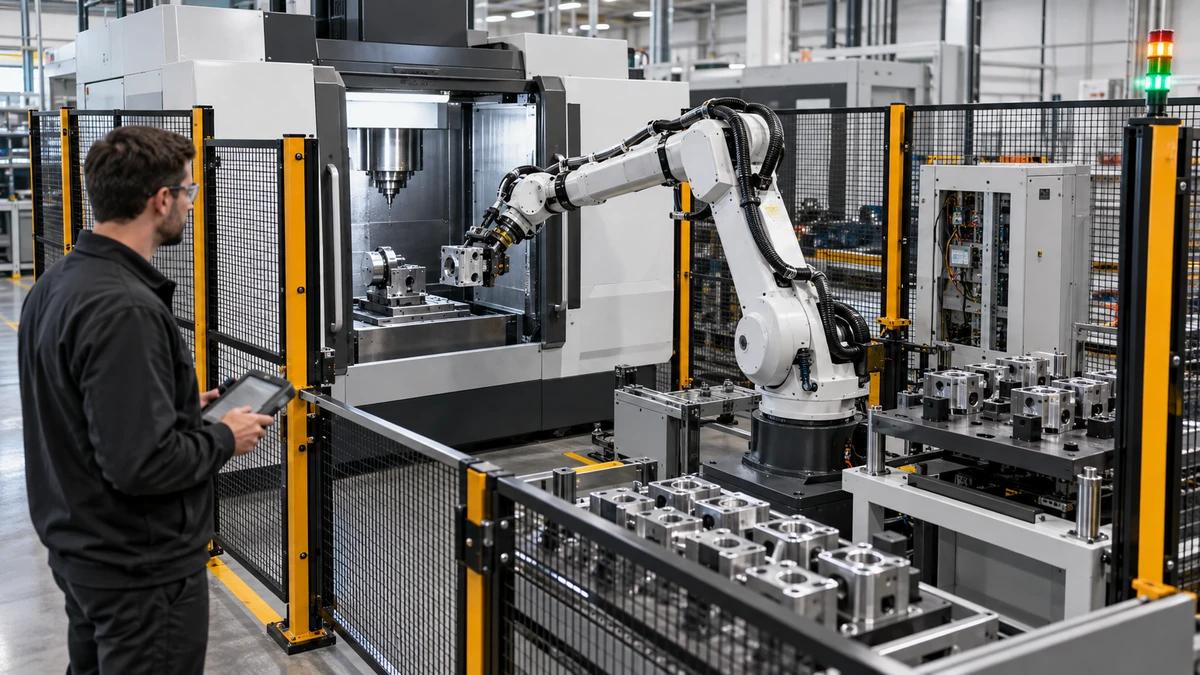
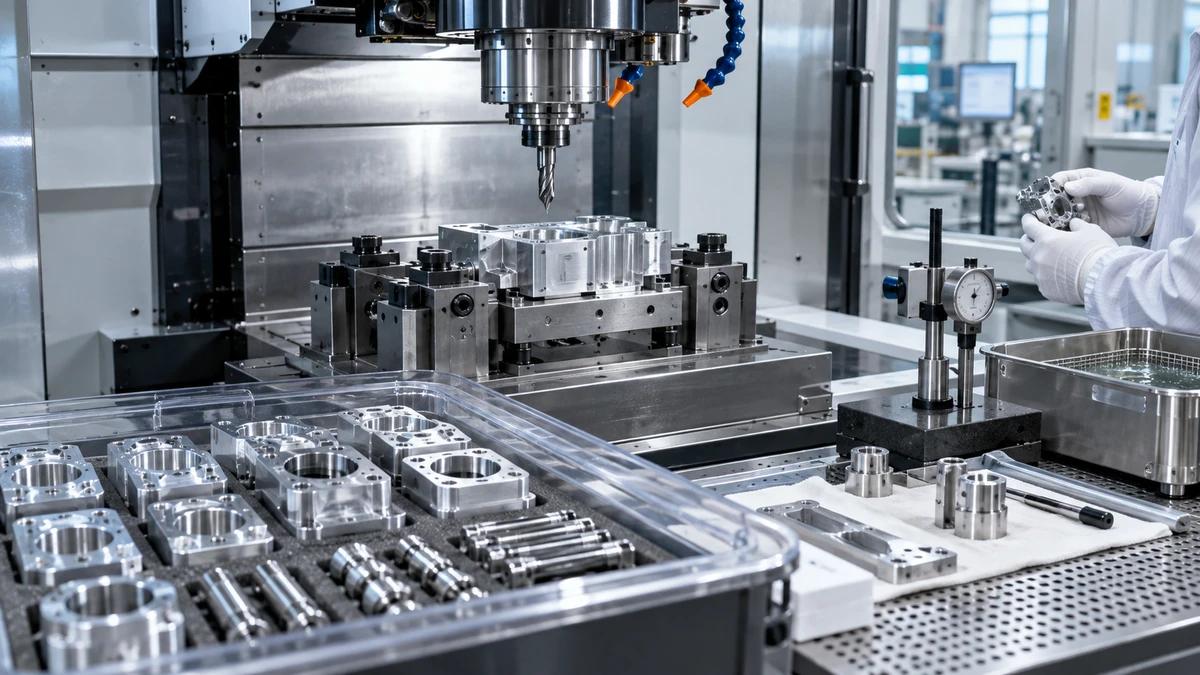
Choosing a CNC machining center supplier is rarely just about machine size or the first quoted configuration. For engineers and sourcing teams, the real question is whether the machine will hold up in daily production, fit the workpiece mix, and still make sense when the job changes six months later. A clean sample part can look convincing. A production floor, with coolant mist, chip load, and shift changes, tells a different story.
That is where comparison becomes useful. Buyers are usually weighing a CNC machining center manufacturer against another, or deciding whether an industrial CNC machining center is the right answer versus a simpler drilling or milling setup. The right decision depends on the part family, material behavior, operator skill, and the level of repeatability the plant actually needs.
What the ZH-800T tells a buyer at a glance
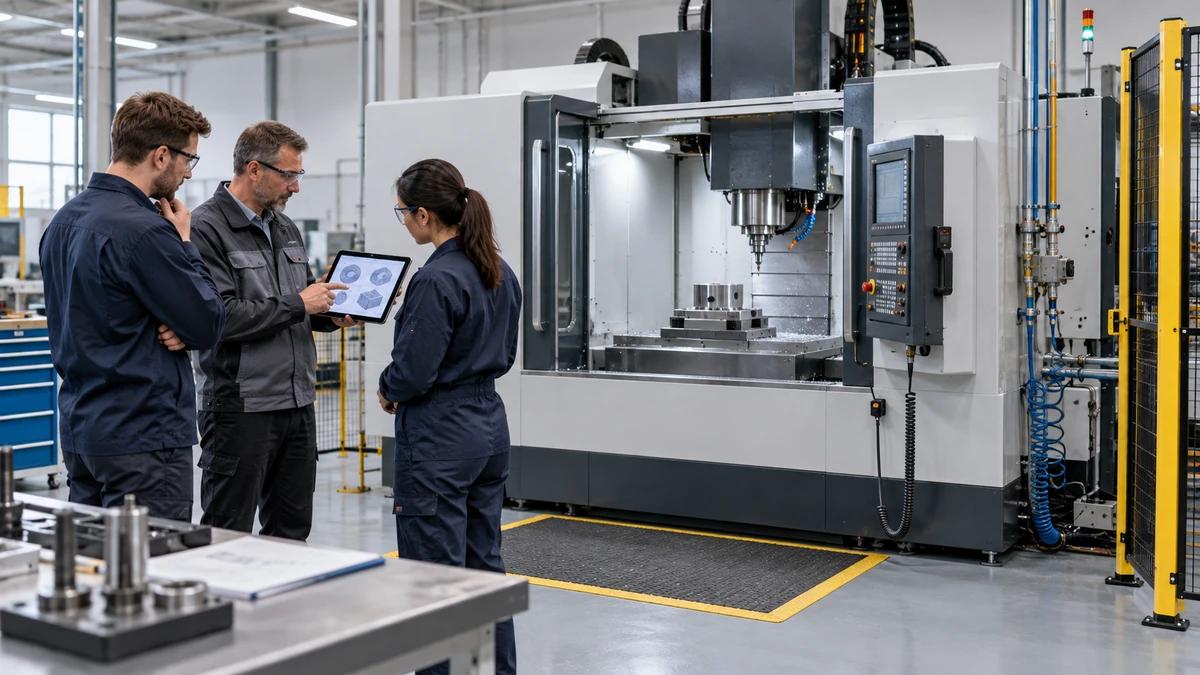
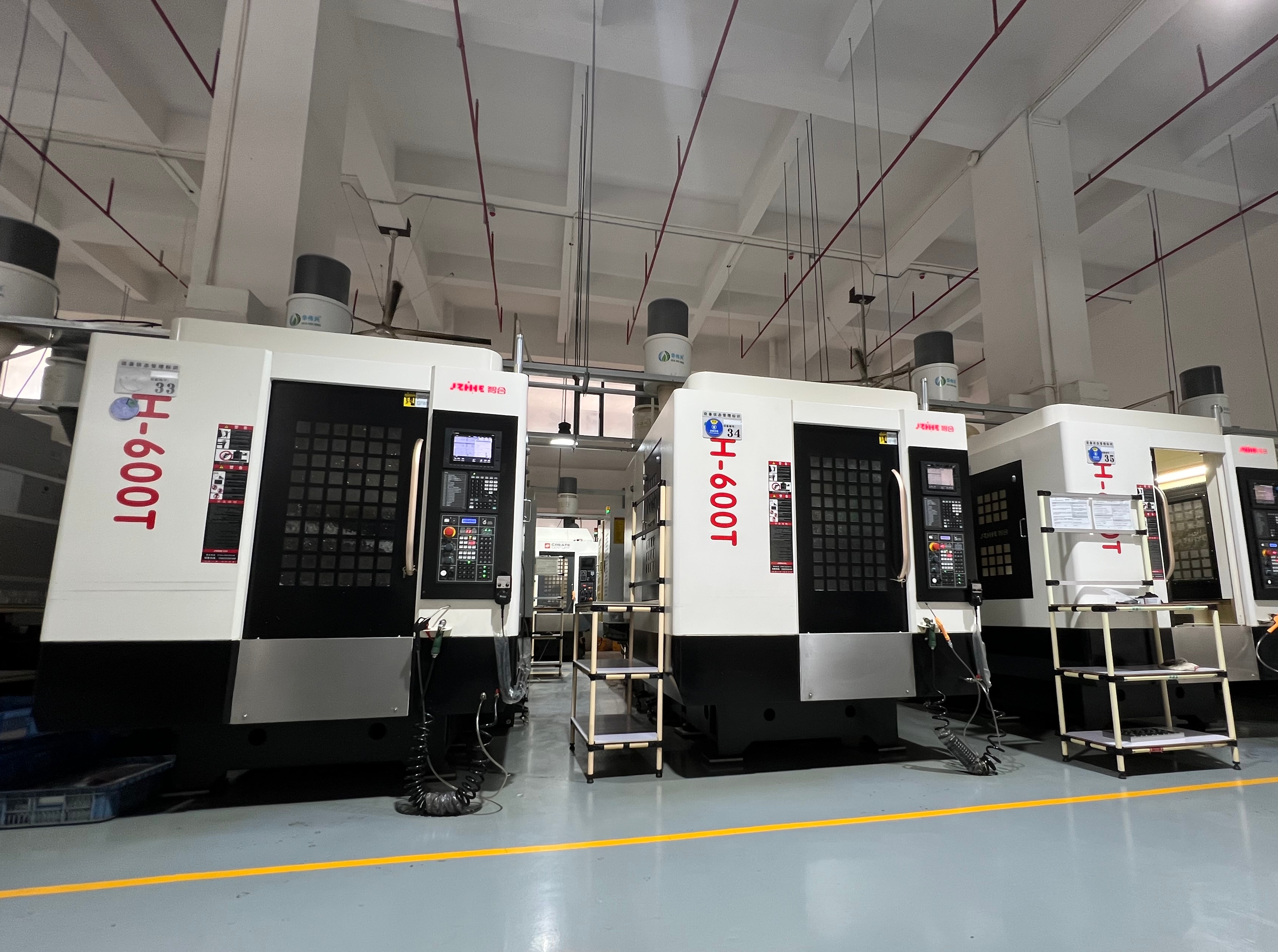
The visible machine marking, ZH-800T, points to a floor-standing, fully enclosed CNC drilling machining center / enclosed vertical machining machine. From the product information provided, it appears built around a white and black painted sheet-metal cabinet, a front-loading work area with double doors, and a side-mounted CNC control console with screen, keypad, and emergency-stop controls. That is not a cosmetic detail. Enclosure design affects chip containment, operator safety, and housekeeping on the shop floor.
The dual-door front access is useful in busy production environments where loading, inspection, and part removal happen all day. The stable base and leveling feet suggest a machine intended to sit permanently in a production cell rather than move around the shop. The top-mounted unit may handle spindle, coolant, exhaust, or cable routing functions, though the exact internal arrangement is not visible and should not be assumed.
Drilling center or full machining center: why the distinction matters
On paper, many machines sound interchangeable. In practice, they are not. A drilling-focused machine is usually selected for repetitive hole making, tapping, and light machining on metal or other rigid workpieces. A broader machining center is better suited when the same component also needs milling or multiple-face processing.
For a buyer, the key is not the label alone but the process mix. If your parts are dominated by hole patterns, fixture repeatability, and cycle consistency, a drilling machining center may be the more efficient fit. If the production plan includes more complex geometry, more frequent program changes, or wider part variation, then a more versatile CNC platform deserves a closer look.
Quick comparison for sourcing teams
A drilling-oriented machine often favors fast setup, stable positioning, and uncomplicated operation. A more general industrial CNC machining center usually offers broader flexibility, but that flexibility can come with higher investment, more tooling decisions, and more training burden. Neither choice is universally better. The right one is the machine that matches the actual work, not the wish list.
What Zhongshan Zhihe CNC Technology says it can support
Zhongshan Zhihe CNC Technology Co., Ltd. was established in 2018 and lists product lines that include vertical machining centers, horizontal machining centers, gantry machining centers, drilling and tapping centers, CNC milling machines, and five-axis machining centers. That range matters because it suggests the company is not limited to one narrow machine category. It can recommend different machine types based on workpiece, material, precision demand, and capacity requirements.
According to the company information, its machines are positioned around practical performance, stable structure, precision matched to the application, and flexible configuration. It also offers support across the buying process, including model recommendation, control system selection, fixture support, test cutting, installation guidance, operator training, warranty service, and spare parts support. For many buyers, those services are just as important as spindle specs, especially when the machine is going into a new line or replacing a legacy process.
Selection criteria that actually change the outcome
When evaluating a CNC machining center supplier, buyers usually do best by focusing on the workpiece first. Start with material, size, tolerance risk, hole pattern complexity, and production volume. Then ask how the machine will be loaded, who will run it, and what happens if the part family changes. A supplier that can talk through those questions in practical terms is often more useful than one that only repeats catalog language.
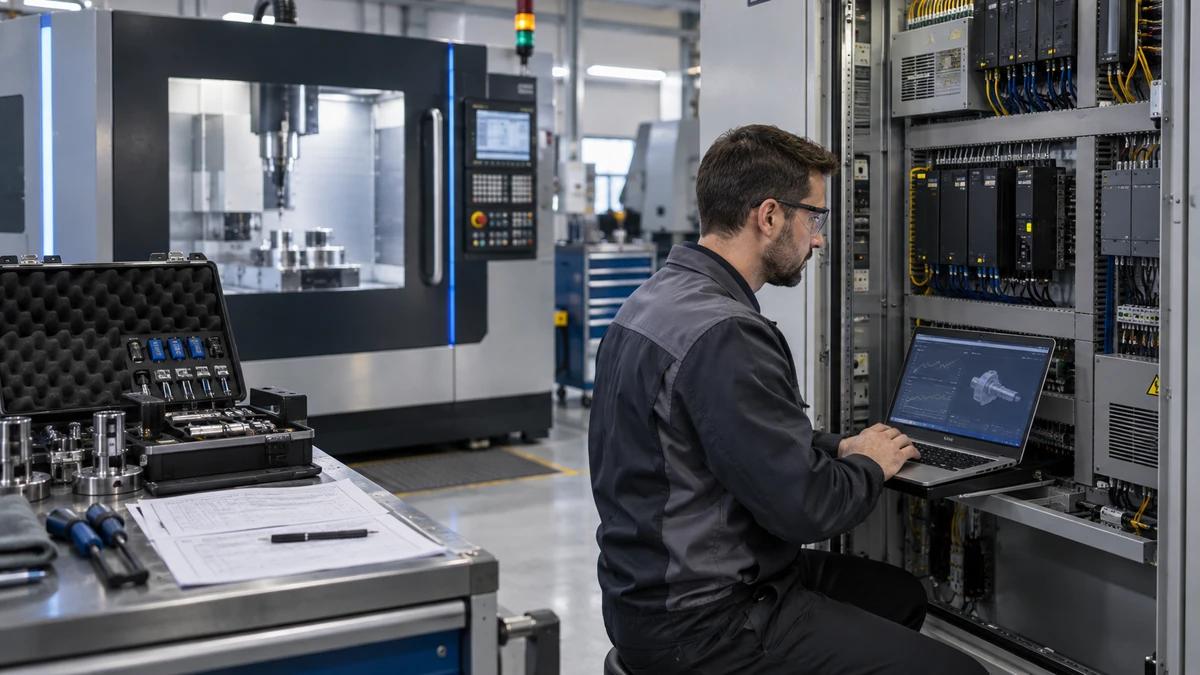
For fabrication shops and component makers, a few cautions matter. Do not assume an enclosed machine automatically solves chip evacuation. Do not assume a control panel means easy programming without training. And do not overbuy flexibility if the shop mainly needs stable drilling output on repeated parts. The wrong level of machine can become expensive in tooling, idle time, and operator frustration.
Buyer-facing questions worth asking before you request a quote
Ask what kinds of parts the supplier usually recommends this machine for. Ask whether fixture support is available. Ask what information is needed for a proper recommendation: drawings, material, dimensions, precision requirements, machine type, and planned output. Zhihe specifically asks for this sort of input before quoting, which is a sensible sign. It usually means the supplier is trying to match machine choice to process reality rather than pushing a one-size-fits-all model.
If you are comparing suppliers for export or multi-site deployment, also ask about packaging, shipping coordination, and delivery documentation. Zhihe notes support for domestic and international transport, including sea freight, land transport, logistics coordination, packaging photos, and shipping documents. That kind of operational support can save time when procurement and production teams are working to a launch date.
Where this type of machine fits best
The ZH-800T style of machine is most relevant for precision hole making, repetitive drilling operations, metal parts machining, and small-to-medium component production. It is also a logical fit for automotive parts, 3C electronics, aluminum parts, precision hardware, communication equipment, mold-related work, home appliances, and lithium battery equipment, which are all sectors mentioned in the company information.
That said, buyers should still verify the exact internal spindle layout, axis configuration, tooling system, power level, and supported materials before making a final decision. Those details are not visible here, and they can change the economics of the purchase more than the exterior design ever will.
Best next step
If you are comparing a CNC machining center supplier for a new production job, prepare a drawing, material specification, dimensions, precision targets, and expected output. A supplier can only recommend the right machine if the process is described clearly. For Zhihe, the contact information is provided directly, and that makes the next step simple: send the part data first, then compare the machine proposal against your actual production need.