CNC machining center supplier: how buyers should compare enclosed machines, not just brand names
When a factory starts looking for a CNC machining center supplier, the first mistake is often to compare brochures instead of actual production needs. A machine may look similar on paper and still behave very differently on the shop floor. Enclosed vertical drilling and machining centers, especially models like the ZH-800T from JZHE, are usually bought for repeatable drilling, tapping, milling, and other precision work on metal or similarly rigid parts. That is exactly why the supplier conversation matters: the machine is only part of the decision. Service, setup guidance, and fit to the part mix are what determine whether the purchase becomes a stable production asset or a noisy compromise.
For buyers in automotive, machinery, fixtures, metal fabrication, prototype work, and general industrial component production, the question is not simply “which machine?” It is “which CNC machining center manufacturer can support the workload I have today and the one I expect six months from now?”
What the enclosed design tells you at a glance
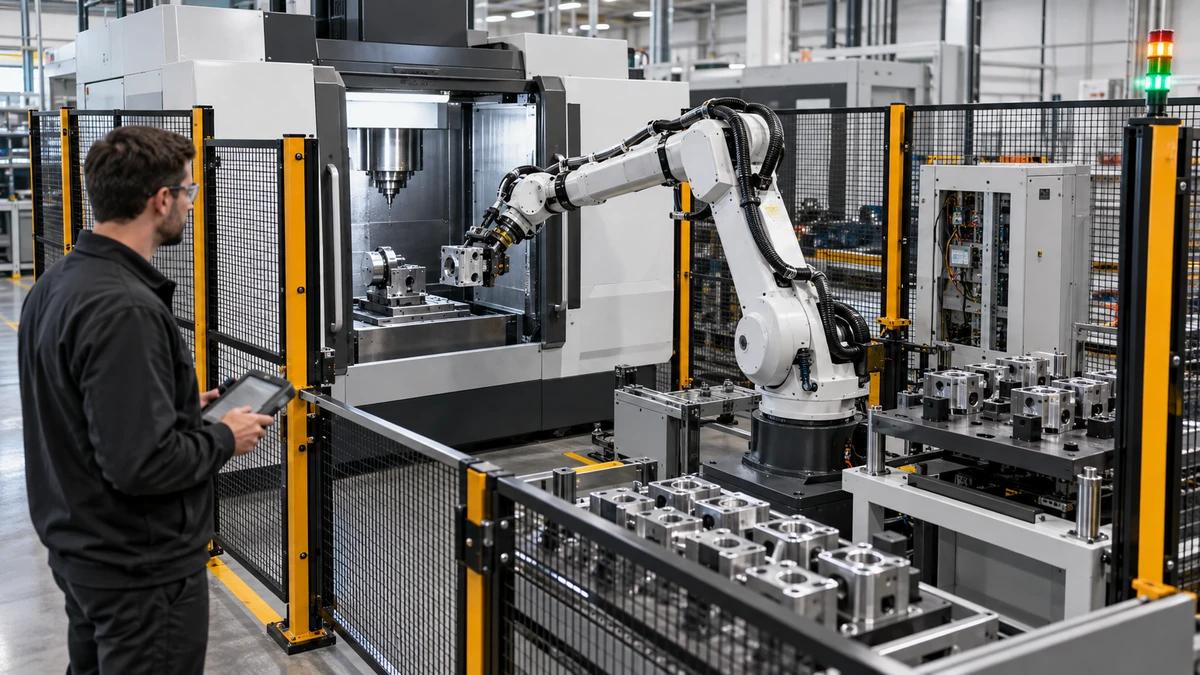
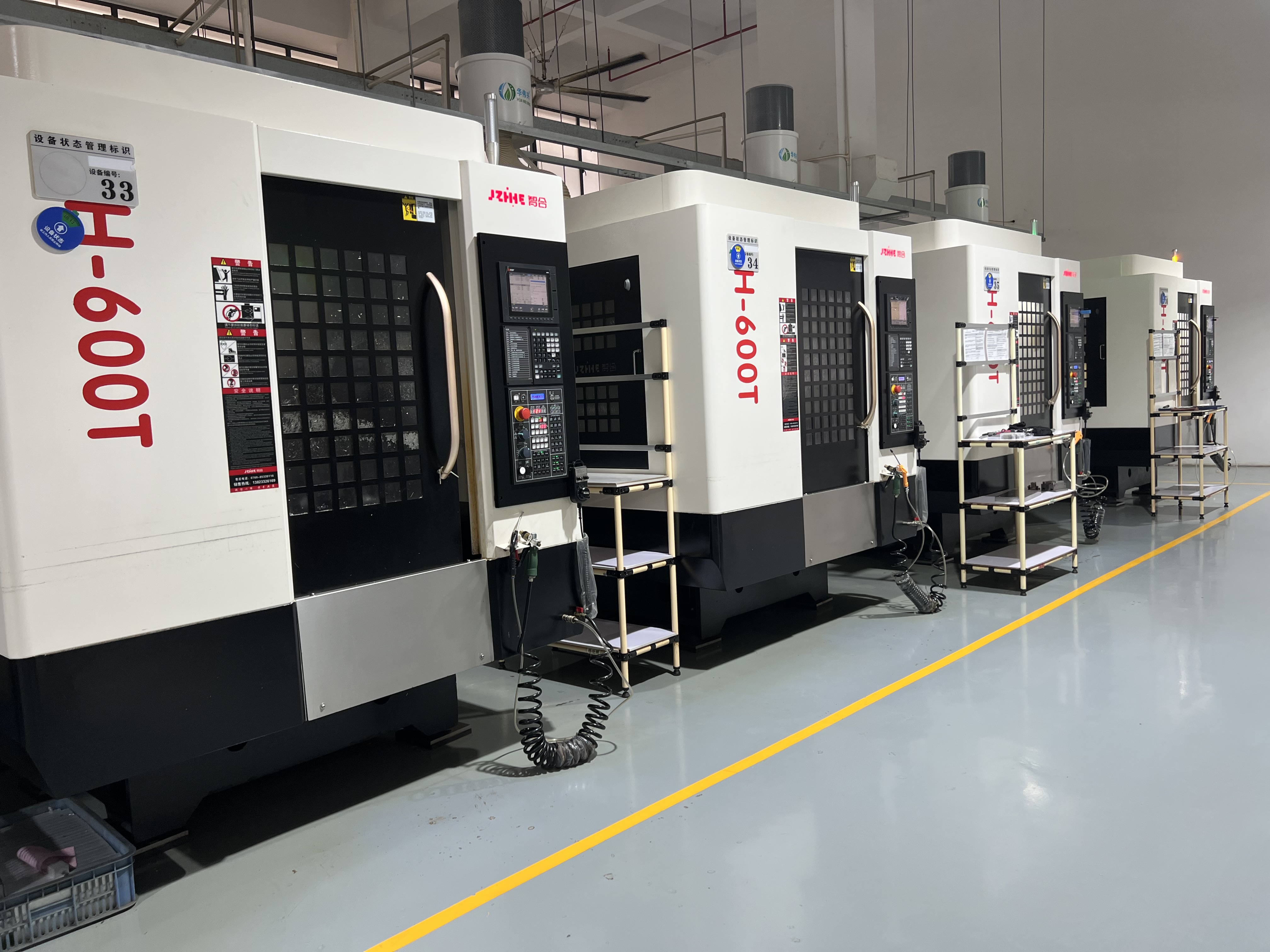
The visible structure of the ZH-800T suggests a practical industrial layout: box-style enclosure, front double doors, safety viewing windows or grille inserts, a side-mounted control panel, and a top-mounted housing that likely manages enclosure hardware, cabling, or exhaust-related routing. The body appears to use painted or powder-coated sheet-metal panels with a black lower base and a brushed-metal accent at the lower front.
That sounds cosmetic, but it is not. Enclosure design affects chip containment, operator visibility, cleaning effort, and day-to-day safety. In a busy shop, a well-contained machine tends to stay cleaner around the spindle area and puts less burden on the operator when the job runs long or the part family changes often.
Why suppliers are judged differently from machines
An industrial CNC machining center is not bought the way a commodity accessory is bought. The machine itself must match the part, but the supplier must also understand the production context. Zhongshan Zhihe CNC Technology Co., Ltd., founded in 2018, positions its product range around vertical machining centers, horizontal machining centers, gantry machining centers, drilling and tapping centers, CNC milling machines, and five-axis machining centers. That broader lineup matters because a buyer often starts with one application and later needs a second machine with a different emphasis.
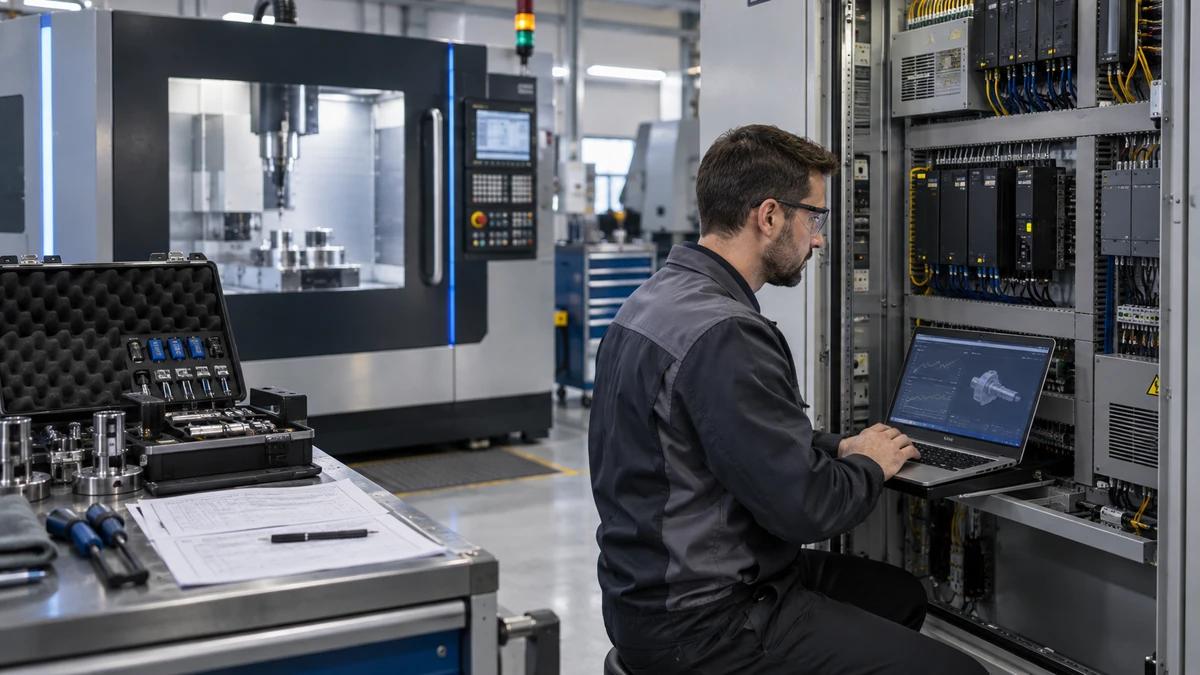
A practical CNC machining center supplier should be able to discuss more than machine size. They should help with machine selection, controller choice, fixture support, trial cutting, installation guidance, operator training, warranty service, and spare parts support. If a supplier cannot move beyond the sales sheet, the buyer is left to sort out process mismatches alone.
Comparing supplier types: what usually separates them
Manufacturers
A CNC machining center manufacturer is usually strongest when the buyer needs direct engineering communication, configuration flexibility, and tighter coordination around build and delivery. This is often the right path for part families with specific clamping, tool path, or throughput demands. The tradeoff is that buyers need to ask sharper questions, because a manufacturing team may assume the customer already understands the process details.
Trading or distribution-focused suppliers
These can be useful when local support, logistics coordination, or multi-brand sourcing matters more than deep machine customization. The caution is simple: check who is actually responsible for commissioning, replacement parts, and technical follow-up. A weak handoff here can cost more than the lower purchase price ever saved.
Application-led suppliers
Some suppliers frame the conversation around the part and the production target. That is usually the most buyer-friendly approach. Zhihe’s company information points in this direction by noting support for material selection, precision requirements, capacity needs, and even trial validation. For many purchasers, that is more useful than a long list of model names.
What the ZH-800T style of machine is suited for
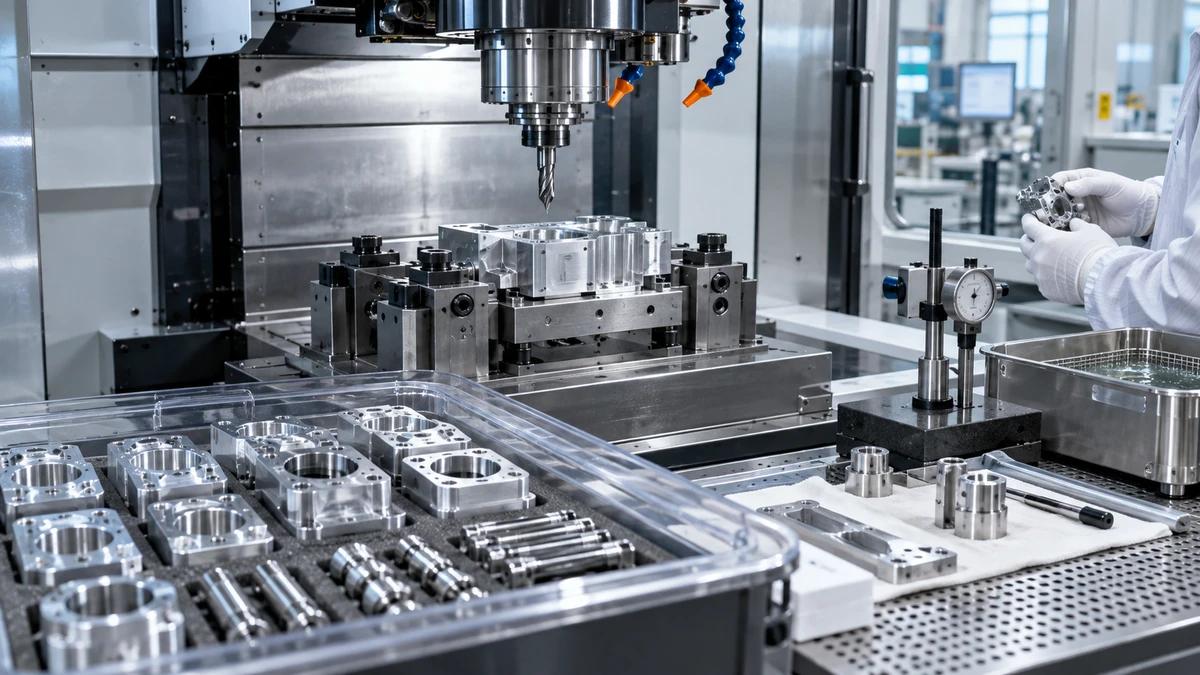
Based on the visible configuration and the stated product category, this kind of enclosed vertical drilling/machining center is suited to repetitive industrial work where protection, consistency, and process control matter. Typical use cases include drilled and tapped parts, milled faces, fixture components, and mixed-operation jobs in metal fabrication or general component production.
The important caveat is that the exact work envelope, spindle type, travel, power, speed, tool capacity, and controller model are not visible here. A serious buyer should not guess those from a photo. Ask for the actual configuration, then compare it against the part drawing and cycle-time target.
Buyer checks that matter more than a polished brochure
First, confirm what operations the machine must perform on day one. Drilling only is a very different task from combined drilling, tapping, and light milling.
Second, look at the part mix. Small aluminum components, precision hardware, and heavier steel fixtures may all fit the same general machine category, but they will stress the machine differently.
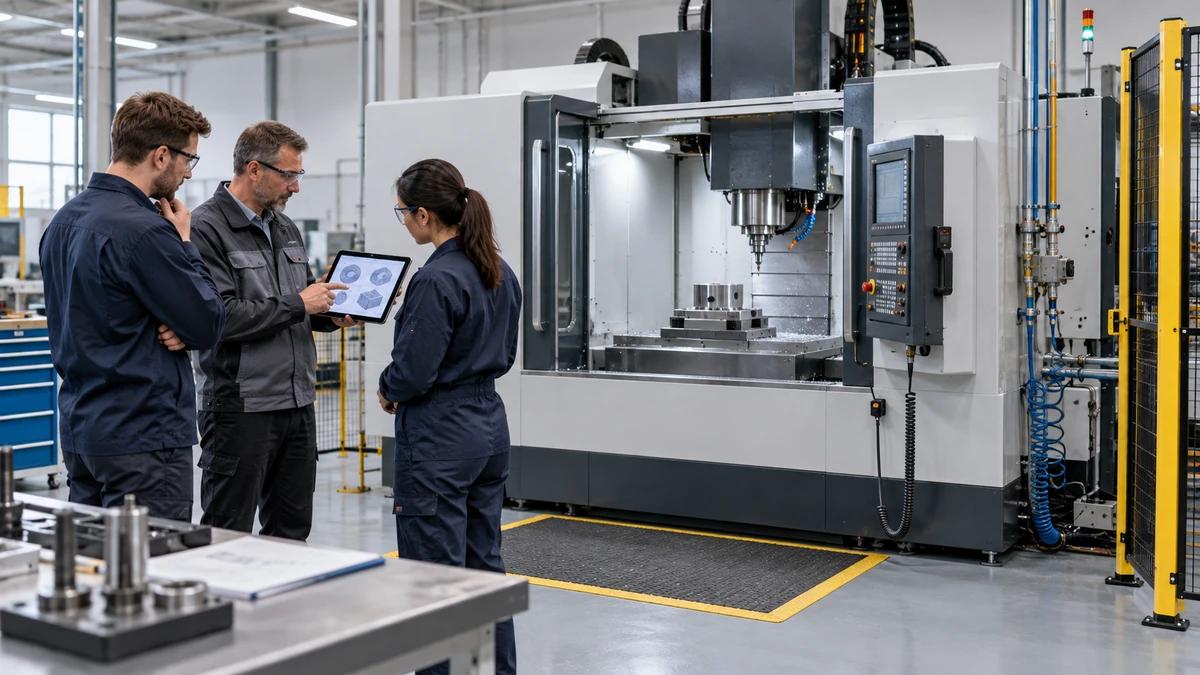
Third, ask how the supplier handles proof of suitability. A trial cut, fixture discussion, or process review is often more valuable than a long feature list.
Fourth, pay attention to service reach. Zhihe notes support for domestic and international shipping, packaging photos, shipping documents, and delivery assistance for overseas customers. That is a useful sign for buyers who need the transaction to be more than a simple ex-works handoff.
Common mistakes when sourcing this kind of equipment
The most common mistake is buying a machine that looks capable but does not match the shop’s actual production rhythm. Another is assuming all enclosed machining centers are interchangeable. They are not. The enclosure, control interface, support model, and configuration flexibility all affect usability.
A second mistake is overfocusing on the machine body and underestimating the supplier’s role in setup. Even a stable, well-built machine can disappoint if the installation, operator training, or fixture strategy is rushed.
A practical next step for sourcing teams
If you are shortlisting a CNC machining center supplier, prepare three things before you request a quotation: the part drawing, the material, and the production requirement. Add target precision, batch size, and any special needs around fixturing or control system preference. That is the fastest way to get a meaningful recommendation instead of a generic model list.
For buyers evaluating JZHE or Zhongshan Zhihe CNC Technology Co., Ltd., the useful question is whether the supplier can recommend a machine configuration that fits the job, then support it through delivery and use. That is the real comparison point, and it usually tells you more than the price line does.