CNC Milling Machine Automotive Buyers Can Trust: Why ZH-500U Fits Complex Parts Production
Buying a CNC milling machine automotive suppliers can rely on is not a simple matter of choosing the fastest machine in the catalog. Speed looks attractive on paper, of course. But in real automotive production, the more difficult question is usually this: can the machine keep accuracy stable across several faces, reduce repeated clamping, and help the workshop avoid unnecessary scrap?
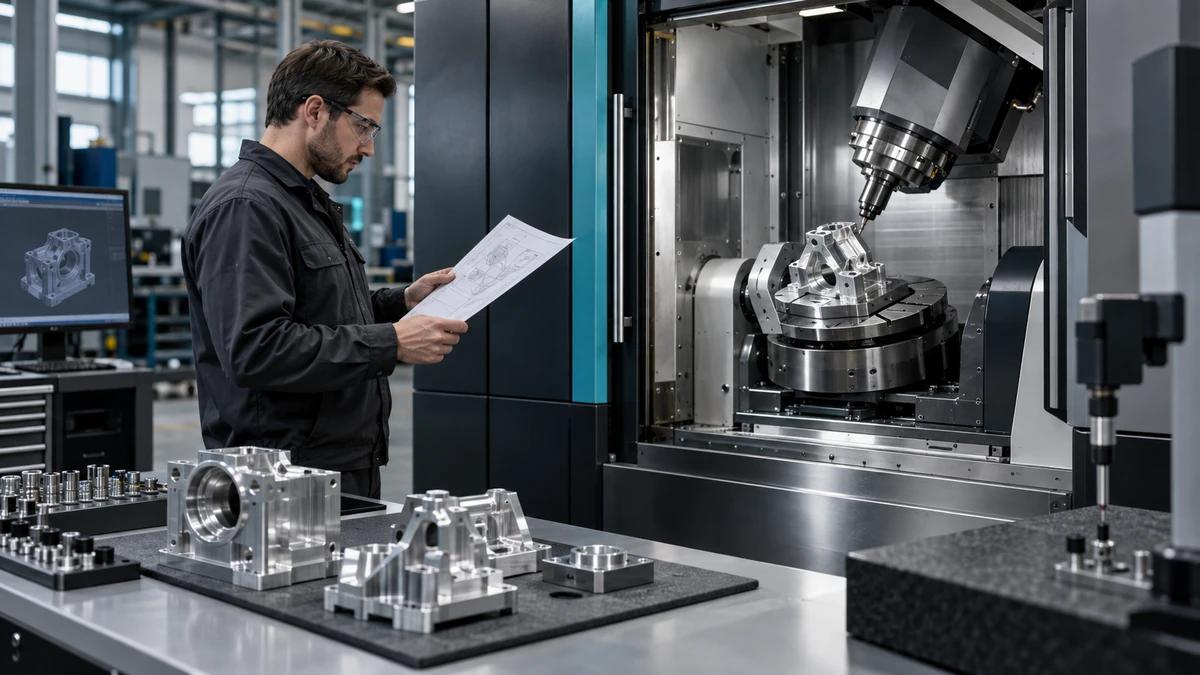
That question becomes even more important when the parts are not basic flat plates. Brackets, turbocharger housings, mold cavities, dies, engine-related components, and precision aluminum or steel parts often need angled holes, curved surfaces, tight positional accuracy, and clean multi-side machining. A normal three-axis pass may complete part of the job, but it may also leave too much work for secondary setups.
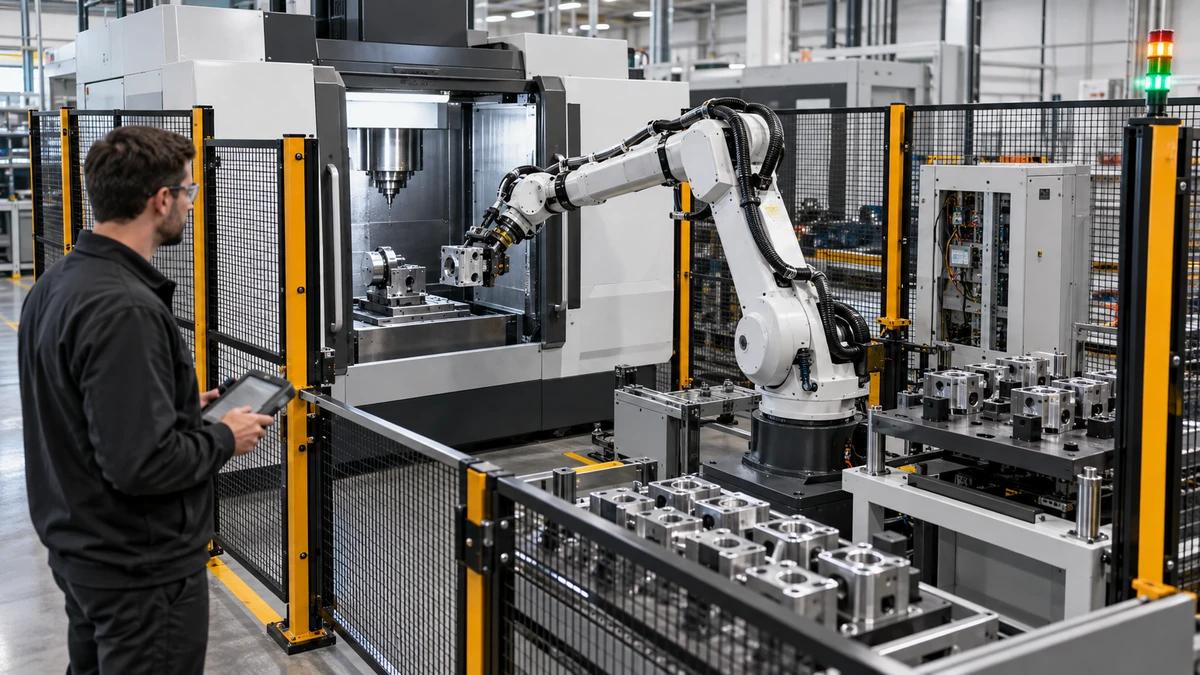
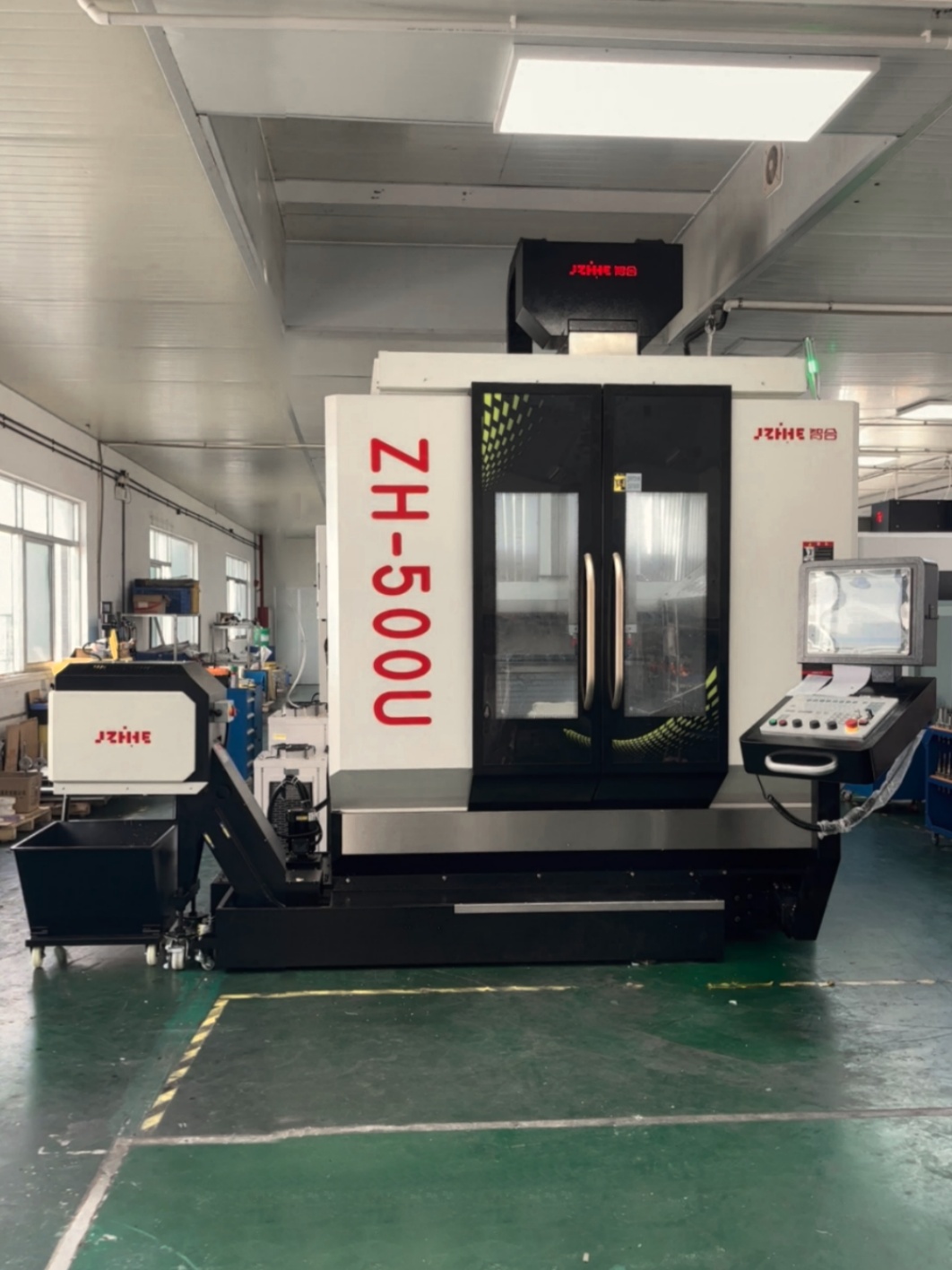
This is where a five-axis enclosed machining center such as the ZH-500U 5-Axis Trunnion Machining Center from Zhongshan Zhihe CNC Technology Co., Ltd. becomes worth looking at. It is designed for high-precision, multi-sided machining of complex components, especially where one setup can replace several separate operations. With X/Y/Z travel of 750 / 880 / 600 mm, a trunnion table with A-axis ±110° and C-axis 360° DDR direct drive, plus a 20,000 rpm built-in motor BBT40 spindle, the ZH-500U is positioned for serious production work rather than occasional shop-floor milling.
 Why Automotive Machining Is So Sensitive to Setup Changes
Automotive parts are strict in a quiet way. They do not always create obvious problems at the machine. Sometimes the part looks fine until inspection shows a small positional drift, a misaligned face, or a feature that no longer matches the drawing after multiple reclamping steps.
That is why setup reduction matters.
Every time a workpiece is removed, repositioned, and clamped again, there is a chance for error. A skilled operator can control a lot, but cannot remove every variable. Fixture condition, clamping force, datum selection, thermal movement, and human adjustment all influence the final result. For a supplier making repeated batches, these small differences can become expensive very quickly.
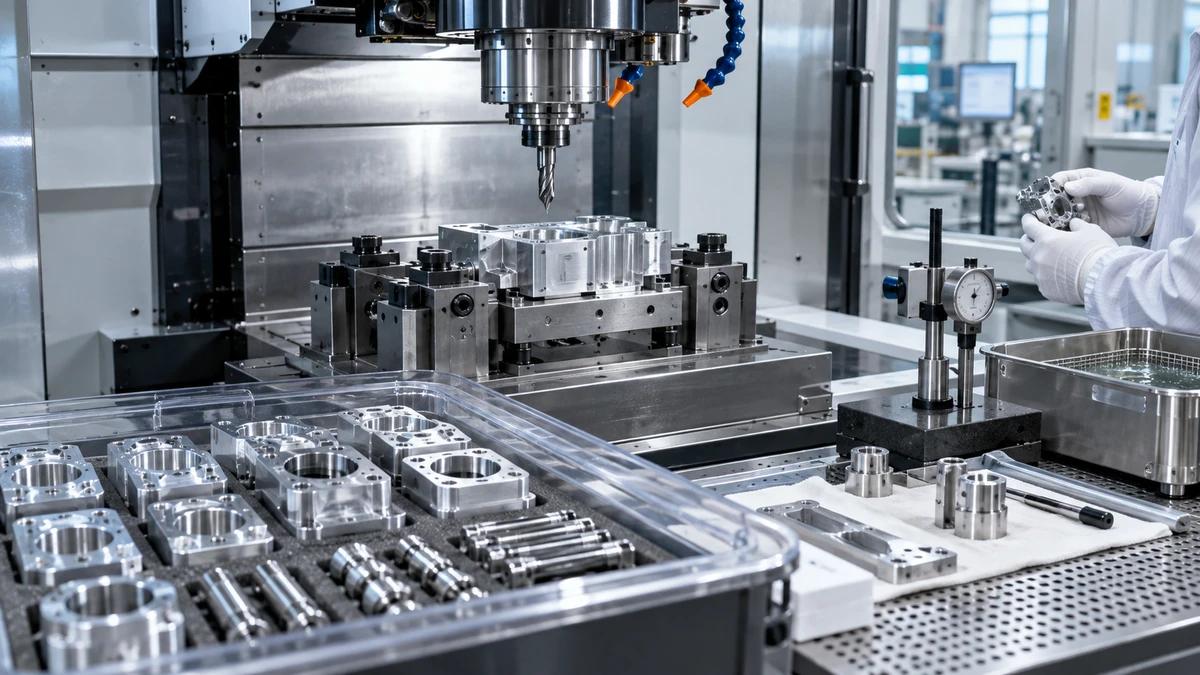
A CNC machining center for engine components or other complex automotive parts must do more than cut metal. It has to protect the relationship between surfaces. When multiple faces can be machined in one setup, the process becomes cleaner. Inspection is easier. Part-to-part consistency improves. Scrap becomes less random.
For small and medium batch production, this can be the difference between a profitable job and a job that keeps producing rework.
What Makes the ZH-500U Suitable for Multi-Face Machining
The ZH-500U belongs to the 5-Axis Simultaneous Machining Center · U Series. Its strongest value is not just that it has five axes. Many buyers hear “five-axis” and immediately think of complex curved surfaces, but the daily benefit is often more practical: fewer setups, better access to angled features, and more stable machining of several sides of the same part.
The trunnion table gives the machine its flexibility. With A-axis ±110° and C-axis 360°, the workpiece can be positioned for different machining angles without being repeatedly moved by hand. The DDR direct-drive C-axis with positioning accuracy of ±6 arcsec also suggests that the machine is built for controlled angular positioning, which matters when holes, pockets, and surfaces must line up precisely.
The 20,000 rpm BBT40 built-in spindle is useful for parts requiring fine surface quality and efficient machining of aluminum alloy, mold materials, or precision components. In automotive supply chains, this can be valuable for housings, bracket surfaces, mold cavities, and contour features where both speed and finish matter.
The machine also uses a LYNUC CNC controller, while its enclosed structure supports coolant and chip containment. That may sound like a small point, but on a busy shop floor, chip control affects uptime, operator safety, and daily cleaning pressure. A machine that cuts well but creates constant debris problems is not truly efficient.
Where This CNC Milling Machine Automotive Solution Fits Best
The ZH-500U is not a machine for every part. No serious buyer should select equipment that way. It fits best when the part geometry actually benefits from five-axis access.
Typical applications include:
| Application Area | Why ZH-500U Can Be Suitable |
|---|---|
| Aerospace structural parts | Multi-face machining and complex contouring in one setup |
| Precision mold cavities | High-speed spindle and controlled 5-axis access for curved surfaces |
| Automotive turbocharger housings | Angled features, complex cavities, and tight geometric relationships |
| Medical implants | Complex shapes requiring precision and stable machining paths |
| Automotive brackets and housings | Reduced clamping changes and better consistency across faces |
| Dies and complex metal components | More efficient roughing, finishing, drilling, and contouring |
For automotive buyers, the most relevant examples are usually turbocharger housings, engine-related housings, precision brackets, mold and die parts, and complex aluminum components. These parts often combine surfaces, holes, and contours that do not sit comfortably in a simple three-axis process.
A CNC milling machine automotive production team can trust should help the workshop cut down avoidable handling. That is the real value. The machine is not only making one surface look good; it is keeping the entire part geometry under control.
CNC Milling Machine vs. Turning Center: Buyers Should Not Confuse the Two
Some automotive projects begin with a broad request: “We need a CNC machine for auto parts.” That is too general. The part drawing should decide the machine direction.
A CNC turning center auto parts solution may be better for shafts, bushings, round housings, sleeves, and symmetrical parts where turning is the dominant process. If the part is mostly rotational, a turning center can be more efficient and more economical.
A five-axis machining center, on the other hand, becomes more attractive when the workpiece has flat faces, angled holes, pockets, sculpted surfaces, irregular shapes, or features that need access from several directions. Trying to force those parts through several three-axis setups may work, but it may also increase labor, inspection time, and alignment risk.
This is why procurement should not start with the machine name. Start with the part family. Then check whether the main challenge is turning, milling, drilling, tapping, contouring, or multi-face accuracy.
The wrong machine can still make parts. The problem is that it may make them slowly, inconsistently, or with too much hidden cost.
Key Selection Points for Automotive Buyers
When evaluating the ZH-500U or any similar five-axis machining center, buyers should focus on practical production questions rather than brochure language.
Part size and travel should come first. The ZH-500U offers 750 / 880 / 600 mm X/Y/Z travel, so buyers need to compare their actual workpiece dimensions, fixture space, and tool clearance with the machine envelope. A part may fit by size, but not fit comfortably once fixtures, tool length, and rotation range are considered.
Axis movement and positioning come next. The A-axis and C-axis range should match the surfaces and angles in the drawing. For parts with deep pockets or difficult tool access, this is especially important.
Spindle performance also matters. A 20,000 rpm BBT40 spindle can support high-speed machining needs, but the right result still depends on material, tool type, cutting strategy, and surface finish requirements.
Fixture planning should not be left until the machine arrives. For automotive parts, fixture design often decides whether five-axis machining saves time or simply becomes expensive capability sitting idle.
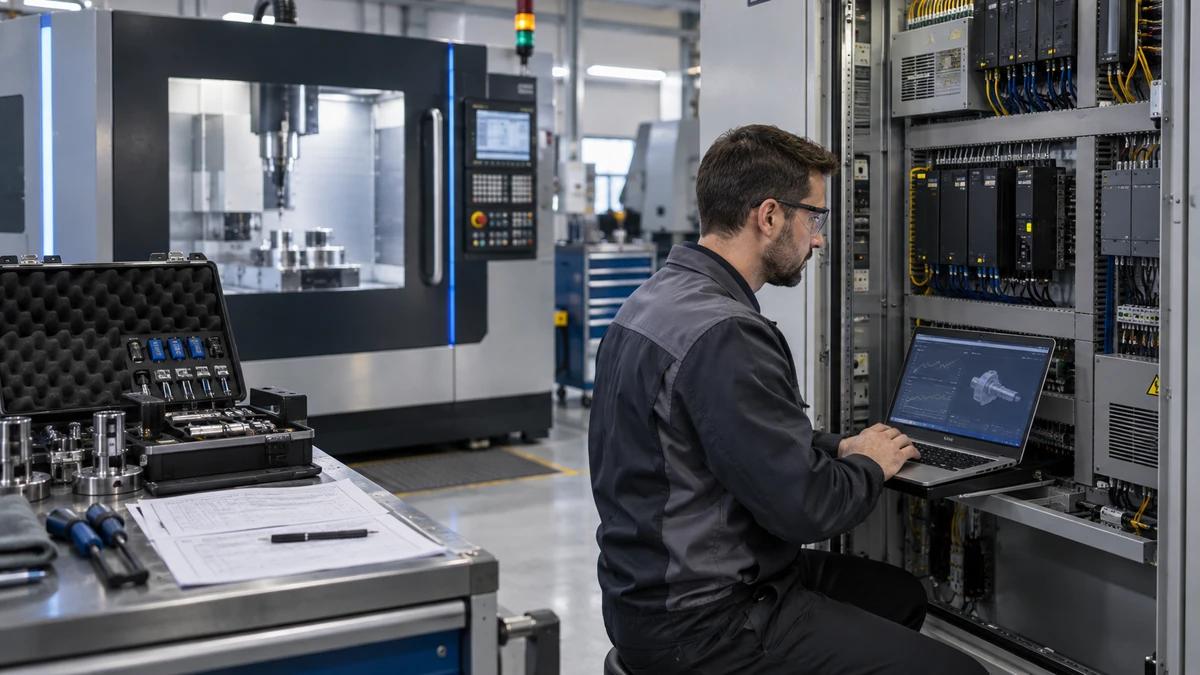
Control system and operator familiarity are also worth checking. Even a capable machine can disappoint if the team struggles with programming, trial cutting, or daily operation.
Common Mistakes Buyers Should Avoid
One common mistake is buying five-axis capability just because it sounds advanced. If most parts are simple plates or basic three-axis components, the return may not be strong enough. A simpler vertical machining center may do the work at lower cost.
Another mistake is focusing only on spindle speed. Speed matters, but stability, fixture design, axis accuracy, toolpath strategy, and chip evacuation often matter just as much in real production.
A third mistake is ignoring setup time. Many buyers compare cutting time but forget handling time, inspection time, and rework time. For complex automotive parts, those hidden minutes can decide whether the machine actually improves production.
There is also a softer mistake: asking the supplier for a price before sharing enough technical information. A useful recommendation needs drawings, materials, tolerances, annual or monthly quantity, surface finish requirements, and any current machining problems. Without that, the answer is only half useful.
Practical Questions to Ask Before Choosing ZH-500U
Before choosing the ZH-500U, an engineering or sourcing team can prepare a simple checklist:
| Buyer Question | Why It Matters |
|---|---|
| What parts will run on this machine most often? | Prevents overbuying or underbuying |
| How many setups are used now? | Shows whether five-axis machining can reduce handling |
| What tolerances are most difficult to hold? | Identifies the real production pain point |
| Which materials are used? | Affects spindle speed, cutting tools, coolant, and rigidity needs |
| What batch size is expected? | Determines whether setup reduction brings enough value |
| Is fixture support needed? | Helps avoid delays after delivery |
| Will trial cutting be arranged? | Confirms real performance before full production |
These questions are not complicated, but they are often skipped. That is where problems begin. A good machine choice is usually made before the purchase order, not after installation.
Why Supplier Support Matters as Much as Machine Capability
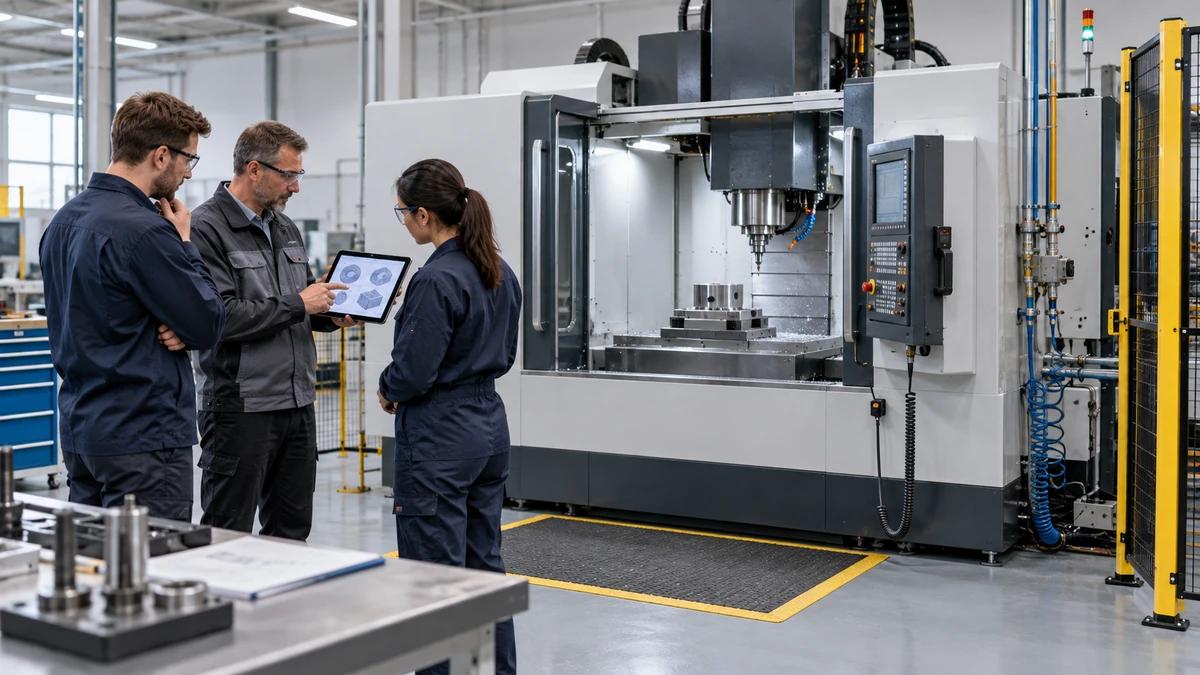
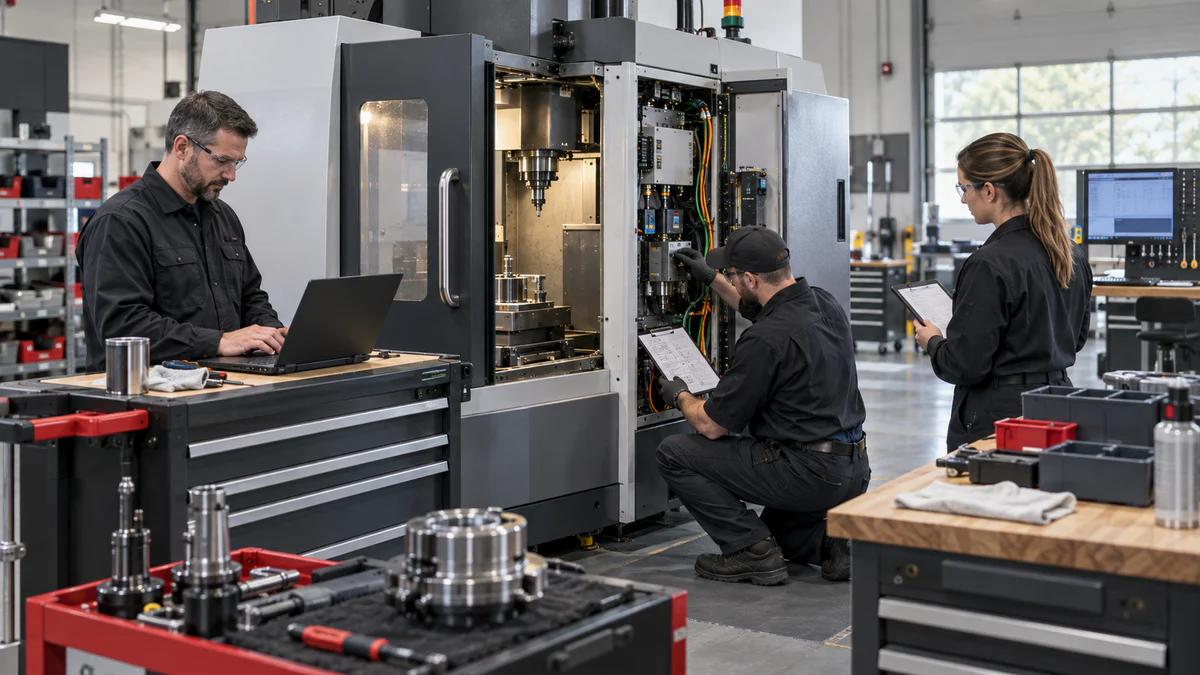
A machine like the ZH-500U can offer strong technical potential, but automotive buyers also need support around the machine. Machine recommendation, control system selection, fixture discussion, trial cutting, installation, training, and after-sales service all affect the final result.
For example, a part may require five-axis machining, but the clamping method may still limit tool access. Or the drawing may allow several machining strategies, but only one gives a stable balance between accuracy and cycle time. These decisions are not solved by specifications alone.
This is why communication with the manufacturer matters. Zhongshan Zhihe CNC Technology Co., Ltd. should not only provide a machine model; it should help the buyer understand whether the model fits the actual part, process, and production rhythm.
For procurement teams, that support lowers risk. For engineers, it saves trial-and-error time. For production managers, it helps the machine reach useful output faster.
FAQ
Is the ZH-500U only for automotive parts?
No. It can also be used for aerospace structural parts, precision mold cavities, medical implants, complex aluminum components, and other multi-sided parts. Automotive applications are only one important use case.
Is five-axis machining always necessary for automotive production?
Not always. It becomes valuable when the part has complex geometry, angled features, multi-face requirements, or when reducing repeated setups improves accuracy and efficiency.
Why does one-setup machining matter?
One-setup machining can reduce repositioning error, shorten handling time, simplify inspection, and improve consistency between parts.
Can ZH-500U be used for molds and dies?
Yes. Its five-axis structure and high-speed spindle make it suitable for precision mold cavities, dies, and complex contour machining, depending on material and process requirements.
What should buyers prepare before asking for a machine recommendation?
Buyers should prepare part drawings, material information, tolerance requirements, expected batch size, surface finish needs, and current machining challenges.
Final Advice for Automotive Buyers
A CNC milling machine automotive suppliers can trust is not selected by looking at one impressive specification. It is chosen by checking whether the machine matches the part family, the setup strategy, the fixture plan, and the daily production target.
For complex components that need multi-face machining, angled access, and reduced clamping, the ZH-500U 5-axis trunnion machining center offers a practical direction. Its 750 / 880 / 600 mm travel, A-axis ±110° / C-axis 360° trunnion table, 20,000 rpm BBT40 spindle, and enclosed production structure make it suitable for buyers who need more than basic milling.
The best next step is simple: collect the drawings, list the difficult features, confirm the material and output target, then compare the actual process against the machine’s capability. A machine only becomes the right investment when it fits the part, the workflow, and the pace of the shop.