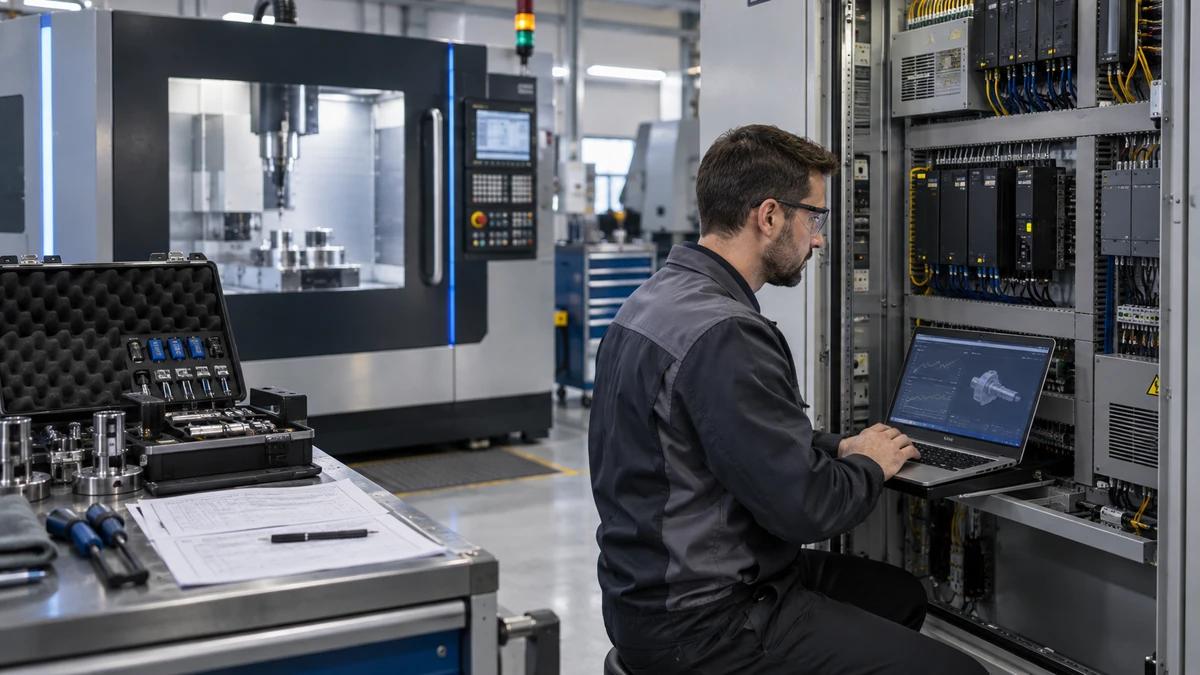
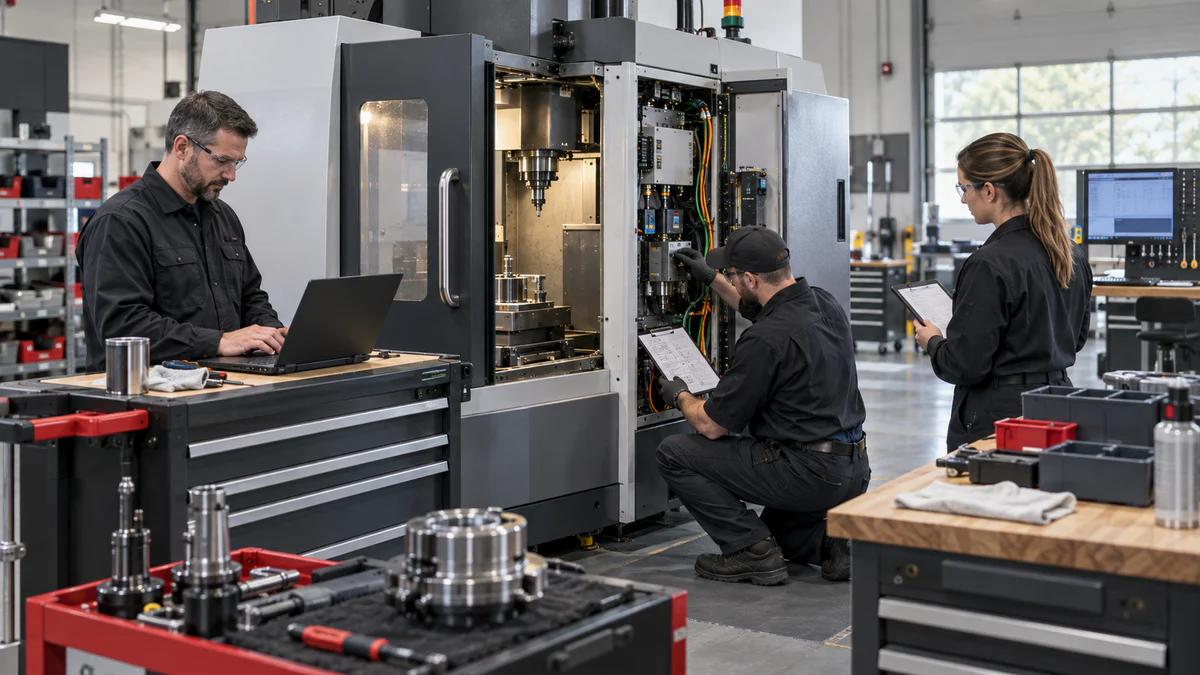
Case File: Where the First Scratch Entered
Zhihe CNC traces copper-part scratches, chips, burrs, tool condition, handling and inspection through a surface-debt ledger. A CNC milling machine for copper parts decision should connect the declared part family to setup, tools, support work, inspection, recovery and a stated commercial boundary. The strongest evidence is reproducible by the receiving team and transparent about what has not been tested.
The Surface-Debt Ledger
| Debt source | Control question | Release evidence |
|---|---|---|
| Stock | Is the copper grade and surface state controlled? | Material and receiving record |
| Tool | Is edge condition visible before finish work? | Tool identity, preset and wear note |
| Chip | Can chips leave without recutting? | Production-window observation |
| Handling | Are finished faces protected between steps? | Tray, cleaning and handoff rule |
| Inspection | Is appearance tied to a defined method? | Marked zones and disposition |
Open a Surface-Debt Ledger
List every step that can add a scratch, dent, burr, stain or embedded chip: receiving, storage, clamping, cutting, cleaning, inspection and transfer. Give each risk an owner and a release rule. Zhihe CNC uses this ledger because a clean machining cycle can still deliver damaged copper parts when handling remains uncontrolled.
A CNC milling machine for copper parts should be reviewed against the complete surface route, not only the final tool pass. Mark functional, cosmetic and noncritical zones on the drawing so operators and inspectors apply the same standard.
Freeze Copper Grade and Stock State
Record grade, temper or declared condition, stock form, protective film, surface marks, flatness and allowance. Do not mix observations from two material conditions without labeling them. A changed grade or supplier lot can alter chip behavior, edge formation and handling sensitivity.
Keep receiving evidence with the program revision and fixture record. If a stock surface is already marked, photograph or record it before clamping so the machining team is not charged with an incoming defect.
Design Soft but Stable Workholding
Define support, contact material, clamp sequence, force assumptions, datum cleaning and access. Soft jaws or protective layers help only when seating and repeatability remain controlled. Trial unload and reload with representative stock.
Measure datum features before blaming a surface result on cutting. A trapped chip or inconsistent support can change both geometry and appearance. Preserve the accepted workholding state as a setup passport.
Keep Chips Away From Finished Faces
Map chip direction for pockets, slots, holes and face work. Record coolant, air use, washdown, filtration and safe cleaning. Copper chips can smear or recut when they remain between a tool, part or fixture surface.
Observe a complete production window rather than a short clean demonstration. Count cleaning time and identify where chips accumulate. Zhihe CNC includes this work in accepted output instead of hiding it outside cycle time.
Define the Edge and Burr Contract
Classify edges by function, permitted break, burr limit and inspection method. Separate programmed chamfering from permitted manual deburring. Record the tool, sequence, cleanup and owner for any secondary operation.
Inspect the same marked edges before and after cleaning. A CNC milling machine for copper parts should show whether the burr route is repeatable across the tool-life window, not just on the first part.
Track the Finish Tool as an Asset
Record cutter, holder, projection, preset, runout, batch, engagement, coolant, wear observation and replacement trigger. Protect the finish tool from roughing damage or accidental reuse in another job.
Include one planned replacement in the trial. Compare marked surface zones and dimensions before and after the event. Keep the previous tool state and corrected state visible.
Surface Evidence Ledger
| Lane | Minimum record | Reopen when |
|---|---|---|
| Part | Representative and boundary features | Drawing, material or mix changes |
| Setup | Fixture, datum, tools, offsets and program | Fixture, holder or software changes |
| Quality | Gauge, sampling, raw data and disposition | Gauge or acceptance rule changes |
| Output | Complete time and released quantity | Labor, batch or support assumptions change |
Four Closing Investigations
Cost Surface Protection as Production Work
Build a cost ledger for protective stock handling, soft contacts, tool segregation, chip cleaning, deburring, inspection trays, separators and packaging. Do not invent savings. Use the buyer’s batch, surface zones and labor assumptions so two machine routes are compared on released parts rather than cutting minutes.
Review which protection items are supplied with the machine, which belong to the fixture package and which remain the buyer’s responsibility. Tie each item to a named surface risk, replenishment route and inspection evidence.
Audit the First Tool-Life Window
Follow one lot from fresh finish tool through the planned replacement. Mark surface zones, edge condition, chips, offsets, cleaning and inspection results. Preserve parts before and after the event so the CNC milling machine for copper parts evidence remains connected to the actual tool state.
If the result changes, isolate tool edge, runout, holder, chips, fixture contact, cleaning and measurement before changing the program. Record the accepted correction and the conditions that require a new trial.
Rehearse Packaging Before Release
Pack one accepted part using the proposed tray, separator, cover and identification. Unpack it at inspection or the next operation and check the protected faces. This simple rehearsal can reveal a contact point that machining evidence alone cannot see.
Record storage orientation, stack limits, cleaning state and the person who releases packaging. Separate export or customer packaging requirements from the temporary in-process route.
Write the Copper-Part Approval Memo
Summarize material, stock protection, fixture, tools, surface zones, burr route, cleaning, inspection, accepted output and open limitations. Link each conclusion to a dated record rather than a broad claim.
State the first change that reopens the evidence and name the approval authority. The memo gives purchasing a concise decision while preserving the detailed surface-debt ledger underneath it.
Create a No-Touch Handoff
Define how finished faces move from machine to cleaning, inspection and packaging. Specify gloves or handling tools where required, tray contact, separators, cleaning materials and identification. Avoid unsupported cleanliness claims.
Walk one part through the route and record every contact. If an inspector must place the part on a face, define a protected surface and cleaning rule. The handoff should be reproducible by the next shift.
Turn Appearance Into Evidence
State lighting, viewing distance, reference sample, marked zone or numeric surface method where applicable. Separate a cosmetic observation from a dimensional or functional requirement. Store photos only as supporting context, not as a substitute for the agreed release method.
Keep accepted, held, reworked and scrapped pieces identifiable. When an appearance issue is corrected, record whether the cause was stock, fixture, tool, chip, cleaning, handling or inspection.
Calculate Released Copper-Part Hours
Count receiving, setup, cutting, tool events, chip work, deburring, cleaning, inspection, holds, rework, maintenance and released parts. State batch size, operator coverage and inspection assumptions.
Compare a representative part and a surface-sensitive boundary part. The ledger should explain which queue controls output and who owns the next improvement.
Close the Surface-Debt Review
At release, purchasing confirms scope, engineering confirms features and setup, quality confirms appearance and gauges, production confirms labor, and maintenance confirms cleaning and support tasks. Label every open item as a blocker, accepted limitation or dated deliverable.
Reopen affected evidence after changes to copper grade, stock protection, fixture, tool, coolant, cleaning, gauge or handling. Keep the signed review with the effective revision and evidence location.
Implementation Review
Convert the accepted CNC milling machine for copper parts route into a short first-shift checklist. Confirm drawing revision, material or stock, setup identity, tools, program, gauge, cleaning or chip route, hold authority and escalation contact. Keep the checklist at the machine and in the shared quality file so a trained operator can follow the release logic without reconstructing the trial from scattered messages.
After the first representative lot, compare actual setup, support work, tool events, inspection queue, held quantity, rework and released output with the accepted route. Preserve the original record and mark each difference with evidence, owner and date. This keeps a practical improvement from becoming an undocumented capability claim and gives Zhihe CNC a focused basis for follow-up.
Carry the Evidence Into the Purchase Order
Attach the offered configuration, representative and boundary part conditions, fixture assumptions, critical tool assemblies, inspection route, accepted-time definition, training, spares, service contacts and exclusions. Tie payment or acceptance milestones to named evidence instead of calendar dates alone. For the CNC milling machine for copper parts decision, keep every unresolved interface visible as a blocker, accepted limitation or dated deliverable with an approval owner.
Schedule a review after installation, the first accepted part, a normal tool-life event and the first representative production window. Compare the delivered setup, access, chips or cleaning, gauges, maintenance, held work and released output with the purchase file. Close each difference with repeated evidence, an accepted operating limitation or a dated action. Preserve the previous revision so later improvements remain traceable and no team silently changes the commercial boundary.
Copper-Part Buyer FAQ: CNC milling machine for copper parts
Why is copper surface handling important?
Soft surfaces may be scratched by chips, fixtures, trays, cleaning or inspection contact.
What belongs in a surface-debt ledger?
Record stock, fixtures, tools, chips, cleaning, handling, inspection, owners and release rules.
How should burrs be controlled?
Classify edges, define programmed or manual work, inspect marked locations and record tool state.
Is a visual check enough?
Only when the agreed acceptance defines lighting, distance, reference or marked zones.
Why include a planned tool replacement?
It shows whether preset, offsets and surface release can recover during normal production.
How does Zhihe CNC calculate capacity?
Zhihe CNC counts complete support work against released copper parts under declared conditions.
What should a no-touch handoff include?
Include protected contacts, trays, separators, cleaning, identification and inspection handling.
When should the baseline reopen?
After changes to material, protection, fixture, tool, coolant, cleaning, gauge or handling.
Can one sample prove all copper grades?
No. State the tested grade, stock, tooling, surface zones and inspection boundary.
What should buyers send first?
Send drawings, copper grade, surface requirements, stock condition, volume and inspection method.
Keep the Final Approval Traceable
Before commercial release, ask purchasing, engineering, production, quality and maintenance to confirm their evidence location and remaining concern. Record the final reviewer, approval authority, effective revision and next review date. This short approval record keeps the technical route usable after the original sourcing meeting ends.
If a later change affects only one feature, interface or support assumption, repeat the smallest sufficient evidence and preserve the unaffected results. Do not overwrite the original file. A proportional change route reduces unnecessary retesting while protecting the conditions behind the accepted machine and process decision.
Bring the Decision to Zhihe CNC
Send Zhihe CNC controlled drawings or CAD, material and stock, critical features, annual volume, batch mix, fixture ideas, tool constraints, inspection methods, site conditions and service region. Review the Zhihe CNC product portfolio, the company and factory profile, and the engineering inquiry route. For CNC milling machine for copper parts, request a dated configuration, representative trial, acceptance boundary, open-assumption list and named support owner.
Reference Boundary
The ISO machining-centre reference and the OSHA machine-guarding guidance provide testing or safeguarding context. They do not replace drawing-specific acceptance, local risk assessment, product certification, regulatory release or the buyer's operating procedures.