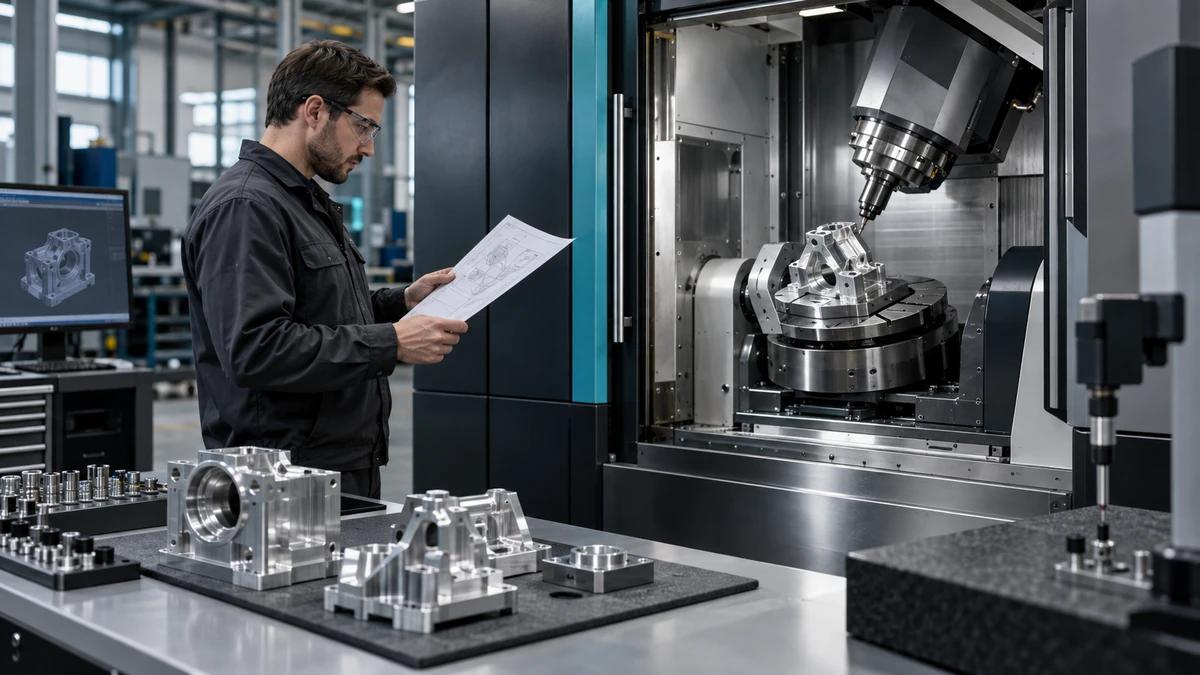
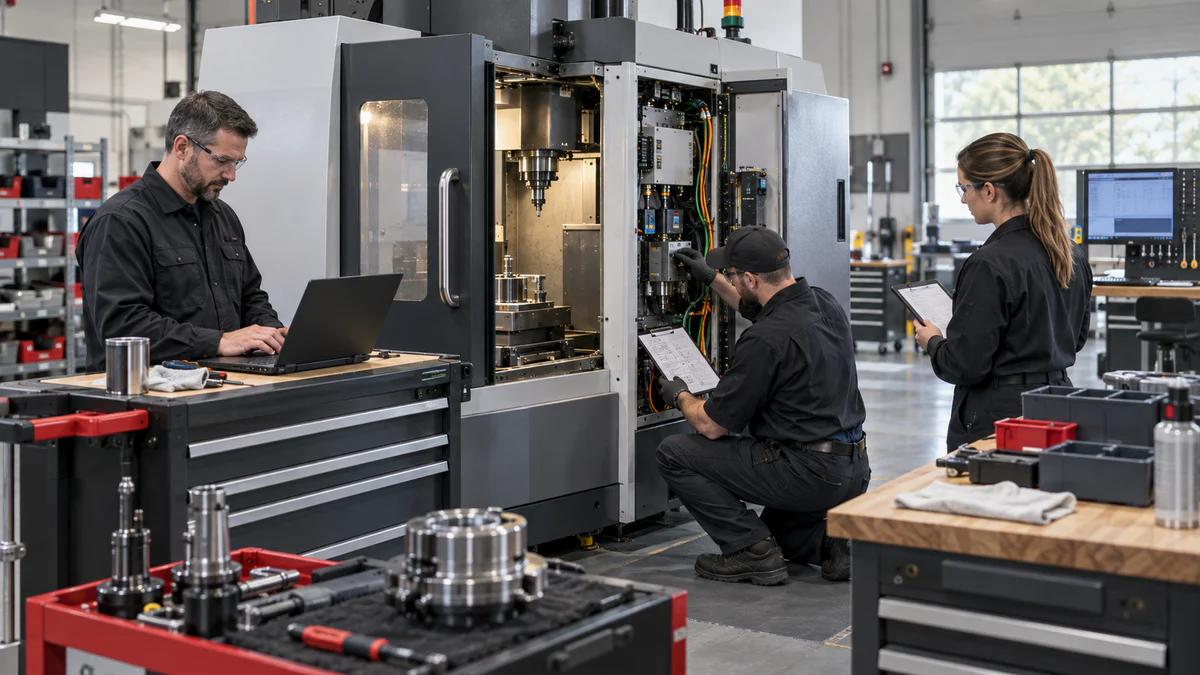
Why automotive buyers keep looking at CNC milling machines
A CNC milling machine automotive buyers choose today is rarely just a “machine tool” in the old sense. It is more often a production decision: how many setups can be removed, how much scrap can be avoided, and whether a part family can be run with consistent quality without turning the shop floor into a fixture jungle. For engineers and sourcing managers, that matters because automotive programs live or die on repeatability, throughput, and the ability to switch between parts without losing control of quality.
The pressure is familiar. Brackets, housings, precision covers, aluminum structural parts, and tooling components all come with their own mix of holes, pockets, angled faces, and tight assembly interfaces. Once the geometry becomes multi-face or complex, a simple three-axis process can start to look expensive, even if the machine itself is cheaper on paper. That is where five-axis or multi-axis machining enters the conversation, especially for shops supporting automotive, EV, and related precision component work.
What the ZH-500U style machine suggests on the shop floor
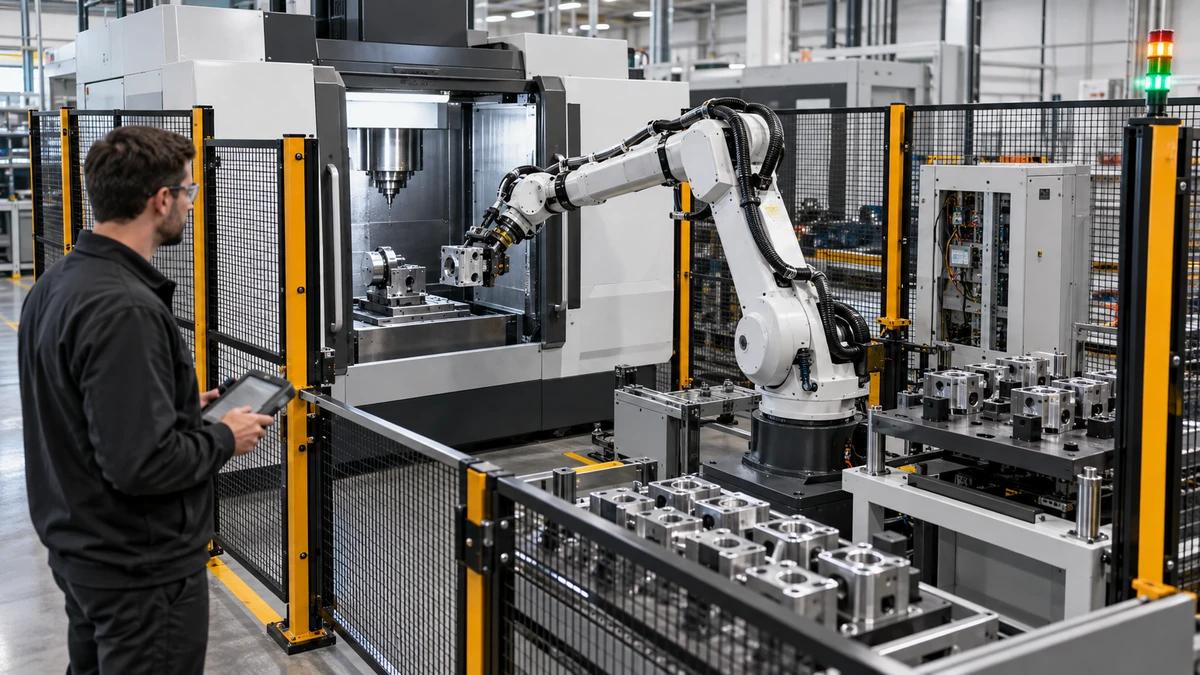
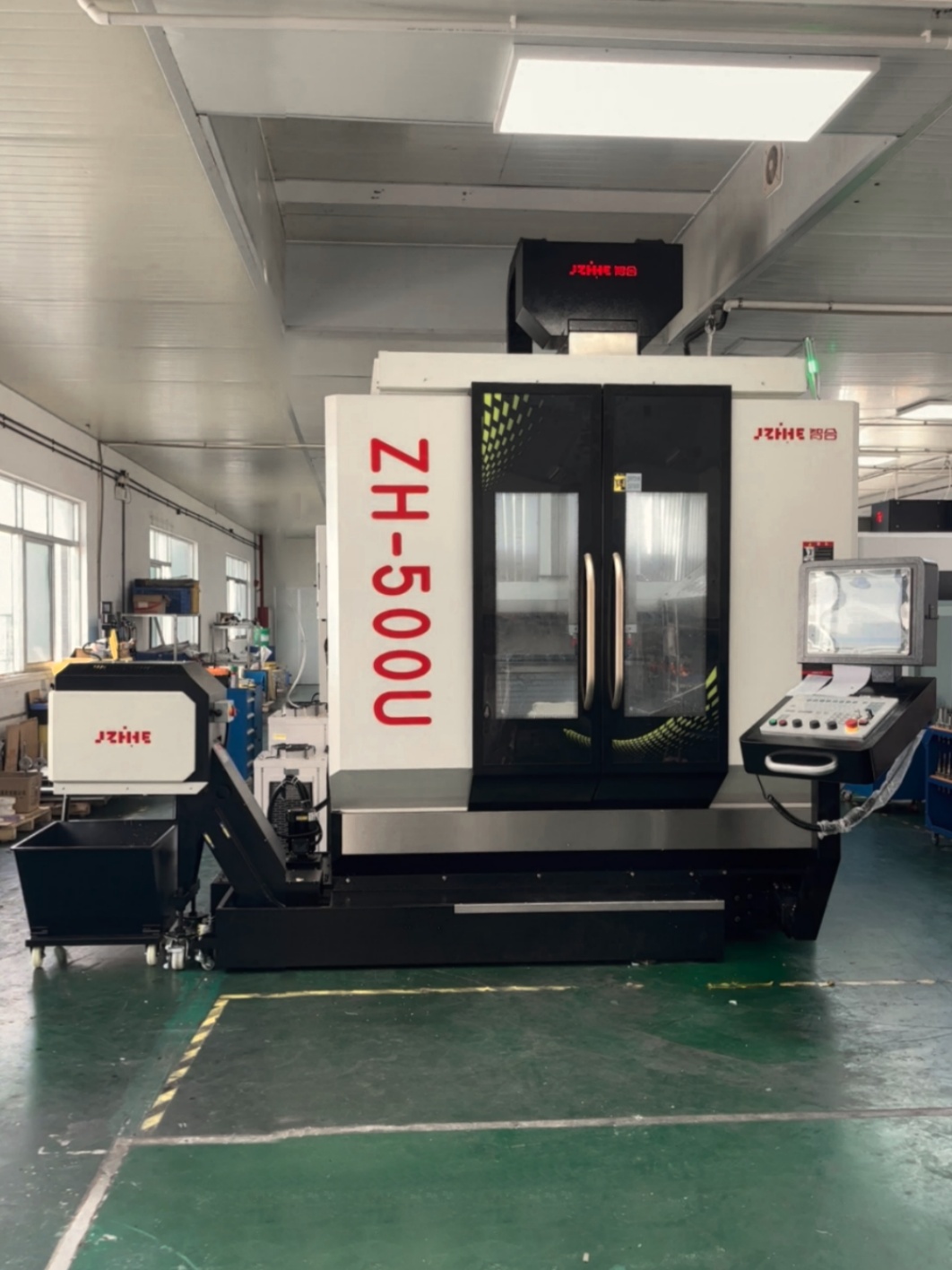
The visible machine model marked ZH-500U is an enclosed CNC five-axis machining center with a cabinet-style structure, twin front access doors, an operator console, and chip-removal equipment at the side. From a buyer’s point of view, those are not decorative details. They signal a machine built for enclosed metalcutting, safer operation, and better chip management than an open-style setup.
One practical advantage of this format is containment. Chips stay inside the working area instead of spreading across the cell, which helps with housekeeping and reduces the risk of a messy line surrounding a high-value machine. The integrated control console also suggests a more complete industrial layout, suitable for regular production rather than occasional prototype work.
That said, a visible label and cabinet form do not tell the whole story. It may be a true simultaneous five-axis machine, or it may be an indexed five-axis system. The difference matters in programming and cycle planning, so buyers should confirm the actual axis configuration before building a process around it.
Where five-axis capability pays off in automotive work
Automotive plants and suppliers do not need five-axis machining for every part. They need it where the math makes sense.
Typical use cases
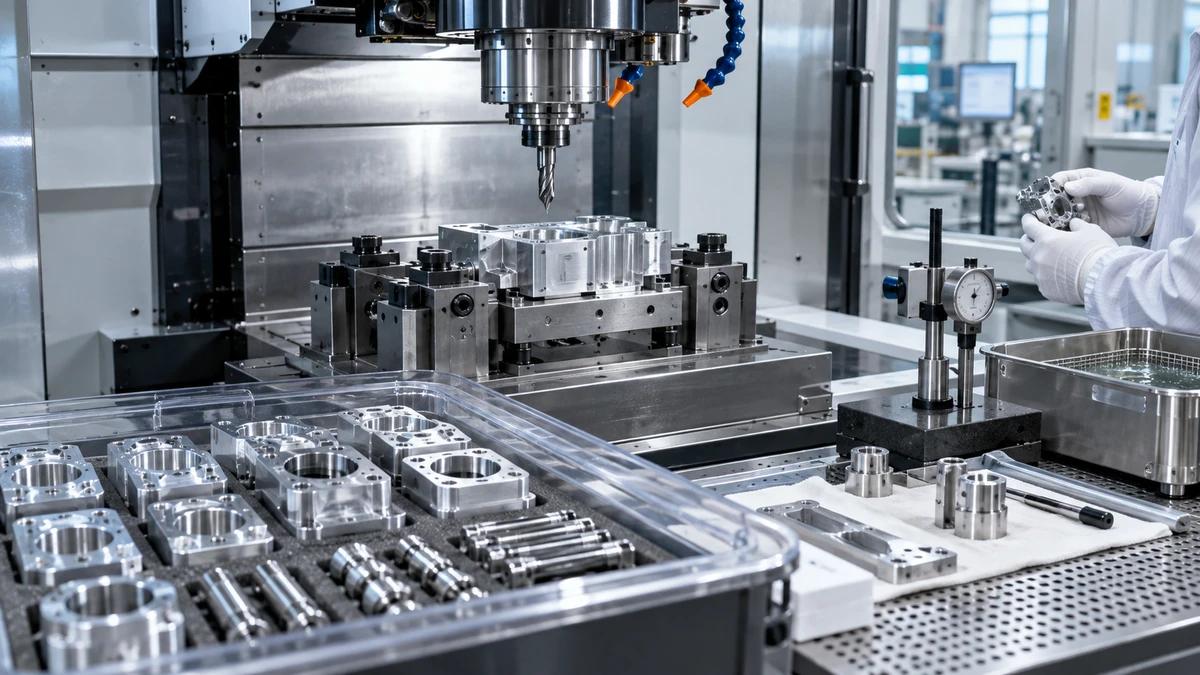
Precision housings with multiple machined faces
Aluminum and metal parts with angled features or deep access limitations
Mold and die components used in automotive production tooling
Fixtures and special-purpose locating parts
Complex engine-adjacent components where setup reduction matters
This is also where related equipment categories overlap. A CNC turning center auto parts line may handle rotational components efficiently, while a CNC machining center for engine components is often better suited to prismatic parts, drilled patterns, and multi-face milling. In practice, a supplier may need both. The turning center handles the round work; the machining center handles the faces, ports, and interfaces that define assembly quality.
Selection criteria that matter more than brochure language
For automotive sourcing, the headline should not be “five-axis.” It should be whether the machine matches the part family and production rhythm.
Look closely at these points:
Part geometry and number of setups currently required
Material mix, especially aluminum, steel, and other common automotive metals
Required consistency across batches
Fixture strategy and whether the machine supports practical clamping access
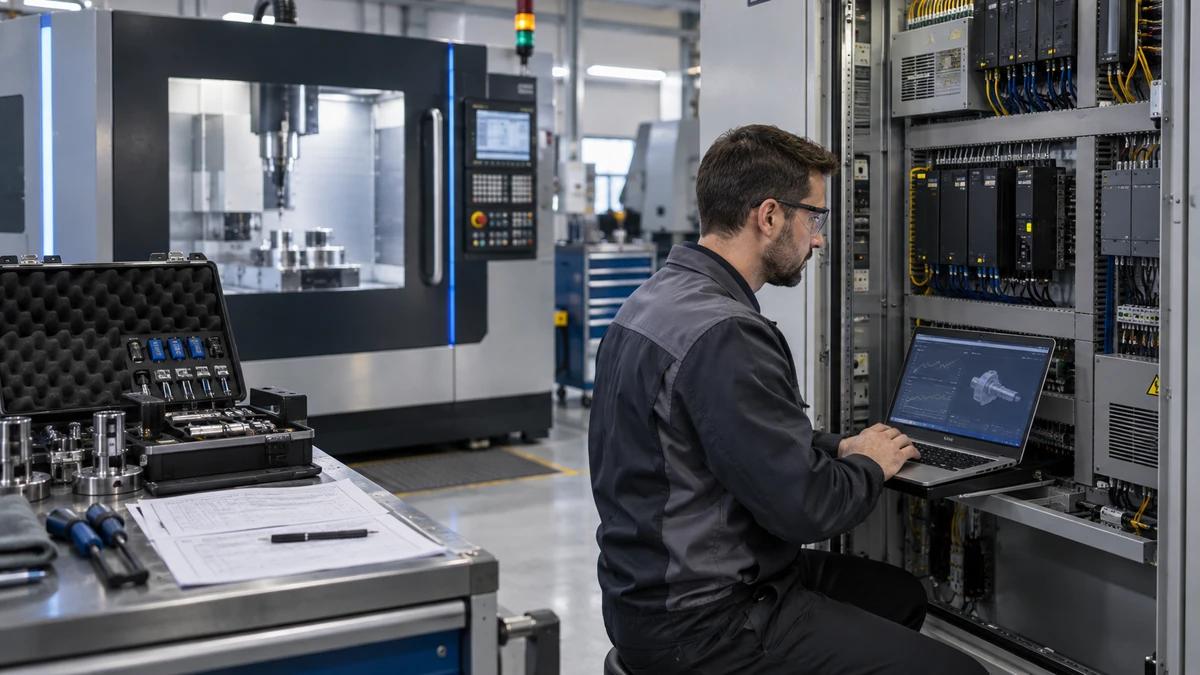
Programming skill available in-house
Service support, installation guidance, and spare parts access
Zhongshan Zhihe CNC Technology Co., Ltd. says its lineup includes vertical machining centers, horizontal machining centers, gantry machining centers, drilling and tapping centers, CNC milling machines, and five-axis machining centers. The company also notes support for process selection, control system choice, fixture support, trial cutting, installation guidance, training, and after-sales service. For buyers, that kind of application support can matter as much as the hardware itself, especially when a new machine is being matched to an existing line.
Common mistakes buyers still make
The first mistake is buying for future complexity instead of current production. A machine can look impressive and still be wrong for a straightforward automotive part family. The second is underestimating programming and fixturing. Multi-axis equipment reduces setups, but it does not eliminate process engineering. If the clamping strategy is weak, the machine will not save the job.
Another common oversight is chip handling. Automotive production is often more about steady uptime than dramatic peak speed. An enclosed machine with a discharge trough and collection unit is a useful start, but buyers should still ask how chips evacuate under load and how easy maintenance will be on a busy shift.
Practical buyer questions before requesting a quote
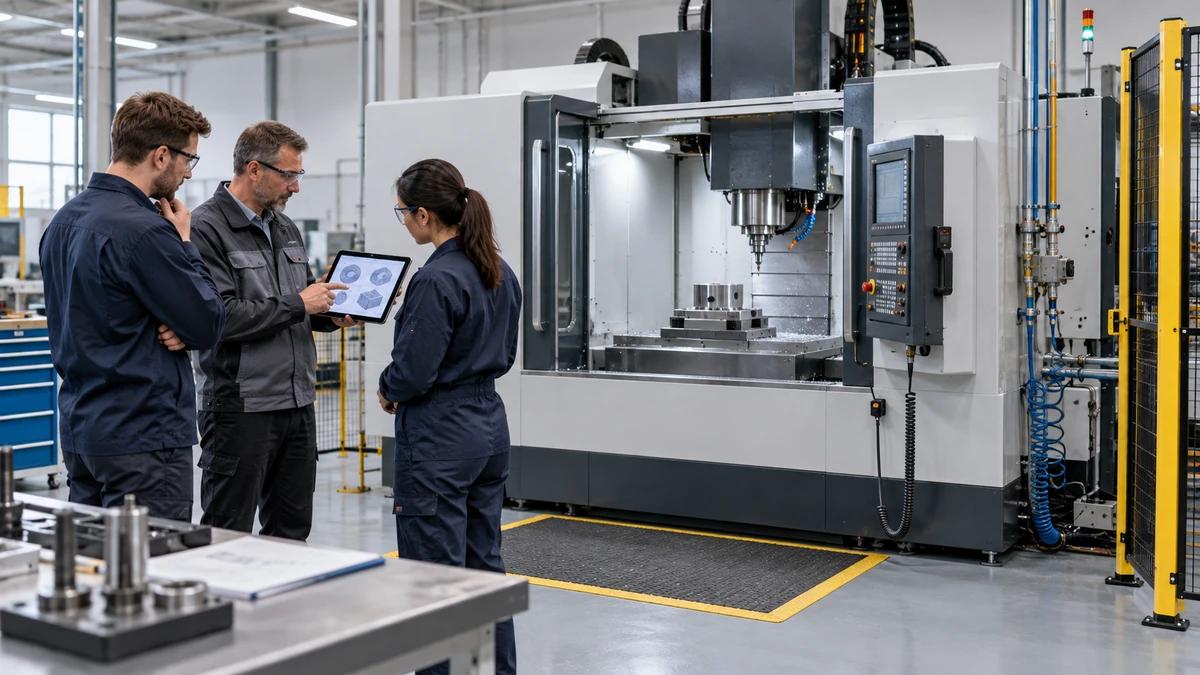
If you are evaluating a CNC milling machine automotive application, prepare the part drawings, material, dimensions, precision requirements, expected output, and any fixture constraints. That is the level of detail that helps a supplier recommend a suitable machine instead of a generic one.
You should also ask a few direct questions:
Is the machine indexed five-axis or simultaneous five-axis?
What controller options are available?
What support is provided for trial cutting and setup?
How is shipping, packaging, and installation handled for domestic or overseas delivery?
Those questions are not bureaucratic. They save time later, especially when the machine is intended for long-term production rather than a one-off job.
What this kind of machine is really buying you
In automotive manufacturing, the point of a CNC machining center is not novelty. It is fewer setups, more stable quality, and a cleaner route from drawing to production. A machine like the ZH-500U, with its enclosed structure and chip-handling layout, appears aimed at that kind of disciplined shop-floor work.
If you are comparing options for automotive parts, engine-related components, or multi-face metal parts, the next step is simple: match the machine to the part, not the other way around. Zhongshan Zhihe CNC Technology Co., Ltd. invites inquiries with drawings and process requirements, which is usually the right starting point when the job is serious and the production window is not forgiving.