What buyers really need from a CNC milling machine supplier
When engineers and sourcing teams start comparing a CNC milling machine supplier, the machine itself is only part of the decision. The harder question is whether the supplier can match the part, the process, and the pace of production without creating trouble later. A large enclosed CNC milling machine may look straightforward on a showroom floor, but in the shop it has to hold up to chip load, coolant, loading routines, and the realities of day-to-day production. That is where supplier quality matters.
For job shops, mold makers, prototype teams, and plants turning out medium- to large-size metal parts, the difference between a good purchase and a costly one often comes down to support. Can the supplier help choose the right machine format? Can they advise on control system selection, clamping, trial cuts, and installation? If the answer is vague, that should raise an eyebrow.
 Why the machine structure matters before you talk price
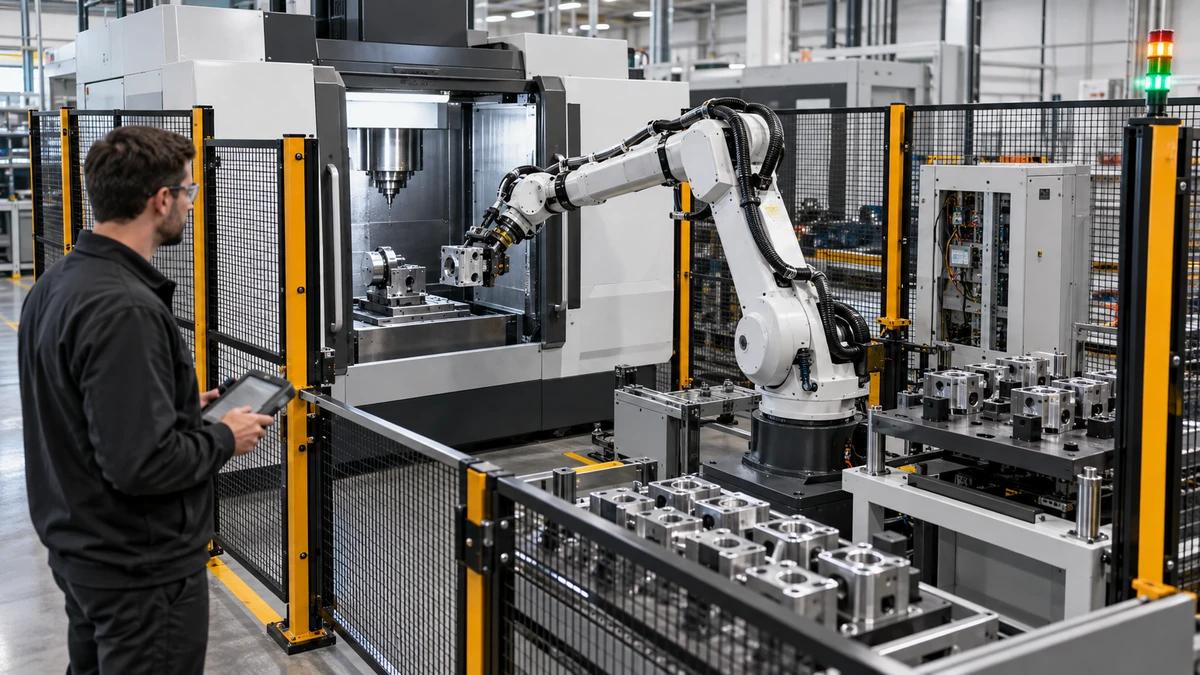
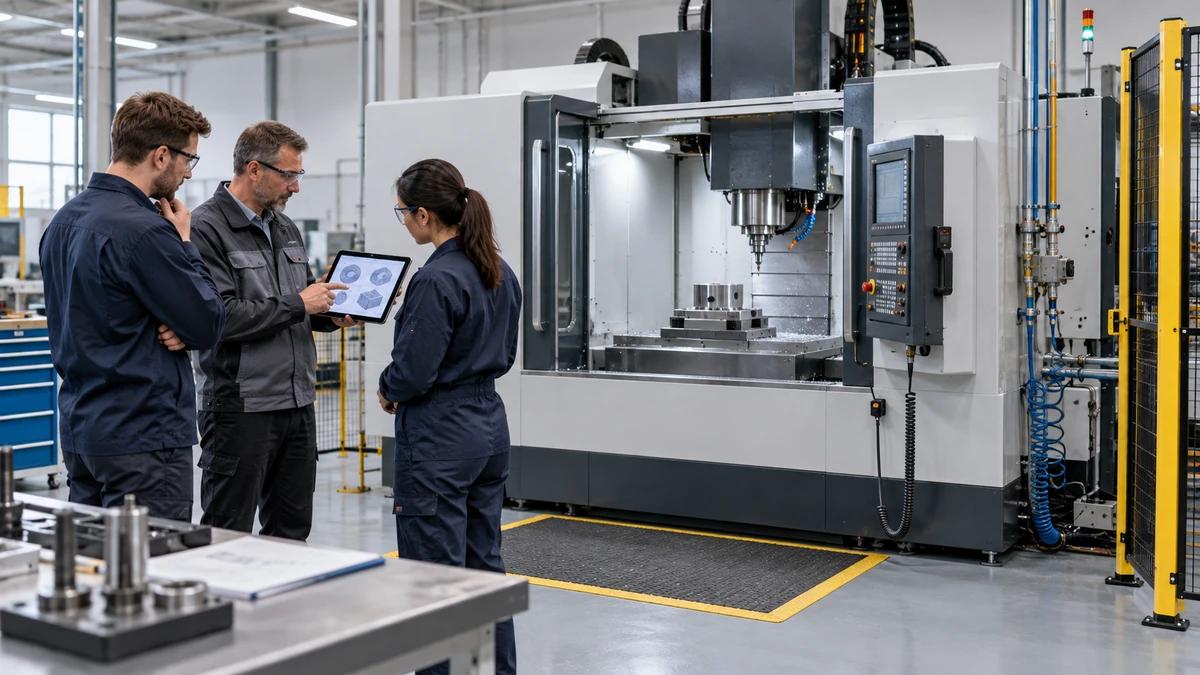
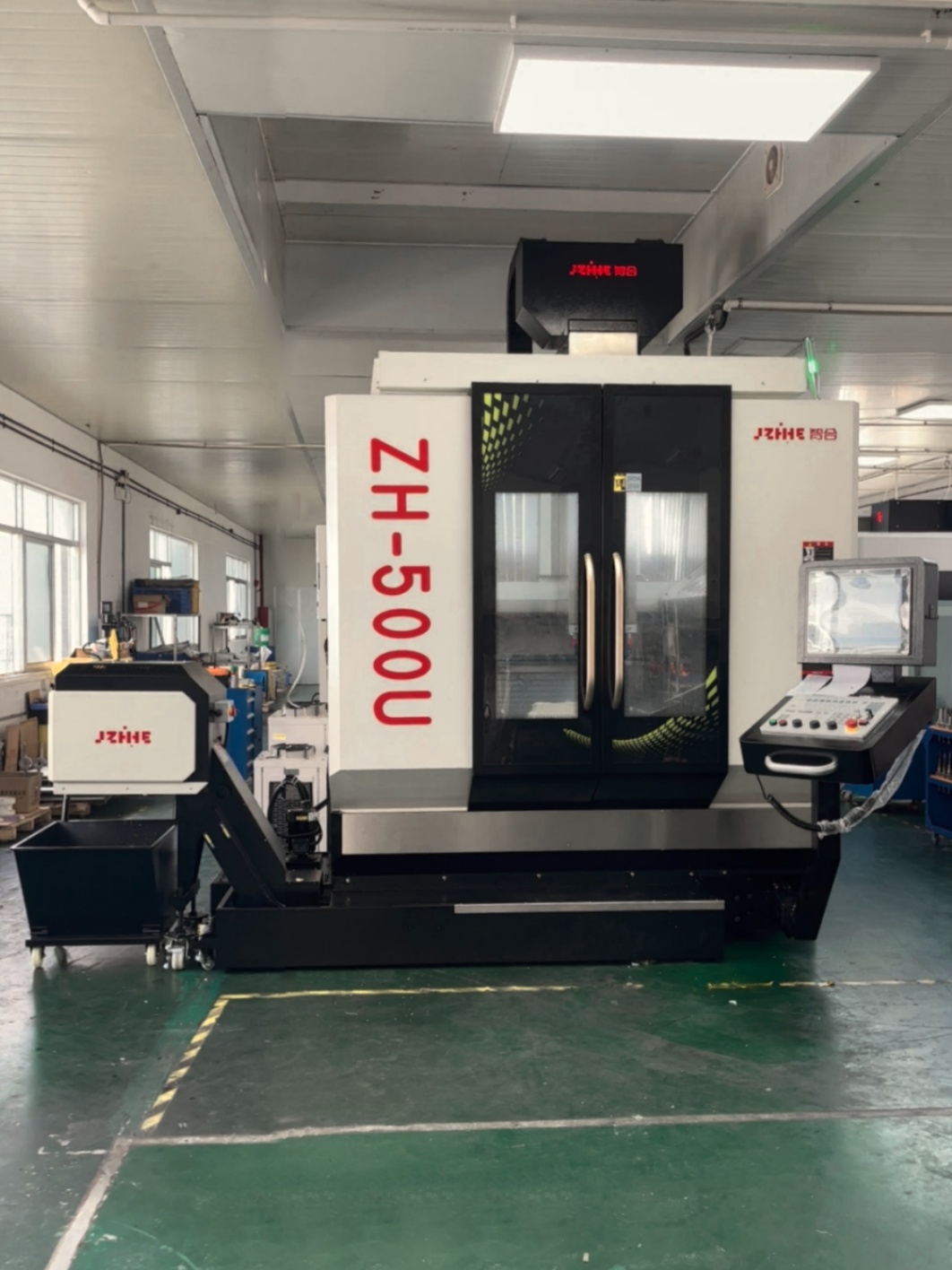
The machine described here is a large enclosed CNC milling machine with a rigid box-shaped body, overhead gantry-style frame, sliding or hinged front doors, and an operator control panel positioned to the side. That construction is not just cosmetic. A full enclosure helps contain chips and coolant, improves operator protection, and keeps the work area more manageable in a production environment.
A floor-mounted machine with leveling feet or vibration-isolating pads also signals a focus on stable cutting. For precision machining, stability is not a nice-to-have. It affects surface finish, repeatability, and how the machine behaves during heavier cuts. Buyers often ask first about spindle speed or table size, but if the body design is weak, the rest is theory.
Typical use cases
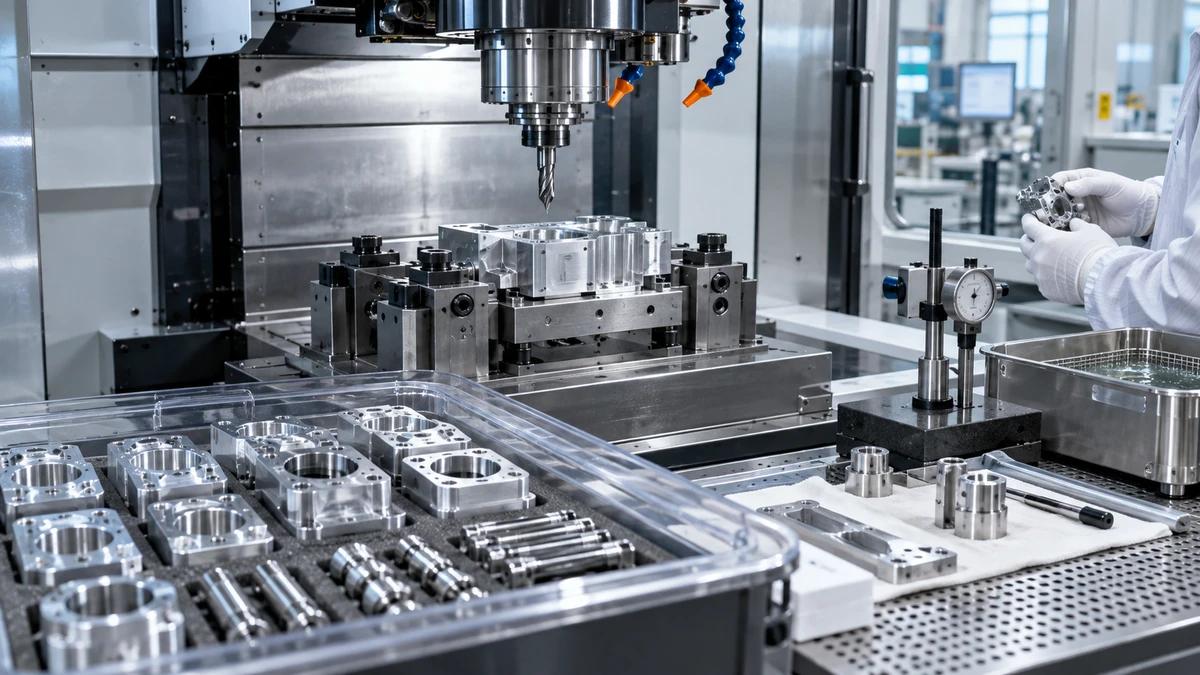
This kind of machine is commonly considered for drilling, tapping, milling, multi-face machining, mold and die work, precision component production, and general metal part processing. It fits especially well where chip control and enclosed operation are important. That includes automotive components, 3C electronics parts, aluminum parts, precision hardware, communication equipment, household appliance parts, and lithium battery equipment components.
What Zhongshan Zhihe CNC Technology Co., Ltd. brings to the table
Zhongshan Zhihe CNC Technology Co., Ltd., founded in 2018, works across vertical machining centers, horizontal machining centers, gantry machining centers, drill-tap centers, CNC milling machines, and five-axis machining centers. That broader lineup matters because a supplier with several machine categories can usually match a customer’s part and process more realistically than one pushing a single standard model.
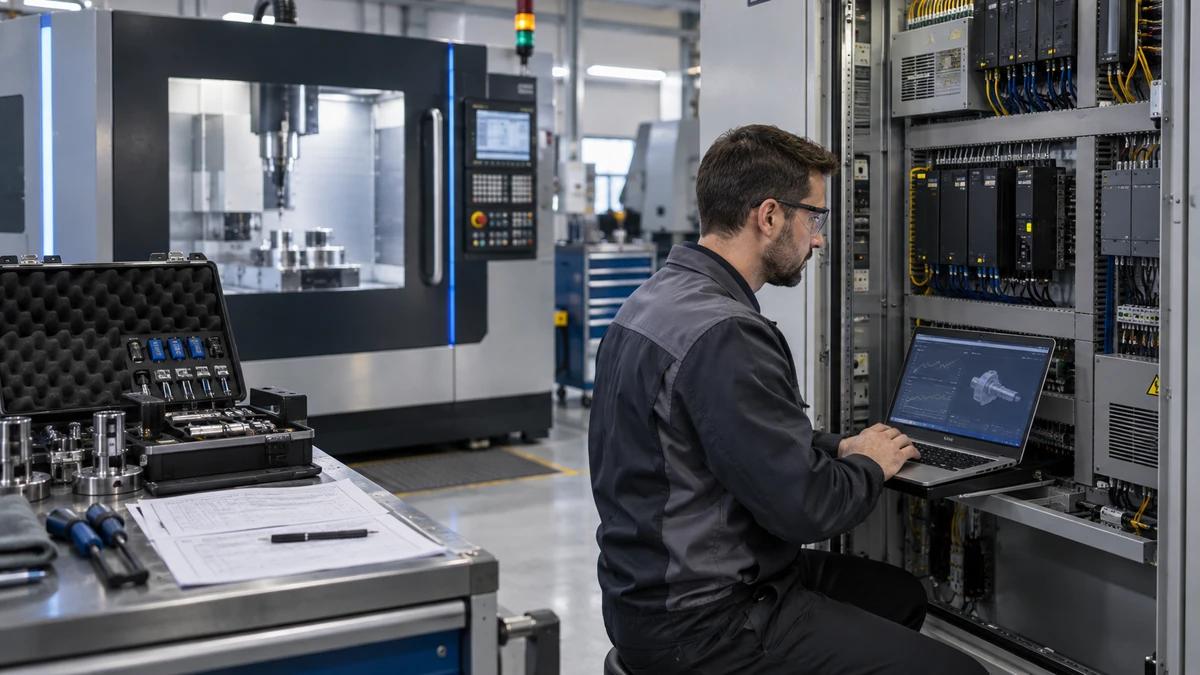
According to the company information provided, Zhihe supports selection, delivery, after-sales service, installation guidance, operator training, warranty service, and spare parts support. It also offers machine recommendation based on workpiece, material, precision requirement, and production capacity. For buyers, that is the kind of practical help that often saves time during sourcing and again during ramp-up.
The company also supports safe packaging and transport, including sea freight, land transport, logistics coordination, and for overseas customers, packaging photos and shipping documents. That is not glamorous, but it matters when an expensive machine is crossing borders and someone needs a clear handoff trail.
How to compare suppliers without getting lost in machine brochures
A strong CNC machining center supplier should be able to answer a few plain questions without hiding behind jargon:
1. Does the machine fit the part, not just the drawing?
A supplier should ask about the workpiece material, dimensions, accuracy requirements, and production volume. If they skip straight to price, they may be selling stock rather than solving a process problem.
2. Is the configuration flexible?
Zhihe describes its machines as having practical performance, stable operation, reliable structure, and flexible configuration. In buyer terms, that means you should be able to discuss the control system, fixture support, and any trial machining needs before the order is finalized.
3. What happens after delivery?
A machine is rarely “finished” once it reaches the factory floor. Installation guidance, training, and spare parts support are part of the real cost of ownership. It is better to know this early than to discover it after the first breakdown.
Common mistakes buyers make
One common mistake is choosing a machine only by size or headline capability. Another is assuming every enclosed vertical machining center will behave the same once it starts cutting. They will not. The structure, control interface, and support from the supplier all shape the result.
Another trap is failing to share enough process information. If a buyer does not provide drawings, material details, precision targets, and expected output, the supplier can only guess. That usually leads to the wrong recommendation or a machine that is technically suitable but operationally awkward.
What to ask before you request a quote
If you are shortlisting a CNC lathe supplier China or comparing a CNC milling machine supplier alongside a CNC machining center supplier, keep the conversation grounded in production facts. Ask who will handle packaging, what support is included during installation, whether the supplier can recommend a suitable machine type, and how they approach trial verification.
A useful supplier should also be comfortable discussing application areas such as automotive parts, aluminum machining, molds, or precision hardware. That kind of domain familiarity is usually more valuable than a polished brochure.
FAQ for practical buyers
Is this type of machine only for large factories?
Not necessarily. Job shops and smaller manufacturing teams often use enclosed vertical machining centers when they need clean chip control and repeatable milling on metal parts.
Can one machine cover multiple part types?
Sometimes, yes, but only within reason. The supplier should help judge whether the same machine can handle drilling, tapping, milling, and multi-face work without causing bottlenecks.
What should I send when asking for a recommendation?
Share the drawing, material, size, precision requirements, target output, and any special fixture or control needs. The more complete the brief, the better the recommendation.
Next step
If you are comparing suppliers now, treat the conversation as a process review, not a price exercise. Zhongshan Zhihe CNC Technology Co., Ltd. invites buyers to request a recommendation based on the workpiece and production requirements. For sourcing teams, that is usually the right starting point. For engineering teams, it is the point where machine selection starts to become a workable plan instead of a catalog debate.
Contact: Liu Xiaobang
Email: zhcnclathe@gmail.com
WhatsApp/WeChat: +86 13620089178