Why buyers still spend so much time choosing a CNC milling machine supplier
Buying from a CNC milling machine supplier is rarely just a machine purchase. For most engineers and sourcing teams, it is a production decision: the wrong frame stiffness, the wrong control layout, or a machine that looks fine on paper but does not suit the part mix can slow a shop down for years. A vertical machining center is often expected to handle drilling, tapping, contouring, and repeatable cutting in a single setup, so the supplier has to fit both the technical job and the day-to-day reality of the plant.
That is why buyers usually compare more than price. They look at enclosure design, machine stability, service support, and whether the supplier can help match the machine to the workpiece, material, and output target. In practice, the supplier is part of the manufacturing process, not just the sales process.
What a typical vertical machining center is built to do
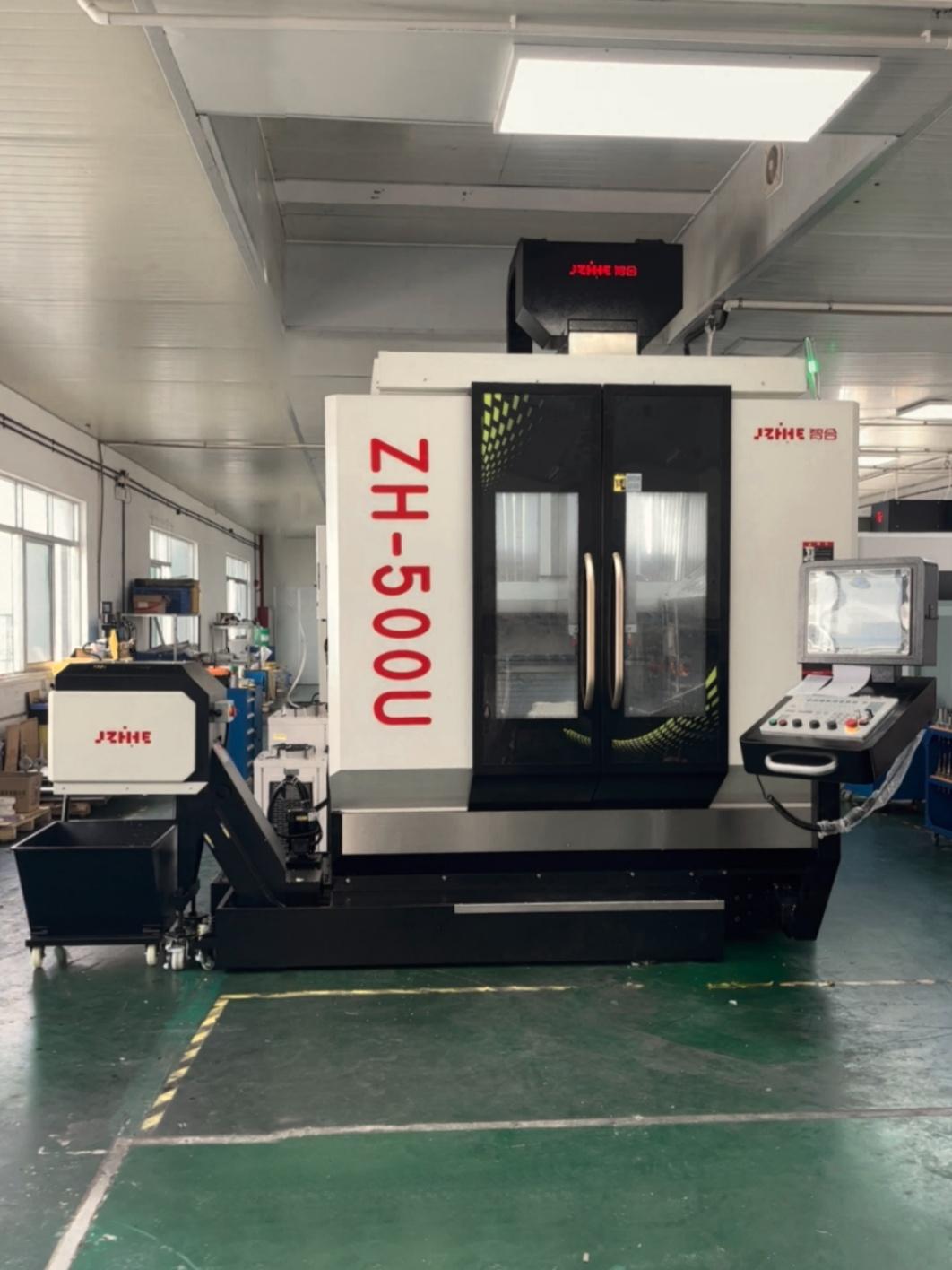
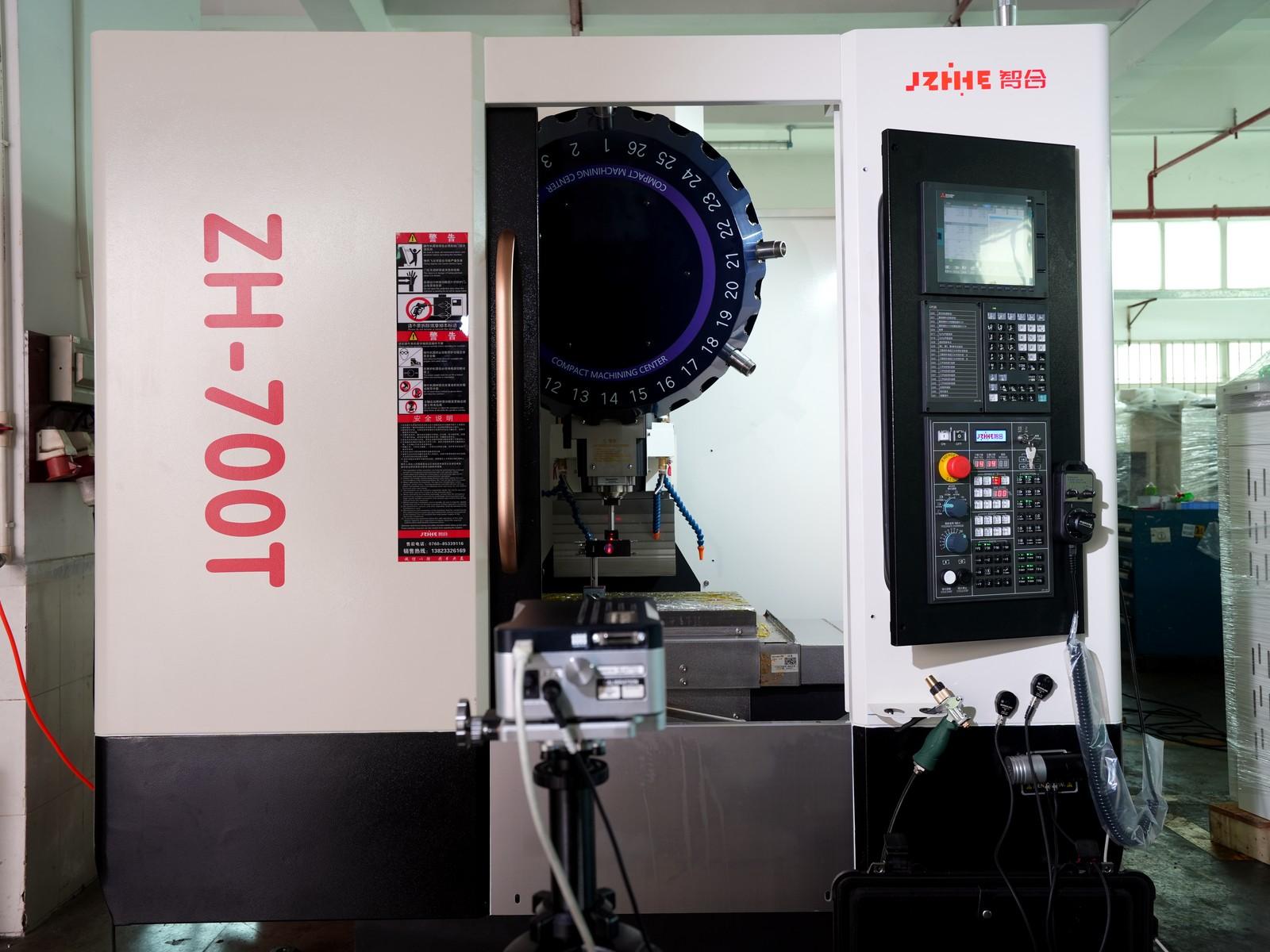
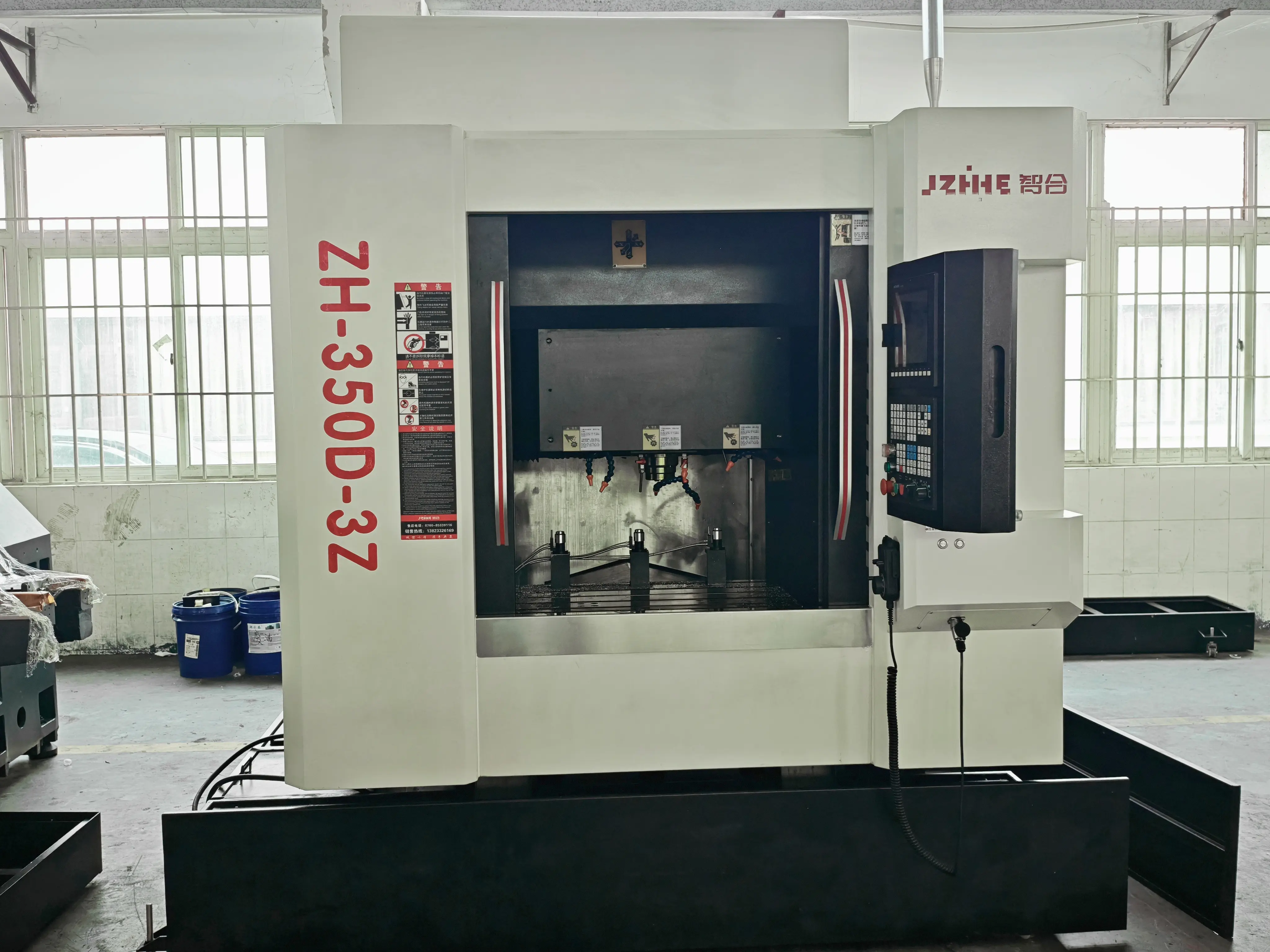
The machine described here fits the standard vertical machining center pattern: an enclosed box-style body, a front access door, a vertical spindle head, and a side-mounted control pendant with a screen, keypad, buttons, and emergency stop. That arrangement is common for metalworking because it keeps chips contained, protects the operator, and makes it easier to manage coolant, debris, and visibility around the cut.
In real shop use, this type of machine is often selected for job shops, prototype work, mold and die machining, fixture manufacturing, and general production parts. The exact spindle and travel data matter, of course, but those details were not supplied here, so they should be confirmed directly before any buying decision. A machine can look robust and still be undersized for the part envelope or cutting style. That is a mistake buyers make more often than they admit.
Quick buyer checklist: what to compare before you ask for a quote
When evaluating a CNC machining center supplier, the first question should not be “What is your lowest price?” It should be “Will this machine fit the parts, operators, and production flow we already have?”
1. Machine structure and guarding
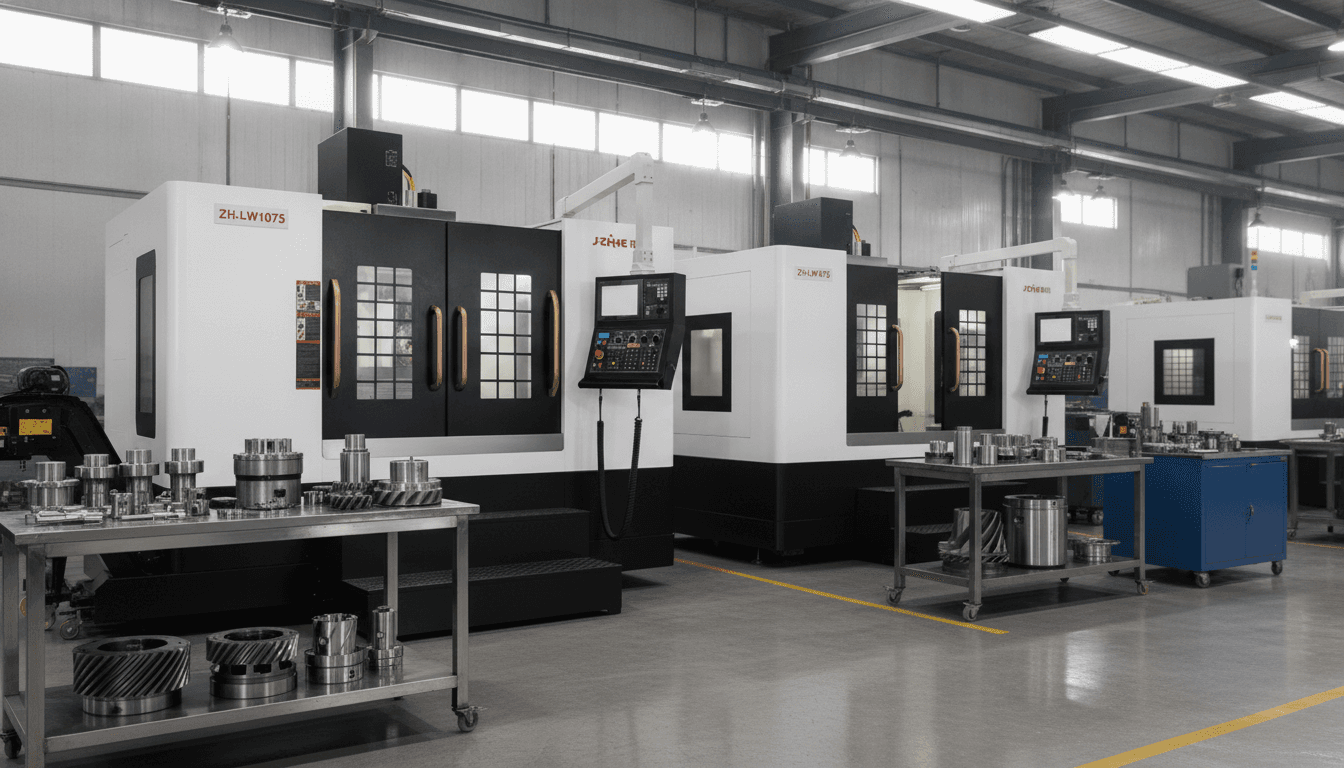
A rigid cast or fabricated frame, enclosed machining chamber, and stable leveling feet are all practical signs of a machine designed for production conditions. The enclosure is not cosmetic. It helps with chip control, safety, and cleanliness, especially where operators run multiple machines in one area.
2. Control layout and operator access
The right-side pendant on the machine shown is a small but useful detail. Operators tend to prefer clear access to the screen and emergency stop without having to reach across the work zone. That becomes more important on mixed-batch work, where setup changes are frequent and downtime adds up quickly.
3. Service and application support
Zhongshan Zhihe CNC Technology Co., Ltd. says its support covers selection, delivery, installation guidance, operation training, warranty service, and spare parts support. For buyers, that matters almost as much as the machine itself. A supplier that can help with machine recommendation, fixture support, and trial cutting is usually easier to work with when a part is difficult or the process is still being stabilized.
How Zhongshan Zhihe positions its CNC equipment
The company, founded in 2018, works across vertical machining centers, horizontal machining centers, gantry machining centers, drilling and tapping centers, CNC milling machines, and five-axis machining centers. That breadth suggests they are serving a wide industrial market rather than a single niche. Their stated customer base includes automotive parts, 3C electronics, aluminum processing, precision hardware, communications equipment, molds, appliances, and lithium battery equipment.
For a buyer, that kind of application range is useful because it usually means the supplier has seen different part types and production priorities. Still, broad product coverage does not replace verification. A sourcing manager should ask which machine series best fits the target material, whether the control system options suit the shop’s operators, and what after-sales response looks like in the real market where the machine will run.
Common mistakes when choosing a supplier
The biggest mistake is choosing on catalog language alone. Terms like precision, stability, and flexible configuration sound good, but they are not substitutes for a parts-based discussion. If the supplier cannot explain how the machine should be matched to the workpiece, material, and required output, the buyer will carry that risk later.
Another mistake is ignoring logistics and installation. A floor-standing machine with leveling feet, enclosure, and control cabinet needs proper packing, transport planning, and site preparation. Zhongshan Zhihe notes that it supports domestic and overseas transport, with packaging photos and shipping documents available for overseas customers. That is a practical point, especially for importers who need cleaner handoff information.
What to ask before you place an order
Keep the discussion grounded in the job. Ask for the recommended machine model based on your drawing, material, dimensions, accuracy needs, and production volume. Ask whether they can support trial cutting or process verification. If you are comparing with a CNC lathe supplier China or another CNC platform supplier, make sure you are comparing machines for the same work, not just comparing brochure language.
It also helps to ask about operator training, spare parts availability, and how the supplier handles installation guidance after delivery. Those are the details that usually separate a workable purchase from a stressful one.
FAQ for sourcing teams
Is a vertical machining center better for every metal part?
No. It is strong for milling, drilling, tapping, contouring, and multi-face work, but the part geometry and volume should drive the selection.
Should I choose a CNC milling machine supplier near me?
Proximity helps, but service capability and parts support matter more. Good documentation and responsive technical communication can outweigh distance.
What information should I send for a quote?
Drawing, material, part size, precision requirements, machine type, and expected output. Zhongshan Zhihe specifically asks for that kind of information before recommending a CNC model.
If you are reviewing a CNC milling machine supplier for a new line or a replacement machine, start with the part, not the brochure. The right supplier should be able to talk through machine fit, setup stability, and service support with enough practical detail to help you make a confident purchase.
For quote requests or application matching, Zhongshan Zhihe CNC Technology Co., Ltd. provides contact support through 刘小邦 at zhcnclathe@gmail.com and WhatsApp/WeChat +86 13620089178.