Choosing a CNC milling machine supplier is not just a price exercise
For many buyers, the first search starts with a simple need: find a CNC milling machine supplier that can deliver a machine that fits the part, the floor space, and the production rhythm. That sounds straightforward until the project gets real. A vertical machining center that looks suitable in a brochure can turn into a poor fit if the control system is awkward, the structure is too light for the workpiece, or the supplier cannot support installation and training after delivery.
This matters because CNC equipment is rarely bought as a one-off commodity. It becomes part of a shop’s daily output, which means the decision affects throughput, operator comfort, maintenance burden, and, eventually, scrap rates. Buyers comparing a CNC lathe supplier China to a CNC machining center supplier are usually trying to solve the same problem from different angles: who can supply the right machine, keep it running, and help the team use it well.
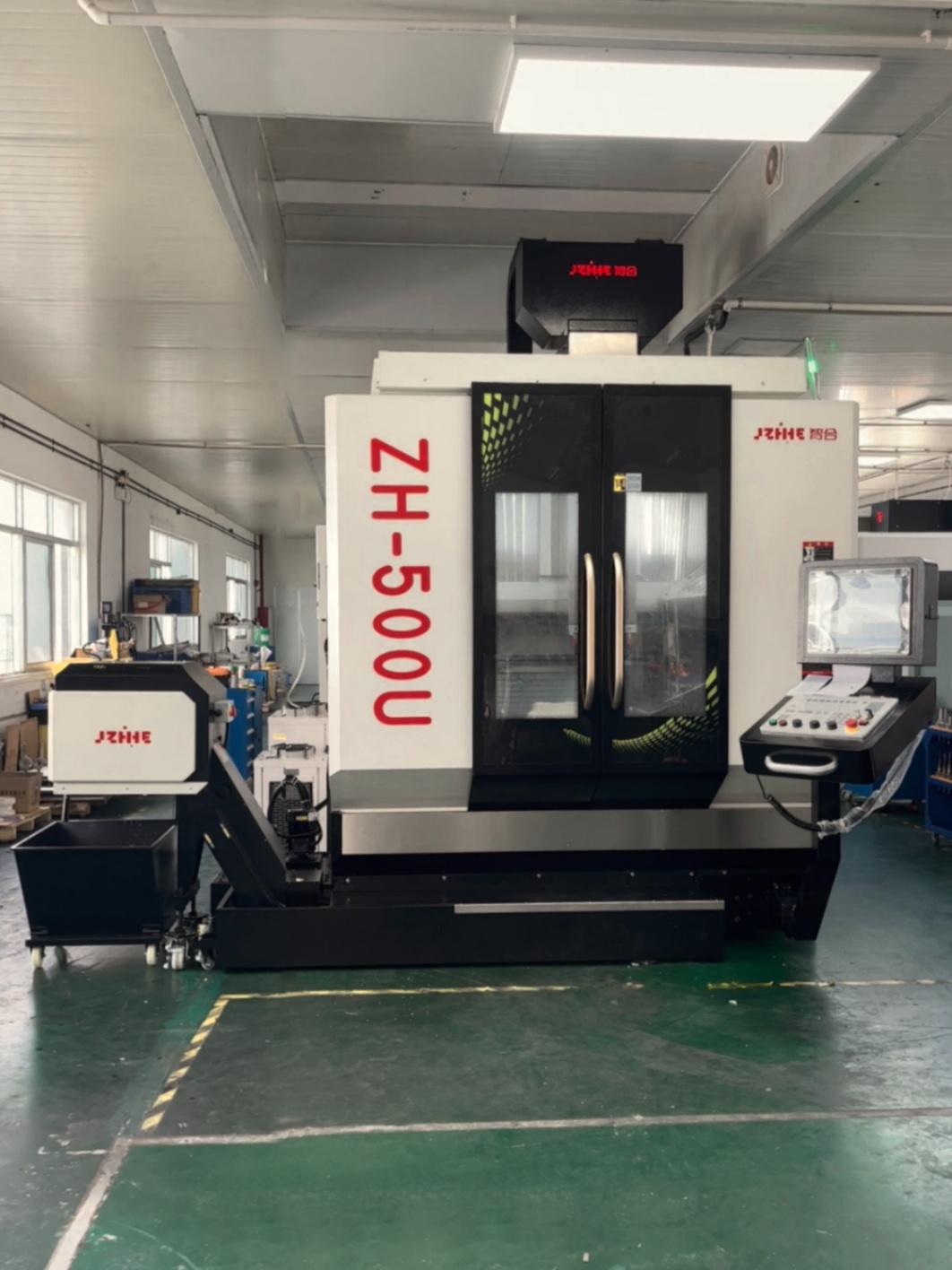
What the enclosed vertical machining center tells you at a glance
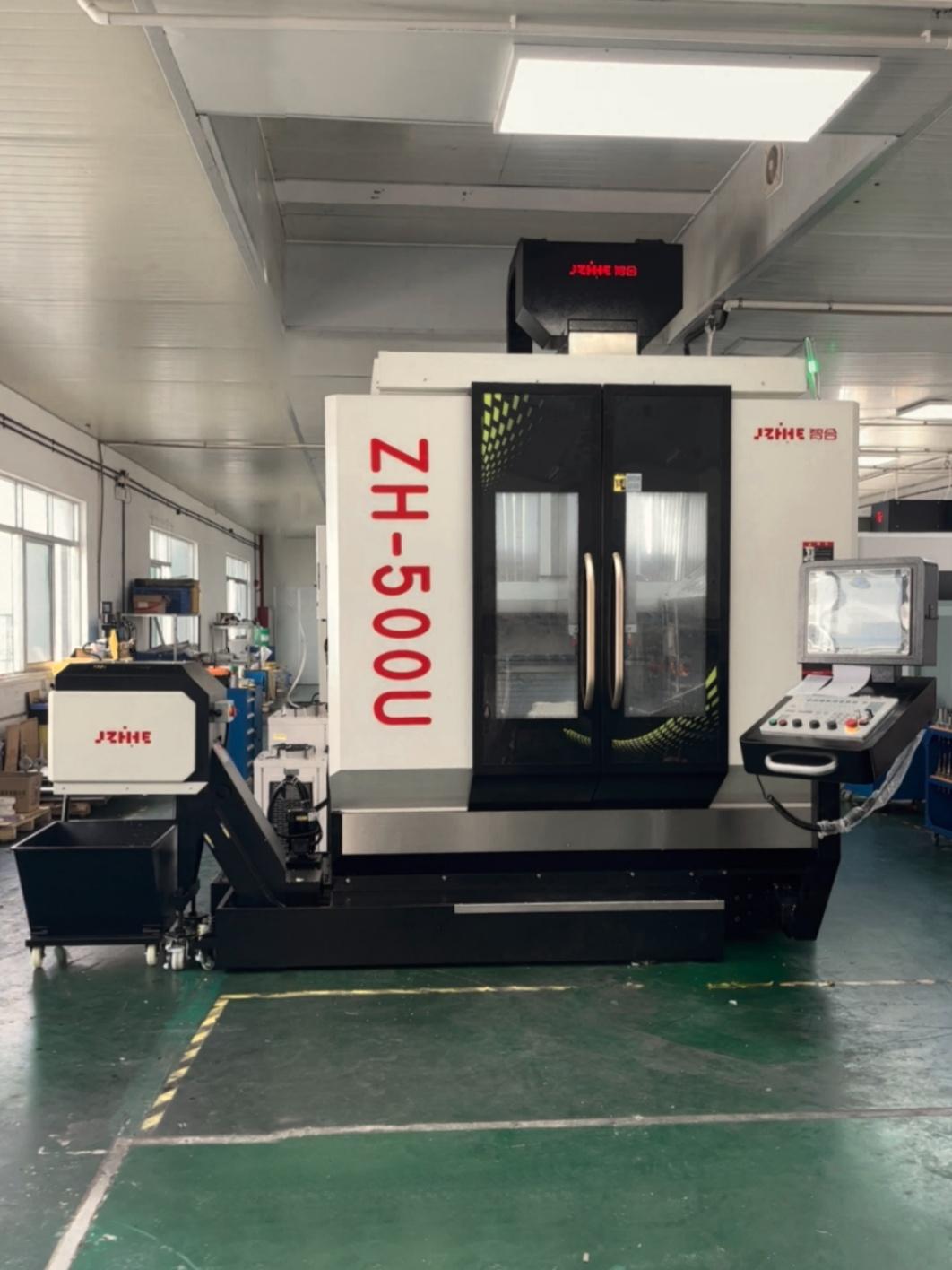
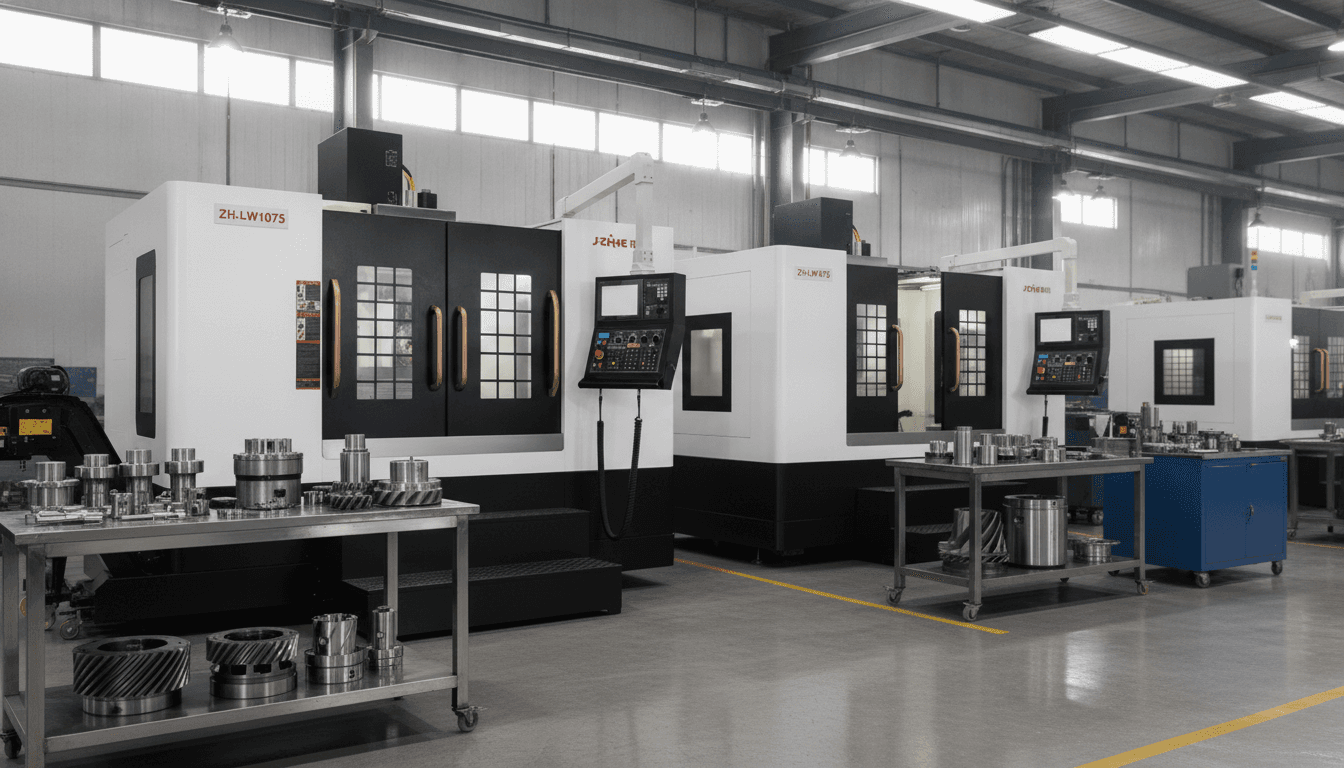
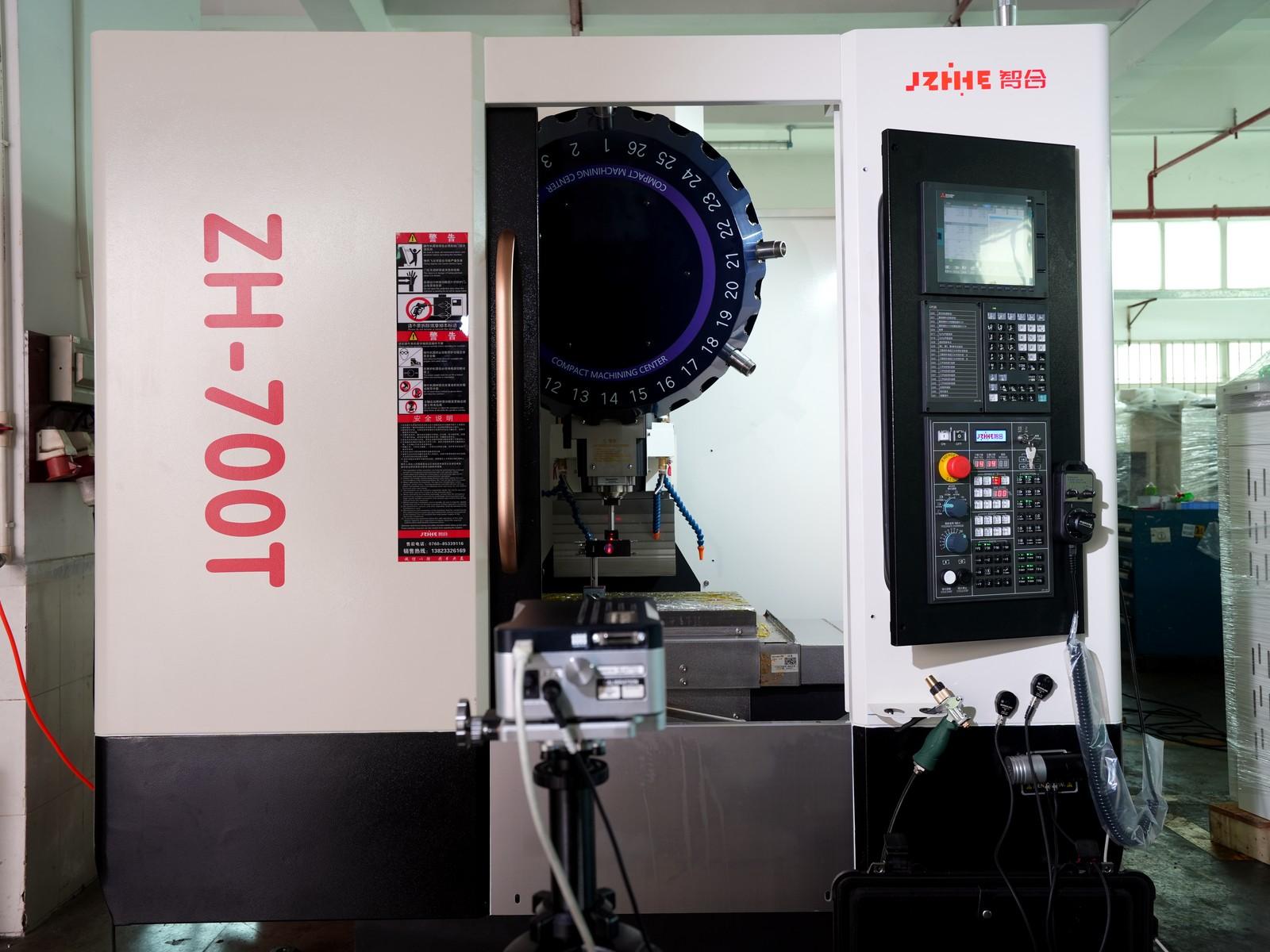
The machine described here is an enclosed CNC vertical machining center, or vertical milling machine, built for subtractive metalworking tasks such as milling, drilling, tapping, and related precision operations. The cabinet-style enclosure is not a cosmetic detail. It is a practical safety feature that contains chips and coolant, helps protect the operator, and suits production environments where the machine runs for long stretches.
Several visible details matter to a buyer. The front sliding door suggests easy loading and unloading of workpieces. The separate operator console, with screen and keypad on the right side, indicates a layout designed for hands-on control rather than a stripped-down bench unit. A pendant-style handwheel or control unit also hints at setup convenience during alignment and trial runs. The adjustable leveling feet are another small but useful sign: floor installation in real shops is never perfectly forgiving, so the machine should be easy to stabilize on site.
Why suppliers talk about structure, not just specs
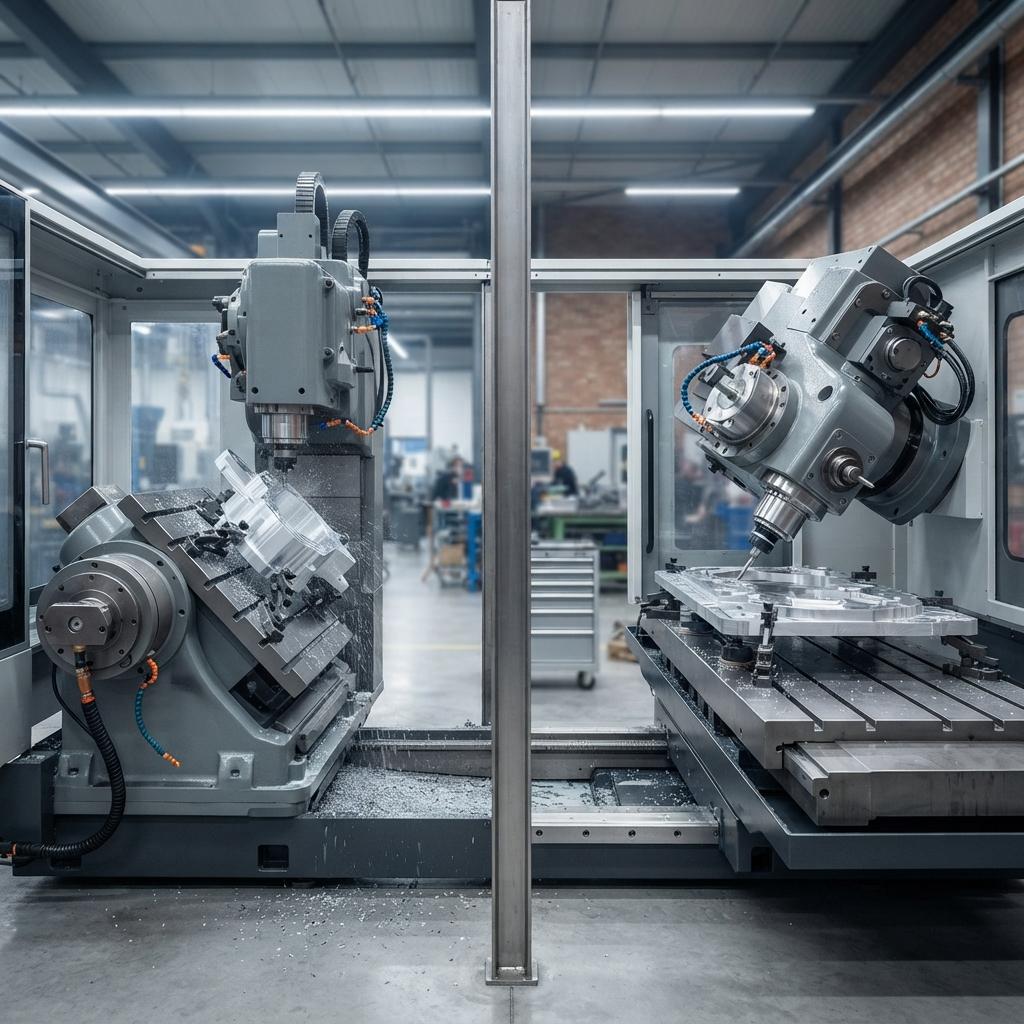
In CNC equipment, the structure often matters as much as the published numbers. A boxy enclosed frame, a vertical spindle head, and a rigid worktable are the kinds of features buyers look for when they need stable machining on metal or other rigid workpieces. The image does not reveal spindle power, travel, axis count, tooling capacity, or control brand, so those should not be assumed. Still, the machine’s overall form points to a general-purpose production tool rather than a niche prototype platform.
That is where a capable supplier adds value. Zhongshan Zhihe CNC Technology Co., Ltd., founded in 2018, lists a product range that includes vertical machining centers, horizontal machining centers, gantry machining centers, drilling and tapping centers, CNC milling machines, and five-axis machining centers. The company also says it can help with machine selection, control system choices, fixture support, trial cutting, installation guidance, operation training, warranty service, and spare parts support. For many buyers, that service chain is the real differentiator.
How to judge whether a supplier fits your job
Start with the workpiece, not the machine catalog. If the parts are aluminum housings, precision hardware, mold inserts, or fixture plates, the selection criteria will not be the same. A practical supplier should ask for drawings, material details, dimensions, precision targets, and production volume before recommending a machine. That is especially important in mixed shops serving automotive components, 3C electronics, aluminum processing, precision hardware, communication equipment, molds, home appliances, or lithium battery equipment.
Look for three things in the supplier’s response: whether the machine recommendation matches the part family, whether the control system is familiar to your operators, and whether there is a path for installation and after-sales support. A shop buying its first machining center may need a different setup than an established tool room adding capacity. It sounds obvious, but many purchasing mistakes begin with ignoring the operator side of the equation.
Common mistakes buyers still make
One common mistake is overbuying capability. A machine with impressive branding is not automatically the right choice if the daily work is routine drilling and milling. Another is underestimating support. Shipping a machine is one step; getting it leveled, tested, and accepted on the floor is another. A third is overlooking packaging and transport. Zhongshan Zhihe states that it supports safe packaging, sea freight, land transport, logistics coordination, and shipping documents for overseas customers, which is useful if your procurement team is managing cross-border delivery.
What this means for sourcing teams
If you are comparing suppliers, request a quotation only after you have shared the real part data. That includes drawings, material, size, accuracy requirements, machine type preference, and production volume. The best suppliers will use that information to narrow the model rather than sending a one-size-fits-all answer. In practice, that is a better test of competence than a polished sales pitch.
For teams evaluating a CNC machining center supplier, the decision is less about finding the cheapest machine and more about finding a workable production asset. A reliable enclosure, a sensible control layout, installation support, and post-sale service often save more money than a small discount at purchase.
FAQ for first-time buyers
Can one supplier cover different machine types? Yes, if the supplier has a broad range and enough engineering support to recommend the right model for the job.
Should I ask for trial cutting? If the part is important or the precision requirement is tight, trial cutting is worth requesting when available.
What should I send for a quote? Part drawings, material, dimensions, accuracy requirements, intended output, and any special fixture or control needs.
A practical next step
If your team is looking for a CNC milling machine supplier, start with the part, then the process, then the machine. Zhongshan Zhihe CNC Technology Co., Ltd. invites inquiries with workpiece drawings and production details so it can recommend a suitable CNC machine. For buyers, that is usually the right way around.
Contact information provided by the company: Liu Xiaobang, zhcnclathe@gmail.com, WhatsApp/WeChat: +86 13620089178.