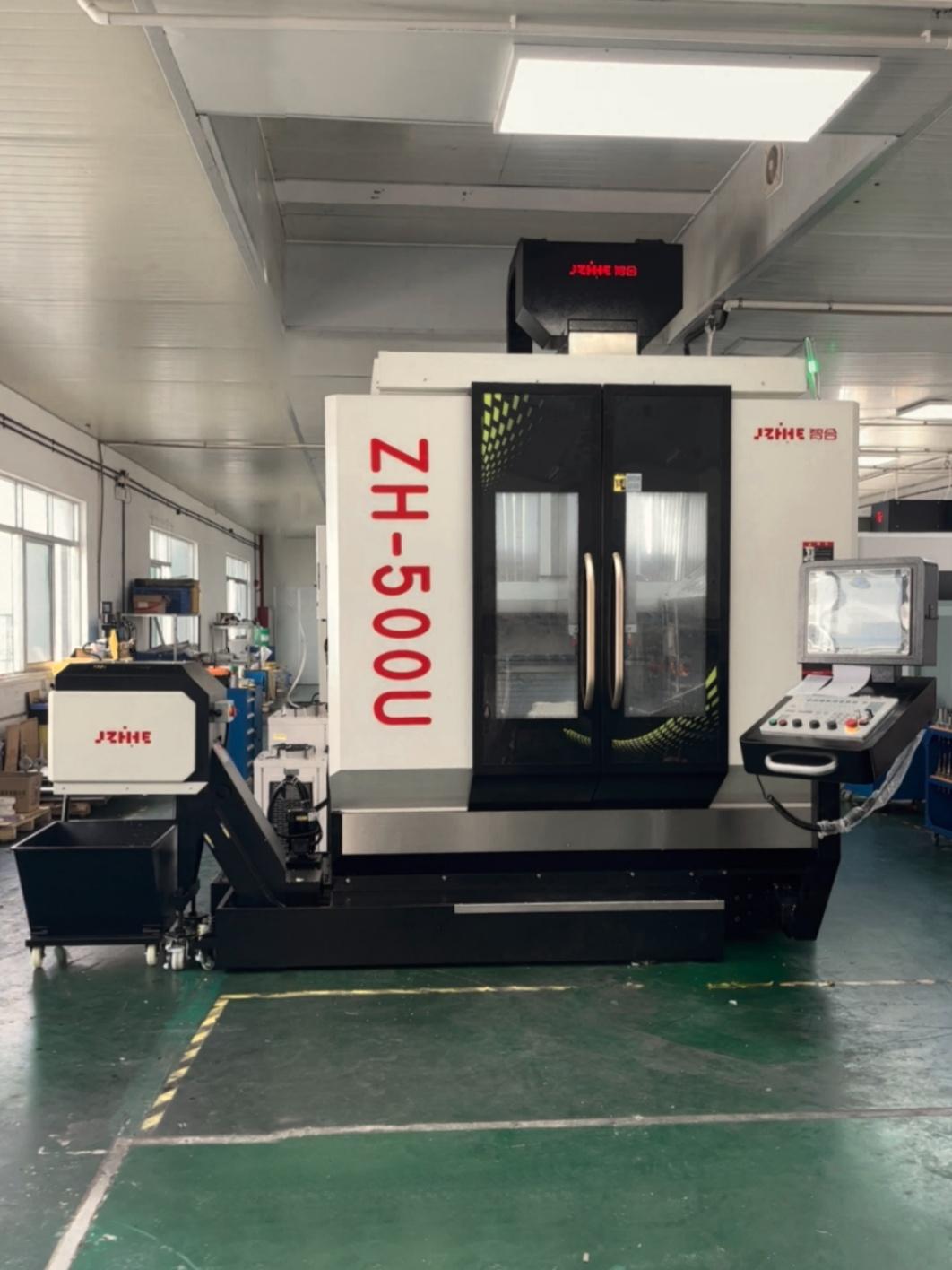
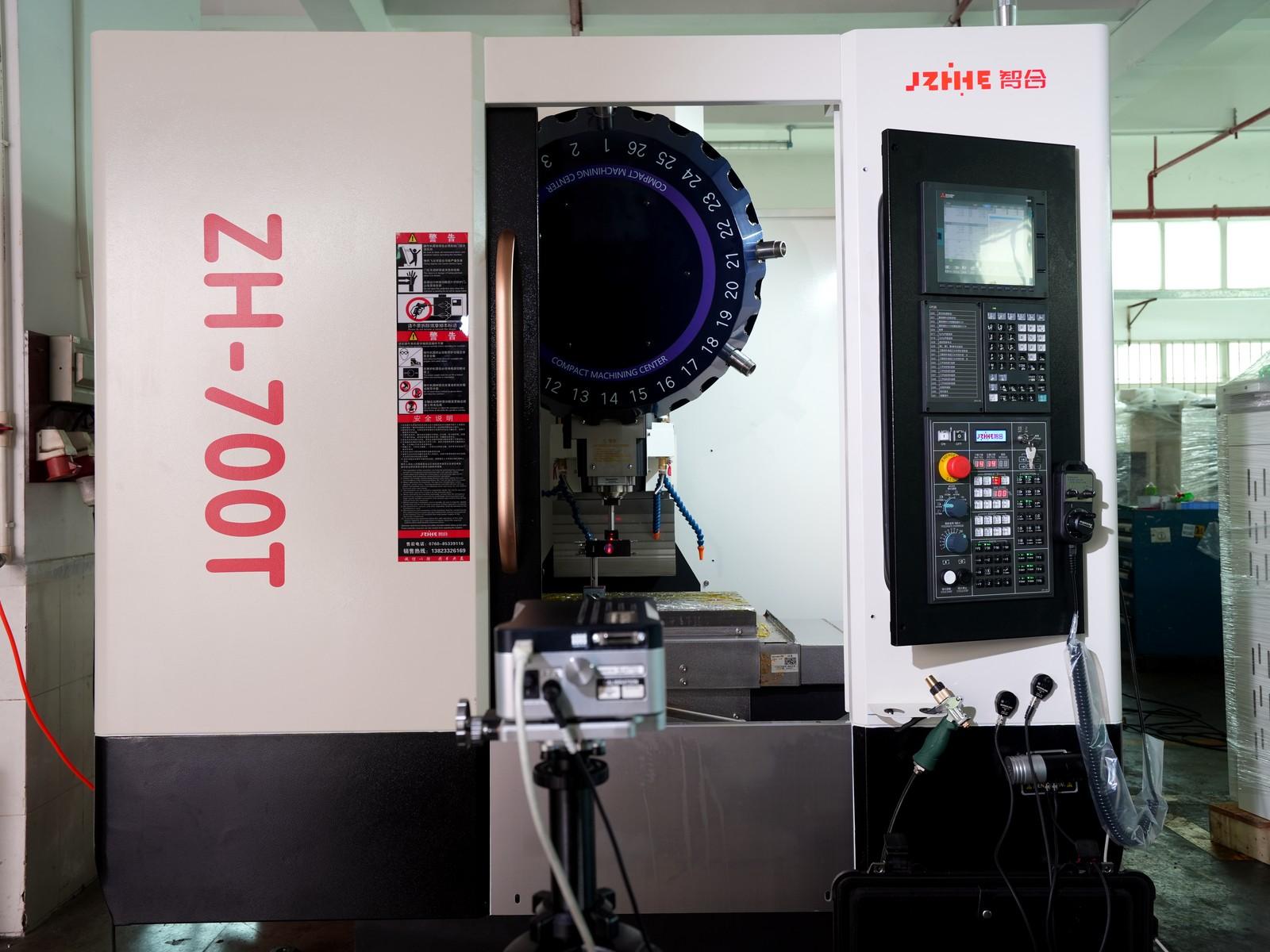
The Direct Buyer Answer
A CNC milling machining center should be selected by branching from the part problem, not by collecting the largest specification values. Start with the features that control acceptance, then branch through datum access, workholding, tool reach, chip control, inspection, capacity and service. Zhihe CNC uses a decision tree so a buyer can see why a configuration fits a declared part family and where the evidence stops. The result is a reviewable decision rather than a catalogue comparison.
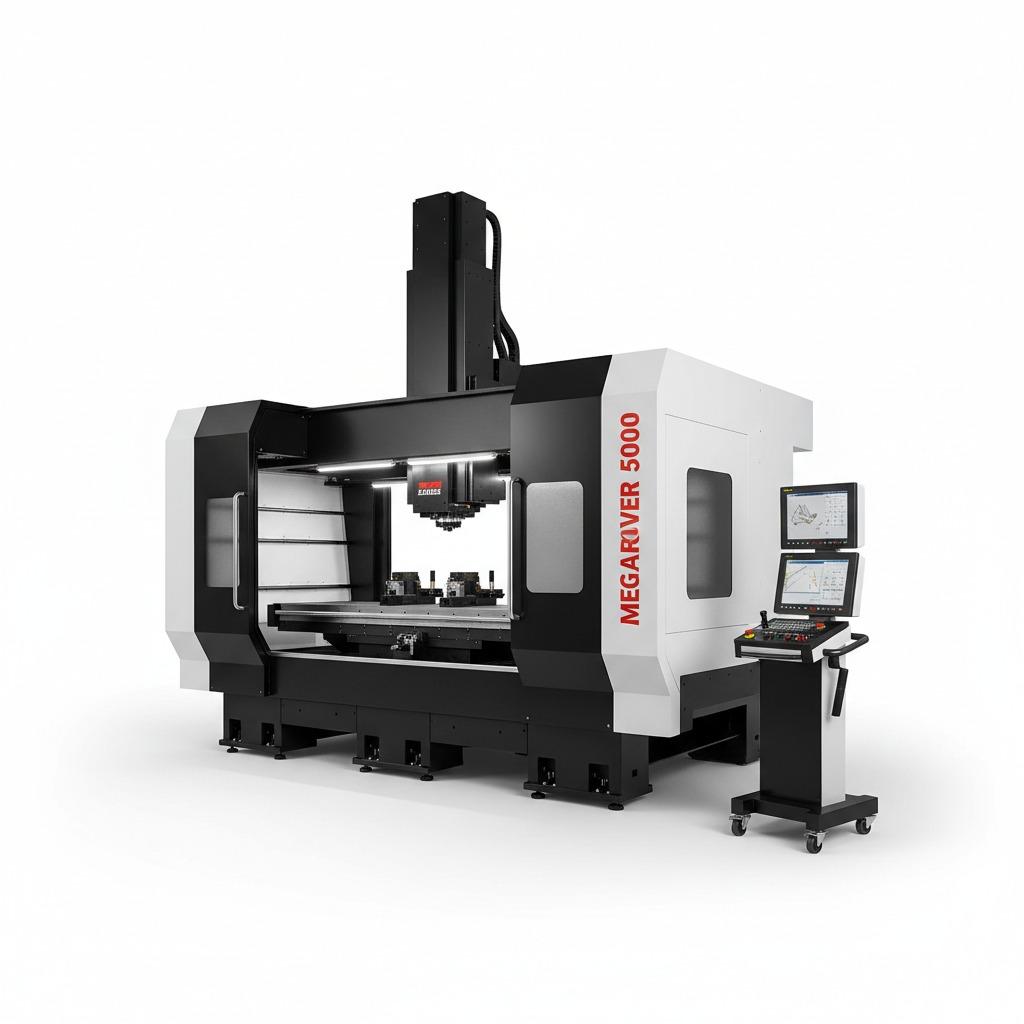
The Decision Tree Behind a CNC Milling Machining Center | Zhihe CNC: Working Map
| Decision branch | Question to answer | Evidence to keep |
|---|---|---|
| Geometry | Which surfaces, pockets or bores control release? | Annotated drawing and feature list |
| Datums | Can the route hold the datum relationship? | Fixture, probing and inspection plan |
| Tooling | Are reach, projection and life controllable? | Tool list, holders and replacement rule |
| Capacity | What is accepted output after support work? | Complete time ledger and released count |
| Support | Who owns recovery and changes? | Service route, spares and named owners |
Branch 1: Start With the Release Feature
Mark the feature that can reject the part: a tight pocket, related bore, thin wall, surface or datum relationship. Record material, stock, tolerance, finish, orientation and inspection method. This keeps the decision connected to what the customer accepts instead of to a single demonstration cut.
Separate routine features from boundary features. A configuration that handles easy faces may still fail on long reach, thin support or repeated datum transfer. Zhihe CNC recommends carrying both a representative part and a boundary part into the trial file, with each limitation written plainly.
Branch 2: Choose the Datum Route
Compare one-setup, two-setup and palletized routes by how many times the part is seated, probed and inspected. A CNC milling machining center creates value when the datum chain is stable and observable, not merely when travel is large. Include clamping, access, chip clearance and operator reach in the route.
For each candidate, sketch the fixture datum, probe points, tool approach and inspection reference. If a correction requires an undocumented manual interpretation, label it as an open risk. A clean datum route reduces rework, but it still needs raw evidence around the first and later parts.
Branch 3: Check Tool Reach Before Spindle Claims
List tool diameter, holder, projection, corner access, engagement, speed, feed, coolant delivery and expected wear. Check the deepest and narrowest feature first. Zhihe CNC separates cutting capability from tool availability and presetting because a strong spindle cannot compensate for an unavailable holder or an unstable long tool.
Include sister tools, preset records, runout checks and the replacement trigger. Run at least one normal tool-life event in the acceptance plan. This shows whether the team can restore offsets and verify the feature without changing several variables at once.
Branch 4: Decide How Chips Leave
Document chip shape, pocket depth, orientation, coolant, washdown, filtration and safe cleaning. Chips can change seating, surface quality, inspection time and operator exposure. Treat them as a process branch, especially for sticky alloys, deep pockets and interrupted cuts.
Observe a representative production window rather than a short clean cycle. Record where chips collect, who removes them, how often and whether the machine must stop. The cost and capacity model should show this work instead of hiding it in “miscellaneous” time.
Branch 5: Build the Inspection Branch
Define gauges, calibration status, datum alignment, sampling, raw-data storage and release authority. A machining route is not proven when the measurement route is vague. Keep accepted, held, reworked and scrapped pieces identifiable so a later decision can trace back to setup and tool state.
Ask whether the buyer can reproduce the inspection with the delivered equipment and documents. If external measurement is required, state its timing, handling and queue. This makes the acceptance boundary honest and prevents a polished sample from carrying an unsupported promise.
Branch 6: Model the Week, Not the Ideal Cycle
Build a ledger for loading, setup, cutting, probing, tool changes, chip work, inspection, maintenance, holds, rework and handoff. Divide declared production time by released pieces. A CNC milling machining center should be compared on accepted output under a named mix, not on spindle-on minutes.
Test a frequent part, a changeover part and a boundary part. Record preparation, waiting and decisions separately. Zhihe CNC uses this week view to show which queue owns lost time and whether a second machine, fixture or operator would actually change released output.
Branch 7: Review Interfaces
List material arrival, fixture cleaning, tool presetting, program revision, gauge access, downstream transfer and service escalation. For each interface, assign owner, evidence, due date and restart rule. A machine can be technically ready while an interface still blocks production.
Freeze the interface register with the configuration and reopen affected items after part, fixture, software, tool, gauge or site changes. Keep accepted limitations visible, including the operating consequence and the person who approved them.
Branch 8: Turn the Tree Into a Purchase File
Attach the selected configuration, representative and boundary trials, tool list, fixture assumptions, inspection route, capacity definition, training, spares, service and exclusions. Tie milestones to evidence rather than to a calendar date alone.
The file should state what was tested, under which conditions, and what remains outside the promise. This protects both sides when the part mix changes after the order. Zhihe CNC can then respond to a real decision package instead of a vague request for “the best” machine.
Run a Controlled Change
Select one change such as a new material, fixture revision, holder projection or inspection gauge. Ask which branches are affected, what must be repeated and who approves the revised baseline. This demonstrates whether the decision tree remains usable after the first order conversation.
Preserve the old evidence and label the effective revision. Do not silently overwrite a passed trial. A visible change route is especially valuable when several teams share programs, tools and measurement records.
Close the Decision Meeting
Purchasing confirms scope and milestones; engineering confirms geometry and datums; quality confirms gauges and disposition; production confirms labor and accepted takt; maintenance confirms access and spares; the supplier confirms service and exclusions. Record open issue, evidence, owner and date.
Keep blockers separate from accepted limitations and post-release actions. The final approval authority and document location should remain visible. That simple discipline turns a technical discussion into a controlled commercial decision.
Evidence Ledger
| Evidence lane | Minimum record | Reopen when |
|---|---|---|
| Part | Representative and boundary features | Drawing, material or mix changes |
| Setup | Fixture, datum, tools, offsets and program | Fixture, holder or software changes |
| Quality | Gauge, sampling, raw data and disposition | Gauge or acceptance rule changes |
| Output | Complete time and released quantity | Labor, batch or support assumptions change |
Make the Decision Reusable
Store the decision tree with the quote, drawing revision and acceptance file. When another buyer or plant reviews the same family, they should see the tested branch, the untested branch and the owner of each open assumption. This avoids restarting a specification debate from memory.
Revisit the file after the first representative production lot. Compare the delivered setup, tool access, inspection and accepted output with the original branch. Keep the result as a dated operating baseline rather than a permanent claim about every future part.
Keep the Branches Honest
A decision tree is useful only when a branch can end in “not yet proven.” If the tool reach, fixture access, inspection queue or service route is still uncertain, preserve that status and assign the next evidence. Zhihe CNC prefers a visible limitation to a broad configuration claim that later surprises production.
After installation, compare the first accepted lot with the selected branch and record what was learned. Reopen the affected branch when the part, material, fixture, program, gauge or staffing changes. The dated review gives engineering and purchasing a shared reference for the next CNC milling machining center decision.
Archive the Decision Boundary
Keep the CNC milling machining center branch, evidence and open assumptions with the released configuration. The CNC milling machining center selection remains useful when a future part can be mapped to the same branch or clearly sent to a new review.
After the first production change, ask whether the CNC milling machining center evidence still matches the part family, fixture and inspection route. Record the answer, owner and effective revision so the next buyer starts with a controlled baseline.
Buyer FAQ: CNC milling machining center
What is the first input for a CNC milling machining center decision?
Start with the feature, datum relationship and acceptance method that can reject the part.
Is spindle power enough to compare machines?
No. Tool reach, holders, cooling, chips, inspection and recovery also control released output.
Why include a boundary part?
It exposes reach, support, tool-life and inspection limits that an easy sample can hide.
How should capacity be stated?
Use released parts divided by declared production and support time under a named mix.
What should be in the fixture branch?
Include datum, clamps, probe access, chip clearance, reload repeatability and inspection reference.
How does Zhihe CNC handle changes?
Zhihe CNC keeps the previous baseline, identifies affected evidence and assigns a new approval owner.
When is external inspection acceptable?
When its timing, handling, queue, raw data and release authority are explicitly included.
What belongs in the purchase file?
Configuration, trials, tools, fixtures, inspection, capacity, training, spares, service and exclusions.
How should held work be recorded?
Record identity, quantity, machine state, result, containment, correction, retest and owner.
What should a buyer send Zhihe CNC?
Send drawings, material, stock, feature priorities, volume, mix, fixture ideas, inspection and site details.
Bring the Decision to Zhihe CNC
Send Zhihe CNC the controlled drawings or CAD, material and stock, critical features, annual volume, batch mix, fixture concept, tool limits, inspection route, site conditions and service region. Review the Zhihe CNC product portfolio, the company and factory profile, and the engineering inquiry route. For CNC milling machining center, request a dated configuration, representative trial, acceptance boundary, open-assumption list and named support owner.
Reference Boundary
The ISO machining-centre reference and OSHA machine-guarding guidance offer machine-test or safeguarding context. They do not replace drawing-specific acceptance, local risk assessment, product certification, regulatory release or the buyer's operating procedures.