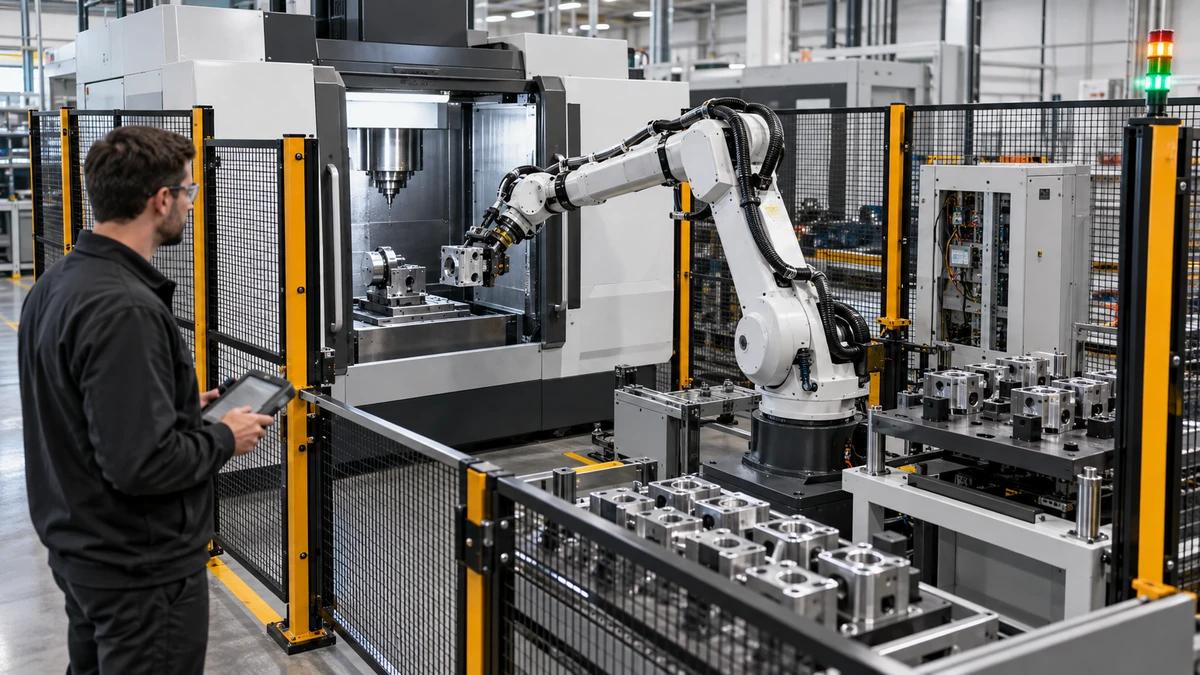
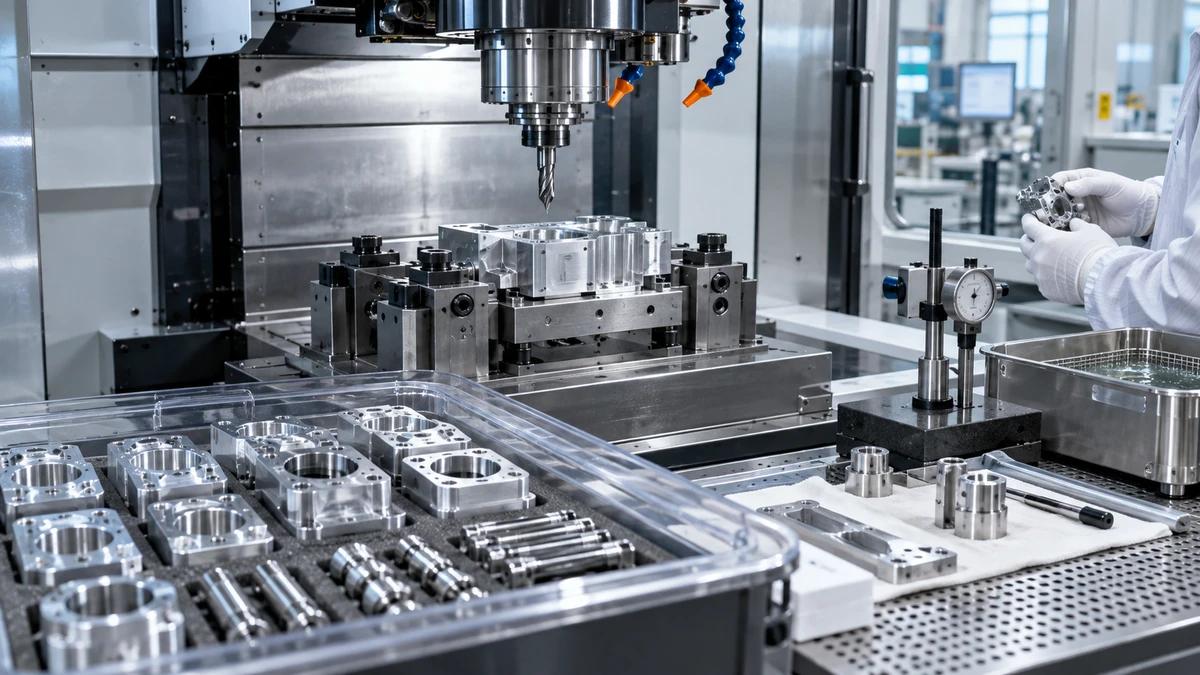
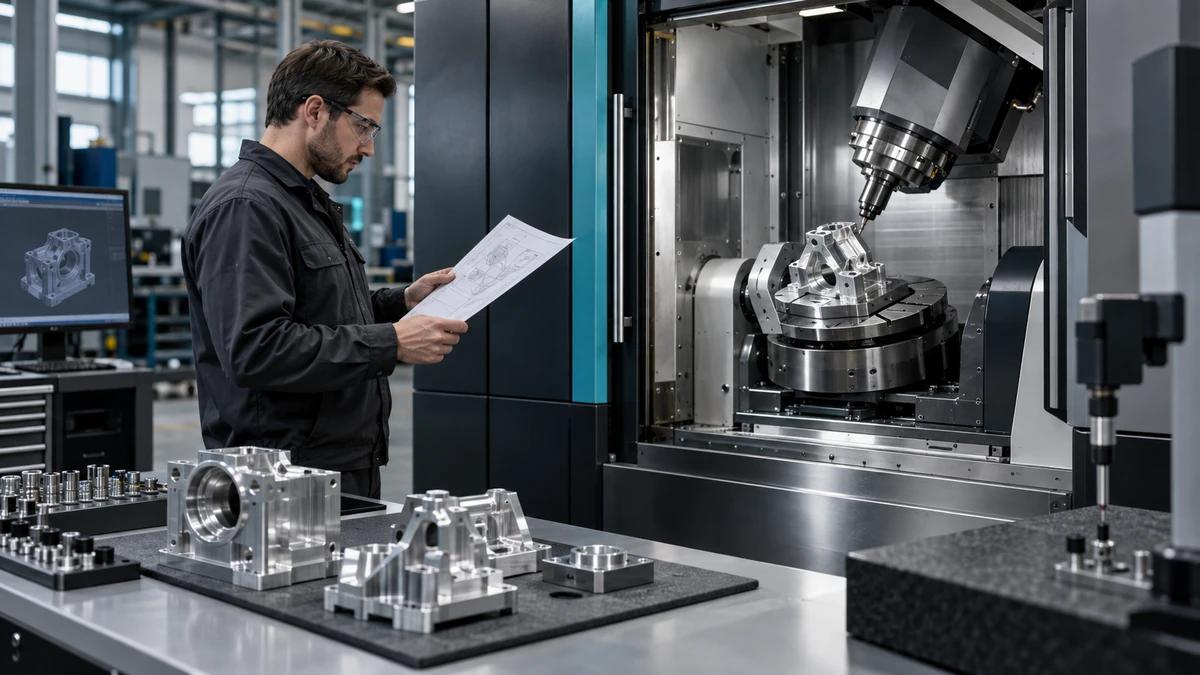
A CNC milling machining center should be evaluated by how a workpiece moves through controlled production states, not by an isolated cycle time. Zhihe CNC uses an eight-state map that follows material from incoming release through setup, cutting, inspection, exception recovery, and accepted output.
This approach is designed for plant owners, production planners, process engineers, quality teams, and equipment buyers. It exposes where machine time waits for missing information, where a part changes identity, and where an apparently finished component still lacks the evidence needed for shipment.
Give Every Workpiece a Digital Passport
The passport identifies part number, drawing and CAD revision, material heat or lot, blank route, stock condition, quantity, datum scheme, fixture, program, tools, inspection plan, production order, customer priority, and current state. Add the person, time, evidence, and reason for every state change.
Zhihe CNC recommends using one controlled identifier across material, machine, program, inspection, nonconformance, and packing records. Labels that change between departments make recovery slow and can mix approved work with held work.
See the Eight States on One Board
| State | Release question | Required evidence |
|---|---|---|
| 1. Material received | Is the blank identified? | Lot and receiving record |
| 2. Process released | Is the route approved? | Controlled traveler |
| 3. Setup ready | Can cutting start safely? | Fixture, tool, program checks |
| 4. Active machining | Is the process inside limits? | Machine and operator signals |
| 5. Awaiting inspection | Can quality verify the result? | Part and method readiness |
| 6. Exception hold | What failed or remains unknown? | Preserved evidence |
| 7. Recovery trial | Has the correction been verified? | Authorized retest |
| 8. Accepted output | Can the part move downstream? | Release and traceability |
The board separates physical location from approval status. A part beside the machine may still be in material hold, inspection wait, or controlled recovery.
State 1: Material Received but Not Yet Released
Record supplier, certificate, lot, material, hardness or condition, blank process, dimensions, stock allowance, visible defects, preservation, storage, and quantity. Define which checks are mandatory and what happens when documents or measurements disagree.
A CNC milling machining center cannot compensate for an unidentified blank, unstable stock, or uncontrolled allowance. The material state must close before cycle or quality evidence can represent the planned production route.
State 2: Process Released With One Revision
Freeze drawing, CAD, route, datum strategy, fixture revision, tool assemblies, program, postprocessor, controller assumptions, offsets, probing, coolant, inspection, acceptance limits, and authorized deviations. Mark superseded files so they cannot return through a shared folder or local memory.
Zhihe CNC recommends a contradiction check across traveler, program header, setup sheet, tool list, inspection plan, and customer specification before the work enters the queue.
State 3: Setup Ready Needs More Than a Green Light
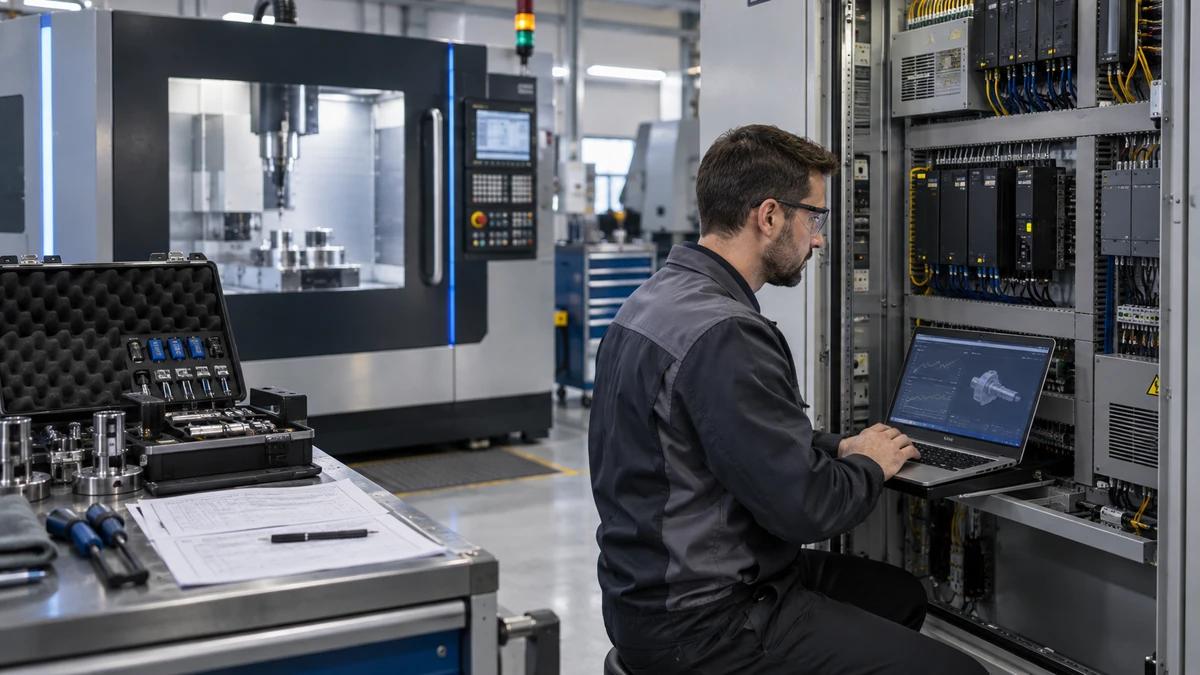
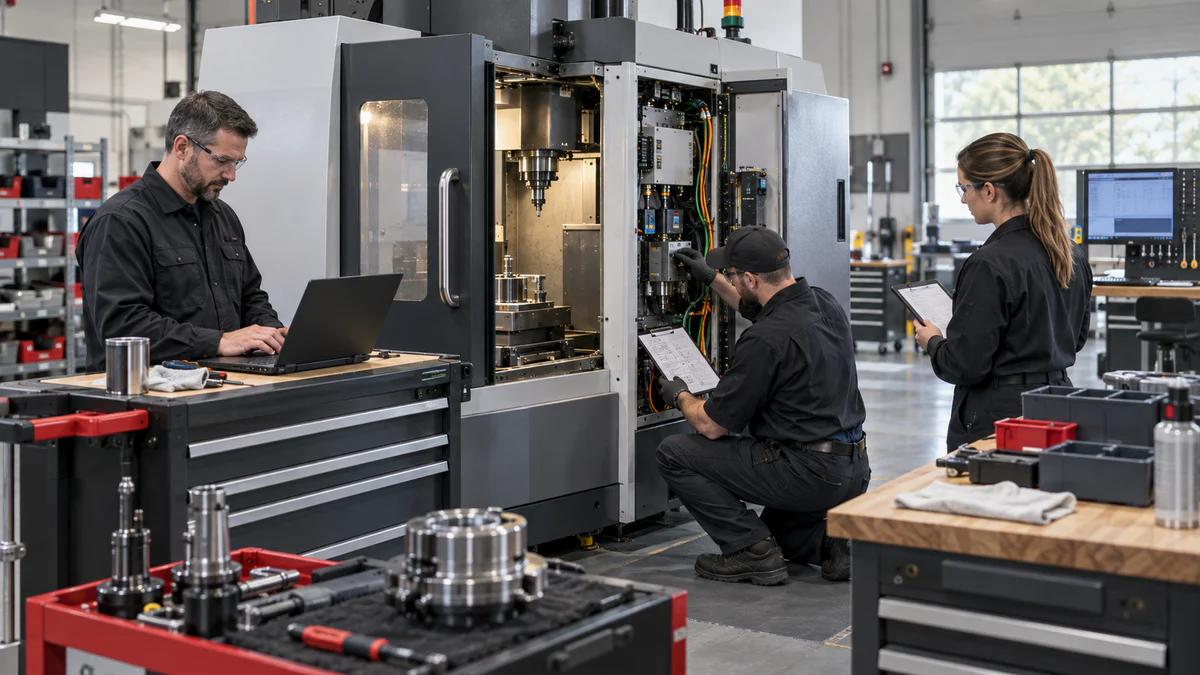
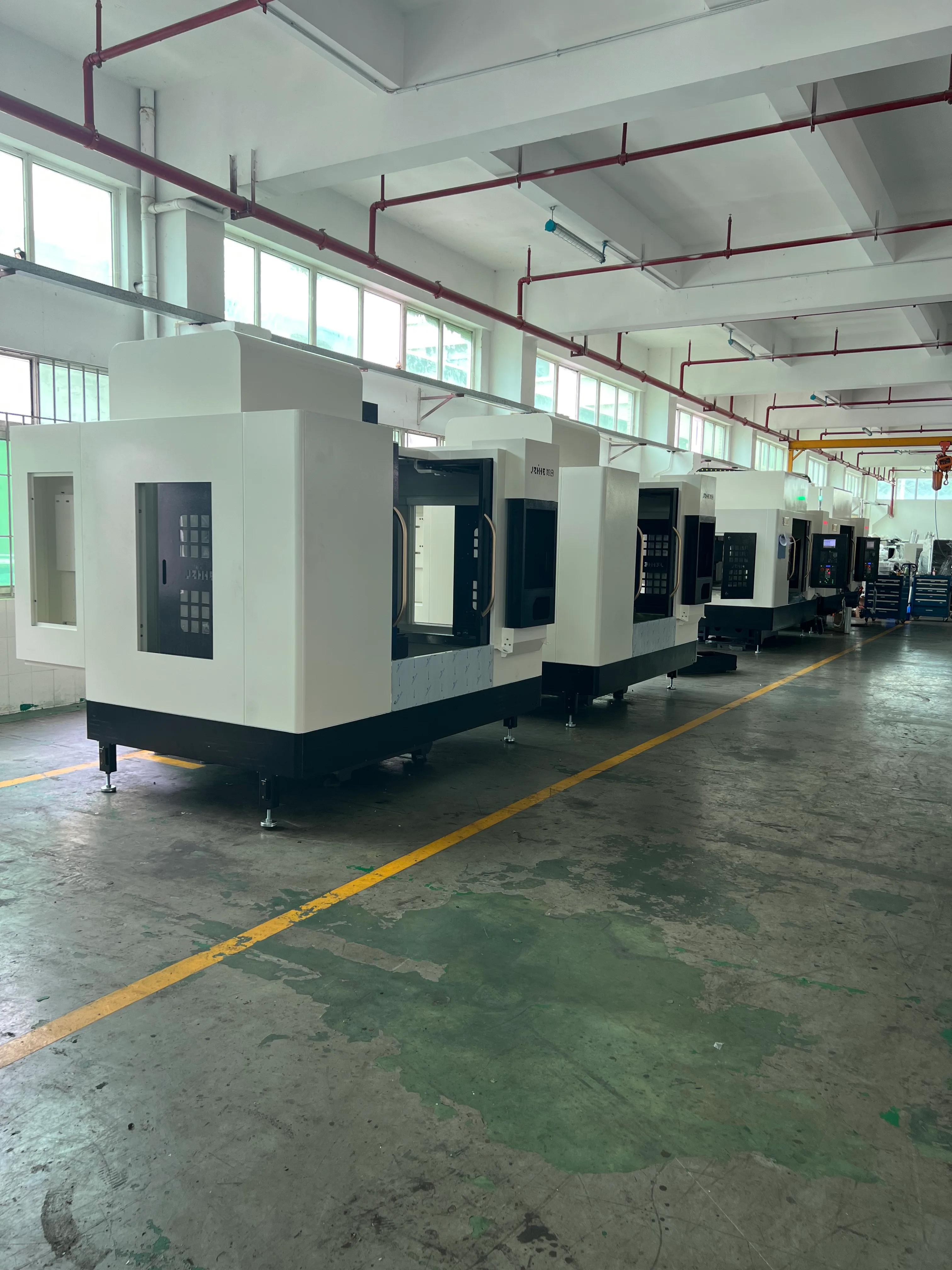
Confirm machine identity and condition, work zone, fixture cleanliness, locators, clamps, support, loading method, workpiece orientation, tool and holder assemblies, magazine pockets, tool life, offsets, probe qualification, coolant, chip path, guards, interlocks, program revision, and operator authorization.
Use a Setup Release Token
| Token field | Owner's question | Hold example |
|---|---|---|
| Workpiece | Is identity and stock correct? | Lot mismatch |
| Fixture | Is location and clamp state approved? | Wear limit exceeded |
| Tools | Are assemblies and lives ready? | Missing sister tool |
| Program | Is the released revision loaded? | Header conflict |
| Inspection | Can the first result be checked? | Gauge unavailable |
| Safety | Are operating boundaries intact? | Interlock concern |
One missing field removes the token. Production urgency does not convert an unknown into readiness.
State 4: Active Machining Is a Controlled Window
Track operation, tool, spindle and feed state, load trends, alarms, overrides, coolant, chips, temperature, probing, tool changes, interruptions, and operator observations. Define which signals are information, which allow an authorized adjustment, and which stop the process.
The CNC milling machining center state map does not ask operators to diagnose every engineering cause. It gives them a clear route to preserve evidence, contain affected work, and escalate without mixing uncertain parts into normal flow.
Measure Time by State, Not Only by Cycle
Separate loading, setup verification, cutting, tool events, chip clearing, probing, inspection wait, rework, maintenance, program proving, material shortage, and recovery. A short machine cycle can coexist with low accepted output when parts spend hours in invisible queues.
Zhihe CNC uses state time to identify whether the next investment should improve machine motion, fixture readiness, tool management, quality capacity, material release, or exception response.
State 5: Awaiting Inspection Is Still Work in Process
Keep part identity, datum condition, temperature, fixture or free-state status, measurement method, instrument, calibration, alignment, sampling, limits, decision rule, and priority visible. Define whether machining may continue before the result and how potentially affected quantities are contained.
An inspection queue belongs in the production model. If the method or capacity cannot release the planned rate, faster cutting only creates a larger uncertain inventory.
State 6: Exception Hold Preserves the Evidence
Use this state for tool breakage, probe alarms, quality deviations, fixture concerns, material questions, interrupted programs, coolant issues, unexplained surface marks, or missing records. Preserve stock, completed operations, tool state, offsets, program position, rotary or axis condition, machine alarms, measurements, photographs, and affected quantity.
A CNC milling machining center recovery becomes unsafe and untraceable when someone clears the alarm, changes several variables, and restarts before the failure path is understood.
State 7: Recovery Trial Has Its Own Boundaries
Name the problem, containment, suspected cause, correction, authorized owner, test workpiece, safe re-entry point, tools, offsets, inspection, limits, affected production, and release decision. Do not use customer parts for uncontrolled experimentation when a lower-risk verification route is available.
Zhihe CNC recommends changing one meaningful factor at a time where practical and recording why the result supports or rejects the diagnosis.
Rehearse the Exception Re-Entry Route
Plan a representative event before acceptance: a defined tool alarm, measurement hold, planned interruption, or controlled program restart within approved safety limits. Observe whether the team protects the workpiece passport, identifies stock and completed operations, restores tool and offset state, verifies the safe path, and releases quality evidence.
The rehearsal evaluates the system around the machine without deliberately creating hazardous conditions or damaging work.
State 8: Accepted Output Needs a Complete Release
Confirm part identity, operation completion, inspection result, deviation status, cleaning, preservation, marking, quantity, packing handoff, documentation, and downstream destination. Separate machine-complete, inspection-complete, and shipment-ready when the business process needs those distinctions.
Only this state should count toward accepted production. Scrap, rework, held parts, unverified recovery pieces, and incomplete records remain visible losses rather than disappearing inside a gross cycle calculation.
Validate the State Map During Machine Acceptance
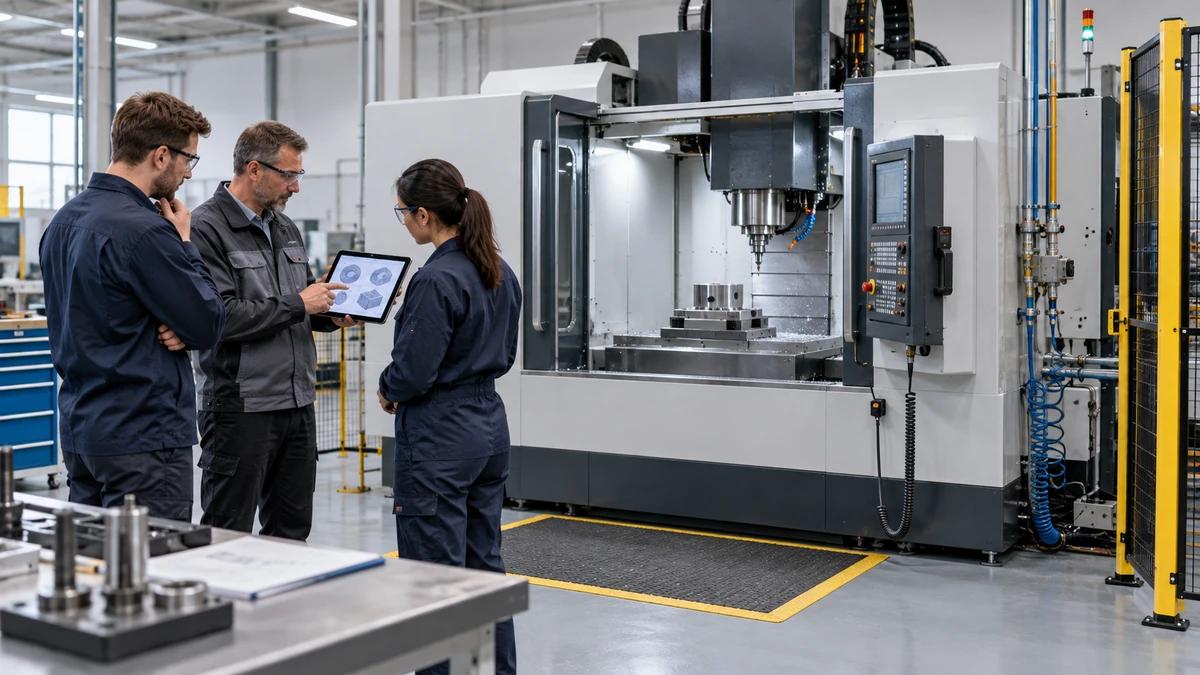
Freeze representative material, stock, fixture, tools, program, controller state, thermal sequence, coolant, inspection, limits, sample, and retest. The ISO 10791 series reference provides machining-centre test context, while the CNC milling machining center buyer trial must demonstrate how evidence moves through the intended eight states.
Include at least one normal part and one controlled exception route. Review accepted output, not only motion time or a best surface.
Keep Safety Attached to Every State Change
The ISO 16090-1 search reference offers safety context for machining centres. Responsible teams must assess the delivered machine, fixtures, tools, access, doors, interlocks, ejection, chips, coolant, loading, maintenance, cleanout, recovery, automation, and local requirements.
No state token authorizes bypassing a protective measure. A safety concern moves work into a controlled hold until qualified owners review and release the condition.
Audit the CNC Milling Machining Center State Map Weekly
Review how many parts entered each state, how long they stayed, which transitions failed, and which evidence was missing. Separate recurring causes from isolated events. Rank losses by accepted-output impact, quality or safety consequence, recurrence, and time to detection.
Trace one normal part and one exception part from incoming material to release. Compare the passport with physical labels, programs, tool records, inspection, deviations, and packing. The CNC milling machining center should produce a coherent evidence chain even when different people and shifts handle the work.
Look for shadow states that teams use informally: waiting for a programmer, waiting for a gauge, waiting for a crane, waiting for a tool, waiting for approval, or waiting for a customer answer. Name important queues so capacity planning can see them.
Zhihe CNC recommends assigning an owner to every transition rule. Production owns flow, engineering owns released process logic, quality owns measurement and disposition, maintenance owns equipment restoration, and management resolves cross-functional capacity. Actual responsibility can vary, but it must not remain ambiguous.
Update the map after controlled improvements. Keep prior revisions and effective dates so a faster route does not erase the reason for an earlier safeguard. Train operators on triggers and escalation, then test the route through observation rather than signatures alone.
Know What the Eight-State Map Cannot Guarantee
The map cannot guarantee cycle, yield, uptime, tool life, surface, or payback for every material, fixture, tool, program, environment, operator, maintenance condition, or measurement system. It organizes readiness and evidence. New parts, tighter tolerances, alternate stock, software changes, site differences, or automation expansions require affected states and transition rules to reopen.
FAQ
Why use workpiece states instead of location?
Location does not prove readiness or approval; a part beside the machine may still be on material, process, inspection, or exception hold.
What is a workpiece passport?
It is the controlled identity linking material, revisions, route, fixture, tools, program, inspection, status, and state-change evidence.
Who releases setup-ready status?
Named owners should confirm workpiece, fixture, tools, program, inspection, machine condition, and safety according to the approved route.
Does active machining mean the process is approved?
Only while the defined machine, tool, coolant, thermal, quality, and operating signals remain inside their controlled boundaries.
Why measure inspection waiting time?
Inspection capacity can limit accepted output even when the machine cycle is short.
What evidence should an exception preserve?
Keep identity, stock, completed operations, tools, offsets, program state, alarms, measurements, images, and affected quantity.
When can an interrupted part re-enter production?
After an authorized recovery plan restores a safe known state and verifies the result through the defined inspection route.
Which parts count as accepted output?
Count only identified, completed, inspected, dispositioned, documented, and released parts.
How does the map support machine selection?
It shows whether the proposed capacity addresses the real constraints in setup, cutting, tools, chips, inspection, recovery, and release.
Which files should a buyer send Zhihe CNC?
Send controlled parts, materials, routes, state losses, fixtures, tools, cycle data, inspection, exceptions, and site conditions.
Build the Eight-State Production Map With Zhihe CNC
To evaluate a CNC milling machining center, send Zhihe CNC your controlled drawings, CAD, material, blank condition, route, fixture, tool assemblies, program, cycle losses, inspection, exception history, output target, and site conditions. Review the milling machining center range, the Zhihe CNC profile, and the contact route before defining the state trial.