Why a custom CNC automation solution matters before you buy another machine
For many shops, a custom CNC automation solution is less about adding bells and whistles and more about avoiding the wrong machine purchase. If you are machining metal parts, molds, dies, jigs, fixtures, or heavier workpieces, the real question is not whether a machine can cut metal. It is whether the machine, the control setup, the fixturing, and the handling flow actually fit your part mix and production rhythm.
That is where a gantry-style vertical machining center often enters the conversation. The enclosed machine cabinet, raised bridge structure, and integrated operator panel point to a format built for stable cutting and safer day-to-day use. It can be a practical base for automation planning, but only if the buyer is clear on what needs to be automated first: loading, clamping, tool management, in-process checking, or just reducing operator dependence.
What the machine form tells you at a glance
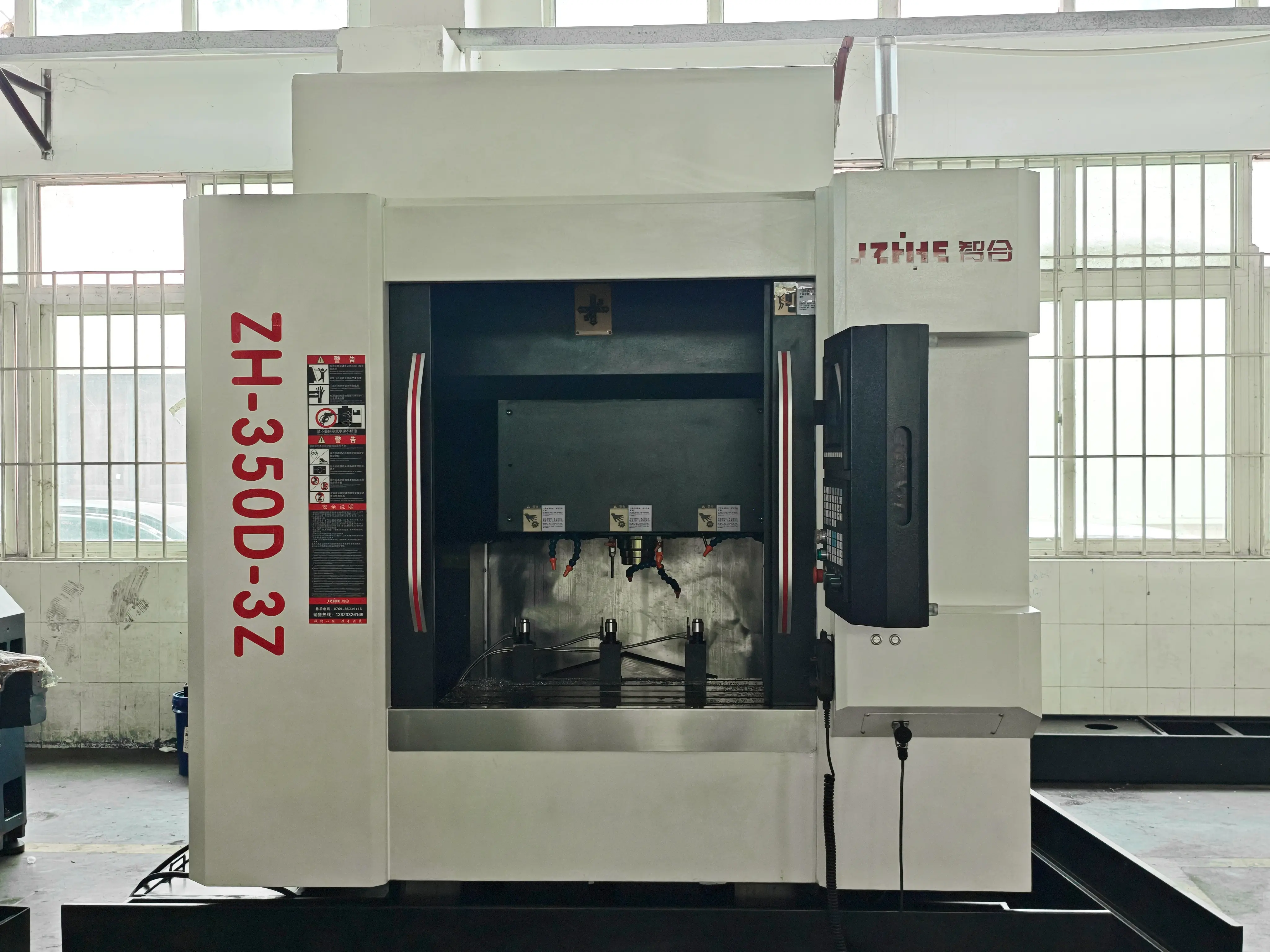
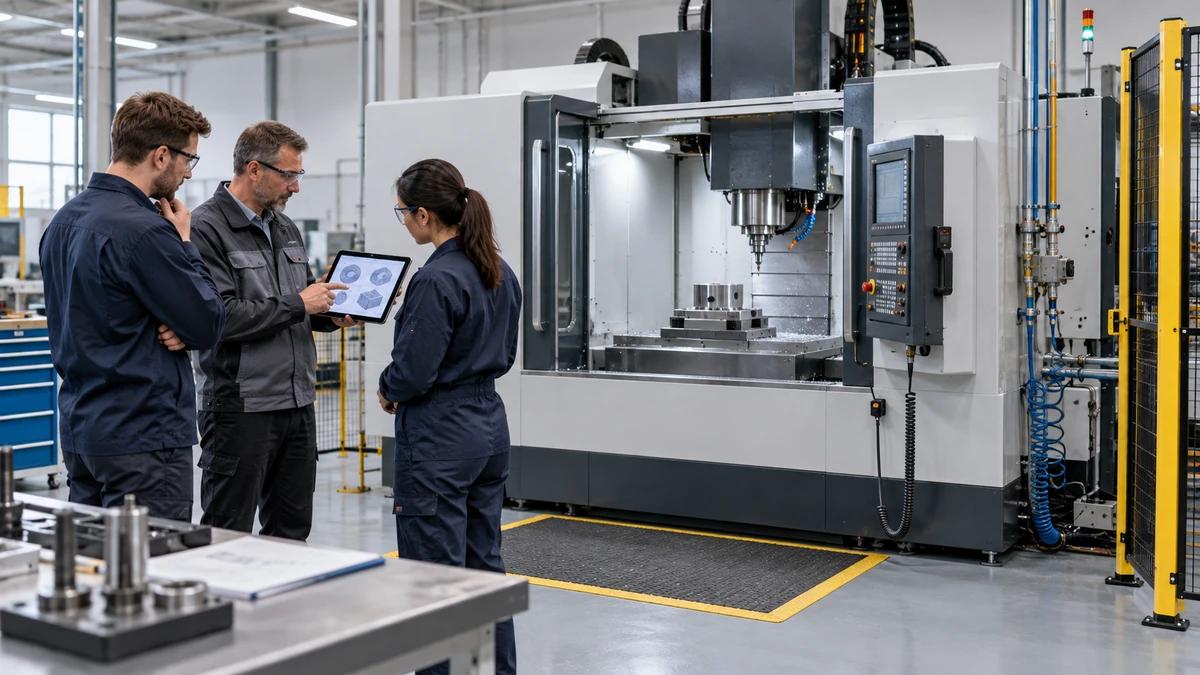
The visible structure of a CNC gantry-style vertical machining center gives a few useful clues. The overhead gantry spans the table, which is helpful when you are dealing with larger or heavier components. The enclosed working area supports chip containment and safer operation, while the front access doors make setup and part changeover more manageable. A side-mounted control console with screen and keypad also suggests an operator-facing machine intended for regular production use, not a one-off lab setup.
For buyers, that matters because the machine style influences both process planning and automation strategy. A rigid enclosure and stable base are the starting points. But the real decision is whether the machine should be used as a standalone milling platform or as the core of a turnkey CNC machining center that includes handling and workflow support.
Where this type of machine fits in production
A gantry-style vertical machining center is commonly associated with precision metal cutting and machining tasks such as milling, drilling, tapping, and contouring. In practical shop terms, it is often selected when the workpiece is too awkward for a smaller VMC or when the fixture needs room and rigidity. Molds, dies, aluminum components, precision hardware, and large fixtures all benefit from a machine that provides a generous internal working envelope and a sturdy table arrangement.
Company information from Zhongshan Zhihe CNC Technology Co., Ltd. also shows a broader product scope: vertical machining centers, horizontal machining centers, gantry machining centers, drill-tap centers, CNC milling machines, and five-axis machining centers. That range matters because a buyer evaluating a CNC machining center integration project usually needs more than a single machine model. The real need is matching the machine type to the part geometry, material, accuracy target, and throughput requirement.
How to think about automation before you spec the machine
Start with the bottleneck, not the machine brochure
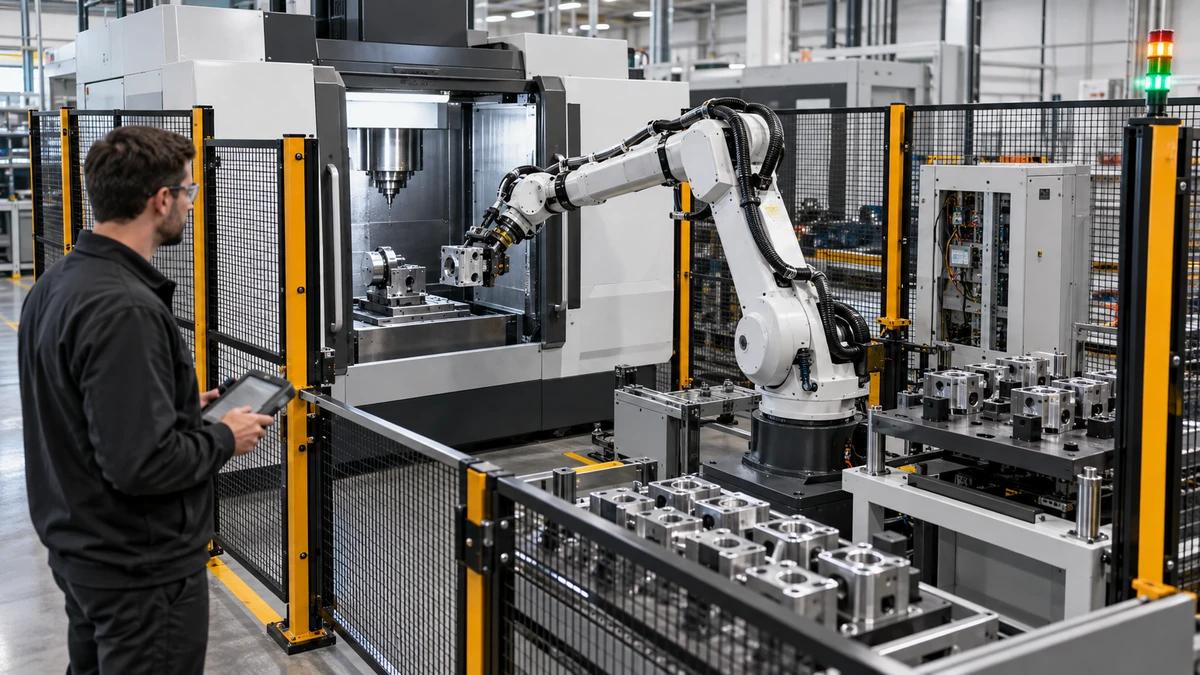
Many automation projects fail because the shop starts with the machine and works backward. A better approach is to identify the bottleneck first. Is the operator spending too much time loading heavy parts? Are repeat jobs delayed by setup changes? Is the issue tool wear, fixture changeover, or simply the lack of a consistent production cell?
If the bottleneck is loading and unloading, the automation plan may center on pallet handling or fixture standardization. If the pain point is flexibility across part families, then a configurable machine with practical control options may be more valuable than a highly specialized cell. Zhihe CNC notes that it supports machine recommendation, control system selection, fixture support, trial cutting verification, installation guidance, and training, which is exactly the kind of service stack buyers should look for when shaping a custom project.
Check the work envelope and fixturing reality
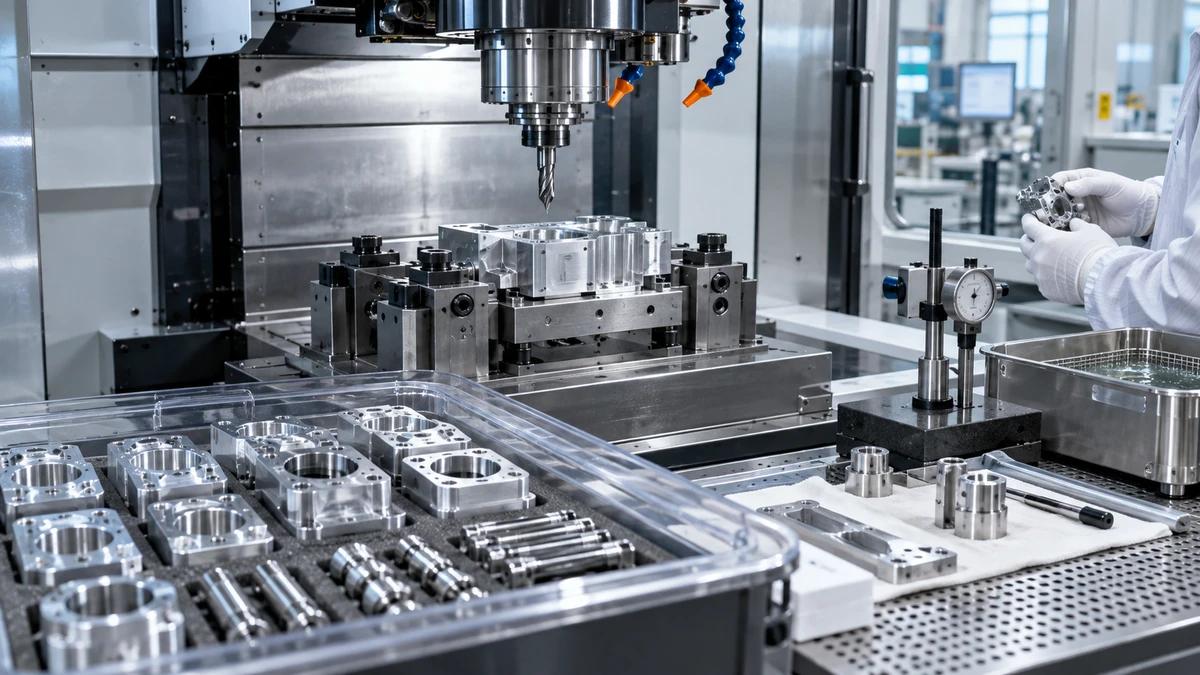
One caution that experienced buyers never ignore: published machine intent does not automatically mean the machine will suit your actual part envelope. Large internal space is useful, but fixture height, tool access, chip evacuation, and part loading paths can still create headaches. Before committing to a custom CNC automation solution, ask how the workholding will be arranged and whether the machine table allows repeatable clamping without crowding the cutting zone.
Selection criteria that deserve more attention than spindle hype
Exact spindle speed, travel dimensions, tooling interface, and automation hardware are not visible here, so they should not be assumed. Instead, buyers should focus on the factors that usually decide whether the project works in the field:
Structural rigidity: needed for stable cutting on heavy parts and for preserving consistency over time.
Operator access: front doors, console placement, and emergency stop location affect daily usability.
Process fit: whether the machine supports your mix of milling, drilling, tapping, and multi-face work.
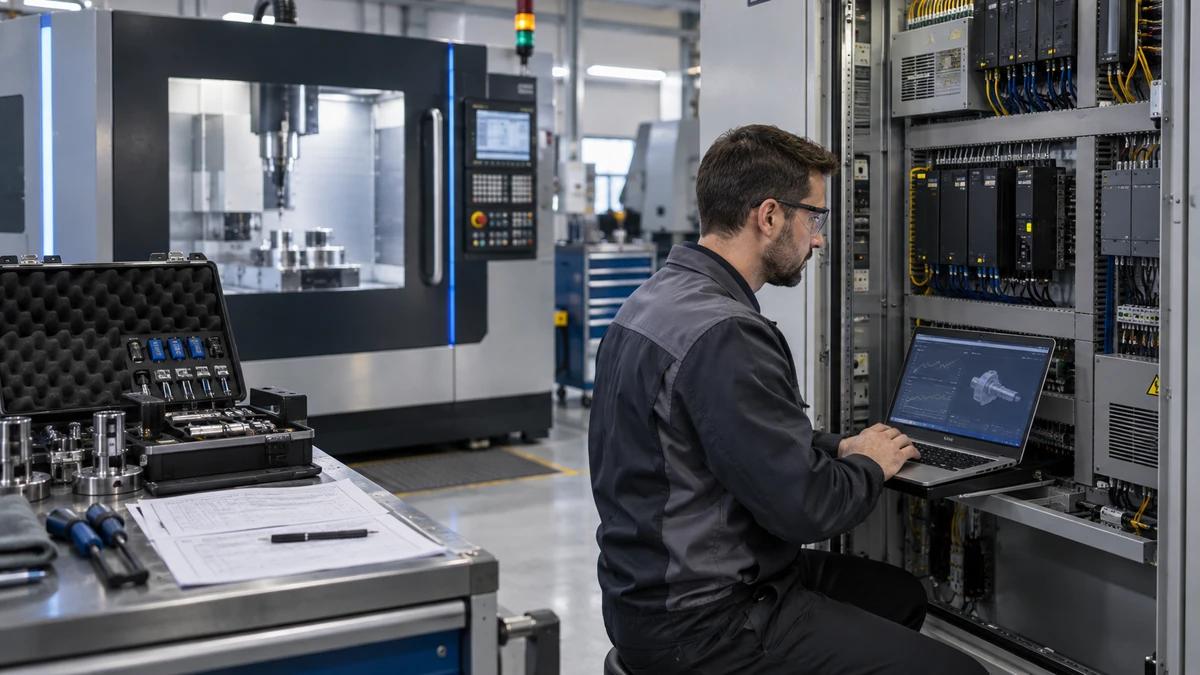
Integration readiness: whether the machine can be coordinated with fixtures, loading equipment, and the shop’s control preference.
Service support: installation guidance, training, spare parts, and after-sales response are often what keep a line running when something small goes wrong.
Common mistakes in CNC machine automation projects
The most common mistake is treating automation as an accessory. Another is over-specifying capacity the shop will not use. A third, and maybe the most expensive, is forgetting that the operator still needs a simple way to verify setup and correct offsets. If the interface becomes difficult, the machine may sit idle longer than expected.
There is also the matter of procurement discipline. If you are buying for automotive parts, 3C electronics, aluminum processing, precision metalwork, communications hardware, home appliance components, or lithium battery equipment, ask for a recommendation based on drawings, material, dimensions, accuracy needs, and output volume. That is the cleanest way to avoid a mismatch.
Practical buyer advice for the next step
When you talk to a machine supplier, keep the discussion concrete. Share the workpiece drawing, the material, the size envelope, the target precision, the machine type you prefer, and the production quantity you expect. If you are considering overseas delivery, confirm packaging photos, shipping documents, and logistics coordination early rather than at the end of the order cycle.
Zhongshan Zhihe CNC Technology Co., Ltd. says it can support domestic and international transport and welcomes long-term cooperation with distributors, service providers, and solution partners. That kind of support can be valuable, especially when the project is not just a machine purchase but a production upgrade.
FAQ: quick questions buyers usually ask
Is a gantry-style vertical machining center always the best automation base? Not always. It is a strong option for large or heavy workpieces, but the best choice still depends on part geometry and throughput.
Do I need a fully turnkey CNC machining center? Only if your production problem includes more than cutting. If loading, fixturing, or operator dependency is the real issue, turnkey integration may be worth the effort.
Can one machine cover molds, fixtures, and batch parts? Sometimes yes, but only if the setup strategy and control options are flexible enough for the job mix.
Requesting a machine plan that actually fits your shop
If you are mapping out a custom CNC automation solution, the most useful next step is not a generic quote. It is a machining plan. Provide your drawings, material list, size range, precision target, and production goal, then ask for a machine recommendation that includes control selection, fixture support, and trial validation where appropriate. That is usually where a workable project begins.
For inquiries, Zhongshan Zhihe CNC Technology Co., Ltd. lists contact channels including Liu Xiaobang, zhcnclathe@gmail.com, and WhatsApp/WeChat +86 13620089178.