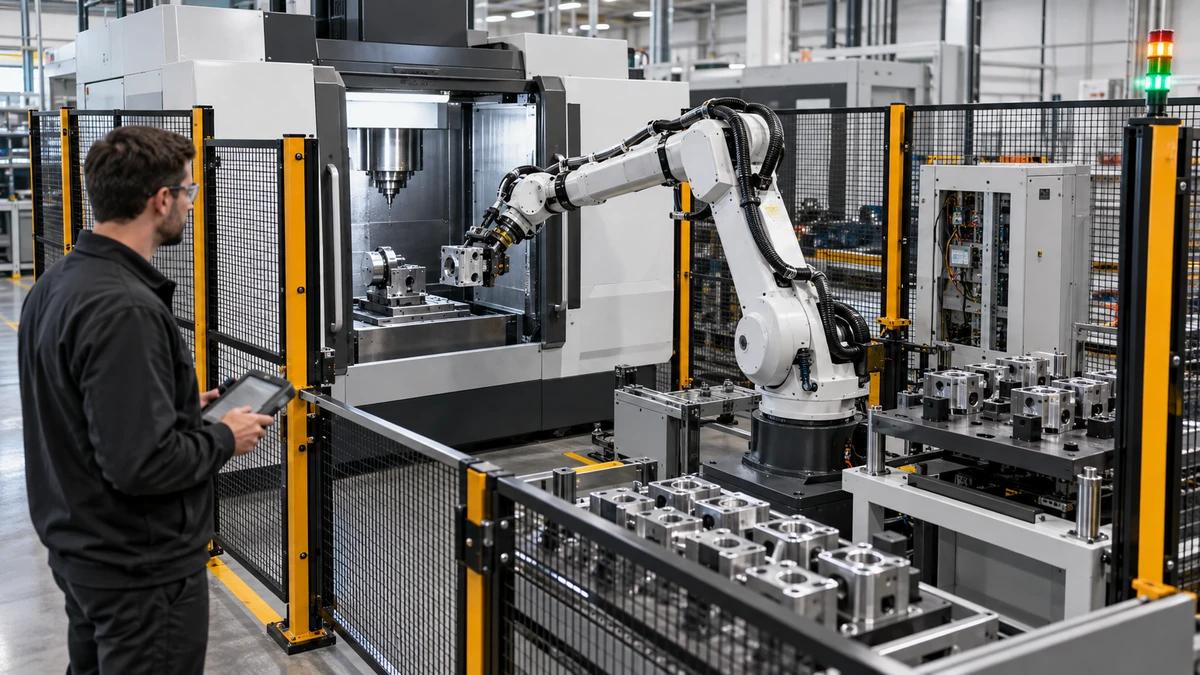
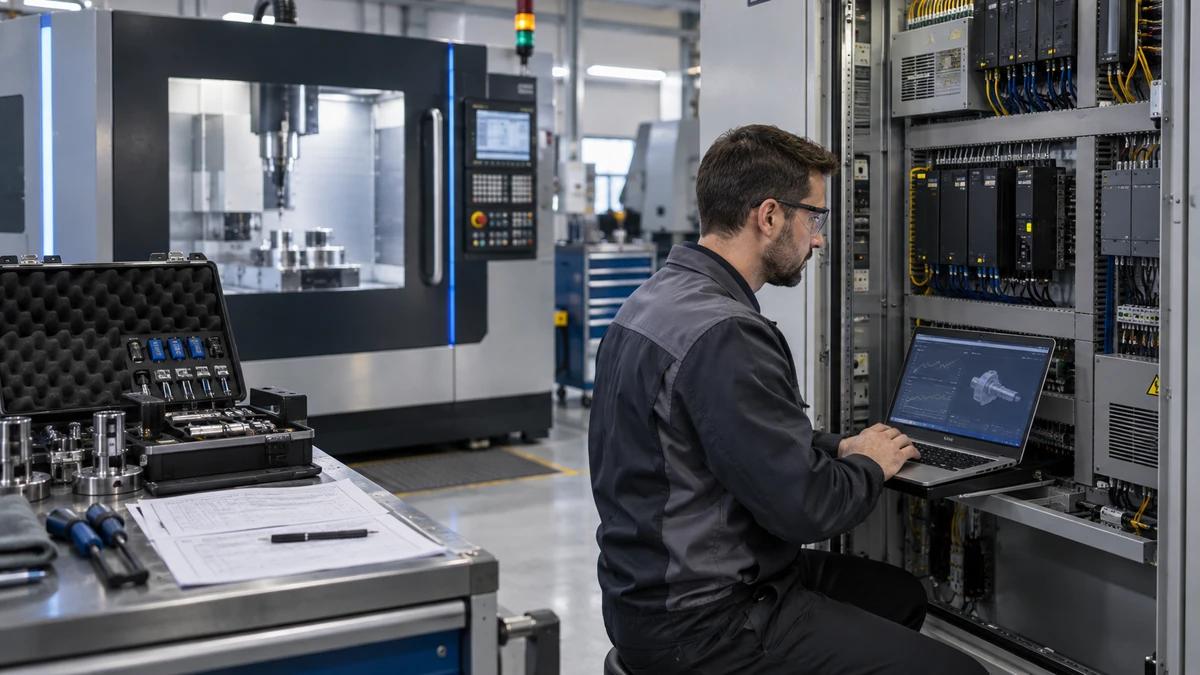
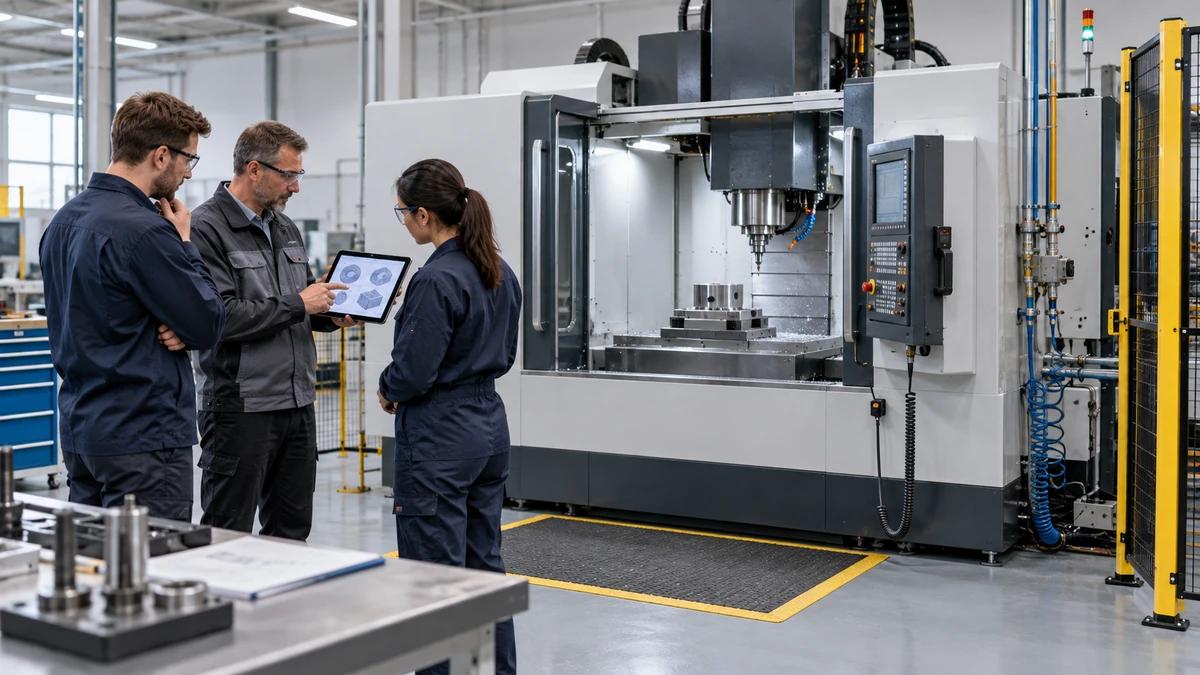
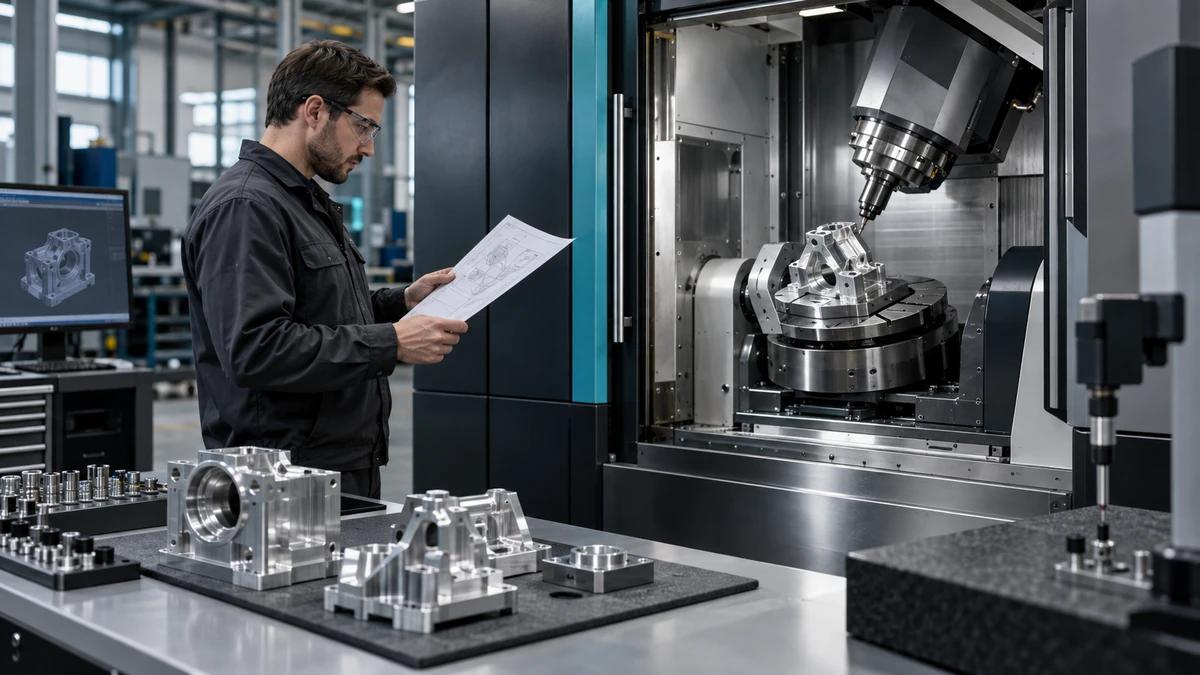
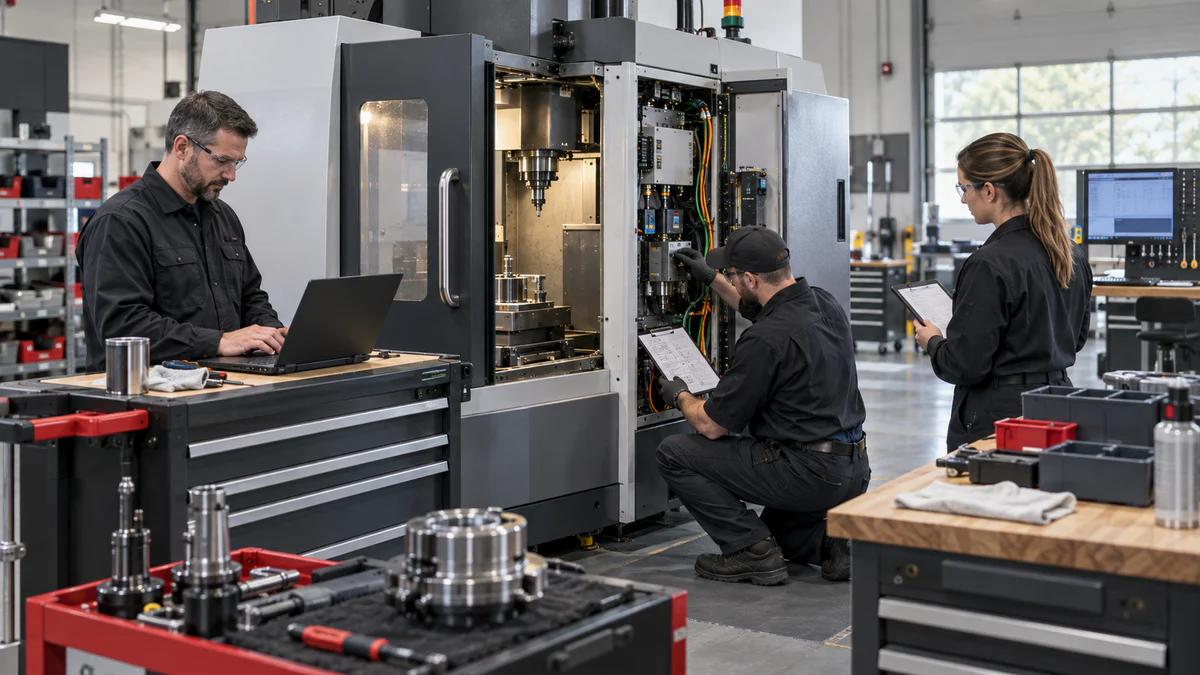
A custom CNC machine solution should be released through controlled gates that connect the drawing revision, production objective, process route, machine configuration, factory interfaces, trial evidence, acceptance, and service recovery. Zhihe CNC uses a from-drawings-to-release workflow so customization solves measurable manufacturing constraints instead of becoming an uncontrolled option list.
The workflow is for factory owners, engineering managers, integrators, and sourcing teams. It distinguishes requirement, design choice, assumption, exclusion, and future option, then assigns an owner and evidence to every important decision.
Gate 0: Protect and Index the Input Pack
Agree confidentiality, permitted use, access, retention, deletion, and redaction. Create an index for drawings, CAD, specifications, material standards, blank information, photos, videos, inspection reports, production data, utility information, and target dates. Mark revision, source, status, and approval owner.
Zhihe CNC should not engineer from files scattered across messaging threads. The buyer should identify the controlling revision and confirm that translated notes do not override signed technical requirements.
Gate 1: Convert Drawings Into a Requirement Matrix
| Input | Question | Controlled output |
|---|---|---|
| Part envelope | What must fit with fixture and tools? | Usable work-zone model |
| Material and blank | What cutting duty is required? | Operation assumptions |
| Tolerance and surface | How will results be accepted? | Feature test plan |
| Volume and shifts | What output is required? | Capacity model |
| Destination | What site interfaces apply? | Delivery responsibility map |
Separate mandatory, target, preferred, future, and unknown items. A mandatory item needs a pass method; a target needs a tradeoff rule; an unknown needs an owner and due date. This matrix becomes the backbone of quotation and change control.
Gate 2: Route Every Feature Through a Process
List datums, faces, holes, threads, pockets, contours, deep zones, thin walls, finishes, deburring, cleaning, and inspection. Assign setup, orientation, fixture, tool, operation order, intermediate check, and risk. Compare credible alternatives instead of forcing the first machine concept.
A custom CNC machine solution may use a standard vertical, horizontal, gantry, drilling and tapping, milling, or five-axis platform with selected options. Customization should be the smallest controlled change that closes the requirement gap.
Gate 3: Select the Architecture by Constraint
Use part size and mass, number of faces, access angles, datum transfers, roughing duty, finishing demand, tool reach, chip form, batch mix, automation, inspection, floor space, skills, and budget. State why the chosen architecture beats at least one credible alternative.
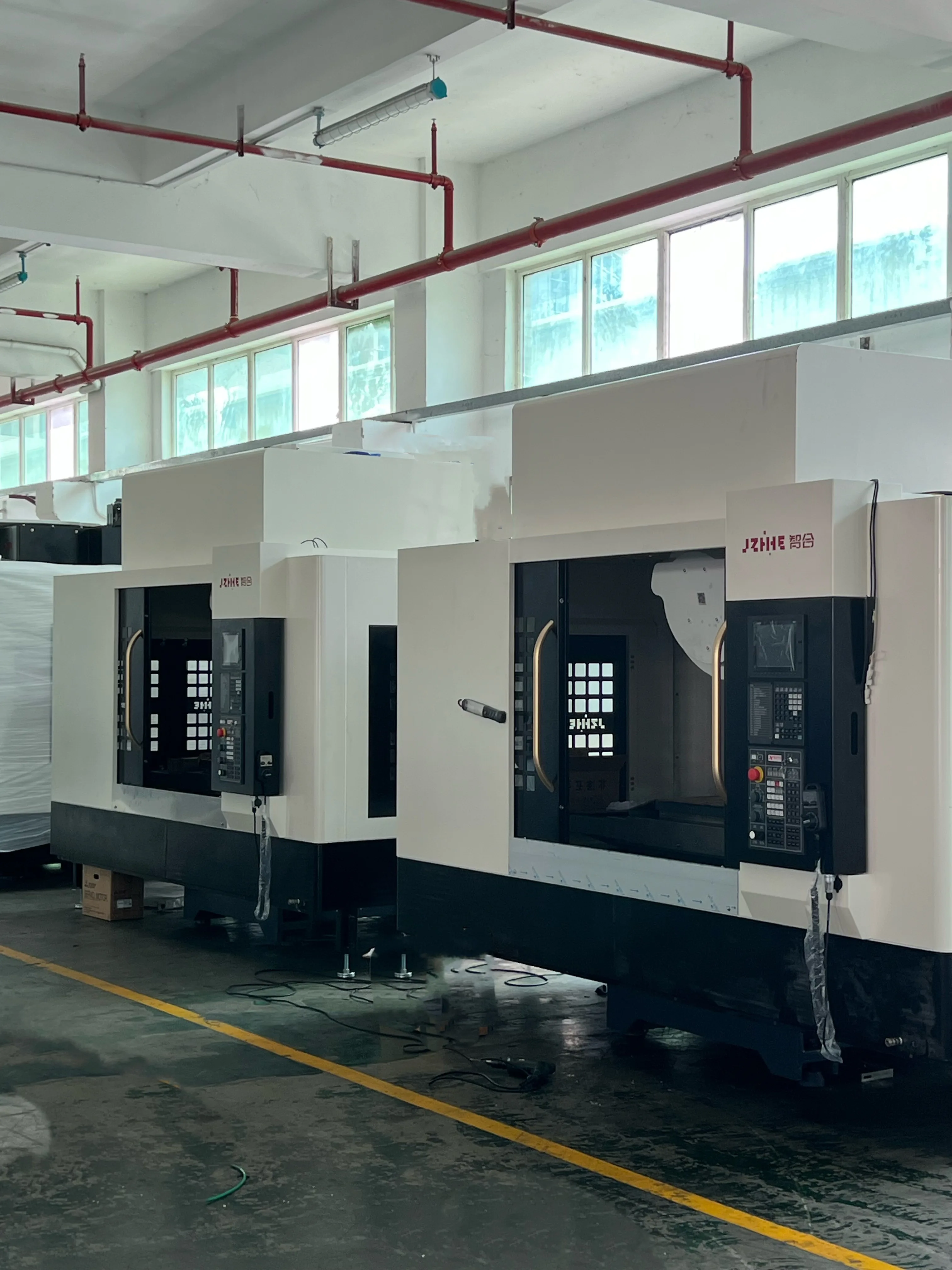
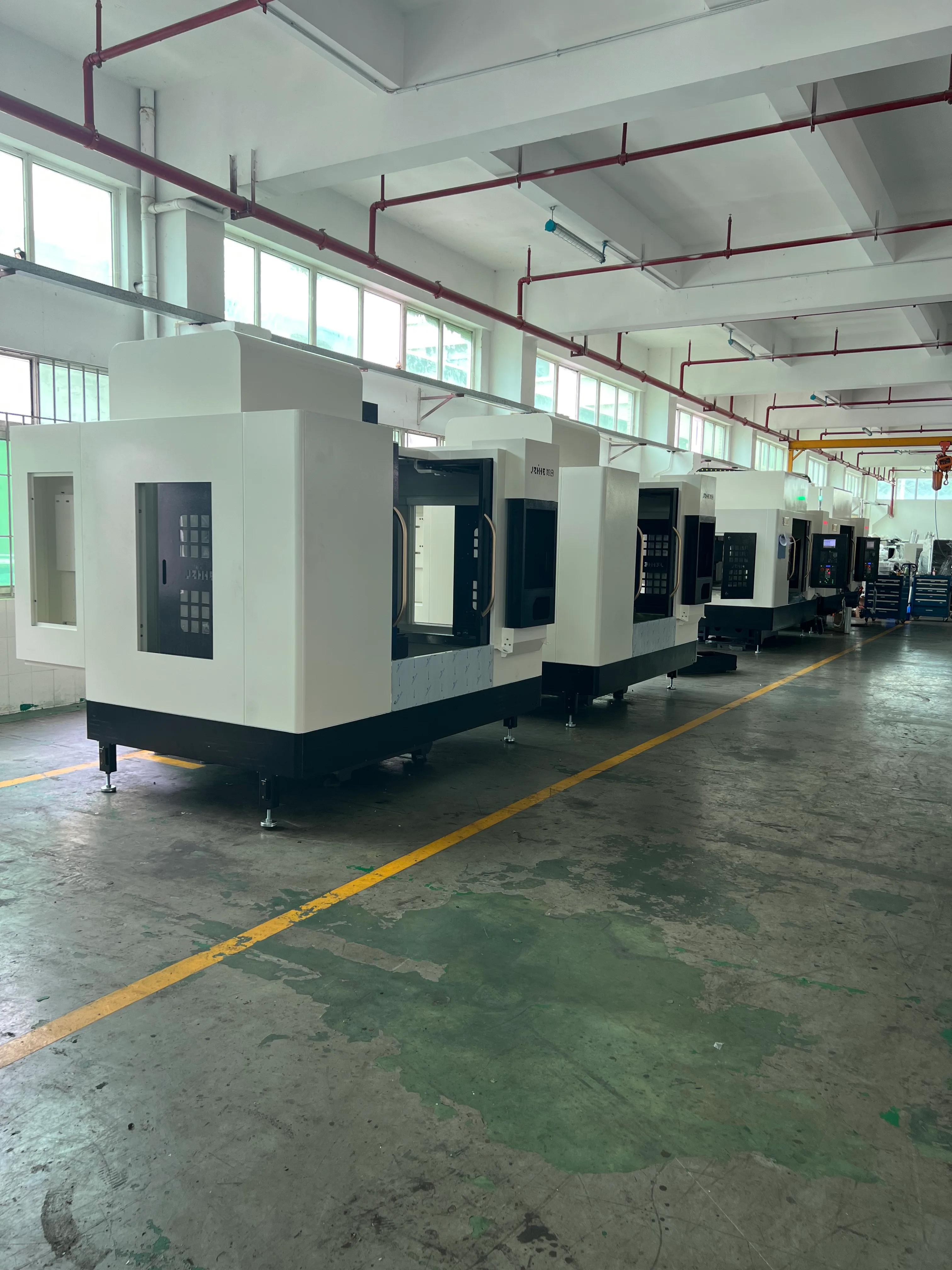
Review the Zhihe CNC machine range as a platform set, then validate the exact model and configuration against the process route. A category label is not an engineering conclusion.
Gate 4: Trace Every Option to a Requirement
For each spindle, controller, scale, probe, rotary axis, magazine, coolant, filtration, chip system, fixture, automation interface, software, voltage, guarding, extraction, or documentation option, write the requirement it serves, evidence needed, cost, schedule, dependencies, and exclusion.
If an option has no measurable reason, remove or defer it. If a requirement has no configuration response, keep the gate open. Zhihe CNC and the buyer should both sign the requirement-to-option trace.
Gate 5: Model Accepted Capacity
Capacity includes load and unload, setup allocation, cutting, tool events, probing, cleaning, deburring, inspection, queue, maintenance, expected recovery, rework, and staffing. State material availability, batch size, shifts, planned stops, and accepted yield assumptions.
A custom CNC machine solution cannot be justified from ideal cycle time alone. Use a sensitivity range for tool life, inspection, changeover, and downtime so the commercial decision remains useful when production is not perfect.
Gate 6: Close the Factory Interface Map
Assign responsibility for foundation, route, rigging, power, grounding, transformer, air, coolant, extraction, chips, network, safety review, lifting, tooling, fixtures, gauges, trial material, programs, postprocessor, installation, training, first piece, and site acceptance.
Every interface needs an input, output, owner, due date, and release evidence. An assumption such as customer prepares site is too broad for project control.
Gate 7: Design the Trial Before Building
Choose a workpiece or artifact that represents the risks that drove customization. Freeze drawing, blank, material, fixture, tools, holders, programs, coolant, thermal state, sample, inspection, limits, and retest rules. Define what happens when a feature fails.
The ISO 10791 series reference can provide context for machining-centre test conditions, while the actual trial remains project-specific. Preserve complete conditions and exceptions.
Gate 8: Freeze the Commercial and Technical Baseline
| Baseline section | Must contain | Release owner |
|---|---|---|
| Requirement | Controlled matrix and assumptions | Buyer engineering |
| Configuration | Model, options, interfaces, exclusions | Supplier engineering |
| Acceptance | Methods, limits, samples, exceptions | Buyer quality |
| Delivery | Schedule, packing, logistics, site work | Project managers |
| Recovery | Backups, documents, support route | Service owners |
The quotation, technical agreement, drawings, option list, site data, acceptance protocol, and schedule should point to the same revision. Resolve contradictions before deposit or production release.
Gate 9: Operate a Change-Control Board
Every change request should state reason, affected requirement, technical impact, safety impact, cost, schedule, drawings, software, tools, spares, documentation, trial, acceptance, training, and approval. Mark superseded files and update the baseline index.
Zhihe CNC and the buyer should distinguish correction, substitution, enhancement, and scope expansion. Each type can require different approval and retesting.
Apply Safety Review to the Delivered Configuration
The ISO 16090-1 reference provides safety context for machining centres. The responsible parties must evaluate the delivered machine, custom fixtures, automation, doors, interlocks, observation, loading, maintenance, extraction, local law, and plant procedures.
A custom interface can create new reach, crush, ejection, chip, coolant, or control risks. Safety review belongs inside design gates, not after installation.
Release Documents as a Recovery Dossier
Archive serial configuration, drawings, electrical information, manuals, controller and software versions, parameters, PLC and NC backups, compensation, macros, option licenses, fixture files, tool data, programs, inspection methods, test reports, training, maintenance, spares, contacts, and escalation steps.
Test restore instructions and keep access under plant control. A custom CNC machine solution is maintainable only when future teams can identify and recover the approved baseline.
Use a Drawing-to-Decision Status Board
Show each requirement as open, clarified, designed, evidenced, approved, changed, or rejected. Link the status to the controlling document and owner. Review unresolved high-risk items before commercial ranking and again before shipment.
This board prevents easy completed tasks from hiding one critical unknown. It also gives sales, engineering, production, quality, project, and service teams one shared view.
Audit the Custom CNC Machine Solution Before Replication
Before a buyer orders another unit or copies the process to another plant, compare the approved requirement matrix with actual parts, cycle losses, tool life, fixture corrections, quality escapes, software changes, operator interventions, maintenance, utilities, and service events. Separate configuration success from local workarounds. Record which assumptions were confirmed, which were revised, and which remain conditional.
A custom CNC machine solution should become easier to reproduce as evidence accumulates. Zhihe CNC and the buyer can convert proven settings, fixtures, programs, checks, training, spares, and recovery steps into a replication pack, while preserving site-specific differences. Do not copy compensation values or local parameters without a controlled review.
State What Customization Cannot Promise
Customization cannot guarantee cycle, tool life, surface, yield, uptime, or payback for untested conditions. Results depend on material, fixtures, tools, programs, environment, utilities, maintenance, people, inspection, and demand. The workflow controls decisions; it does not remove process risk.
FAQ
When is a standard machine sufficient?
Use a standard configuration when it closes the controlled requirements without unnecessary interfaces, schedule, service, or validation risk.
What is the first file suppliers need?
Start with a controlled drawing or CAD pack plus material, blank, production, inspection, destination, and schedule information.
How should mandatory and preferred needs differ?
Mandatory items require pass evidence; preferred items need a tradeoff rule and must not silently become acceptance failures.
Why compare an alternate architecture?
An alternative reveals whether added axes, travel, automation, or customization genuinely solve the dominant constraint.
Can the supplier create the entire process alone?
No. The buyer owns product knowledge, acceptance, plant interfaces, staffing, and production conditions, while the supplier contributes machine expertise.
What should trigger a formal change request?
Trigger it when a requirement, model, option, interface, cost, schedule, drawing, software, trial, acceptance, or support boundary changes.
How is a custom trial kept representative?
Use real risk features, material, tools, fixture logic, thermal duty, inspection, staffing, and controlled revisions.
Which documents should match the quotation?
Match the requirement matrix, configuration, drawings, option list, exclusions, site map, acceptance protocol, and delivery schedule.
What is the strongest service handover?
A serial-number dossier with current backups, drawings, settings, test history, fault capture instructions, spares, and contacts.
What should a buyer include in a drawing-led inquiry?
Include part files, material, blank, size, mass, datums, tolerances, surfaces, volume, cycle, tools, inspection, utilities, and target date.
Build the Release Workflow With Zhihe CNC
To develop a custom CNC machine solution, send Zhihe CNC the controlled drawings, CAD, material, blank, feature list, tolerances, surfaces, annual volume, shift pattern, cycle target, fixture and tool concepts, inspection route, destination, utilities, and acceptance needs. Use the contact page and review the company profile before freezing the first baseline.